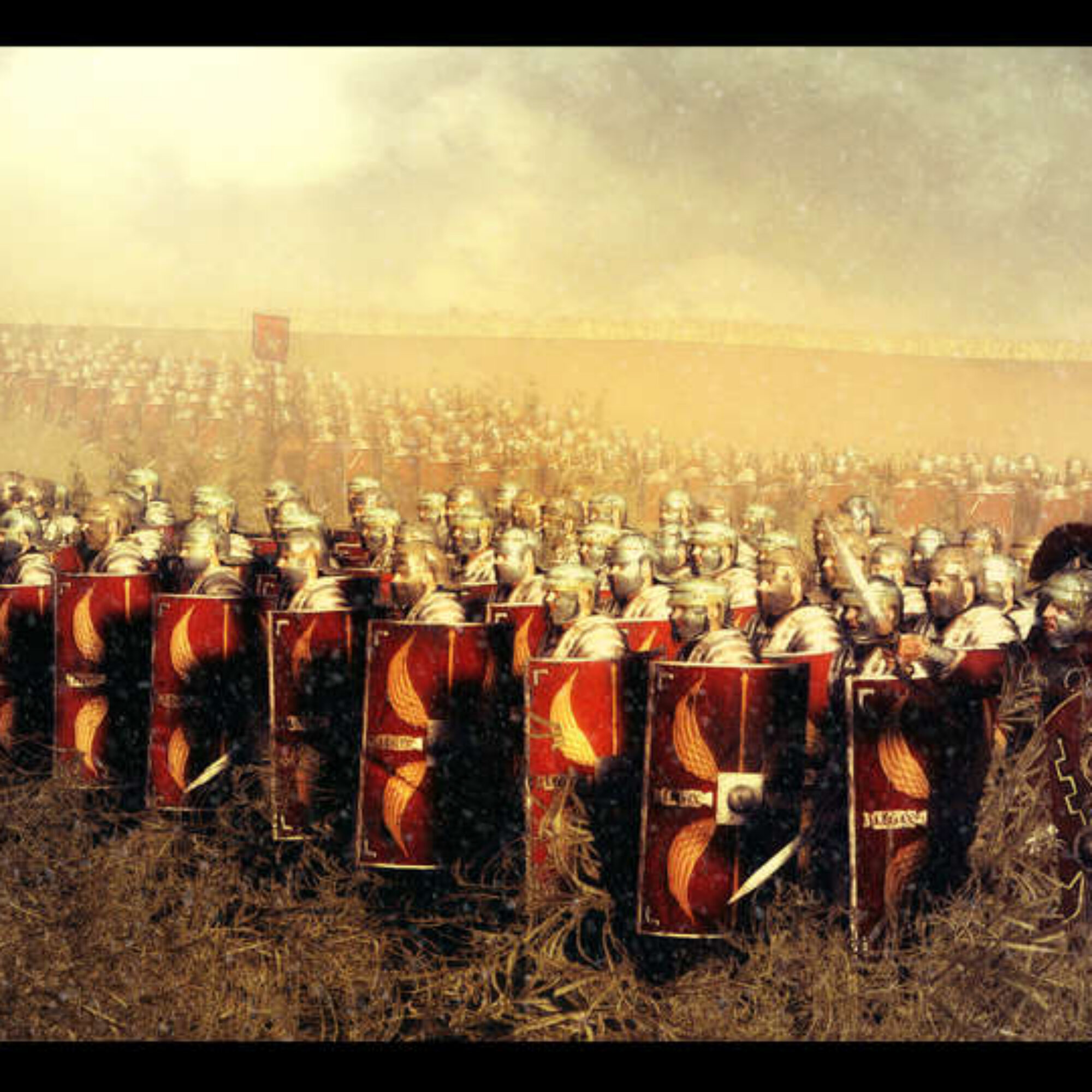
Imperialism and Us

What is imperialism? Imagine two cultures. One lives within the means of its environment---that is, sustainably. The other lives beyond its means---that is, unsustainably. The sustainable culture will live in abundance. Being sustainable means it isn't living in scarcity. Everyone must have enough---actually, more than enough, as evidenced through sustaining through periods of drought. Eventually the unsustainable culture will run out of resources. If it keeps to itself, it can die out, or to continue, change to become sustainable. If it doesn't keep to itself, it may see the sustainable culture's abundance and covet it. If the unsustainable culture is stronger, say by having a larger population or superior weapons, it may take the materials it covets from the sustainable culture. This pattern is imperialism.…
0 Comments

More Freedom From Their Greedy Mitts Getting Into All Our Business

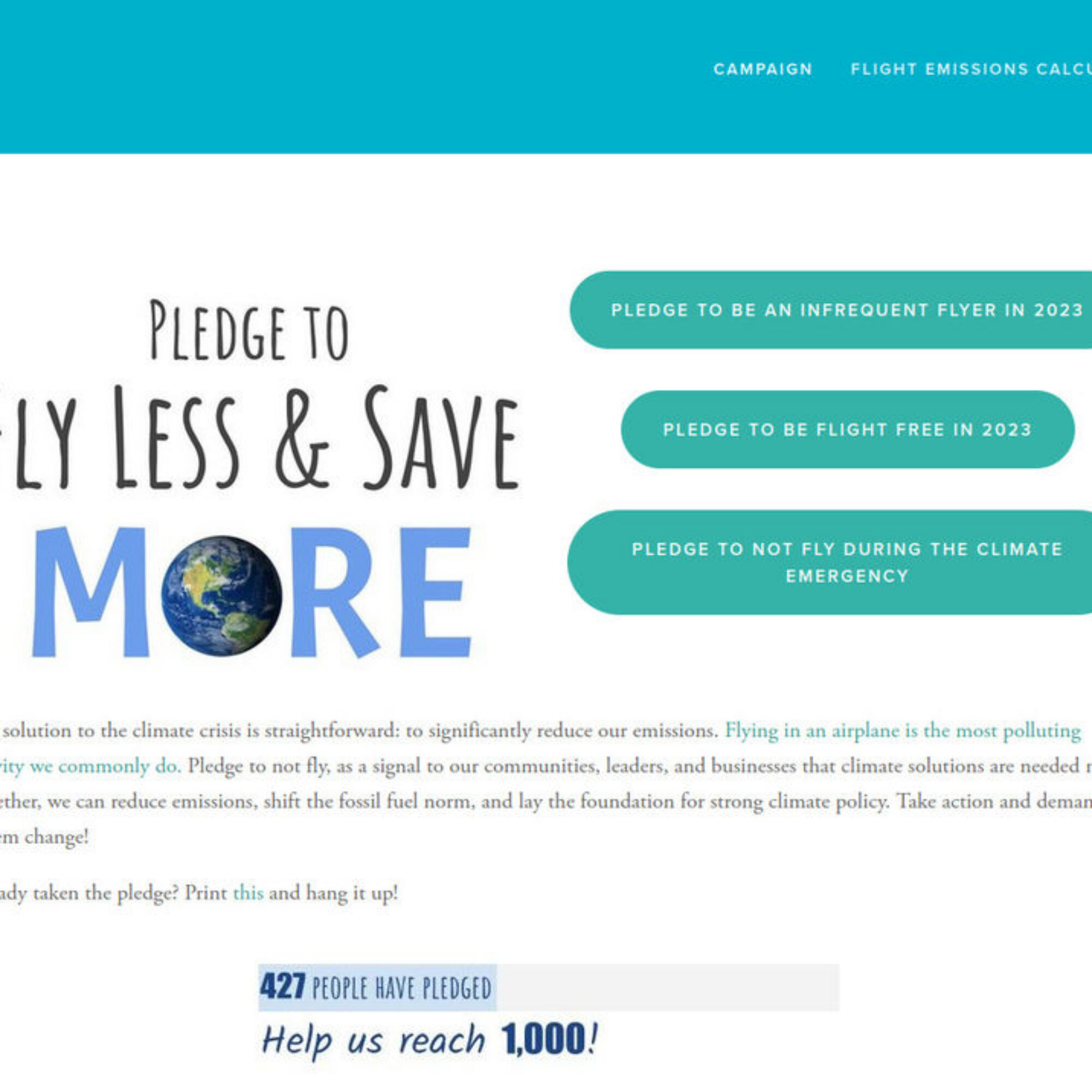
I belong to Flight Free USA, which helps motivate people to avoid the wretched addiction of flying. I recommend joining and taking their pledge to avoid flying. You'll be glad you did. I recommend reading the profiles of people who have pledged and found the joy, fun, and freedom of not flying. Their last newsletter inspired me to think of other initiatives to start that could improve people's lives similarly by helping them kick addictions based in pollution. Having disconnected my apartment from the electric grid with the goal of a month not knowing how I'd make even a few days, I'm now in my ninth month and wonder if a parallel project to Flight Free might make sense. How about something like Grid Free…

0 Comments

672: Chris Bailey, part 2: How to Calm Your Mind

Bringing back Chris for first time since five years ago. Since then, his last book got big, as we briefly discussed. We started talking about meditation and at a high level, framed the conversation to come on how the mind works, outside our control, though we don't notice. More framing: we talk about intention and action, meaning and purpose. The topic of his new book How to Calm Your Mind is interesting to me because I see billions of people on autopilot, sleepwalking into polluting ourselves into oblivion. We spend most of our lives reacting, avoiding the feelings of powerlessness, anxiety, and often guilt and shame keeping us from facing that we are powerful, not powerless. Chris shares a moment of anxiety, becoming burned out…

0 Comments

Ending polluting may seem hard, but the only thing worse than ending pollution is not ending it.

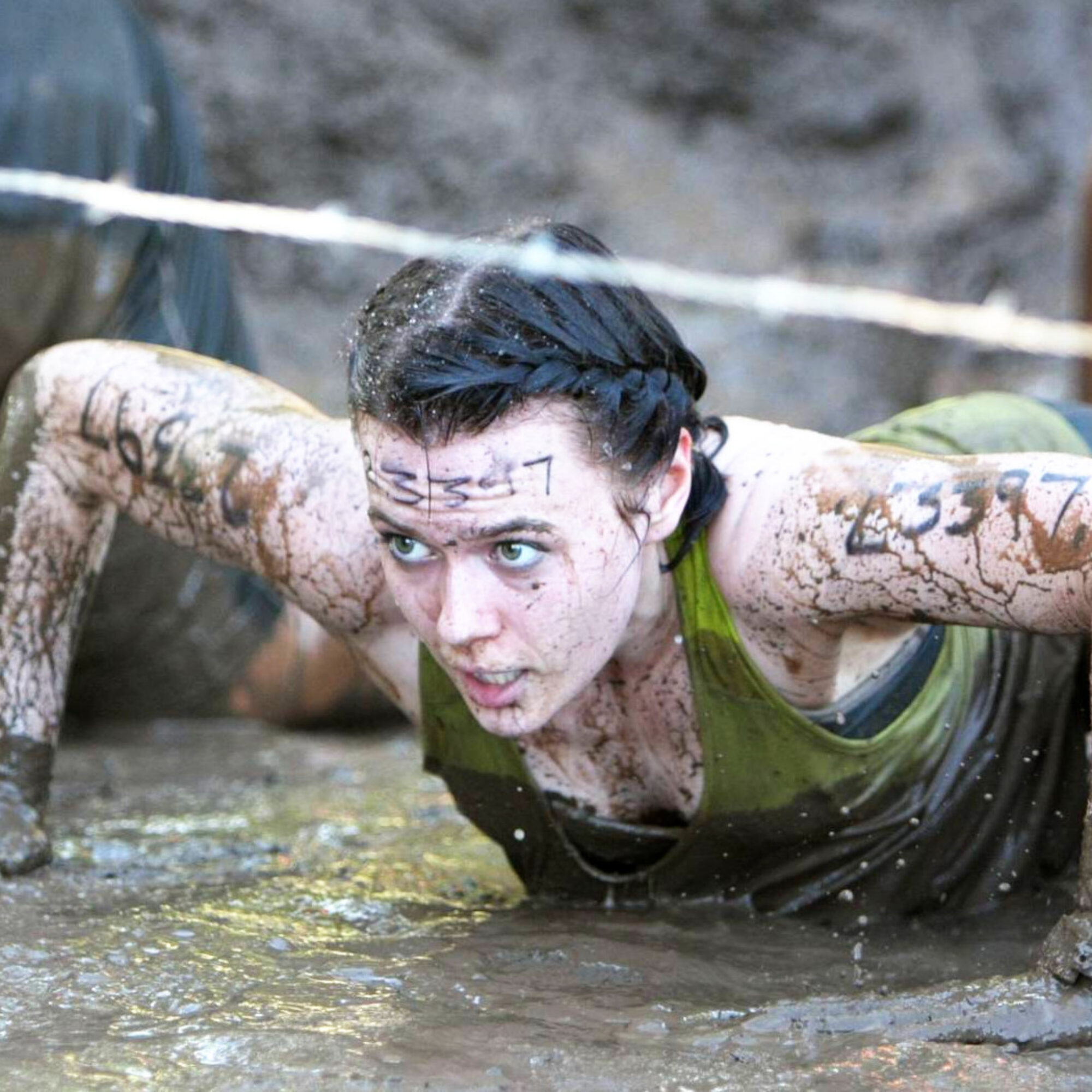
I was talking to an Army Ranger. He said one thing he and his peers said to each other during the most grueling parts of training, when they wanted to give up was: The only thing worse than being a Ranger is not being a Ranger. He said it motivated them to keep going and love the experience, the challenge, the self-awareness of reaching your potential, acting in service of others and your greatest values. It rang true when applied to sustainability. People seem to see not polluting as a fate worse than death, or as grueling as Ranger training. Every step of living more sustainably brings freedom, joy, fun, and other reward, when motivated for intrinsic reasons, which we all have. So I say:…

0 Comments

GDP Growth versus Hawaii

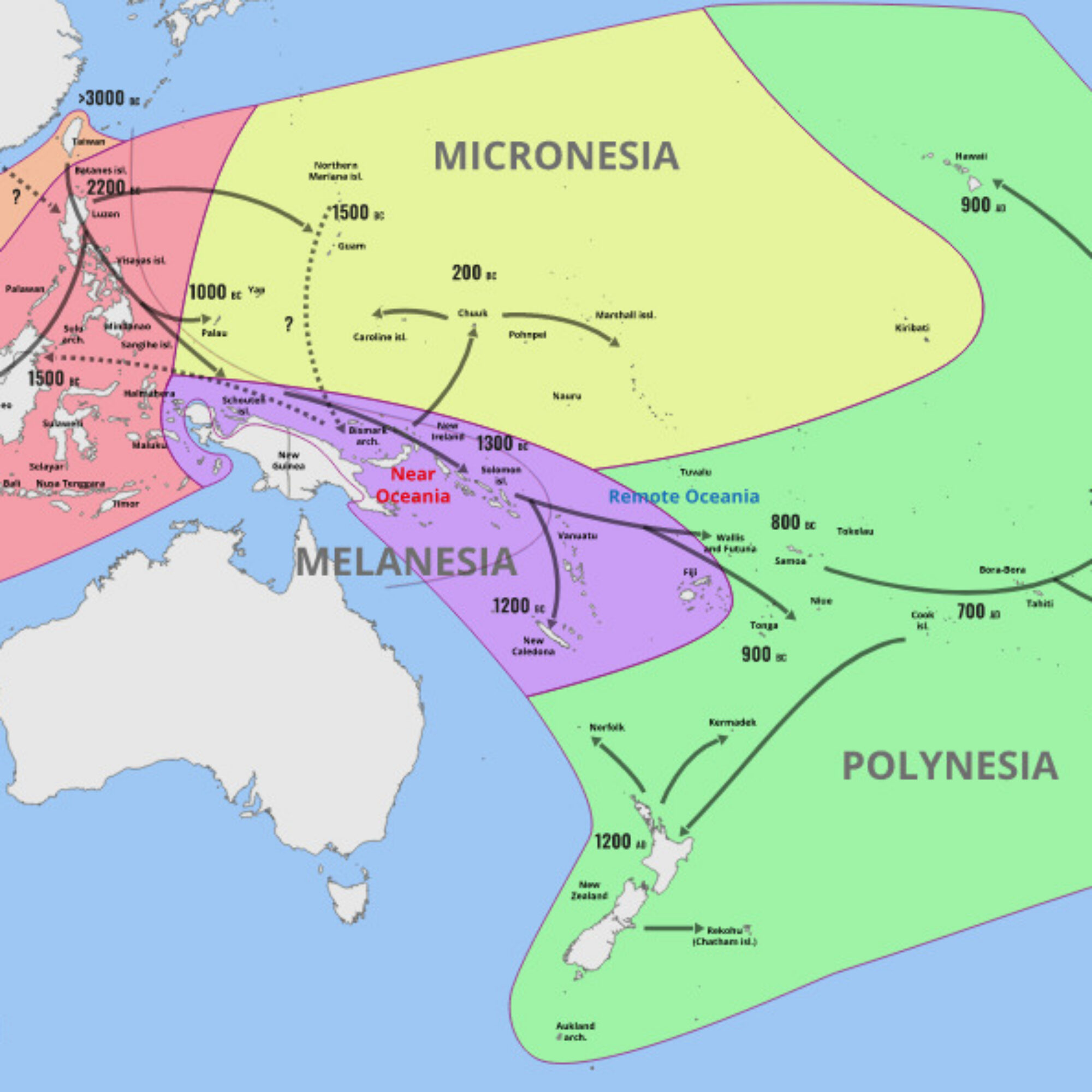
Everyone says GDP has to grow or everything will fall apart, based on economic theory. When Captain Cook found Hawaii in 1778, people had lived there for at least 500 years. Settling Hawaii 500 years before now, the human population was 450 million, suggesting that 500 years was enough for Hawaiians to overrun the islands and cause them to collapse. They didn't, meaning they must have stopped growing, for centuries. Yet they survived and apparently thrived. If a theory says something is necessary but a society survives without it, how can we not conclude that theory is wrong, or at least doesn't always apply? In physics, we hold that if a theory predicts something and observing nature shows something else, the theory is wrong, not…

0 Comments

My orchestra model of sustainability leadership

We're in an orchestra with a command performance impending. No one knows how to play even a scale. Instead of practicing their instruments, they're saying learning to play their own instruments would distract from the orchestra playing together. We have to practice as an orchestra without knowing how to play ourselves. They keep pointing at the musical score and reciting musical theory, but not putting their fingers on their instruments. They steadfastly refuse. They're saying someone will create better instruments and insist further on not practicing. They say they don't have time or money to practice, that it means deprivation and sacrifice. When someone tries to practice they say there's no point. They say it will distract from playing as an orchestra so they keep…

0 Comments

Do I get bored of my diet? What I ate in the last 24 hours.

I once read that most people think their diet is more varied than they think. We fall back on what we like more often than we think. As a corollary, we tend to see others' diets as less varied. (I couldn't find the research on diet variety, but Most people think their diet is healthier than it is: U.S. adults commonly overestimate the quality of their diet, study shows, which found "Out of over 9,700 participants, about 8,000 (roughly 85%) inaccurately assessed their diet quality. Of those, almost all (99%) overrated the healthfulness of their diet.") Yesterday someone asked me if I get bored of my stews. To my discredit, I talk about stews and salads as single things, but they vary from batch to…

4 Comments

671: How Pulling Off a Challenging Day Off Grid Feels

Last night I had trouble falling asleep because before getting in bed, I noticed I had to record two podcast episodes first thing in the morning but I wanted to cook some stew, the forecast was for rain all day, and didn't think my battery had enough charge to pull everything off. Plus I had lots of computer work to do, which would use more energy from the battery. I could always rely on my "cheat" to charge my computer and phone at NYU, but I prefer not to. I'm trying to avoid polluting. I also didn't have enough time between calls and obligations to walk to NYU without possibly missing the beginnings of calls. I found more and more ways to avoid needing battery…

0 Comments

Disgusting and totally unnecessary. Pure pollution, no benefit.

Picking up litter in Washington Square Park I found yet another discarded mostly full plastic bottle of Fiji brand water. Someone may have paid a dollar or two for water shipped ten thousand miles to a city with water rated among the best in the world, then not even drunk twenty percent of it nor even put it in the trash, let alone a recycling bin. It doesn't matter that it's just one bottle. No step of this value chain improved the world or anyone's life. Every step polluted it. It reveals our values. When I was growing up, we viewed bottled water as some froufrou European expensive affectation. Now we saw it as necessary, as if a store without a dozen brands of bottled…

0 Comments

I can charge on my roof in February in shorts and a tank top. Stop polluting!

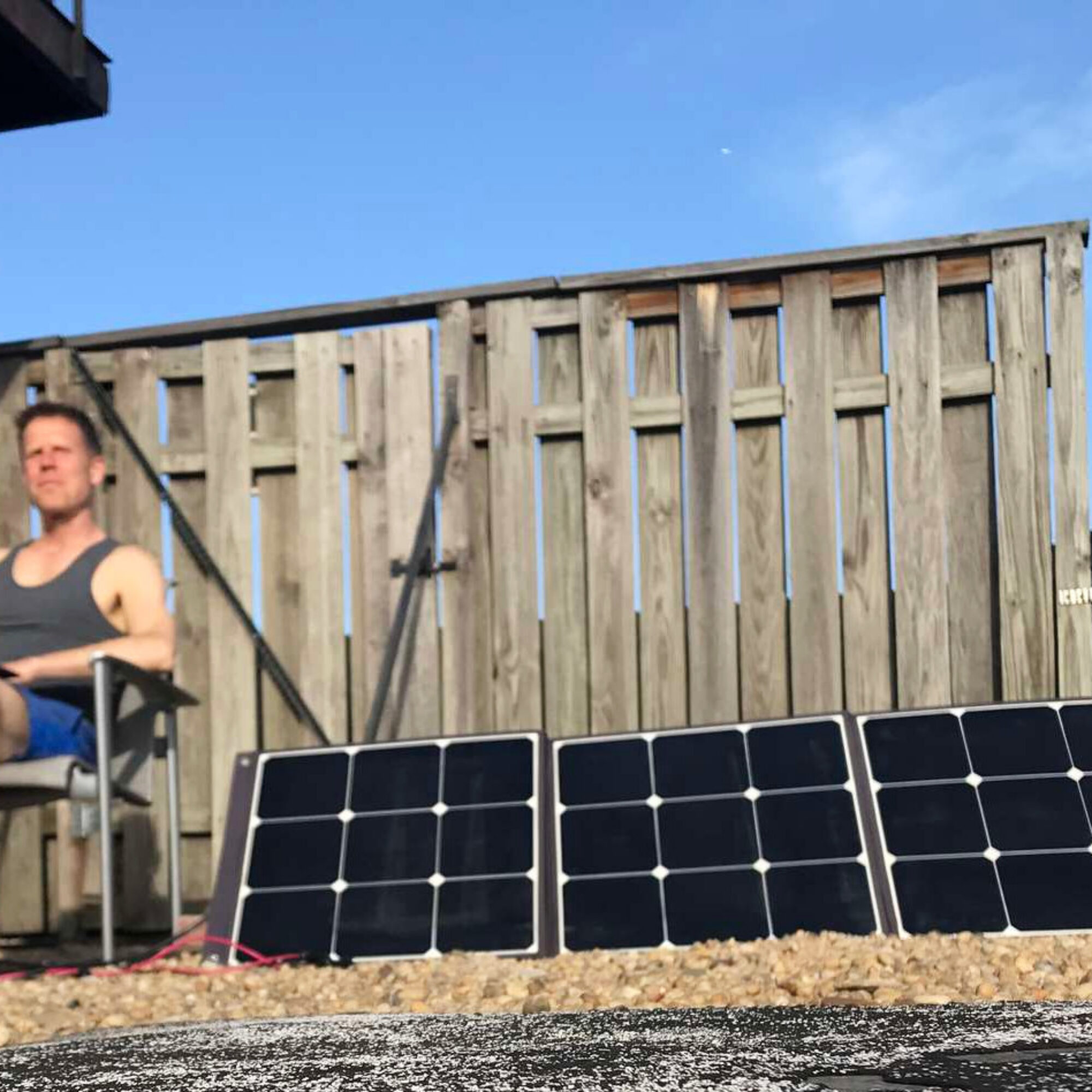
Today hit 66F (19C) in New York. I took advantage of the sunshine to charge on the roof and was more than comfortable in shorts and a tank top. This was me today: You must know that the people who predicted the Earth would warm also predicted if we didn't change wholesale immediately human population would collapse in our lifetime. That means you're putting your life at risk. How are you not scared enough to change your lifestyle? Understand that the following suggestions will improve your life: Stop polluting. Stop flying. Stop buying disposable diapers. Get rid of your TV. Avoid doof. You've been conditioned to think without them you'll suffer. If your reaction is "individual action doesn't help" your mind is so twisted around…

0 Comments

670: Jeffrey Shaw: Self-employment and Sustainability

Do you want a job working in sustainability? If you want to wait for a job in the field, you're going to wait for a long time. Most businesses' models depend on growth, extraction, and exploiting resources. Many of the biggest and most profitable are built on exploiting people too. I hope I didn't surprise you with news you didn't know. Most places with positions like Chief Sustainability Officers or groups like Sustainability Committees are greenwashing at best, judging by how we're extracting ever faster, nearly all ways places claim reductions are scams like carbon offsets or net zero claims that are the equivalent of creative accounting, and most targets are so far off as to be unaccountable. Yet billions of people want leadership. They…

0 Comments

I don’t eat with screens on

I forget it I posted this sidcha, though it's not that challenging, at least not any more, though it was when I started it in January 2022. At first kicking the addiction was hard. Maybe it's more of a habit. It's not a restriction though it may seem that way if you haven't lived it. The sidcha: I don't eat when a screen is on. Or when I eat, I turn off all the screens I can see. I haven't started avoiding sounds, so I'll listen to my phone or computer play an audiobook, music, or a podcast. If I want to check something quickly, I'll stop eating, check my email, and start eating again after turning the screen back off. I can't put into…

0 Comments
Doof : local fresh produce :: masturbation : making love
Enjoy Coca-cola!

Doof : local fresh produce :: masturbation : making love

Doof brings you predictable, reliable pleasure. It works every time. You don't have to think about anyone but yourself. You don't have to prepare anything. It's clean. Enjoy Coca-cola! Local fresh produce takes more effort to select. It can be bad sometimes. It's messier. It takes planning. It's different every time. You have to think about other people. You may have to put their considerations before yours. Doof disrespects other people. It minimizes their role, almost to where you can imagine they don't exist. If you did know their role, you'd feel ashamed of paying to put them in that role. You can tell yourself all you want it provides meaningful employment, but no one who didn't have to do it would. You consume doof…

2 Comments

On Writing: Hear me on Writers Series by Sasha Talks

Sasha Laghonh invited me to her new series, Author Interviews by Sasha Talks | Celebrating the Arts, Culture & Life, to speak about writing. She's a longtime podcaster who has hosted me before. We speak about many aspects of writing: habits, style, motivation, goals, and more. If you're thinking about writing, I recommend listening. You don't have to copy my style or goals. On the contrary, developing your own will create the enthusiasm I feel for writing as much as I do. I don't claim to be the best, but important people review Leadership Step by Step and Initiative highly, almost as highly as people who do their exercises. Here's the conversation: Here is her full post (also on Blogspot, another format). Show notes Meet…

0 Comments

669: David Loy: Ecodharma: Zen Buddhism and Sustainability

What can we learn from Buddhism to understand and respond to our ecological crisis? This question is the heart of David's focus, as I understand it. We started by describing his journey from a more mainstream American childhood to Zen Buddhism and forming the Rocky Mountain Ecodharma Retreat Center near Boulder, Colorado. Then we talk about humanity's disconnect from nature and his work to restore it, in the context of his Buddhist path. We also talk about reconnecting with nature, letting go of the cultural forces to disconnect. He shares his work to help people handle these problems and their grief. We talked about how we handle what we humans are doing to our world and what we're doing about it, including from a Buddhist…

0 Comments
Disconnecting from the Electric Grid in Manhattan: Ars Technica Reader Questions Answered
Ars Technica Josh Spodek Disconnected In Manhattan

Disconnecting from the Electric Grid in Manhattan: Ars Technica Reader Questions Answered

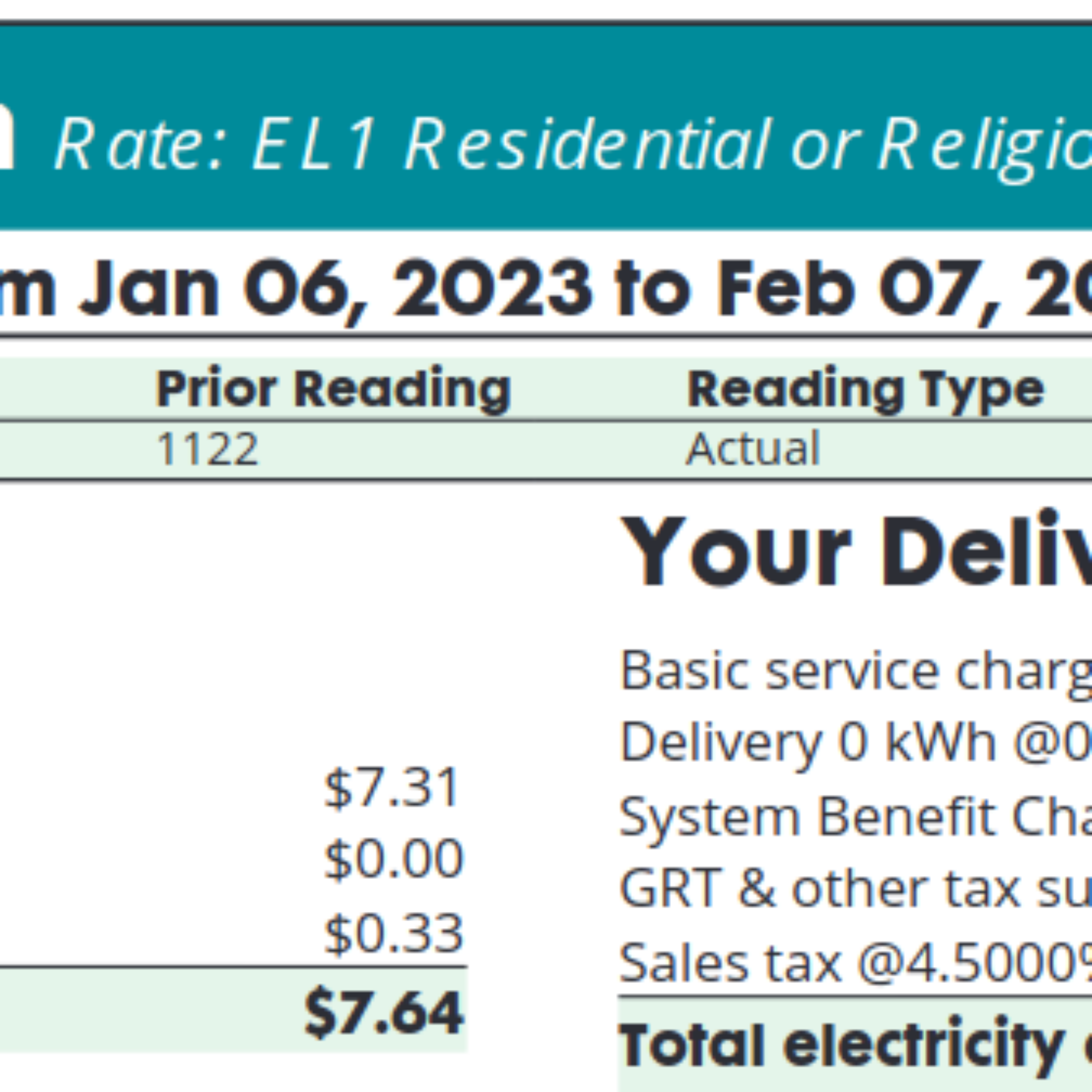
My story I disconnected from the electric grid for 8 months—in Manhattan became Ars Technica's top story the day it posted and the next. It also generated many questions and comments. I can’t answer them all, but I wanted to address the big ones, such as How much solar power did I generate and use? Didn’t I just transfer my power use to NYU “cheat”? How much power did I use there? What did I do for heating and air conditioning? Wasn’t I just leeching off my neighbors’ heating and air conditioning? Did going out at night mean I was passing my power costs to restaurants? How did I keep food from spoiling? Did I have to shop for food every day, or nearly so?…

0 Comments

668: Christopher Ketcham: Growthism Versus Sustainability

Reading Christopher's story in the Pacific Standard, The Fallacy of Endless Economic Growth What economists around the world get wrong about the future, made me contact him. It was one of the only reviews of criticism of our culture's attempting to grow the economy and population forever that didn't prioritize growth dogma over understanding. The article centered on the book Limits to Growth, its analysis, and the unhinged criticism of it. I had to look up his other work too. I recommend following up at his page, which links to his writing and Denatured, his journalism nonprofit. From the moment he starts talking in this conversation, he lays down basic, common sense understanding of our culture's fundamental tenets, which he calls growthism. To my ears,…

0 Comments

Fixing Peter Singer’s drowning child analogy for sustainability

Peter Singer is one of the best known philosophers. He's won many awards. As a vegetarian since 1990 and vegan about a decade (I didn't note the date I stopped eating cheese, the last animal product I still ate for a long time; also I ate less animal product than anyone I met who called themselves vegan for much of the time I was still vegetarian), I've known about his 1975 book Animal Liberation for a long time. Peter Singer I'm writing now because I recently re-heard his drowning child analogy and saw a new take on it relevant to sustainability. I'll describe the analogy very briefly since you can look it up, then describe my take. The analogy suggests you consider if while wearing…

0 Comments

Why Do Hard Things: Glory and Peace

Friday was sunny but cold. After a January with only two or three sunny days, therefore only two or three chances to power the battery to cook, I didn't want to lose the chance to cook. Friday's temperature The temperature was in the low twenties F (-5C or so) and it was windy. It was either my coldest day up there or close to it, but I didn't mind the cold since the sun meant I could cook. I mean, by the time I headed downstairs, my feet were numb, but I've been out in colder to play ultimate and ski. It was also six weeks since the solstice and I could charge a couple more hours per day already. So I felt abundance. I'd…

0 Comments

667: James Oakes, part 1: Sustainability and Abolition in the United States

The only was I can see how we can avoid environmental disaster leading to human population collapse is by changing our culture---every unsustainable culture but America most, as the most polluting per capita large nation. Can we do it in time? Humanity has changed on a global level within a few generations at least once before. Slavery was legal, normal, and seen as good around the globe since before written history. Then in the late 1700s, abolition increased until within a century people widely viewed it as wrong. Not long after, nations made it illegal nearly everywhere. Jim Oakes is one of America's leading historians of America's abolition movement. I met him at his office, where we spoke about American abolition, Abraham Lincoln, the Thirteenth…

0 Comments

Living in the U.S. or rich country won’t protect you, nor will prepping and bugging out. Prevention can.

Disconnecting from the grid put me in touch with a few people preparing themselves and their families for an apocalypse, as does just living in America. It seems that population includes many people who buy portable solar panels like the ones I bought. I can't criticize them. On the contrary, it occurred to me that their believing that people can live sustainably can make them great role models, in contrast to many so-called environmentalists who don't even try to live sustainably and call for huge funding for solar and wind that are not clean, green, or renewable, as if calling them "clean," "green," or "renewable" would make them so. Maybe I'm missing something, but with eight billion people on a world that can sustain about…

0 Comments

666: Mark Plotkin: Learning From Indigenous Cultures, the People Not Just Our Projections

Every step I take toward sustainability leads me to learn how much humans have figured out how to live sustainably. I'm far from living sustainably, though I've come a long way. We are wiping out the cultures living sustainably these cultures, now hanging on by threads. Besides practices and viewpoints, I'm learning humility. We don't have all the answers. Far from it. They may not either, but at least they can help us restore lost values of community we're jettisoning in favor of isolation and humility to nature we're jettisoning in favor of ignoring that our attempts to dominate nature are accumulating unintended side effects hurting us more than helping. Such are my views. I haven't lived among indigenous cultures and don't expect to. Mark…

0 Comments

What you’ll get more of when you stop polluting: what you love most

You tell me what you fear you'll lose without pollution and I'll tell you what you'll gain more of. If you think you'll connect les with family, you'll actually connect more. If you think the poor will be hurt the most, they'll benefit the most. If you're worried about losing your job, you'll find greater job security. If you think your health or the economy will suffer, they'll improve. What am I getting at? Why do I believe you'll experience the opposite of your fears? Addiction makes you feel you're getting more of something but overall you get less of it overall in life, outside brief spikes. Gamblers feel like winners when they're actually losing. Meth addicts feel like they have more energy, but overall…

2 Comments

665: Tony Hiss: Rescuing the Planet: Protecting Half the Land to Heal the Earth

Tony turns out to live a few blocks from me. I met him at his home, where we recorded. He shared his experience knowing E. O. Wilson, who, as Tony described, conceived of the plan to protect half the Earth's land to protect biodiversity and more to sustain Earth's ability to sustain life. I'd heard Wilson describe the plan many years ago and had seen some analysis that it could protect up to ninety percent of biodiversity if implemented effectively, whereas saving less land or implementing ineffectively might save markedly less, which could put humanity at risk, not to discount the value of other species' existence independent of humans (I confess to valuing humans more than others, but still value other life). I hadn't heard…

0 Comments

End of content

No more pages to load