591: Whitney Tilson, part 1: Acting on intrinsic motivation versus feeling you have to save the world

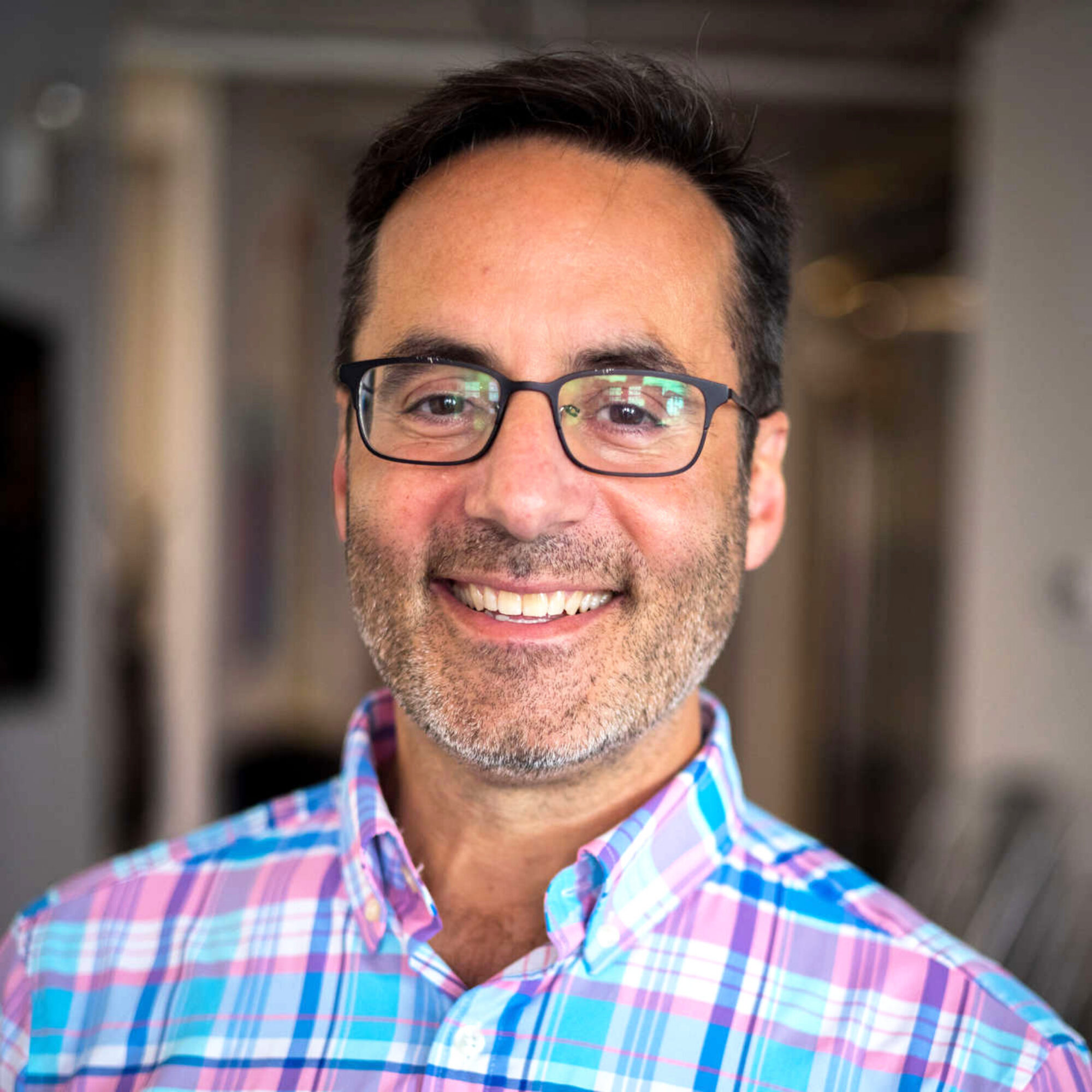
Whitney's background and accomplishments are incredible and we start with them. He shares his beliefs and mindsets that lead to his high performance in business, philanthropy, fitness, family, and more. Then we share a fun part of how I invited him to this podcast. After he, in a friendly, helpful way, cursed at some of his newsletter readers in criticizing their behavior during the pandemic, I cursed at him in the same friendly, helpful way. The email got his attention. It led to us meeting in person to pick up litter in Washington Square Park (where he saw his first drug deal in the corner with the syringe drug users), then to recording in person at my apartment. When we spoke on the environment, I…

0 Comments

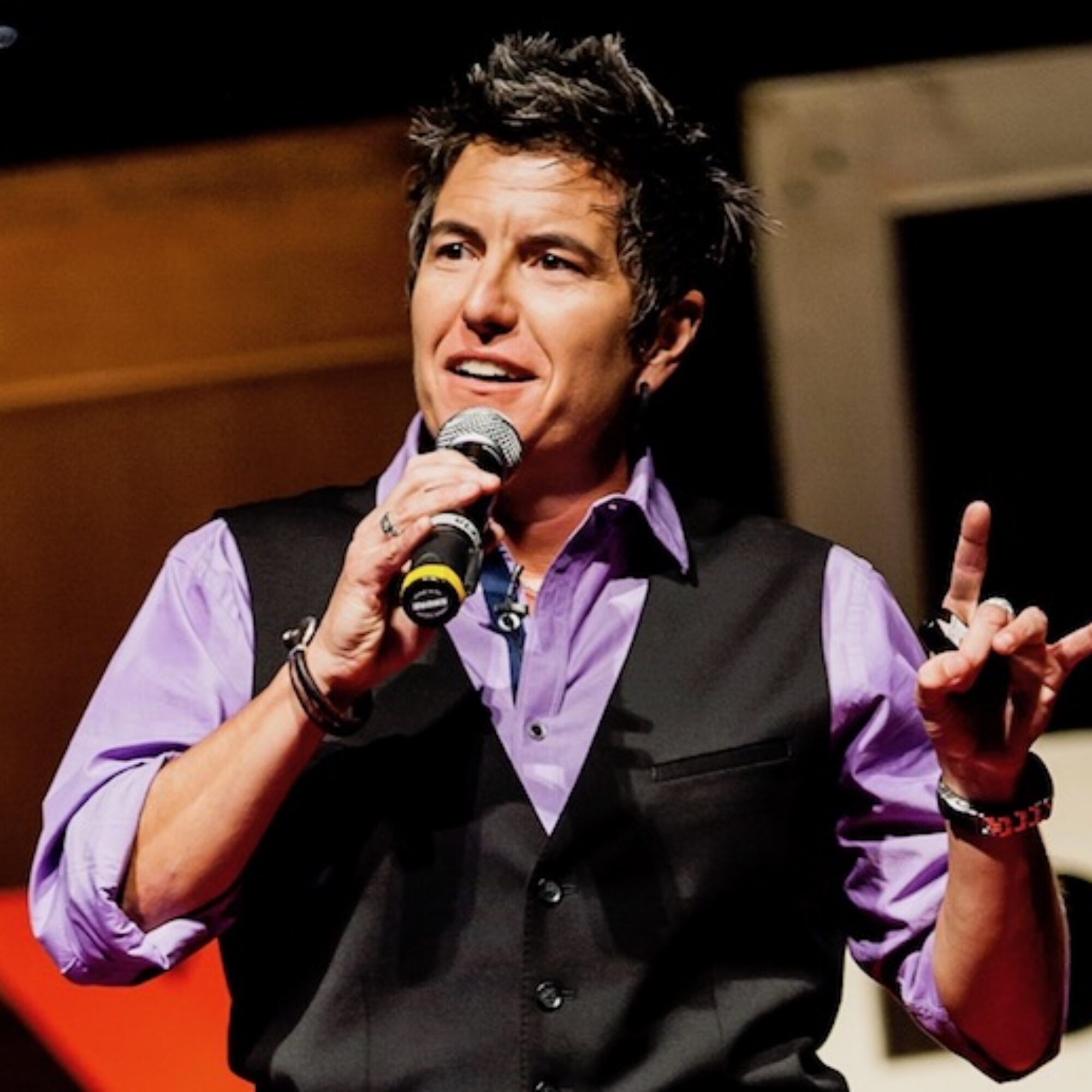
590: Ash Beckham, part 1: Being vulnerable, supporting others, growing yourself

We started from Ash's TEDx talks, which cover vulnerability, intimacy, and support. You can listen to our conversation on its own, but it won't hurt to watch them first. She could easily say, "As a lesbian, I have it so difficult," but she speaks more universally. Everyone has something difficult to share, hides parts of their identity, has been made fun of, has felt judged, shamed, or the like. She shares about opening up. She takes no high ground, nor victimhood. She reflects and shares insight mixed with plenty of humor and humility. I hide my share of things and welcomed her role modeling to open up more. I suspect you'll want to too.

0 Comments

Some flying pollution numbers

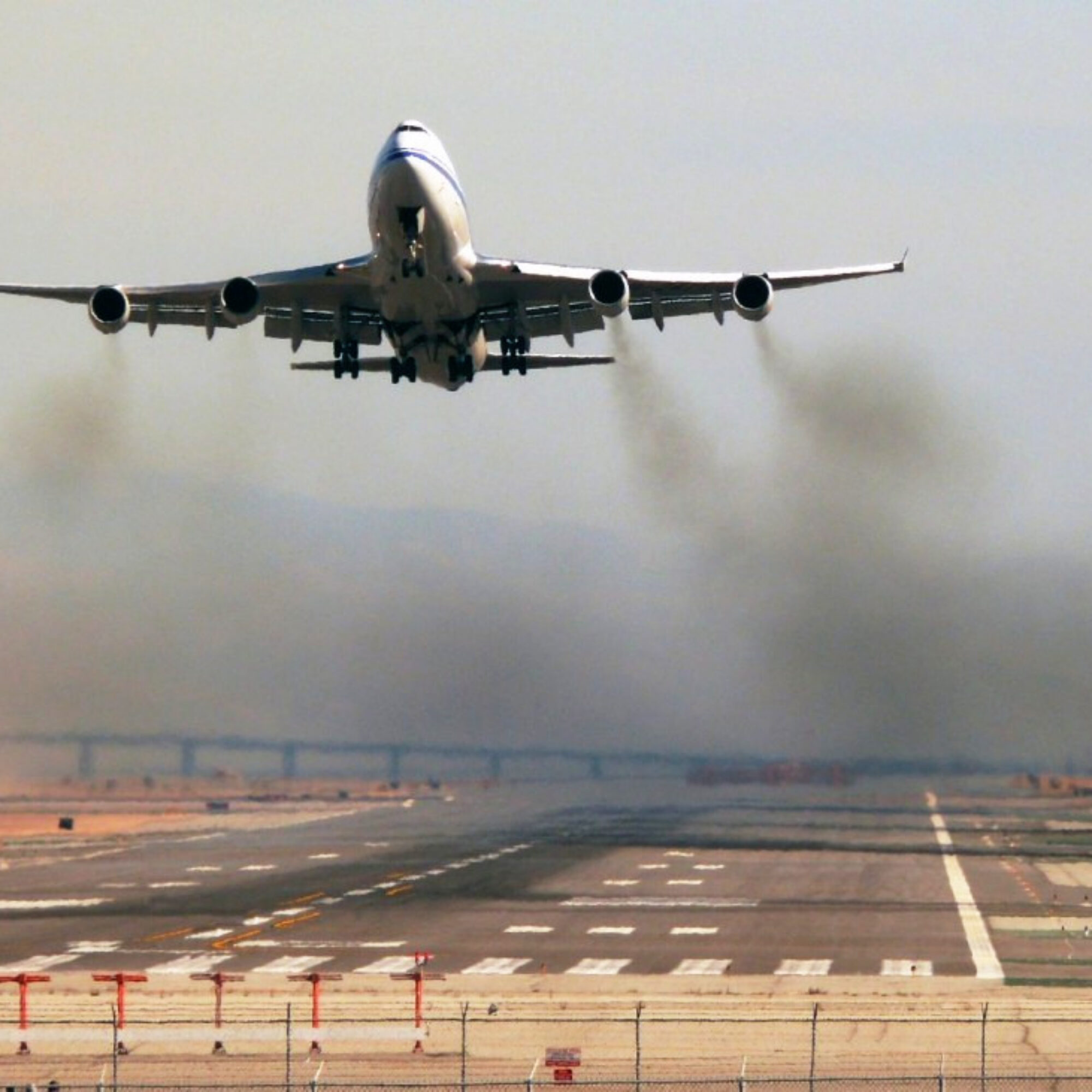
Why do I harp on flying so much? Doesn't flying only contribute about two percent to global warming? While measurable, that fraction sounds small. And since everyone flies, doesn't avoiding flying inconvenience a lot of people for little gain? The evidence contradicts that view, so time to lose it. Few people fly. If you fly internationally or more than once a year, you're part of a small elite of a few percent of all humans contributing most of the pollution from flying. Flying is probably your greatest contribution to lowering Earth's ability to sustain life. (Not included in the paper: when you commit to stopping flying, after the craving passes, you will prefer life.) At last I found some peer-reviewed numbers on flying in the…

2 Comments

589: Abraham Lincoln and Sustainability, part 1: Is the US a racist nation? What should we do then?

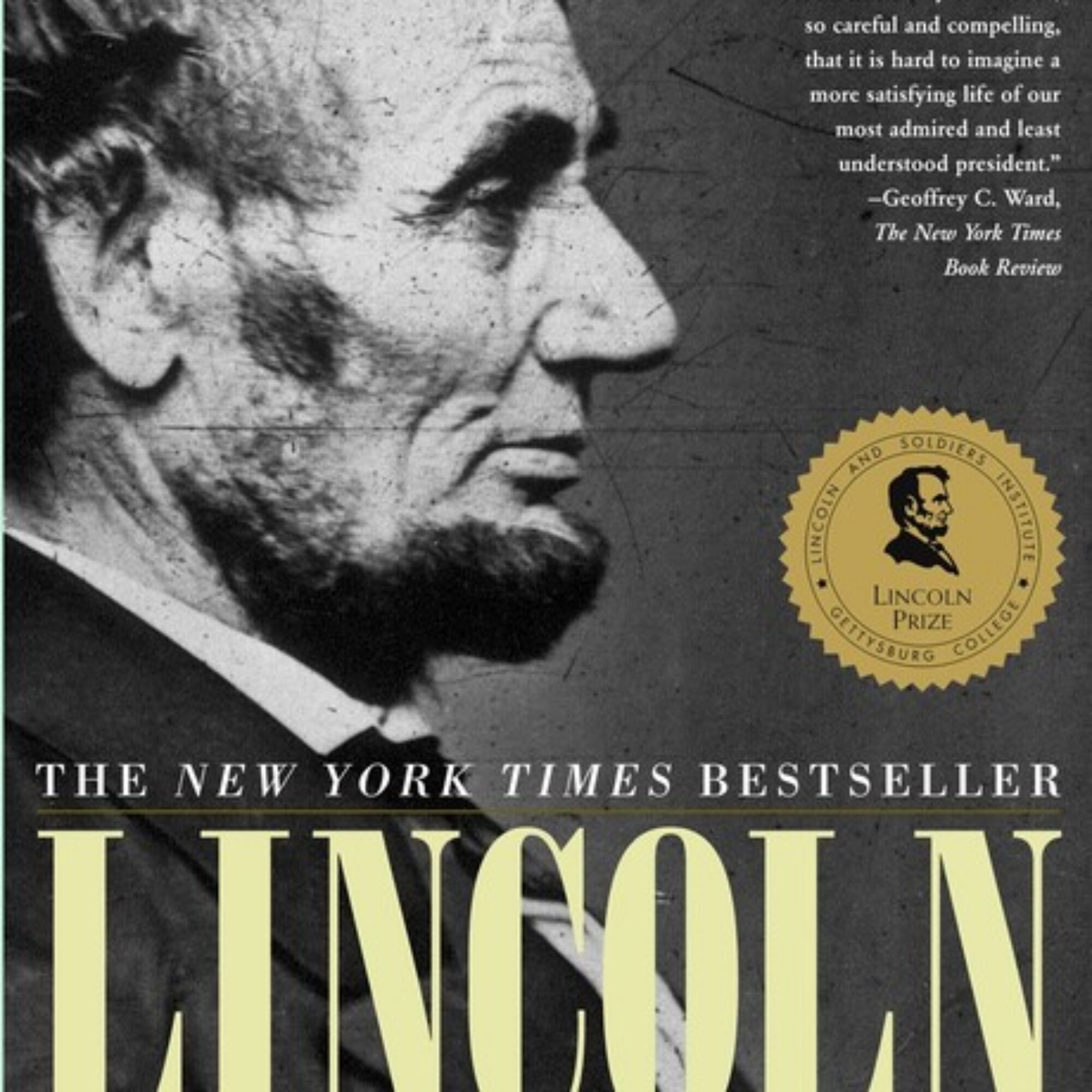
The text of this episode: Regular listeners know I’ve been living with my apartment off the electric grid for two weeks, in Manhattan, not off in the woods. Most of the benefits are about connecting more with nature, being humble to it, not dominating it. I’m waking up earlier, for example, to work and read by daylight, so I don’t have to drain the solar-powered battery. Direct sunlight is free. Likewise, during a spell of three overcast days, I had to pay attention to my power use and take advantage of what sunlight I could to charge the battery. Speaking of reading by daylight, the great benefit prompting today’s post is nearly finishing a biography, Lincoln, by David Herbert Donald. I’m on page 507 of…

0 Comments

588: Mark DiMassimo, part 1: Leading with integrity

We start with one of the great cases of a corporation choosing to act with integrity in the face of pressure and incentive not to. Mark was part of the team that chose for CVS drug stores in rebranding to stop selling cigarettes. The choice was superficially difficult in that cigarettes made them billions of dollars in profit and their competitors could gain market share. But it was easy in that if they wanted to identify with health, there was no question. Mark shares inside views of that story, then connects with leadership and integrity. We look at comparable cases, like New York banning cigarettes in the work place, people projecting losing business to New Jersey. Mark focuses on what changes behavior. He asked what…

0 Comments

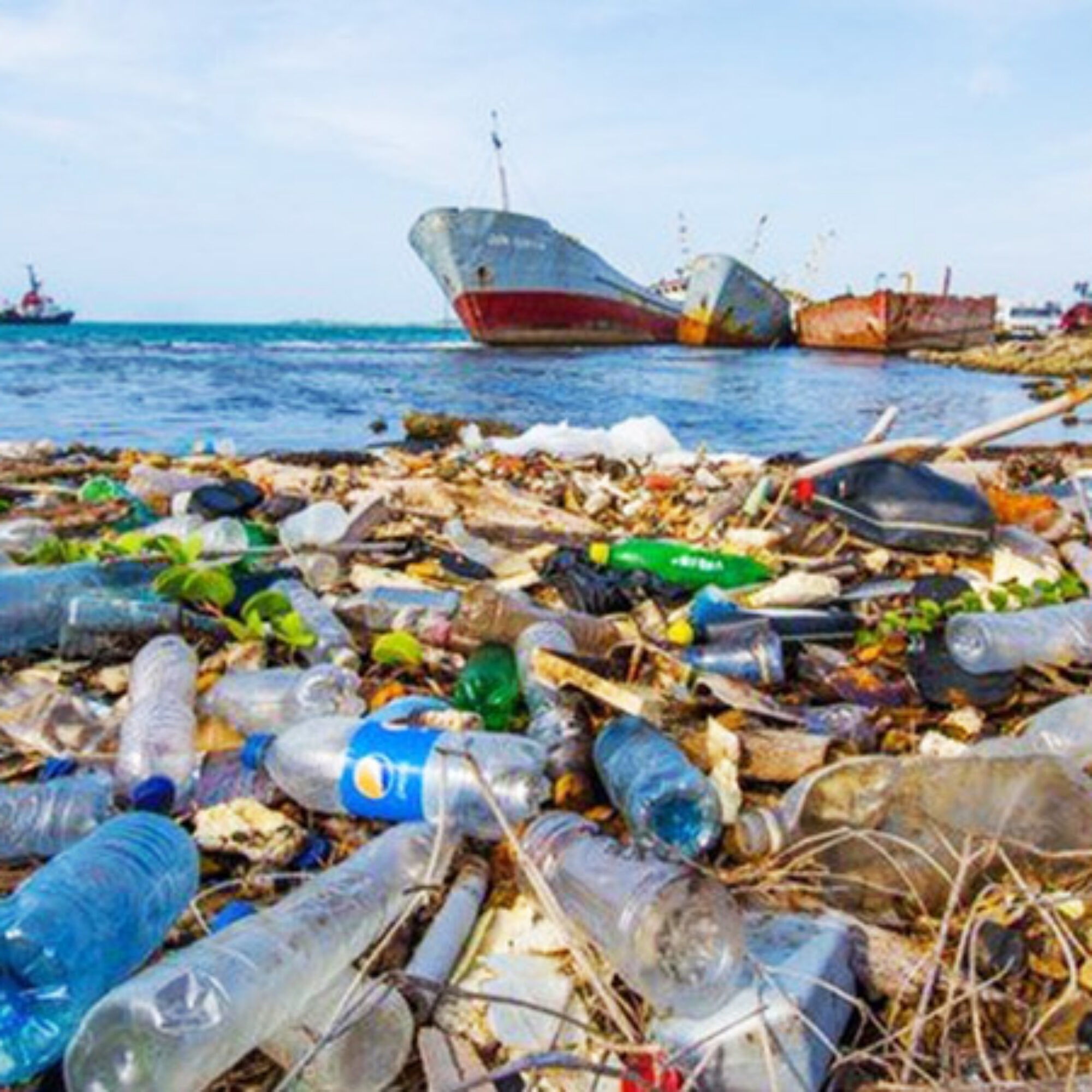
You can try to convince yourself otherwise but packaging and plastic pay rich people to impoverish poor people.

I defy you to find a way to pay for plastic that doesn't make a rich person more rich and cause unhealthiness to helpless people (and wildlife). Despite what marketers have fooled many to think, packaging doesn’t make food fresher. It might keep an individual item fresher, but systemically, it leads us to overall eat less fresh, less healthy food, often consuming doof instead of eating food. Foragers always ate fresh. Americans today nearly exclusively eat prepared, packaged food and consume doof, at least by what I see people stuffing their faces with while the walk and drive. There's no joy in it. Likewise, marketers have fooled many people to think prepared food and doof somehow address needs of poor people while the opposite happens.…

0 Comments

587: Josh Martin, part 1: How to Reach the Ivy League and the NFL When You Start Late and Unprepared

Regular listeners know I love talking with professional athletes. They open themselves to failure every time they compete. They often make incredible feats look so simple and natural, we forget the years of dedication and effort that made it possible. Whether you want to play professional sports or not, you can adopt from them to reach your potential, which is one of my definitions of competition. I love talking to them because they share what happened behind the scenes. Almost always, as with Josh Martin, it means hard work for a long time, but that view is too simple. What enabled working so hard? They aren't gluttons for punishment, nor automatons. What's their mindset? What's their physical attitude? Josh shares these things from behind the…

0 Comments

Gut punch: What you mean by balance versus what I mean.

When most people say they balance their sustainability actions, they mean balancing their values or feelings. When they call me extreme, I believe they think I'm acting to one extreme of a spectrum. But I act balanced too, just not only considering myself. I balance my interests with how my actions affect others: people our money would displace from their land for resources, people our money would cause to breathe and ingest toxins, people our money would drown in plastic and other waste, and so on. Yesterday, I suggested measuring your sustainability efforts by your effects on others, not how hard you feel you're trying, which motivates inflating the difficulty of acting sustainably, as if not flying was impossible, or not air conditioning at your…

0 Comments

Measure your sustainability efforts by your effect on others, not how hard you felt you tried.

People seem to measure their sustainability efforts by how hard they feel they tried. But nature and doesn't react to how we feel. Nature reacts to how we act. People constantly tell me they're what they can, they can't do any more, or they balanced how much they can do with what time, money, and other resources they have. I'm not just talking about my Mom, but nearly everyone. Using perceived effort as the measure is counterproductive in several ways. It motivates us to act as if every effort is big so we can credit ourselves more. We act as if avoiding straws or going camping instead of flying is a huge burden people should credit ourselves. It discourages us from enjoying sustainability, which discourages…

0 Comments

586: My Kitty Hawk moment, on the way to a Moon Shot

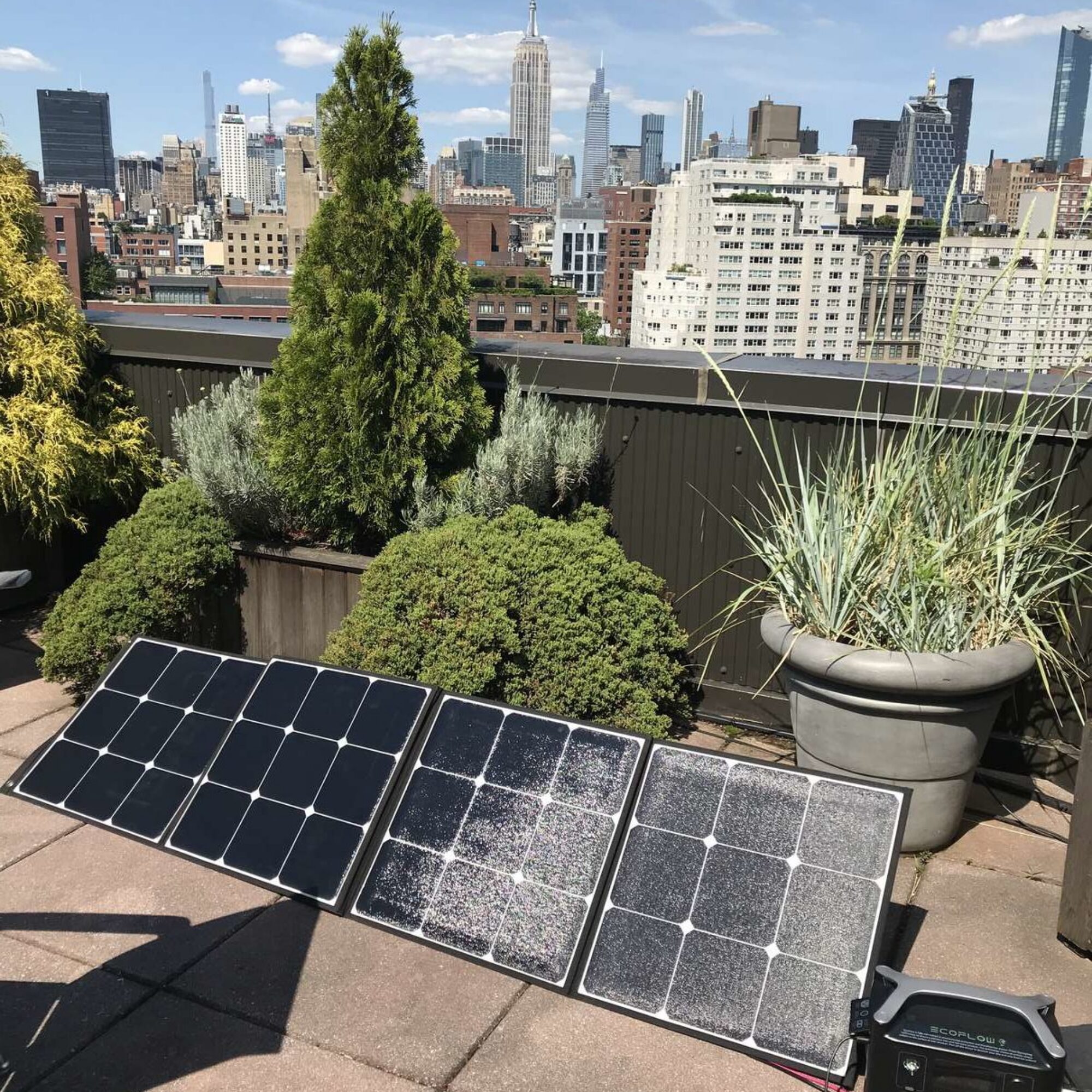
More continual improvement: the more sustainably I live, the easier each next step. Business people know about continual improvement, also knows as kaizen, the Toyota Way. How do you go from the Wright brothers' airplane to a 747? Not in one jump. Continual improvement, part of the process I have to convey more. I share observations on my week without using the electric grid: about food, climbing stairs, timing sleep to use more sunlight, and more. The picture shows my solar panels and battery on my rooftop.

0 Comments

James Bond: revolting?

There are two types of political revolution, at least. One changes the type of government. The American Revolution replaced a monarchy with a democracy. The other changes the person in charge but keeps the system. Many coups result in the second type. I'm not sure they qualify as revolutions, but people call them revolutions. What does James Bond have to do with revolutions? I recently saw the last James Bond movie, No Time to Die. I counted six bad guys, or five bad ones and one would-be good guy whose hubris caused the big problem. The main bad guy is Lyutsifer Safin, who kills people left and right, builds the lair Bond has to infiltrate, and so on. He even engineers killing the second bad…

2 Comments

Sustainability realizations and gut punches

Mainstream culture seems to believe the opposite of the following. They're generally systemic effects like that building roads increases traffic in the long run, even though while you're stuck in traffic it feels like more roads would decrease it. Sustainability = Freedom (most people think sustainability means risking reverting to the stone age) Doof impoverishes communities (most people say eating healthy costs more, implying doof saves money) Farmers markets save money and time (most people say farmers markets cost more) Flying decreases exposure to nature and destroys it (most people think of flying as a way to visit natural beauty) Either you're living sustainably or you're hurting people, potentially killing them (cutting out the middle steps makes it sound brutal, but there's no two ways…

0 Comments

585: Douglas McMaster, part 2: If a restaurant can run with no trash, we can too

When a man who founded a restaurant that uses no trash cans meets a guy who doesn't fly and hasn't filled a load of trash since 2019, we start by expressing mutual appreciation. Anyone can do these things. It's a matter of doing it. Doing it leads to experiencing similar challenges and overcoming them, facing similar resistance from people saying it's impossible, and enjoying similar feelings of reward at living by our values. Doug shares stories we can learn from of. One that I love is on fermentation. I'd started doing it and loving how simple it is, but hadn't heard the glory Doug shares of making it a major part of the kitchen. I'm fermenting more all the time. Also mycelium, fungus, which they…

0 Comments

The tragic fate of democratizing technology

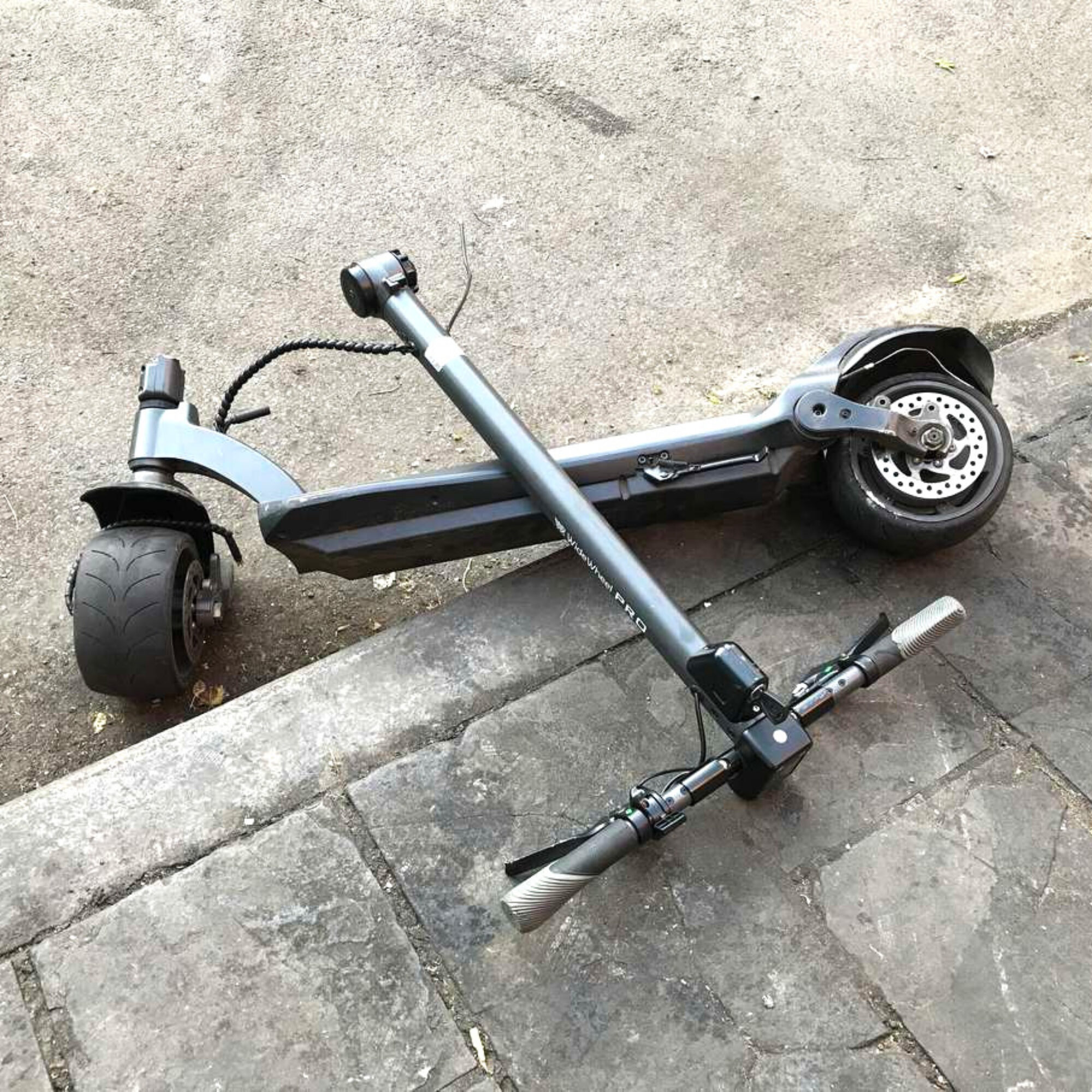
Before the pictures of the fate of democratizing technology, for context, let's remember that humans lived and thrived for hundreds of thousands of years without even the wheel. Despite our erroneous projections of our fears of what life outside society would be like, our best evidence from history, anthropology, and archaeology tell us they lived with comparable of often higher signs of HealthMental healthDietStabilityEqualityLongevityResilience After all, they survived 300,000 years. In less then one one-thousandth that time, since the Industrial Revolution, daily headlines describe how we're lowering Earth's ability to sustain life, including ours. Pictures of the fate of democratizing technology Walking along Sixth Avenue yesterday, I saw this broken electric scooter abandoned in the gutter: A couple years ago, electric scooters cost over $1,000.…

0 Comments
584: Freedom, continual improvement, fun, and curiosity: day three only solar in Manhattan
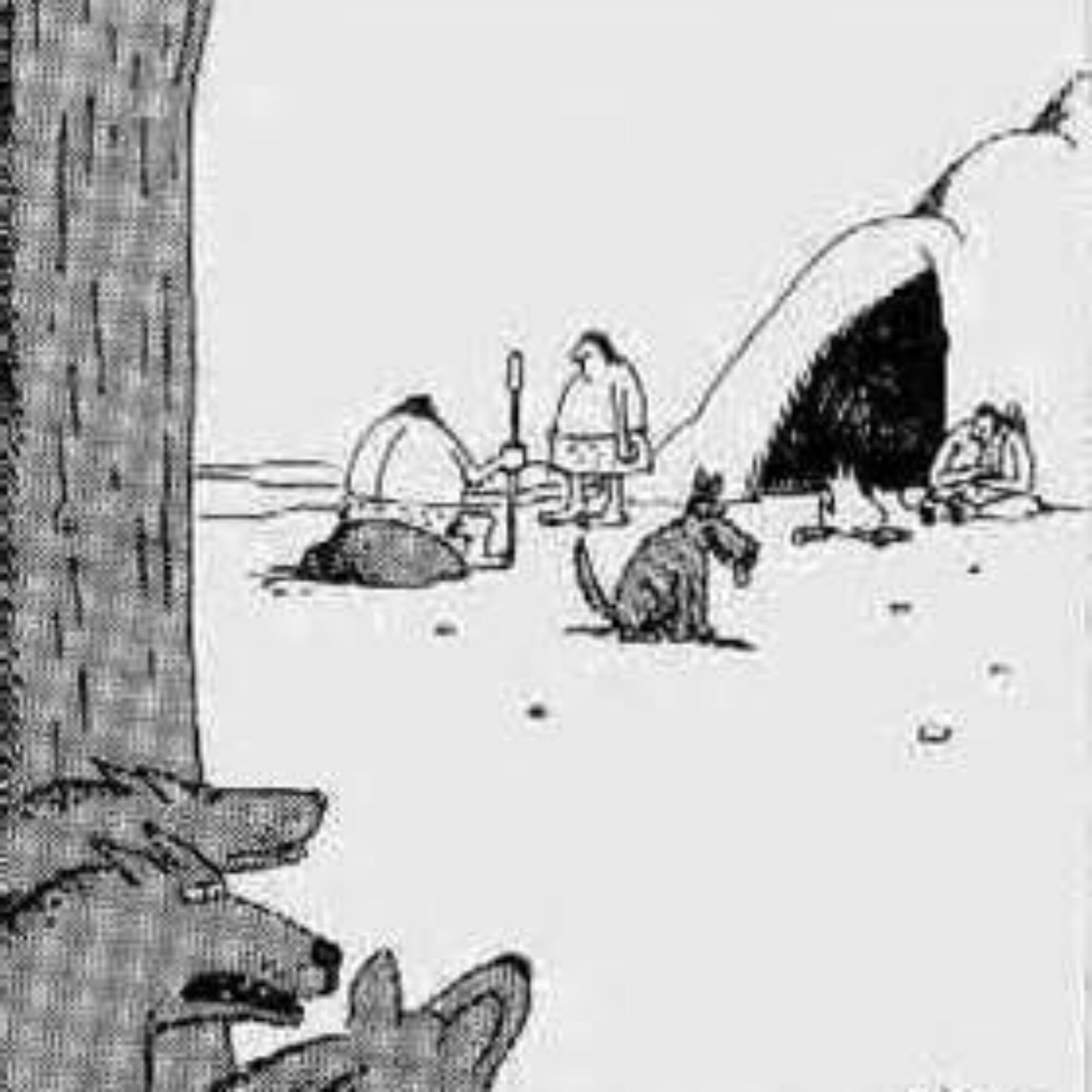
"Look at that glassy stare, those vacuous eyes... He's been domesticated I tell you!"

584: Freedom, continual improvement, fun, and curiosity: day three only solar in Manhattan

I share thoughts after two days using only solar power in Manhattan. After recording I turned off the circuit to the whole apartment. I'm on the roof now, charging the battery. The recording shares more. The main themes: freedom and continual improvement. Also fun and curiosity. "Look at that glassy stare, those vacuous eyes... He's been domesticated I tell you!" Caption for the cartoon, which I refer to in the recording: "Look at that glassy stare, those vacuous eyes... He's been domesticated I tell you!"Link to a cspan video of Sebastian Junger, author of Tribe, which I refer to in the recording too.

0 Comments

Lies, damned lies, and excuses to keep polluting

The biggest challenge to sustainability isn't a lack of solar panels or carbon taxes. They result from our behavior, which results from our beliefs and culture. Among the biggest challenges is changing those beliefs. To change them, we have to identify them. I think we know they aren't supposed to be true, just satisfy our consciences enough to let us sleep at night, that I can call them lies. We know we're lying to ourselves. It helps to see them in print. Lies we tell ourselves so we can sleep at night while knowingly polluting In medieval times serfs worked dawn to dusk in misery, dying at 30, and stone age man lived worse. We may be polluting, but we live better than ever and…

0 Comments

My emotional job as a leader in sustainability

I keep in touch with Olympic gold medalist, Extinction Rebellion activist and guest on my podcast, Etienne Stott MBE. I think I can say we're becoming friends despite not having met in person yet. England is a long way to sail and neither of us wants to pollute much. He shared some stories about his activism: BBC: Extinction Rebellion: Six arrested after Olympians scale oil tanker: "Six people have been arrested after climate change activists, including two Olympians, scaled an oil tanker."Team GB gold medallist says ‘life or death oil tanker protest felt like Olympics’: "A gold medal-winning canoeist said protesting against the oil industry was just as ‘nerve-wracking’ as competing in the Olympics." He shared more of the bleakness of watching society capitulate, mixed…

0 Comments

Our culture destroyed theirs, but which had better health, mental health, meaning, and purpose?

In a podcast post last week where I shared how history, anthropology, and archaeology contradict many of our views that we are living in the best times. This view leads us to think, "we may have pollution, but at least we live better than any time before," which leads us to fear reducing our consumption, which leads nearly everyone to focus on increasing solar, wind, and nuclear first, reducing fossil fuels second. Here's that episode: This view and strategy are catastrophic. For one thing, solar, wind, and nuclear aren't sustainable. They require fossil fuels at every stage from manufacture to installation, maintenance, and disposal. The bigger issue is that given new energy sources, we use the new ones and the old ones. We aren't reducing.…

0 Comments

583: Growthbusters called me extreme, so I responded

The notes I read from for this episode: Notes for Growthbusters comments I love the Growthbusters documentary and helped fund making it free online. I listen to every episode of the podcast. They know I love them and their message and I would only comment on them out of love and support.They quoted and commented on an email I sent them and have to comment back.They’ve hosted me on the podcast. Dave Gardner has been on mine. We’ve become friends and have many mutual friends and colleagues who agree on our environmental problems and that more solar panels and windmills won’t solve them.They’re serious but fun and funny, plus geeky, like me.Recent episode, number 69 coincidentally for the immature out there like me, read an…

0 Comments

582: Gaya Herrington, part 2: How to change systems

Gaya gets systems, how to change them, and not fall prey to rationalizations that sound tempting but are self-serving excuses like "individual actions don't matter" or "only governments and corporations can act on the scale we need." I loved this conversation for her knowledge and experience in what will reverse humanity's pattern of lowering Earth's ability to sustain life. She shares and elaborates on major points like that technology is just a tool that serves our goals and values. While we value growth over sustainability, technology will accelerate our pattern of lowering Earth's ability to sustain life, not decrease it. We share our frustration with technology fans who misunderstand how technology affects our systems, thinking making it more efficient will lead to less pollution despite…

0 Comments

Assaulted again in broad daylight

In Washington Square Park, I was sitting on a bench talking to a friend. A person came up and, unprovoked, started threatening me. I've written and recorded podcast episodes about the many times I've been assaulted and mugged, as far back as some of my earliest memories. I understand "battery" means physically hurting someone and "assault" means threatening it, which this person did. It began by him approaching and starting to say something. As he did, I said, "I'm sorry, we're in a conversation." He just went off on that, menacing and threatening for no reason I could tell. I stayed mostly calm, doing my best to talk him down. After a few minutes he walked away without touching or hurting me. I feel compelled…

0 Comments

The Pennsylvania Historical Commission’s odd blunder on the history of slavery

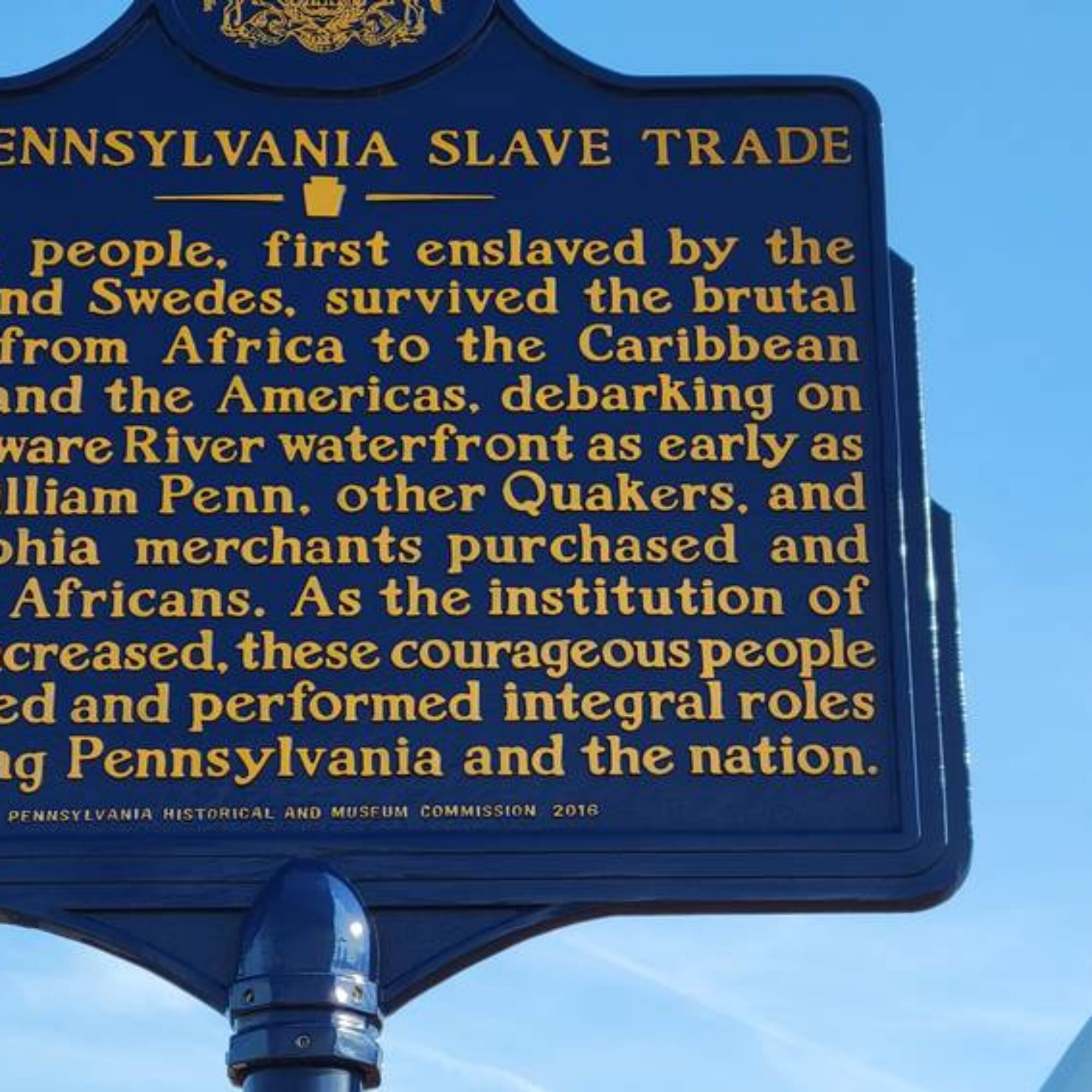
Look at the start of this sign I saw at Penn's Landing after my fundraising bike ride: "African people, first enslaved by the Dutch and Swedes, . . . ". Is there some way to read that sentence that reflects history? Slavery has existed in many cultures since before Holland and Sweden existed, including Africa. Quoting Wikipedia's Slavery in Africa page, slavery in Africa predates the existence of Holland and Sweden by millennia. Slavery in northern Africa dates back to ancient Egypt. The New Kingdom (1558–1080 BC) brought in large numbers of slaves as prisoners of war up the Nile valley and used them for domestic and supervised labour.[53][54] Ptolemaic Egypt (305 BC–30 BC) used both land and sea routes to bring slaves in.[55][56]Chattel slavery…

3 Comments

581: Dr. Ambrose Carroll, senior, part 2: cultural differences on how we view the individual

Ambrose and I start by reviewing his commitment. After a bit, as best I can tell, we talked past each other. Every now and then, the Spodek Method doesn't resonate and this conversation looks like one of them. His description of how he sees the world and my read don't seem to overlap. I suspect he felt I didn't understand him or his world. I read him as guarded, not sharing his personal views and feelings. I think it might be interesting and possibly fun to hear it as a third person. I tried to understand what he was saying and tried to clarify. He sounds like he was doing his best to speak to be understood. It just didn't reach me. He described how…

0 Comments

My sledding hill in May

I rode my bike from New York to Philadelphia over the weekend (day 1, day 2) and visited my sledding hill this morning. Before the pictures below, you can click to compare Tommy's Hill in March, less verdant. Here's a video from last November: https://youtu.be/rb0_WfiFzDY My sledding hill in May And below is my sledding hill in May. You'll notice I couldn't reach the creek at the bottom as it was marshy from Saturday's rain. The amount of plants made it hard to see. Stunning, except for the litter. The litter is only the symptom. Buying disposable, packaged, online goods funds this polluting system. To clarify: whether your litter appears in any spot or not is not the issue. When you pay for anything that…

0 Comments

All Glory: day two riding from Princeton to Philadelphia

Yesterday I wrote Equal parts misery and glory: today’s ride from New York to Princeton. Today: puffy white clouds and blue skies. It started chilly and foggy but warmed up to make yesterday's ride worth it, like when the home team is down and scores to come-from-behind and win in the final moments. Still lots of plastic packaging that nobody seemed to care about. Today we rode about 55 miles, including riding across Center City, Philadelphia, my home town, to the Art Museum, by Boat House Row, behind the museum to the Schuylkill and along the riverfront paths to south of Center City (Lombard?), then back across to the Delaware River, mostly by Pine Street. I loved seeing these beautiful parts of the city. After…

0 Comments

End of content

No more pages to load