Addiction


What AI does for you it will do more and better for people richer than you

People are asking a lot: will artificial intelligence help or hurt us more. In nearly every answer I hear, the person starts thinking of ways they can use AI to help them achieve their goals. They sometimes temper the desirable results they come up with concerns that it may take away jobs. But the biggest problems in the world aren't lack of jobs. The biggest problems are caused by humans---things like tyranny, fascism, dominance hierarchies, doof, addiction, and things some humans inflict on others. The humans causing those problems aren't likely thinking, "How can I make people's lives worse?" They're more likely acting on values they consider good, right, and natural. Being at the top of a dominance hierarchy means they can control necessary resources…

0 Comments

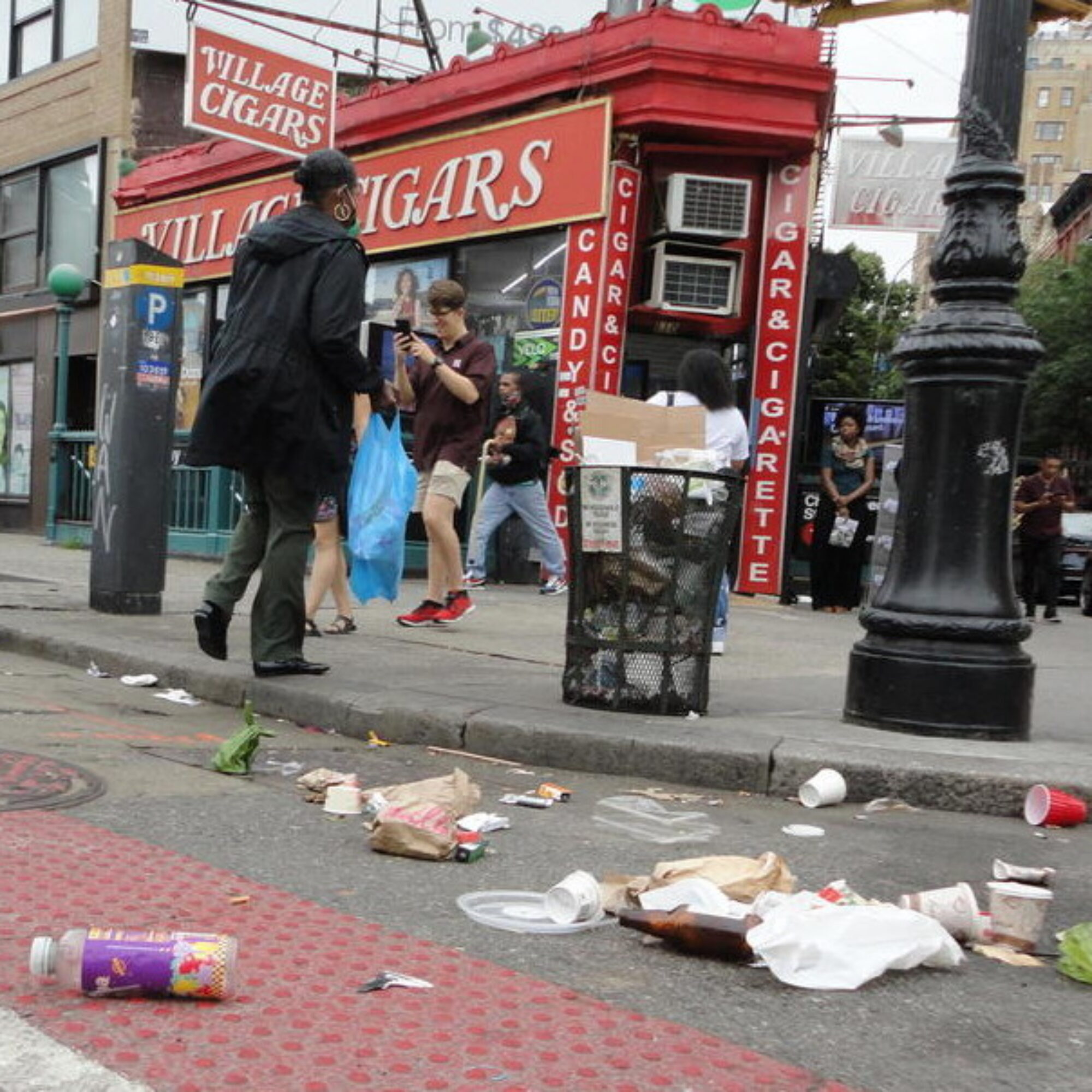
Addiction in Greenwich Village, Late Summer 2024

Following up my post Addiction in Greenwich Village, Early Summer 2024, here are new pictures starting late summer. These Pictures Are Of Our Culture, Including You and Me, Not the People in Them As always on posts about addiction: These images are of United States and global culture, not just the people in them. Their addictions may look bad, but mainly hurt themselves, secondarily the community immediately around them with their Litter Urine Feces Influencing and scaring children Lowering property values Funding more supply Promoting more addiction The following addictions hurt people and culture more: Doof Flying Fast fashion (or buying any clothes, jewelry, make up, etc you don't need) Large vehicles like SUVs Buying unnecessary indulgent things Takeout Buying food shipped from far away…

0 Comments

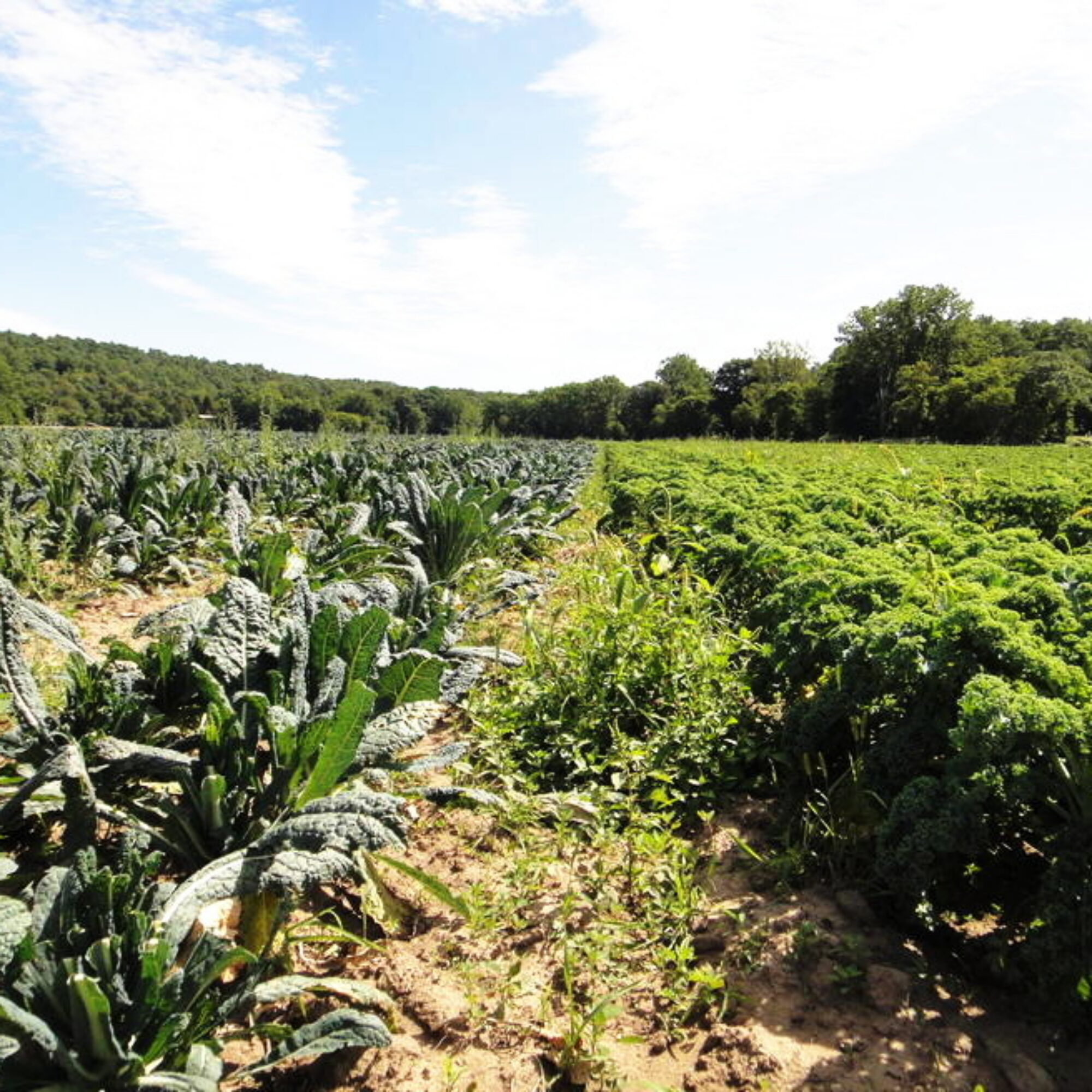
“There’s no food here, just vegetables.”

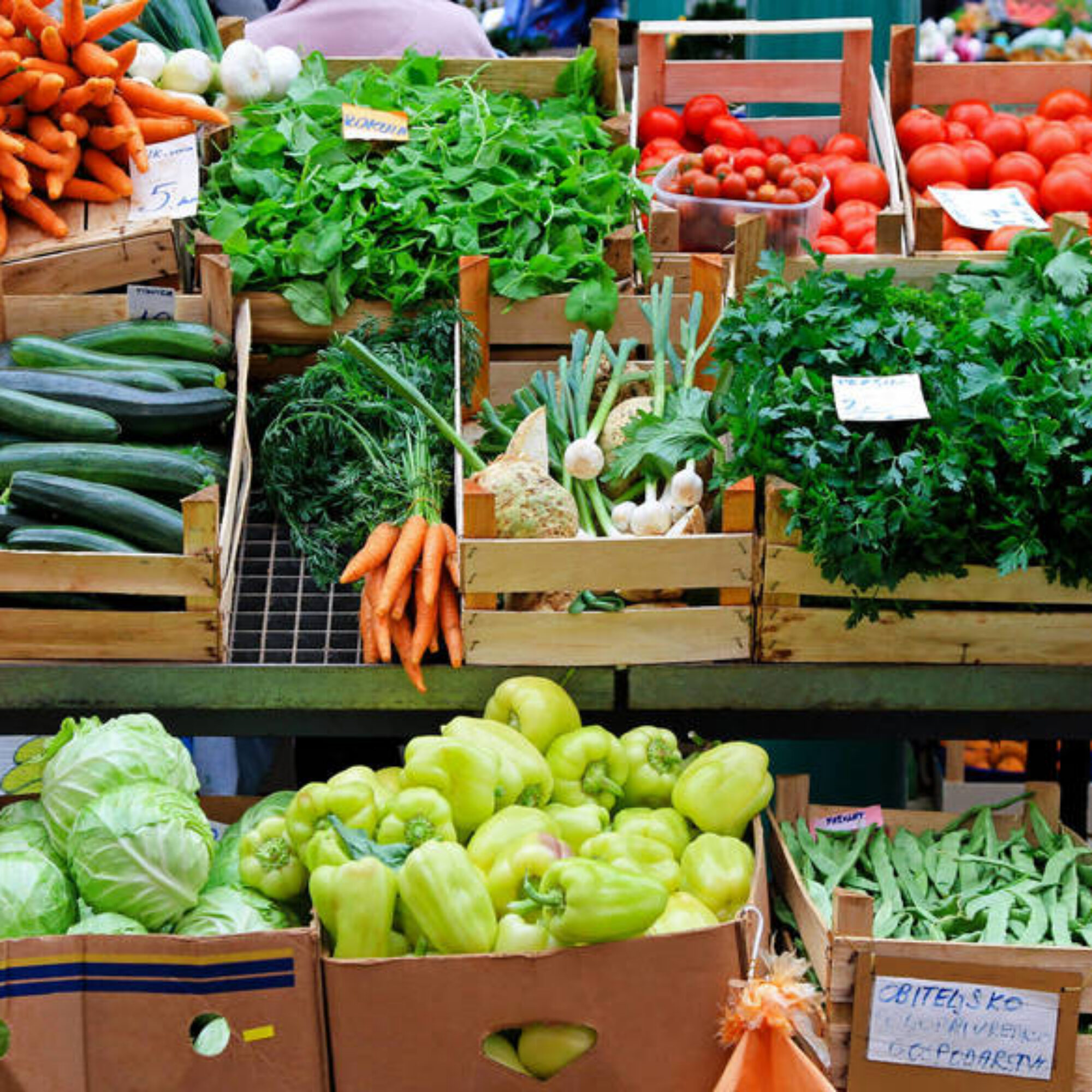
This post may look like it's about poor people and free food but it's about our culture. I've heard this quote several times at the community fridge where I volunteer: "There's no food here, just vegetables." I help deliver a lot of vegetables from the farmers market. People coming to get free food tend to prefer pre-made meals and doof. I recommend reflecting on what the statement means and implies. It's said when people are crowding the fridge and cupboard trying to find what they want, seeing that there's a lot on the shelves, but it's fresh vegetables, which they don't want. The community norm is to consider fresh vegetables not food. It's tempting, especially for liberals, to say someone who isn't homeless doesn't understand…

0 Comments

Addiction in Greenwich Village, Early Summer 2024

Here is the greatest sign of addiction I commonly see, a disposable plastic cup from Starbucks, being thrown away, sweat still forming on the plastic from the ice not yet melted. Someone paid for oil to be extracted to make the plastic and cool water to make ice in 90F (32.5C) weather just to throw it all away. Below are more addicts, although these ones are mostly only hurting themselves. Starbucks customers hurt humanity (and wildlife) more, even if they put their plastic waste in trash cans or "recycling" bins. Do Starbucks customers think their plastic doesn't poison? Do Starbucks customers think they money they spend isn't going to more lobbyists? Do Starbucks customers think they money they spend isn't going to fund more extraction?…

0 Comments

Our culture: spring trash. Homeless don’t cause it as much as executives, elected officials, shareholders, and rich people

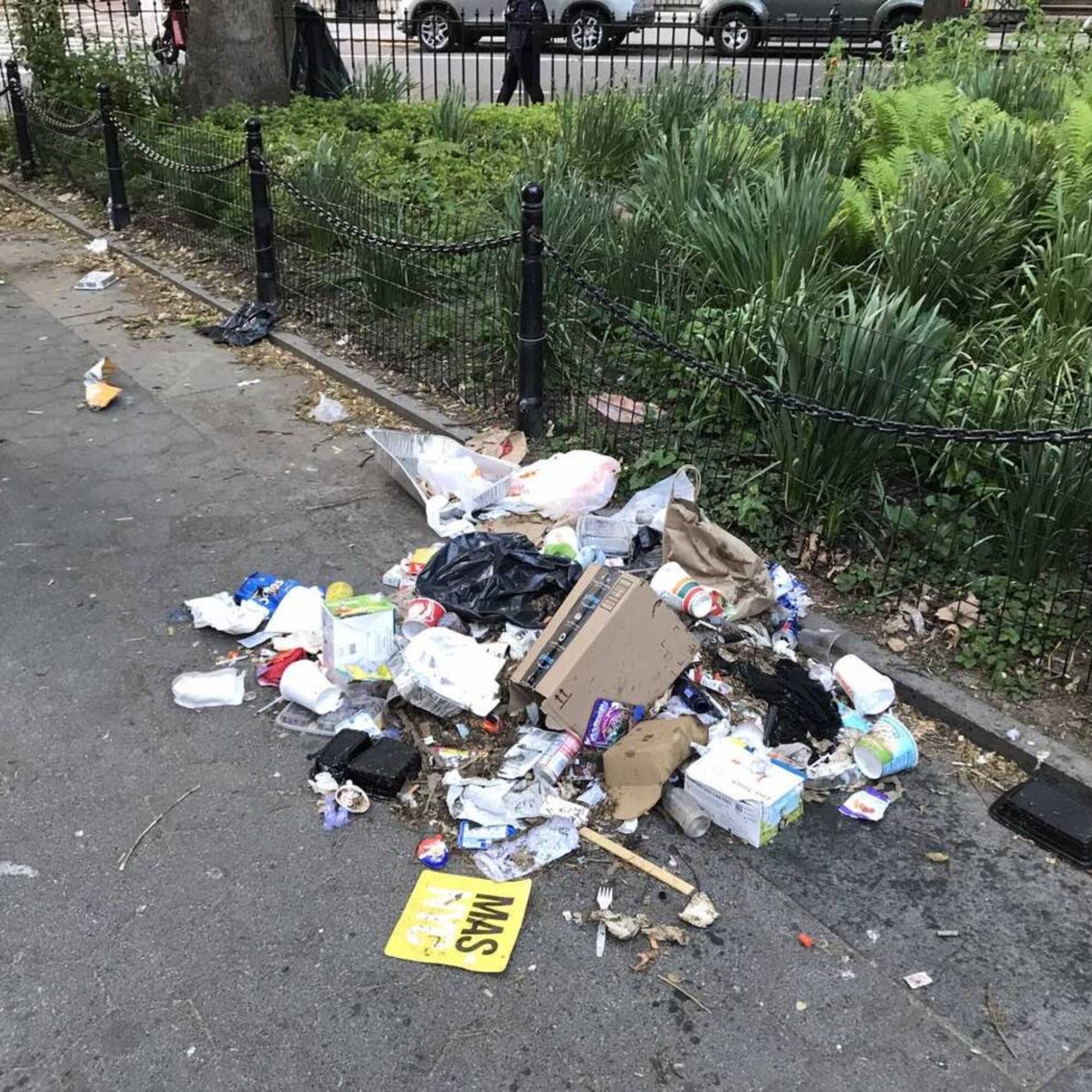
Litter isn't a result of too little sanitation. It's too much production and people still buying it. I've meant to post these pictures since I took them in the spring. I took them on a regular day. If you think cities mean more garbage, our per-capita environmental impact is less than Americans who live outside cities. If you think this garbage and treatment of public property is disgusting, as I do, see not the results of homeless people but of corporate leaders and elected officials prompting its production and rich people paying for the extraction and depletion causing it. Just because you can't see car, cargo ship, and airplane exhaust, or the packaging for your shipped goods doesn't mean it's not far greater than the…

0 Comments

How I don’t need willpower by learning to feel disgust for what once tempted me. You can too.

Maybe you've heard me share how from when I had my own kitchen, I always had ice cream in my freezer and pretzels and Doritos in my cupboard. I struggled to pace my consuming them, but nearly always ate more than I meant to, but kept buying more. Now I say there isn't enough money in the world for me to eat that stuff. I also talk about my relationship with doof as an addiction. Many people who kick addictions describe themselves as "in recovery" for the rest of their lives. What changed? Why is it beyond easy for me not to consume Ben and Jerry's, bordering on inconceivable? The transformation began with hydrogenated oil, now also known as trans fat. The roots of my…

0 Comments

What did they do that ice cream doesn’t melt in baking hot sun?

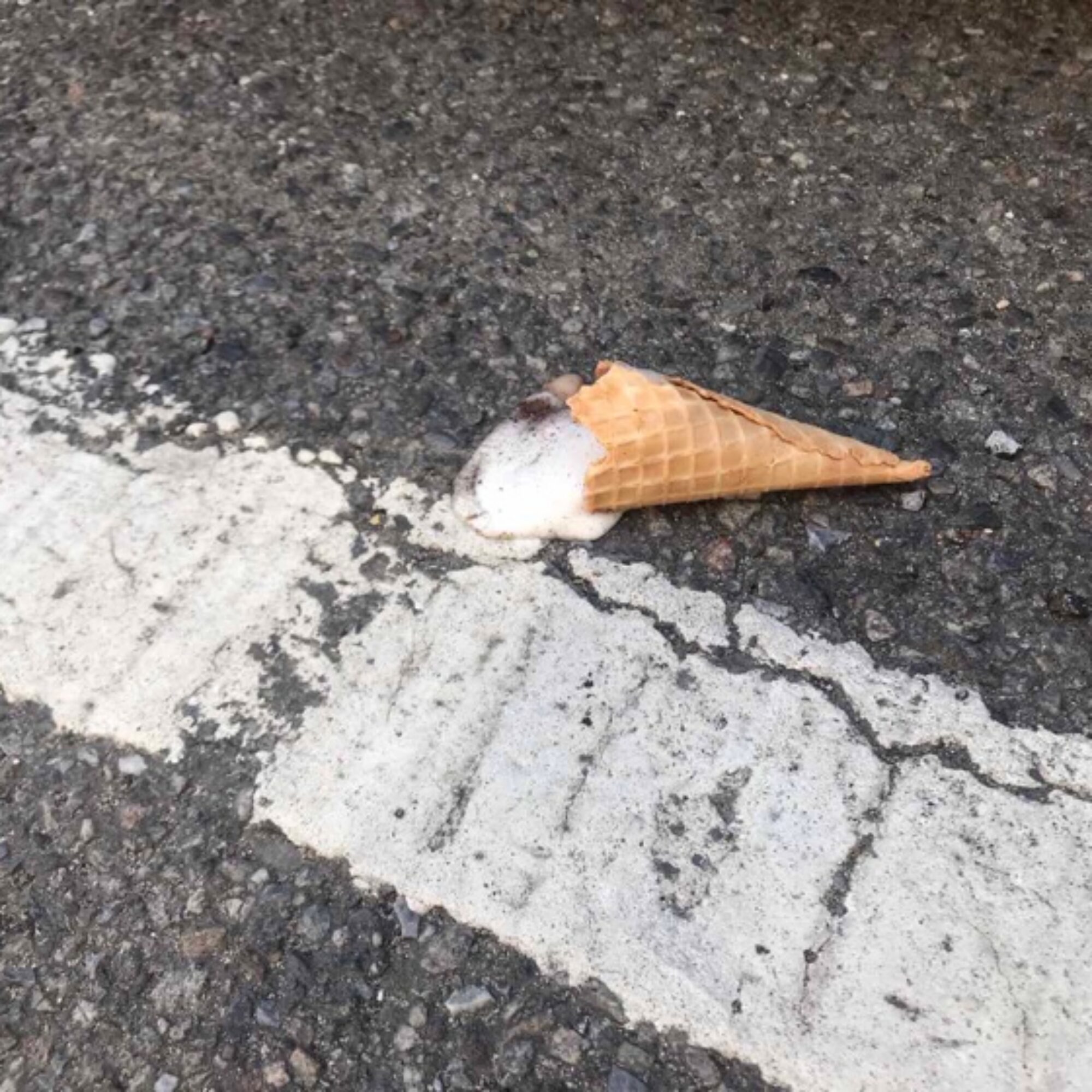
I admit since I haven't had ice cream in five or ten years, I'm no expert on it, but I see a lot of ice cream disposable cups left on the street, plus dropped cones like the one pictured below. It was a hot day. I'd say hot enough to melt butter. Yet, I don't know if you can tell, but the ice cream partly melted but mostly retains near solidity. What do they put in the ice cream to make it stay solid in baking hot sun? How do people keep consuming doof? I mean, I know the answer. It's designed to addict and they're addicted. It reminds me of a video where a chef shows school children how chicken nuggets are made. He…

0 Comments

How what I’m doing feels, subway version

Sometimes I feel like I'm responding to someone who fell on the subway tracks. No one else acts. I jump down onto the tracks to help the person to safety, but the person is morbidly obese and struggles just to lift themselves from the ground. They've decided to stop trying. "It's too hard. It's not worth it." They resign themselves to the train hitting them. "As long as I can't do anything, I might as well enjoy the time I have left," they say, and get out some Twinkies. I'm trying to help the person to safety, or even just to try to move. I'm trying to lead them to see that if they free themselves, they'll be glad they did. But they suggest they'll…

0 Comments

Are liberals trying to prove conservatives right?

Last week I posted about Why many litterers are entitled and one way the most entitled justify littering. People, including poor and homeless people, justify littering and try to stop me from cleaning up litter. They say other people are paid to do it, so it's okay and right to leave plastic cups and food containers on the ground, then walk way. The result: on pleasant days, my neighborhood looks like this: This pattern fuels arguments to limit government, a generally conservative view. My neighborhood votes heavily democratic. Here Is the 2020 presidential vote: Give people something free and they'll take it for granted and feel entitled I'm not trying to criticize. I want to motivate people to change culture. The predominant culture where I…

0 Comments

759: Bruce Alexander, part 1: Rat Park, Addiction, and Sustainability

I start by describing how podcast guest Carl Erik Fisher, author of bestseller The Urge, reviewed my upcoming book Sustainability Simplified as a subject matter expert on addiction. Carl mentioned how my book suffered from what Bruce describes as the demon drug myth. He pointed to Bruce's work as seminal, so I started reading it. I'd heard of Rat Park and later remembered Johan Hari mentioning Bruce in his TED talk where he said "the opposite of addiction is community". I couldn't wait to talk to Bruce. Carl introduced us. We spoke. Bruce clarified the demon drug myth. I described how addiction and doof figure in my sustainability leadership work. In our conversation, Bruce described how working with self-described junkies in the early 1950s led him…

0 Comments

We’re going to need truth and reconciliation committees when we acknowledge the consequences of our actions

Most Americans and residents of industrialized countries do many things daily that hurt other people through the environment. They act and talk as if they don't know their Starbucks cup has anything to do with ocean plastic, but they know it. How do I know they know? Because they get defensive (or offensive) when someone brings it up. If I tell people I like oatmeal for breakfast, no one gets defensive. If I tell them I don't fly or take years to fill a load of trash, they respond defensively immediately. They knew what they were doing. What knowing means Knowing they're violating their values means inner conflict. They can suppress and deny it, but the only way to make it go away is to…

1 Comment

Restaurants and caterers hate vegetables

Since I've learned to love fresh vegetables and fruit, I've come to learn the restaurants hate them. Caterers do too. An ex-girlfriend once commented that she couldn't go to restaurants with me because I complained too much that they covered everything in salt, sugar, and fat (more on that complaint below). I attended an event today that was catered. Everything was vegan, which a lot of people interpret to mean healthy and honoring vegetables. But as usual, everything was either sweetened or covered with salt and fat, or some combination. I'll leave aside that all the utensils were disposable, but people acted like since they were made of bamboo or stamped compostable that they were good for the environment. Restaurants and caterers without excepting in…

0 Comments

How to fail at transitioning from fossil fuels

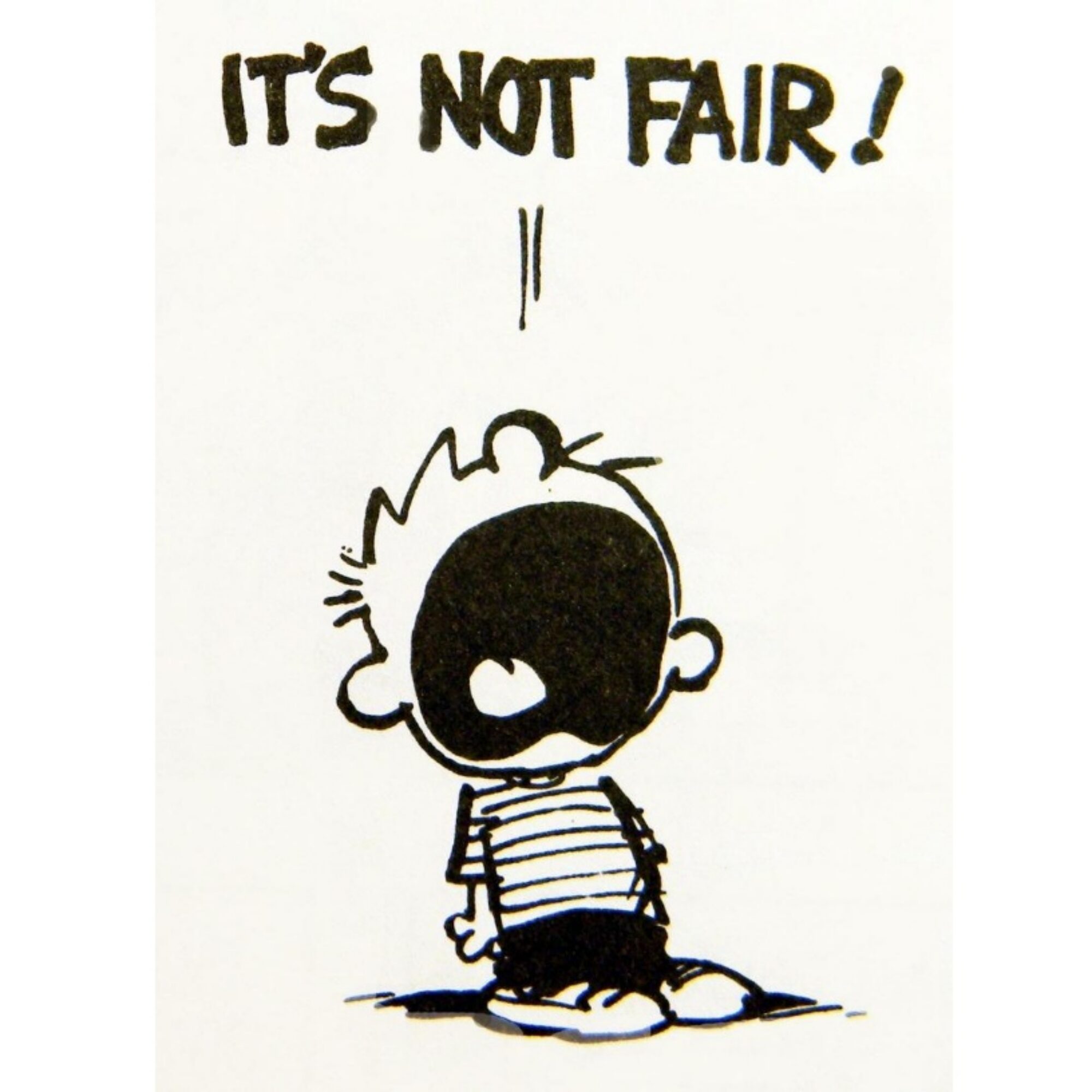
First, let's imagine solar, wind, hydroelectric, fission, or fusion were "clean," "green," or "renewable." They aren't, but for the sake of understanding, we'll imagine they are, so if we transitioned to them from fossil fuels, society could live indefinitely on them. What Doesn't Work Everyone is acting as if we can ramp up "clean," "green," and "renewable" energies until we don't need fossil fuels, then we can ramp down fossil fuels. It's obvious when you think about it but not if you're addicted: that way doesn't work. We may claim it's not fair, but nature responds not to what we want but how we behave. Take flying, for instance. I don't think we can fly sustainably, except possibly if the human population dropped to below…

0 Comments

Vegetables taste delicious. Why cover them in oil?

I ate lunch at a restaurant with a friend yesterday. Lunch was great because of the company. The salad that came with it was covered in oil. I used to dislike vegetables. I covered them in dressing. I was partial to Italian, but ranch or French would do. I didn't know any better. The dressings came pre-made in bottles, full of flavor. By contrast, the vegetables tasted bland. I'm talking about when I was ten years old, maybe even up to twenty. Well after twenty I still love chips, pretzels, and ice cream. Fruits and vegetables tasted bland. Still, at some point I grew up, as did my taste. I guess I've lost touch with that me. Lettuce tastes delicious. It's sweet and juicy. Carrots…

0 Comments

The problems of sustainability as more social than scientific

People jump to treating our environmental problems as rooted in science, therefore they look for solutions from scientists. I'm seeing the problem more as social than scientific in the following way. First, I want to clarify that understanding the mechanisms by which Earth's ecosystems are changed depend on science. I'm not challenging that we understand the mechanisms through observation, experiment, debate, and the other tools of science. When I pollute and deplete, I hurt other people. That I do it through polluting with plastic, drain aquifers faster than they replenish, or whatever doesn't change that the problem is I'm hurting people without their consent (wildlife too, though I'm partial to caring more for humans than animals). People have hurt others since before humans were human.…

0 Comments

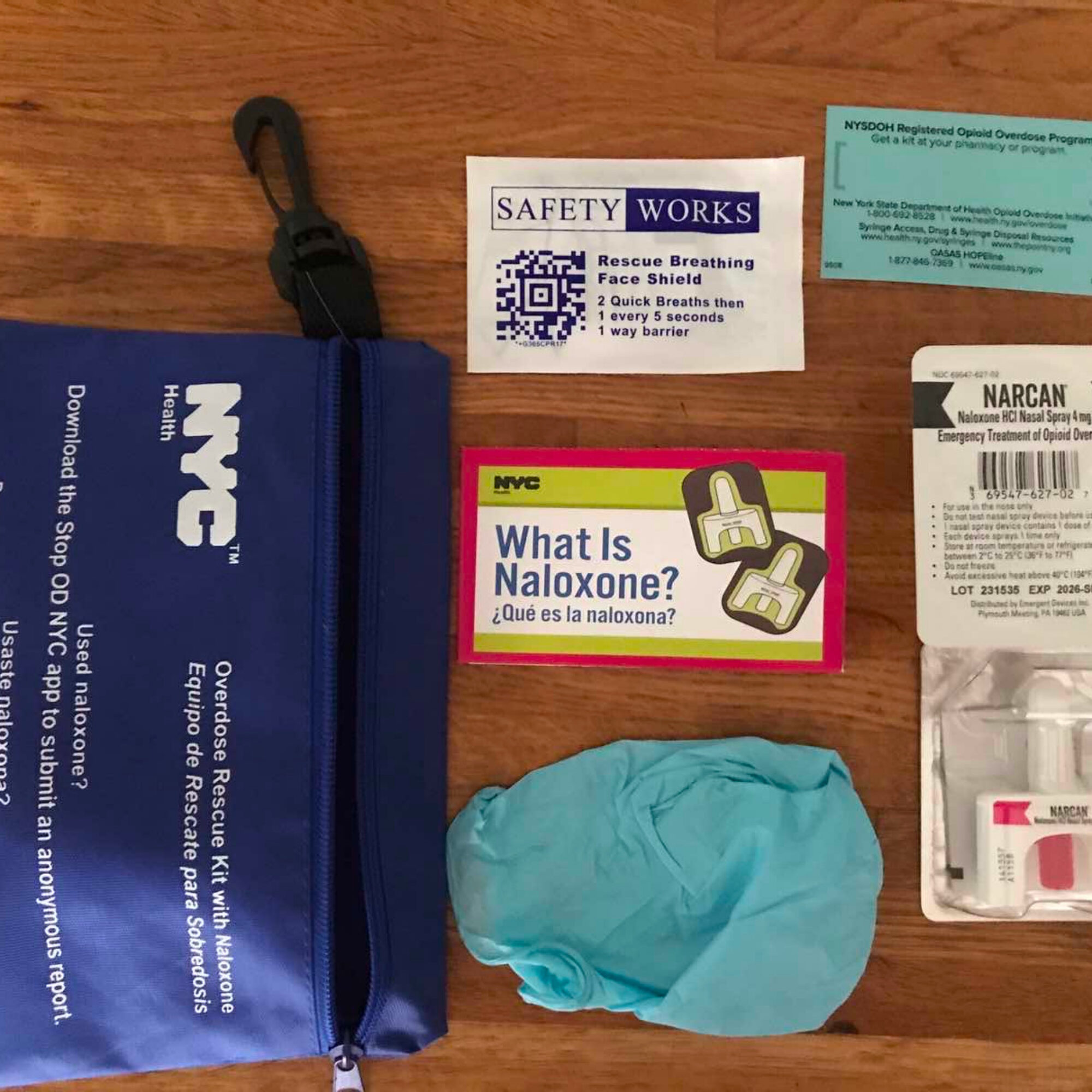
If you’ve wondered what a fentanyl testing and overdose treatment kit looks like, we live in a culture where you can find them in the park

Our culture increasingly isolates and addicts us: doof, binge-TV, social media, online gambling, and so on. We associate the most serious addiction with hard drugs, but they are just a prominent case of our culture overall. I'm not writing this post about people addicted to hard drugs. I'm writing it about modern culture. I found this fentanyl testing and overdose treatment kit while picking up litter in Washington Square Park. If people are addicted to the stuff, I'd rather they have access to such treatment, but I'd rather they didn't do it in public parks and far more I'd rather we didn't create a culture that made addiction so prevalent. I consider each person responsible for their own actions, but isolation like we have contributes…

0 Comments

If you don’t like measuring your carbon footprint, report how much you fund extraction and lobbying

The first result on a search on bp carbon footprint was a Guardian opinion piece Big oil coined ‘carbon footprints’ to blame us for their greed. Keep them on the hook which linked to a piece in Mashsable The carbon footprint sham: A 'successful, deceptive' PR campaign. That piece begins: In a dark TV ad aired in 1971, a jerk tosses a bag of trash from a moving car. The garbage spills onto the moccasins of a buckskin-clad Native American, played by Italian American actor Espera Oscar de Corti. He sheds a tear on camera(opens in a new tab), because his world has been defiled, uglied, and corrupted by trash. The poignant ad, which won awards for excellence in advertising(opens in a new tab), promotes…

0 Comments

Have You Hit Rock Bottom on the Environment?

Have you hit rock bottom on the environment? The question isn't if the problems are grave enough or you know about them. You've seen enough problems from litter on your street to a region called Cancer Alley in the most technologically advanced nation in history and front-page news nearly daily. The question of you hitting rock bottom is if you choose no longer to accept your rationalizations and justifications of your contributing to the problem. Are you through saying it's outside your hands, you have faith others will solve it, we're too far gone, and all the other excuses, denial, suppression, and mental gymnastics that avoid facing your personal responsibility? Maybe you've heard of the Spodek Method or the movement it's launching of discovering sustainability…

0 Comments

Do people binge on food or only doof?

I don't use refined oils at home and try to avoid them elsewhere. I attended a catered event and ate a noodle dish with a lot of oil and nearly no vegetables. They served grilled vegetables that were also covered in oil. The noodle dish was very palatable, in that it gave me pleasure to swallow it down my throat. It didn't actually taste that good. It just prompted me to want more. As I walked home I realized while I'd still call it food, it was getting toward doof. I also noticed I didn't like how it made me feel. My skin felt oily. My stomach felt uncomfortable. I wasn't going to take a laxative or induce vomiting, but I wished the food/doof weren't…

0 Comments

Year 9, day 1 not flying

I last flew March 23, 2016. If I calculated right, today begins Year 9 of not flying. I expected that first year to be the worst of my life. Now I see flying as tearing families, communities, and nations apart. Everyone thinks of flying as bringing them to distant family members. What scattered the family in the first place? You didn't bike away from your family. Likewise with feeling nature or business requires traveling flying distance for it. That it pollutes so much and displaces people from their land to take the minerals and fuel underneath has become secondary to it acting more like a drug: meth gives you a jolt of energy, but overall lowers your energy in life. Scenes like the one below…

0 Comments

Read about and Watch Bruce K. Alexander and Rat Park

Regular readers know I write about addiction here a lot, especially the heavy addiction in Washington Square Park, where I see syringes all the time, as well as people smoking rocks in those small glass pipes. I guess it could be crack, meth, or other stuff. As you might expect, addiction features heavily in my upcoming book. I sent a part to podcast guest and bestselling author of The Urge, Carl Erik Fisher, about the history of addiction and his personal experience with it. I hoped for his views on what I wrote, corrections if I got anything wrong, and advice in general. A big part of his advice was to read several links by and about Bruce K. Alexander's work. If you've heard of…

0 Comments

This week’s selected media: March 3, 2024: The Road to Serfdom, Uncomfortable Conversations With a Black Man, the Social Dilemma

This week I finished: The Road to Serfdom, by Friedrich Hayek: I quote Milton Friedman in my book a lot and kept coming across Hayek's name while reading him and about him so I finally read Road to Serfdom. I wish I had earlier. Hayek wrote this book in the early 1940s, watching Hitler, Stalin, and Mussolini rampaging across Europe, destroying freedom. He promoted freedom. If he were alive today and saw pollution and depletion as destroying life, liberty, property, and therefore freedom, I believe he would analyze our polluting, depleting, addictive culture how he did central planning. He would find similar patterns, like that these coercive, deadly outcomes arise from the intent to help from the most well-meaning people, but end up achieving the…

0 Comments

My latest life-changing rule for visiting web sites

I used to waste three or four hours a day browsing social media sites, generally Reddit at the time, but others too, in particular after telling myself not to spend that much time on sites. I found some useful guidelines to reduce wasting time on screens. Not all time on screens is wasted, so I wanted to reduce wasted time but maintain productive time. Existing rules that have served me well Effective guidelines and guardrails I've used for a while: No internet use for the first hour of waking up Use site blockers to limit daily access to some sites. Use site blockers to limit access to any sites for thirty-minute working blocks. Make my laptop being disconnected from the internet the default so I…

0 Comments

Talking to people about the environment is like talking to addicts about people they hurt.

I notice people rarely talk about themselves and the environment. They'll express outrage, recount facts, and say what other people should do, but not about themselves. So I'm thinking more about why. Seeing the overlap between behavioral addictions like social media, binge-watching TV, and gambling, and behavior that requires polluting reveals the overlap with why talking to addicts about their addiction goes nowhere. Addicted people resist acknowledging hurting people and themselves. Polluting and depleting hurt other people and themselves. It follows that people don't like acknowledging how they're hurting people, violating their own values. Eugene, who hosts a sister This Sustainable Life podcast and the Verdant Growth blog, recently asked people who want to talk about sustainability and the environment why they don't. I never…

1 Comment

One reason why talking to addicts about their addiction goes nowhere

I recently wrote about how Trying to lead an addict to admit their addiction or that they are hurting others (or themselves) is like trying to catch a fish with your bare hands. I've been thinking about why. Generally addiction means you're acting against your own values, hurting others. An addict may say he or she doesn't see that he or she is hurting others, but likely some part of them knows, however they try to suppress or deny. In the case of addiction to behaviors that pollute or deplete, like consuming doof or buying stuff compulsively online, the addict gets the feelings of reward but others have to suffer the pollution, being displaced from their homes to get the fuel and minerals underneath, and…

0 Comments

End of content

No more pages to load