Addiction


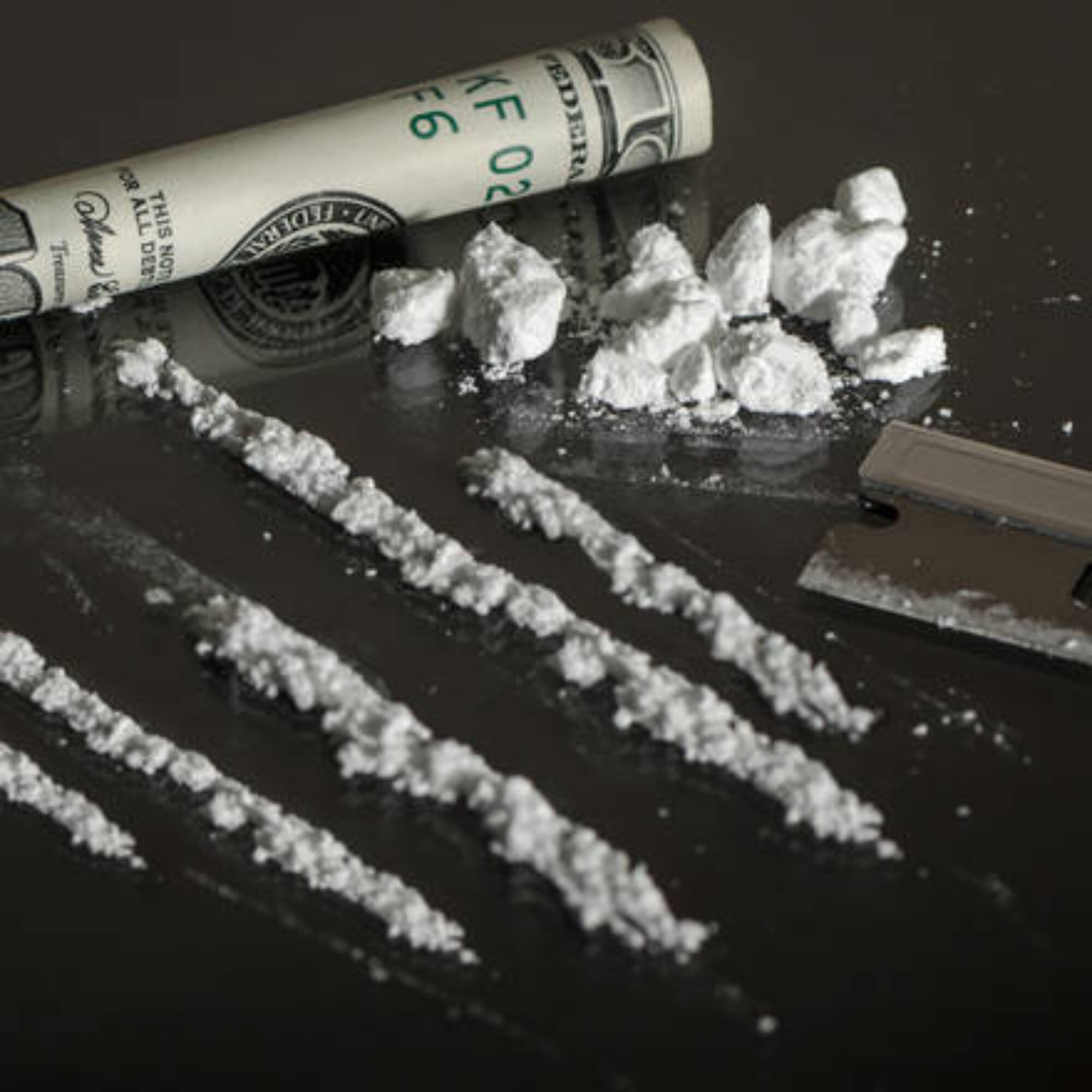
Our World: The first I learned of addiction affecting friends of the family, Cocaine, 1985

I've long remembered from my childhood in Philadelphia a story appearing in the paper about a family where the son was doing cocaine and the parents in denial. I remember it because my mom knew the family. Also because it was a big story about cocaine, which was less common in the news, let alone about a well-to-do family. I've thought about it recently because of the parallels with people's denials and suppression of widespread addiction to what pollution brings---things like social media, fast fashion, flying, and such. I remembered in the story that the car and silver went missing, but the parents kept feeling like he was a good kid. We keep telling ourselves we're good people even while the rain forests and aquifers…

2 Comments

My ChatGPT predictions

People keep asking me my predictions on ChatGPT. Here are some so far. Top level: An unintended side-effect will end up being the dominant effect. Applications will addict people. It will lead to people becoming more isolated. The most addicting, isolating applications will have been introduced as ways to combat isolation and addiction, like as a way for lonely people to have conversations. People will be surprised to find that in the physical world the program pollutes and depletes far more than most people expected. Companies will use it to motivate people to share their interests and passions at first to sell them things, but will graduate to changing their lifestyles. People will enjoy the conversations. They will feel natural buying things it recommends. It…

0 Comments

Clean, green, renewable imperialism

When a culture doesn't live within its means, looks beyond its borders to fill the gap, and starts figuring out how to take others' resources, it's likely to become imperialist. Our so-called clean, green, renewable energy sources like wind and solar (that aren't renewable) require materials most countries lack. They have to obtain them elsewhere. Before a few decades ago, no place with cobalt was mining cobalt in large amounts to export. We look to those places and covet their cobalt. You can just see Europe salivating at the Sahara Desert, wanting to figure out how to fill it with solar panels and take the power for themselves. If you're taking their land, not just resources, then you're colonial too, and a short jump to…

0 Comments

How I answer “What’s one thing everyone can do to start acting more sustainably?”

Every interviewer asks like a robot: "What's one thing everyone can start with?" For context, people don't pollute and deplete because they want to pollute. We do things we value and enjoy that our culture has made polluting and depleting necessary to do. Our culture has also engineered those activities to trigger the mechanisms of addiction. We are addicted to doof, social media, flying, etc. We don't think of flying as taking us away from families, making businesses less secure, or homogenizing cultures, but it does. Nonetheless, being addicted, we protect it, feeling like it helps what it hurts. My point, answering what simple things people can start with is like asking what simple things an addict can do to get off heroin or cigarettes.…

2 Comments

What Addiction to Polluting and Depleting Behavior Means

If I claim that we’re addicted to comfort, convenience, flying, and disposable diapers, what’s the problem if we don’t realize it? If addiction isn’t that bad and ending it seems to make life worse, why not keep flying? Addiction leads to short-term thinking. We don’t think past the next hit when we expect one or past withdrawal if we don’t. We have trouble imagining a better life without those hits. We need it to feel normal again. We prioritize ourselves over others. We don’t notice the pain we cause people around us, or don’t care. All addictions involve an intense reward that feels good. Gamblers feel like winners. Meth users feel energy. Nicotine users feel calm. Social media users feel connected. Outside that brief jolt,…

0 Comments

Embracing and celebrating our limits makes life constructive. Otherwise you crave what you can’t get.

We can't create more time or energy. We get what we get. It doesn't matter how much you want twenty-five hours in a day. You don't get them. Not if you're rich or connected either. Likewise with energy. There is only so much energy available. People can dream of unlimited energy, but they still have to eat and fill their car with gas because their energy runs out. Our culture has grown to value going beyond limits of time and energy. My podcast guest Oliver Burkeman's book Four Thousand Weeks suggests that we stop trying to overcome limitations on time and instead embrace those limits. I promote that approach with energy. Instead of trying to fly to every place and visit every person you wish…

0 Comments

If many of your trips are “of a lifetime” you’ve reached where you need your fix just to feel normal

How many times have you heard people describe a trip they took "the trip of a lifetime"? . . . or one they were considering? I hear it not daily but fairly often, including from the same people repeatedly, but a trip of a lifetime can't happen more than once. It sounds to me like the concept common in addiction of tolerance, where the effect of what you are addicted to decreases and you need more to get the effect you used to get. Many people who fly a lot sound like they need trips just to return to normal. They sound addicted.

0 Comments

Why sustainability is so hard for you and polluting so easy, from the movie Requiem For a Dream

This post is part 4 in a series including Part 1: What you’ll get more of when you stop polluting: what you love most Part 2: Martin Scorcese on our relationship with pollution Part 3: Why sustainability is so hard and polluting so easy, from the moving Trainspotting I'm continuing today the artistic representations of "What you fear losing when you stop an addiction is exactly what you'll gain" or "You tell me what you fear losing when you stop polluting and I'll tell you what you'll gain" have simplified how I understand and express the emotional terrain people live in and have to navigate to act more sustainably. I posted about how Martin Scorcese in Goodfellas effectively represented how we feel about our lives…

0 Comments

Why sustainability is so hard and polluting so easy, from the moving Trainspotting

This post is part 3 in a series including Part 1: What you’ll get more of when you stop polluting: what you love most Part 2: Martin Scorcese on our relationship with pollution Part 4: Why sustainability is so hard for you and polluting so easy, from the movie Requiem For a Dream "What you fear losing when you stop an addiction is exactly what you'll gain" or "You tell me what you fear losing when you stop polluting and I'll tell you what you'll gain" have simplified how I understand and express the emotional terrain people live in and have to navigate to act more sustainably. I posted about how Martin Scorcese in Goodfellas effectively represented how we feel about our lives while polluting:…

0 Comments

Unsustainable things that we can either face must end or keep lying to ourselves and causing suffering.

Remember that when you depend on something to the point of addiction You tell me what you fear losing and I'll tell you what you'll gain. Suggest stopping gambling to gambling addict and they'll fear losing winning. But outside rare jolts of winning, they mostly lose. Stopping gambling will bring them more winning and less losing. Social media addict fear losing connection, but social media isolates. Stopping social media will gain connection and decrease isolation. Meth users fear losing energy, but outside brief, predictable jolts, they have less energy. Stopping taking meth will lead to more energy in life. For the following things we depend on to point of addiction for comfort, convenience, and other things notably unnecessary for life, what you fear losing without…

2 Comments

Why it’s hard to help an addict stop

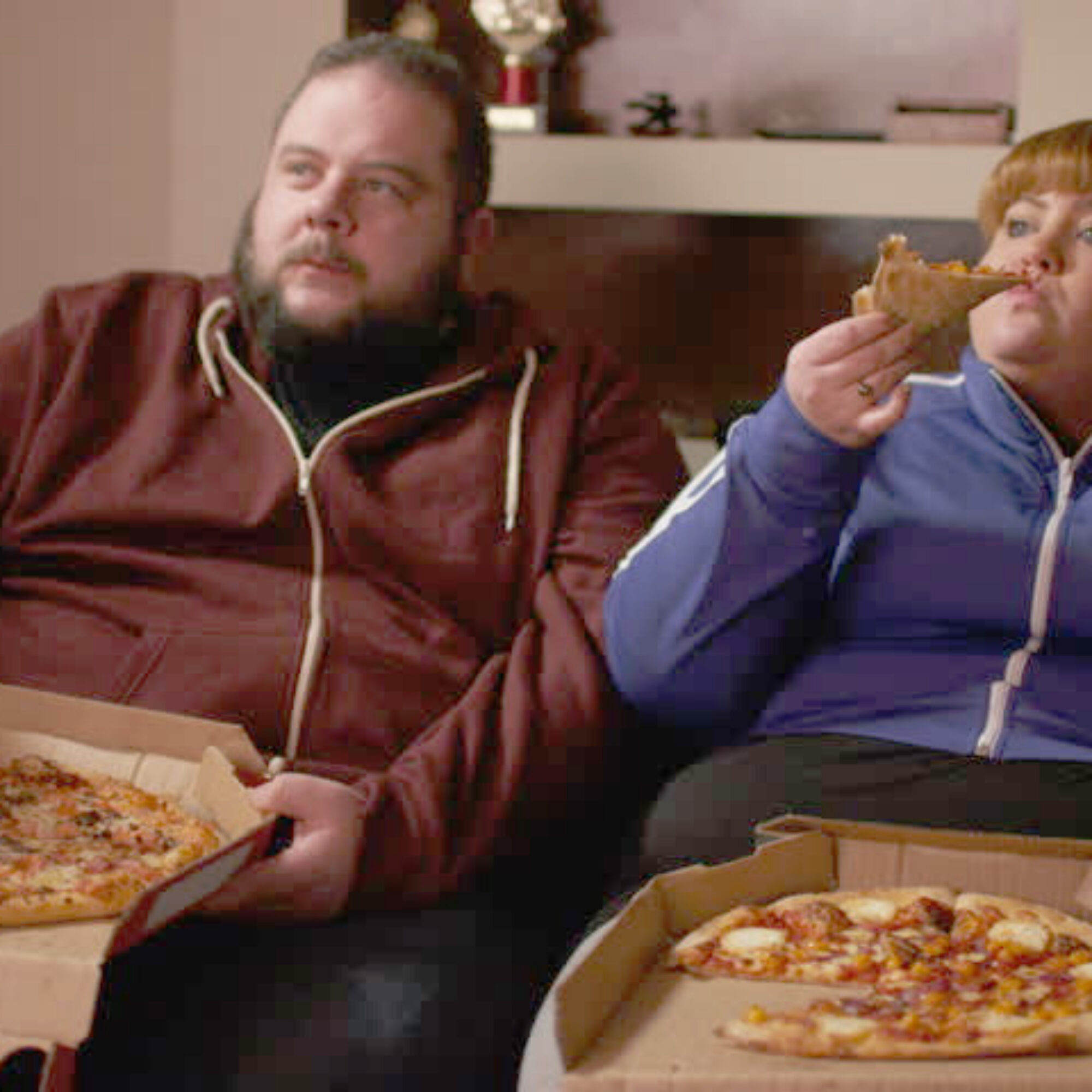
My friend brings addicts to rehab centers in California. He knows hotels where they hole up together doing heroin and such in modern-day equivalents of opium dens. They know him and that he doesn’t pressure them. He knocks on the door. They open it. He asks, “is anybody ready?” Usually they all pass, but sometimes one says, “I am,” and he drives them to rehab. He says that nearly every one, as the car starts moving, suggests one last hit in the bathroom of the doof restaurant down the road. He tells them from experience that if they do, they won’t continue the trip so they keep going. He described the hotels rooms as other worldly. Pizza boxes and doof wrappers are everywhere. Uneaten pizza…

0 Comments

Martin Scorcese on our relationship with pollution

This post is part 2 in a series including Part 1: What you’ll get more of when you stop polluting: what you love most Part 3: Why sustainability is so hard and polluting so easy, from the moving Trainspotting Part 4: Why sustainability is so hard for you and polluting so easy, from the movie Requiem For a Dream Do you remember the helicopter scene in Goodfellas? Henry Hill has a busy day delivering lots of things including guns, cocaine, and food. He has to do family things, meet his mistress, cook dinner, and all sorts of other things. He's getting everything done, taking cocaine for energy. If you ask him, he'd say he was being super productive. Only he's not doing anything meaningful. It's…

0 Comments

Amazon.com doesn’t save money. It addicts people to buying things they don’t need.

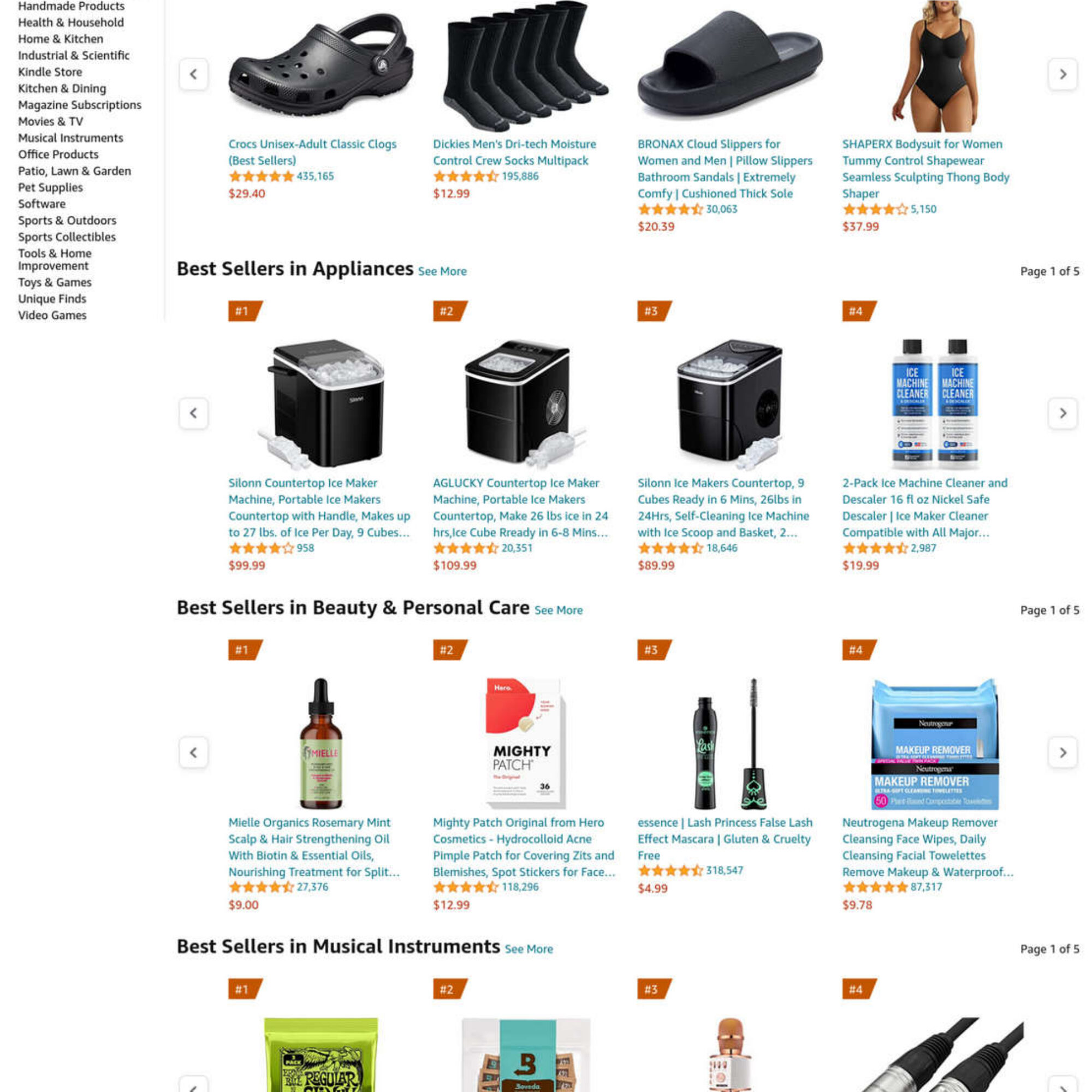
For years, when I mention not shopping Amazon.com, people tell me (often lecture me) that it saves people money. They have no choice but to buy from there. I agree Amazon has displaced many alternatives, but I see tons of Amazon deliveries every day and when I see what's delivered, it's nearly always something that will be in a landfill within weeks, maybe months. In my building, I see how many packages are delivered daily and I see how much people throw out. I can't speak to other buildings and neighborhoods, but I see a lot of Amazon deliveries and packaging littering the streets everywhere in the city and I ride through all neighborhoods. For today's post, I searched "top selling amazon.com products". Your results…

7 Comments

Audio of leaving social media and finding freedom that applies to all doof.

Sam Harris used to post on Twitter multiple times daily. Anyone who had quit social media could tell it wasn't improving his life. He was responding to its engineered cues to drive using it. Its engineers refined the techniques its industry evolved to addict people. Doing something he didn't value but felt he couldn't stop led him to rationalize and justify after the fact. Doing so enough led him nearly to believe his rationalizations and justifications. Once he stopped, the rationalizations and justifications stopped and he came to his senses, as the freedom this snippet of one of his podcasts reveals: We all follow this pattern with doof, social media, shopping online, flying, binge-watching TV, and many parts of life We'd all benefit from ending…

0 Comments

More Freedom From Their Greedy Mitts Getting Into All Our Business

I belong to Flight Free USA, which helps motivate people to avoid the wretched addiction of flying. I recommend joining and taking their pledge to avoid flying. You'll be glad you did. I recommend reading the profiles of people who have pledged and found the joy, fun, and freedom of not flying. Their last newsletter inspired me to think of other initiatives to start that could improve people's lives similarly by helping them kick addictions based in pollution. Having disconnected my apartment from the electric grid with the goal of a month not knowing how I'd make even a few days, I'm now in my ninth month and wonder if a parallel project to Flight Free might make sense. How about something like Grid Free…

0 Comments

I can charge on my roof in February in shorts and a tank top. Stop polluting!

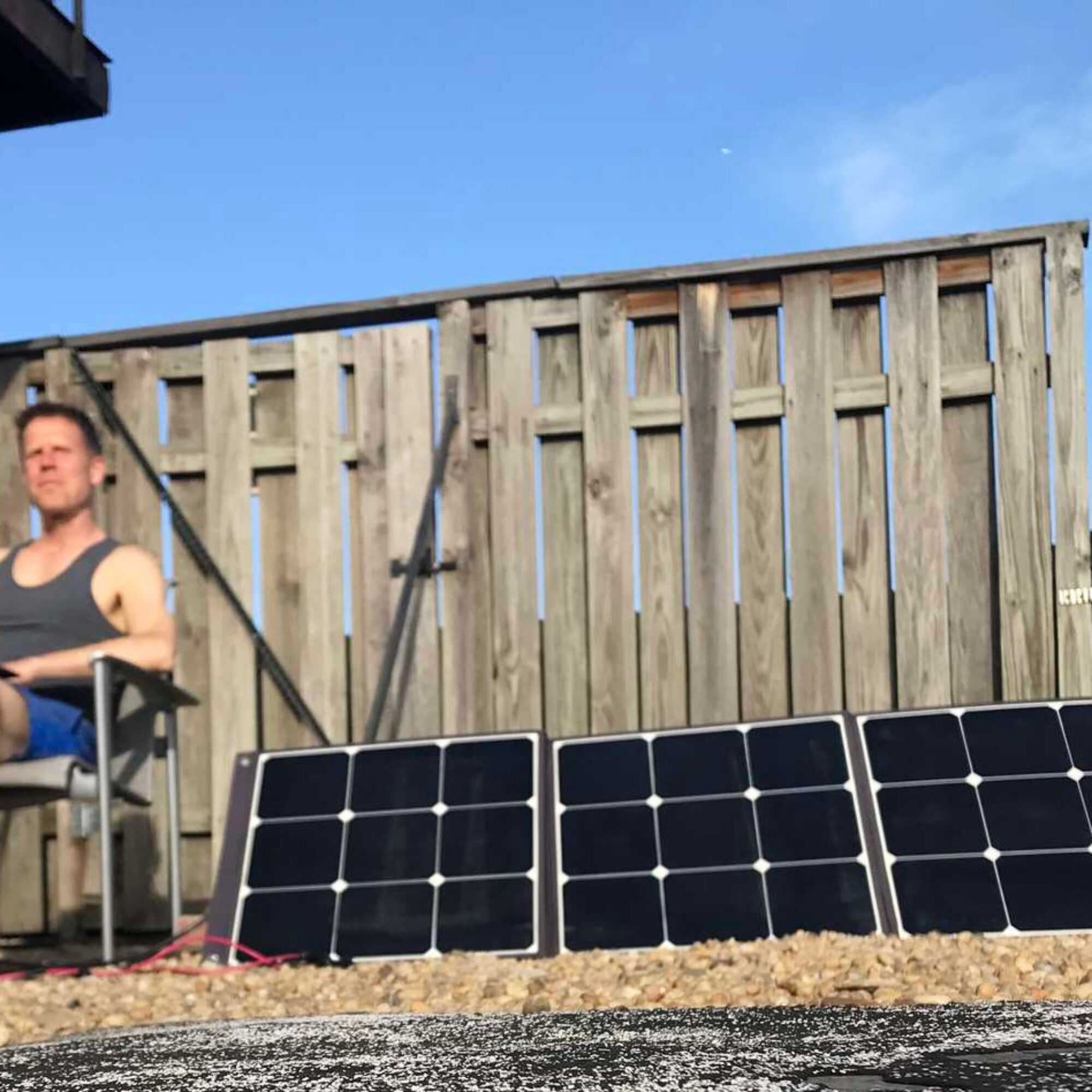
Today hit 66F (19C) in New York. I took advantage of the sunshine to charge on the roof and was more than comfortable in shorts and a tank top. This was me today: You must know that the people who predicted the Earth would warm also predicted if we didn't change wholesale immediately human population would collapse in our lifetime. That means you're putting your life at risk. How are you not scared enough to change your lifestyle? Understand that the following suggestions will improve your life: Stop polluting. Stop flying. Stop buying disposable diapers. Get rid of your TV. Avoid doof. You've been conditioned to think without them you'll suffer. If your reaction is "individual action doesn't help" your mind is so twisted around…

0 Comments

I don’t eat with screens on

I forget it I posted this sidcha, though it's not that challenging, at least not any more, though it was when I started it in January 2022. At first kicking the addiction was hard. Maybe it's more of a habit. It's not a restriction though it may seem that way if you haven't lived it. The sidcha: I don't eat when a screen is on. Or when I eat, I turn off all the screens I can see. I haven't started avoiding sounds, so I'll listen to my phone or computer play an audiobook, music, or a podcast. If I want to check something quickly, I'll stop eating, check my email, and start eating again after turning the screen back off. I can't put into…

0 Comments
Disconnecting from the Electric Grid in Manhattan: Ars Technica Reader Questions Answered
Ars Technica Josh Spodek Disconnected In Manhattan

Disconnecting from the Electric Grid in Manhattan: Ars Technica Reader Questions Answered

My story I disconnected from the electric grid for 8 months—in Manhattan became Ars Technica's top story the day it posted and the next. It also generated many questions and comments. I can’t answer them all, but I wanted to address the big ones, such as How much solar power did I generate and use? Didn’t I just transfer my power use to NYU “cheat”? How much power did I use there? What did I do for heating and air conditioning? Wasn’t I just leeching off my neighbors’ heating and air conditioning? Did going out at night mean I was passing my power costs to restaurants? How did I keep food from spoiling? Did I have to shop for food every day, or nearly so?…

0 Comments

Fixing Peter Singer’s drowning child analogy for sustainability

Peter Singer is one of the best known philosophers. He's won many awards. As a vegetarian since 1990 and vegan about a decade (I didn't note the date I stopped eating cheese, the last animal product I still ate for a long time; also I ate less animal product than anyone I met who called themselves vegan for much of the time I was still vegetarian), I've known about his 1975 book Animal Liberation for a long time. Peter Singer I'm writing now because I recently re-heard his drowning child analogy and saw a new take on it relevant to sustainability. I'll describe the analogy very briefly since you can look it up, then describe my take. The analogy suggests you consider if while wearing…

0 Comments

What you’ll get more of when you stop polluting: what you love most

You tell me what you fear you'll lose without pollution and I'll tell you what you'll gain more of. If you think you'll connect les with family, you'll actually connect more. If you think the poor will be hurt the most, they'll benefit the most. If you're worried about losing your job, you'll find greater job security. If you think your health or the economy will suffer, they'll improve. What am I getting at? Why do I believe you'll experience the opposite of your fears? Addiction makes you feel you're getting more of something but overall you get less of it overall in life, outside brief spikes. Gamblers feel like winners when they're actually losing. Meth addicts feel like they have more energy, but overall…

2 Comments

The opposite of flying is not less family or business opportunity. It’s more of each and nature too.

People think if they can't fly, they won't be able to see their family. They think, "if I'm here and my parents or children are flying distance away, if I don't fly, I won't be able to see them." They also think, "if my business can't compete there, I'll lose revenue and go bankrupt." Then they conclude, "I may not want to pollute, but family is more important and I'm no good to anyone if I can't afford to eat or pay rent, so I have to fly." I used to think people wanted to be close to their families all the time. It turns out people like to be far enough from their parents they can't drop in any time, but close enough they…

0 Comments

Imagine a drug where you get the pleasure and others suffer the harmful side effects: that’s polluting activities.

The title says it all, but let's look in more detail. Take heroin and you get euphoria, but you also suffer the addiction and ruination of your life. You cause others to suffer too, but not directly from the drug. They suffer from your degradation, running out of money, isolation, and so on. In principle, you could use heroin and not cause others to suffer. Gamble and you occasionally win, but you suffer losing your life savings, house, and friendships. Take meth, crack, or cocaine and you feel energy and drive, but you suffer the come-down and have less energy or enthusiasm in rest of life, now dull. Smoke cigarettes and you feel calm and relieved, but you suffer the lung disease and increased anxiety…

0 Comments

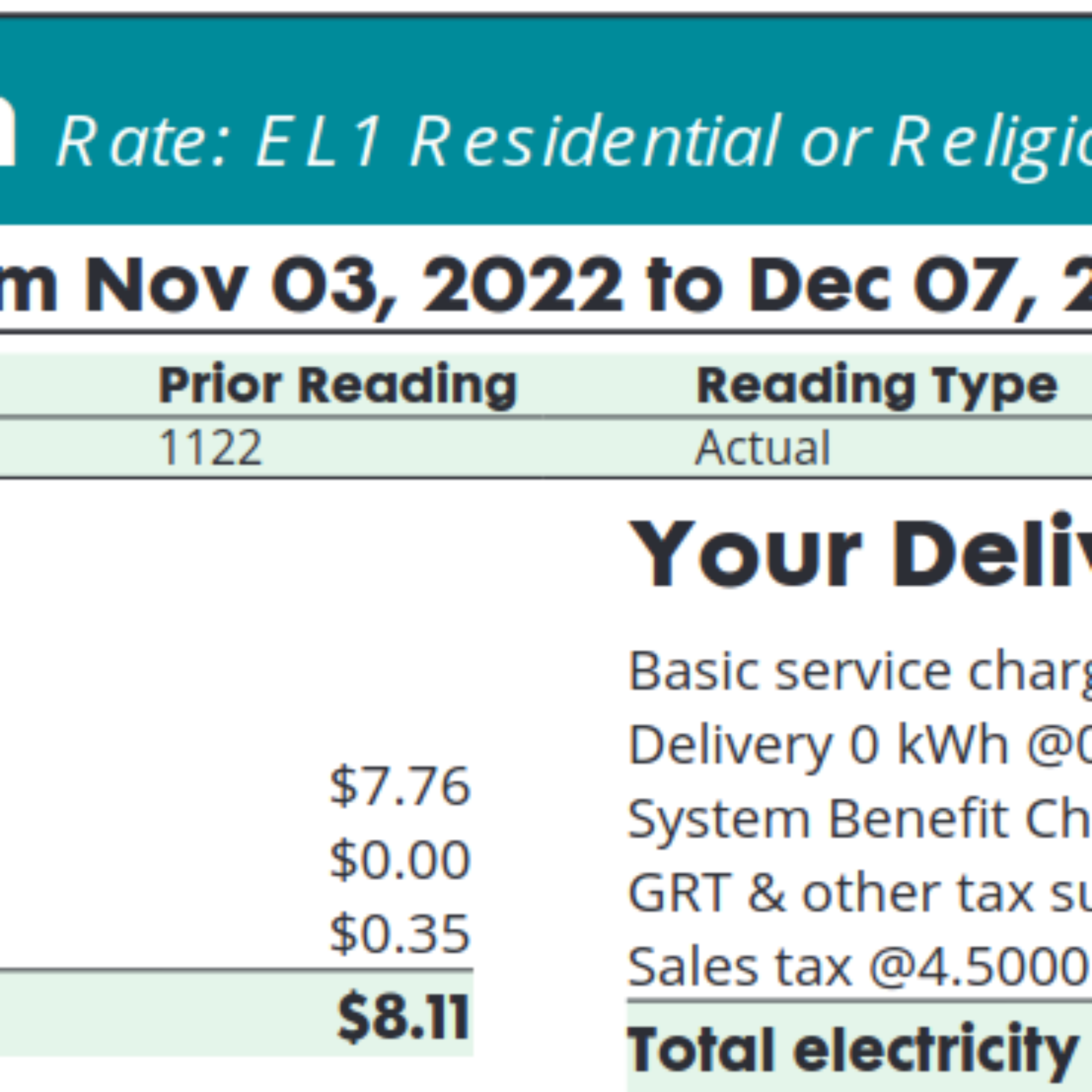
More Polluting Less: Another Zero Kilowatt-hour Bill

I'd say I was getting bored of posting about zero kilowatt-hour electric bill except that pollution kills and we can all pollute less. I'm not polluting less for fun, though it improves my life, but to help people like you see it's possible so you can try. Are you trying? If so, email me and tell me. I'd love to support you or just hear about it. For others, if you believe you can't do something similar or that polluting less will make your life worse, you're lying to yourself, making your life worse, like an addict. I'm not saying this to make you feel bad. I'm saying it to empower you to overcome false, limiting beliefs. I wouldn't care about what you do with…

0 Comments

When a heavy polluter says “we need to bring energy to the world’s poorest,” watch your wallet

Let’s get one thing out of the way. Everyone claims to want to help poor people, poor countries, the sick, children, old people, and other vulnerable populations. Everyone claims to want to help everyone live longer, healthier lives. Nobody claims to want to hurt the vulnerable. After you hear enough heavy polluters say it, you recognize it as empty rhetoric to make themselves feel better and disarm opponents. The question is their behavior and its effects, not their fantasies. People can say they want to help and believe in their hearts they are while wrecking the lives of people and their communities. I believe Bill Gates believes he wants to help the poor when he says, “The cruel injustice is that even though the world’s…

0 Comments

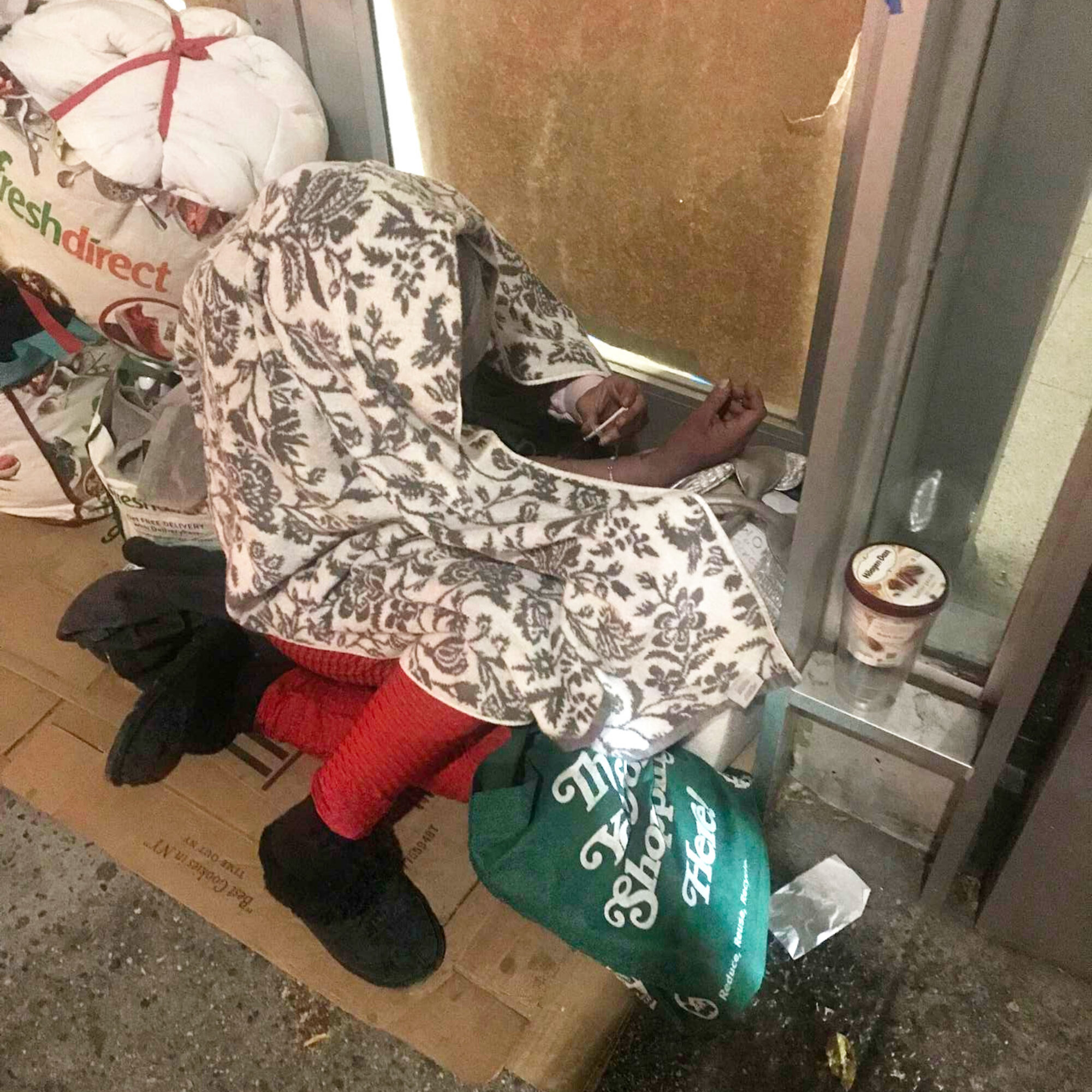
Our culture of addiction: someone injecting on Waverly, just off Sixth Avenue

On my volunteering run, I saw this person shooting up on Waverly, just off Sixth Avenue. Don't look if you're squeamish, because the needle is in the person's arm. Normally I don't take pictures of someone in the act if they or their comrades would see me, but this person was alone with nothing identifying to indict or take away their dignity beyond what our addictive culture has already stomped out of them. Every day I walk south on Sixth and turn that corner, I always have to brace myself for what I'll see: an encampment, huge piles of garbage, a few police officers, . . . it changes, but it's never pleasant. Why take and show these pictures? A friend who thought I focused…

0 Comments

End of content

No more pages to load