Evolutionary Psychology


Models: flaws from experts

[This post is part of a series on The Model -- my model for the human emotional system designed for use in leadership, self-awareness, and general purpose professional and personal development -- which I find the most effective and valuable foundation for understanding yourself and others and improving your life. If you don't see a Table of Contents to the left, click here to view the series, where you'll get more value than reading just this post.] Do you think you have some great models and beliefs that no one can prove wrong? Let's look at some examples of experts declaring things most people at the time probably agreed with. I think you'll find many funny today. Imagine trying to argue with the authority who…

0 Comments

Models: why I stress that they all have flaws

[This post is part of a series on The Model -- my model for the human emotional system designed for use in leadership, self-awareness, and general purpose professional and personal development -- which I find the most effective and valuable foundation for understanding yourself and others and improving your life. If you don't see a Table of Contents to the left, click here to view the series, where you'll get more value than reading just this post.] If I stress one thing about models and beliefs, I stress that they all have flaws. None are internally consistent. All contradict something in the world. To recognize that you can't prove most of the basic ideas you hold as truths can be mind blowing. I'm not trying…

0 Comments

Models: the passive view

[This post is part of a series on The Model -- my model for the human emotional system designed for use in leadership, self-awareness, and general purpose professional and personal development -- which I find the most effective and valuable foundation for understanding yourself and others and improving your life. If you don't see a Table of Contents to the left, click here to view the series, where you'll get more value than reading just this post.] Today I'll review the main points arising from simply knowing about that we create models that mediate our interactions with our worlds -- what I call the passive view. Merely knowing about models passively, not what to do with them but just the following points, will help you…

0 Comments

Examples of models: Mexico city, lack of awareness, and leadership

[This post is part of a series on The Model -- my model for the human emotional system designed for use in leadership, self-awareness, and general purpose professional and personal development -- which I find the most effective and valuable foundation for understanding yourself and others and improving your life. If you don't see a Table of Contents to the left, click here to view the series, where you'll get more value than reading just this post.] Leadership depends on understanding that other people have different models. A leader who doesn't recognize people can have different models will create discord and confusion, as today's example will illustrate. I draw this example from my life. After business school a friend told me her consulting job was…

0 Comments

Examples of models: “Everybody does their best according to their abilities and perception of their environment”

[This post is part of a series on The Model -- my model for the human emotional system designed for use in leadership, self-awareness, and general purpose professional and personal development -- which I find the most effective and valuable foundation for understanding yourself and others and improving your life. If you don't see a Table of Contents to the left, click here to view the series, where you'll get more value than reading just this post.] I tend to believe that everybody does their best according to their abilities and perception of their environment. Sure, I know counterexamples, but in general I believe that at every moment, everyone observes their surroundings and, based on their perception and abilities (more precisely, their beliefs about their…

0 Comments

Examples of models: “beliefs and expectations filter your perception”

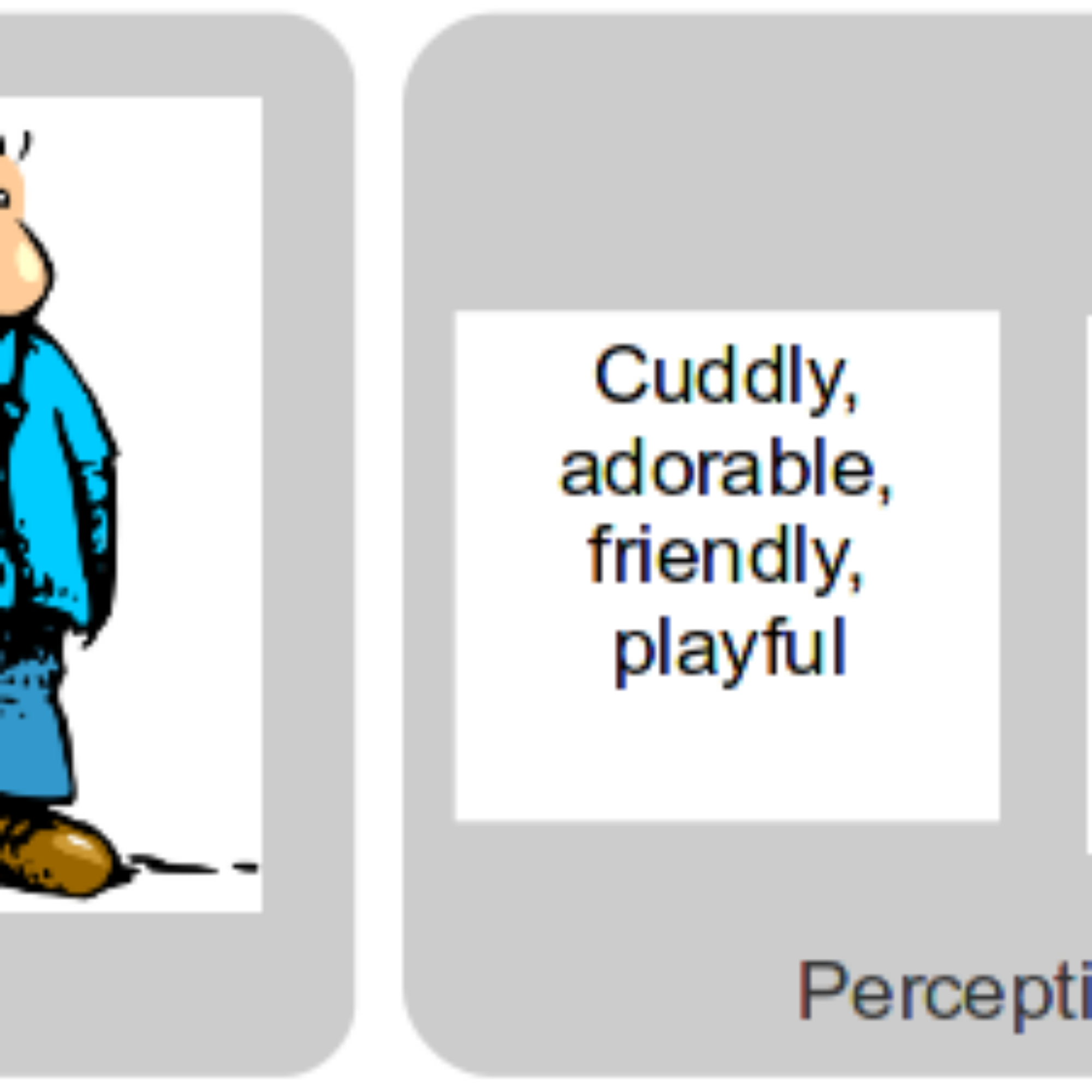
[This post is part of a series on The Model -- my model for the human emotional system designed for use in leadership, self-awareness, and general purpose professional and personal development -- which I find the most effective and valuable foundation for understanding yourself and others and improving your life. If you don't see a Table of Contents to the left, click here to view the series, where you'll get more value than reading just this post.] Let’s look at another example of how we use models in more depth. As with yesterday, after treating the example I’ll describe the lessons it teaches. Imagine you grew up with a pet pit bull. You might see it as an adorable pet. Someone else who never grew…

0 Comments

Examples of models: why he or she didn’t call

[This post is part of a series on The Model -- my model for the human emotional system designed for use in leadership, self-awareness, and general purpose professional and personal development -- which I find the most effective and valuable foundation for understanding yourself and others and improving your life. If you don't see a Table of Contents to the left, click here to view the series, where you'll get more value than reading just this post.] For the next three or four posts, let's look at examples of how we use models in more depth. After each example I'll describe the lessons it teaches. We'll start with an example we're all familiar with: someone told you they'd call Monday. By Friday, no call. It's…

0 Comments

Examples of models: how a slight change in your model can create big changes in behavior

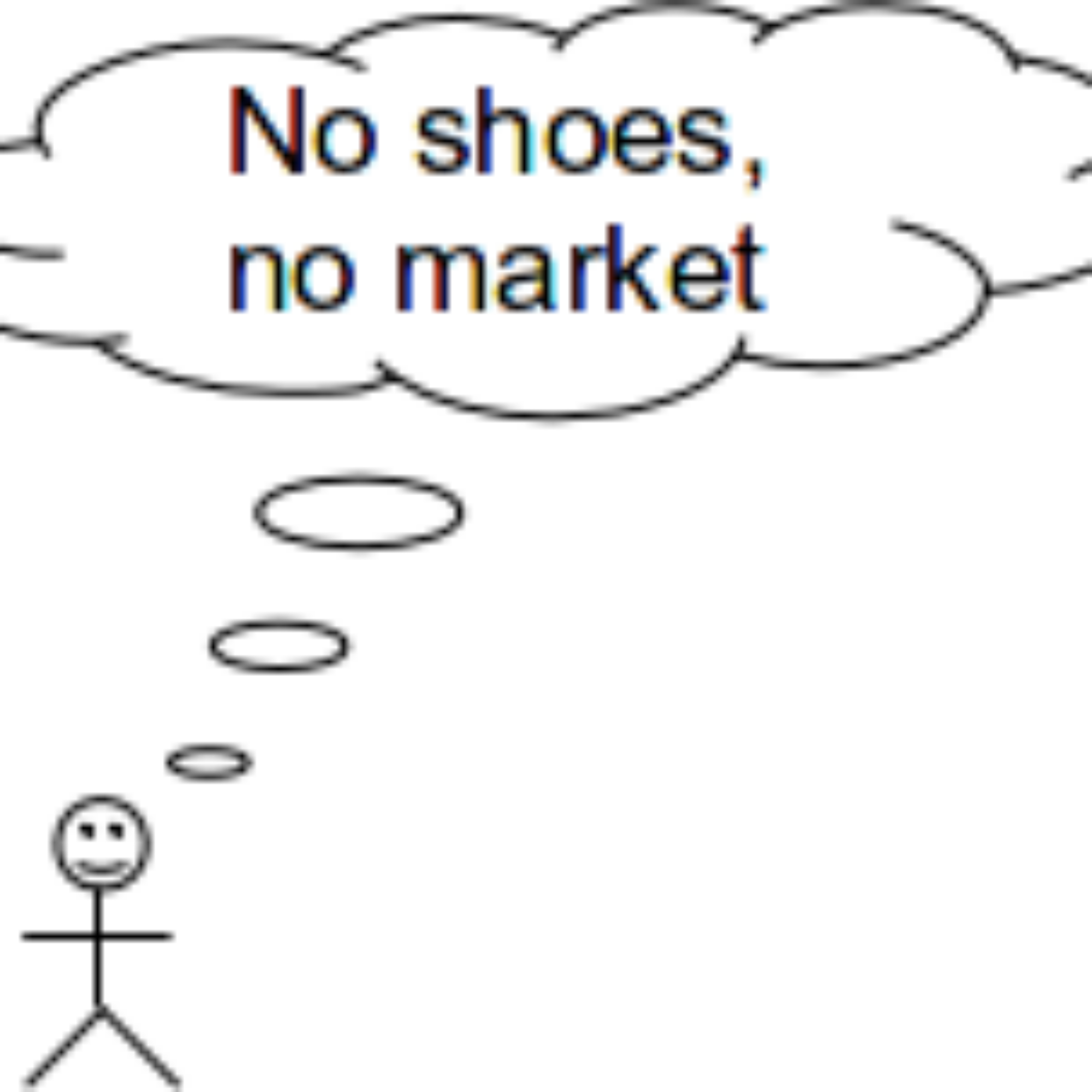
[This post is part of a series on The Model -- my model for the human emotional system designed for use in leadership, self-awareness, and general purpose professional and personal development -- which I find the most effective and valuable foundation for understanding yourself and others and improving your life. If you don't see a Table of Contents to the left, click here to view the series, where you'll get more value than reading just this post.] A famous parable in business literature describes how two competing shoe companies considering expanding into a new market each sent a salesperson to research the market to figure out if they should enter it and how. The first, upon arriving, found that in this market, nobody wore shoes.…

0 Comments

Examples of models: beliefs and mental models

[This post is part of a series on The Model -- my model for the human emotional system designed for use in leadership, self-awareness, and general purpose professional and personal development -- which I find the most effective and valuable foundation for understanding yourself and others and improving your life. If you don't see a Table of Contents to the left, click here to view the series, where you'll get more value than reading just this post.] My past two posts on examples of models showed visual models -- maps and representations of the Earth. Such examples illustrate how models work because they are easy to see, but don't capture the subtlety of distinguishing models from what they represent. Mental models tend to be more…

0 Comments

Examples of models: the Earth from several perspectives

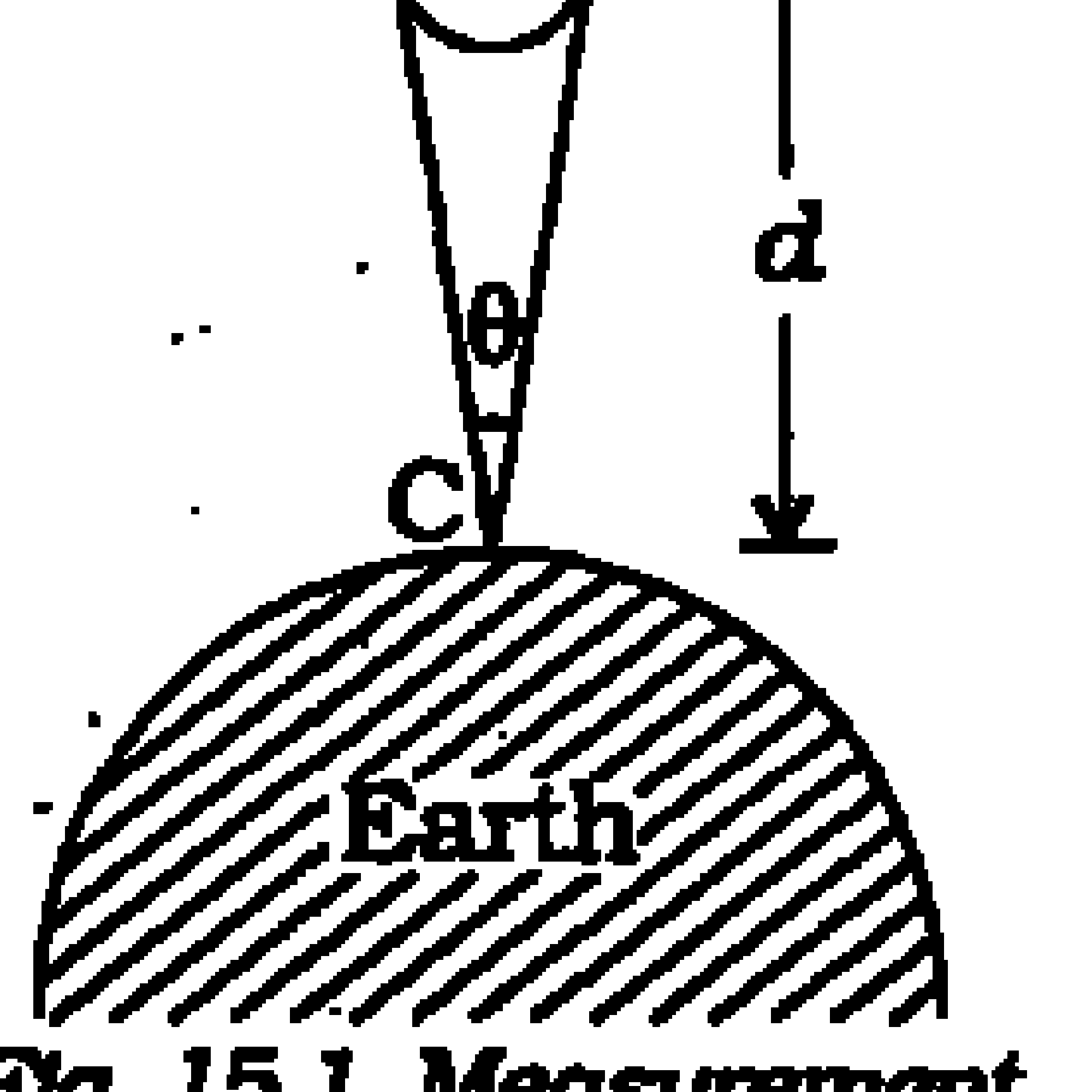
[This post is part of a series on The Model -- my model for the human emotional system designed for use in leadership, self-awareness, and general purpose professional and personal development -- which I find the most effective and valuable foundation for understanding yourself and others and improving your life. If you don't see a Table of Contents to the left, click here to view the series, where you'll get more value than reading just this post.] Yesterday I started with one of the simplest examples of models -- maps. Today we'll look at other models. The image below includes a model of the Earth. You might remember seeing models like this from school. It throws out a lot of information -- it's two-dimensional, showing…

0 Comments

Examples of models: maps

[This post is part of a series on The Model -- my model for the human emotional system designed for use in leadership, self-awareness, and general purpose professional and personal development -- which I find the most effective and valuable foundation for understanding yourself and others and improving your life. If you don't see a Table of Contents to the left, click here to view the series, where you'll get more value than reading just this post.] My series on the Model covered models in general but didn't give examples. My seminars cover examples, so the next few posts will cover some examples to illustrate some common models we all use. I have two goals: first to help expose how fundamental they are to our…

0 Comments

There will never be a periodic table of emotions, part 2

Continuing yesterdays' post... In the examples above, the categorization schemes worked because they categorized something with an underlying structure -- the photon and its wavelength, the atom and its nucleus and electrons, natural selection and DNA, the (so far) fundamental particles and the laws governing their interactions. But not everything with patterns has an underlying structure. Let's look at anatomy, for example. As we'll see, it will reveal a lot about emotions and motivations. Notice that despite common characteristics across life, no one has created a periodic table of anatomy. Why not? Because anatomy has no underlying structure like those other categorization schemes. We know several unpredictable factors affect how a species' anatomy evolves -- for example, that species' current anatomy, its environment, and natural…

6 Comments

There will never be a periodic table of emotions, part 1

Discovering the periodic table of the elements told us wonders about chemistry and pointed the way toward understanding atoms. Figuring it out pointed the way toward tremendous understanding and improving our lives. We found similar structures that revealed underlying structure in the spectrum of light, life's family tree, the standard model of particle physics, and others. Wouldn't it be great to find such a structure for our emotions and motivations? Wouldn't we expect discovering such a structure reveal our emotional system and create tremendous progress in psychology, personal development, achievement, motivation, and well-being? Why can't we find such a structure? I think we never will. But that doesn't mean we won't make tremendous progress in those areas to improve our lives. Let's take a step…

0 Comments

The Model: “What is the meaning of life” is a needlessly and counterproductively complicated question

[This post is part of a series on The Model -- my model for the human emotional system designed for use in leadership, self-awareness, and general purpose professional and personal development -- which I find the most effective and valuable foundation for understanding yourself and others and improving your life. If you don't see a Table of Contents to the left, click here to view the series, where you'll get more value than reading just this post.] The past two day's posts on meaning and complexity in emotions helps us understand the age-old, often asked but never answered question, "What is the meaning of life?". More importantly, it helps us make sense of a question that doesn't make much sense. Unfortunately, the question's complexity makes…

2 Comments

The Model: the source of all meaning, value, purpose, and importance

[This post is part of a series on The Model -- my model for the human emotional system designed for use in leadership, self-awareness, and general purpose professional and personal development -- which I find the most effective and valuable foundation for understanding yourself and others and improving your life. If you don't see a Table of Contents to the left, click here to view the series, where you'll get more value than reading just this post.] Most of our greatest life questions and quests involve meaning and values. What things are meaningful and why? What are our values? What is important and why? Looking up words like meaning, values, and importance in the dictionary or Wikipedia doesn't help. At least one dictionary online gave…

0 Comments
The Model: a single cycle is simple. Many cycles get complex.
Three interacting thoughts

The Model: a single cycle is simple. Many cycles get complex.

[This post is part of a series on The Model -- my model for the human emotional system designed for use in leadership, self-awareness, and general purpose professional and personal development -- which I find the most effective and valuable foundation for understanding yourself and others and improving your life. If you don't see a Table of Contents to the left, click here to view the series, where you'll get more value than reading just this post.] Do you consider emotions complex and bewildering? I wouldn't surprise me if you did. Many people present them that way, what I call romanticizing them. Making them seem complex and bewildering sells movie tickets, magazines, and books, unfortunately at the cost of making people misunderstand themselves. I hope…

0 Comments

The Model: what you can and can’t control

Of the five elements in the Model -- environment, beliefs, emotions, behavior, and reward -- you can voluntarily choose and act on your environment, belief, and behavior. Except to a limited degree, you can't voluntarily choose your emotions. They react to the other elements. Reward, being a special emotion, also reacts to the other elements. It may seem a cruel twist that the most important parts of the cycle are the parts we can't control. After all, the Declaration of Independence doesn't say "life, liberty and the pursuit of environment" or "... of perception" or "... of belief." It recognizes happiness -- your emotions -- as the highest value. From an evolutionary perspective, for your emotions to be involuntary makes sense. If you felt hungry,…

0 Comments

The Model: how your emotional system chooses your emotions

[This post is part of a series on The Model -- my model for the human emotional system designed for use in leadership, self-awareness, and general purpose professional and personal development -- which I find the most effective and valuable foundation for understanding yourself and others and improving your life. If you don't see a Table of Contents to the left, click here to view the series, where you'll get more value than reading just this post.] Why do you feel the emotions you do? People who think their emotions are irrational and follow no pattern can't understand why they feel the emotions they do. Worse, they make themselves unable to manage their emotions. They become easy to manipulate. Perhaps they make good consumers for…

0 Comments

The Model: more on the difference between “positive” and rewarding emotions

[This post is part of a series on The Model -- my model for the human emotional system designed for use in leadership, self-awareness, and general purpose professional and personal development -- which I find the most effective and valuable foundation for understanding yourself and others and improving your life. If you don't see a Table of Contents to the left, click here to view the series, where you'll get more value than reading just this post.] People usually say they want to feel positive emotions. I've already discussed how calling emotions positive doesn't help. They may feel good, but even ones that feel bad are useful. We have them for a reason. Treating them functionally helps you manage them better. The following examples illustrate…

0 Comments

The Model: what are awareness, self-awareness, and emotional intelligence?

[This post is part of a series on The Model -- my model for the human emotional system designed for use in leadership, self-awareness, and general purpose professional and personal development -- which I find the most effective and valuable foundation for understanding yourself and others and improving your life. If you don't see a Table of Contents to the left, click here to view the series, where you'll get more value than reading just this post.] Do you also find people talk about awareness, self-awareness, emotional intelligence and related topics loosely, without knowing precisely what they mean? The Model lets us circle back, discuss, and clarify these concepts. Perhaps ironically, people with low awareness would tend to benefit most from increasing theirs. Without a…

0 Comments

The Model: reward in more depth

[This post is part of a series on The Model -- my model for the human emotional system designed for use in leadership, self-awareness, and general purpose professional and personal development -- which I find the most effective and valuable foundation for understanding yourself and others and improving your life. If you don't see a Table of Contents to the left, click here to view the series, where you'll get more value than reading just this post.] Continuing looking at elements of the Model in more depth, after behavior yesterday comes reward. Past posts clarified that reward differs from the emotions that bring it about -- so you know you can get reward from any emotion, not just so-called "positive" ones -- and the differences…

0 Comments

The Model: behavior in more depth

[This post is part of a series on The Model -- my model for the human emotional system designed for use in leadership, self-awareness, and general purpose professional and personal development -- which I find the most effective and valuable foundation for understanding yourself and others and improving your life. If you don't see a Table of Contents to the left, click here to view the series, where you'll get more value than reading just this post.] Continuing looking at elements of the Model in more depth, after emotions and their origins over the past two days comes behavior. Of all the elements, behavior is probably the simplest. Behavior includes the obvious -- your gross movements like moving around, eating, sleeping, running, and what you…

0 Comments

The Model: characteristics of emotions

[This post is part of a series on The Model -- my model for the human emotional system designed for use in leadership, self-awareness, and general purpose professional and personal development -- which I find the most effective and valuable foundation for understanding yourself and others and improving your life. If you don't see a Table of Contents to the left, click here to view the series, where you'll get more value than reading just this post.] Besides your emotional system's consistency and reliability, each emotion you feel has several characteristics relevant to its function. I have found four characteristics particularly relevant. Each emotion has characteristics of Pleasure, from pleasurable to painful Intensity, from intense to subtle Richness, from complex to simple Duration, of long…

0 Comments

The Model: the origins of your emotions and emotional system

[This post is part of a series on The Model -- my model for the human emotional system designed for use in leadership, self-awareness, and general purpose professional and personal development -- which I find the most effective and valuable foundation for understanding yourself and others and improving your life. If you don't see a Table of Contents to the left, click here to view the series, where you'll get more value than reading just this post.] Know thyself. As with every system to improve your life I know, I consider knowing yourself fundamental. Today's post shows how recent science -- evolutionary psychology -- lets us know ourselves better than any humans could before. Evolution tells us our roots beyond our childhood another billion years.…

0 Comments

End of content

No more pages to load