Evolutionary Psychology


The Model: emotions in more depth

[This post is part of a series on The Model -- my model for the human emotional system designed for use in leadership, self-awareness, and general purpose professional and personal development -- which I find the most effective and valuable foundation for understanding yourself and others and improving your life. If you don't see a Table of Contents to the left, click here to view the series, where you'll get more value than reading just this post.] Continuing to look at elements of the Model in more depth, after perception and belief comes emotion. Emotions lie at the core of the Model, as they should, since emotions, awareness of them, and the ability to bring about the ones you want lie at the core of…

0 Comments

The Model: perception and belief in more depth

[This post is part of a series on The Model -- my model for the human emotional system designed for use in leadership, self-awareness, and general purpose professional and personal development -- which I find the most effective and valuable foundation for understanding yourself and others and improving your life. If you don't see a Table of Contents to the left, click here to view the series, where you'll get more value than reading just this post.] Let's look at the next element in the cycle after the environment -- perception and belief. Perception means how you look at or become aware of your world. I include belief in the same cycle element as perception because belief and perception influence each other so closely, whether…

0 Comments

The Model: environment in more depth

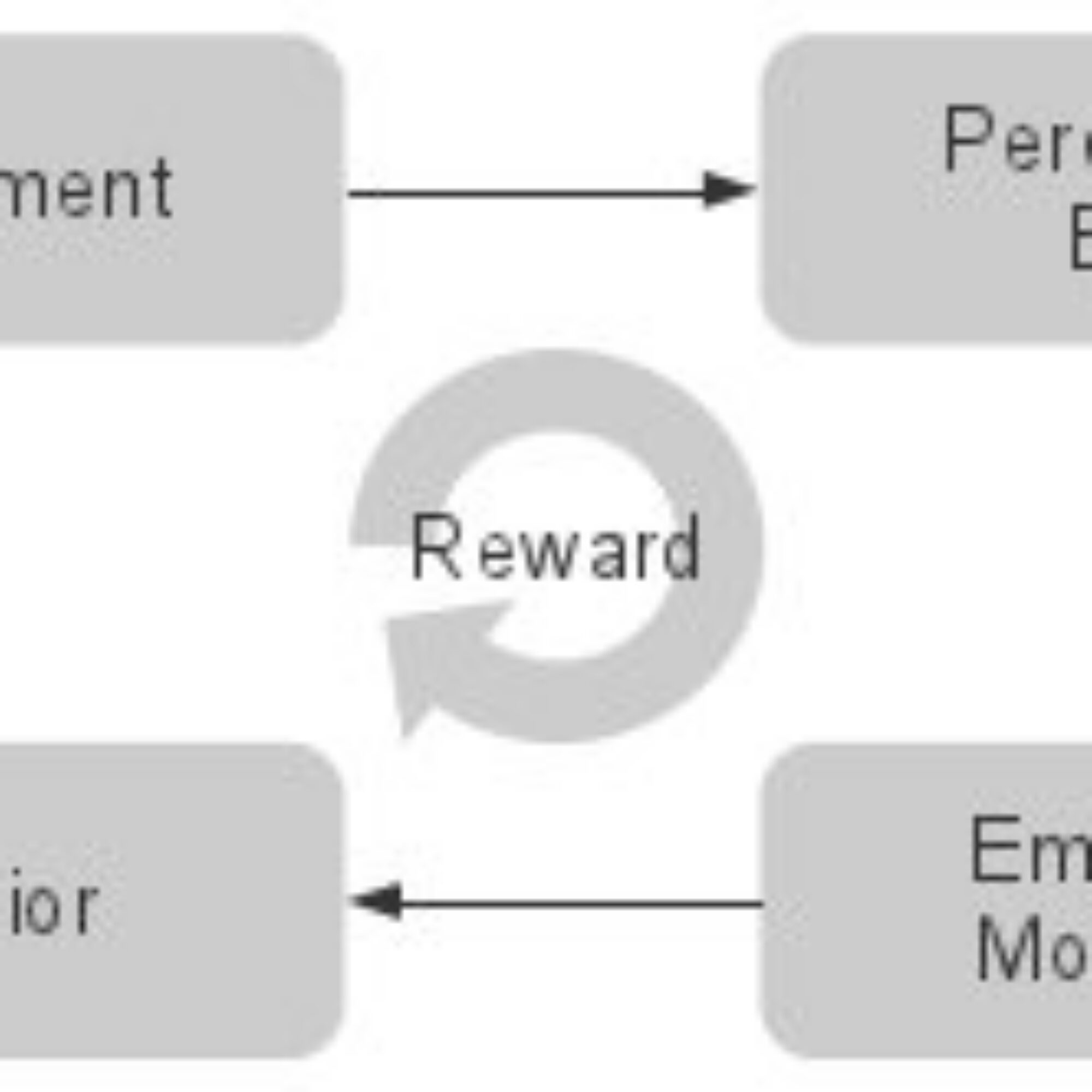
[This post is part of a series on The Model -- my model for the human emotional system designed for use in leadership, self-awareness, and general purpose professional and personal development -- which I find the most effective and valuable foundation for understanding yourself and others and improving your life. If you don't see a Table of Contents to the left, click here to view the series, where you'll get more value than reading just this post.] Continuing the series on the Model from last time, let's look at elements of the Model in more depth. The elements are environment, perception/belief, emotions/motivation, behavior, and reward. We'll start with environment today. An emotional cycle's environment includes everything outside the cycle that affects it. The most obvious…

0 Comments

Shortcomings of cognitive behavioral therapy and remedies to them

[This post is part of a series on The Model -- my model for the human emotional system designed for use in leadership, self-awareness, and general purpose professional and personal development -- which I find the most effective and valuable foundation for understanding yourself and others and improving your life. If you don't see a Table of Contents to the left, click here to view the series, where you'll get more value than reading just this post.] Yesterday we looked at cognitive behavioral therapy. Today we'll consider some of its shortcomings and why those shortcomings excite me about my Model. Shortcoming 1: Cognitive Behavioral Therapy doesn't motivate its model I believe the therapy will help best to the extent people understand why and how it…

0 Comments

The Model and cognitive behavioral therapy

[This post is part of a series on The Model -- my model for the human emotional system designed for use in leadership, self-awareness, and general purpose professional and personal development -- which I find the most effective and valuable foundation for understanding yourself and others and improving your life. If you don't see a Table of Contents to the left, click here to view the series, where you'll get more value than reading just this post.] If you want to improve your life, you should know about cognitive behavioral therapy. CBT has a lot going for it, but if, like me, you don't have mental problems and diseases you should know its shortcomings too. I'll describe them after describing it. What is it? The…

0 Comments

The Model: our emotional system is outdated

[This post is part of a series on The Model -- my model for the human emotional system designed for use in leadership, self-awareness, and general purpose professional and personal development -- which I find the most effective and valuable foundation for understanding yourself and others and improving your life. If you don't see a Table of Contents to the left, click here to view the series, where you'll get more value than reading just this post.] I think everybody knows the following, but I have to say it anyway just in case. The human emotional system evolves at the rate evolution acts, whereas our environment over the past few tens of thousands of years has changed faster than evolution can act. This difference results…

1 Comment

The Model: your emotional system is consistent and predictable

[This post is part of a series on The Model -- my model for the human emotional system designed for use in leadership, self-awareness, and general purpose professional and personal development -- which I find the most effective and valuable foundation for understanding yourself and others and improving your life. If you don't see a Table of Contents to the left, click here to view the series, where you'll get more value than reading just this post.] The Model predicts the human emotional system to be consistent and predictable. How so? People often contrast emotions with reason, which they consider systematic and predictable. By contrast, they consider emotions illogical, unpredictable, and unsystematic. People are used to understanding how someone reasons from one point to another.…

0 Comments

The Model: our emotions transcend “nature red in tooth and claw”

[This post is part of a series on The Model -- my model for the human emotional system designed for use in leadership, self-awareness, and general purpose professional and personal development -- which I find the most effective and valuable foundation for understanding yourself and others and improving your life. If you don't see a Table of Contents to the left, click here to view the series, where you'll get more value than reading just this post.] Two days ago we covered a few examples of emotional cycles. Some are obvious, like hunger when low on food and thirst when low on water. Other motivations and emotions aren't as obvious, like to avoid being shunned by a group or other social behaviors. Some are complex,…

0 Comments

The Model: emotional reward differs from the emotion that brought it about

[This post is part of a series on The Model -- my model for the human emotional system designed for use in leadership, self-awareness, and general purpose professional and personal development -- which I find the most effective and valuable foundation for understanding yourself and others and improving your life. If you don't see a Table of Contents to the left, click here to view the series, where you'll get more value than reading just this post.] Yesterday's last example illustrated an important distinction I left implicit so far: the feeling of reward or punishment is independent of the emotion that brought it about. This distinction helps you understand the Model and bring about the emotions and reward you want independent of the situation you're…

0 Comments

The Model: examples of emotional cycles

[This post is part of a series on The Model -- my model for the human emotional system designed for use in leadership, self-awareness, and general purpose professional and personal development -- which I find the most effective and valuable foundation for understanding yourself and others and improving your life. If you don't see a Table of Contents to the left, click here to view the series, where you'll get more value than reading just this post.] In our Model, each emotion you experience manifests itself in the emotional cycle of the model. Example 1: let's consider an example of hunger in the Model. Say someone puts a mango in front of you (environment). You see it and expect it to taste good (perception/belief). Since…

0 Comments

The Model: where emotional cycles came from

[This post is part of a series on The Model -- my model for the human emotional system designed for use in leadership, self-awareness, and general purpose professional and personal development -- which I find the most effective and valuable foundation for understanding yourself and others and improving your life. If you don't see a Table of Contents to the left, click here to view the series, where you'll get more value than reading just this post.] We've presented all the elements of the Model, barely scratching the surface of what it all means or how to use it. Let's start by understanding where our emotions come from. We don't have our emotions for the fun of it. Our emotions motivate our behavior. Each emotion…

0 Comments

The Model: adding reward

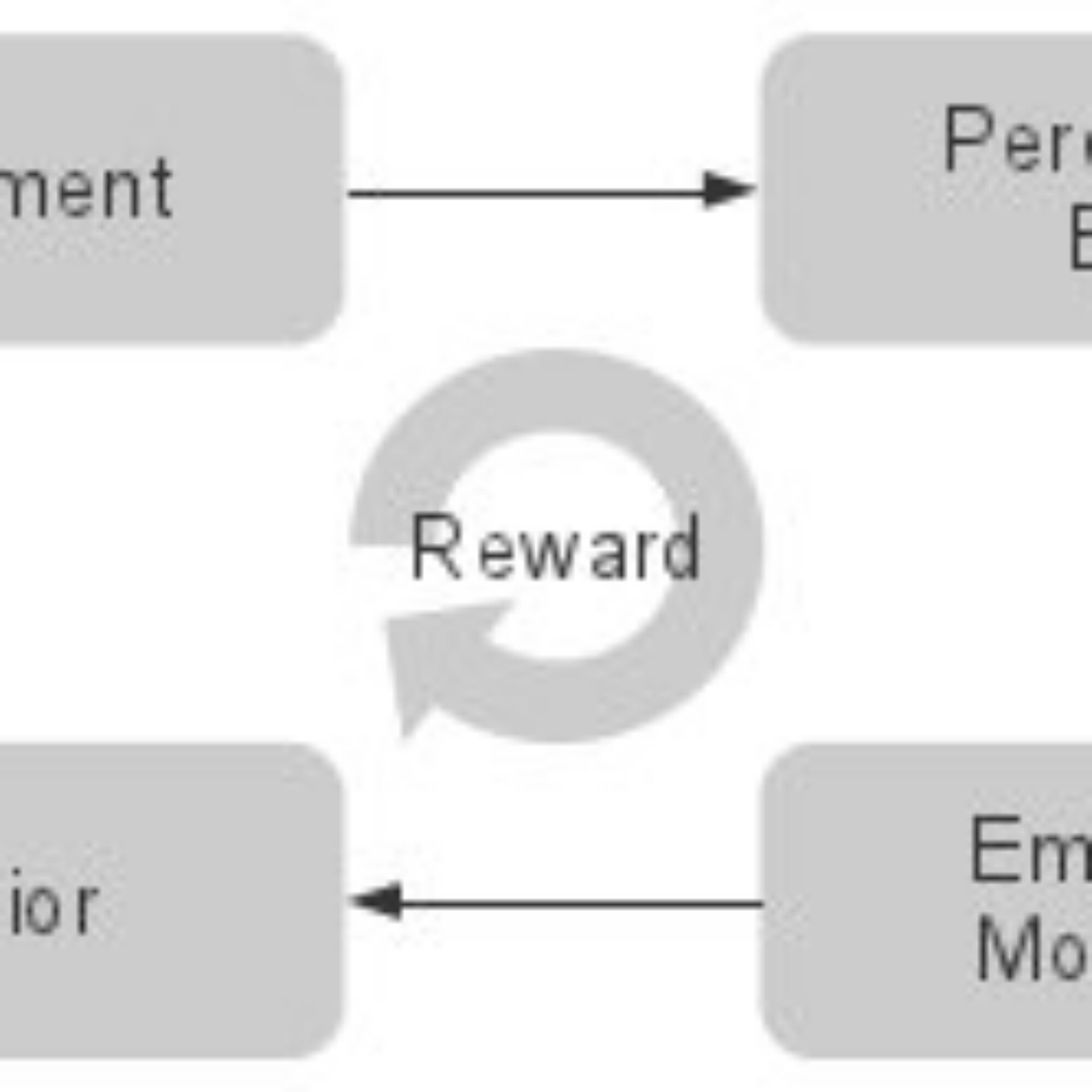
[This post is part of a series on The Model -- my model for the human emotional system designed for use in leadership, self-awareness, and general purpose professional and personal development -- which I find the most effective and valuable foundation for understanding yourself and others and improving your life. If you don't see a Table of Contents to the left, click here to view the series, where you'll get more value than reading just this post.] So far the Model comprises cycle of environment, perception (subject to belief), emotions, and behavior. Its last element represents how it regulates itself: reward. When this Model refers to reward, it means emotional reward, not something like financial reward, treats for dogs, or food pellets for lab animals.…

0 Comments

The Model: adding belief and perception

[This post is part of a series on The Model -- my model for the human emotional system designed for use in leadership, self-awareness, and general purpose professional and personal development -- which I find the most effective and valuable foundation for understanding yourself and others and improving your life. If you don't see a Table of Contents to the left, click here to view the series, where you'll get more value than reading just this post.] Our Model so far comprised a cycle of your environment, emotions, and behavior. We're still building. We don't develop motivations based on our environments directly. The limitations of our senses mean we never know the full story of anything. The limitations of our memory and mental processing power…

0 Comments

The Model: adding emotions

[This post is part of a series on The Model -- my model for the human emotional system designed for use in leadership, self-awareness, and general purpose professional and personal development -- which I find the most effective and valuable foundation for understanding yourself and others and improving your life. If you don't see a Table of Contents to the left, click here to view the series, where you'll get more value than reading just this post.] Yesterday began the Model with the foundation of understanding yourself as someone who exists in an environment and behaves within it. Unlike many simpler life forms, people don't merely react reflexively. I don't know how bugs and lizards live, but they don't seem to reflect much on their…

0 Comments

The Model: environment and behavior

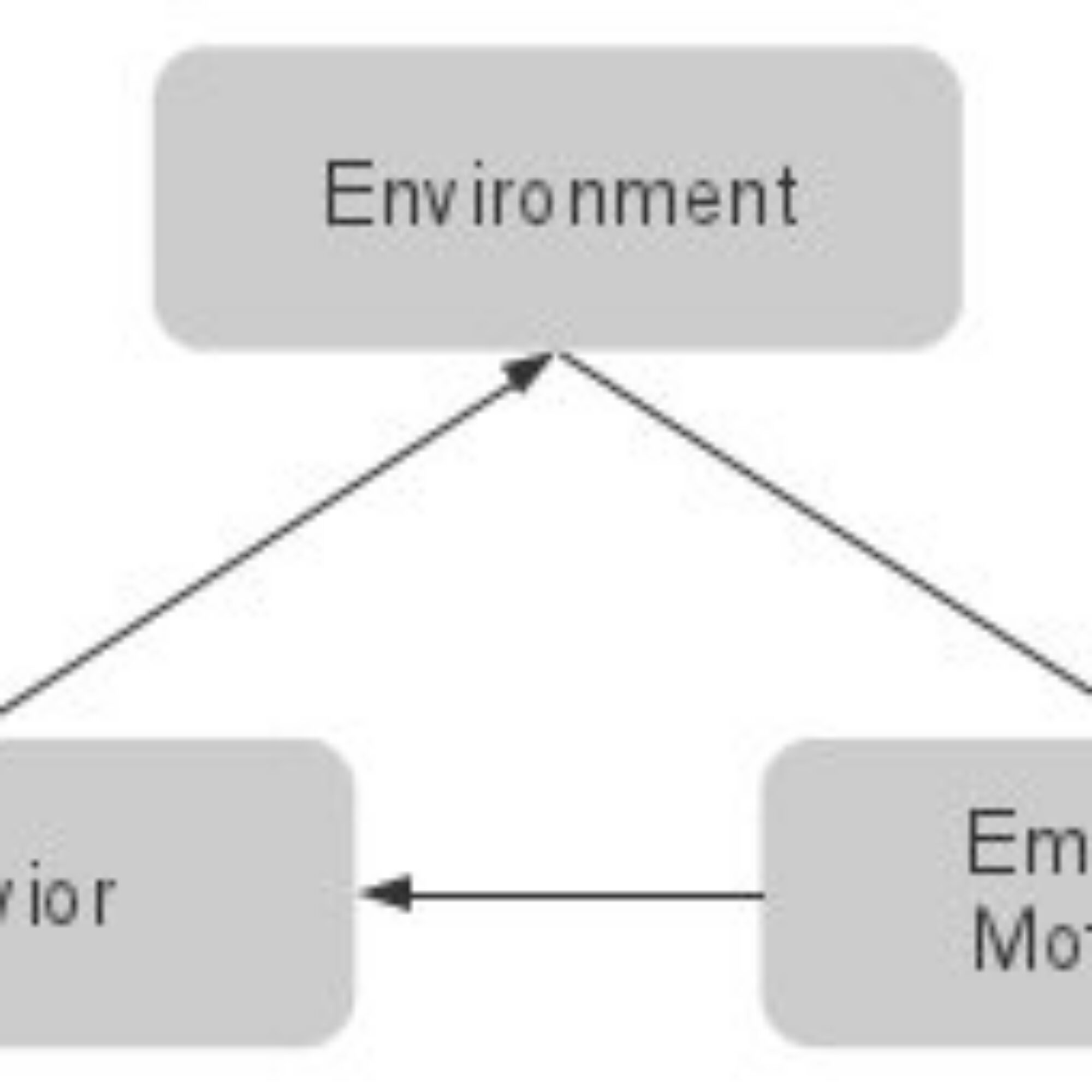
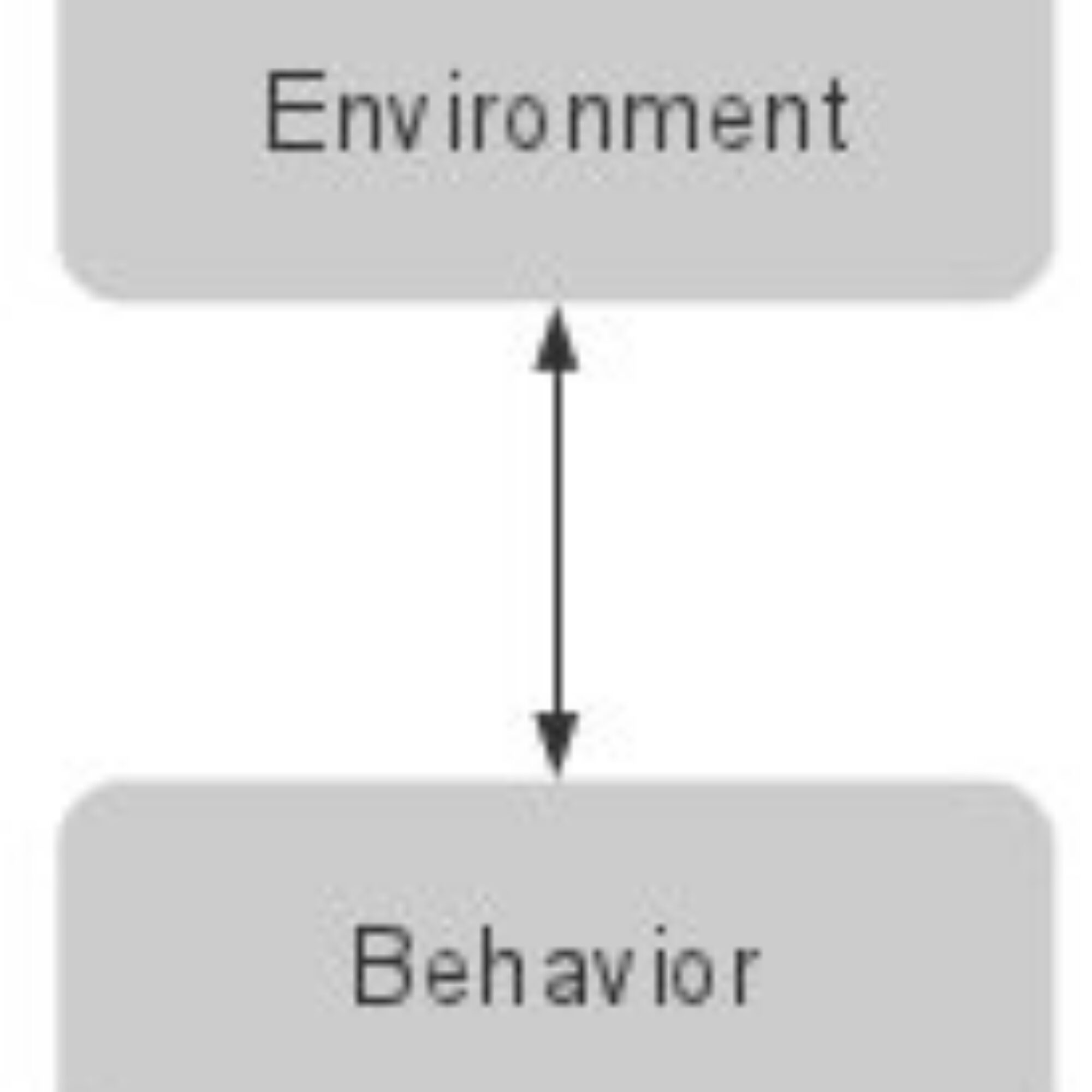
[This post is part of a series on The Model -- my model for the human emotional system designed for use in leadership, self-awareness, and general purpose professional and personal development -- which I find the most effective and valuable foundation for understanding yourself and others and improving your life. If you don't see a Table of Contents to the left, click here to view the series, where you'll get more value than reading just this post.] Today we'll see the first part of the Model. It comes from evolution in general and the burgeoning forefront scientific field of evolutionary psychology. Let's start with your behavior and environment. Like all life, you exist in an environment and you behave in certain ways within it. You…

0 Comments

The Model: why

[This post is part of a series on The Model -- my model for the human emotional system designed for use in leadership, self-awareness, and general purpose professional and personal development -- which I find the most effective and valuable foundation for understanding yourself and others and improving your life. If you don't see a Table of Contents to the left, click here to view the series, where you'll get more value than reading just this post.] Why create a model? To know yourself better despite your complexity. Every system of self-improvement, at least that I know of, has some concept of increasing your self-awareness, your knowledge of yourself. "Know thyself." Modeling the part of you that creates value, importance, and meaning helps you understand…

0 Comments

The Model: models in general

[This post is part of a series on The Model -- my model for the human emotional system designed for use in leadership, self-awareness, and general purpose professional and personal development -- which I find the most effective and valuable foundation for understanding yourself and others and improving your life. If you don't see a Table of Contents to the left, click here to view the series, where you'll get more value than reading just this post.] Before talking about the Model in particular, let's talk about models in general, a fundamental and incredibly useful concept in its own right. I've covered them before in this blog from several perspectives. Models are simplified representations of something for a purpose Models are simplified representations of something…

0 Comments

The Model

[This post is part of a series on The Model -- my model for the human emotional system designed for use in leadership, self-awareness, and general purpose professional and personal development -- which I find the most effective and valuable foundation for understanding yourself and others and improving your life. If you don't see a Table of Contents to the left, click here to view the series, where you'll get more value than reading just this post.] What goals do we have in life if not to understand what makes life good and how to make our own better? By good I mean by the values of the person living that life -- not by some abstract standard. I want to distinguish the following from…

0 Comments

Calling emotions positive or negative doesn’t help — it hurts

Emotions are how your emotional system reacts to your perception of your environment with motivation to behave. In every culture around the world, in every language, essentially all of us share the same emotions. This commonality is not an accident. Human behavior is driven by human emotions and our behavior is what made us so overwhelmingly successful in population and geographic spread. Our behavior and emotions didn't come out of nowhere. They evolved, as in every other species. Our would-be ancestors who behaved less effectively in their environments didn't have as many children and we didn't descend from them. Our ancestors who behaved most effectively had the most children and we are their descendents. You may say you feel good when you enjoy ice cream…

0 Comments

Don’t be like a cheetah running into a wall

Every species has a few traits that give it advantages over any other. Cheetahs have their speed, for example. As far as I know they're the fastest animals on land. We have our intelligence, among other things. As far as I know, we're the most intelligent animal on land. Like other species with their traits, we have been using our intelligence to help us survive. We've been doing so for millions of years. So many people get so stressed over what they view as the complications of life or their lives. As I wrote recently, life is no more or less complicated than you believe it is. Everyone does what they think is best at the time -- as does every living creature. Some people…

0 Comments

My New York Academy of Sciences Seminar

April 5 and 7, 6-10pm at the New York Academy of Sciences I will be giving my seminar on Leadership and Personal Success -- the best seminar you'll ever attend. It's similar to the leadership seminar at Columbia Business School in December, but more science-y and less business-y. Here's the background from the NYAS web page (where you can register): Leadership and personal success through self-awareness and emotional intelligence are popular pursuits outside the scientific community—for example, in business, sports, politics, etc. But why not in science? In part because their literature has shaky and often non- or even anti-scientific foundations. If the practices work, though, they are repeatable and amenable to study. Shouldn't we scientists should be able to understand and apply the material…

0 Comments

Choosing what you like is not denying what you don’t

Do you feel if you don't deal with difficult things you're denying or avoiding reality? Does that bring you down or make you feel irresponsible? Does that compel you to do things you don't want to? Here's how to make sure you don't. After a conversation last night, my friend said she looked at enjoying life in a whole new way for the better.Let's start with an analogy. On a corner of Manhattan, dozens of people may pass you in a minute. You could stop and talk to any one of them. It's so diverse, one might be a student, another a dancer, athlete, lawyer, CEO, model, housewife, and so on. If you began a conversation with any about his or her life, you'd get…

0 Comments

How much do you understand?

Want a liberating concept?Our brains and senses are limited. Our ancestors didn't evolve minds to understand everything or senses to sense everything. They evolved them to navigate their environments enough to propagate their genes. That's it. The ones that could had children eventually resulting in us. The ones that couldn't didn't.Limited senses mean we have limited access to the universe. The observable universe stretches for tens of billions of light years in every direction, yet from my chair I can see a few yards, hear a bit farther ... a bit more from other senses. In my whole life I've observed not much more.Limited processing power -- that is, brain power -- means of whatever we observe we can remember and understand a fraction. To…

0 Comments

An alternative to truth and lies

An incredibly useful perspective in some half-baked notes to a friend. I'll develop them more in future posts. Feedback and criticism appreciated. --- You wrote about lying as an example of a "bad trait". I'd like to suggest another perspective (generalizable from just lying to other aspects of apparent lack of empathy): that the reason people communicate is not to convey truths. Evaluating people according to truths and lies holds them to impossible standards that hurts oneself in the long run by creating judgmental emotions and decreasing your ability to influence people who are hurting you. A perspective I find more helpful is that we, like all animals, communicate to influence others to help us in our goals. All animals communicate and all animals deceive…

0 Comments

End of content

No more pages to load