Nature


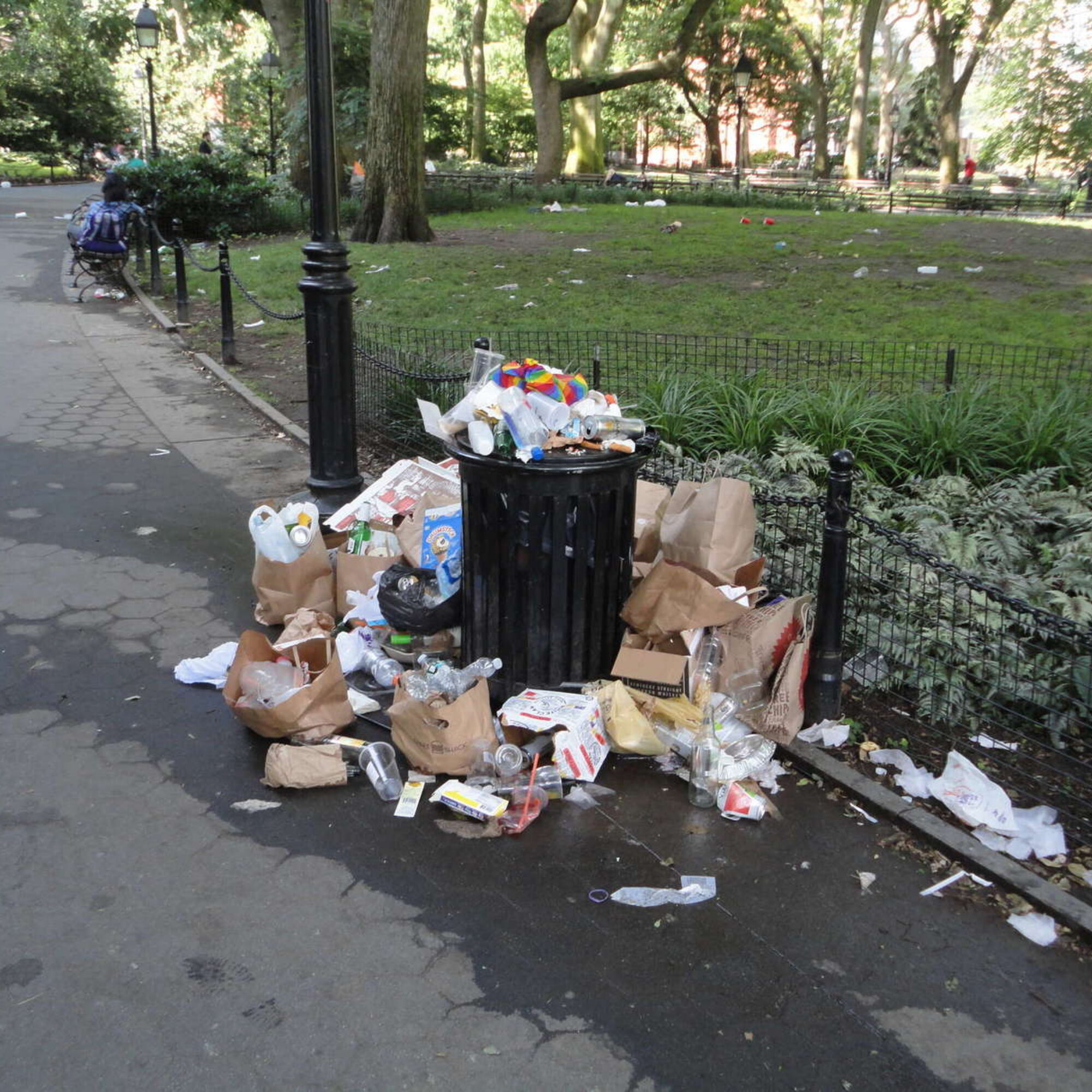
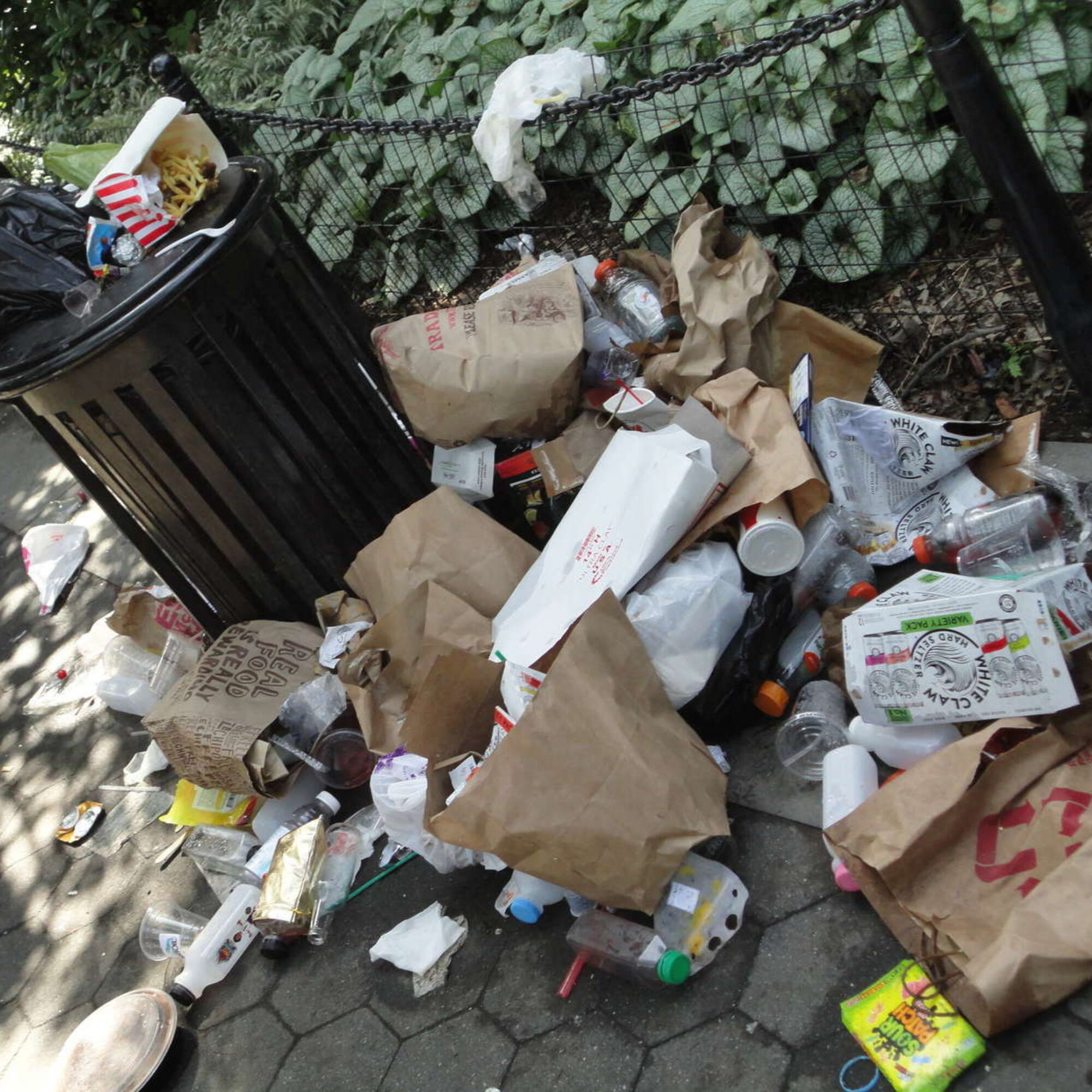
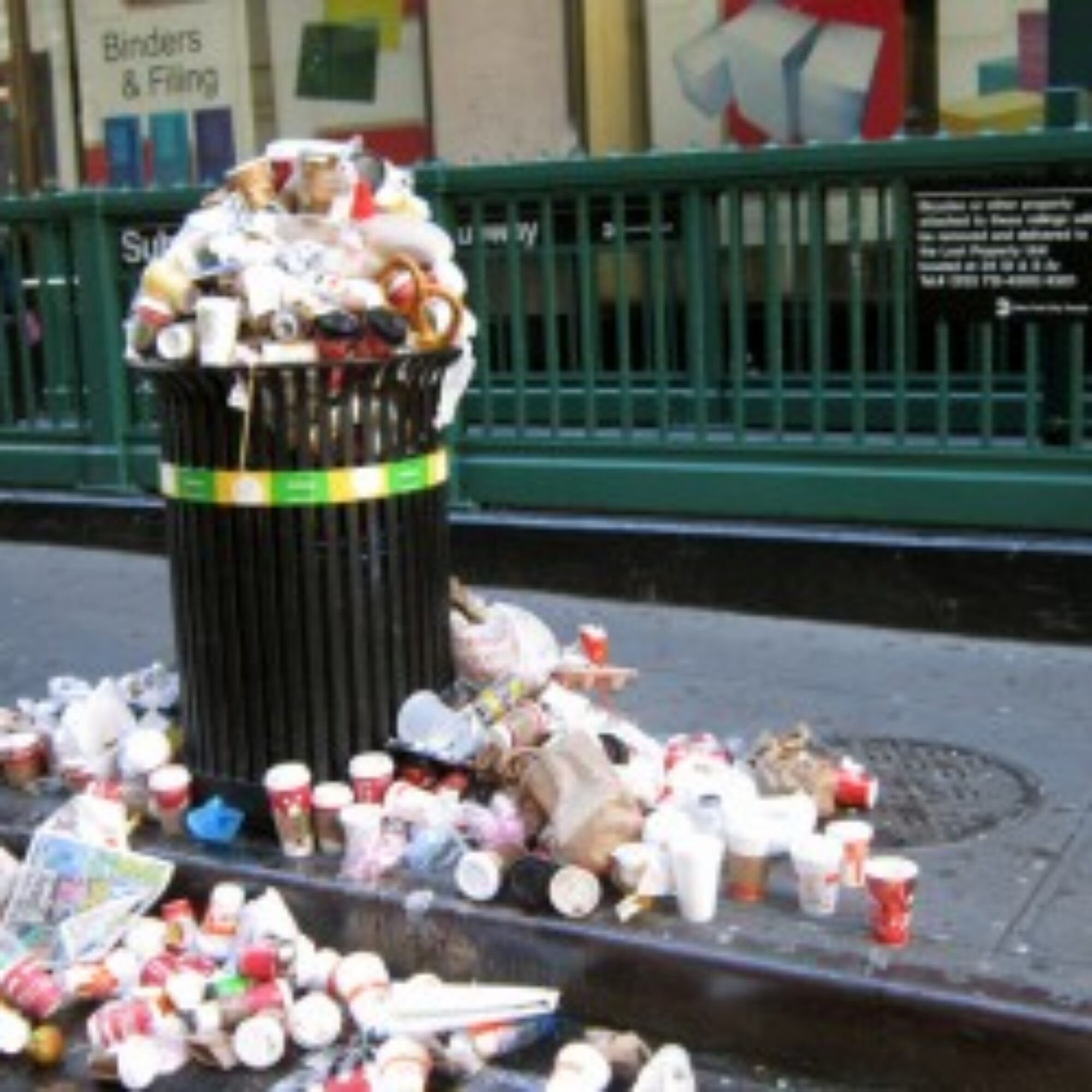
One way I admit I’m out of touch: I can’t understand why everyone doesn’t pick up litter all the time.

Okay, I'm speaking a bit tongue-in-cheek because I know most people think what they do doesn't matter and imagine touching anyone else's litter risks keeling over and dying, or maybe gangrene and covid-19. People claim to be germaphobes and the like to excuse their inaction. But I know there's no risk if you just avoid dangerous things, which still leaves an infinite amount to pick up, so I discount their excuses as self-serving justifications. After all, what would you rather do than live in a cleaner world? What would you rather do than help clean your world at zero cash cost, taking negligible time. Others will start to follow. The point isn't that picking up litter cleans the world itself. It just shuffles waste around.…

0 Comments

Do we live in Babylon?

This post is me trying to express the sadness I feel seeing litter everywhere, increasing, imagining the beauty Manhattan island once held before we paved it over; seeing how doof covers over beauty of the human body with disease and excess. My sadness runs deeper than that lost beauty. I lament the abdication and capitulation of responsibility. At least half the people I see walking the streets of this city are carrying something disposable. Nearly everything they put in their mouths comes with poison packaging it. They act as if they had no choice, as if it was normal that every thing they eat or consume comes with pollution. They've given up on nature. They don't know what they're missing. They act as if not…

0 Comments

I finally realized why people don’t criticize litter

Short answer: because they realize they are complicit and want what plastic provides. Long answer: Picking up litter every day, I find almost not one type of trash comprises things I buy. Nearly all is doof, mostly beverage bottles and can, takeout, chips, coffee cups, wrappers, and such. I buy or consume none of them. There's plenty of packaging from Amazon, doof purveyors, retail bags, and more things I don't buy. Cigarettes, other smoking things, and yet more things I don't buy. As the weather warms and people consume more doof, the trash cans overflow earlier in the day, and people are too addicted to stop buying even when they see the cans full. Instead of holding on to their garbage until they can find…

0 Comments

The human cost of environmental degradation I want to avoid is already happening.

I hear people say that things have to get bad enough before people will act on the environment. They're fooling themselves; every time we lower Earth's ability to sustain life, they adjust and say it still has to get worse. For example, I'm sure that most people, if asked in 2019, would say a global pandemic that forced billions of people into house arrest and bitterly divided nations would motivate them to act, not meaning they would not fly because authorities, but of their volition to help. Needless to say, nearly no one did. We manufactured more plastic and pushed to restore flying to pre-pandemic levels as soon as possible. What do you want to save? I've thought about what I want to protect. We've…

0 Comments

Transitions in the path to acting sustainably

I've noticed people go through a few transitions as they start acting sustainably. I haven't catalogued them all, but a few: From expecting acting sustainably means deprivation and sacrifice to expecting it bring rewarding emotions. Before this transition, you don't want to start trying. You may feel obliged or shamed into acting, but you resent it. The AIM/Spodek Method that I teach and coach starts this transition. From thinking your actions don't matter to expecting you'll influence others. Before this transition you think personal actions don't change systems. You think only actions that change everything or scale to change everything are worth doing. Nothing does, so you don't start. From seeing the problem as "out there" to seeing it as inside us. Before this transition…

0 Comments

A New Record in Clean Living: Over 6.5 Months With the Fridge Unplugged

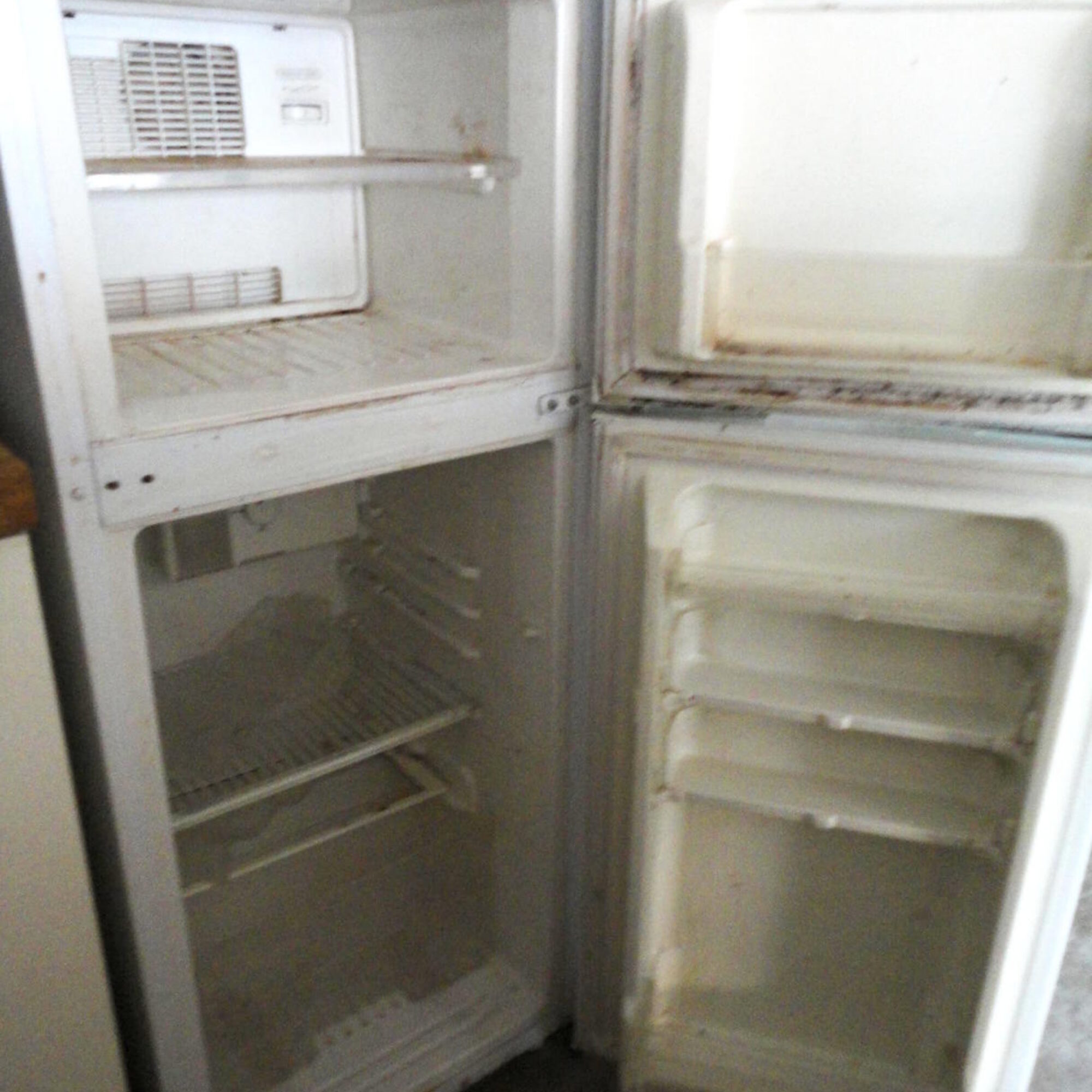
I'm continuing living clean from my addictions to polluting behaviors. Last year I kept my fridge unplugged for six and a half months. If unplugging the fridge sounds weird or stupid, check out my post on why I would and what I got out of it: 12 Sustainability Leadership Lessons Unplugging My Fridge for 6.5 Months Taught Me. Also consider that much of the world lives without a fridge, many healthier and living longer than us. All lived without fridges before we invented them. It's tempting to expect refrigeration would keep foods fresher, but as usual systems work differently than elements in systems. When we develop ways to slow foods from decomposing, we create longer supply lines, resulting in less-fresh foods and more doof. Unplugging…

2 Comments

Everyone says “It’s the journey, not the destination” until you suggest they consider not flying.

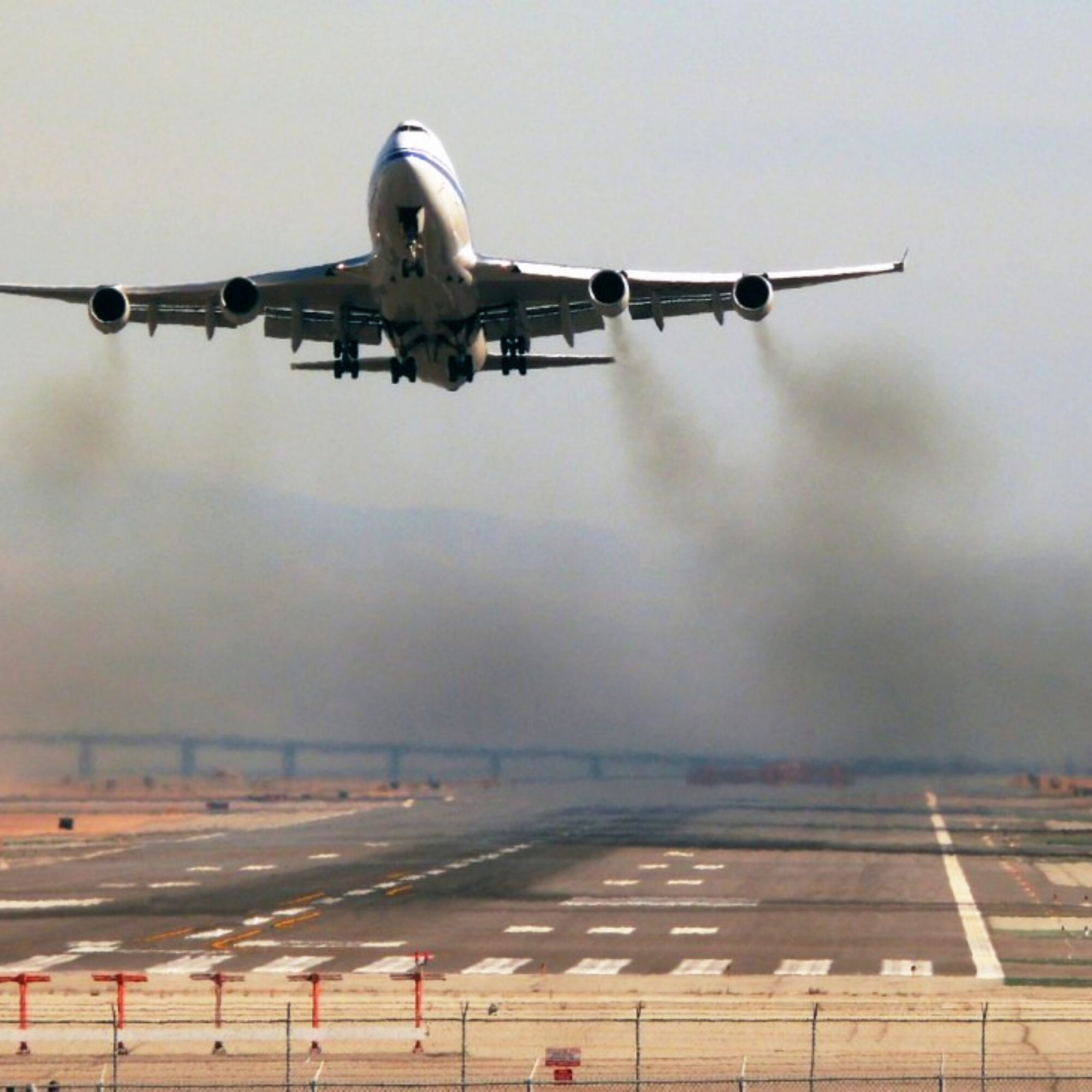
I hear people say "it's the journey, not the destination" all the time. Then when I say I don't fly but get more value that I did from flying, they say, "Oh, I couldn't do that." What happened to the journey being more valuable than the destination? I concluded they were just talking and hadn't thought through what the journey means. Sadly, if they did stop flying, they'd find more rewards than they expected

0 Comments

Can you imagine a vacation without burning fossil fuels to get there?

People used to walk across the country. I recently read that before cities, people used to travel more, and that cities led people to travel less, thousands of years ago (source: The Dawn of Everything, which I'm in the middle of and love so far). In fairness, because of cities' diversity, people in cities may have experienced more diversity in people without traveling far, but walking, riding horses, and sailing allowed them to explore nature and diversity beyond the city. But people before cities traversed continents. Why not? They weren't bound to one spot. They experienced more of nature's beauty than us. People today tend to reflexively respond that we're healthier or live longer today, or some advantage, but the more I learn from anthropology…

0 Comments

Do Americans buy unpackaged food? Have you, say, in 2022?

I'm beginning to think that every meal and snack of nearly every American involves some polluting, disposable packaging. When I see people consuming on the street, they're nearly always consuming doof. Even if they buy food, it's nearly always packaged. Not that I've been checking, but I can't remember a time I saw someone eating an apple on the street. Hundreds of times a day I see people carrying disposable coffee cups. I see them drinking coffee while riding their Citibikes. When I find myself in supermarkets, even the fresh produce generally has a sticker or twist-tie, and nearly everyone puts their produce in plastic bags, often needlessly, like one apple. Even at farmers markets, vendors give bags to nearly everyone. Come to think of…

0 Comments

More Pride, Less Pollution in 2022

As an over twenty-year Greenwich Village resident, I love the Pride Parade. I was on a float in it as an invited participant once. I watch it every year I'm home, though it passes a block from my home, so can't miss it. In the past decade or so, I've become more sensitive to litter and garbage. Last year, I happened to visit Washington Square Park the morning after the parade and saw it covered in more trash than I'd ever seen there. A woman there said what I saw was clean compared to a few hours earlier, before city employees cleaned a lot of it up. In her words, "Pride destroyed the park." I posted about it with many pictures. Here's a video of…

0 Comments

Under one dollar: My record low monthly electrical use: 10 kWh ($0.96 + fixed costs)

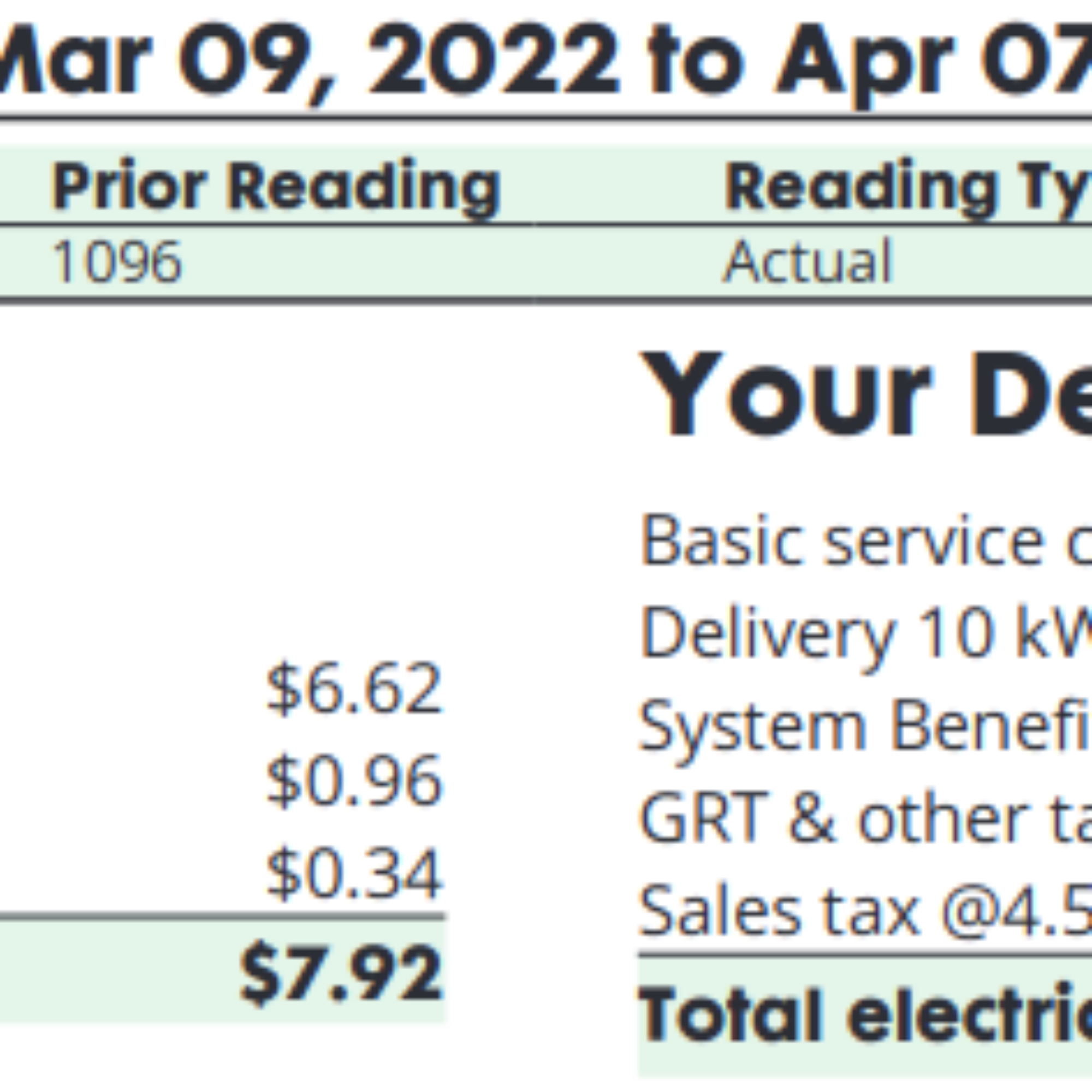
This month set a record low electrical use at only 10 kWh, or less than one dollar on supply charges. I don't remember what I did this month to keep it so low, or rather what I didn't do. Note I still use hot water for my showers, which my building heats with natural gas, though my showers are only a couple minutes. The two reasons I'm sharing I'm sharing my results for two main reasons. My first reason to share is the reason recovering addicts share how long they've been clean. We hope to find support from people who have been clean longer to help us on our journey. I'm polluting and intend to pollute less. The second reason is the role models who…

0 Comments

Everyone acts shocked and outraged at how much food we waste, but happily wastes.

Everyone acts shocked and outraged at how much food we waste, where "we" could mean Americans or humans in general. Then they act like I'm weird for eating fruit's peels. Citrus fruit peels contain all the fiber and nearly all the vitamin C of the fruit. They're happy to eat it when slathered with sugar and fat, so they don't have a problem eating it when turned into doof. I'm not saying fruit peels are the biggest source of waste, but how can people point fingers at others so quickly without realizing they are accusing themselves? Did past generations waste so profligately? Maybe I'm just grumpy from how much litter I see and pick up every day, and the mindsets behind the huge numbers of…

0 Comments

Is “progress” net helping or hurting?

Technology builds hospitals, raises the GDP, and does other things people consider progress, improving their lives. It also creates pollution, displaces people from their lands, and is lowering Earth's ability to sustain life. Between the two effects, is what we call progress net improving or deteriorating our quality of life? I'd say it's a judgment call that depends on your values. I'd guess someone in Silicon Valley would answer differently than someone in a favela. I figure from post-WWII to 2000, most people would say progress and technology improved life. The pollution, displacing people from their lands, extinctions, and so on were there to be seen, but I think most people chose not to see them, and who can blame them? Who could expect we…

0 Comments

How We Reached Our Environmental Predicament so We Can Take Responsibility

The situation: More people than ever are living healthy, happy lives yet Pollution and garbage are growing and acceleratingPredictions suggest our waste is going to cause nearly everyone on Earth to suffer including many dying and, here's the big confounding issue We can't stop ourselves. With rare exception, everyone I know and even know of knows they are polluting, hurting people by it, so potentially contributing to the greatest catastrophe ever, yet won't or can't stop. Why? How? What do we do about it? How is this conflict possible? I've been trying to figure it out. I've worked out a framework I'll develop here. One: The human mind's reward mechanisms Some reward feels like pleasure, others excitement, connection, relief, and more (people associate various forms…

0 Comments

Read about sustainability and me in a Korean-English magazine: 터치 매거진 4월호가 발행되어 보내드립니다.

This morning I got an email: 안녕하세요,봄비 촉촉히 내리는 4월 첫 아침입니다.터치 매거진 4월호가 발행되어 보내드립니다.아래 링크를 클릭하시면 터치 스토리랩 홈페이지와 4월호 매거진으로 이동합니다.지난 한 달 동안 저희가 열심히 준비한 다양한 컨텐츠를 읽어보시고 잠시나마 여유로운 시간이 되시면 좋겠습니다.이번 달도 저희 터치 매거진을 성원해주시고 많이 읽어주시길 부탁드리며,건강하고 행복한 4월 되시길 바랍니다.감사합니다. Which translates to Hello, It is the first morning of April when the spring rain is moist.The April issue of Touch Magazine is published and sent.Click the link below to go to the Touch Story Lab homepage and the April issue of the magazine. We hope that you will have a leisurely time while reading the various contents that we have worked hard for over the past month.We ask that you support and read our…

0 Comments

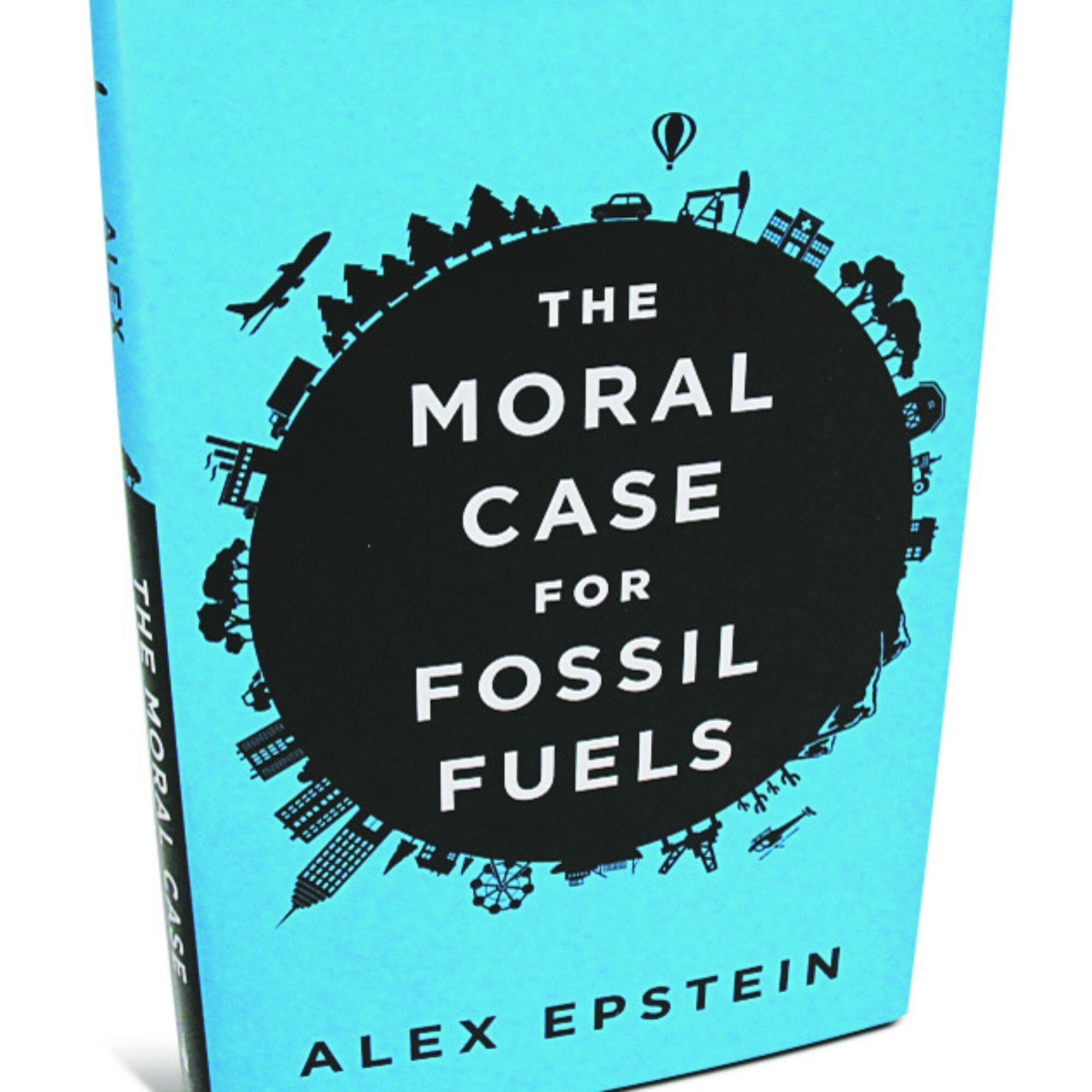
The book The Moral Case for Fossil Fuels; freedom, ingenuity, progress, and related books, videos, and resources.

I've read a lot of books and watched a lot of movies on the environment and leadership. The ones I find most valuable I put on my environmental leadership resource page. Recently, I read the New York Times bestseller The Moral Case for Fossil Fuels by Alex Epstein. I put a brief summary of his case, as I understand it, at the bottom of this post. I had seen the title before but was prompted to read by reading the Master Resource blog and a conversation with podcast guest (and now friend), Michael Carlino. From Master Resource's About page: MasterResource is a forum about energy markets and public policy. Precisely because energy is the lifeblood of the modern economy – the “master resource” that affects…

0 Comments

Everyone is avoiding what’s hard on the environment in favor of what’s easy even when effective.

You know when you have an important job, how you often clean your room or do some other busy work instead of taking on the challenges? That's what we're doing on the environment. Here are some examples. Hard problem 1: Teaching about nature Everyone talks about teaching more science in school, especially environmental. Teaching children science avoids the serious problem: adults who don't understand about nature, cause and effect, observation, experiment, and what makes up science. People avoid teaching adult decision-makers science or what would help more (since the science overwhelmingly teaches us we have to act to sustain Earth's ability to sustain life): leadership. Kids don't run companies, vote, hold office, or influence organizations or society. I don't condemn teaching kids science, but it…

0 Comments

Year 7, day 1 without flying, seeing our cultural and individual addictions

On March 22, 2016 my flight from Paris landed in New York. Before embarking on that trip, I had started to second guess how I had weighed my values to conclude flying was overall good. Today marks the first day of my seventh year without flying. I've traveled and seen more of the world and its people more in this time than when I flew. I grew up flying. My American parents met in India, where we lived a year of my childhood. Many close family members lived flying distance away, a trend that increased as more family members moved farther away. As a history professor who studied mostly India, my father's livelihood and identity relied on flying. My older sister lived years in Israel…

2 Comments
My sledding hill in March
Packaging from someone who had McDonald's delivered. McDonald's delivered must be one of the most pathetic signals of loss of values.

My sledding hill in March

I visited home in Philadelphia this weekend and stopped by my sledding hill, also known as Tommy's Hill. I made a video last time. https://youtu.be/rb0_WfiFzDY This time I'll just show pictures for quick scanning with commentary in the comments. First the most jarring image as a preview, can you see the "word" McDelivery? Someone had McDonald's delivered, then littered the packaging. Packaging from someone who had McDonald's delivered. McDonald's delivered must be one of the most pathetic signals of loss of values. Consider getting McDonald's delivered. What rock bottom of self-respect has this person dropped through? . . . Or rather has our society dropped through that this concept exists? It serves only to impoverish the poor and make more sick the already sick. McDonald's…

0 Comments

A simple proposal to reduce litter

Picking up litter daily, as I have since 2017, I notice many trends. One big one is that Saturday and Sunday mornings, my neighborhood has more litter from people going out the night before. The plastic cups from bars, bottles, takeout containers, and other detritus from visitors makes it obvious. Most of the trash cans are overflowing, so when I pick up the litter, I can't put it anywhere. I can often tell where it came from, often the specific bar or restaurant, but at least the type of venue. Some of them used to have trash cans the public could use. Now I don't think any of them do. It looks like they've realized how much trash all of them contribute and that they…

0 Comments

Spring flowers

The weather is warming in New York City, maybe early because of global warming, but plants are starting to grow. I see some growing in cracks in the sidewalk and concrete. Life grows so fast, with so little opportunity. We just have to let it. That we are decreasing the amount of life, causing species to go extinct and just decreasing the overall mass of living creatures shows how much we are destroying it. If we just let it be, it would grow back. It's not. We're destroying it. All we have to do is pull back on the throttle, nature will do the rest, but we can't even just relax. We have to keep pushing.

0 Comments

The “Affordable Housing” challenge

If you believe, as I do, that humans have overpopulated the Earth, there's a big problem with affordable housing. Every politician promotes building more buildings, and attaching the term "affordable housing" to any project helps it get popular support. I don't remember hearing anyone oppose "affordable housing." Before cars overran cities, people didn't complain about building highways into cities. Few people, maybe no one, anticipated induced demand, where building roads created more demand for more roads, which fed a cycle people still promote today. Likewise, before the Green Revolution, nobody opposed technological advances to increase yields per acre. Few people, maybe no one, anticipated soil degradation, ocean dead zones from too much artificial fertilizers, communities torn apart, and other problems from the Green Revolution's technology.…

0 Comments
Have we lost the imagination to improve life without fossil fuels?
Exxon Valdez oil spill

Have we lost the imagination to improve life without fossil fuels?

I've asked people lately to come up with examples they consider major advances in life in their lifetime not requiring extracting more fossil fuels. Or even the last century. People come up with antibiotics, but they started long before; solar energy, but it requires fossil fuels; nuclear energy, but it requires fossil fuels; and then start giving up. I can't think of much either. The Green Revolution fundamentally burns fossil fuels. Even my favorite sport, Ultimate, requires a disc made of plastic, which comes from fossil fuels. Everything about computers requires fossil fuels. Maybe I'm just describing a failure of my imagination. Can you come up with examples we missed? Exxon Valdez oil spill

0 Comments

Fossil fuels and slavery from a systems perspective

You've heard my conversations with award-winning authors, scholars, and other experts on slavery. With a couple I've talked about the connection between that system and ours. Most of the time, I've thought of the connection as an analogy. For a while, I've seen the connection as closer. Andrew Hoffman, University of Michigan professor in its business school and its School of Natural Resources and Environment, wrote of his discovering the historical connection between slavery and fossil fuels: The first time these two concepts were linked for me was seven years ago, when a senior oil industry executive in London asked me a rhetorical question: "If it wasn’t for oil, where would we get our energy?” His answer, to my astonishment, was “slavery” The book Industrial…

0 Comments

My first solar-powered famous no-packaging vegan stew

Last week I wrote about my latest step in going a month off-grid in Manhattan: buying (used, off Craigslist) the solar panels to power the battery I bought last year. First: solar panels and batteries are not sustainable. They require fossil fuels and other non-renewable resources for manufacture, with no end in sight for that dependence. I don't pretend using them is clean. Cleaner than burning oil or coal isn't clean. I see them like methadone: as part of a plan by someone intending to quit an addiction, they can help. But giving methadone to addicts with no intent or plan to quit is just giving them more opiates. They'll use the old stuff and the methadone. Likewise, humans with solar and wind power are…

2 Comments

End of content

No more pages to load