Nature


Countering my posts on garbage: Mulberries!

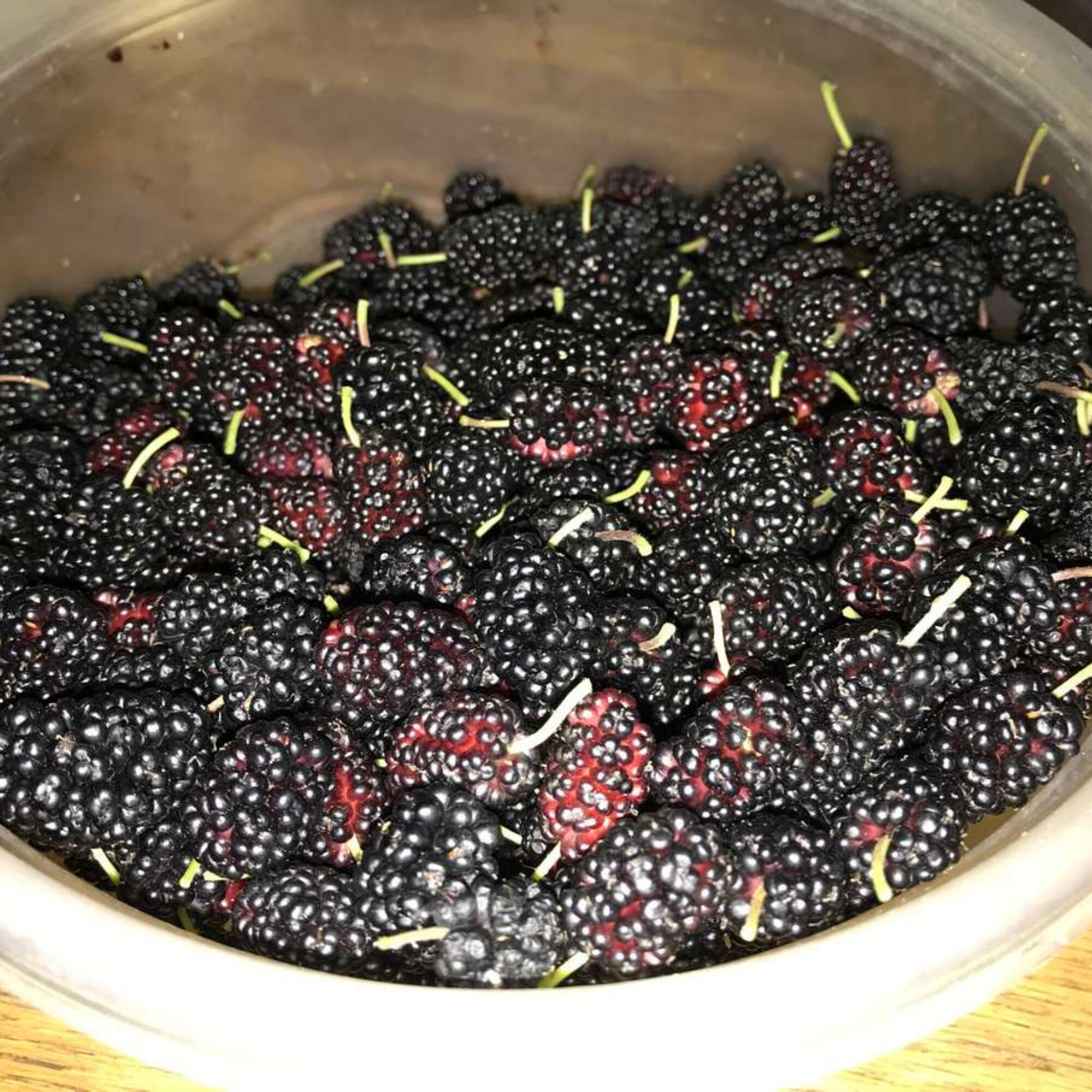
Last week I posted a few posts on garbage in Washington Square Park and how not to lose hope. Today, I'm sharing about one of the best parts of nature. Yesterday I took the PATH train to New Jersey, to my secret mulberry trees, to pick mulberries for the first time this season. I already went to town on Juneberries last month. I can walk to enough juneberry trees to pick more than I can eat. The black mulberries I picked (not counting the many I ate on the spot) The mulberries were abundant and ripe. Words cannot describe how sweet and flavorful they taste. They burst in your mouth with flavor that tastes like pure sunshine. Some white ones taste like raw honey. I…

0 Comments

When did they start making ice cream that doesn’t melt?

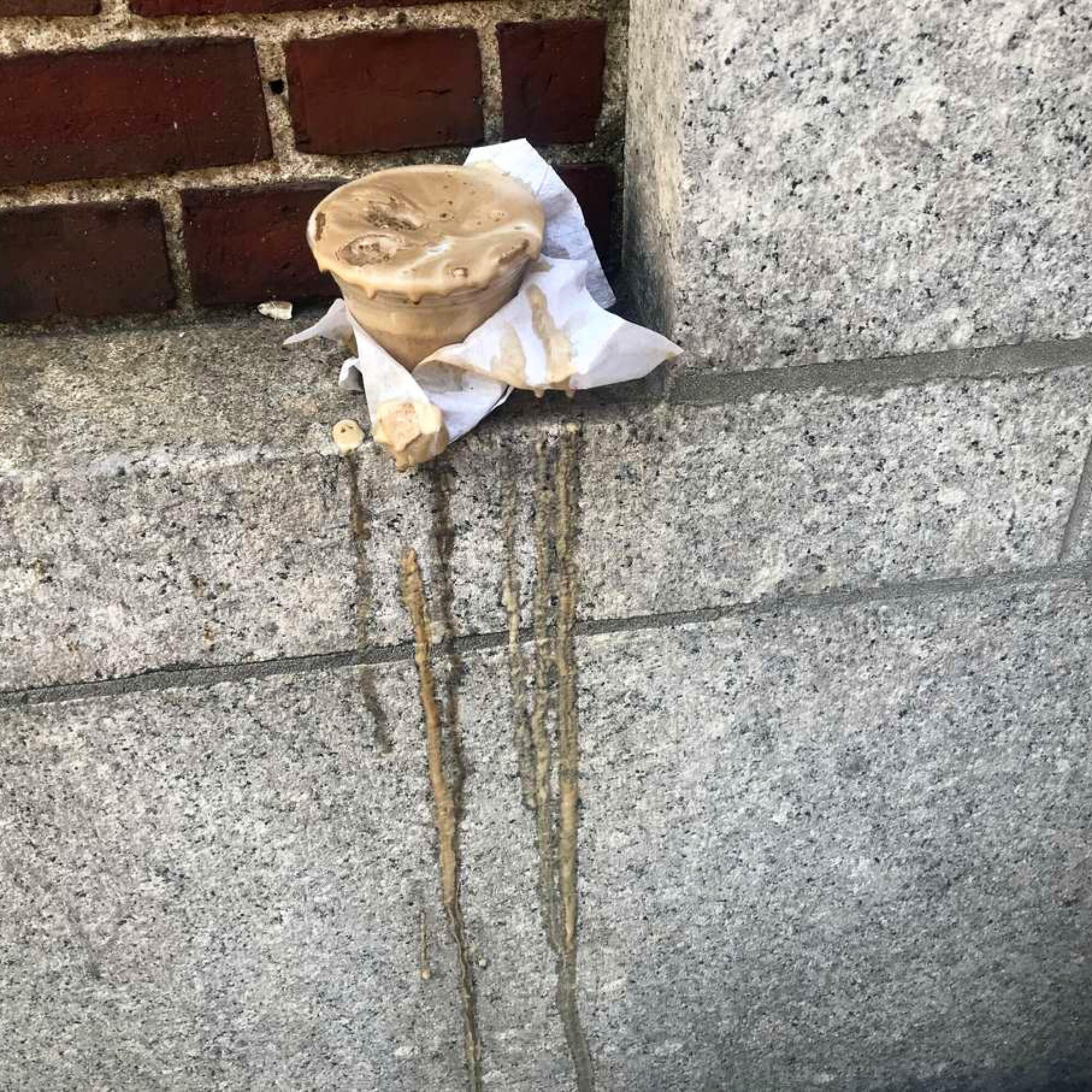
Picking up litter every day in a neighborhood with a few ice cream stores, I find a lot of discarded containers still containing ice cream. People wonder how we waste so much food, yet look the other way when it's themselves. I've noticed a lot of the ice cream doesn't melt, but stays in a semi-solid state. Though I used to love ice cream, now it seems cloying and disgusting, so much fat and sugar. How can it compare with an apple or peach? Why would anyone choose ice cream? Here's what I think was someone's ice cream that they left as litter. It might be some bastardization of coffee, but the point remains. It hasn't melted. What did they do to it to make…

0 Comments

Not only Pride and Queer Liberation: A Regular Day in Washington Square Park

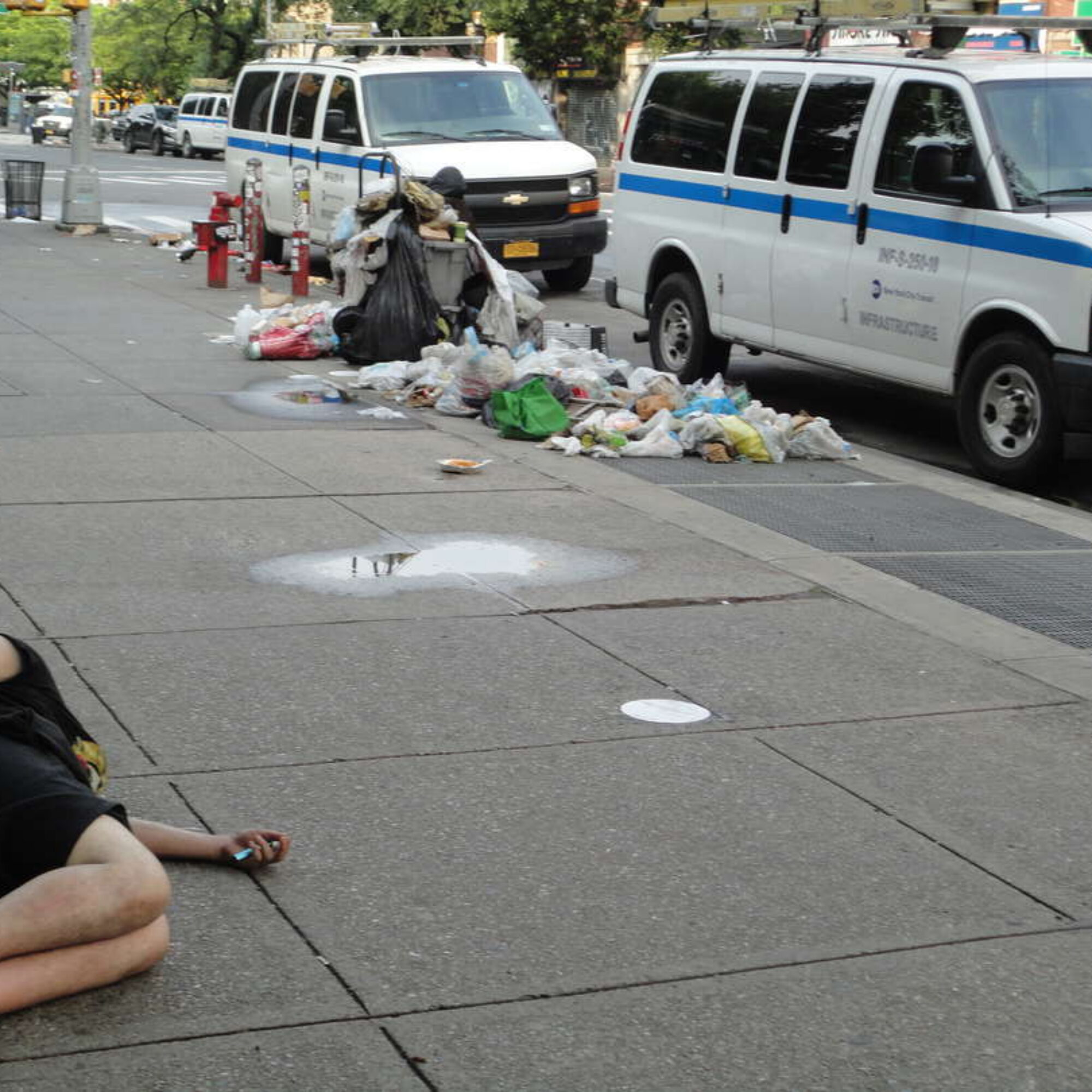
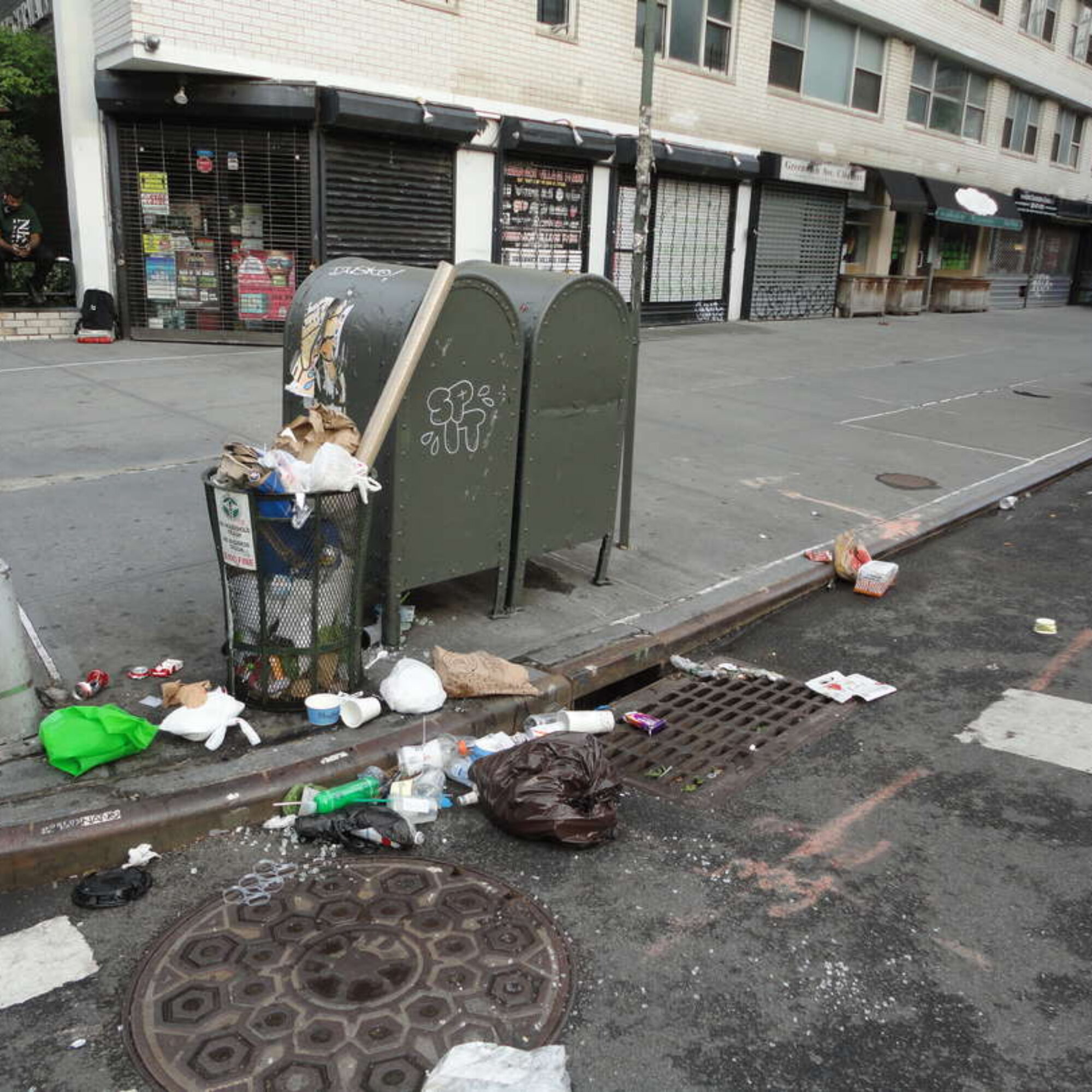
I posted videos and images the other day After the Pride and Queer Liberation Marches 2022: Washington Square Park wrecked again. I could cry. This morning, I saw the every day wreckage of Washington Square Park and felt I should show it on a regular day. To be fair, I only took pictures of the northwest corner. The rest of the park was covered with poisonous plastic waste, all unnecessary, all making people's lives worse, impoverishing the poor, depriving them of resources, but not on the scale of after the Pride March and Queer Liberation March. You'll see a few syringes of the many strewn about, giving you an idea of what motivates the mess. Addiction means hopeless and helpless to see a possibility for…

0 Comments

After the Pride and Queer Liberation Marches 2022: Washington Square Park wrecked again. I could cry.

Following up last year's videos and images of Washington Square Park after the Pride March and Queer Liberation March, Here are videos and images of the park after this year's marches. Prepare to want to cry or vomit. I can’t see how any one could accept how we are treating each other and nature. It is a statement of our culture at every level. Not one item of trash in any image is necessary. Few, if any, were designed for long-term use. It’s all designed and used to be disposed. There are people and wildlife at the other end of this disposal. Watch this episode of Frontline on plastic if you think plastic gets recycled or is safely disposed of. And everyone disposed of all…

0 Comments

Volunteering: Institutional Composting

I volunteer with Chelsea Community Fridge, which delivers food that stores were going to throw away to a center where anyone can pick it up. It has a compost bin. As best I can tell, most volunteers and guests don't know what composting does. They constantly put non-compostable things in the compost and compostable things in the trash. As a result, I volunteer to bring the full container a couple avenue blocks to the municipal food scrap collection in Union Square. I'm trying to get others on board with participating more. I'm also trying to lead volunteers to avoid using unnecessary plastic, but they hold on to their misconceptions that plastic makes the world better tightly. Here are pictures of my latest haul. Prepare yourself…

0 Comments

Pride March Preparation: Cops and Garbage

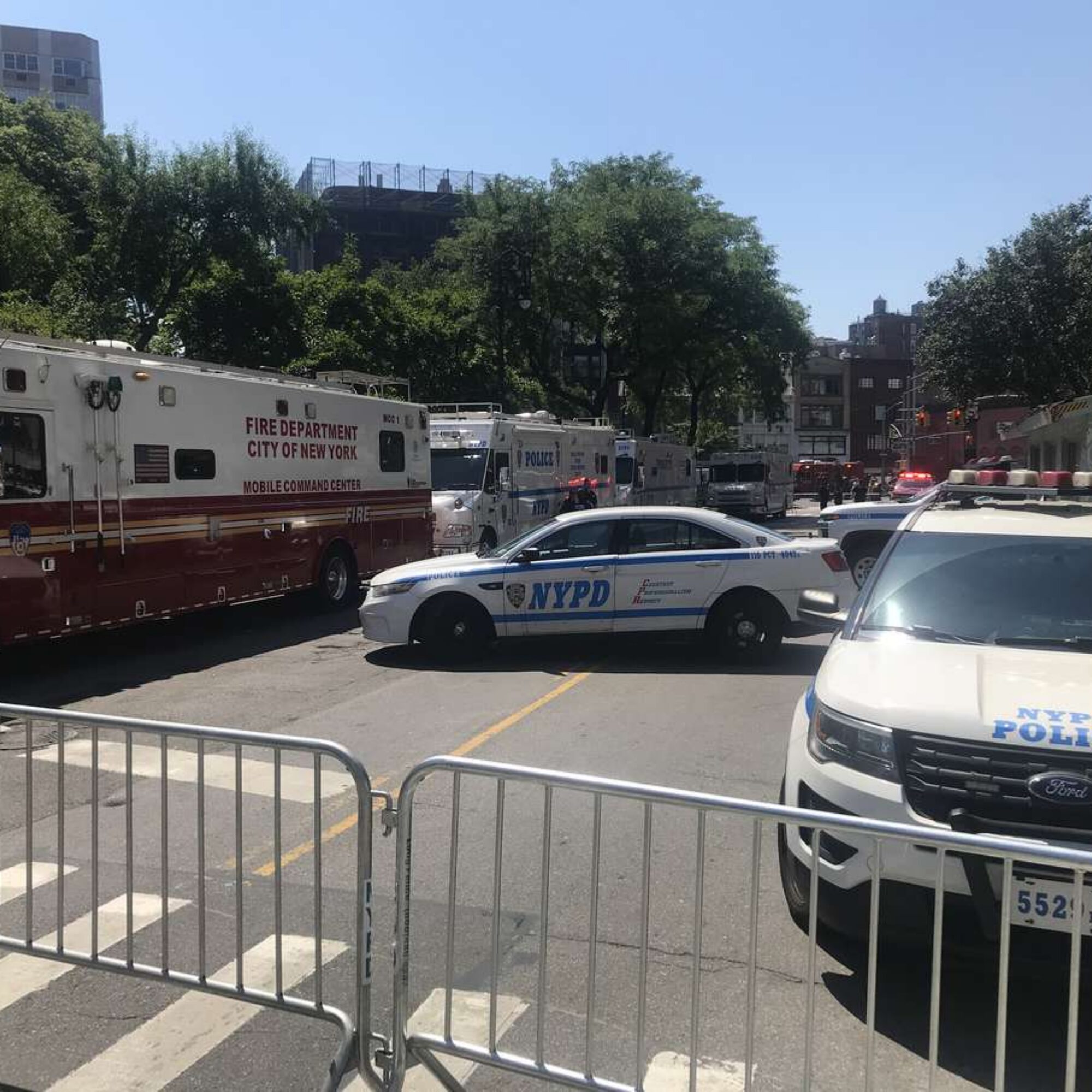
Readers from last year know my post last year "Pride Destroyed the Park" with images and video of how the Pride March destroyed Washington Square Park with garbage. You may have also seen I spoke this year on the podcast with Sandra Perez, the Executive Director of NYC Pride, who hosts one of the two marches, in particular not the one that ended last year in Washington Square Park. I also spoke with the head organizer for the Queer Liberation March, which organized that march. Both first spoke about cleaning up after, which hides pollution, not reduces, but seemed amenable to trying to reduce, but cited how close it was to the event and how they were primarily concerned with safety, which is what stopping…

0 Comments

If Exxon Knew, So Did You. Today in 1988, Climate Change made the front page in the New York Times

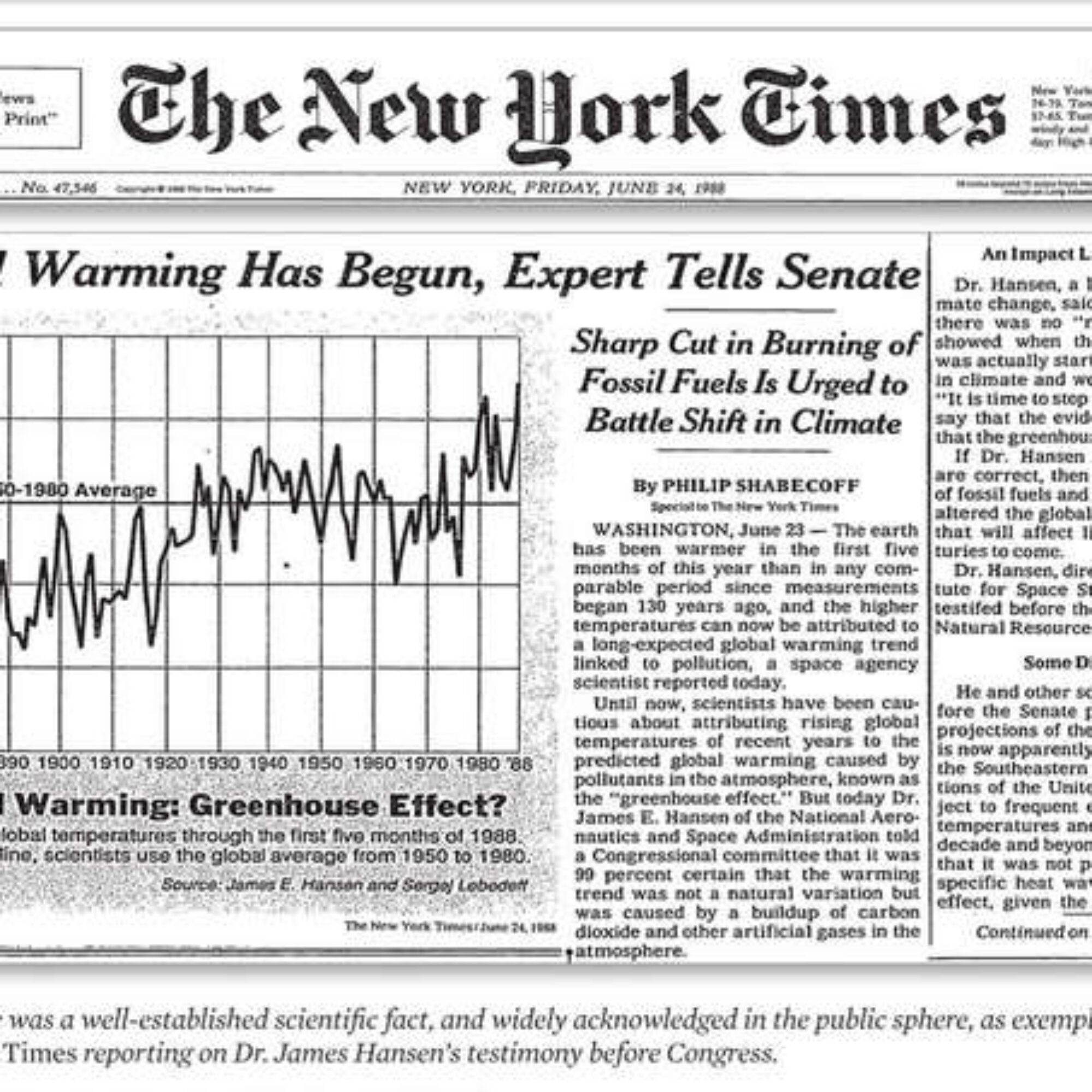
As the title said, today 34 years ago---Friday, June 24, 1988---the New York Times printed on the front page, above the fold as its main headline: Global Warming Has Begun, Expert Tells Senate If Exxon Knew, So Did You A lot of people say Exxon knew and therefore are guilty of crimes for not acting on it. Well, front page of the New York Times means it's no secret. You knew. Besides scale, I see more similarity than difference in how individuals respond than Exxon. I'm not saying they're innocent. But if they're guilty, why isn't everyone who bought their gas, paid for flights, and so on? Just because you consider someone guilty for something big doesn't mean someone who does that thing on a…

0 Comments

Done: One month off the electric grid in Manhattan (still going)

The end of today marks the end of one month off the electric grid in Manhattan. Like the experiments before it, including avoiding packaged food for a week, avoiding flying for a year, and unplugging my fridge, before starting, I didn't think I would make it, I thought it would worsen my life, and I didn't know what challenges I'd face. Also like those experiments, I enjoyed the results and learned in ways I couldn't have predicted. Experiential learning does that in ways reading, writing, and analyzing don't. For example, I experienced limitations of solar like three overcast, rainy days in a row. I connected with people and cultures across time and space who couldn't just go to the fridge or order takeout for food.…

2 Comments

It’s amazing how much people argue they have to pollute, especially environmentalists and do-gooders.

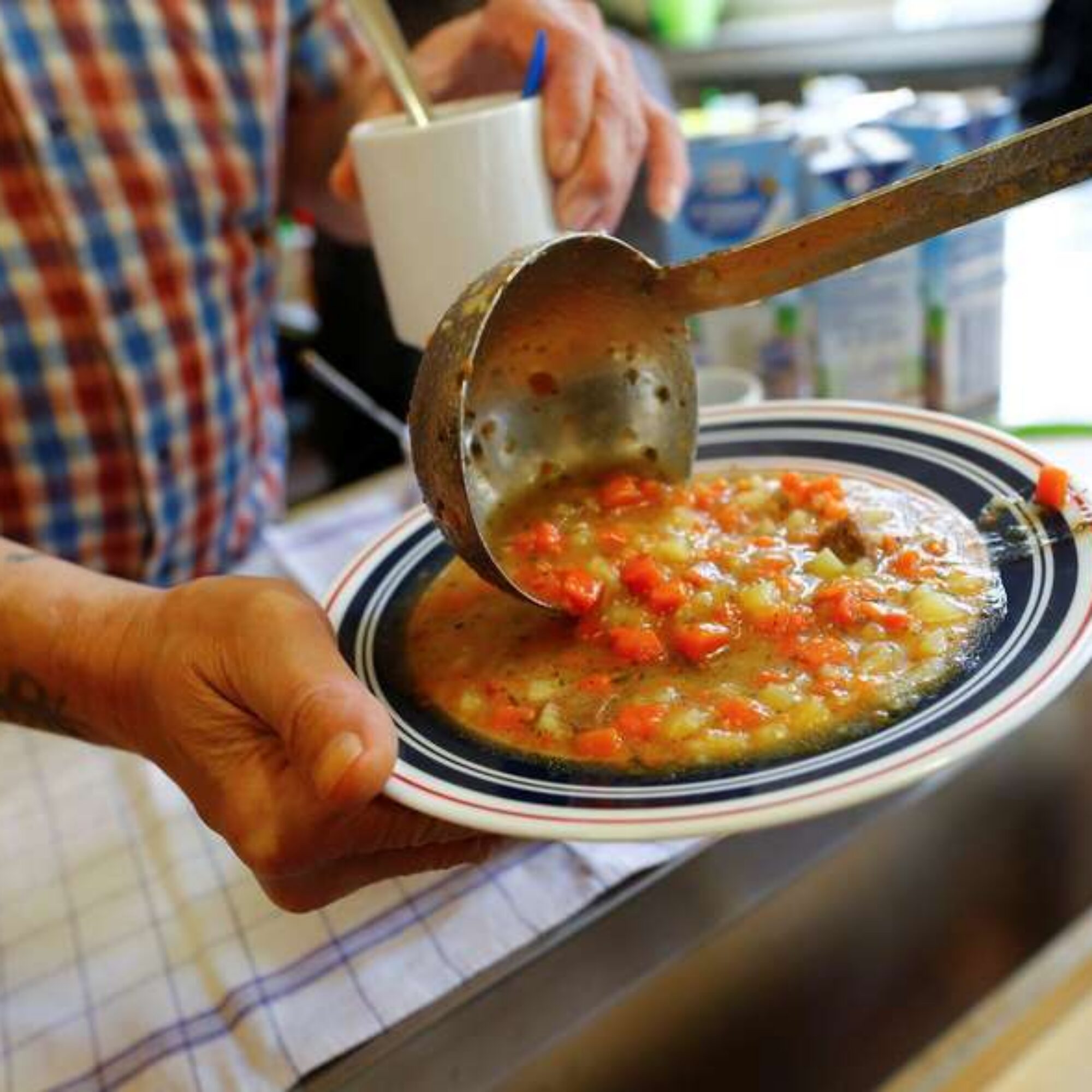
I volunteer a lot, so end up talking to organizers of volunteer organizations. Over the weekend I talked to two organizers of food volunteer organizations. One provides meals through a soup kitchen, the other collects food stores would throw away and delivers it to community centers. Both repackage food delivered to them in disposable, single-use plastic containers. I know people were able to deliver food safely before plastic was invented, so I know this pollution is unnecessary. They know it too. Everyone knows it, but it's easier to ignore it. To clarify, what are we ignoring when we produce plastic waste? Not some abstract concept of sustainability. Plastic comes from oil taken from outside the ecosphere and injected into it. It means displacing people from…

0 Comments

When did humans’ main interaction with Earth become seen as wrecking it?

At an art show recently, I was looking at a painting that caught my eye and attention. It was of a beach or shallow ocean, viewed underwater so you could see the waves from below, with the sun filtered and refracted through it, echoing the waviness of the sea floor. Here's a similar piece by the artist, though online doesn't match the beauty in person: As I looked at it, a woman approached me who turned out to be the artist. I've shown art in shows and galleries, so like learning about artists' methods and perspectives. She said she was creating art showing Earth before humans. In particular, she said "before humans wrecked the planet" as if it was the most natural way to describe…

0 Comments

For humanity to be sustainable, every person must live sustainably, including you. Time to quit waiting and start acting.

Most people, maybe everyone, seem to think they can live a polluting lifestyle and someone somewhere else can undo their pollution. They'll use plastic and some kid will invent a boat that will scrape it from the ocean or breed a fungus that will digest it. They'll buy a plane ticket and someone will plant a bunch of trees to undo the damage. The scientific ignorance in this view should shock us, but generations of deplorable science education means the people who would be shocked don't understand either. We've all or nearly all been corrupted by a system that teaches resignation, abdication, and capitulation of personal responsibility, on the political right and left, among old and young, male and female, rich and poor, of every…

0 Comments

I’d rather see it so I can act than act like I don’t see it.

I was picking up litter with a friend and colleague, describing why I do it, even though most people say it's pointless. Why wouldn't I clean any space I live in? Anyway, when the phrase in the subject came out: "I'd rather see it so I can act than act like I don't see it." we both identified it as catchy and worth writing about. I don't like sweeping problems under the rug.

0 Comments

Change my view: American culture has abandoned “Leave it better than you found it.”

Growing up in the 1970s and 80s, I remember people saying about visiting places of natural beauty, from campgrounds to local parks to national parks, beaches, and so on: "Leave it better than you found it." "Take only pictures, leave only footsteps." Today, every place possible in America has litter. I saw litter at every stop of the forty-eight hour train ride from Los Angeles to Houston, where we would go hours without cell phone access or seeing signs of people. Every road shows litter people through from their cars. Cities are buried in it, certainly New York. It's easy to associate litter with poor areas, but rich people produce far more pollution, plus they're the shareholders and decision-makers who profit from choosing to drill…

0 Comments

Some flying pollution numbers

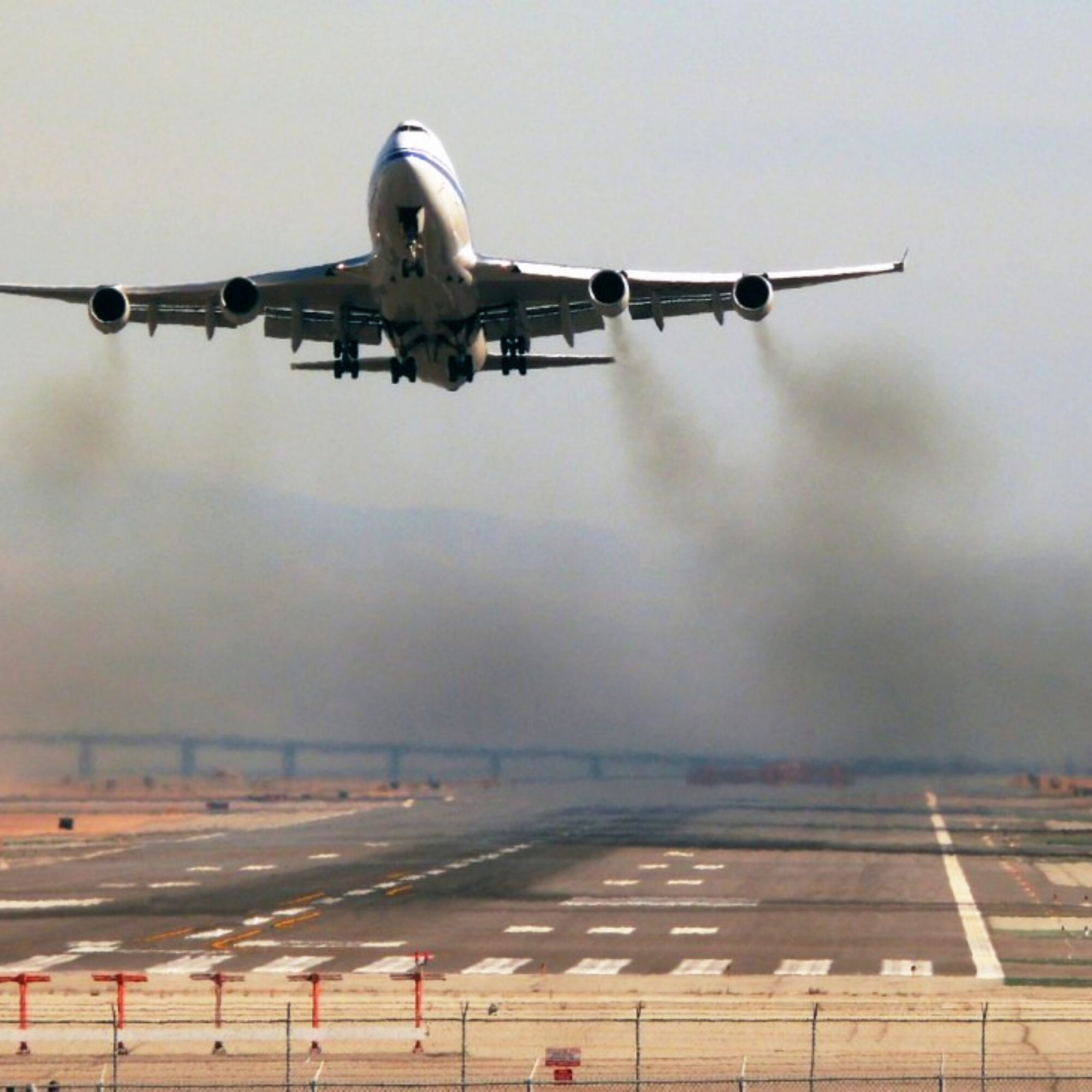
Why do I harp on flying so much? Doesn't flying only contribute about two percent to global warming? While measurable, that fraction sounds small. And since everyone flies, doesn't avoiding flying inconvenience a lot of people for little gain? The evidence contradicts that view, so time to lose it. Few people fly. If you fly internationally or more than once a year, you're part of a small elite of a few percent of all humans contributing most of the pollution from flying. Flying is probably your greatest contribution to lowering Earth's ability to sustain life. (Not included in the paper: when you commit to stopping flying, after the craving passes, you will prefer life.) At last I found some peer-reviewed numbers on flying in the…

2 Comments

You can try to convince yourself otherwise but packaging and plastic pay rich people to impoverish poor people.

I defy you to find a way to pay for plastic that doesn't make a rich person more rich and cause unhealthiness to helpless people (and wildlife). Despite what marketers have fooled many to think, packaging doesn’t make food fresher. It might keep an individual item fresher, but systemically, it leads us to overall eat less fresh, less healthy food, often consuming doof instead of eating food. Foragers always ate fresh. Americans today nearly exclusively eat prepared, packaged food and consume doof, at least by what I see people stuffing their faces with while the walk and drive. There's no joy in it. Likewise, marketers have fooled many people to think prepared food and doof somehow address needs of poor people while the opposite happens.…

0 Comments

Gut punch: What you mean by balance versus what I mean.

When most people say they balance their sustainability actions, they mean balancing their values or feelings. When they call me extreme, I believe they think I'm acting to one extreme of a spectrum. But I act balanced too, just not only considering myself. I balance my interests with how my actions affect others: people our money would displace from their land for resources, people our money would cause to breathe and ingest toxins, people our money would drown in plastic and other waste, and so on. Yesterday, I suggested measuring your sustainability efforts by your effects on others, not how hard you feel you're trying, which motivates inflating the difficulty of acting sustainably, as if not flying was impossible, or not air conditioning at your…

0 Comments

Measure your sustainability efforts by your effect on others, not how hard you felt you tried.

People seem to measure their sustainability efforts by how hard they feel they tried. But nature and doesn't react to how we feel. Nature reacts to how we act. People constantly tell me they're what they can, they can't do any more, or they balanced how much they can do with what time, money, and other resources they have. I'm not just talking about my Mom, but nearly everyone. Using perceived effort as the measure is counterproductive in several ways. It motivates us to act as if every effort is big so we can credit ourselves more. We act as if avoiding straws or going camping instead of flying is a huge burden people should credit ourselves. It discourages us from enjoying sustainability, which discourages…

0 Comments

Sustainability realizations and gut punches

Mainstream culture seems to believe the opposite of the following. They're generally systemic effects like that building roads increases traffic in the long run, even though while you're stuck in traffic it feels like more roads would decrease it. Sustainability = Freedom (most people think sustainability means risking reverting to the stone age) Doof impoverishes communities (most people say eating healthy costs more, implying doof saves money) Farmers markets save money and time (most people say farmers markets cost more) Flying decreases exposure to nature and destroys it (most people think of flying as a way to visit natural beauty) Either you're living sustainably or you're hurting people, potentially killing them (cutting out the middle steps makes it sound brutal, but there's no two ways…

0 Comments

The tragic fate of democratizing technology

Before the pictures of the fate of democratizing technology, for context, let's remember that humans lived and thrived for hundreds of thousands of years without even the wheel. Despite our erroneous projections of our fears of what life outside society would be like, our best evidence from history, anthropology, and archaeology tell us they lived with comparable of often higher signs of HealthMental healthDietStabilityEqualityLongevityResilience After all, they survived 300,000 years. In less then one one-thousandth that time, since the Industrial Revolution, daily headlines describe how we're lowering Earth's ability to sustain life, including ours. Pictures of the fate of democratizing technology Walking along Sixth Avenue yesterday, I saw this broken electric scooter abandoned in the gutter: A couple years ago, electric scooters cost over $1,000.…

0 Comments

Lies, damned lies, and excuses to keep polluting

The biggest challenge to sustainability isn't a lack of solar panels or carbon taxes. They result from our behavior, which results from our beliefs and culture. Among the biggest challenges is changing those beliefs. To change them, we have to identify them. I think we know they aren't supposed to be true, just satisfy our consciences enough to let us sleep at night, that I can call them lies. We know we're lying to ourselves. It helps to see them in print. Lies we tell ourselves so we can sleep at night while knowingly polluting In medieval times serfs worked dawn to dusk in misery, dying at 30, and stone age man lived worse. We may be polluting, but we live better than ever and…

0 Comments

My emotional job as a leader in sustainability

I keep in touch with Olympic gold medalist, Extinction Rebellion activist and guest on my podcast, Etienne Stott MBE. I think I can say we're becoming friends despite not having met in person yet. England is a long way to sail and neither of us wants to pollute much. He shared some stories about his activism: BBC: Extinction Rebellion: Six arrested after Olympians scale oil tanker: "Six people have been arrested after climate change activists, including two Olympians, scaled an oil tanker."Team GB gold medallist says ‘life or death oil tanker protest felt like Olympics’: "A gold medal-winning canoeist said protesting against the oil industry was just as ‘nerve-wracking’ as competing in the Olympics." He shared more of the bleakness of watching society capitulate, mixed…

0 Comments

My sledding hill in May

I rode my bike from New York to Philadelphia over the weekend (day 1, day 2) and visited my sledding hill this morning. Before the pictures below, you can click to compare Tommy's Hill in March, less verdant. Here's a video from last November: https://youtu.be/rb0_WfiFzDY My sledding hill in May And below is my sledding hill in May. You'll notice I couldn't reach the creek at the bottom as it was marshy from Saturday's rain. The amount of plants made it hard to see. Stunning, except for the litter. The litter is only the symptom. Buying disposable, packaged, online goods funds this polluting system. To clarify: whether your litter appears in any spot or not is not the issue. When you pay for anything that…

0 Comments

Equal parts misery and glory: today’s ride from New York to Princeton

The skies opened up on us about halfway through today's fundraising bike ride from New York to Princeton, helping create a bike path from Maine to Florida. The normally best part of the ride, along old canals that are now lush and verdant, was thirty miles through mud in near-bone-chilling cold. I can't say I was miserable since once I was out, I'd prefer riding in that cold mud to sitting on a couch; but I wouldn't choose to go out in it if I were on a couch. So in the moment on the surface I felt miserable, but for being out in it, I felt glory. Hence equal parts misery and glory. I mentioned that feeling to a few teammates and they nodded…

0 Comments
One of the hardest parts of living in a culture based on addiction: seeing loved ones addicted
Pile of Refined Sugar

One of the hardest parts of living in a culture based on addiction: seeing loved ones addicted

Someone being addicted rarely hurts themselves first. Addiction usually hurts the people around the addicted person first and most. Pile of Refined Sugar One of the hardest parts of recognizing addiction all around is seeing it in people you love, hearing them rationalize and justify hurting people for their pleasure, comfort, and convenience. Someone in my family flew to a birthday party of someone who lives a few miles from her. Instead of a party at home or nearby, they flew to Cancun. To hear her talk about it, the only factors she had to balance were her feelings; nothing about the people and wildlife hurt by her actions. Mention them and she attacks, clearly protecting herself from making conscious her feelings of guilt and…

0 Comments

End of content

No more pages to load