Nature


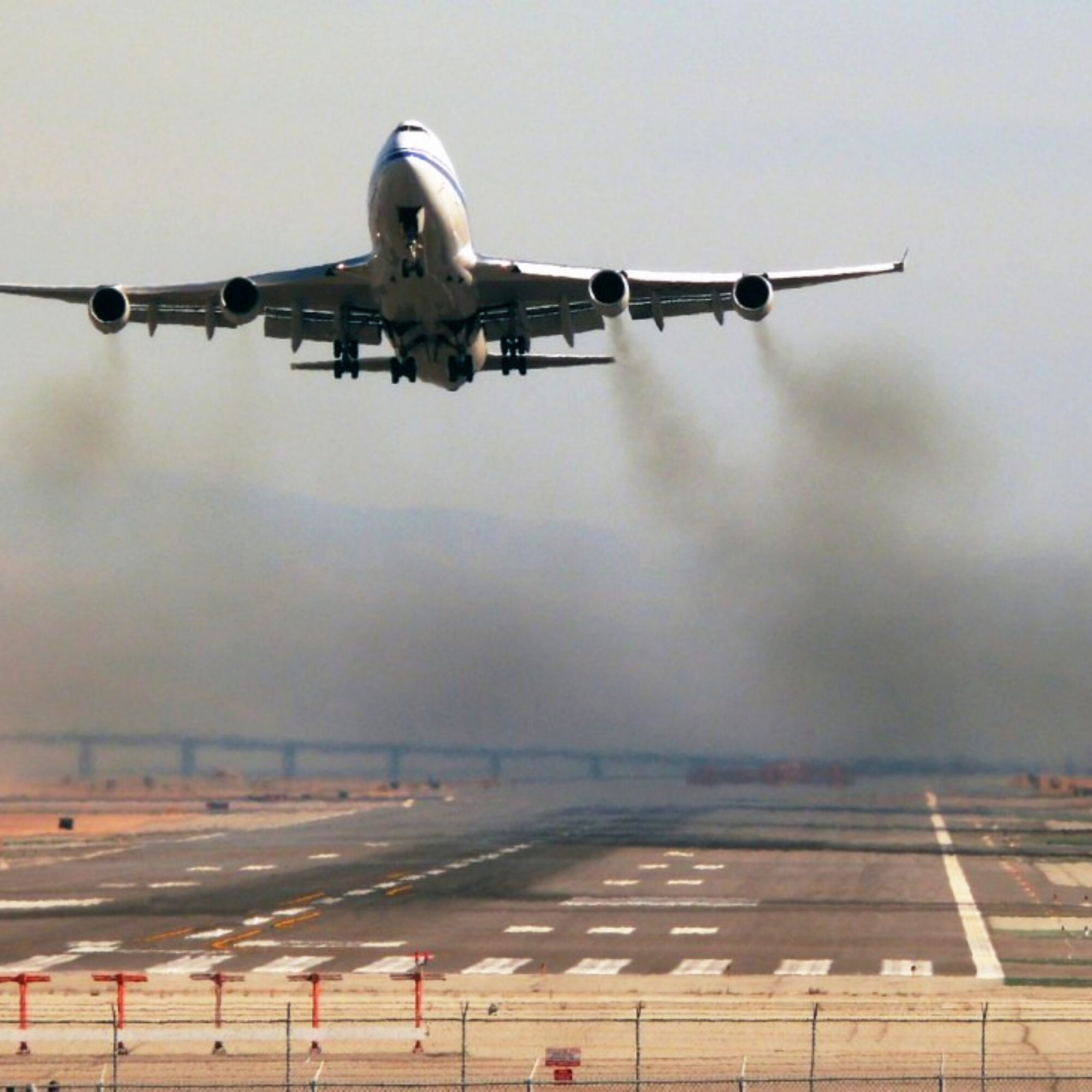
Does anything tear family and communities apart more than flying?

I value family. Extracting fuel and minerals leads to things that tear families apart, like making them refugees, child labor in dangerous mines, people living far from the homes they grew up in, causing people to die young, and more. Valuing family is one of the main reasons I don't fly. I don't want to tear families apart. Likewise with communities. I don't want to fund tearing communities apart. Can you think of activities that tear families and communities apart more than flying? I can't think of many activities and institutions that tear families and communities apart more than flying. War comes to mind, but war usually results from running out of resources or conflict over resources, which flying contributes to. Maybe I'm missing something.…

0 Comments

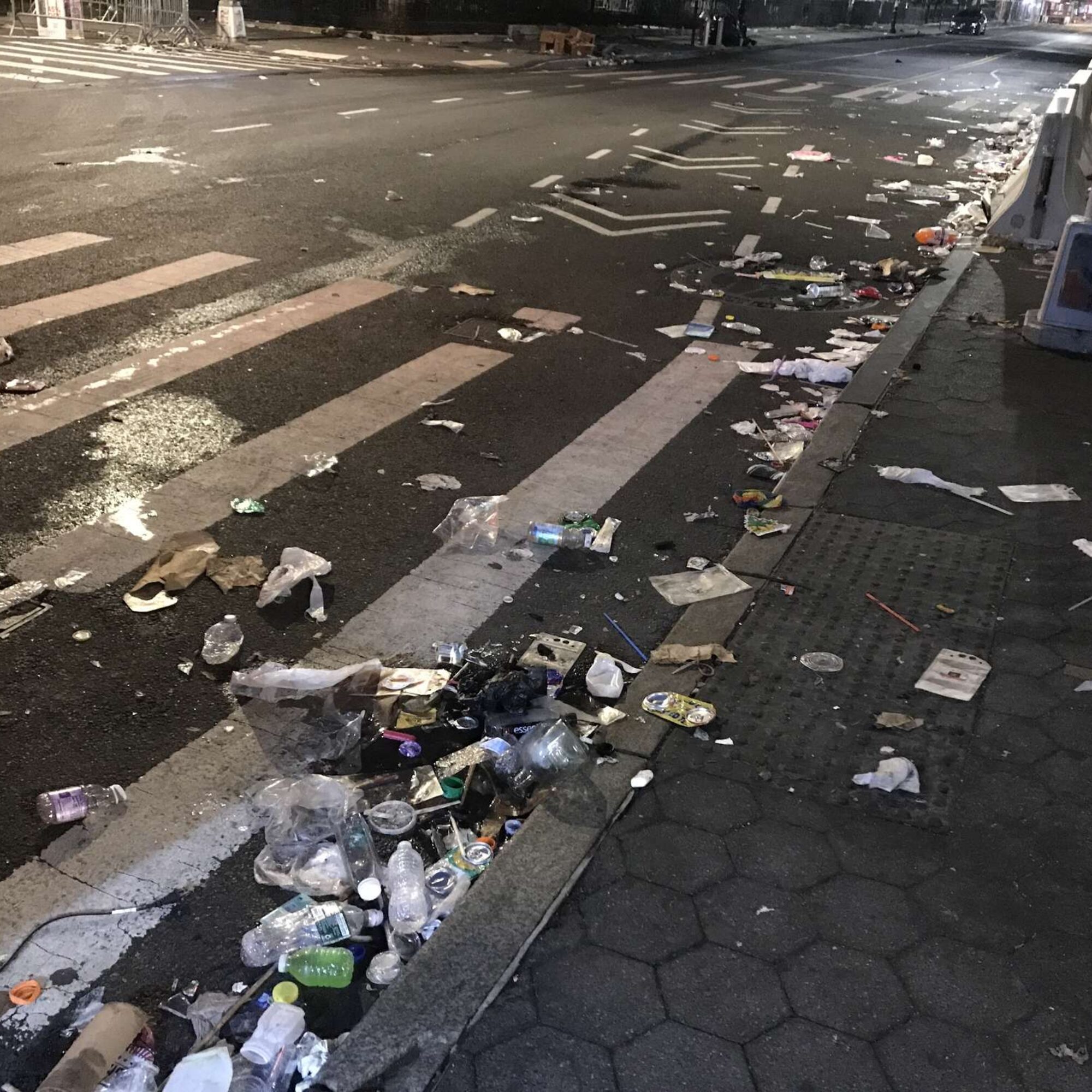
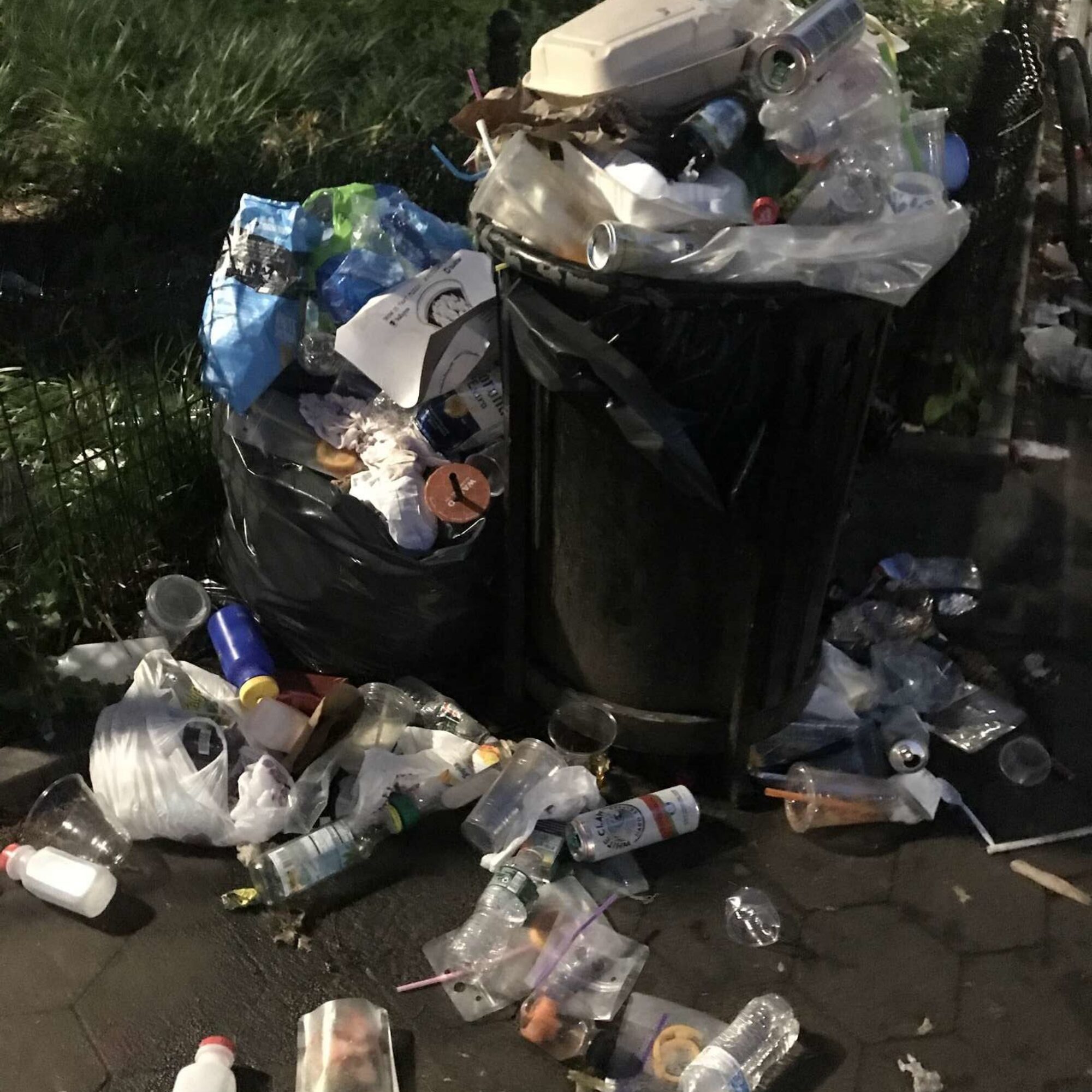
Imagine the density of litter was birds and mammals. That’s what our world was like.

I haven't posted about the book The Once and Future World by podcast guest J. B. MacKinnon lately, but it's one of the more eye-opening books I've found on the environment. He asked, researched, and answered how nature looked before modernity impinged on it. In case you worried, he qualified that nature didn't exist in a perfect state, let alone a static one. It changed all the time. Still, he pointed out how much more life there was: Sailing ships at sea remote from land got stuck because the density of fish was that great. Today we get excited to see a whale. Captains' logs described seeing whales as far as the eye could see, all day long. Fish swimming up the Hudson River to…

0 Comments

More fresh juicy local peaches and heirloom tomatoes than I can handle, saved from waste by rich and poor alike

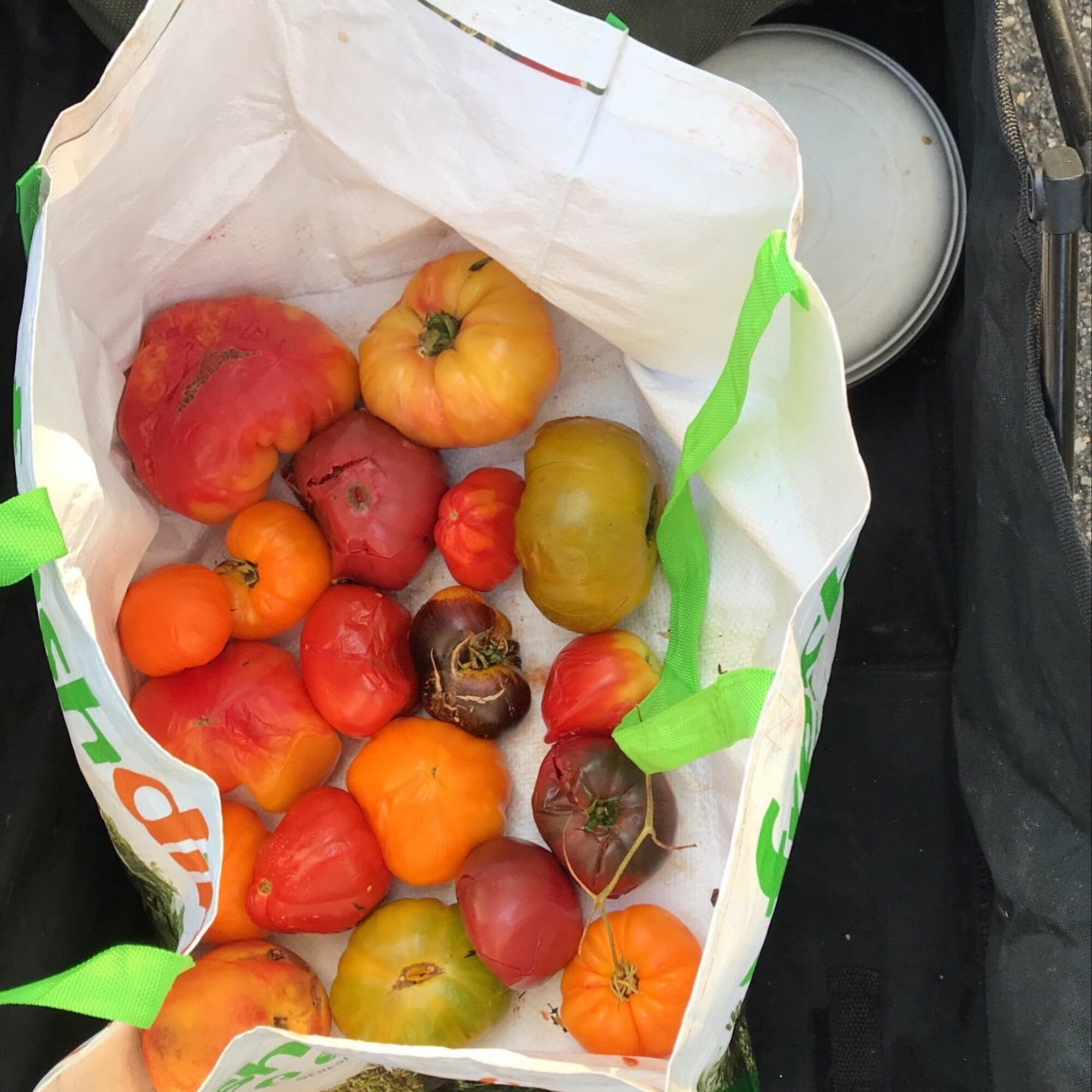
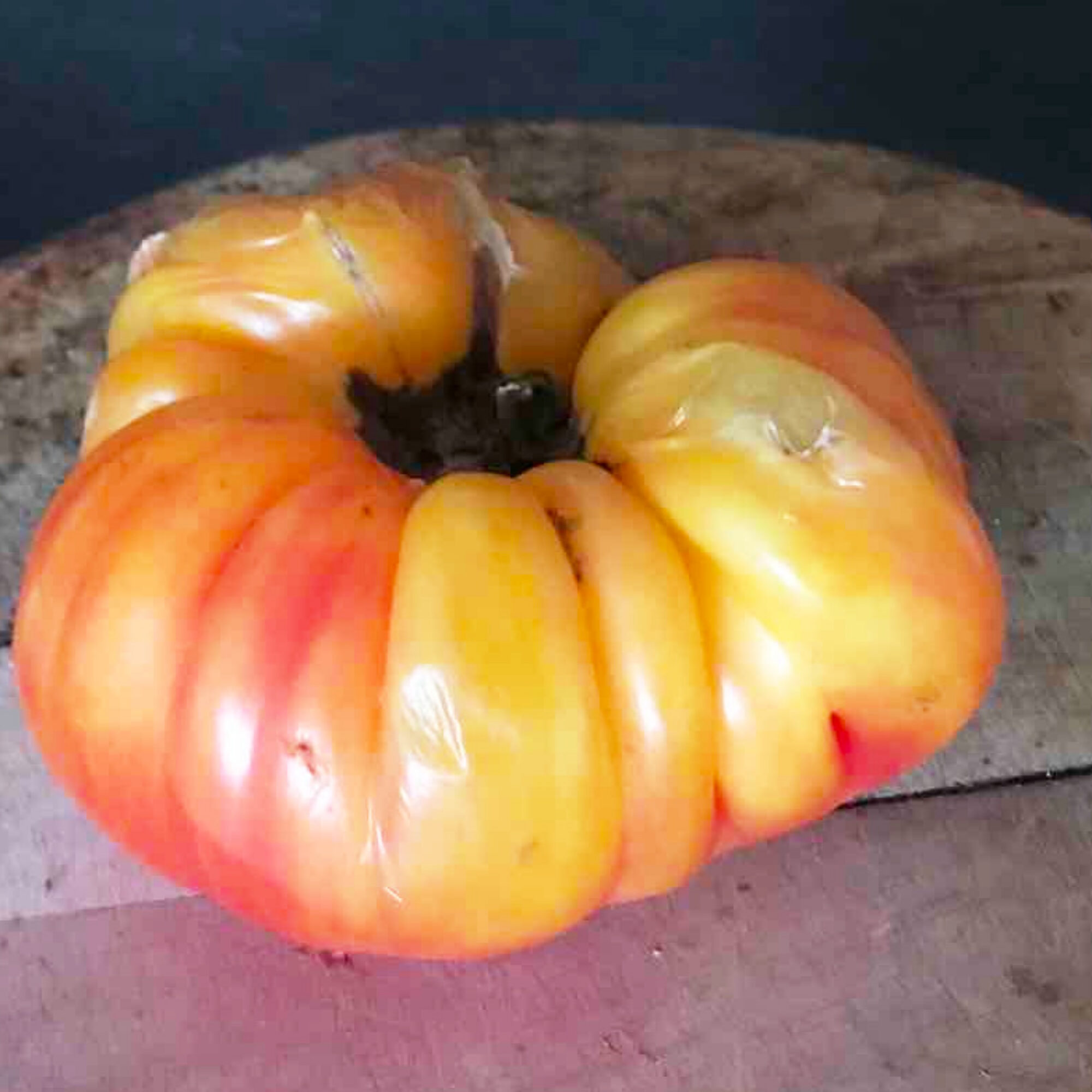
I've eaten ten or twelve juicy ripe peaches and about that number of bowls of heirloom tomato gazpacho in the past two days. I got them from volunteering. I brought food that a store was going to throw away. The store produce isn't as flavorful as the fresh, local produce in season in the height of the summer from farmers markets. Other volunteers bring different things from different places. It all gets distributed to whoever shows up to receive it at Tompkins Square Park in the East Village, generally poor people. I'm not sure how many are homeless, live in shelters with or without kitchens, or just come for free food. Someone else brought the farmers market stuff. Two large plastic bags contained the unsold,…

0 Comments

Professions and people NOT to ask how to solve our environmental situation

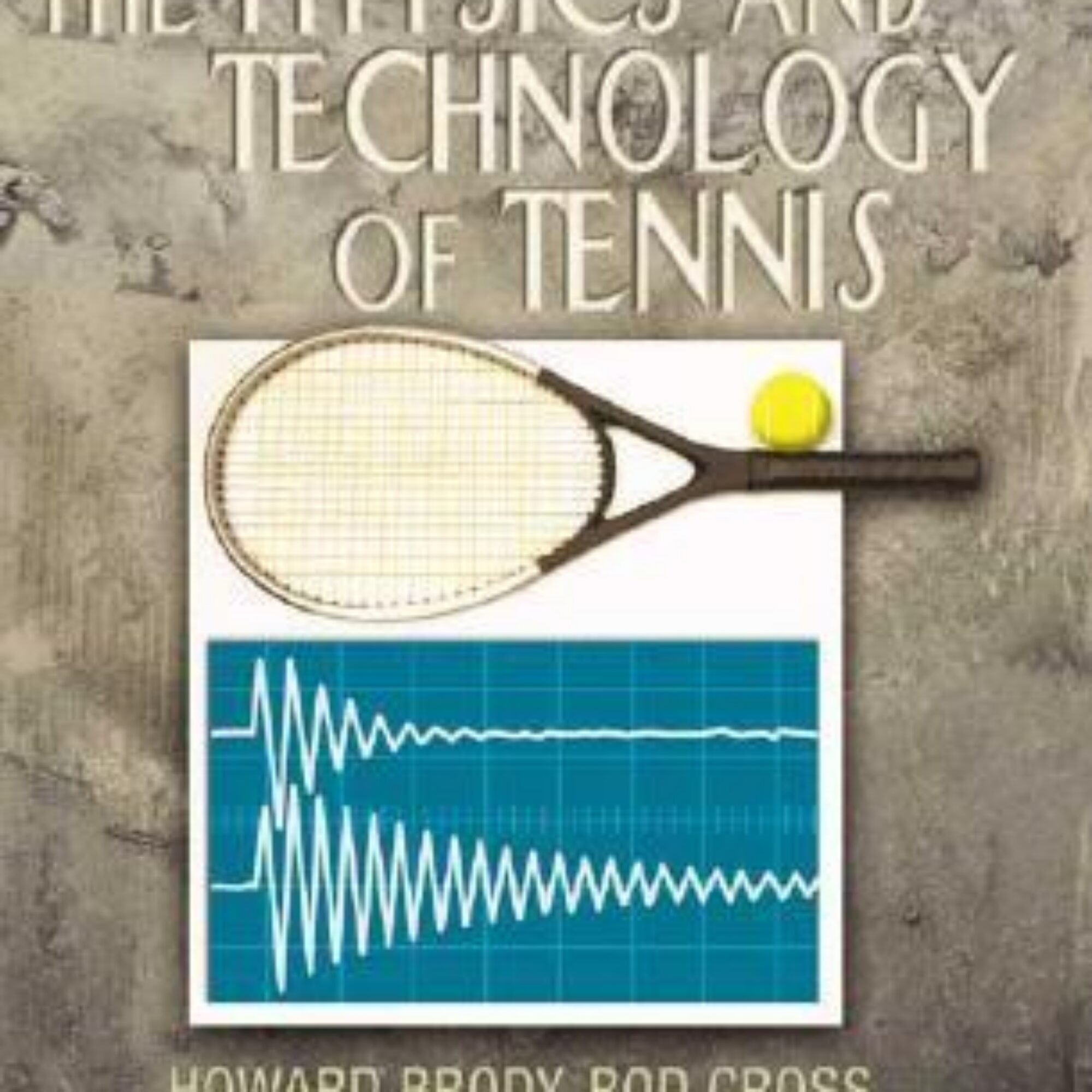
I have a PhD in physics, the most advanced degree in the most fundamental science. It was my priority for most of a decade. I loved and still love the field. I believe if you want to understand our situation, you must understand science or at least its findings. I also consider nature among the most beautiful thing to learn about. Scientists found out about our environmental situation. They project possible resolutions. Nonetheless, I don't consider scientists people to ask how to solve our environmental problem. Why not? Here's an example. When I started graduate school at Penn, there was a professor there, Howard Brody, who studied the physics of tennis. In his youth he played varsity tennis. He apparently led the field of the…

0 Comments

Another Green Revolution?

I read an article by podcast guest Elizabeth Kolbert about running out of food. Like nearly everyone, she takes for granted that our population will keep growing and we have to feed them. Like nearly everyone, she figures we have to keep producing more food. She quoted Norman Borlaug's Nobel acceptance speech. He won the Nobel Prize for the Green Revolution so is a reasonable person to learn from. She left out the most important part of what he said, what set his direction for much of his career, which said that making more food won't solve the problem. Only curbing population does. No one values humanity, technology, innovation, and markets more than he did. I wrote a letter to the editor clarifying what she…

0 Comments

I love learning about nature from hands-on practical experience in helping people

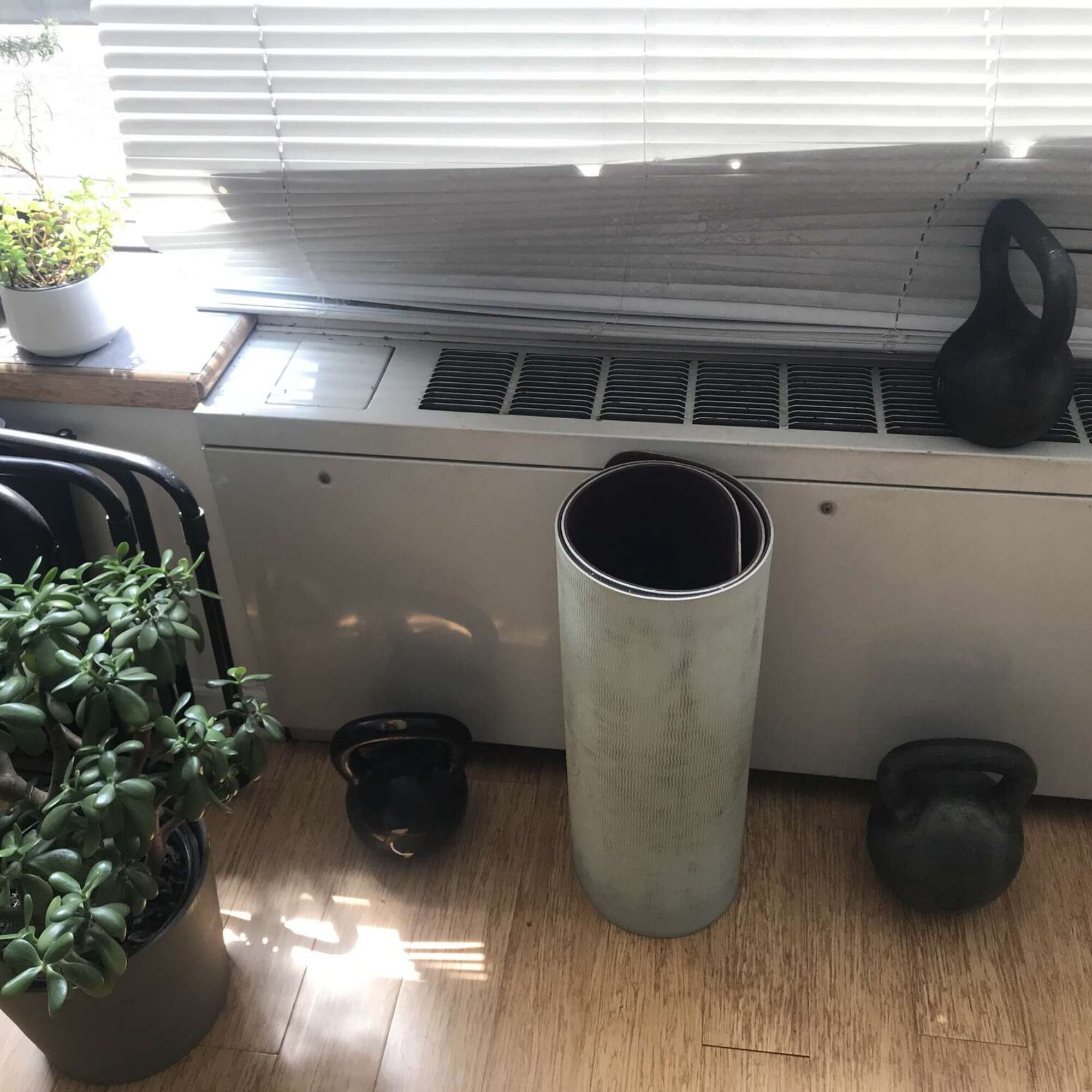
If you don't know my apartment, this picture and why it makes me feel so joyful and free will take some explanation. You're seeing the space below my window, which faces nearly due south. For the past two months, the sun hasn't shone directly into my apartment. On the solstice one month ago it rose almost exactly to the left, went overhead, and set to the right. Now, a month later, it's passing slightly lower from directly overhead at noon so that some sunlight around midday enters my apartment directly. One highlight of this picture is the sunlight directly hitting the counter and floor. It only just started doing so in the past week or so. You might at first think, "Don't you want the…

0 Comments

Why I love the heat, even when it’s 95F (35C) on the way to 102F (39C).

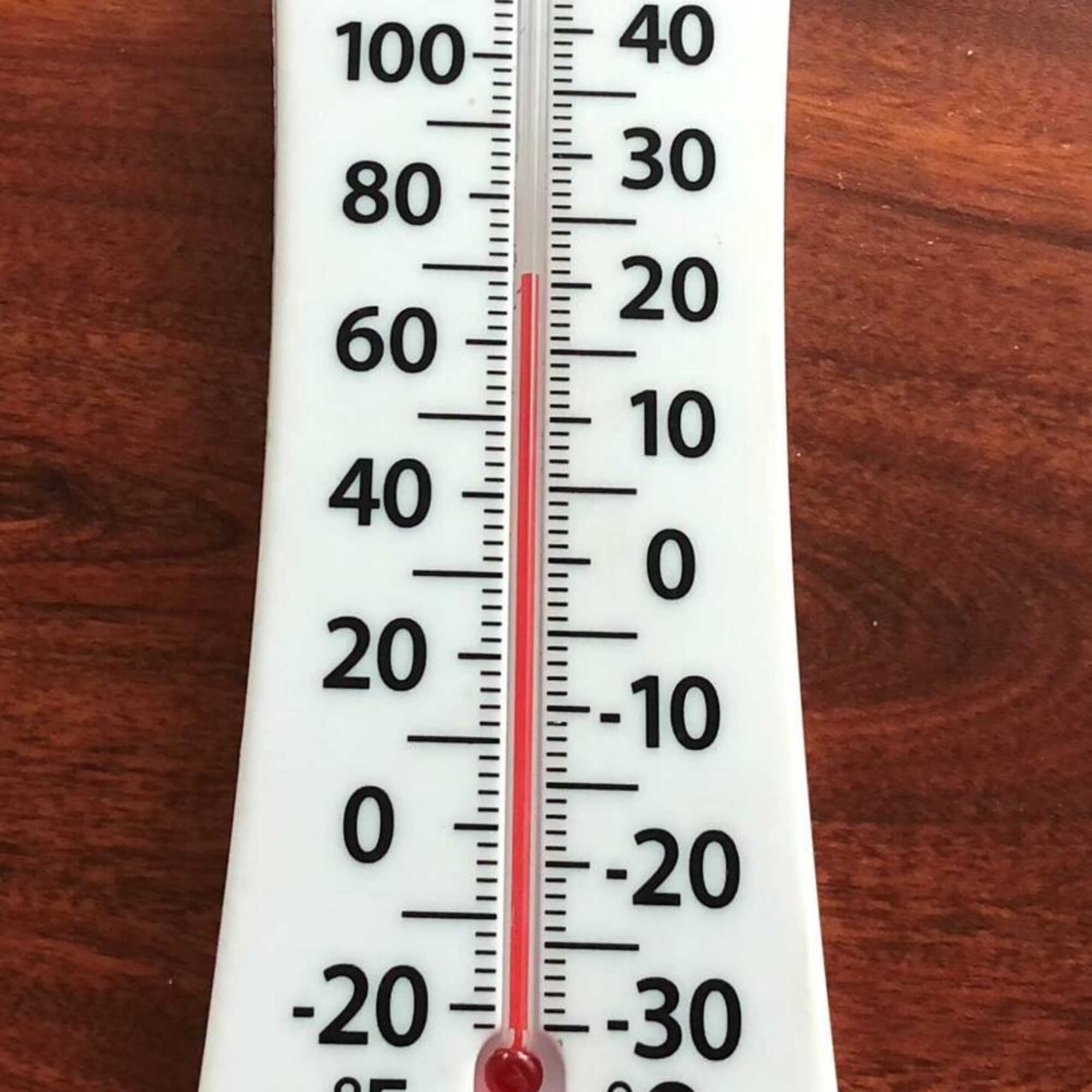
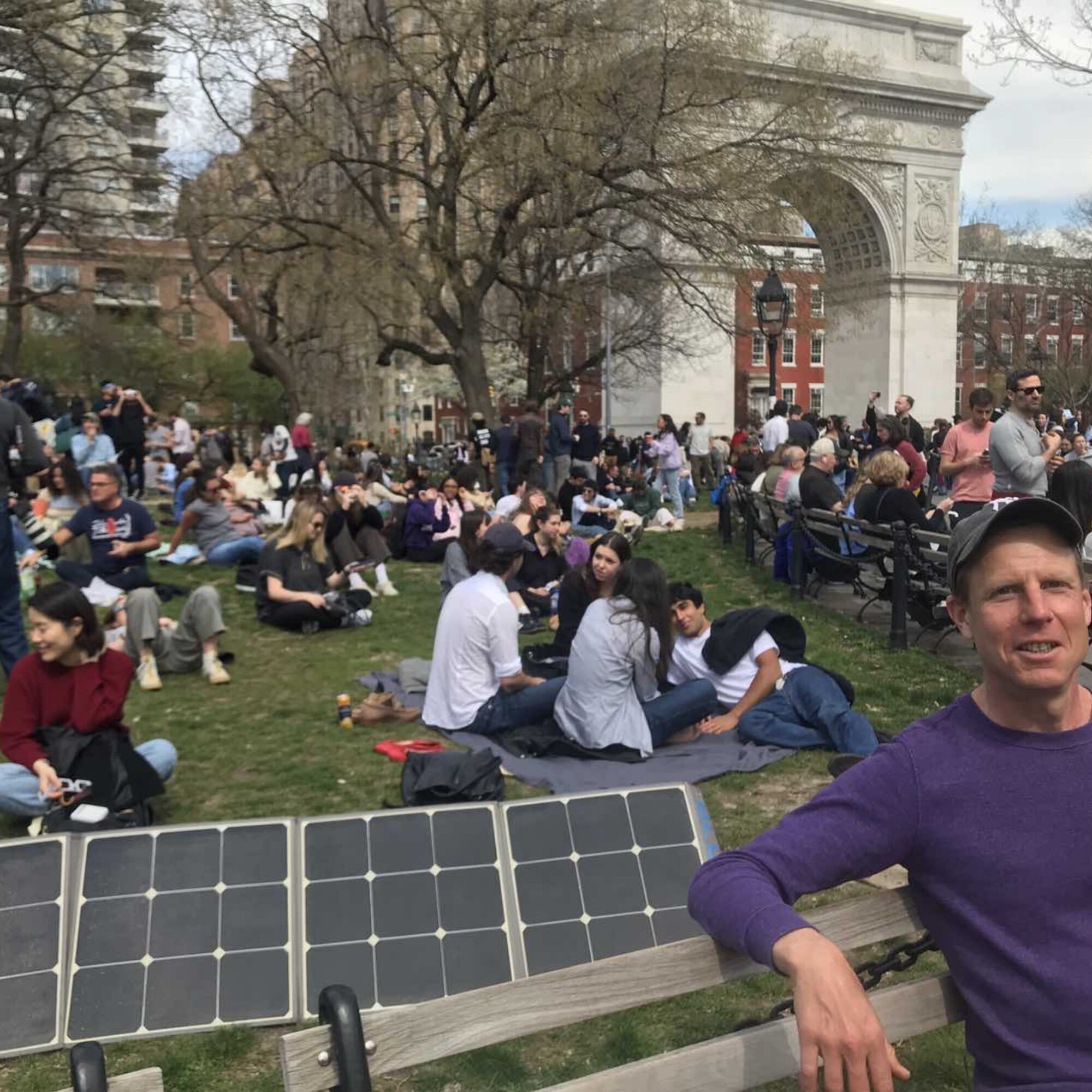
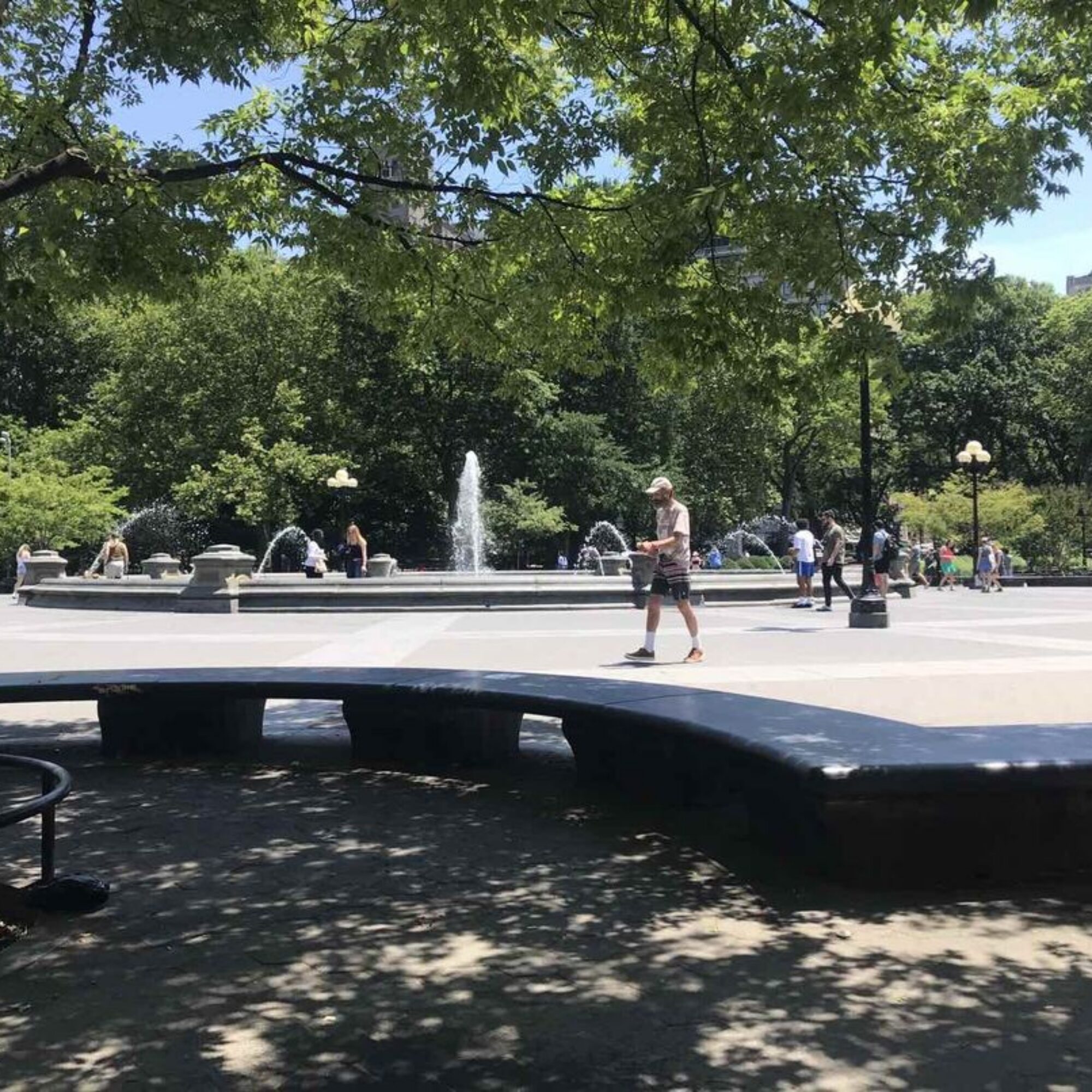
New York City is supposed to hit 102 F (39 C) today. So far it's 95 F (35 C) and since my battery was drained and the rest of the week is forecast to be cloudy, I'm out in the park charging. The park is mostly empty. Here's my view right now, showing a fraction the number you'd see when the temperature was lower. You can also tell I'm sitting in the shade. It cools me probably ten degrees. Yes, I'm more lethargic and less active than usual because I overheat fast if I move around. My burpees this morning I did significantly slower than usual and felt well more winded. I could go on about how much less comfortable I feel. I'll also probably…

0 Comments

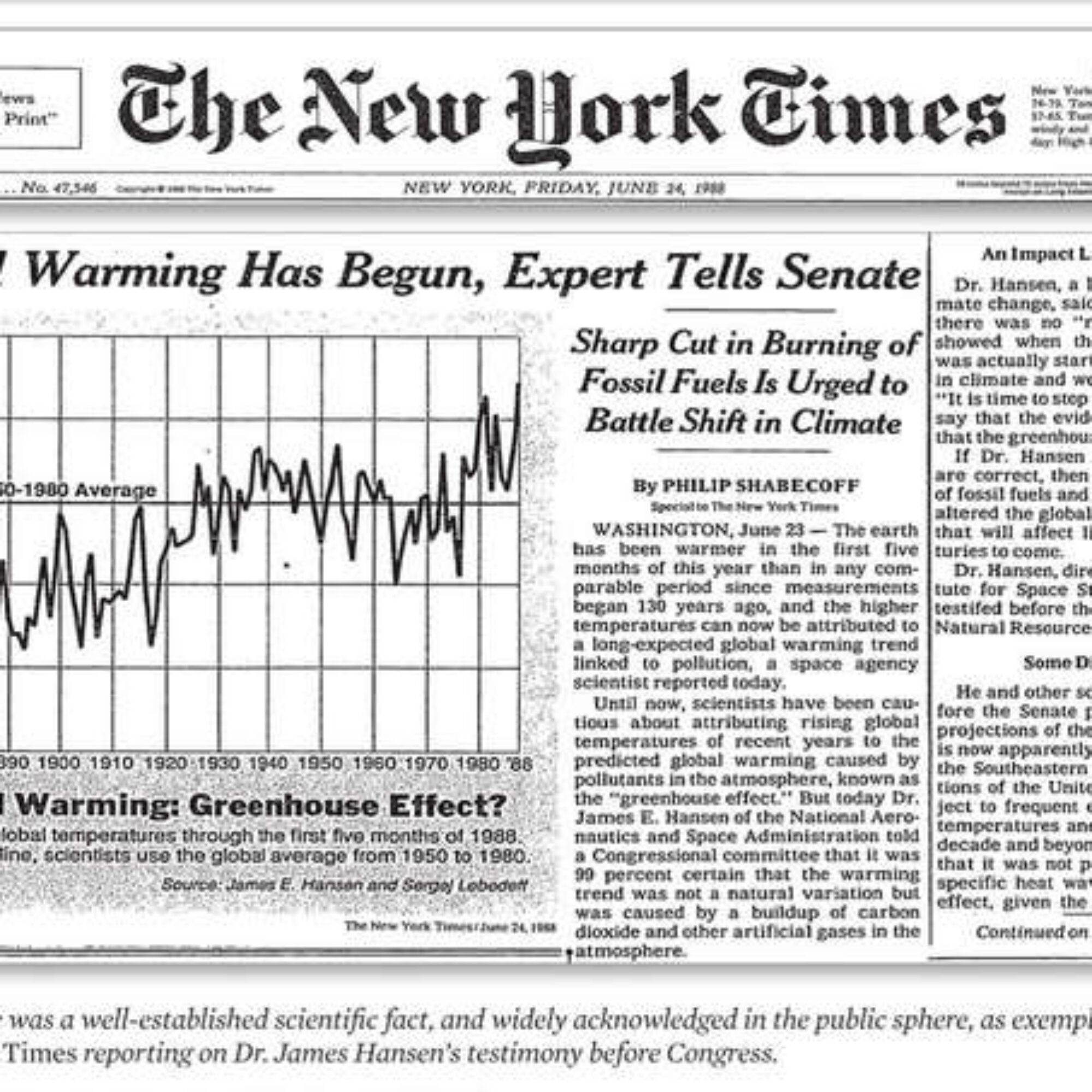
Today, 1988: Global Warming on front page of NY Times. Today, 2025: Americans pollute and deplete more than ever. Where’s the love?

Today in 1988, the New York Times front page headline said "Global Warming Has Begun." Today today, Americans blame, rationalize, and justify, but pollute more than ever. They blame CEOs, companies, and politicians, denying and suppressing that they pay them to do what they do. We can stop if we choose to. It would mean valuing other people's suffering over our convenience.

0 Comments

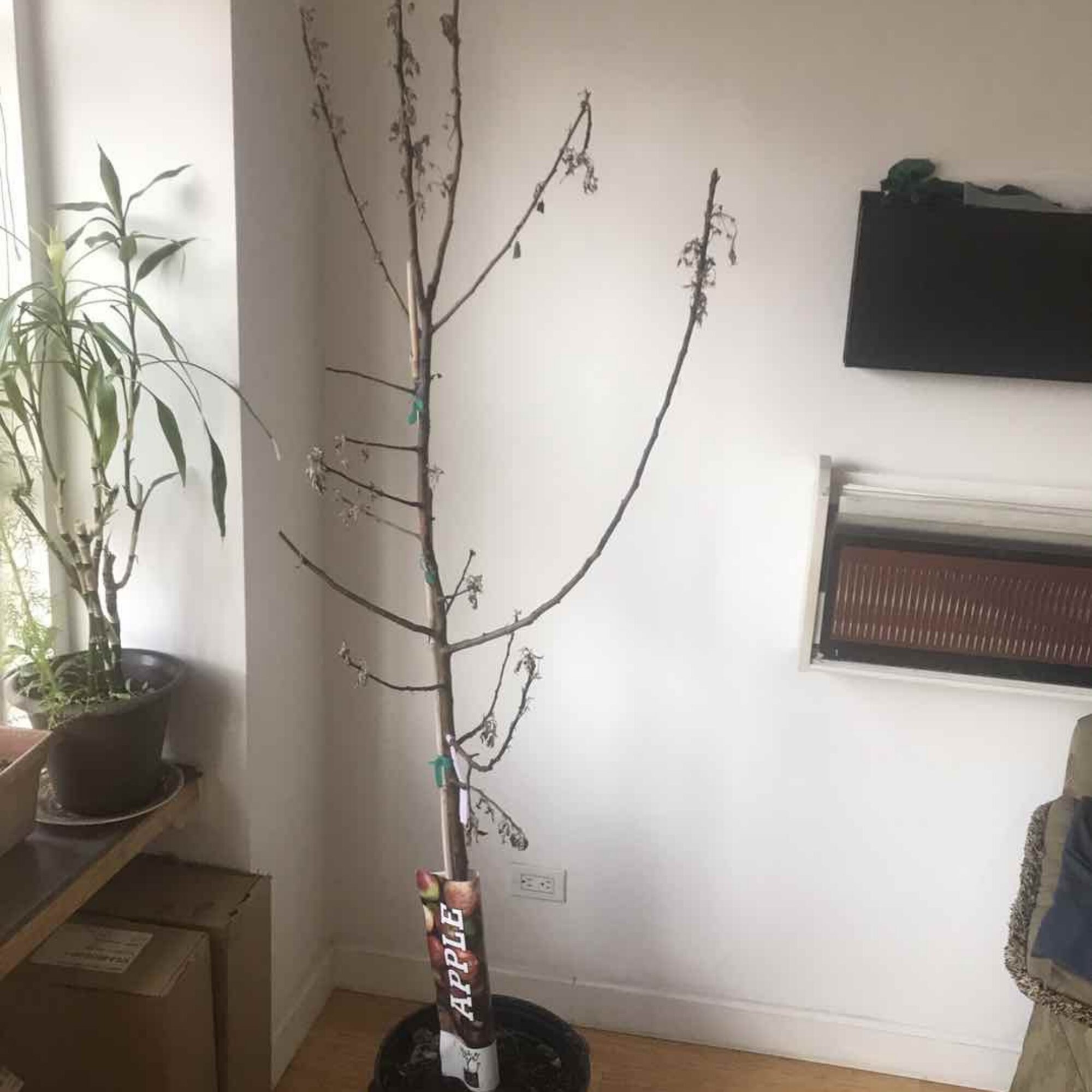
Can I save this apple tree a neighbor threw away?

It's tragic what people throw away in our culture that rewards and values disposability. Across the street from my building I saw this apple tree being thrown away. It looks nearly dead, maybe past gone, but there are some hints of green if I look. I don't know who bought it, but why bother watering a tree when you can just throw it away and buy a new one, right? I brought it home and will try to resuscitate it. I doubt I can but all I have to do is water it. If I fail, I didn't have much chance anyway so no great loss. If I succeed, I'll get apples I help bring to life. Even if I water it optimally, the angles…

0 Comments

Juneberries, the law, and discovering local fruit

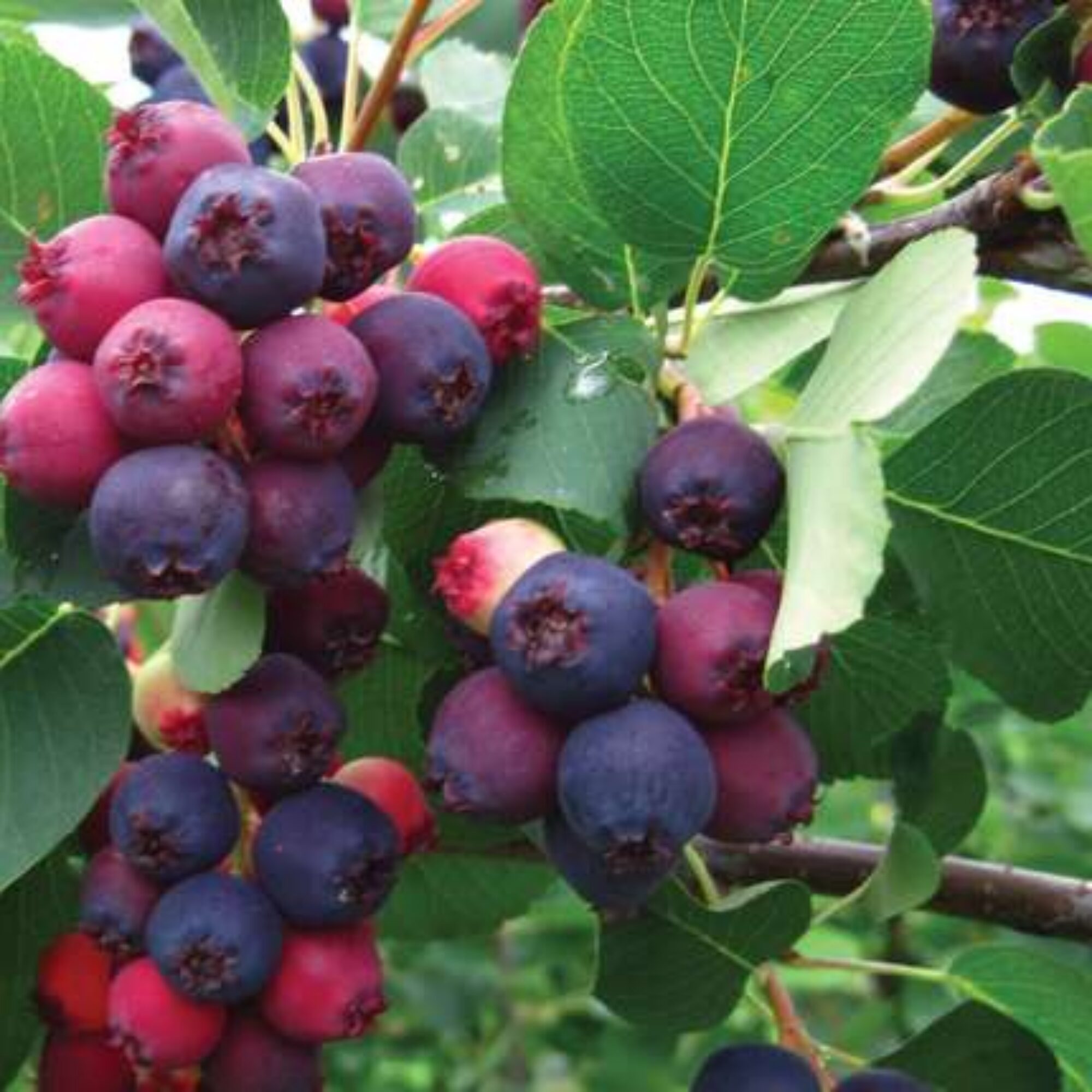
Juneberries are just going out of season. I love their taste. I love the process of picking and eating them. I don't know their nutritional value, but I understand that purple in the plant kingdom usually means lots of antioxidants and that berries in general are very healthy. [EDIT: I got lucky and found a couple pages on juneberry nutrition and it turns out they rank near the top of antioxidant content of all berries. Score!] So I eat tons of them. While eating them, I constantly say to myself, "Only a handful more, then I'll leave. If I want more I can come back tomorrow," then keep eating them. No regrets! A few people pushed back, saying it must be illegal to take them.…

0 Comments

Are there people who eat absolutely zero unpackaged food? I think so.

I was out in the park along the Hudson River picking juneberries. Not only was the food not packaged, I picked them myself. They're incredibly delicious. The tree evolved to provide fruit to be eaten. I saw a lot of people picnicking on the grass, eating at the outdoor bar in the park, and eating while they walked. Every piece of food or beverage I saw them eating was bought pre-prepared, pre-packaged with disposable garbage that hurts people, with the exception of a few reusable bottles. I didn't see even one apple or other piece of fruit or non-disposable food container, like Tupperware containing something homemade. I saw pizza, Gatorade, bags of chips, plastic platters of crudités, takeout containers, and mostly doof. It got me…

0 Comments
When they say “transition fuel,” they mean “more polluting and depleting,” not less pollution or depletion
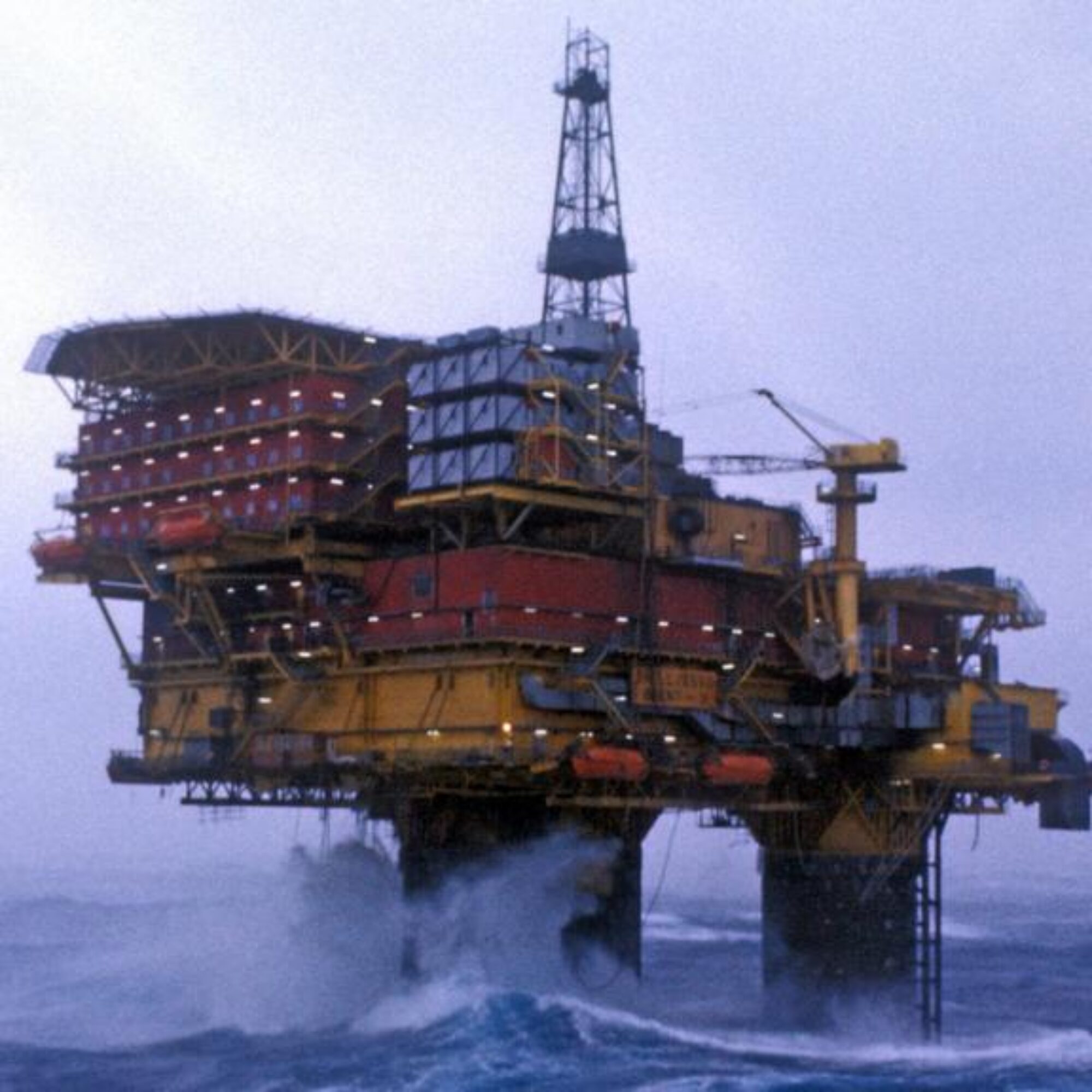
A6FY1C Brent Delta North Sea

When they say “transition fuel,” they mean “more polluting and depleting,” not less pollution or depletion

If "transition" means we stop using the old fuel then there has never been an energy transition. You can hear more details when I post my next episode with Mark Mills, but it deserves more publicity. I recorded with him again after reading his recent piece We’ll Never Have an Energy Transition, in City Journal from the Manhattan Institute. I find his results compelling, as always. Every fuel we've ever used, we still use, and more than ever. If you think that by ramping up solar and wind that in any way that new energy availability will decrease our use of old energy, you're dreaming. More likely you're lying to yourself. By contrast, I believe we can choose to use an energy source less deliberately…

0 Comments
You’re lying to yourself if you believe we can ramp up wind and solar to replace fossil fuels and stop using them
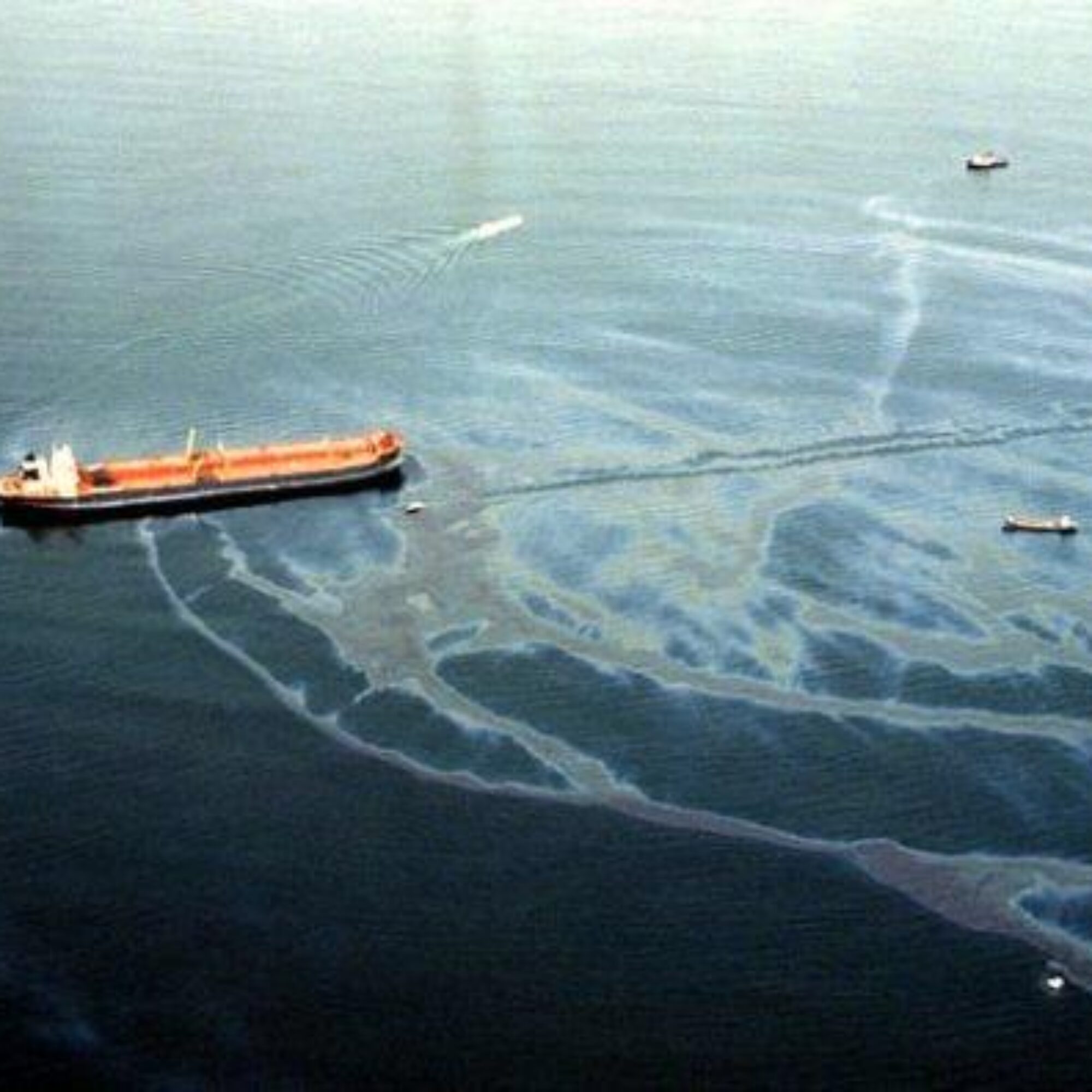
Exxon Valdez oil spill

You’re lying to yourself if you believe we can ramp up wind and solar to replace fossil fuels and stop using them

We have never decreased using any fuels. When we find new energy sources, we use the old one and the new one. Our plans to increase solar and wind have nothing to do with lowering fossil fuel use. This ordering doesn't work: First: Figure out how to create energy without fossil fuels or destroying life, liberty, and property Then: Stop using fossil fuels, nuclear, and destroying life, liberty and property The only ordering which can work: First: Stop using fossil fuels, nuclear, and destroying life, liberty and property Then: Figure out how to create energy without fossil fuels or destroying life, liberty, and property (Though, according to Adam Smith and the US founders, we don't need to create new energy sources to create the most…

0 Comments
Polluting and depleting are not examples of the Tragedy of the Commons
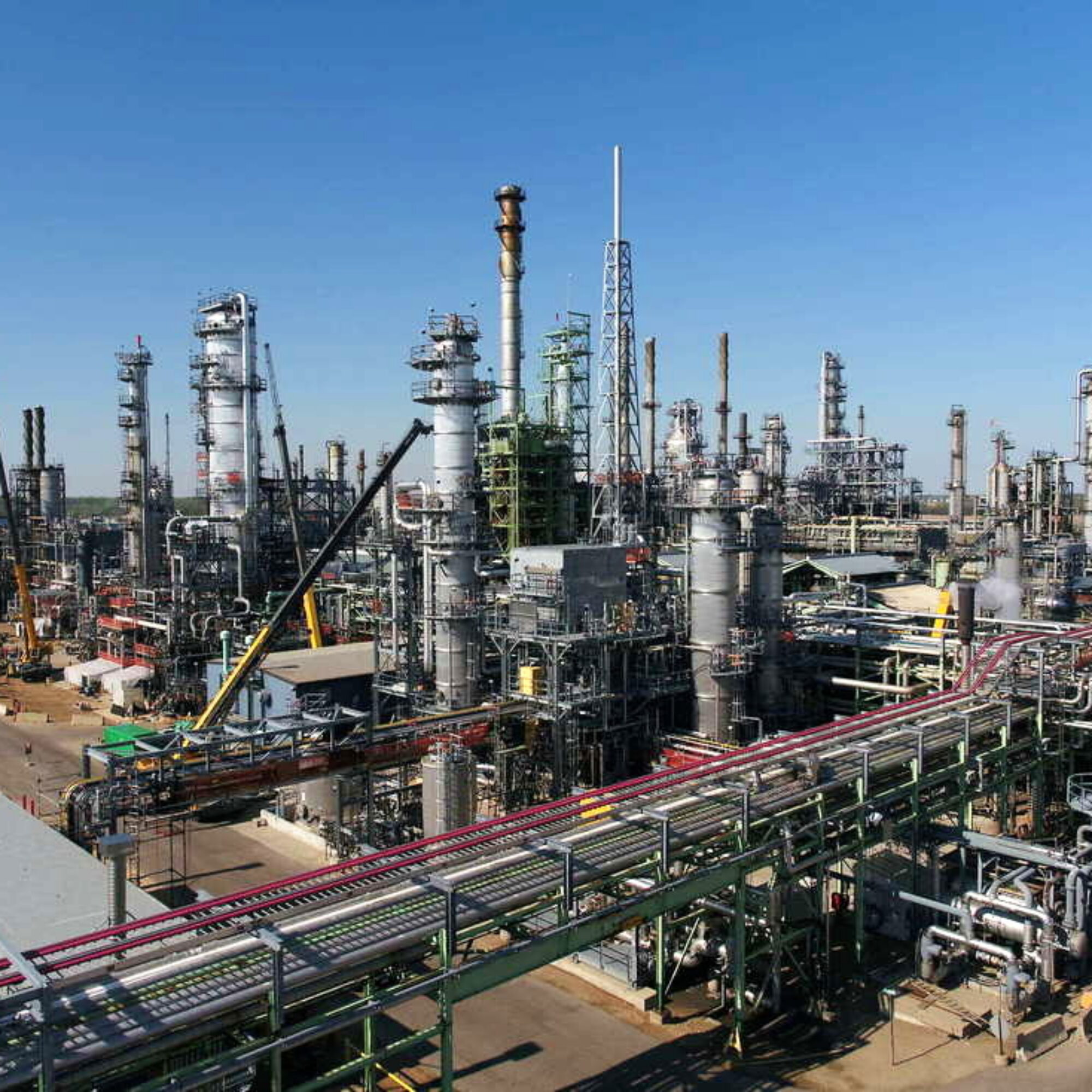
Oil refinery

Polluting and depleting are not examples of the Tragedy of the Commons

You probably know about the effect called the tragedy of the commons. The classic case is shepherds and a common grassy area. If each lets their sheep graze so they consume grass as fast as it grows, then each has the incentive to graze more, privatizing the extra profit while everyone else loses a smaller amount, but if all do it, everyone loses. Here is Wikipedia's definition: The tragedy of the commons is the concept that, if many people enjoy unfettered access to a finite, valuable resource, such as a pasture, they will tend to overuse it and may end up destroying its value altogether. Even if some users exercised voluntary restraint, the other users would merely replace them, the predictable result being a "tragedy"…

0 Comments

If you pollute and deplete, make your peace with the consequences of your actions instead of accusing others of making you feel guilty

I've written before that if you do something that kills people and you don't want to kill people, you have to stop doing that thing, even if you like it. That sentence seems about as matter of fact as you can get. It's not designed to make anyone feel guilty. That polluting and depleting kill people isn't an open question. We all pollute and deplete. Come to think of it, wouldn't not feeling guilty be a problem? But I didn't start this post to talk about an old one. I started there to point out I'm not starting today to use the direct language of what polluting and depleting does (kill people) instead of the abstract talk I used before, since everyone else did, like:…

0 Comments

Ayahuasca and psychedelics: I propose an alternative if you want to learn about ego, life, the universe, and everything

I don't know what it's like where you are, but in New York, people talk about psychedelic drugs a lot. Everyone is talking about microdosing (probably not as much as in California), going to shamans in Peru for ayahuasca, and so on. People describe the value of the experiences as life changing. I'm prompted by a recent New Yorker piece This Is Your Priest on Drugs: Dozens of religious leaders experienced magic mushrooms in a university study. Many are now evangelists for psychedelics, by Michael Pollan. He cites that "Ninety-six per cent rated their first encounters with psilocybin as being among the top five most spiritually significant experiences of their lives." I think we're supposed to think, "Wow, if I take some mushrooms I can…

0 Comments

Nearly everyone missed the biggest problem with nuclear and fusion, but it’s huge.

I wrote this letter to the editor of the New Yorker. It’s been long enough that I doubt they’ll print it, but I wanted to share my thoughts. Using nuclear and, if it ever works, fusion today is like someone in the 1950s throwing a plastic plate into the ocean, figuring, "The ocean is so big and the plate is so small, what difference could it make even if everyone threw plastic away?" People don't understand exponentials, even people who work with them, but an economy that grows by even a small percent annually grows exponentially. So will its waste, including the heat from generating power. To the editor, Elizabeth Kolbert's piece on environmentalists rethinking nuclear doesn't ask why the Japanese, who know the pain…

0 Comments

Another problem people miss about artificial intelligence

I just read a series of articles in the Economist analyzing the effect they predict artificial intelligence will have on the environment. They started by calculating the costs to build the computers and train the algorithms. They calculated the costs to operate the computers, which was much greater. Then they started writing about how people would use AI to increase efficiencies in grids, factories, transportation, and so on. When people answer if they think AI will help or hurt, they almost always answer how they expect they would use it for their goals. This series of articles didn't look at what seems most likely the greatest impact: how people who pollute and deplete will use AI for their purposes. They aren't trying to pollute any…

0 Comments

Watch me cooking my famous no-packaging vegan solar-powered stew at a workshop at Drew Gardens, Bronx NY

I just found a video of one of the workshops I led at Drew Gardens. I can't believe I thought I lost it. If you've wondered how I make my famous no-packaging vegan solar-powered stews, watch the workshop: https://www.youtube.com/watch?v=ZeLiAAapjzM Some Reviews Read more reviews here, but some examples: When Josh first invited me over for stew, I didn’t jump at the opportunity. I recall thinking that a quickly prepared meal of some legumes and fresh vegetables heated in a pressure cooker would at best be bland. After decades of consuming processed and improperly cooked vegetables that needed seasoning with plenty of salt, spices and fats, I didn’t appreciate how much natural flavor could be found in the garden. Josh skillfully mixed lentils with fresh farm…

0 Comments

Read about me in Gothamist: “Meet the NYC environmentalists going off the grid and eating discarded food”

The story Meet the NYC environmentalists going off the grid and eating discarded food begins: Joshua Spodek’s studio apartment in the West Village is an off-grid oasis. While other apartments in his 15-story co-op rely on electricity produced by fossil fuel-burning power plants, Spodek is disconnected from Con Edison and National Grid. The main circuit breaker in his apartment is turned off. Instead, he powers his few electric devices – phone, laptop, pressure cooker and a single light turned on only to read at night – with solar panels the size of an unfurled yoga mat that he charges weekly in Washington Square Park. He buys nothing in a package. The total garbage he’s accumulated over the last three years fits in a reusable shopping…

0 Comments

Hear me on WNYC: “Meet the NYC environmentalists going off the grid and eating discarded food”

Listen to this story about me on WNYC: The text introducing it says: As President Donald Trump pursues a deregulation agenda, New York’s ambitious clean energy goals appear further out of reach. So what’s a climate conscious New Yorker to do? WNYC’s Rosemary Misdary reports on some New York City residents taking an extreme approach to eliminating their carbon footprints. I won't split hairs, but I would describe what I do as traditional and conservative, not extreme, since nobody connected to an electric grid or used plastic more than about a century ago. If you've read Sustainability Simplified, you know I consider many polluting and depleting activities as addictive, and from the perspective of, say, a heroin addict, using zero looks extreme, but it doesn't…

0 Comments
Should oil, coal, and gas have rights like animals and rivers to stay in the ground and not get burned?
The United States Constitution

Should oil, coal, and gas have rights like animals and rivers to stay in the ground and not get burned?

You've probably heard of movements to give rights to animals and bodies of water as ways of protecting them. When I first heard the idea, I found it far fetched. Then I remembered we extend rights to corporations, so why not other non-human and non-living things? I generally hear about giving rights to things we consider beautiful or sustaining, like animals and rivers. What about giving them to oil, coal, and other things that pollute when extracted and introduced into the environment? Presumably, if fossil fuels had rights, they would want to stay where they are, let alone not to be burned up. I wonder if anyone has worked on giving them rights. What if we could stop their extraction in one fell swoop, at…

0 Comments

Democrats and Republicans are dancing together on sustainability for their mutual benefit, avoiding action, rallying their bases

A brief political history of sustainability [If you've watched my Short Course on Sustainability Leadership, you'll recognize the following from my session on the political opportunities. I'm putting only the main points here. I'll develop it more in a future post. I wanted to start writing. If you haven't watched the course, I think you'll find it one of the most important resources on our culture, the environment, sustainability, and leadership.] Scientists discovered our environmental problems/symptoms. They proposed solutions. Since academia skewed liberal, so did their proposals, even if they didn't intend to advance their politics. They just proposed what made sense to them. Conservatives saw their proposals as advancing liberal causes, all the more since they weren't practicing their proposals, so reacted against the…

0 Comments

A Short Course in Sustainability Leadership

I've been working for months on what to show on SpodekMethod.com. My book Sustainability Simplified refers to the page so it has to help people who want to learn and to more. It's pained me for it not to be ready for so many months after the book has been on sale and the New York Times profiled me with a two-page story starting on the front page of the Metro section. I've had to hold back on promoting the book without a web presence ready. I've struggled for years how to welcome people to a web page. It's easy to think of amounts of information that would fill books to put there. As for images and quick impressions, it's easy to fall into cliches…

0 Comments

The last dead Christmas Pagan Tree of the season, at the end of March?

Following up my post about Hundreds of trashed dead Christmas pagan trees, 2025 from late February, I saw what I figure will be the last one thrown out for the season at the end of March. That's how many trees we kill for a holiday tradition based in a different time and place, that we're still throwing them away, like octopuses in the garbage, months after the holiday. Different either than now, when landfills are full and old growth forests empty, or when Jesus was born, which was Bethlehem, a place with no sleigh bells ringing or reindeer. I'm sure Jesus is pleased, looking down from above if he is, that his birthday is being so honored, by stuffing the misplaced symbol of his birth…

0 Comments

End of content

No more pages to load