Nature


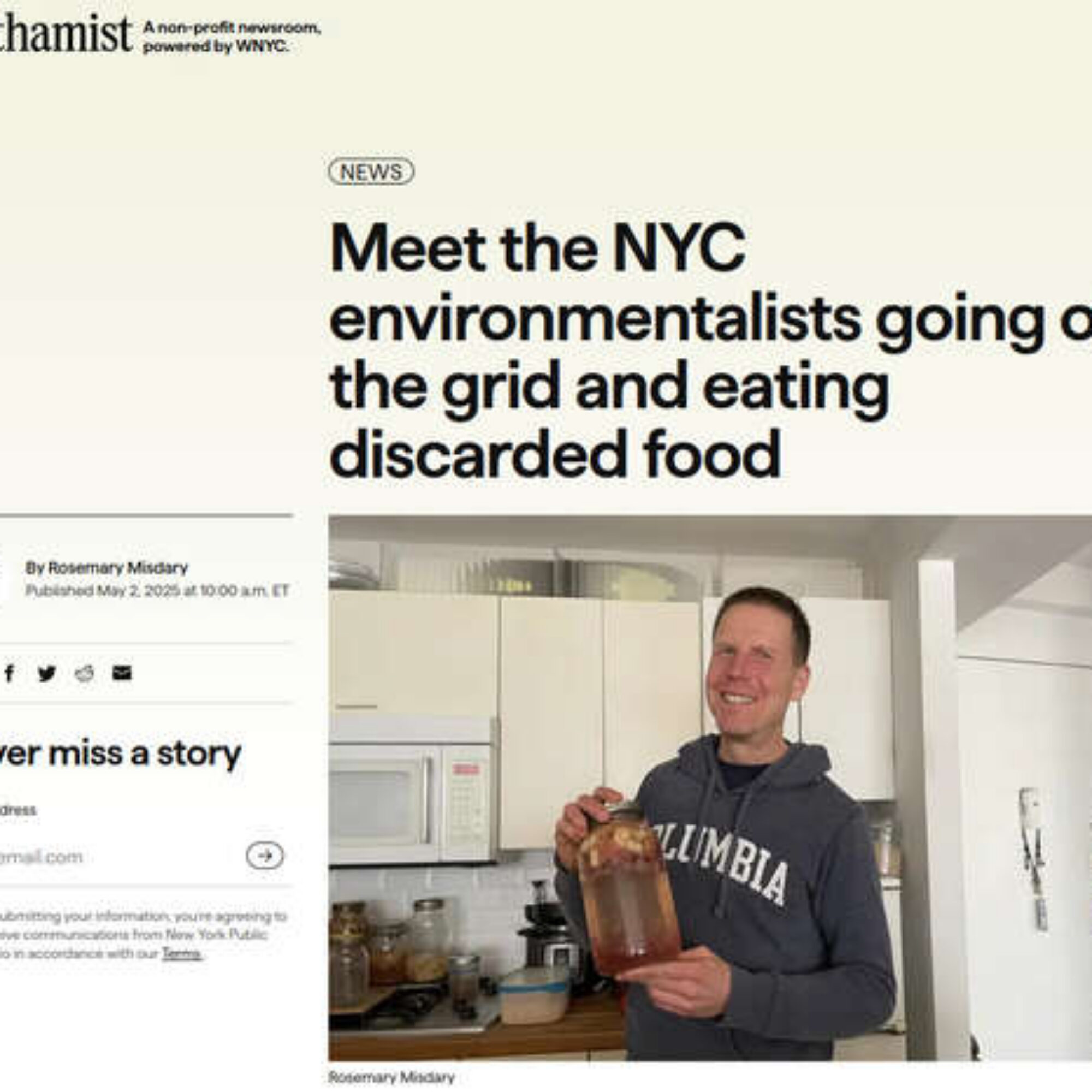
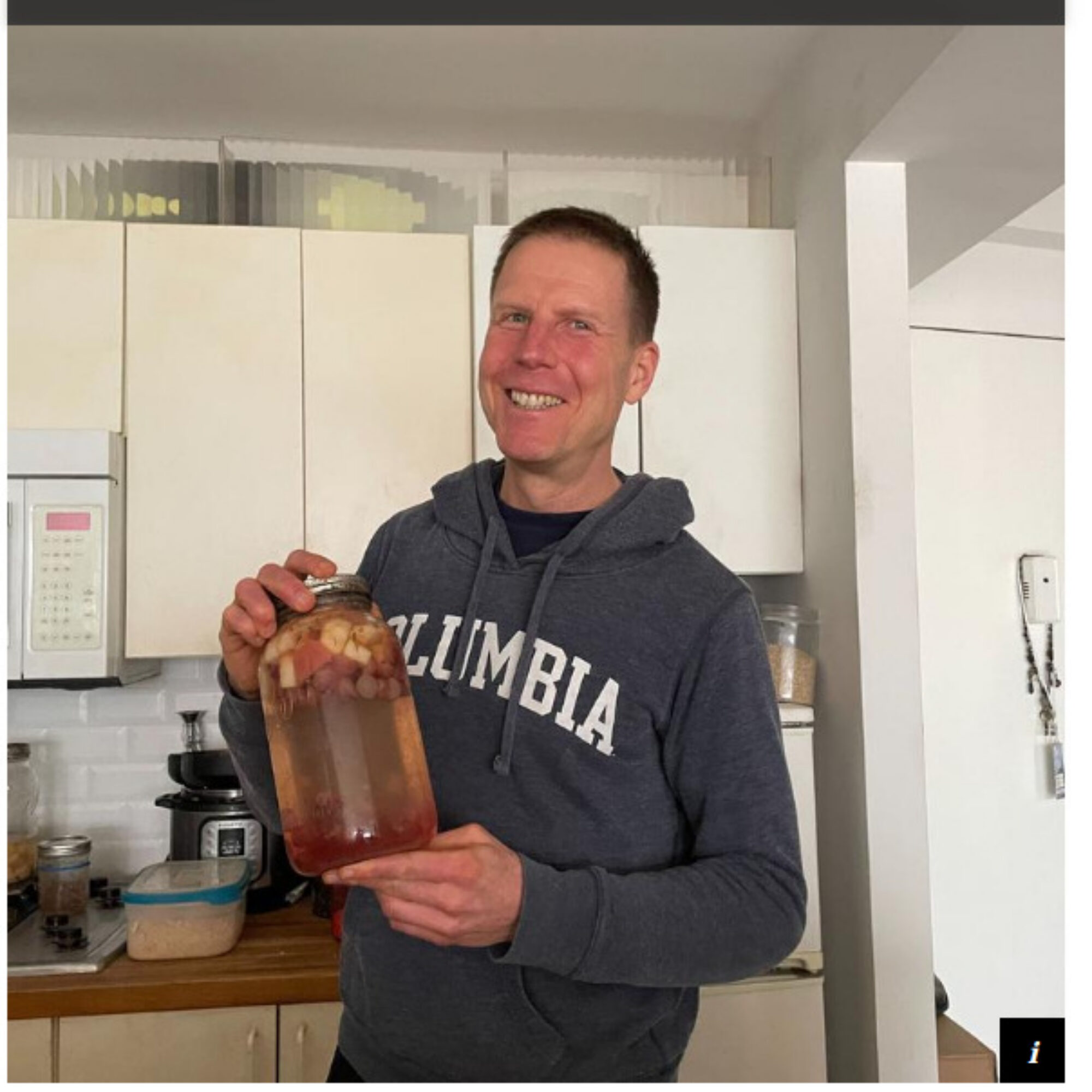
Read about me in Gothamist: “Meet the NYC environmentalists going off the grid and eating discarded food”

The story Meet the NYC environmentalists going off the grid and eating discarded food begins: Joshua Spodek’s studio apartment in the West Village is an off-grid oasis. While other apartments in his 15-story co-op rely on electricity produced by fossil fuel-burning power plants, Spodek is disconnected from Con Edison and National Grid. The main circuit breaker in his apartment is turned off. Instead, he powers his few electric devices – phone, laptop, pressure cooker and a single light turned on only to read at night – with solar panels the size of an unfurled yoga mat that he charges weekly in Washington Square Park. He buys nothing in a package. The total garbage he’s accumulated over the last three years fits in a reusable shopping…

0 Comments

Hear me on WNYC: “Meet the NYC environmentalists going off the grid and eating discarded food”

Listen to this story about me on WNYC: The text introducing it says: As President Donald Trump pursues a deregulation agenda, New York’s ambitious clean energy goals appear further out of reach. So what’s a climate conscious New Yorker to do? WNYC’s Rosemary Misdary reports on some New York City residents taking an extreme approach to eliminating their carbon footprints. I won't split hairs, but I would describe what I do as traditional and conservative, not extreme, since nobody connected to an electric grid or used plastic more than about a century ago. If you've read Sustainability Simplified, you know I consider many polluting and depleting activities as addictive, and from the perspective of, say, a heroin addict, using zero looks extreme, but it doesn't…

0 Comments

Should oil, coal, and gas have rights like animals and rivers to stay in the ground and not get burned?

You've probably heard of movements to give rights to animals and bodies of water as ways of protecting them. When I first heard the idea, I found it far fetched. Then I remembered we extend rights to corporations, so why not other non-human and non-living things? I generally hear about giving rights to things we consider beautiful or sustaining, like animals and rivers. What about giving them to oil, coal, and other things that pollute when extracted and introduced into the environment? Presumably, if fossil fuels had rights, they would want to stay where they are, let alone not to be burned up. I wonder if anyone has worked on giving them rights. What if we could stop their extraction in one fell swoop, at…

0 Comments

Democrats and Republicans are dancing together on sustainability for their mutual benefit, avoiding action, rallying their bases

A brief political history of sustainability [If you've watched my Short Course on Sustainability Leadership, you'll recognize the following from my session on the political opportunities. I'm putting only the main points here. I'll develop it more in a future post. I wanted to start writing. If you haven't watched the course, I think you'll find it one of the most important resources on our culture, the environment, sustainability, and leadership.] Scientists discovered our environmental problems/symptoms. They proposed solutions. Since academia skewed liberal, so did their proposals, even if they didn't intend to advance their politics. They just proposed what made sense to them. Conservatives saw their proposals as advancing liberal causes, all the more since they weren't practicing their proposals, so reacted against the…

0 Comments

A Short Course in Sustainability Leadership

I've been working for months on what to show on SpodekMethod.com. My book Sustainability Simplified refers to the page so it has to help people who want to learn and to more. It's pained me for it not to be ready for so many months after the book has been on sale and the New York Times profiled me with a two-page story starting on the front page of the Metro section. I've had to hold back on promoting the book without a web presence ready. I've struggled for years how to welcome people to a web page. It's easy to think of amounts of information that would fill books to put there. As for images and quick impressions, it's easy to fall into cliches…

0 Comments

The last dead Christmas Pagan Tree of the season, at the end of March?

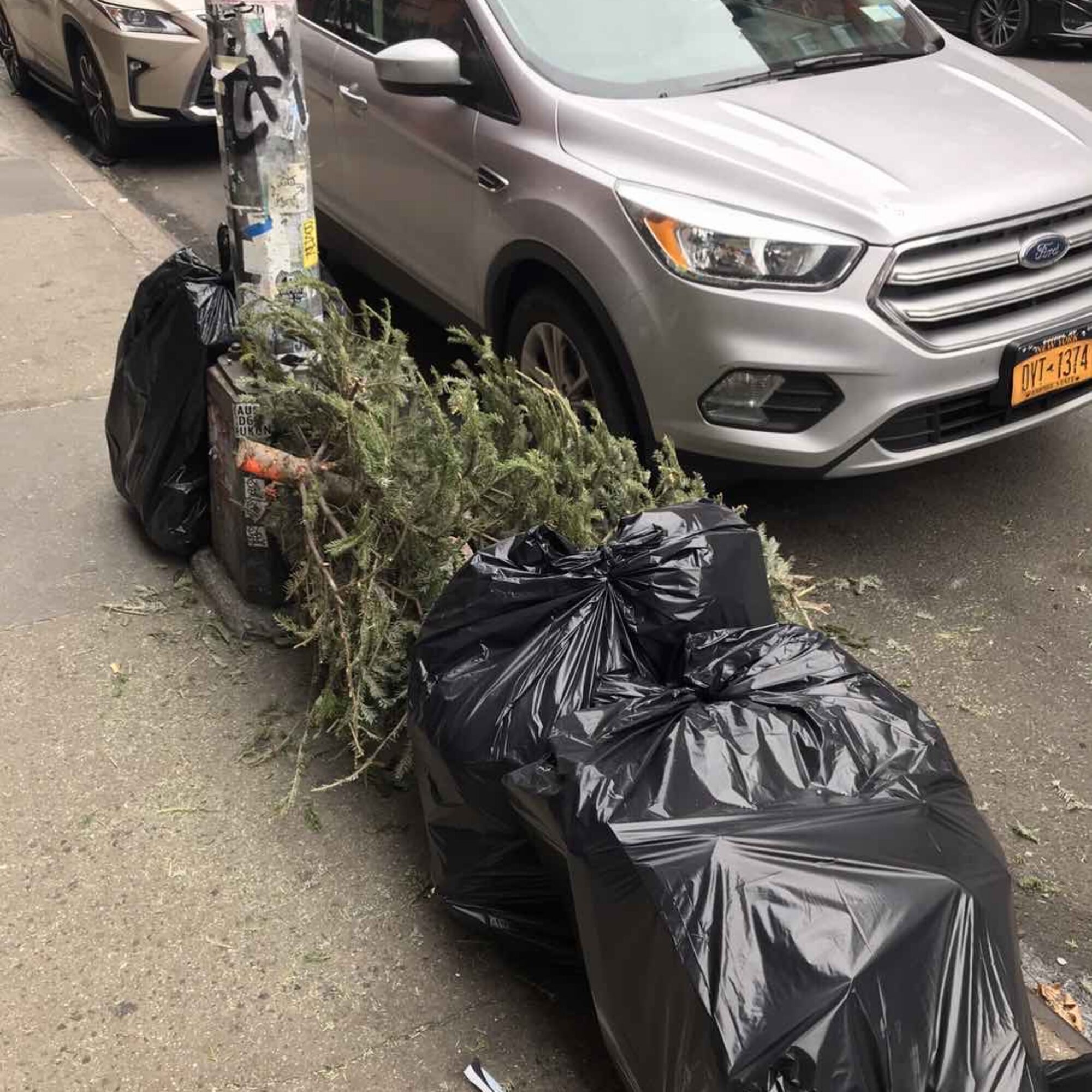
Following up my post about Hundreds of trashed dead Christmas pagan trees, 2025 from late February, I saw what I figure will be the last one thrown out for the season at the end of March. That's how many trees we kill for a holiday tradition based in a different time and place, that we're still throwing them away, like octopuses in the garbage, months after the holiday. Different either than now, when landfills are full and old growth forests empty, or when Jesus was born, which was Bethlehem, a place with no sleigh bells ringing or reindeer. I'm sure Jesus is pleased, looking down from above if he is, that his birthday is being so honored, by stuffing the misplaced symbol of his birth…

0 Comments

Octopuses are so smart we cook them and then throw them away without even eating them.

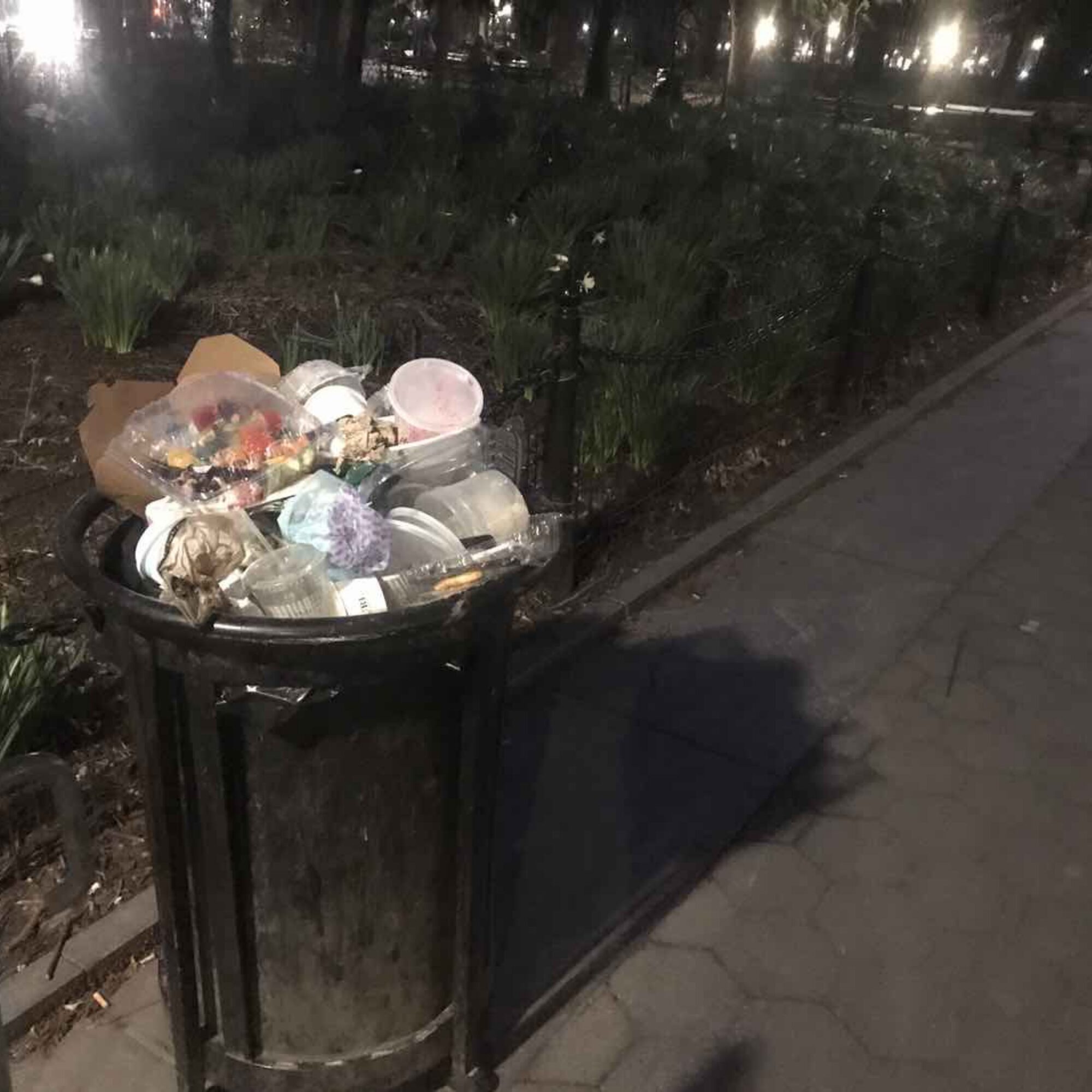
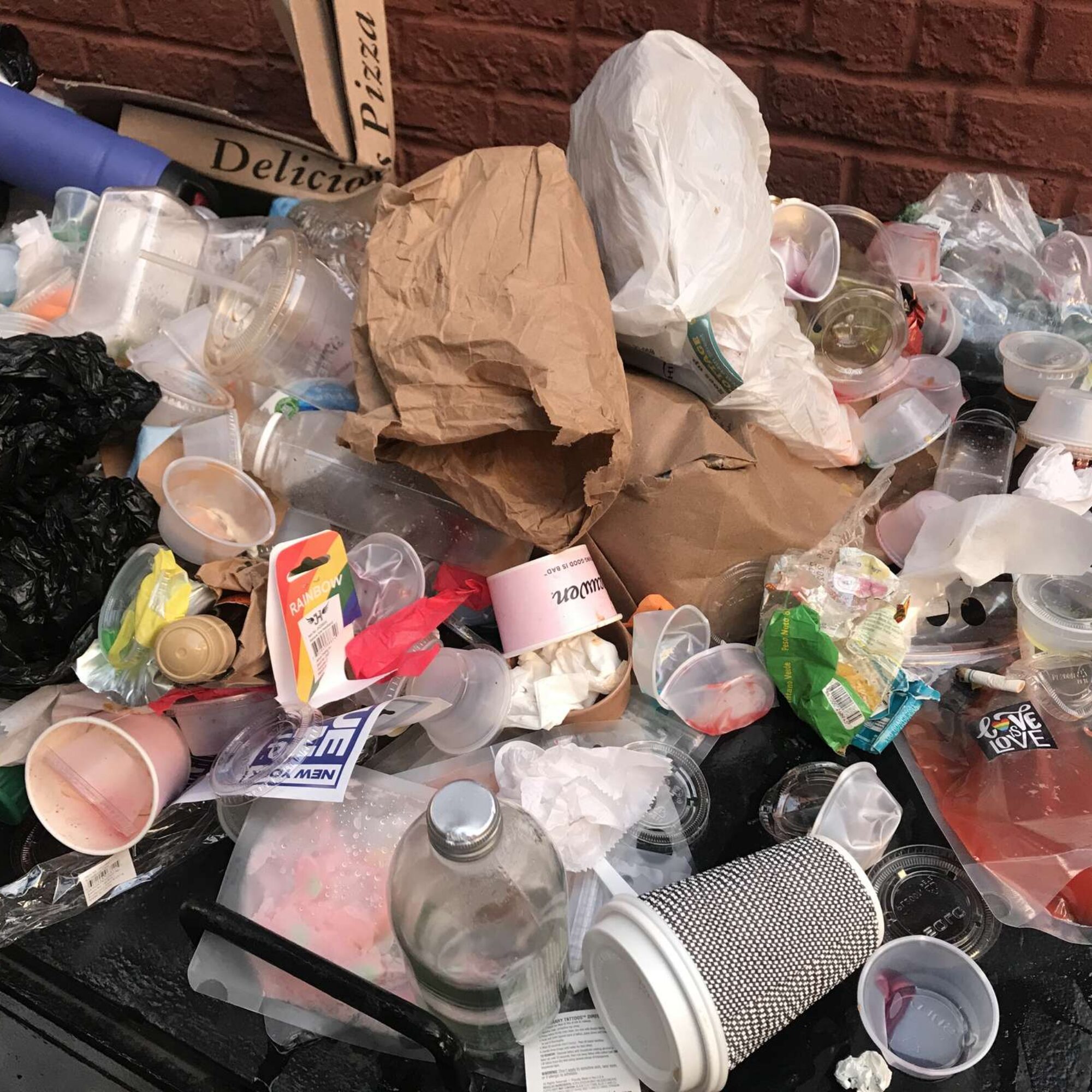
After picking up litter today, I had to look up octopus intelligence. The first link on my search was titled Octopuses may be so terrifyingly smart because they share humans' genes for intelligence. Why did I have to look up their intelligence? Because of how disgusted I felt, but didn't feel I felt disgusted enough. Below are three increasingly horrifying pictures of a garbage can in the northwest corner of Washington Square Park. Here is the can, as usual, overflowing with garbage, nearly all single-use plastic. As I got closer, I saw people had thrown away a lot of food. The clear containers come from a place a couple blocks away that just opened. The amount of single-use garbage coming from the place is sickening,…

0 Comments

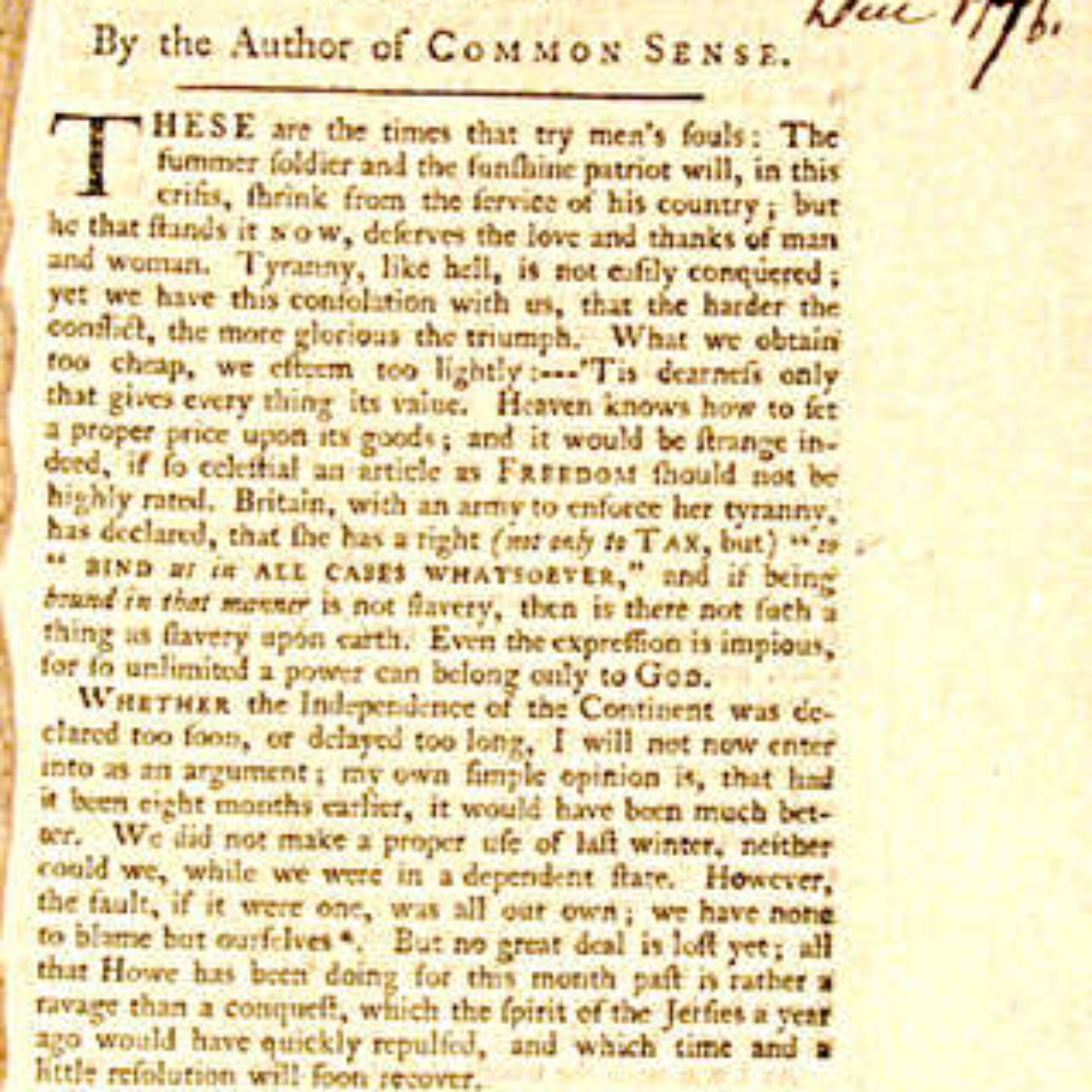
“These are the times that try men’s souls”

I confess I haven't read Thomas Paine's The American Crisis, but I'm working so much on opposing coercion and tyranny, I keep coming across him. I'm trying to learn more about the conditions that led to the Declaration of Independence and the Constitution. Learning history is one thing. Getting inside the hearts and minds of the people acting is another. What values were they acting on or not? If you see pollution and depletion as destroying life, liberty, and property, then you see much of our culture as depriving people of freedom. It creates tyranny, what this country was founded to oppose, yet it's everywhere. It pervades so much, few have the insight, vision, or courage to oppose it. They benefit from it. With that…

0 Comments

Have you noticed that sanitation departments have become socialist, imperialist, and flagrant violators of the US Constitution’s original intent?

Once, all garbage biodegraded. All garbage would turn into food for something within time scales relevant to human lives. Not today. Plastic can take centuries to degrade, during which time they kill wildlife and poison us. Plenty of residue from our culture poisons more, like pesticides and home cleaning products. Our hunter-gatherer ancestors could just drop the parts of the fruit, vegetable, or animal they didn't want to eat on the ground and between the benign content of that part and the accommodating population density, their disposal caused no problems. At some point after we formed cities, we shifted to having others haul our trash away to put in big holes in the ground. The stuff might take longer to degrade, but it was farther…

0 Comments

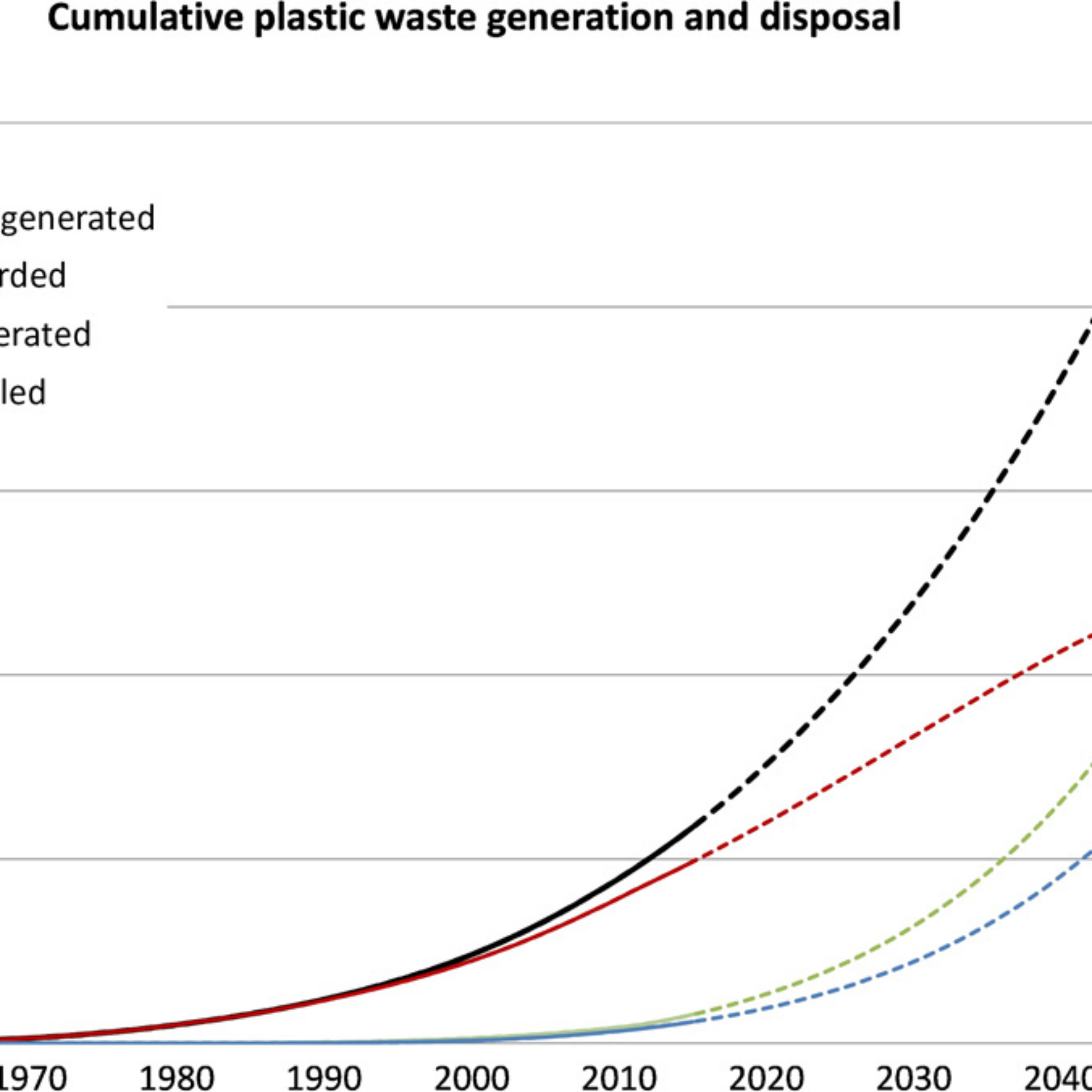
“In the next 30 years, we’ll make four times more plastic waste than we ever have”

I hope I don't start a habit of posting references to articles, but it's hard not to share ones that say "In the next 30 years, we'll make four times more plastic waste than we ever have." That headline came from science.org, which referred to a journal article, Production, use, and fate of all plastics ever made, from Science Advances. We're drowning in plastic. It doesn't break down on human time scales. According to this research, we've barely started. Plastic destroys life, liberty, and property, as do pollution and depletion in general. It seems to me government should treat it as it treats other activities that destroy life, liberty, and property, like murder, theft, and arson. Actually more like slavery, which the Thirteenth Amendment abolished…

0 Comments

Josh and Evelyn Go Live! … see our first live stream of a series on living joyfully sustainably

Living more sustainably isn't hard. Our human ancestors did it for 250,000 years. Our non-human ancestors did it for billions. Most life forms do, maybe all except we modern humans. Living more sustainably in a culture that for whatever lip service it falsely pays to sustainability rewards the opposite is hard. Then the problem is people---that is, social and emotional, not technical. After all, it costs less, requires less time, is more convenient, and helps poor people. The social problem is people who, like all addicts, confuse the need to feed their addiction with actual life needs. They believe living more sustainably costs more, takes more time, is less convenient, and hurts poor people. In my book I describe why addicts get it precisely wrong.…

0 Comments

What do you think: will the world be more healthy, safe, and secure next year? Next decade? Next century?

I'm curious if anyone wants to share their intuition, how they are living their lives, not necessarily people who research the state of the earth, but what you think for yourself and your children, if any: Do you think tomorrow---that is, the future in general---will be more or less healthy, safe, and secure than today? I haven't researched the question, but I'd bet for all of human existence, nearly all our ancestors lived lives always confident that the earth of their children would be the same or more healthy, safe, and secure. I think many people today believe that no matter what they or anyone does, the future will be less healthy, safe, and secure. Even among people who say they expect the future to…

0 Comments

The one thing in the universe that turns chaos into value and what it means for humanity

Yesterday in My favorite solar panel I wrote about the problems with the solar panels we produce. Since they require nonrenewable resources to make and don't biodegrade, we lower earth's ability to sustain life in making them and disposing of them when they stop working. As far as I know, that problem happens for all ways we create energy besides eating plants and fungi and using wood. We think we need them for life. People often tell me they think we can't live without polluting, that even breathing and pooping pollute. Yet humans lived without lowering earth's ability to sustain life for 250,000 years. Other life forms have exhaled and pooped for billions of years without lowering earth's ability to sustain life. We don't need…

0 Comments

My favorite solar panel

Recall that all the electric power I use directly comes from my portable solar panels powering a battery. Indirectly I cause plenty more to be used, from lights in other buildings to the server farms bringing you this writing, to the manufacturing processes that build things I use. The more I learn about solar power, the more I learn of the environmental devastation in creating solar panels and batteries and in disposing of them. Every piece of solar equipment I've used has broken in some way. In time, they'll become more sturdy and enduring, but for my lifetime, they'll require extraction and cause pollution. They'll lower earth's ability to sustain life. Meanwhile, nearly all life we know of depends on sunlight (I think some depends…

0 Comments

Replacing “sustainability” with “not hurting people” and “polluting” with “hurting people”

I'm starting to replace "sustainability" with "not hurting people," sometimes adding "and wildlife." I'm not doing it across the board, but increasingly. I'm seeing how people respond. Likewise, instead of describing an activity as "polluting," to describe it as "hurting innocent people." For example: Instead of "I'm trying to live more sustainably": "I'm trying to hurt innocent people less." Instead of "I value the environment": "I value not hurting people." Instead of "Flying is for most people who fly their most polluting activity": "Flying is for most people who fly how they hurt innocent people most." Terms like "environment" and "sustainability" can be abstract. I'm not trying to protect or conserve something abstract in trying to live more sustainably. I'm trying to avoid hurting people,…

0 Comments

Plastic: “between 400,000 and 1 million people die each year in low- and middle-income countries because of diseases related to mismanaged waste”

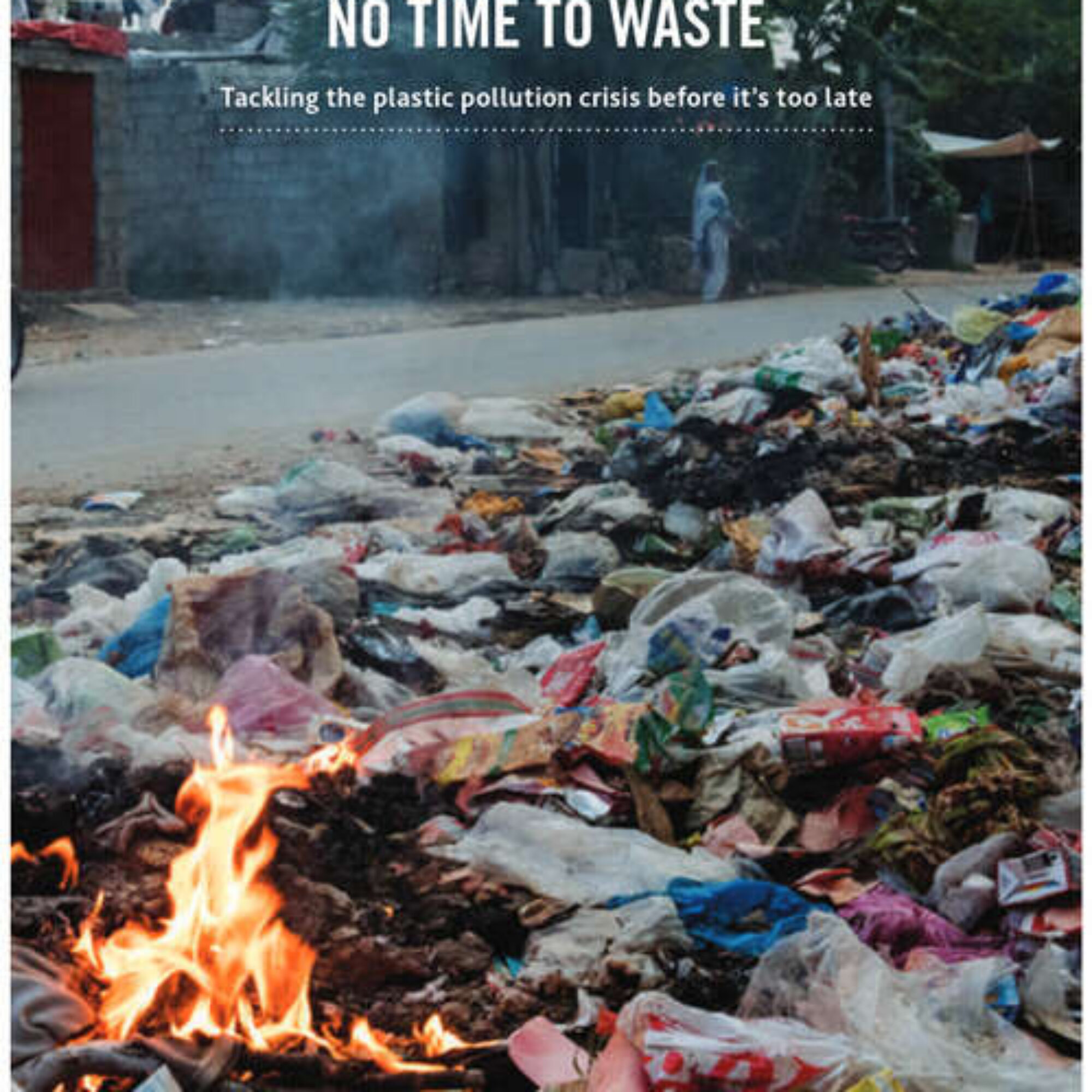
A group called the Tearfund published a report in 2019 on plastic waste called No Time to Waste. It states "between 400,000 and 1 million people die each year in low- and middle-income countries because of diseases related to mismanaged waste." I expect that number has risen since. I expect I'll quote this finding as a measure of our culture. Consider this point: there was once no litter on earth. Not one piece of litter. Now it's everywhere, including our arteries and brains. I've quoted the Lancet's peer-reviewed paper on 9 million deaths per year from breathing polluted air. This report seems comparable and independent. Though not peer-reviewed, it documents its methods. Here is the beginning of the appendix that documents their methods, though read…

0 Comments

Hear me on A Climate Change with Matt Matern

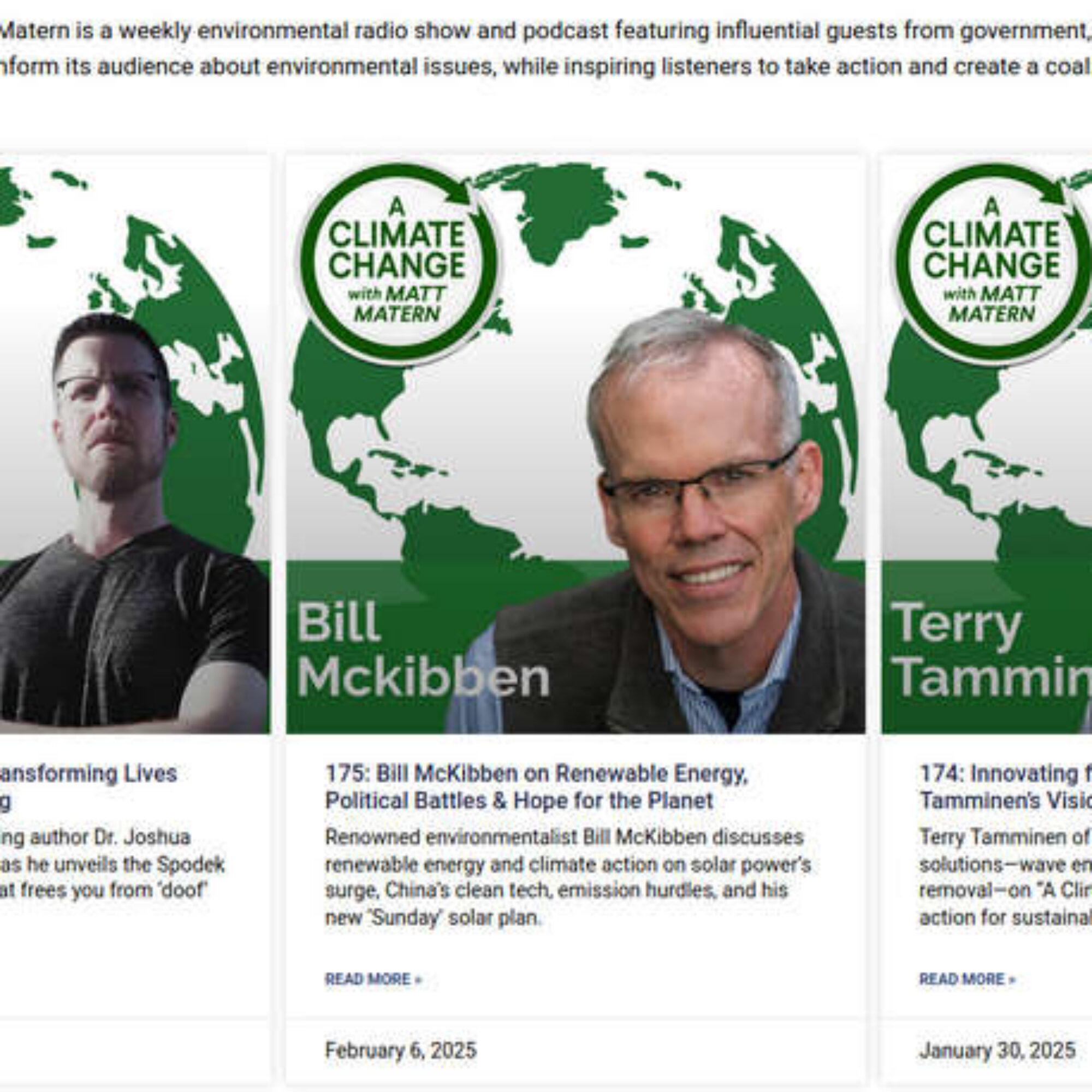
Matt and I have appeared on each other's podcast before. He invited me back to talk about Sustainability Simplified. I recommend reading it. This episode will whet your appetite. Looking at Matt's podcast page, the guest before me was Bill McKibben so I consider myself in esteemed company. Here at the liner notes: Astrophysicist, sustainability advocate, and author Dr. Joshua Spodek joins us to discusses breaking free from processed food addiction, building community-driven environmental solutions, and embracing the Spodek Method - a unique approach focusing on intrinsic motivation for sustainable action.  Josh shares insights from his latest book, Sustainability Simplified, which captures Josh’s life journey and reveals how our culture became so polluting, and shows practical and liberating solutions for individuals, nations, and the world.…

0 Comments
Yet more cases where efficiency doesn’t help sustainability
Oil refinery

Yet more cases where efficiency doesn’t help sustainability

If something destroys life, liberty, and property, making it more efficient leads it to destroy less life, liberty, and property, not zero. Stopping doing it would stop destroying life, liberty, and property. We know life doesn't require pollution, despite our cultural beliefs. The quality of life of people who live sustainably doesn't appear lower than ours and in many cases appears higher, also despite our cultural beliefs. Let's look at a specific case. Say you have a machine that burns oil. Ways burning oil hurts people include the extracting the oil, which often destroys wildlife and thereby hurts people, displacing people from their lands to reach it, and polluted air from burning it. If you make it more efficient, you might think you pollute less.…

0 Comments

Why complaining about “private profit and public cost” misses the boat.

The difference between an externality and coercion. An externality is a cost imposed on someone else. A cost is something that if you pay for it, you undo the cost or make them whole. An example might be if in doing my work, I undo some of yours and it takes you an hour to redo it. You could in principle consent to the work if I compensated you enough for it. If I cause a child to be born with a birth defect, no amount of money can make up for it. No one can consent to be born with a birth defect. To call causing birth defects is a category error. Nobody would call murder an externality. No amount of many makes up…

0 Comments

The Spodek Method is like quitting smoking.

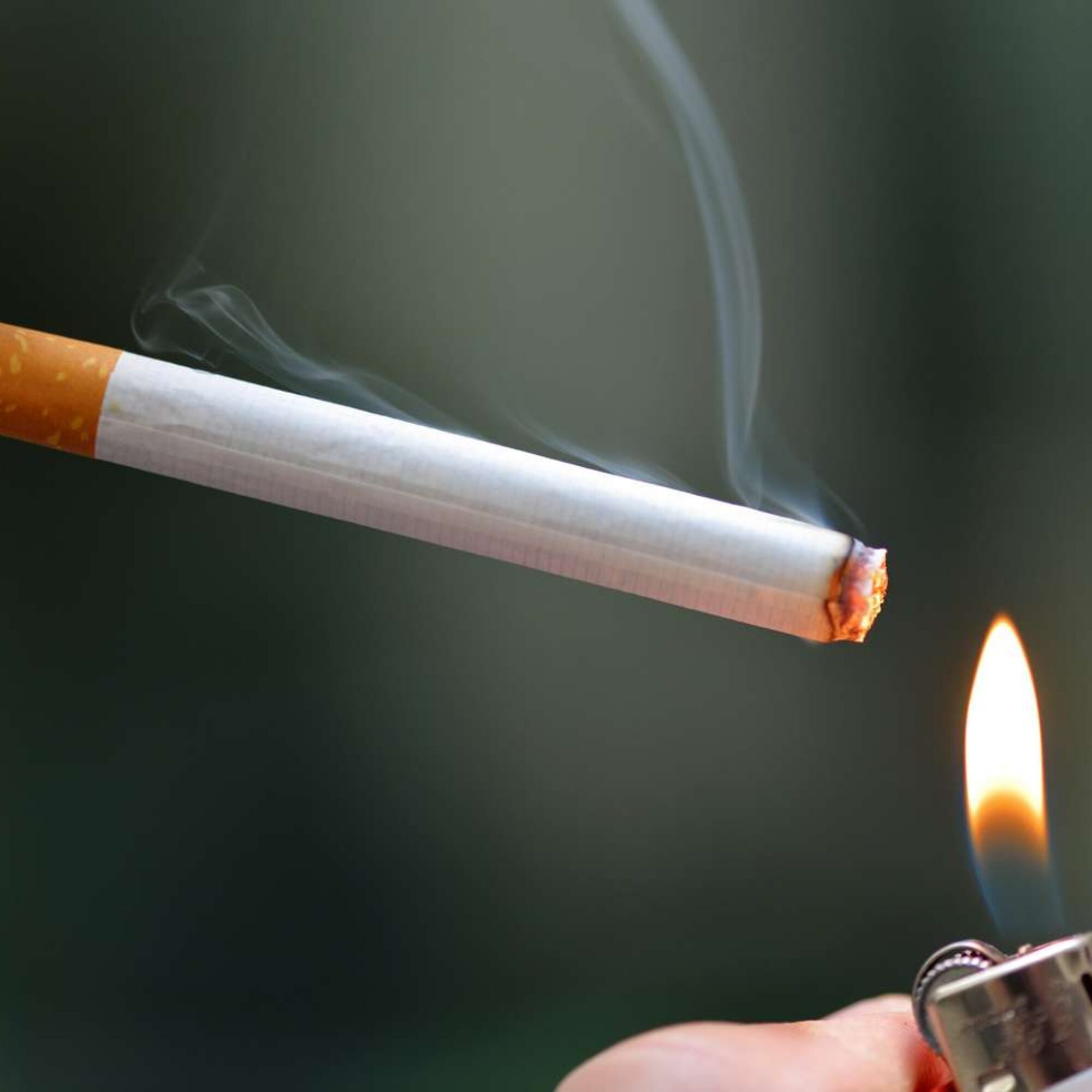
Some people in my workshops describe early times practicing the Spodek Method as causing them anxiety. From my experience with performance arts like acting or sports in front of a crowd or, in attraction, learning to approach women, I know performing where others can see you can cause people without experience anxiety. I also know that mastering that art can transform that anxiety into joy and glory. Everyone who became great at any performance art started as inexperienced and unskilled as anyone. Do the reps and you learn to succeed. You find the art in it and learn to express yourself through the art. You learn things about yourself you never knew. What I just wrote applies to all performance arts. What about the art…

0 Comments

Plastic appears more poisonous than you think, especially to your brain. You’d rather know these findings than not.

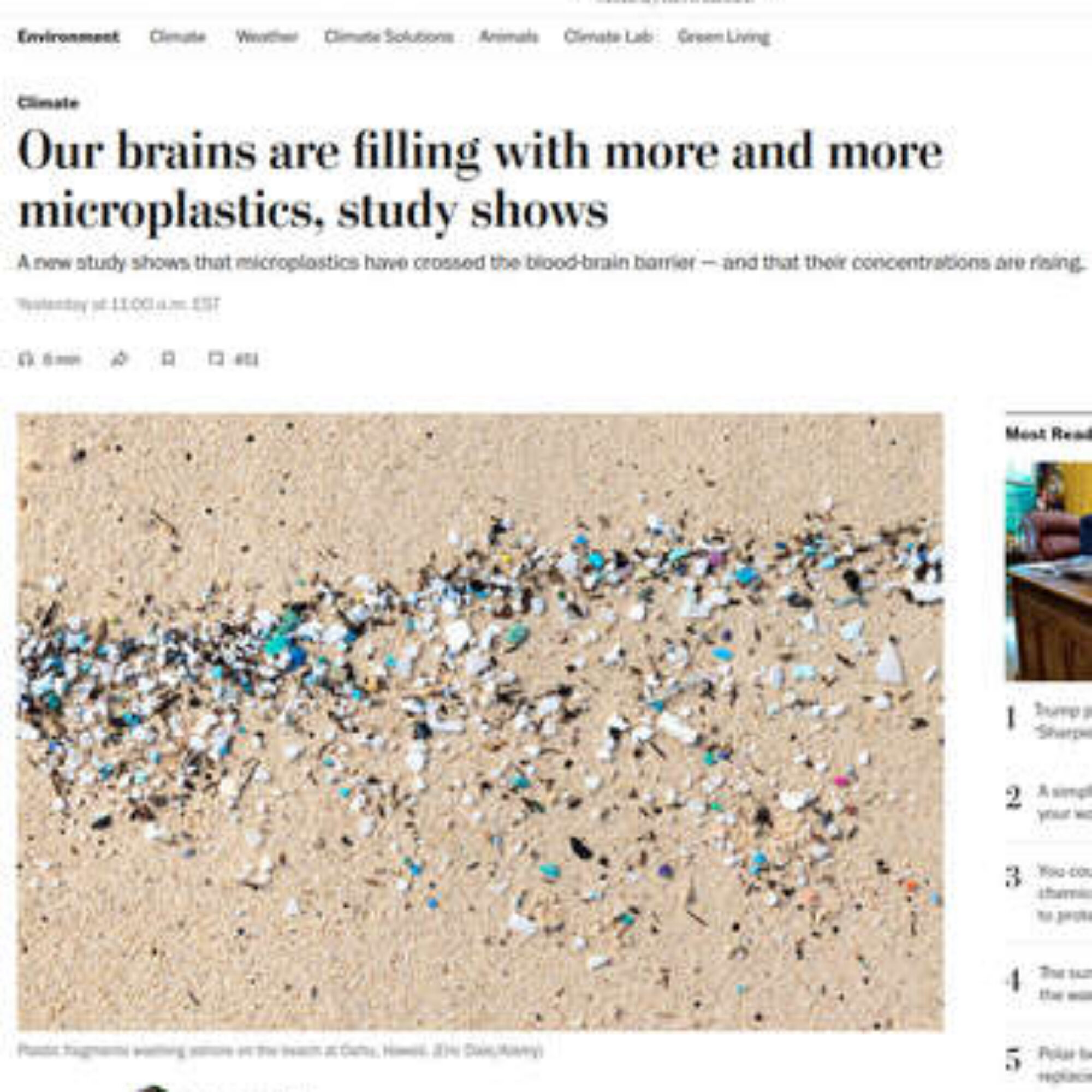
I try to avoid just quoting news. That's for social media, which I avoid. But sometimes the news merits it. Quoting the Washington Post: Our brains are filling with more and more microplastics, study shows A new study shows that microplastics have crossed the blood-brain barrier — and that their concentrations are rising. A new study shows that microplastics are making their way into human brains — with potentially dangerous effects onpeople’s health andmental acuity. A paper published Monday in Nature Medicine found that the tiny fragments of plastic are passing the blood-brain barrier and into human brains, and the amount of microplastics in the brain appears to be increasing over time. The concentration of microplastics in analyzed brains rose by about 50 percent from…

0 Comments

Why environmentalists fail and what environmentalism lacks: integrity, credibility, and experience

I like Nate Hagens's videos. We've hosted many of the same guests. A mutual friend put us in touch. I followed up, though he hasn't responded. I'm only using him as an example of someone going beyond caring about the environment to acting. Beyond caring, he understands the issues beyond what most people do. If you scroll down, you can see the full video that I pulled this clip from. A friend sent a link to the full video to me, saying it resonated with her. The part in this clip struck me because it exemplified one of the main problems I see in environmentalism. Can you tell what? The Two Problems I See First comes the lesser problem. He says sustainability has to fight…

0 Comments
Is space travel possible for Abrahamic religions?
NASA/ESA Hubble Space Telescope has trained its razor-sharp eye on one of the universe's most stately and photogenic galaxies, the Sombrero galaxy, Messier 104 (M104). The galaxy's hallmark is a brilliant white, bulbous core encircled by the thick dust lanes comprising the spiral structure of the galaxy. As seen from Earth, the galaxy is tilted nearly edge-on. We view it from just six degrees north of its equatorial plane. This brilliant galaxy was named the Sombrero because of its resemblance to the broad rim and high-topped Mexican hat. At a relatively bright magnitude of +8, M104 is just beyond the limit of naked-eye visibility and is easily seen through small telescopes. The Sombrero lies at the southern edge of the rich Virgo cluster of galaxies and is one of the most massive objects in that group, equivalent to 800 billion suns. The galaxy is 50,000 light-years across and is located 28 million light-years from Earth.

Is space travel possible for Abrahamic religions?

I was thinking about how some religions suggest people to pray facing east, Jerusalem, or Mecca. Quoting Wikipedia, "Prayer in a certain direction is characteristic of many world religions, such as Judaism, Christianity, Islam and the Bahá'í Faith." I couldn't help pursue the question. What happens if you're on Mars? How would you figure out the direction to one of these places from Mars? What if we achieved interstellar travel? How could someone figure out how to pray? If you have to pray and can't figure out what direction to face from a place, should you not go to that place? I thought I was exploring a frontier, but it turns out people have considered this question. According to a different Wikipedia article: The International…

0 Comments

Do you turn on the light when you wake up at night to go to the bathroom? Why it matters.

One of the more common line of questions people ask me when they learn I disconnected my apartment from the electric grid is what I do for light. Before I share what I share with them, if you're curious, you can find out easily: don't turn your lights on this evening. If you do the simple task of not dying, you'll find an answer. I'm no do-it-yourselfer. If you just don't die, you'll find more relevant answers for yourself than whatever I say. The more nights you do it, the more answers you'll find. Some nights you might talk with your family more. Others you might go out to volunteer. Others you might go to sleep earlier or meditate. You might post to your blog,…

0 Comments

Asymptotically approaching a finite number isn’t approaching zero, so we can increase efficiency forever and still increase pollution forever too.

Increasing efficiency forever can't reach zero waste for many physical processes, but I think people feel otherwise. Or fantasize. When you hear about airplanes being made more efficient, or electric vehicles, computers, or whatever, do you think that if we keep making them more efficient, they'll eventually not pollute? In the graph below, where the green curve approaches the horizontal line, it will lower forever but never drop below a certain amount. This pattern happens when processes have physical limits, like flying, cooking, or heating. You can make them forever more efficient but they'll never require zero energy or produce zero waste. Then if you multiply their use by an exponentially growing economy or number of people using them, their total pollution continues to increase.…

1 Comment

End of content

No more pages to load