Nature


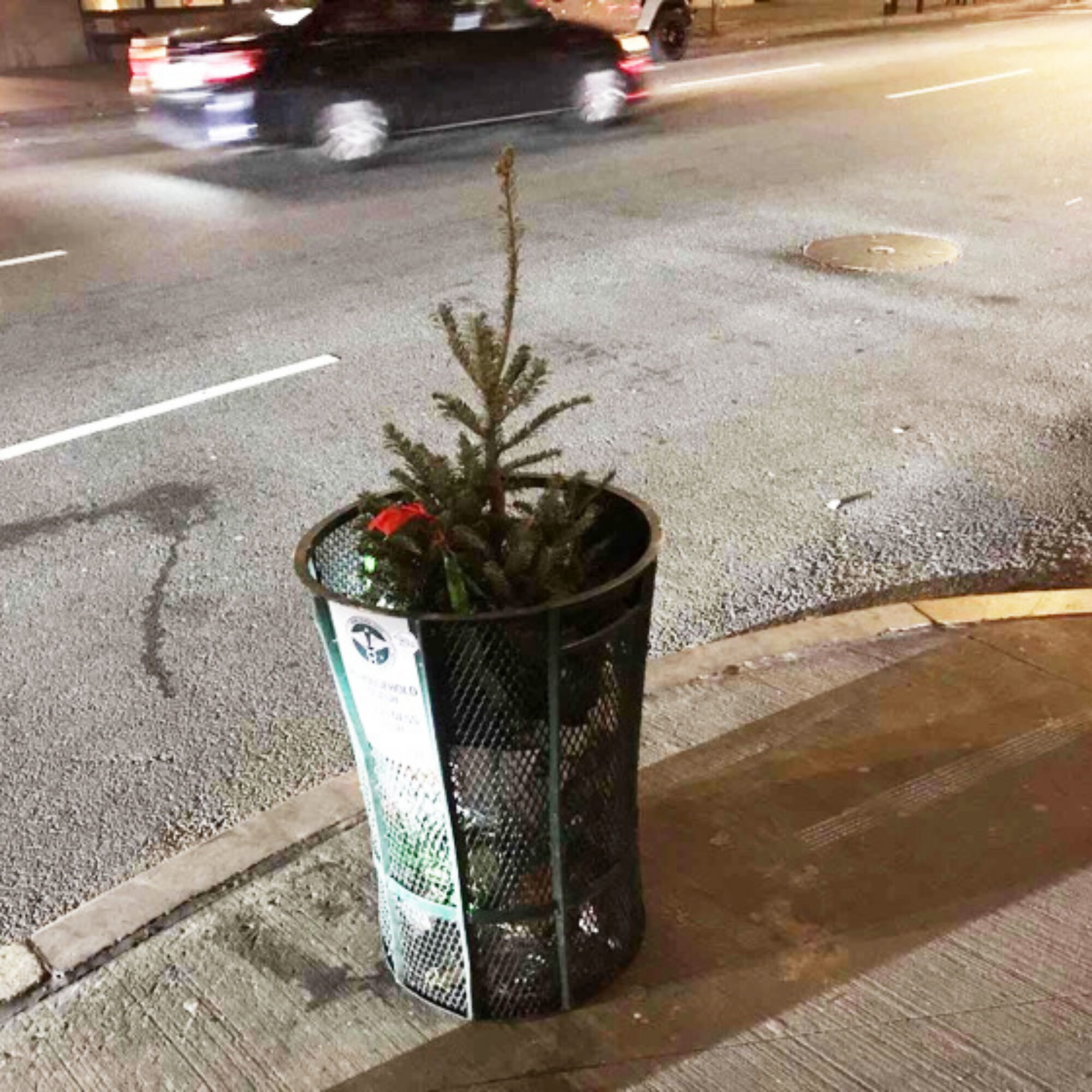
Ten days before Christmas people are already throwing away their Christmas pagan trees.

Ten days before Christmas people are already throwing away their Christmas pagan trees. Regular readers know I post pictures of how much people throw away trees they paid for being cut down. They're following a pagan tradition grafted onto one branch of Christianity. They probably try to believe some self-serving lies that the trees are grown or harvested sustainably, but we know they know. This year I told myself I would post fewer posts of the pictures, but then Sunday I saw the first tree of the season in a garbage can! How could I not comment and post on the depravity of this tradition? We created the tradition. We can change it to something more sustainable, or sustainable at all. If you haven't bought…

0 Comments

See the video from Monday’s book reading

Monday's book reading featured questions from AJ and participants about the writing process, my experience, what to do oneself, and other personal things. AJ is both supportive and leads people to give their all. We reminisced about my taking her workshop, in which I wrote the book's first draft. Only later did I see that that draft was just the start of writing the book. She asked me to read three sections. She described them all as powerful. I started with the introduction. Next I chose a part illustrating a major advance in how to understand my own self, why I am acting so much more than nearly anyone. Don't take for granted you know why you're doing what you do until you put yourself…

0 Comments

More reasonable thoughts on population

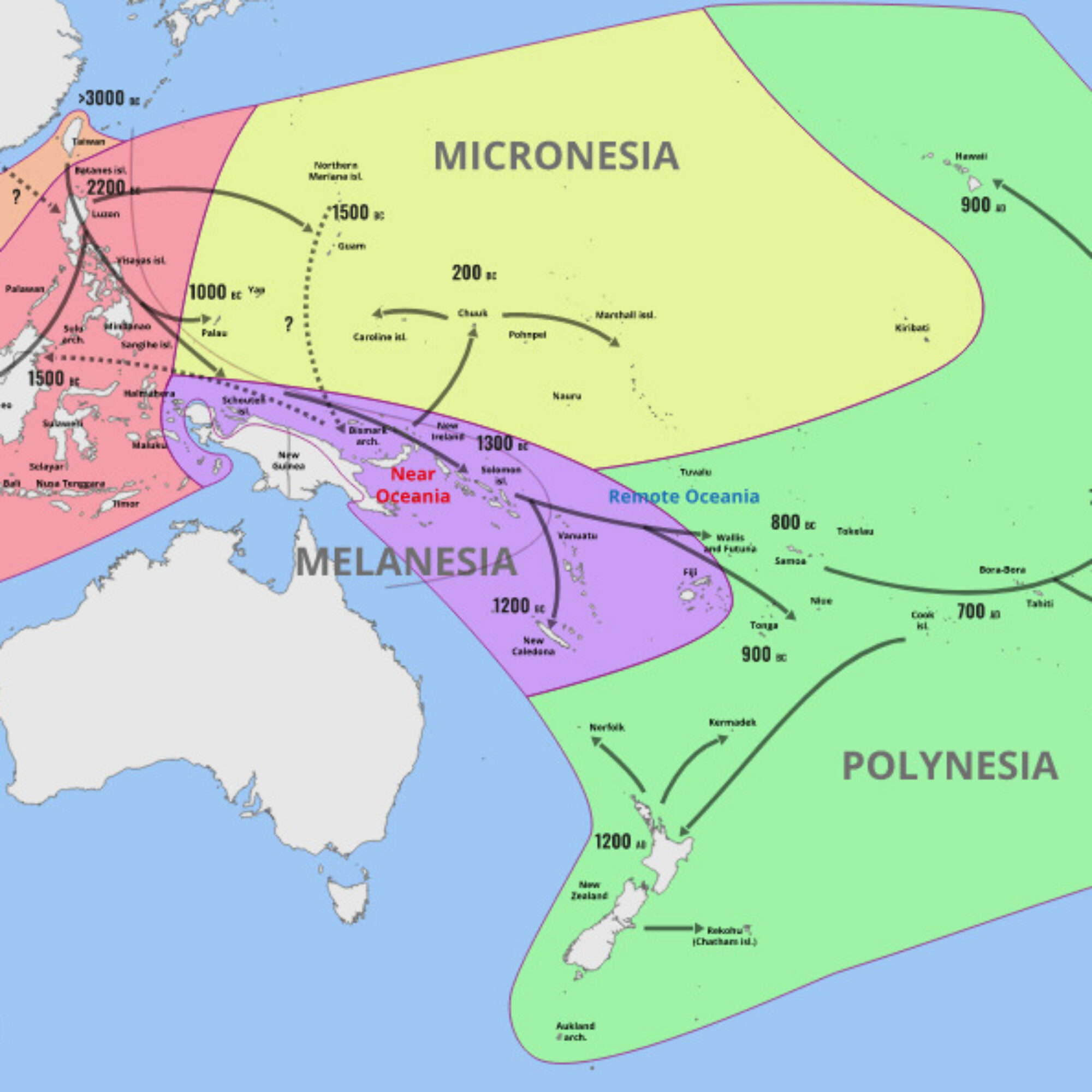
Following up my post a couple days ago Some early thoughts of a new way to quantify population and overpopulation, we would all benefit from developing ways to speak about population calmly. Currently, people think others with differing views risk destroying humanity and act as if their lives were at stake, willing to say and do what it takes to win. I've come up with a view I think may help. I'll say it about Hawaii, but it likely applied to many places humans lived over the last 250,000 years. As I understand, after Polynesians discovered the Hawaiian islands, they created settlements there that traded with the rest of Polynesia, but that trade eventually stopped. Hawaiians lived on Hawaii for something like five hundred years…

0 Comments

The challenge of the winter solstice and misunderstanding leadership

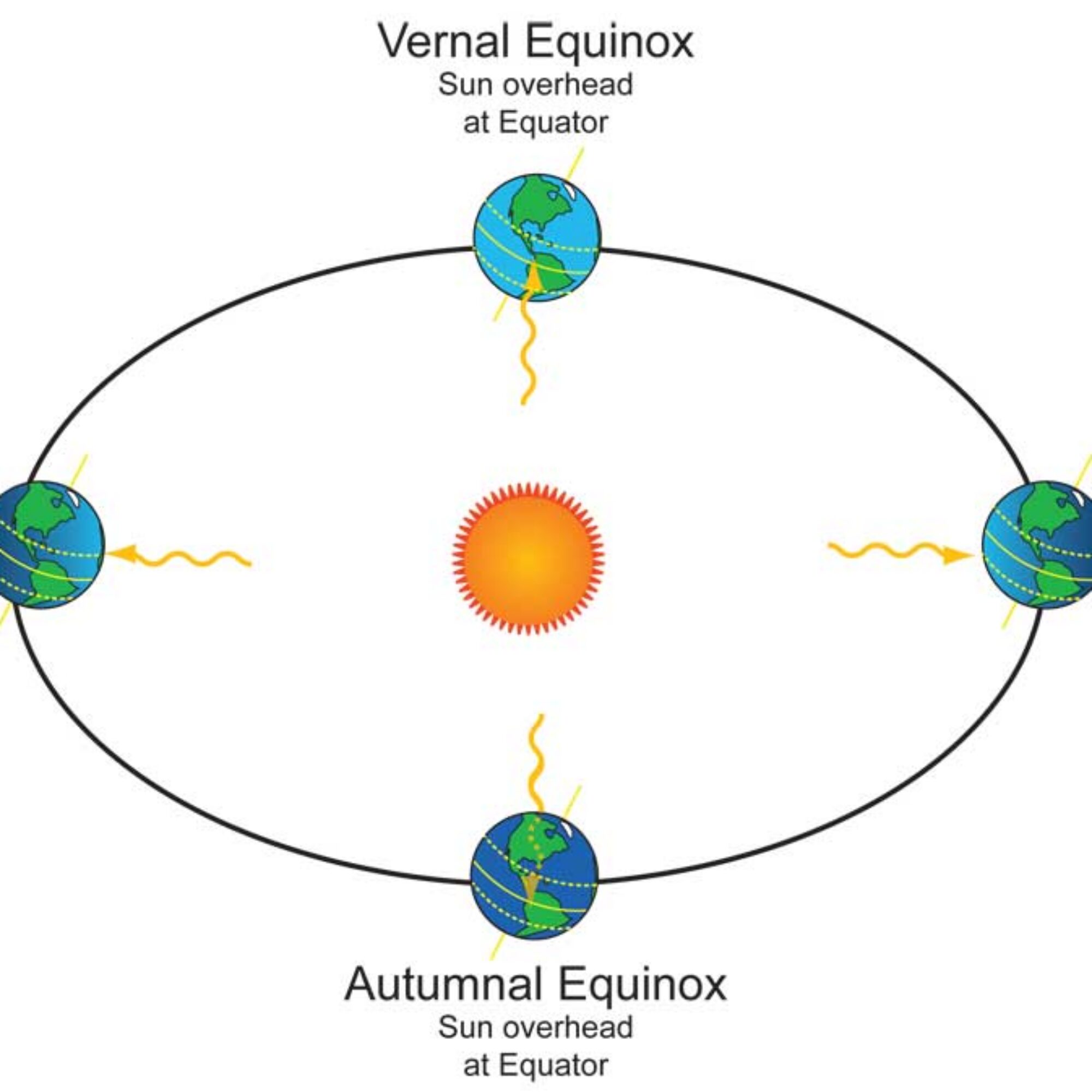
This morning on the way to charge the sign said 34 degrees (1C). The sun was so low on the horizon the usually sunny places I normally charge were in shadow most of the day. The solstice is three weeks away. It will be darker and colder for another three weeks. Then it will be another three weeks to come back to this long a day, though it will be colder. A friend told me she figured not many people would want to live this way, going outside for hours in the cold, not using appliances like a fridge. I was surprised. Who wants to live like this? The point of changing culture is to make living sustainable normal, as it was for 250,000 years…

0 Comments

Some early thoughts of a new way to quantify population and overpopulation

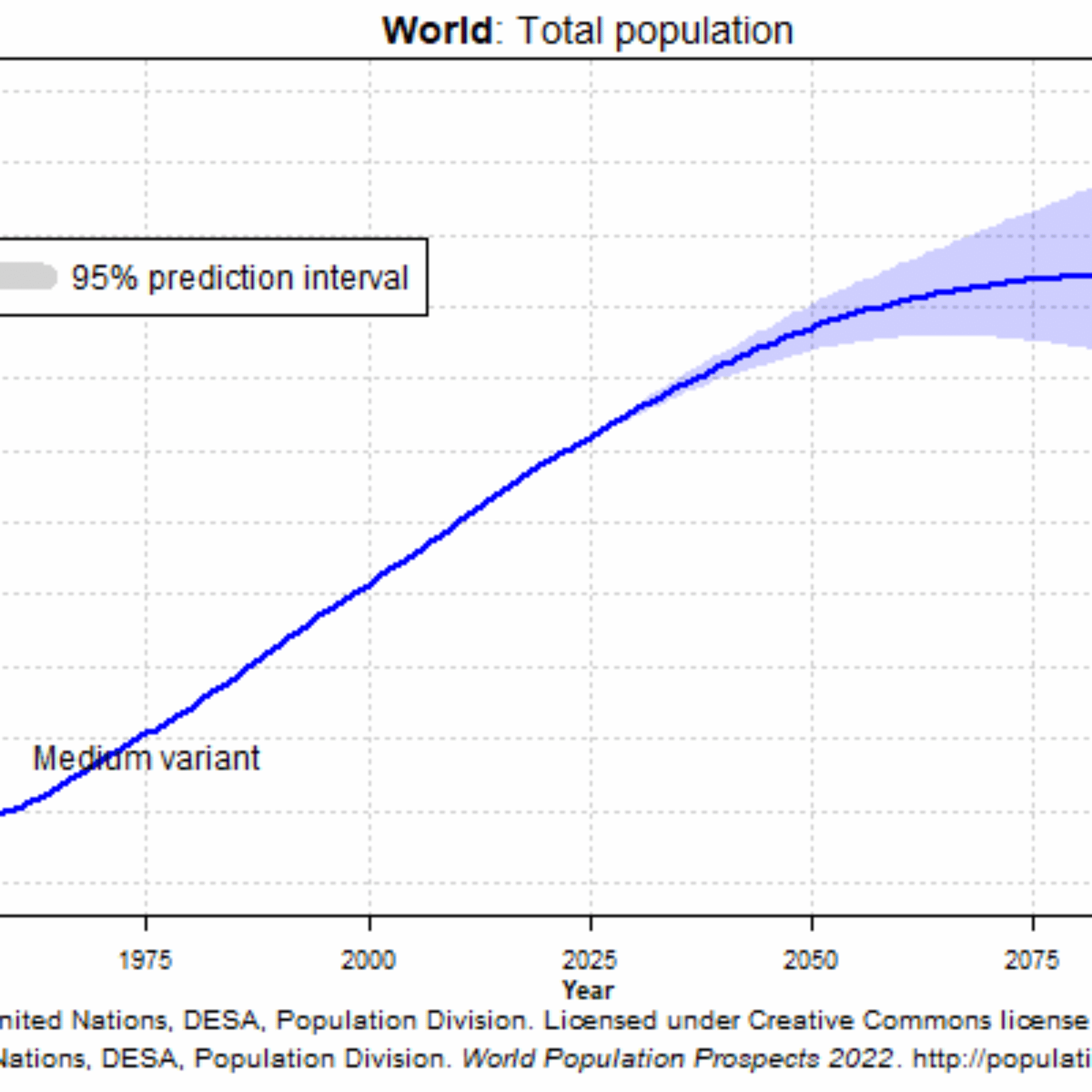
People freak out when the topic of population or overpopulation come out. Some people think humans have overpopulated the earth and risk pushing us into a population collapse. Others think humans may cause problems but we solve them too, so more humans means to them more solutions. They see the first group as anti-human. The first group sees the second as not understanding science. They don't want fewer humans. They want more humans, just not right now. I've been thinking about how to measure population in a way everyone would agree on. In physics, we learn to use proper units for everything. When people say iron is heavy, we get annoyed. Weight isn't what people mean when they say it's heavy. A pound of iron…

0 Comments

See me on the Radical World podcast: “The Power of Personal Transformation for Systemic Impact”

You'll hear a healthy dose of agreement on principle and disagreement on implementation between me and Matt Perez on sustainability leadership. He hosted me on the Radical World podcast. About the podcast: In a world shaped by force, we've dared to envision a different path. Together with like-minded guests startup founders, corporate leaders, and professionals from diverse backgrounds we're challenging the established norms. Our conversations on RADICAL WORLD delve into questioning the system and exploring radical transformation. Join us as we engage with guests who share our vision, charting a course towards our own RADICAL WORLD where new perspectives flourish and old paradigms are reimagined. Radical Pioneers: We will explore the origins of the Radical Movement through conversations with Matt and José. We dive into…

0 Comments

An astronaut I agree with in principle, but who is hurting sustainability, I fear

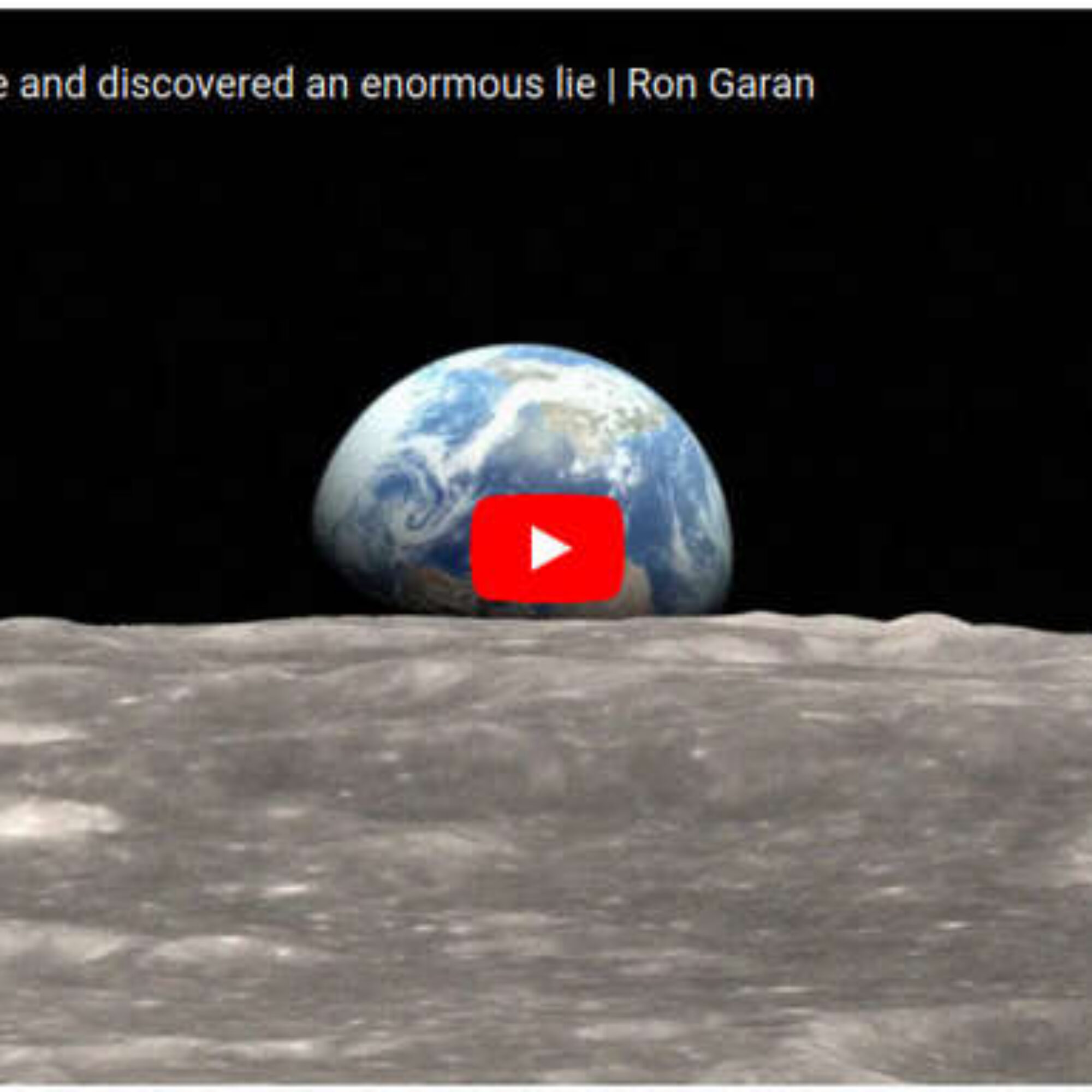
A reader sent me a link to this video by an astronaut, Ron Garan. He shares how seeing the earth from space changes astronaut's views on life and humanity's relationship with nature. I don't think it achieves the goal he wants. https://youtu.be/pJGCAWTgbn0 People can interpret it differently, but I conclude that he is saying seeing the earth from space offers a special and unique view of life that enables someone who has it to say and do more than others. I see this message hurting sustainability in several ways. (The Spodek Method avoids all the following problems. It connects us with intrinsic emotions and motivations we all have. Instead of suggesting people need to go to space to see humanity's fragility and connect us to…

0 Comments

Sustainability connecting me to nature: wonderful overall but challenging in the winter

Want to know the reason I I wrote yesterday about how relying on solar power connects me to nature and makes me humble to it? Because we're approaching the winter solstice. Despite a PhD in astrophysics that included helping build a satellite still taking data in orbit, I'm learning more about astronomy and many other parts of nature today. I'm not yet at the level of ancient Babylonians or Mayans, but over the years I'm seeing more directly the angle of the sun changing, along with the length of the day, and the patterns of where shadows fall and move. These days I'm thinking about it not out of wonder, though. I'm thinking of it because it's getting colder and windier. Shorter days also mean…

2 Comments

The first Christmas pagan dead trees of the season

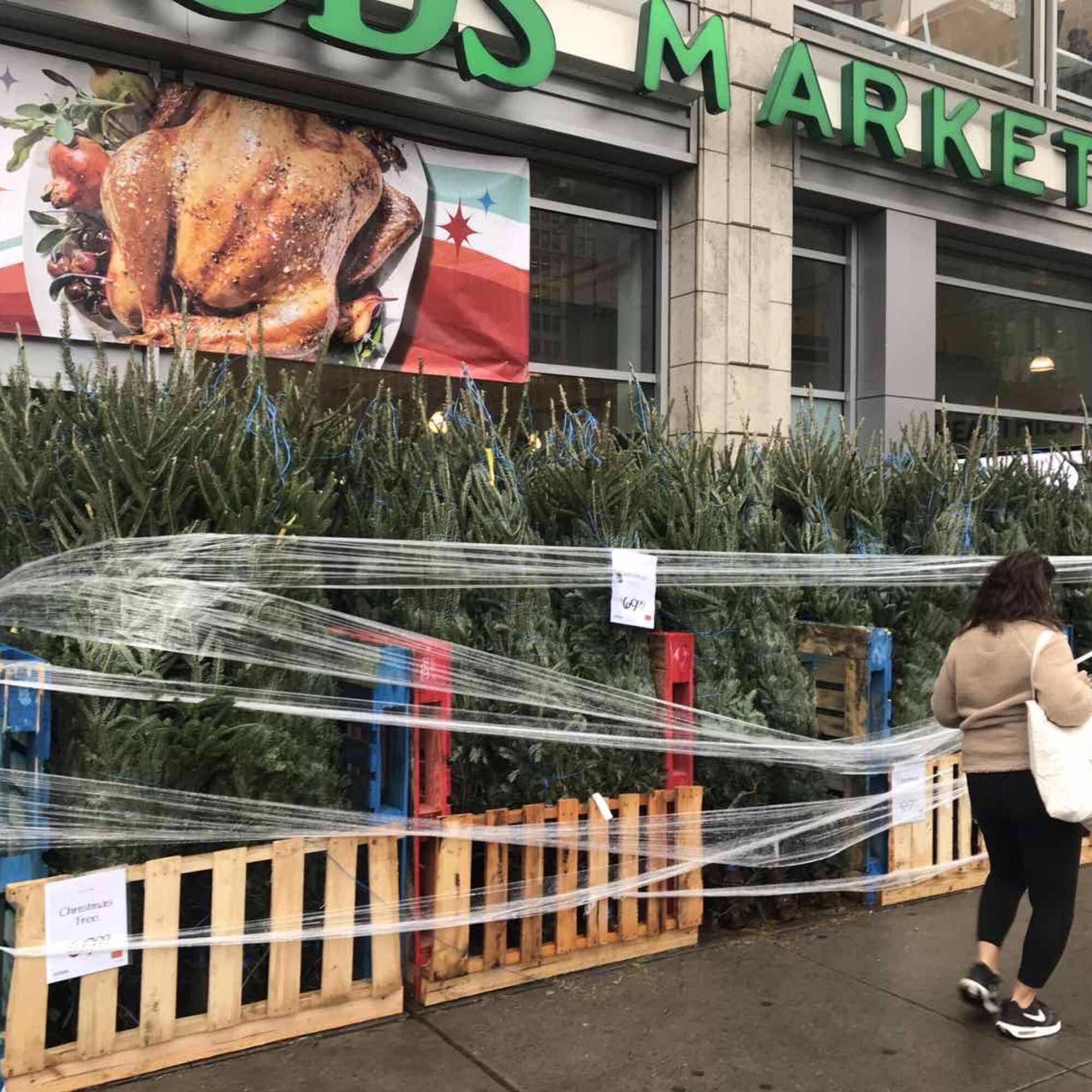
So-called Christmas trees have nothing to do with Jesus being born in Bethlehem and everything to do with pagan holidays, as I write about every year, for example in You Don’t Need a “Christmas” Tree—a pagan tradition. A reminder of the waste you can avoid, and other posts. We changed traditions to this needless one of cutting down trees and dumping them into landfills. We can change from it. Here is my first sighting of trees cut down for nothing to do with Jesus's birth. Usually I take pictures of them being put out for the sanitation department to haul to landfills, an example of a socialized cost for private benefit. This one is of them being prepared for sale, wrapped in poisonous plastic. As…

0 Comments

How long does it take to charge my battery?

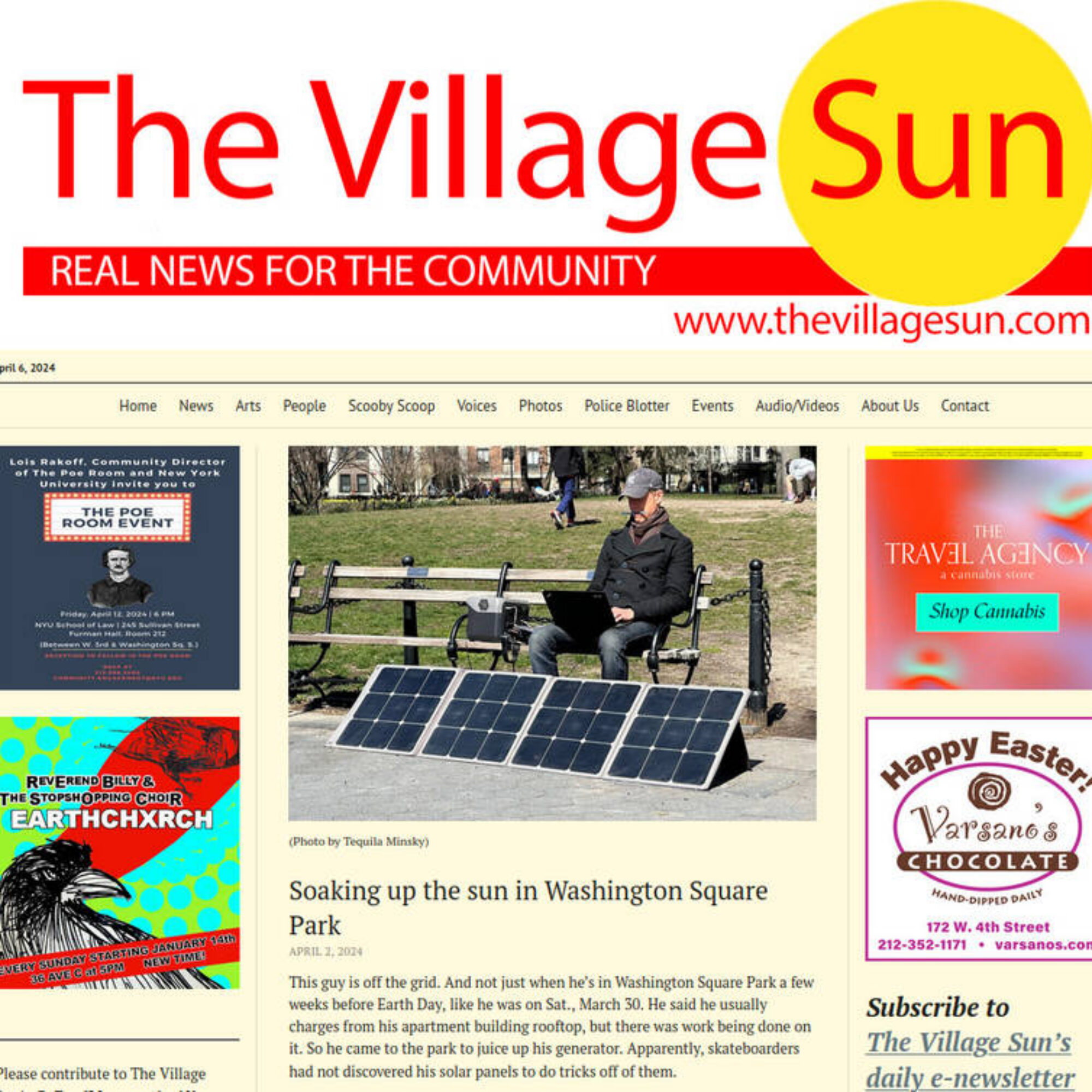
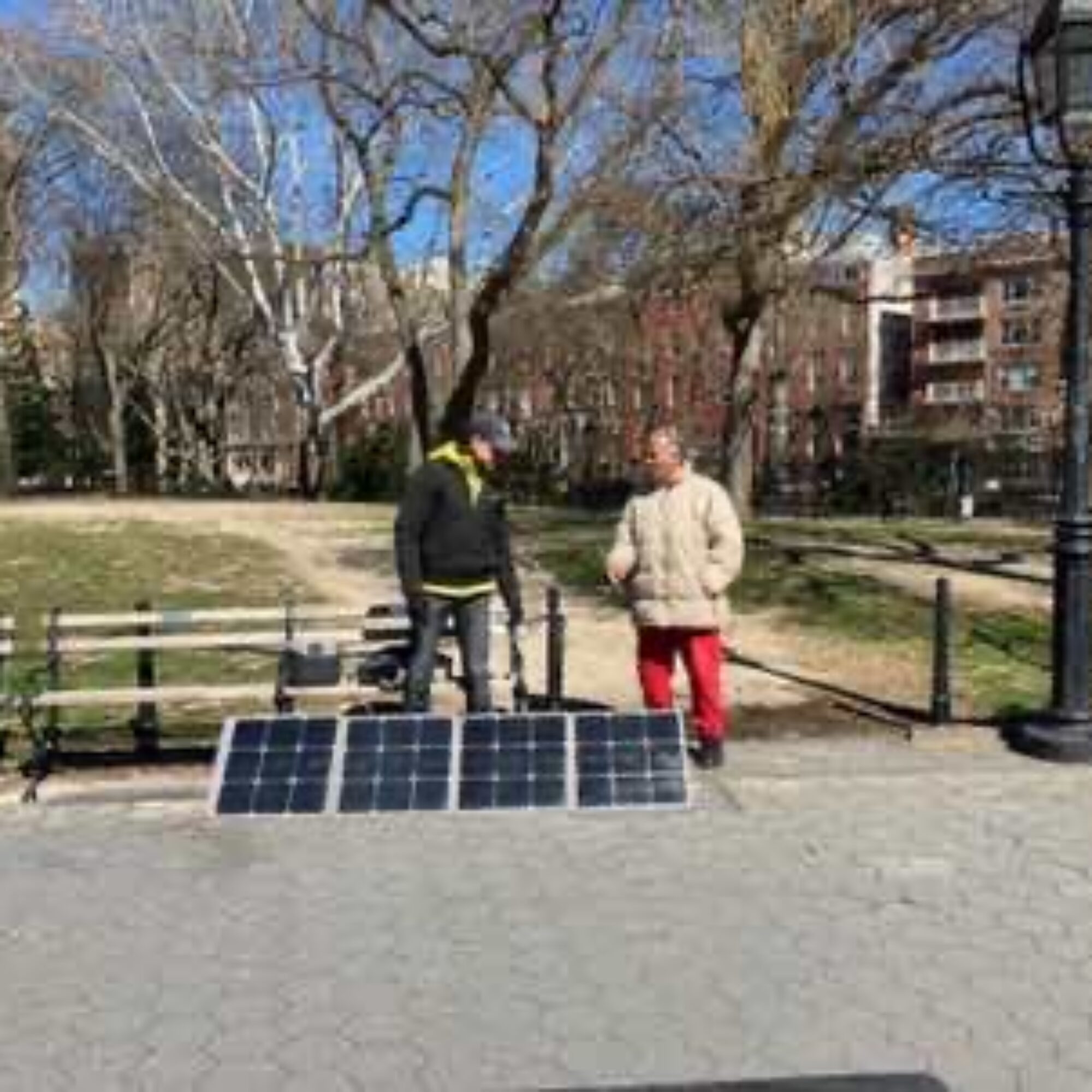
"How long does it take to charge your battery?" asks nearly everyone who sees me charging my solar panels, such as the guy in this picture: After a few times answering what they asked, I realized people have no idea what the numbers mean. If I tell them in full sunlight the battery charges in four hours, they don't know what the battery can then charge. I didn't know before I started that toasters burn through energy like crazy, I can't power the microwave at all, and phones can't charge faster even if my big battery is full. No one else knows it either. You need practical, hands-on, personal experience. A PhD in physics doesn't help, nor does desire, or being a well-known environmentalist, except…

0 Comments

Land acknowledgments and sustainability

A major point of my book Sustainability Simplified is that a culture being unsustainable means it is running out of something so must Revert to sustainability, Trade something it has in surplus with another culture that has a surplus of what it is running out of (in which case I consider them jointly a larger sustainable culture), or Take what it's running out of from another culture. There is a name for taking from another culture. It's imperialism. Taking their land is colonialism. You can oppose imperialism and colonialism all you want, if you live unsustainably, you're driving them both. You can blame governments or rulers for driving them, but they do it because the home market makes it profitable. If you live unsustainably, beyond…

0 Comments

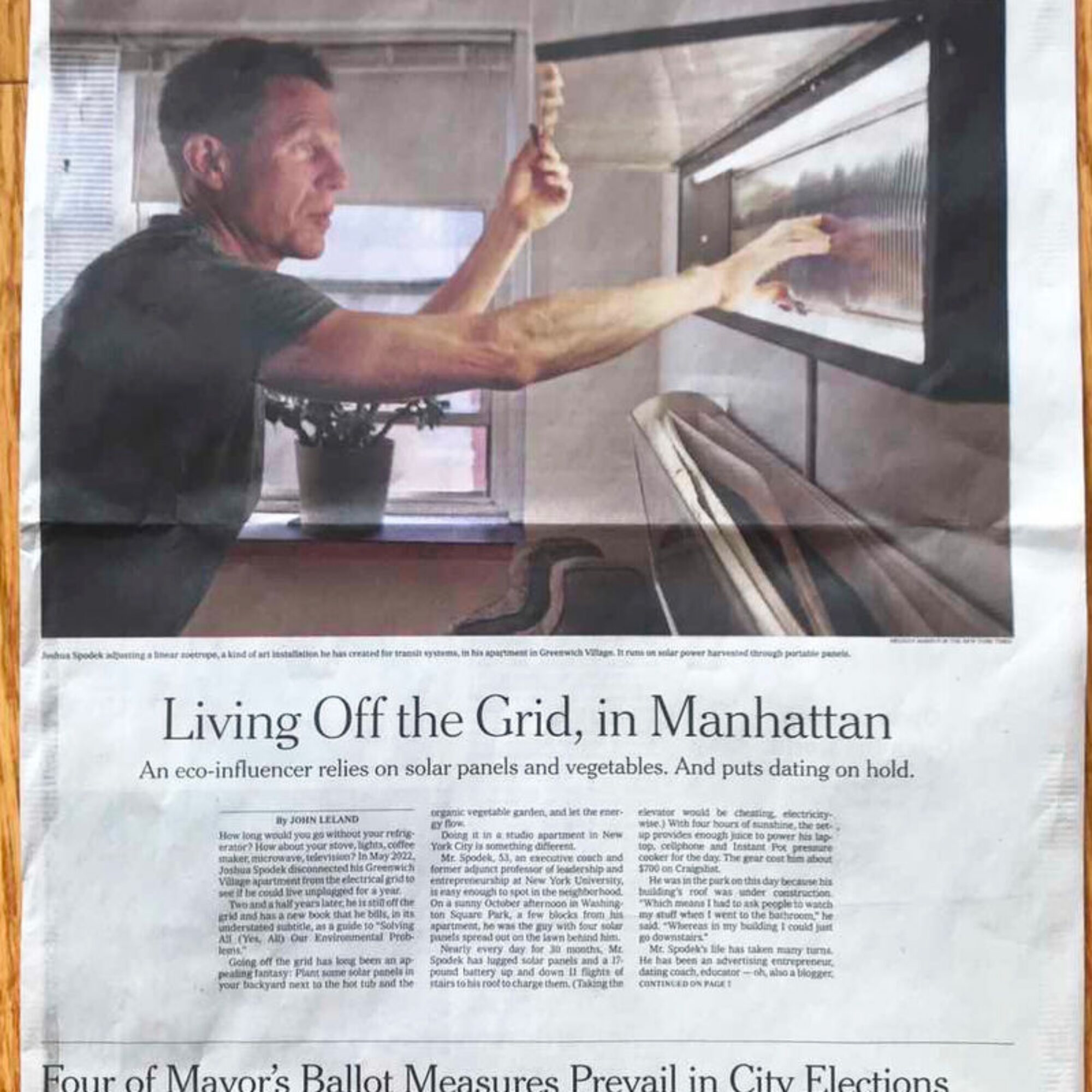
The Times featured my story on the front page of its Metro section

My phone is going crazy again this morning. The Times put the story on me on the front of the Metro section today. I wonder if the Times felt its readers could use some news they felt would brighten their days. showing a brighter future. The story behind the story Here's what I've shared with people about the piece, if you don't mind my copying an email I sent to some people who read my book, Sustainability Simplified, and posted reviews on it: Hi, Great news! The Times posted the story today! It portrayed my daily life, though missed my mission and purpose. Like a pianist playing scales, the point isn't just to practice the basics but to play Carnegie Hall. In my daily life…

2 Comments

A response to a common self-serving response to the NY Times profile of me

Here's a typical response on a forum to Tuesday's profile in the New York Times of me from someone who I think would describe themselves as environmentalist: I enjoyed the article, and your blog post. You are part of the tiny % of the comfortable class who voluntarily simplify. Of course there are 8 billion, most of whom live in INvoluntary simplicity, and are trying to increase their throughput. In fairness, the Times article missed that I focus on leading people, not hoping that by mere personal action I'll influence others or make a difference. Still, I've seen this type of response enough to see the pattern. Also in fairness, when we're addicted to many things in our lifestyles, it can be incredibly difficult even…

0 Comments

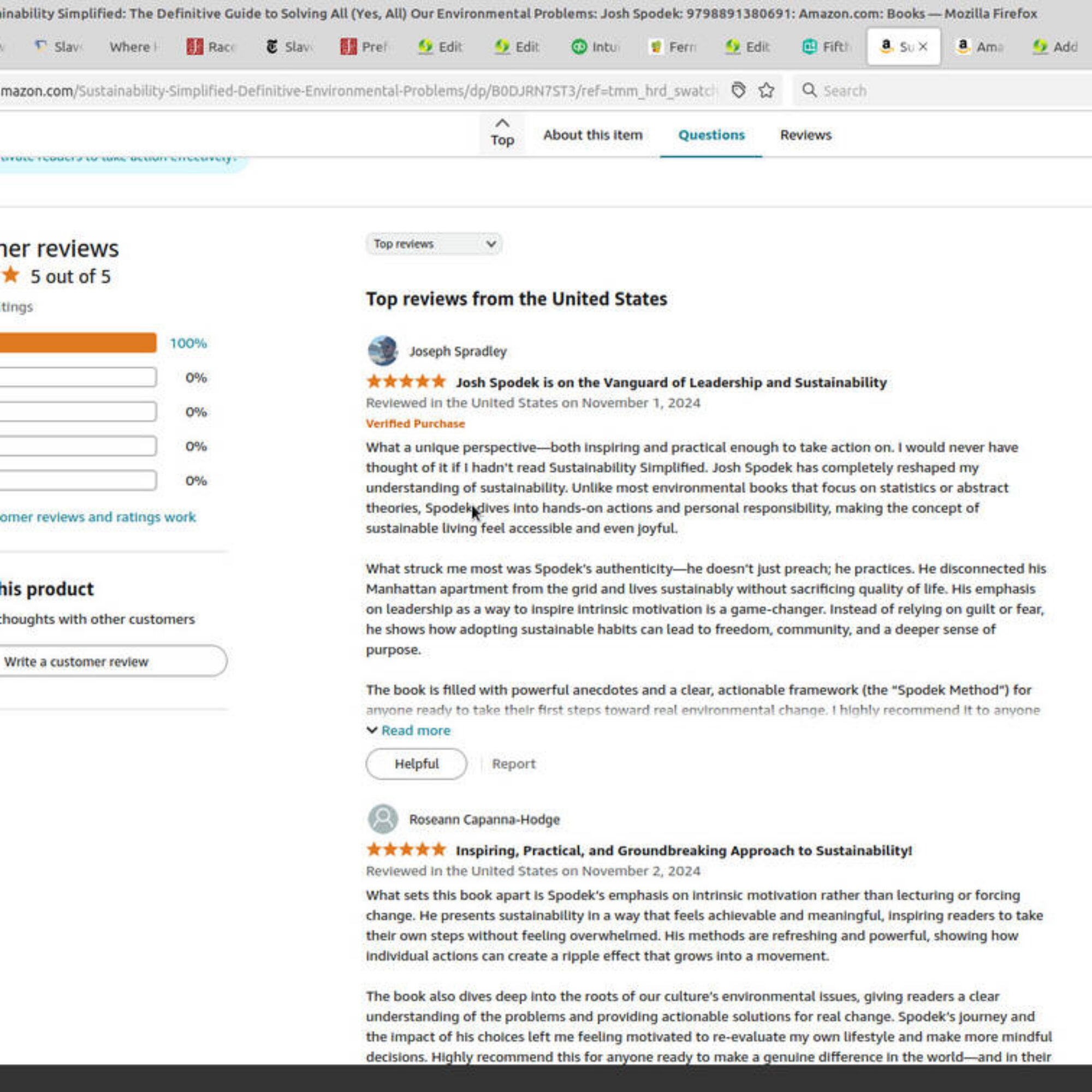
The reviews for Sustainability Simplified are coming in and look great.

The paperback has been up about a day, and the reviews are coming in. It's not Malcolm Gladwell level numbers yet, but a couple dozen reviews and all 5 stars so far. Making the book available feels great, as do the reviews so far. I wrote this book to help my mission, which is big, so putting the book up for sale is just the start. As much time and attention as the book took to write, it's the foundation. It's essential and I recommend it to anyone with working lungs, along with the workshop, but much more will follow. My mission is to help change American (and global) culture on sustainability and stewardship from expecting deprivation, sacrifice, burden, and chore to expecting rewarding emotions…

0 Comments

If you believe living more sustainably makes your life worse but you want sustainability, you’ll help your cause by shutting up (until you practice).

I've been remarking lately that every message I've heard on our environmental problems says that acting more sustainably means making my life worse for little chance of gain. I ask people if they know of counterexamples. If you do, please tell me, because no one has so far. Context Even ardent environmentalists suggest living more sustainably means giving up things I value for the possible benefit of someone else somewhere else at some other time, though it might not help. Also, some genius might fix the problem without me, superseding anything I did. In fact, someone has to supersede anything I or any individual could do in order to solve our problems fully, making my actions irrelevant. The rational response to a definite loss here…

2 Comments

“What about ambulances, fire trucks, and hospitals?”

"What about ambulances, fire trucks, and hospitals?", some people ask. "Don't they help us and require polluting?" "Checkmate," I can almost hear them thinking. "We can't get rid of them, so we have to keep culture going as is." Meanwhile Hawaiians lived sustainably over centuries, long past when Malthusian collapse, if inevitable, would have happened. Hawaiians lived on their own for centuries, longer than the time since the Enlightenment to today. They seem to have reached an optimal or at least stable, sustainable population. In a stable situation like theirs, life-extending technology would affect everyone. The longer I lived, the fewer births could happen without overshooting the islands' ability to sustain life. When I died, a couple could have another child. If technology or innovation…

0 Comments

What is the opposite of pollution? Loving your neighbor as yourself.

The opposite of pollution is loving your neighbor as yourself. After all, do you keep your garbage in your house forever? No, you get rid of it. That means you have your neighbors deal with it, as you would not deal with it yourself. Does it matter that those neighbors aren't your next door neighbors but are poor and distant? How can you love your neighbor as yourself except not to create waste that you dump on them? Humans don't need to pollute or deplete for health, safety, or security. We do to maintain our culture, but we can change our culture. Do you have the exhaust of your car or plane go into the cabin with you? No, you blast it into the atmosphere…

0 Comments

How to pave a state

I once read about two percent of the US is paved. Two percent of fifty is one, implying about one state worth of the US is paved. How do we reach the point of paving an entire state's worth of land? It seems to me: First we tread over similar land to create dirt paths. Then we tread over them enough that rain makes them muddy enough to make them impassable or unusable at times. Then we pave them over to make them unaffected by water. If earlier steps removed life from them, paving them made them unable to sustain life. They become deadly. Then we pave more around them. Then we create machines that enable us to travel faster on paved roads. Then we…

0 Comments

Everyone looks for holes in sustainability, expecting it to unravel, but it’s self-consistent. Unsustainability has holes and doesn’t work.

One of the more common responses to my suggesting eight billion people live sustainably, along with governments and corporations, is to suggest thing after thing the other person thinks wouldn't work. "What about cars? How will people get around?" "What about family?" "But they won't be able to create energy." "What about police and ambulances?" The list of attempts to challenge sustainably goes on. They aren't being rational. They're just reacting to emotions of wanting to avoid changing, to avoid trying, to do anything besides keeping doing what they've been doing and expected to keep doing. Among other things, they hope to find holes in sustainability. If only they find an inconsistency in living sustainably they can not try. I did it. "A meteor the…

0 Comments

“We’re Running Out of Time—Can Sustainability Save Us? with Joshua Spodek” Hear me on the Compassiviste Dialogues

Ali Horriyat and I have become friends since we started recording together. He hosts the Compassiviste Dialogues podcast. Friendship doesn't mean always agreeing. On the contrary, I consider one of the roles of friendship---true friendship---is to disagree when appropriate and to confront a friend when you think they're wrong, deserve criticism, or the like. People who aren't friends may hold back from confrontation. That holding back may be polite, but it may hold the person back from the opportunity to grow. We allude in the recorded conversation to our previous conversation where we---to put it politely---disagreed with each other and let each other have a piece of our mind. I think that friendly confrontation led to this conversation being more meaningful. Ali brought out of…

0 Comments

Mark 12:31: “The second command is equally important: ‘Love your neighbor as yourself.’ No other commandment is greater than these.”

Would you drive a car that sent its exhaust into where you sit? Would you fly in a plane that sent its exhaust into the cabin? Would you dispose of all your garbage by digging a hole in your yard and keeping it there forever? If you send the exhaust and garbage into the rest of the world, it doesn't go away. You've made your problem your neighbors' problem. If you were in a situation, like camping or hiking, where you only had enough water to last you the trip, would you squander and waste it? Polluting and depleting favor yourself over your neighbors. Since I define leadership as helping people do what they already wanted to but haven't figured out how, in my sustainability…

0 Comments

Fridgeless Means Fresher Food; Day 1 Year 4 without a fridge (like all humans before about 100 years ago)

On September 30, 2021, I unplugged my fridge, aiming for 8 months. I had unplugged it based on an article on one of my favorite sites, Low Tech Magazine: Vietnam's Low-tech Food System Takes Advantage of Decay. I learned much of the world uses less refrigeration than Americans. We think of fridges as keeping food fresh, but other places have Healthier diets More delicious food Fresher food Cheaper food Less doof Less doof addiction Less pollution More local supply chains The first time I unplugged, I made it 3.5 months. The next time, 6 months. I aimed for 8 months this time, but once I made a year I kept going. I doubt I'll go back to using a fridge. It's too expensive, polluting, and…

0 Comments

How and why to fix the standard greenhouse effect diagram

You know the usual schematic diagram of the greenhouse effect. Here are a couple for reference: and What's missing? Humans creating power for ourselves creates heat. It happens if we create it through burning fossil fuels, using nuclear power, and even fusion. Using solar panels absorbs extra heat. I hope you respond that whatever heat we produce is negligible. Today it is, but since industry and our current lifestyles require energy, the amount of heat we produce will scale with the economy. If our economy grows two or three percent per year, that's exponential, meaning the heat we produce will increase exponentially. This paper in Nature Physics by podcast guest Tom Murphy, and author of what I consider the science book of the decade, does…

0 Comments
I spoke to a New York City public high school class on astrophysics and sustainability. Here’s the recording.
My high school---Central High School

I spoke to a New York City public high school class on astrophysics and sustainability. Here’s the recording.

I was invited to speak to a New York City public high school class on astrophysics. About fifteen minutes in, I mentioned how I answer a common question people ask of me: "Do you still use your physics degree?" I consider my sustainability leadership work an application of science so, yes, I still use the science I learn, but not in a white lab coat in a lab. I thought of making a podcast episode of it, but it's too unfocused. I still wanted to share it, because even though only I had the microphone, you can't hear the kids or teachers, you can still tell from their interest and my responses the interests of the kids. They were more interested in sustainability than astrophysics.…

0 Comments

What AI does for you it will do more and better for people richer than you

People are asking a lot: will artificial intelligence help or hurt us more. In nearly every answer I hear, the person starts thinking of ways they can use AI to help them achieve their goals. They sometimes temper the desirable results they come up with concerns that it may take away jobs. But the biggest problems in the world aren't lack of jobs. The biggest problems are caused by humans---things like tyranny, fascism, dominance hierarchies, doof, addiction, and things some humans inflict on others. The humans causing those problems aren't likely thinking, "How can I make people's lives worse?" They're more likely acting on values they consider good, right, and natural. Being at the top of a dominance hierarchy means they can control necessary resources…

0 Comments

End of content

No more pages to load