Nature


Everyone looks for holes in sustainability, expecting it to unravel, but it’s self-consistent. Unsustainability has holes and doesn’t work.

One of the more common responses to my suggesting eight billion people live sustainably, along with governments and corporations, is to suggest thing after thing the other person thinks wouldn't work. "What about cars? How will people get around?" "What about family?" "But they won't be able to create energy." "What about police and ambulances?" The list of attempts to challenge sustainably goes on. They aren't being rational. They're just reacting to emotions of wanting to avoid changing, to avoid trying, to do anything besides keeping doing what they've been doing and expected to keep doing. Among other things, they hope to find holes in sustainability. If only they find an inconsistency in living sustainably they can not try. I did it. "A meteor the…

0 Comments

“We’re Running Out of Time—Can Sustainability Save Us? with Joshua Spodek” Hear me on the Compassiviste Dialogues

Ali Horriyat and I have become friends since we started recording together. He hosts the Compassiviste Dialogues podcast. Friendship doesn't mean always agreeing. On the contrary, I consider one of the roles of friendship---true friendship---is to disagree when appropriate and to confront a friend when you think they're wrong, deserve criticism, or the like. People who aren't friends may hold back from confrontation. That holding back may be polite, but it may hold the person back from the opportunity to grow. We allude in the recorded conversation to our previous conversation where we---to put it politely---disagreed with each other and let each other have a piece of our mind. I think that friendly confrontation led to this conversation being more meaningful. Ali brought out of…

0 Comments

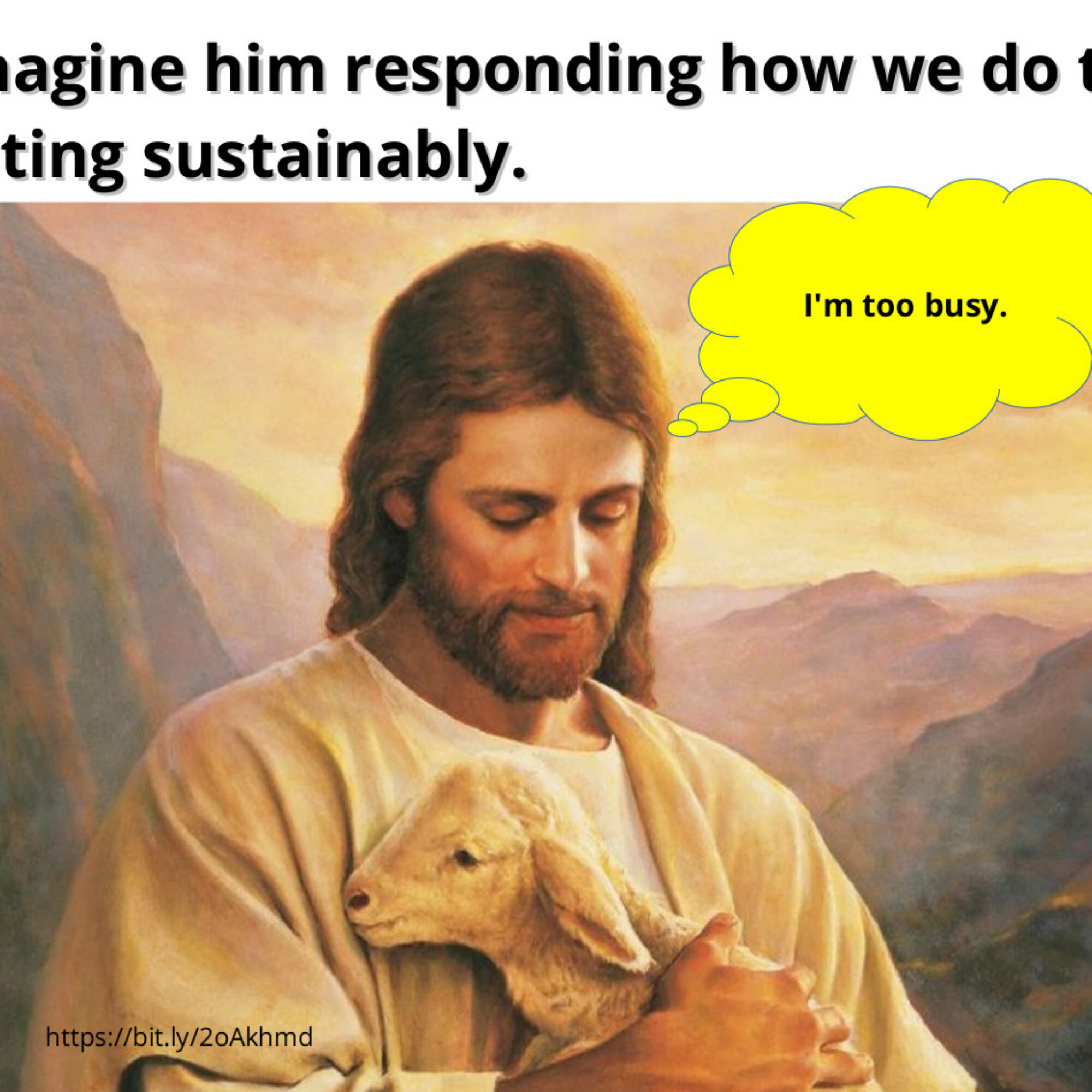
Mark 12:31: “The second command is equally important: ‘Love your neighbor as yourself.’ No other commandment is greater than these.”

Would you drive a car that sent its exhaust into where you sit? Would you fly in a plane that sent its exhaust into the cabin? Would you dispose of all your garbage by digging a hole in your yard and keeping it there forever? If you send the exhaust and garbage into the rest of the world, it doesn't go away. You've made your problem your neighbors' problem. If you were in a situation, like camping or hiking, where you only had enough water to last you the trip, would you squander and waste it? Polluting and depleting favor yourself over your neighbors. Since I define leadership as helping people do what they already wanted to but haven't figured out how, in my sustainability…

0 Comments

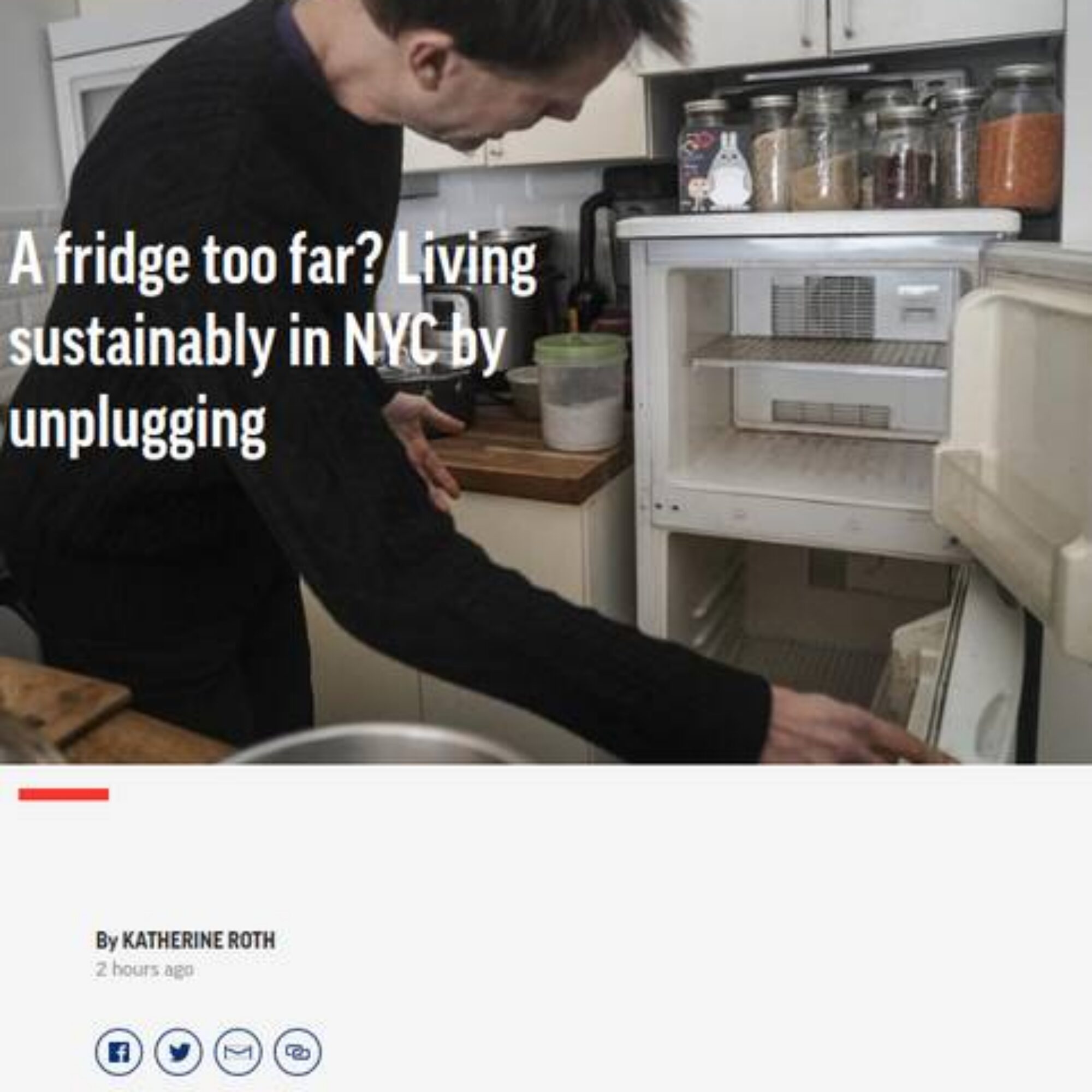
Fridgeless Means Fresher Food; Day 1 Year 4 without a fridge (like all humans before about 100 years ago)

On September 30, 2021, I unplugged my fridge, aiming for 8 months. I had unplugged it based on an article on one of my favorite sites, Low Tech Magazine: Vietnam's Low-tech Food System Takes Advantage of Decay. I learned much of the world uses less refrigeration than Americans. We think of fridges as keeping food fresh, but other places have Healthier diets More delicious food Fresher food Cheaper food Less doof Less doof addiction Less pollution More local supply chains The first time I unplugged, I made it 3.5 months. The next time, 6 months. I aimed for 8 months this time, but once I made a year I kept going. I doubt I'll go back to using a fridge. It's too expensive, polluting, and…

0 Comments

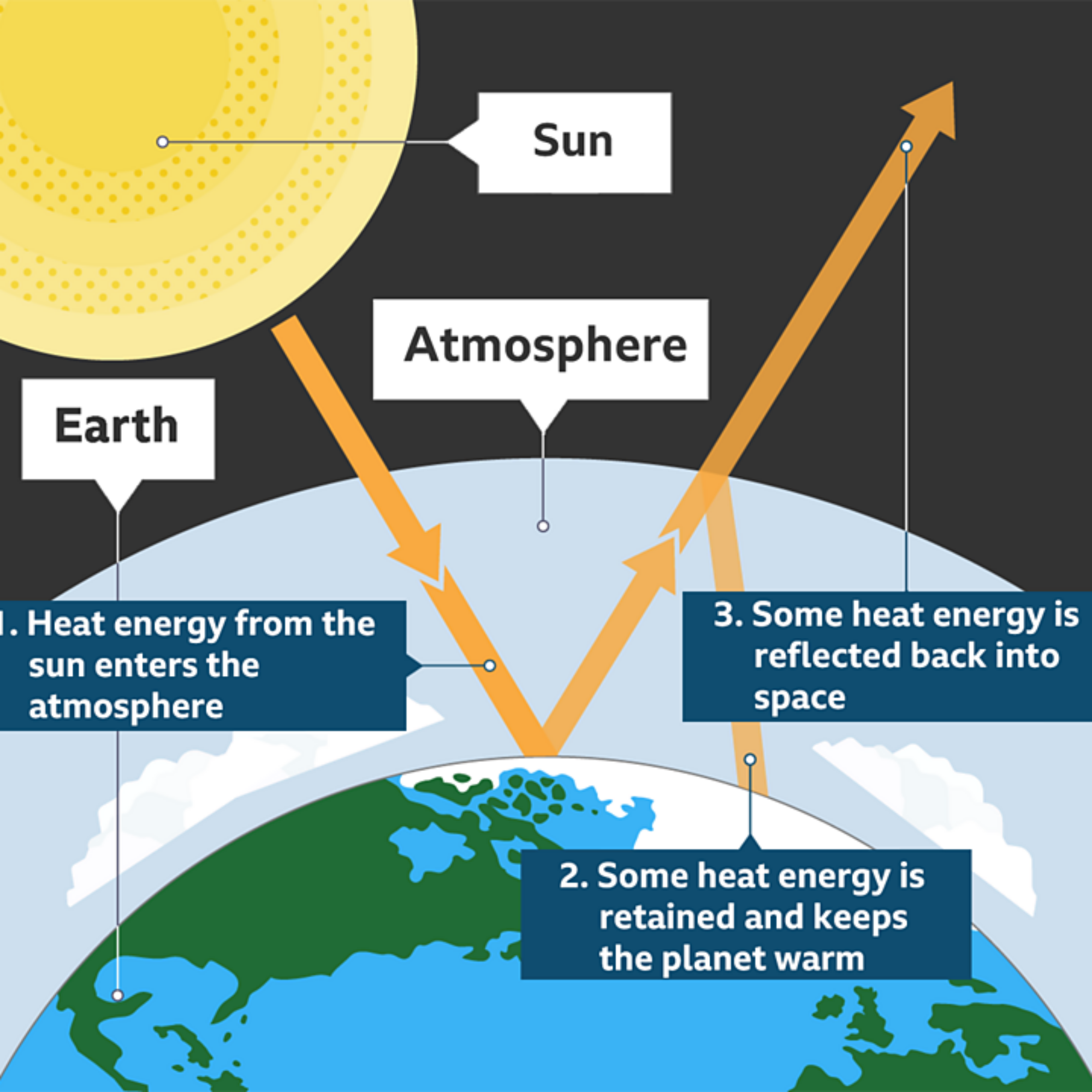
How and why to fix the standard greenhouse effect diagram

You know the usual schematic diagram of the greenhouse effect. Here are a couple for reference: and What's missing? Humans creating power for ourselves creates heat. It happens if we create it through burning fossil fuels, using nuclear power, and even fusion. Using solar panels absorbs extra heat. I hope you respond that whatever heat we produce is negligible. Today it is, but since industry and our current lifestyles require energy, the amount of heat we produce will scale with the economy. If our economy grows two or three percent per year, that's exponential, meaning the heat we produce will increase exponentially. This paper in Nature Physics by podcast guest Tom Murphy, and author of what I consider the science book of the decade, does…

0 Comments
I spoke to a New York City public high school class on astrophysics and sustainability. Here’s the recording.
My high school---Central High School

I spoke to a New York City public high school class on astrophysics and sustainability. Here’s the recording.

I was invited to speak to a New York City public high school class on astrophysics. About fifteen minutes in, I mentioned how I answer a common question people ask of me: "Do you still use your physics degree?" I consider my sustainability leadership work an application of science so, yes, I still use the science I learn, but not in a white lab coat in a lab. I thought of making a podcast episode of it, but it's too unfocused. I still wanted to share it, because even though only I had the microphone, you can't hear the kids or teachers, you can still tell from their interest and my responses the interests of the kids. They were more interested in sustainability than astrophysics.…

0 Comments

What AI does for you it will do more and better for people richer than you

People are asking a lot: will artificial intelligence help or hurt us more. In nearly every answer I hear, the person starts thinking of ways they can use AI to help them achieve their goals. They sometimes temper the desirable results they come up with concerns that it may take away jobs. But the biggest problems in the world aren't lack of jobs. The biggest problems are caused by humans---things like tyranny, fascism, dominance hierarchies, doof, addiction, and things some humans inflict on others. The humans causing those problems aren't likely thinking, "How can I make people's lives worse?" They're more likely acting on values they consider good, right, and natural. Being at the top of a dominance hierarchy means they can control necessary resources…

0 Comments

“You take care of things you found in the trash more than others take care of things they bought.”

A friend who visited broke a couple things of mine. They were fixable, but when he damaged one things by treating it cavalierly I said, "treat everything like it's valuable." He was taken aback since I had told him I had found this thing---a laundry drying rack. Some neighbor was throwing it out. It worked so I kept and used it. On last Fridays of the month, if I walk around the neighborhood, I can find tons of perfectly good things people throw out when they move. When traveling, I've seen the pattern in many neighborhoods, rich and poor. The weekly disposal of perfectly good things pales in comparison to NYU dorms at the end of a semester, so presumably many universities, but that's another…

0 Comments

Do you value consent?

Do you value getting consent for actions one person does that affect another? When you use plastic, fill up a tank of gas, buy an airplane ticket, did you get consent from the people whose air, land, and water your actions pollute and deplete? Do you think you should? Do you wish people who polluted and depleted your world had tried to get your consent?

0 Comments

It’s not climate anxiety. *People* are causing that anxiety, destroying life, liberty, and property with impunity.

It's natural to think of our environmental problems as issues of science, technology, or markets. We learned of them from scientists. Technologists and business people said they could solve them, but they're social. The environment isn't changing on its own. We're changing it. Pollution destroys life, liberty, and property, mentioned throughout the US Constitution. We feel anxiety not from an effectively abstract "climate," but because people can unilaterally destroy our life, liberty, and property with impunity. Isn't there an entity that is supposed to protect life, liberty, and property? According to even ardent supporters of limited government, it's government. As Milton Friedman put it, “I'm not in favor of no government. You do need a government . . . There's no other institution in my…

0 Comments

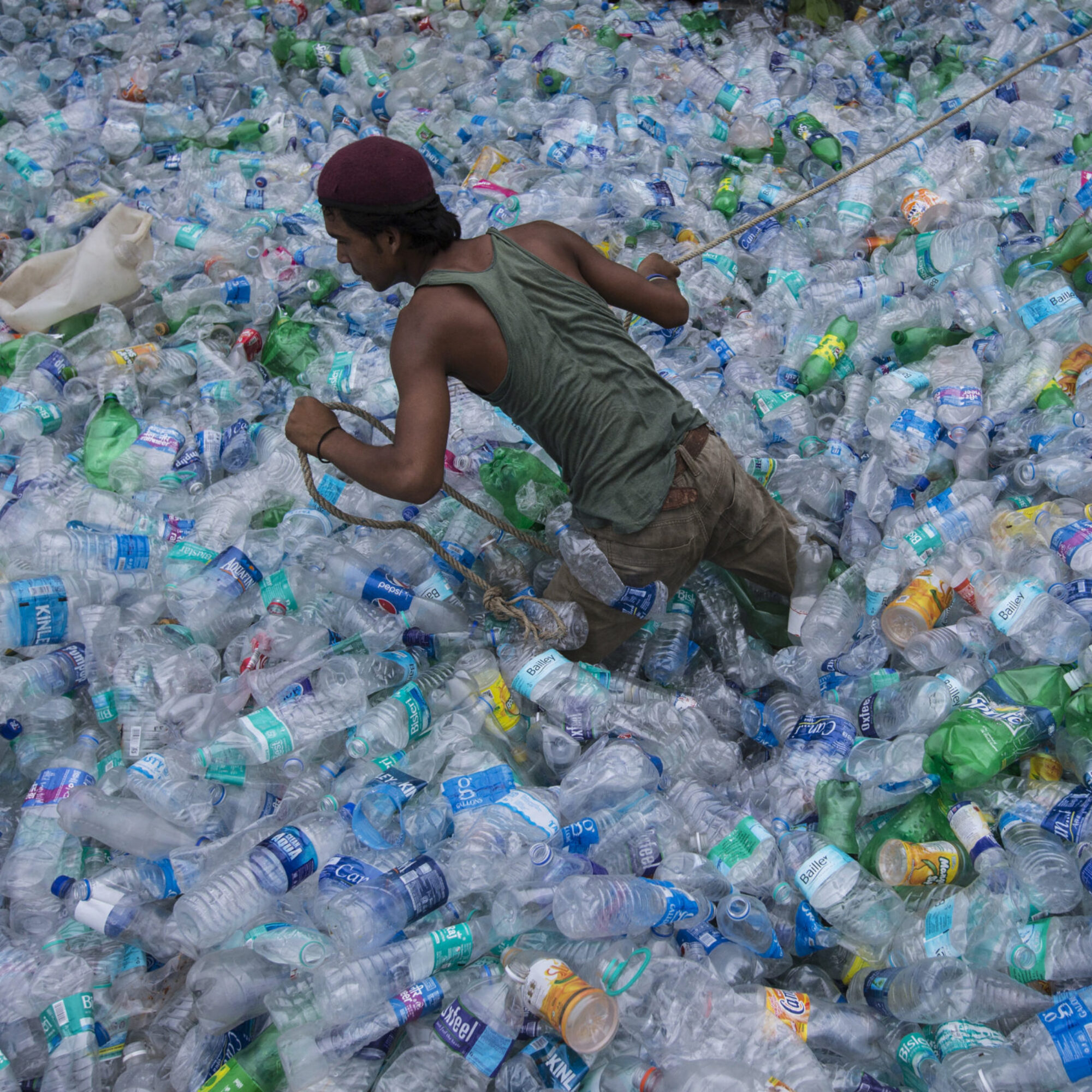
The end of plastics

People seem concerned about microplastics. They're in all our bloodstreams. The endocrine disrupting chemicals they leech out probably contribute to globally rising birth defects and globally falling sperm counts. You've probably read about it all. Since plastic doesn't change to non-plastic when it breaks down, but it all breaks down, all plastic will become microplastic. I guess we might burn some and it becomes other pollution, but nearly all of it will become microplastic, which will last something like 500 to 1,000 years. I don't see how any of it being recycled or put in landfills would prevent it from eventually making it in to the oceans. Even stuff in landfills, as sea levels rise, oceans will flood the landfills. We'll have a hard enough…

0 Comments

Are more people always better?

People freak out when talking about population. Many seem unable to talk about deliberately choosing smaller populations from the litany of hating humanity, thinking humanity is like cancer or a virus, eugenics, Nazism, fascism, racism, or sexism. Did I forget any? Steven Pinker wrote that people who talk about population control “repudiate technology and economic growth, and to revert to a simpler and more natural way of life” and are part of a “quasi-religious ideology … laced with misanthropy, including an indifference to starvation, an indulgence in ghoulish fantasies of a depopulated planet, and Nazi-like comparisons of human beings to vermin, pathogens, and cancer," at least some of them. Yet people and cultures have chosen population sizes since before written history. That a region can…

0 Comments

If your solution to our environmental problems is your solution to problems before them, you’re probably tribal, not thoughtful, and exacerbating them.

A lot of people on the left and right seem to want to solve our environmental problems with the solutions they promote for all problems. People on the left want to fight environmental problems with government regulation, to end systemic racism, and to smash the patriarchy. On the right they want to liberalize markets and decrease regulation. Does it seem odd to anyone else that their solutions to these new problems are exactly what they promote to solve problems before them? Does it suggest that maybe they don't understand our environmental problems and are just pushing their old agendas, using the new situation as a pretext? What are the odds that new problems never seen in human history just happen to be solved by solutions…

0 Comments

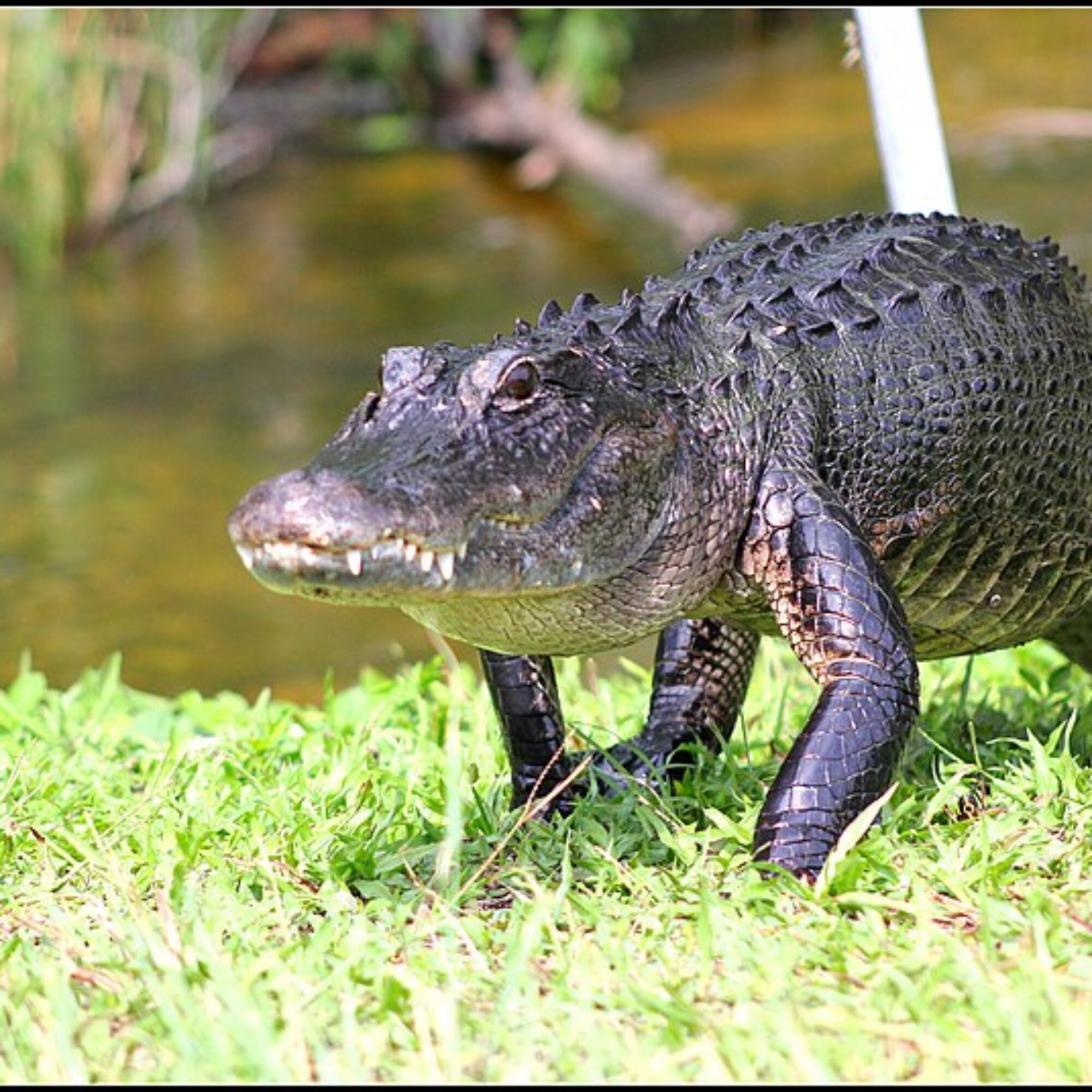
Quirky nature question: If an alligator can live 3 years without eating, when precisely does it die of hunger?

I love nature. Sometimes I have to share my love for quirky parts of it. Did you know alligators can live 3 years without eating? I find it amazing. They're cold blooded, so don't need little energy to keep their bodies going. In the water, they need little energy to move. I think they can digest more parts of what they eat than many other animals. Still, imaging going three years without eating. Here's the life or death question: say an alligator dies from going too long without eating: When did it die? I would guess its vital signs the day marking three years and the day before weren't that different. Maybe a month before it was so weak it couldn't catch or eat food…

0 Comments

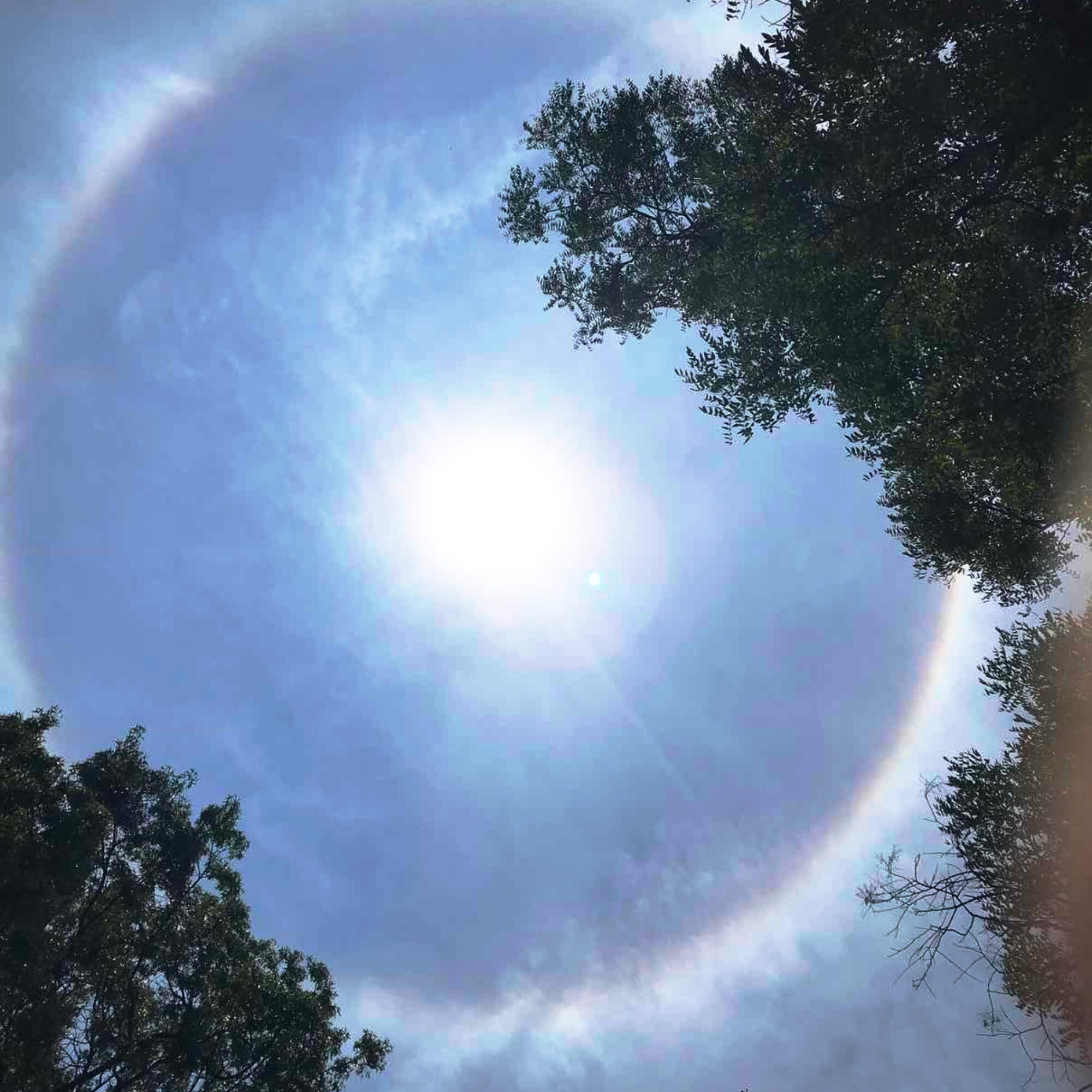
A rare 360 degree rainbow in the middle of a sunny day yesterday

The title and the pictures speak for themselves, though can't capture the beauty of seeing it in person. Also, when you see a rainbow, pointing it out to people creates fun and connection. I was in Washington Square Park and I saw not one person see this rainbow except people I showed it too and the people who saw the joy and amazement in the people I showed it to. I saw a 360 degree rainbow from my rooftop a little over a year ago, also on a sunny day. I saw a beautiful rainbow near my home over a decade ago. How much natural beauty are we missing, too busy looking at our screens? I hope I didn't blow out my camera pointing straight…

0 Comments

Examples of sustainability tactics based on extrinsic motivation that fail sustainability and drive unsustainability

Strategies and tactics based in convincing, cajoling, coercing, and seeking compliance that may sound nice, but step on the gas, thinking it's the brake, wanting congratulations. That is, they exacerbate the problem. Compare this list with tomorrow's list of emotions that emerge from the Spodek Method about nature that, when acted on, lead to people doing more than they said they would, expressing gratitude, and being happy to share. Meatless Mondays “10 little things you can do for the environment” “Think of the children” Carbon taxes Calling things “clean,” “green,” or “renewable” that aren't Government subsidies for “clean,” “green,” or “renewable” energies Waiting to lower fossil fuel until after Increasing “clean,” “green,” or “renewable” energies Suggesting buying more “clean,” “green,” or “renewable” things instead of…

2 Comments

If you build or buy a home in Phoenix, AZ, your claims that you “need air conditioning” lose credibility, as do your claims to others’ resources.

The title says it all, but for clarity, I'll generalize: if you choose to do something that requires polluting, depleting, or plundering, you don't get to claim your life requires living unsustainably. You don't get to then make claims on others' resources. A life requiring hurting others is not liberty. Its' the opposite: it's destroying other people's liberty. Why don't I spend all my money and then claim you have to support me? If you do something today that you know tomorrow will force you to hurt others, that consequence isn't a part of life. It's the result of your choice. On a global scale, our sleepwalking into living unsustainably doesn't mean we have to keep living unsustainably or that life requires polluting, depleting, or…

4 Comments

Are environmentalists nearly all science deniers?

Environmentalists call people who disagree with them "science deniers" and "climate deniers." They get annoyed when people presented with the science don't change their behavior when science shows it's creating undesired outcomes. Meanwhile, I see environmentalists use ineffective techniques to try to change others' behavior. When their techniques don't work, they don't change their behavior to ways that work. The science is clear that their techniques don't work, yet they stick with them. Influence and leadership aren't the hard sciences of physics and chemistry, but there are repeatable results and we know some things that work and others that don't. Lecturing doesn't work, nor do many techniques they use. They want others to observe science and change their behavior but they don't themselves. In my…

0 Comments

For every technology you think will help you, remember people who make you miserable will use it too

People keep asking how artificial intelligence (or blockchain, nuclear energy, fusion, or whatever the technology of the day) will help them. People think, "Oh, AI will help me do X or Y" where X and Y are things they want to do. Maybe in sustainability they'll use it to make some process more efficient, thinking it will reduce energy use and therefore depletion. Well, everyone else will use that technology too, including the ones causing what problems you're trying to solve. They'll drill deeper, extract faster, and lower costs do extract more profitably. Most of our problems are caused by other people. For example, earth has plenty of resources, or would if so many people weren't consuming them. Guns, abortion, taxes, migration, etc. . .…

0 Comments

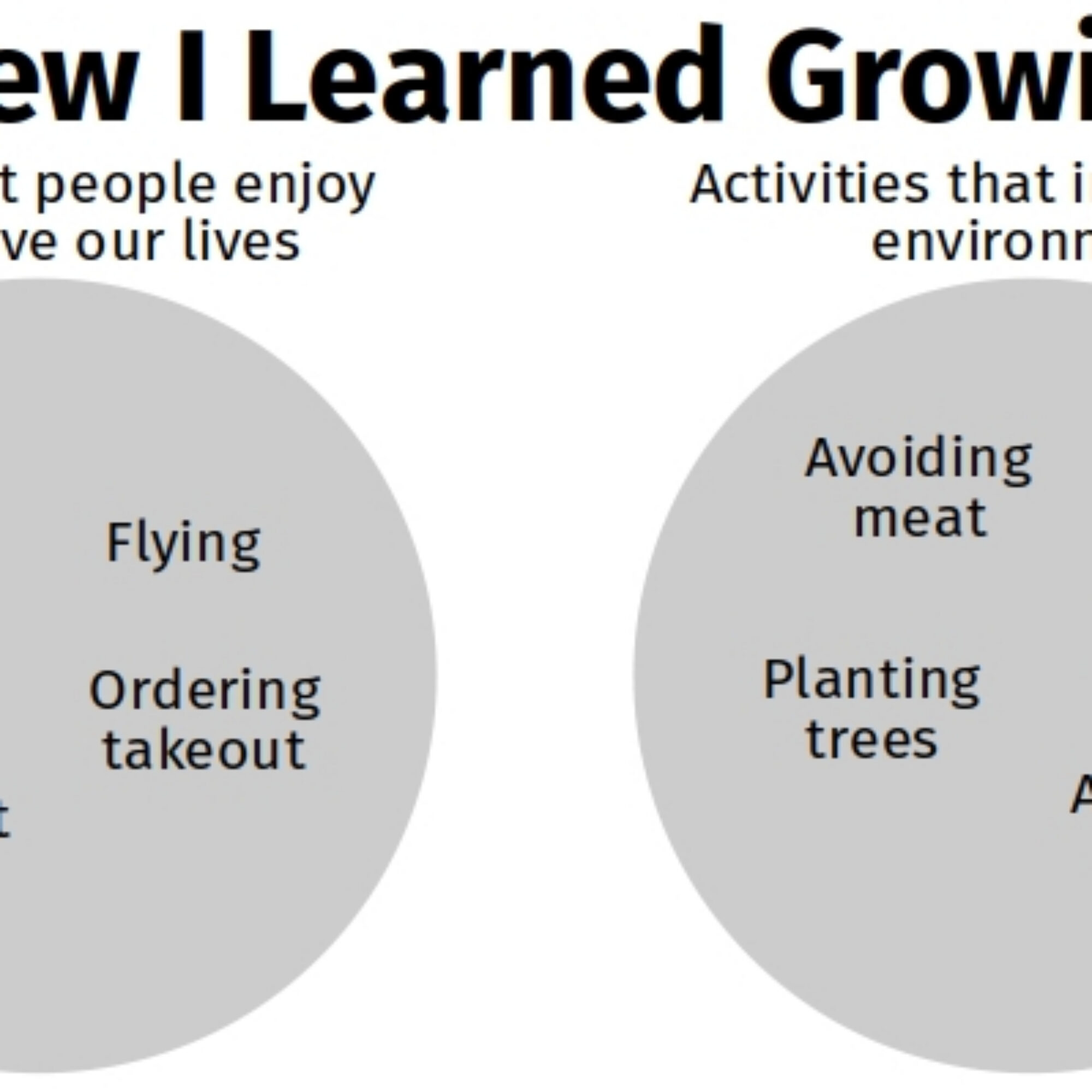
A Visual Representation of the Spodek Method in Venn Diagrams

I can't think of a message I received from environmentalists that suggested I would enjoy the experience of trying to live more sustainably. Every message from every source, including the most ardent environmentalists, told me living more sustainably meant giving something up. We had to worsen our lives to possibly help someone far away or in the future. A definite loss here and now for a possible gain sometime somewhere for someone else is a bad trade. In Venn diagrams, I was taught that activities people enjoyed and improved their lives did not overlap with activities that improved the environment: My experience avoiding packaged food for a week a decade ago surprised me. I expected a worse week since I had learned to expect that…

0 Comments

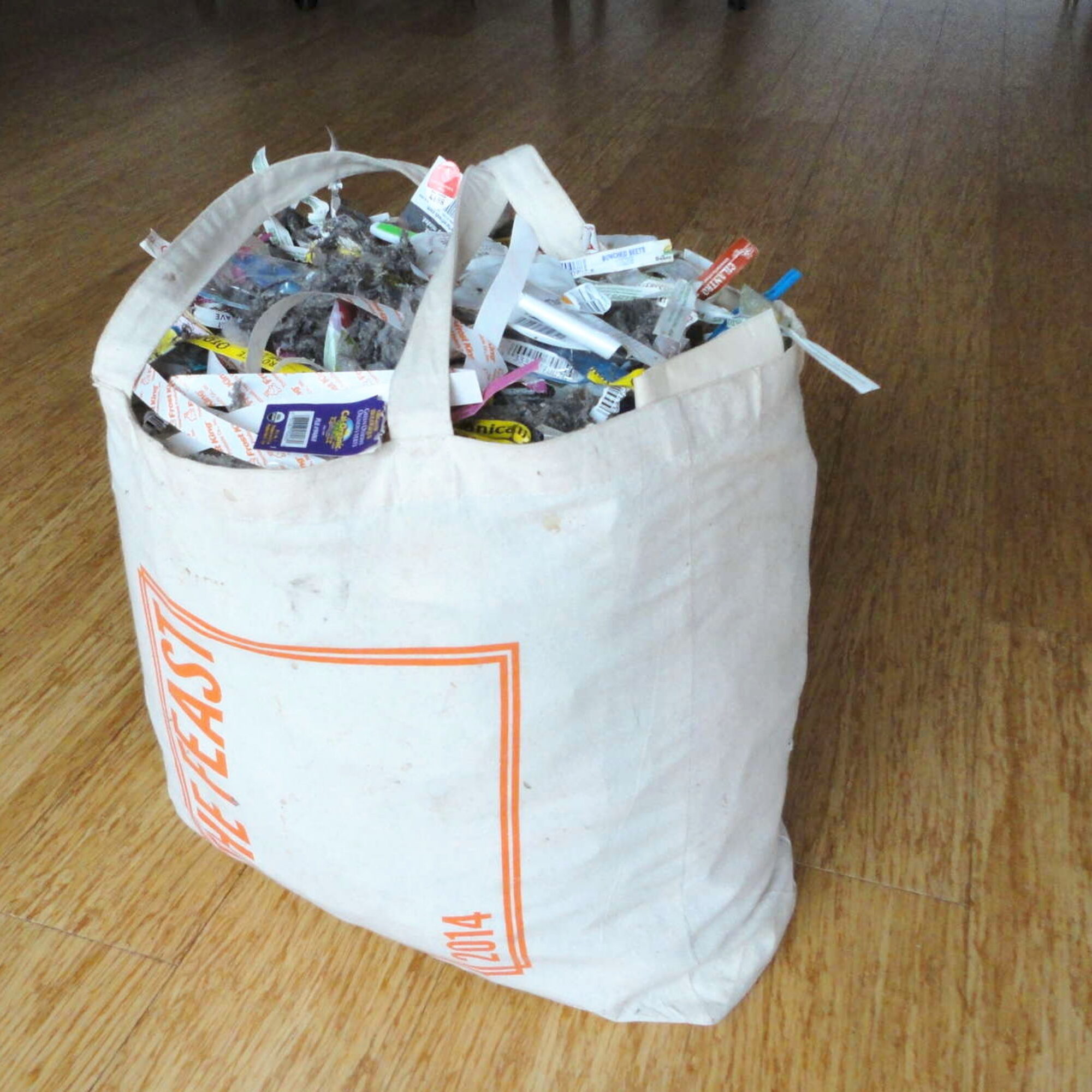
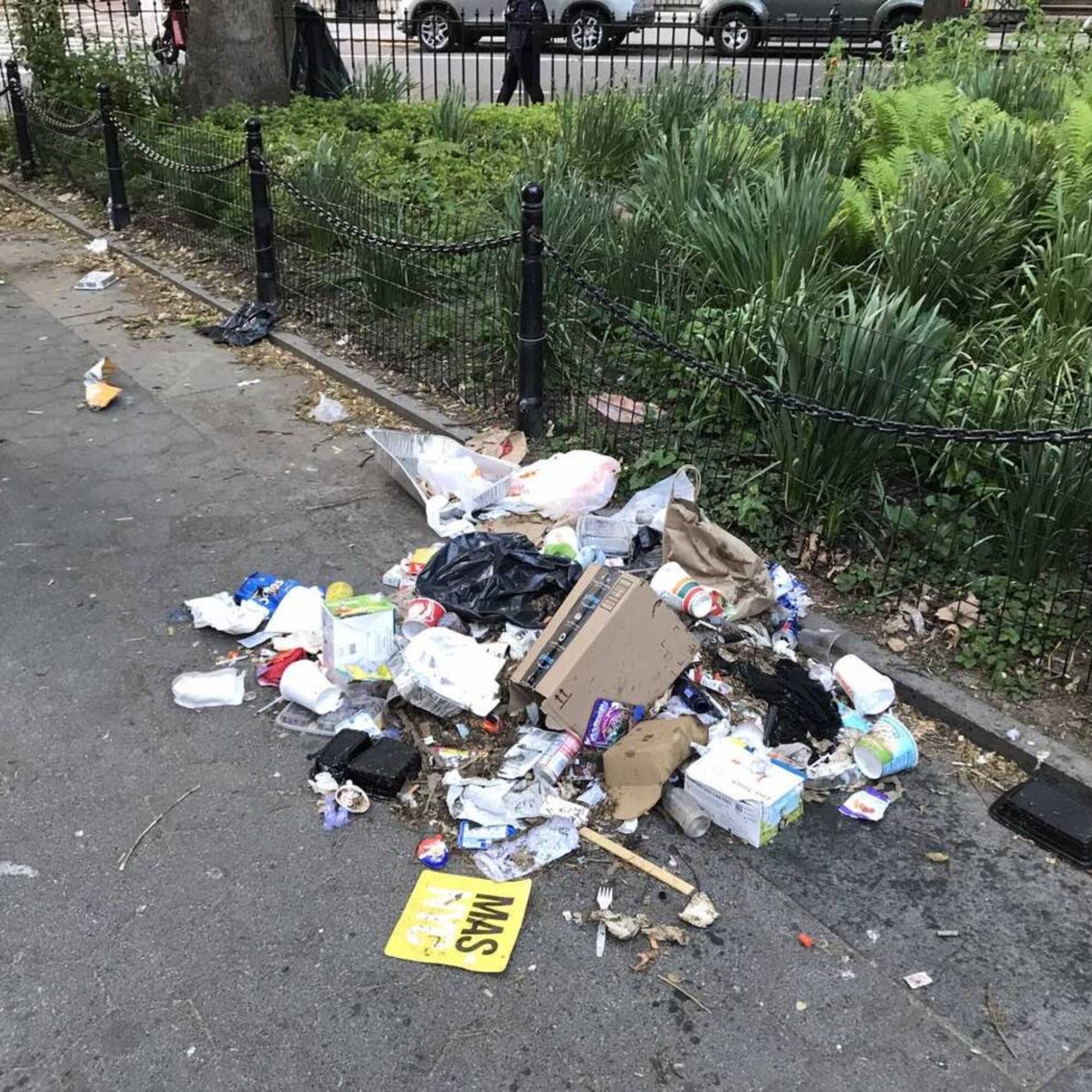
Our culture: spring trash. Homeless don’t cause it as much as executives, elected officials, shareholders, and rich people

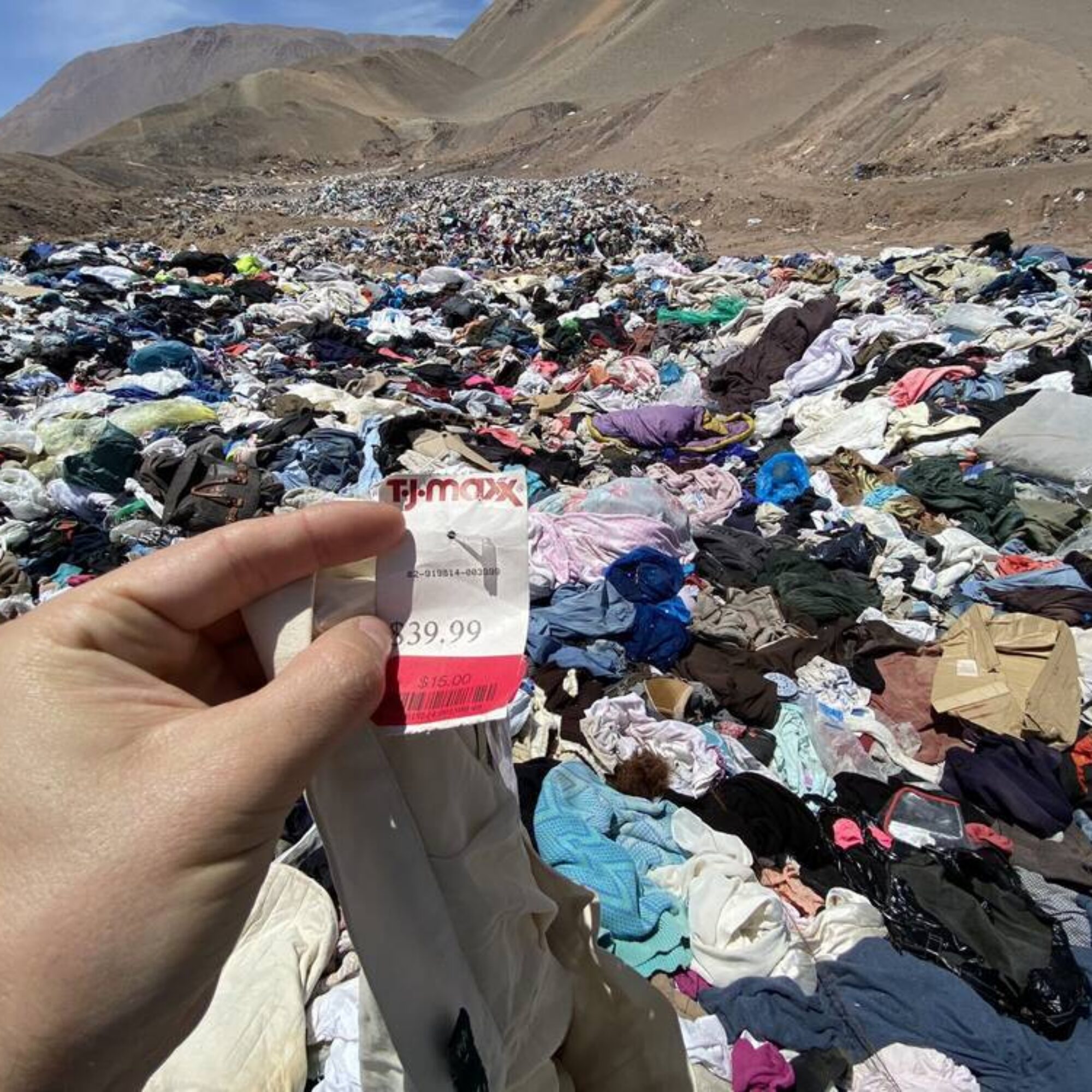
Litter isn't a result of too little sanitation. It's too much production and people still buying it. I've meant to post these pictures since I took them in the spring. I took them on a regular day. If you think cities mean more garbage, our per-capita environmental impact is less than Americans who live outside cities. If you think this garbage and treatment of public property is disgusting, as I do, see not the results of homeless people but of corporate leaders and elected officials prompting its production and rich people paying for the extraction and depletion causing it. Just because you can't see car, cargo ship, and airplane exhaust, or the packaging for your shipped goods doesn't mean it's not far greater than the…

0 Comments

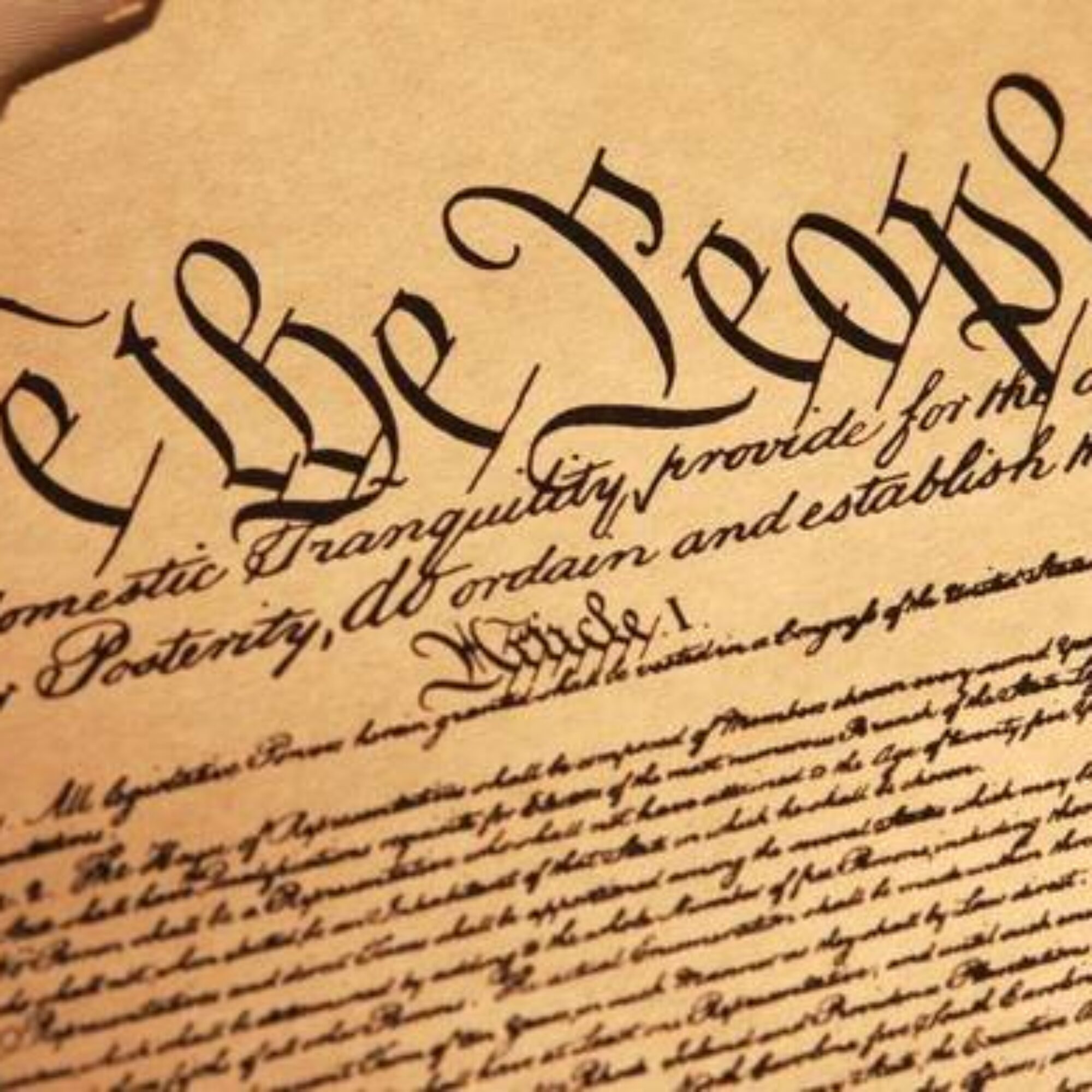
Happy Independence Day, America. Let’s return to protecting life, liberty, and property and stop being imperialist

The number one topic of my book is freedom and liberty. In my view, science, technology, market reforms, and legislation follow from freedom and liberty. Without freedom and liberty, you can't have the other things, but without them you can still have freedom and liberty. Pollution destroys life, liberty, and property. Our Constitution was built on a premise that a role of government is to protect life, liberty, and property. Usually I think of the Declaration of Independence on July 4, but I'm going to write about the Constitution today. The U.S. Constitution mixed European Enlightenment thinking with indigenous wisdom of cultures living sustainably that Europeans found as they explored the world. At the time, Europe nearly completely lacked democracy in government. Your status at…

0 Comments

McKinsey, Rightsizing, and Population: Businesspeople have the tools to get sustainability

Human ingenuity doesn't mean all companies should hire as many people as possible. Business gets it. I've meant to write this post since reading When McKinsey Comes to Town and hosting one of its authors on the podcast, Michael Forsythe. A concept the book coversIs it the case that the "ability to is "rightsizing." I had associated it with McKinsey, since the book documented McKinsey advising companies to do it, but I looked it up and the term seems widespread. For context, people debate over how many people can live sustainably on Earth---its carrying capacity. Many people lob verbal grenades at people who say that number is finite, suggesting it can always be higher. They say people who suggest human population is already above Earth's…

0 Comments

What did they do that ice cream doesn’t melt in baking hot sun?

I admit since I haven't had ice cream in five or ten years, I'm no expert on it, but I see a lot of ice cream disposable cups left on the street, plus dropped cones like the one pictured below. It was a hot day. I'd say hot enough to melt butter. Yet, I don't know if you can tell, but the ice cream partly melted but mostly retains near solidity. What do they put in the ice cream to make it stay solid in baking hot sun? How do people keep consuming doof? I mean, I know the answer. It's designed to addict and they're addicted. It reminds me of a video where a chef shows school children how chicken nuggets are made. He…

0 Comments

Today in 1988: Global Warming on the front page of the New York Times. Today in 2024: Americans pollute more than ever.

Today in 1988, the New York Times front page headline said "Global Warming Has Begun." Today today, Americans blame, rationalize, and justify, but pollute more than ever. They blame CEOs, companies, and politicians, denying and suppressing that they pay them to do what they do. We can stop if we choose to. It would mean valuing other people's suffering over our convenience.

0 Comments

End of content

No more pages to load