Nature


Are environmentalists nearly all science deniers?

Environmentalists call people who disagree with them "science deniers" and "climate deniers." They get annoyed when people presented with the science don't change their behavior when science shows it's creating undesired outcomes. Meanwhile, I see environmentalists use ineffective techniques to try to change others' behavior. When their techniques don't work, they don't change their behavior to ways that work. The science is clear that their techniques don't work, yet they stick with them. Influence and leadership aren't the hard sciences of physics and chemistry, but there are repeatable results and we know some things that work and others that don't. Lecturing doesn't work, nor do many techniques they use. They want others to observe science and change their behavior but they don't themselves. In my…

0 Comments

For every technology you think will help you, remember people who make you miserable will use it too

People keep asking how artificial intelligence (or blockchain, nuclear energy, fusion, or whatever the technology of the day) will help them. People think, "Oh, AI will help me do X or Y" where X and Y are things they want to do. Maybe in sustainability they'll use it to make some process more efficient, thinking it will reduce energy use and therefore depletion. Well, everyone else will use that technology too, including the ones causing what problems you're trying to solve. They'll drill deeper, extract faster, and lower costs do extract more profitably. Most of our problems are caused by other people. For example, earth has plenty of resources, or would if so many people weren't consuming them. Guns, abortion, taxes, migration, etc. . .…

0 Comments

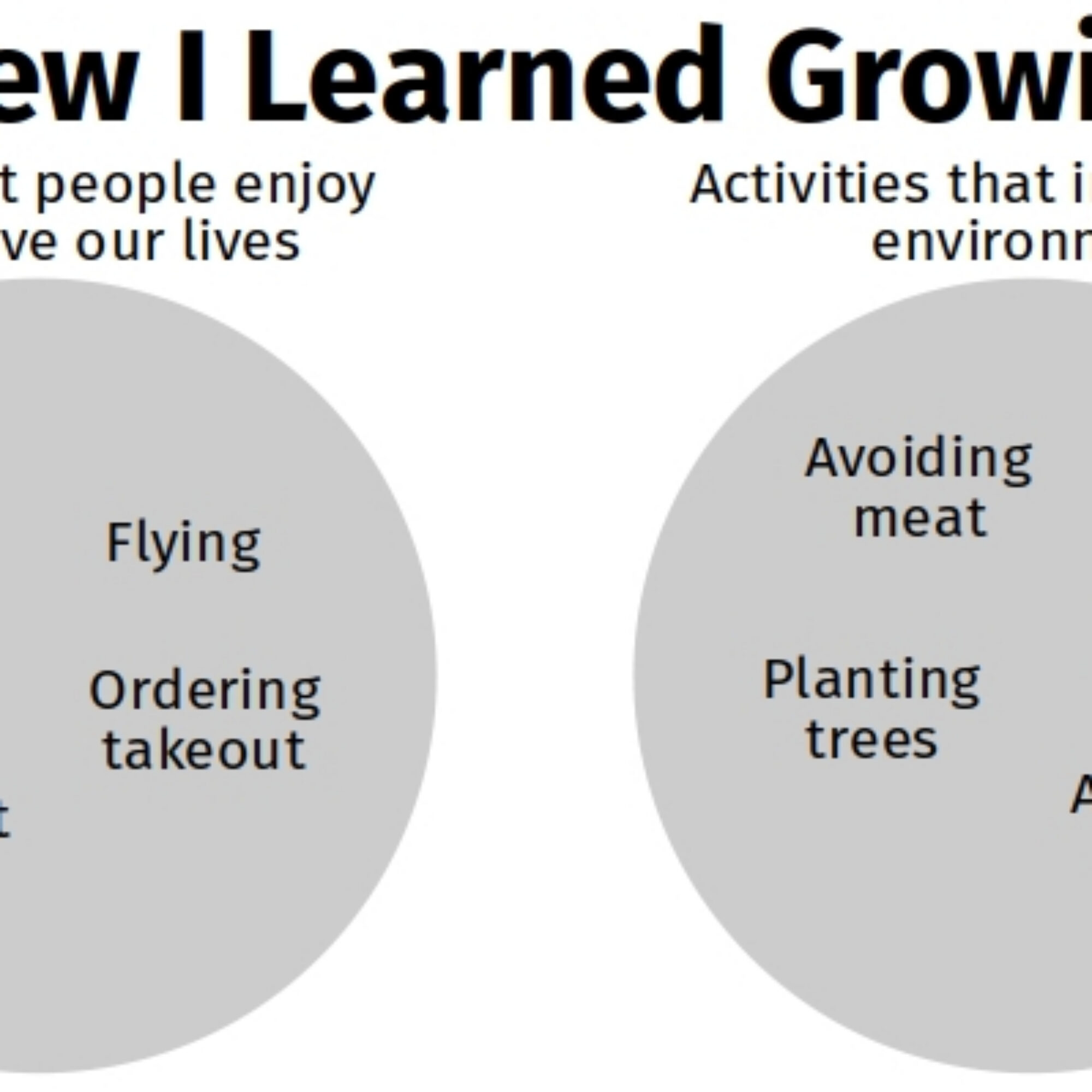
A Visual Representation of the Spodek Method in Venn Diagrams

I can't think of a message I received from environmentalists that suggested I would enjoy the experience of trying to live more sustainably. Every message from every source, including the most ardent environmentalists, told me living more sustainably meant giving something up. We had to worsen our lives to possibly help someone far away or in the future. A definite loss here and now for a possible gain sometime somewhere for someone else is a bad trade. In Venn diagrams, I was taught that activities people enjoyed and improved their lives did not overlap with activities that improved the environment: My experience avoiding packaged food for a week a decade ago surprised me. I expected a worse week since I had learned to expect that…

0 Comments

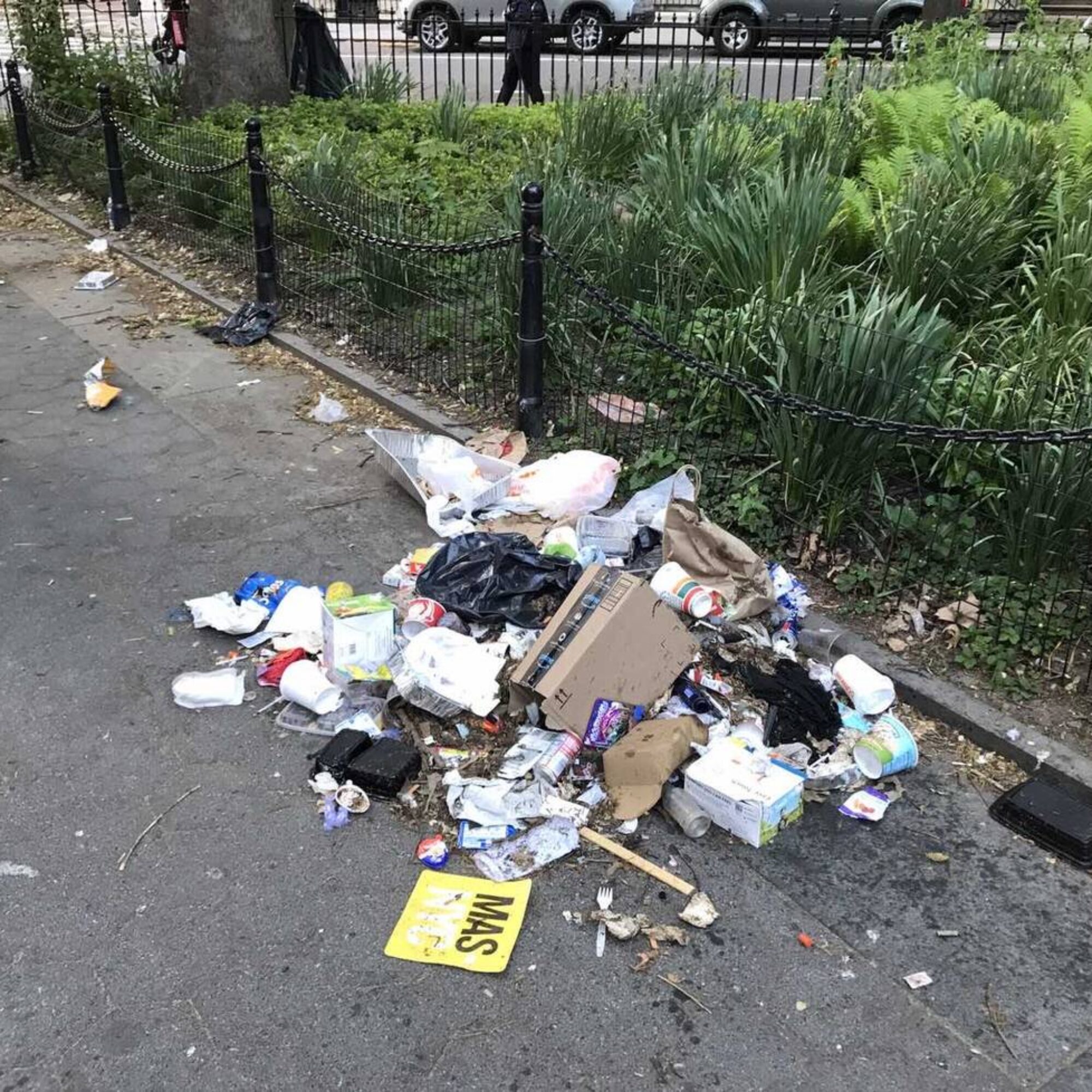
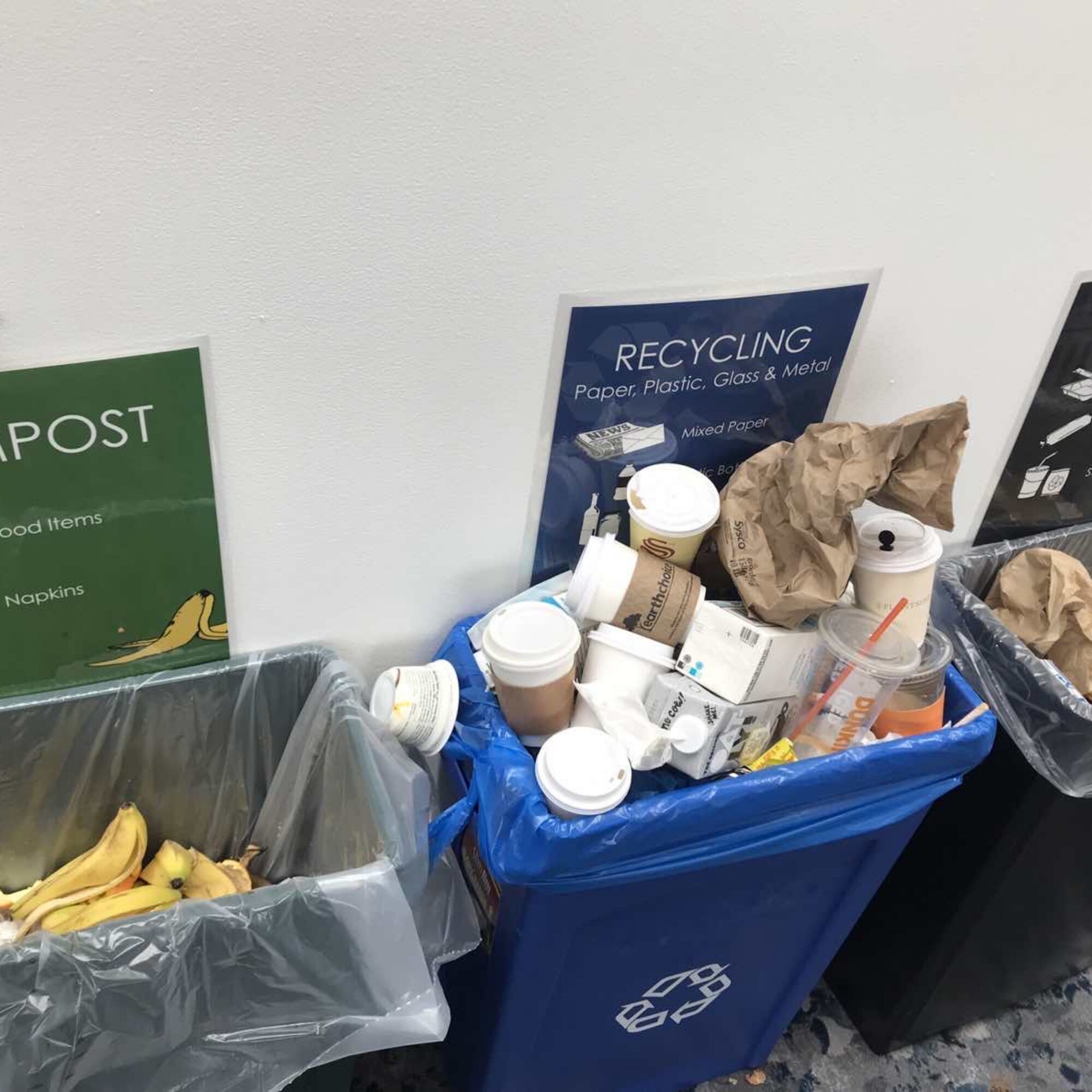
Our culture: spring trash. Homeless don’t cause it as much as executives, elected officials, shareholders, and rich people

Litter isn't a result of too little sanitation. It's too much production and people still buying it. I've meant to post these pictures since I took them in the spring. I took them on a regular day. If you think cities mean more garbage, our per-capita environmental impact is less than Americans who live outside cities. If you think this garbage and treatment of public property is disgusting, as I do, see not the results of homeless people but of corporate leaders and elected officials prompting its production and rich people paying for the extraction and depletion causing it. Just because you can't see car, cargo ship, and airplane exhaust, or the packaging for your shipped goods doesn't mean it's not far greater than the…

0 Comments

Happy Independence Day, America. Let’s return to protecting life, liberty, and property and stop being imperialist

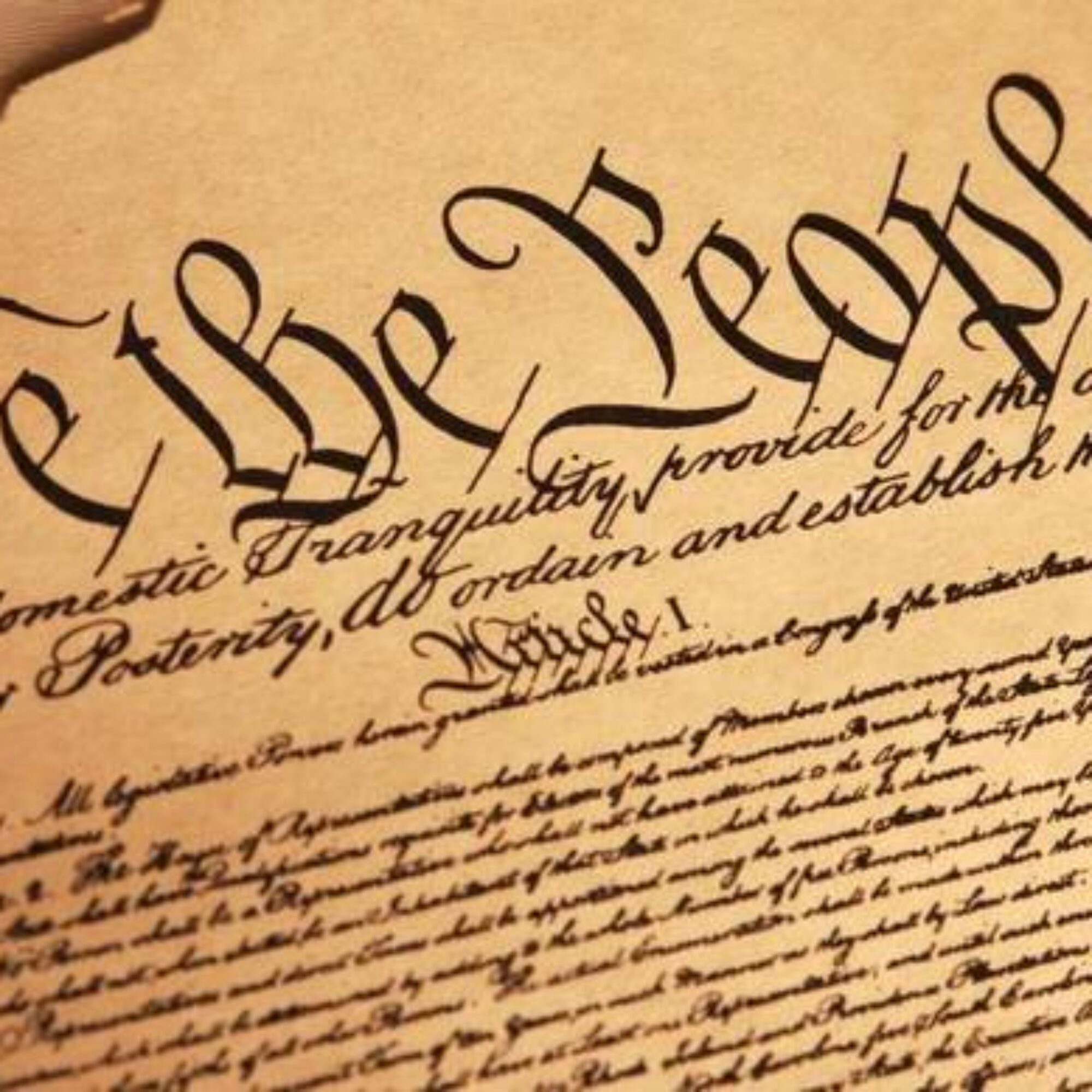
The number one topic of my book is freedom and liberty. In my view, science, technology, market reforms, and legislation follow from freedom and liberty. Without freedom and liberty, you can't have the other things, but without them you can still have freedom and liberty. Pollution destroys life, liberty, and property. Our Constitution was built on a premise that a role of government is to protect life, liberty, and property. Usually I think of the Declaration of Independence on July 4, but I'm going to write about the Constitution today. The U.S. Constitution mixed European Enlightenment thinking with indigenous wisdom of cultures living sustainably that Europeans found as they explored the world. At the time, Europe nearly completely lacked democracy in government. Your status at…

0 Comments

McKinsey, Rightsizing, and Population: Businesspeople have the tools to get sustainability

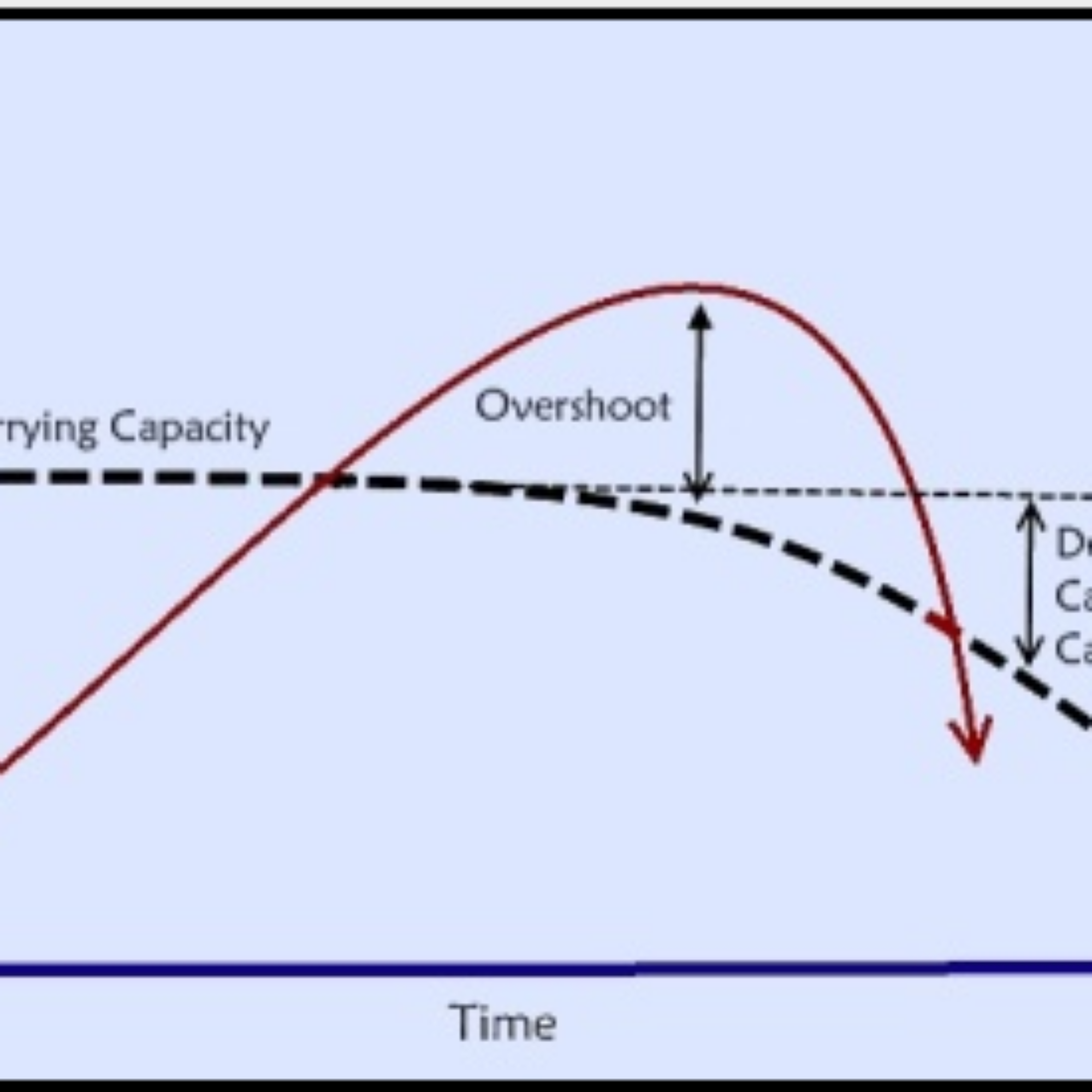
Human ingenuity doesn't mean all companies should hire as many people as possible. Business gets it. I've meant to write this post since reading When McKinsey Comes to Town and hosting one of its authors on the podcast, Michael Forsythe. A concept the book coversIs it the case that the "ability to is "rightsizing." I had associated it with McKinsey, since the book documented McKinsey advising companies to do it, but I looked it up and the term seems widespread. For context, people debate over how many people can live sustainably on Earth---its carrying capacity. Many people lob verbal grenades at people who say that number is finite, suggesting it can always be higher. They say people who suggest human population is already above Earth's…

0 Comments

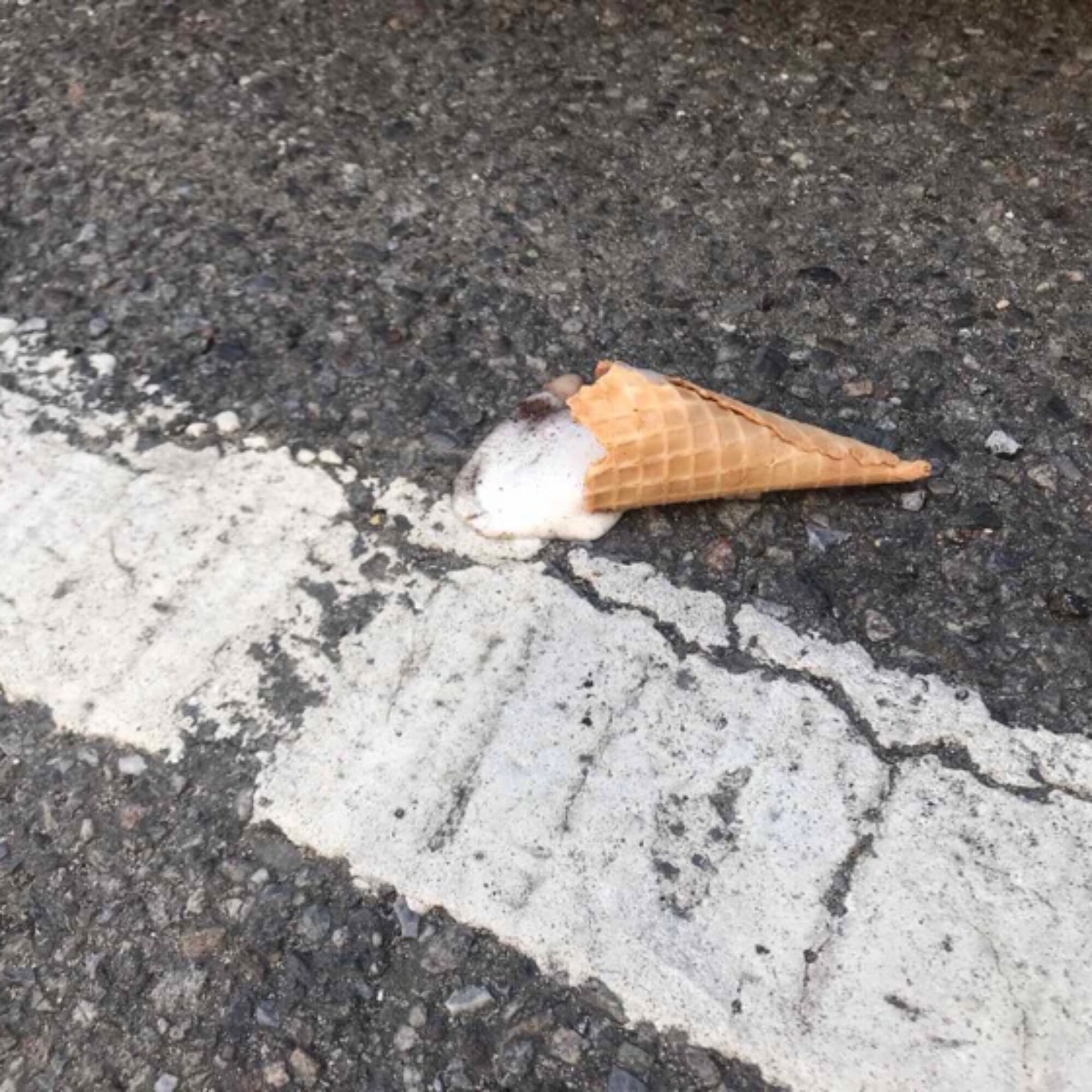
What did they do that ice cream doesn’t melt in baking hot sun?

I admit since I haven't had ice cream in five or ten years, I'm no expert on it, but I see a lot of ice cream disposable cups left on the street, plus dropped cones like the one pictured below. It was a hot day. I'd say hot enough to melt butter. Yet, I don't know if you can tell, but the ice cream partly melted but mostly retains near solidity. What do they put in the ice cream to make it stay solid in baking hot sun? How do people keep consuming doof? I mean, I know the answer. It's designed to addict and they're addicted. It reminds me of a video where a chef shows school children how chicken nuggets are made. He…

0 Comments

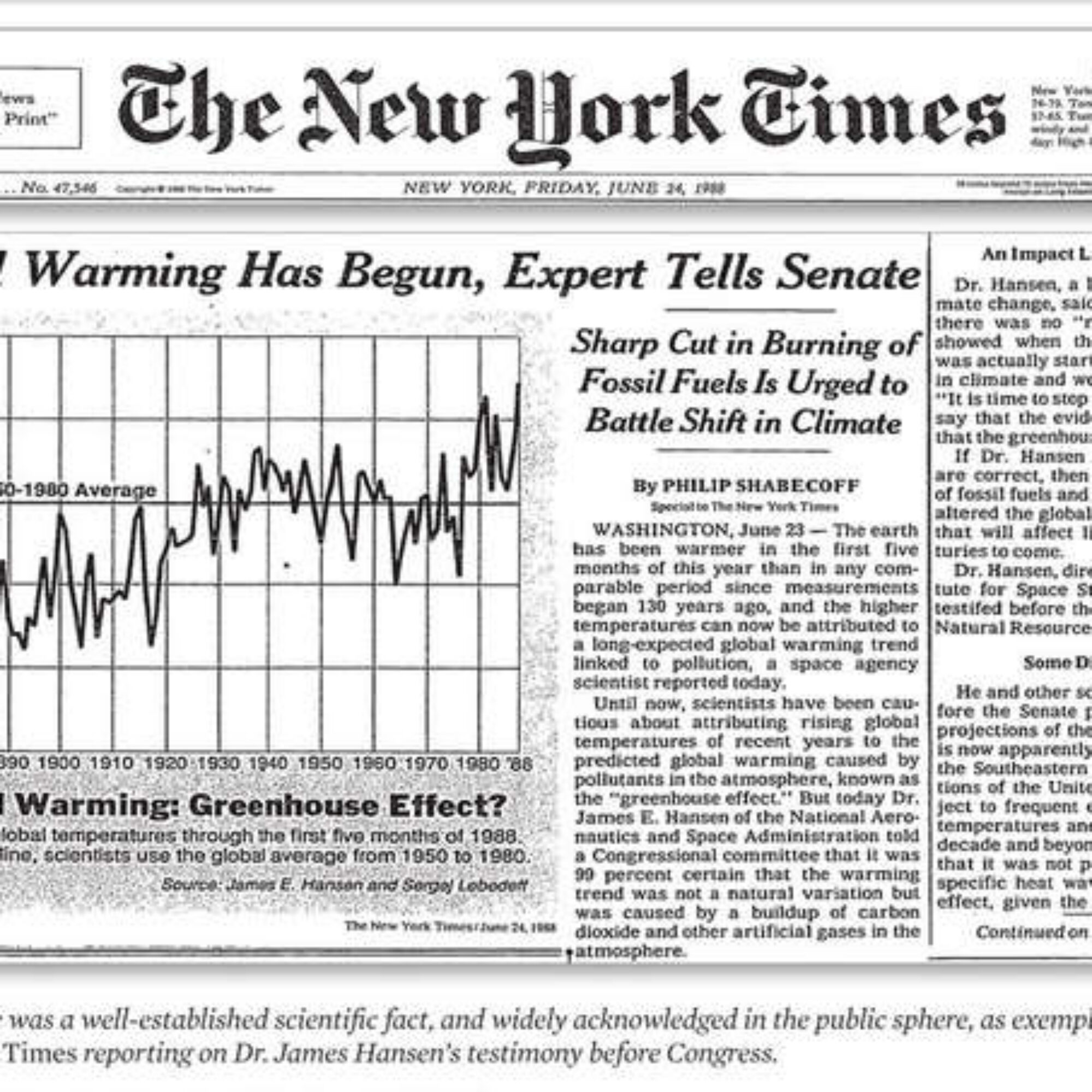
Today in 1988: Global Warming on the front page of the New York Times. Today in 2024: Americans pollute more than ever.

Today in 1988, the New York Times front page headline said "Global Warming Has Begun." Today today, Americans blame, rationalize, and justify, but pollute more than ever. They blame CEOs, companies, and politicians, denying and suppressing that they pay them to do what they do. We can stop if we choose to. It would mean valuing other people's suffering over our convenience.

0 Comments

Another way we let technology make us dependent and unhealthy: Jellies, jams, and preserves

All humans until about a century ago lived without a fridge, as do many today. Coming up on three years with my fridge unplugged, I ferment a lot, and learn other ways to keep foods from going bad. Jams, jellies, and preserves were ways to keep fruits from going bad. Now that everyone has fridges and we ship produce around the world, we can get fresh fruit all the time. Jellies, jams, and preserves add a bunch of straight sugar to fruit and make them less fresh. Buying jams, jellies, and preserves is less healthy than fresh fruit. I see people storing them in their fridges for years. To recap: people today buy a less healthy product designed to preserve something that we now can…

0 Comments

Climate Reality Leadership Training garbage

You can't stop the global heroin trade if you're worried about your own supply. This post is about people who are addicted, perhaps without realizing it or in denial, to behavior causing others to suffer and die finding themselves impotent to change others. They haven't tried to change themselves so they don't know what change takes. Would you take piano lessons from someone who read a lot of books on music theory but never played a scale, let alone music? I wrote before about attending Al Gore's Climate Reality Leadership Training. I took these pictures to illustrate how (as best I can tell) most attendees weren't trying to live sustainably. Maybe it wasn't most people, but plenty of attendees flew in, including from other continents.…

0 Comments

Hear me on the Inspire Someone Today podcast

I recommend this podcast if you like my work and learning more of where my passion comes from. Srikanth, the host, prompted me to share my origin story and describe the Spodek Method. I haven't appeared on another podcast for a while, so I share things I've been developing how to communicate but haven't. Available on all podcast platforms: Amazon Music - https://tinyurl.com/2z9renes Spotify - https://tinyurl.com/yyuvc8o6 Apple Podcasts - https://tinyurl.com/y26mqkkg YouTube - https://lnkd.in/gv3fD2C Audible - https://tinyurl.com/y4wbywpf https://youtu.be/0COPrMng-Ck From the show notes: Joshua Spodek is a sustainability advocate whose transition from physics to eco-consciousness has been nothing short of inspirational. Together, we recount the small steps and giant leaps we've taken to live in harmony with our planet, from savoring the pure taste of nature's bounty…

0 Comments

Another lie we tell ourselves: “Human life requires polluting and depleting”

Rationalizations and justifications no matter how specious and self-serving sound legitimate and true to the person using them. I hear a lot of rationalizations and justifications on why people pollute and deplete. To the person saying them, they sound legitimate and true. Rarely are they. The other day someone repeated one I've heard before but didn't realize how insidious and powerful it is. The person saying it stuck with it with all he had. When I asked to justify it or say where he learned it, he couldn't answer. A big part of a culture is beliefs people in it don't question. This one was that life requires polluting and depleting. Many people say it. It serves people who pollute and deplete well because it…

0 Comments

The ongoing challenges of sustainability in a culture that talks sustainability but opposes it in practice.

For those readers who haven't signed up to my mailing list, every Monday I send a newsletter of the past week's posts. For the newsletter's introduction, I write what amounts to another post, usually a summary, reflection, or noting the highlights. I felt last week's introduction merited being a post of its own. Here it is: I almost forgot to post that I started my third year off the grid last week: Year 2, day 365 of my apartment disconnected from the electric grid. I hit challenge after challenge. It's never easy. Still, the most common responses tend to include questions that experience has shown leads to conclude "Oh, that's why it's easy for you but not for me." It's hard to live with internal…

0 Comments
Why fossil fuel companies love that we chase efficiency, “renewables,” and “clean,” “green,” energy sources (and what to do instead)
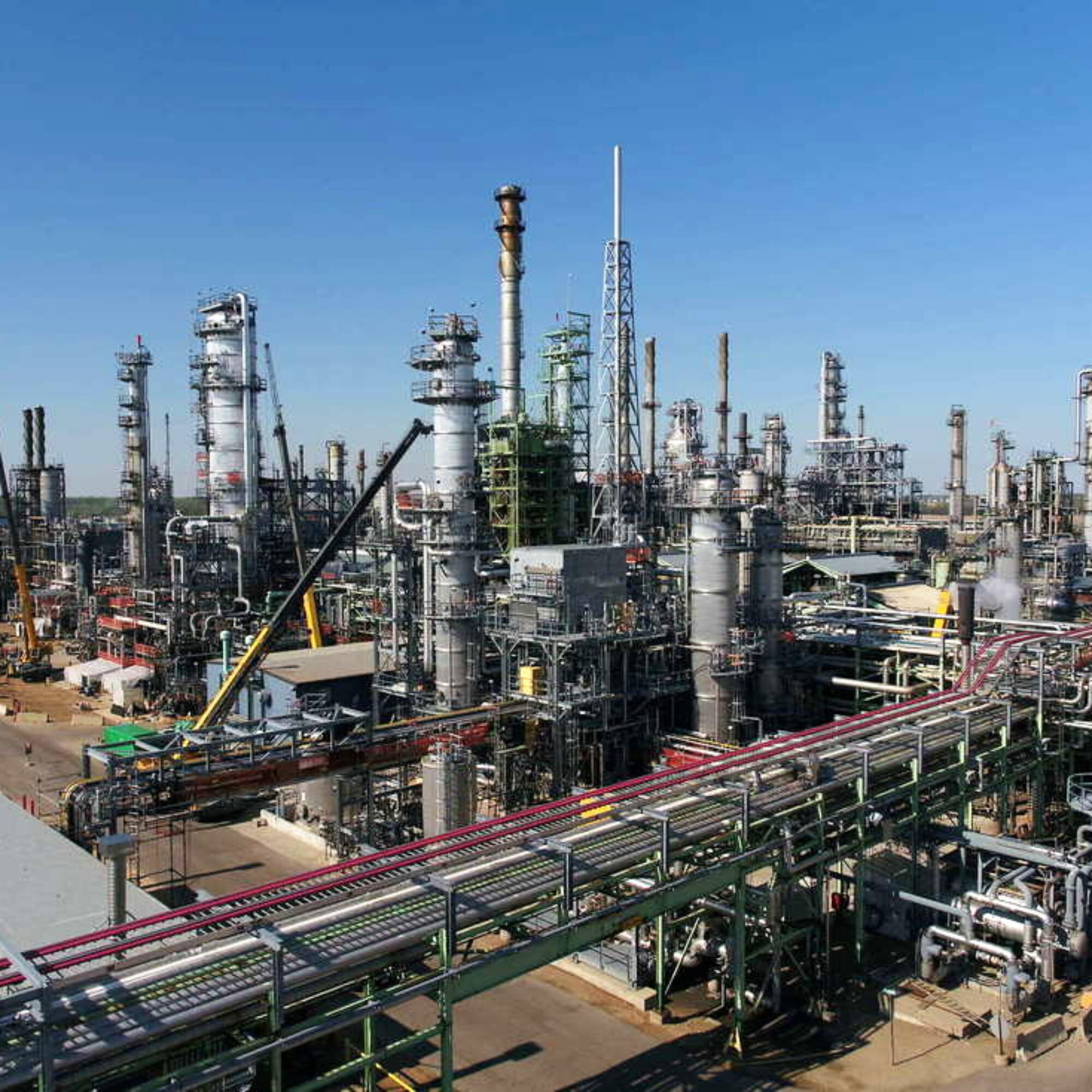
Oil refinery

Why fossil fuel companies love that we chase efficiency, “renewables,” and “clean,” “green,” energy sources (and what to do instead)

The biggest pushes I see among environmentalists and everyone trying to solve environmental problems are to promote Efficiency "Renewables" "Clean" and "green" energy sources Their hope in these efforts is to lower fossil fuel uses. I support their intent, though not their unintended consequences. Does anyone else see the problems? None of these tactics stop using or extracting fossil fuels. Making anything that uses fossil fuels more efficient doesn't stop using them. It may use them less per use, but doesn't stop them. As long as any part of the economy requires fossil fuels, we'll keep buying them. Moreover, as long as anyone can find new uses for them, we'll use more of them. You know what requires fossil fuels? Creating solar panels, batteries, windmills,…

0 Comments

A question for those who believe “more people solve more problems”

Several bestselling authors on the environment suggest that people solve problems, so more people solve more problems. They conclude that we should keep growing the population. A century and a half ago people believed "rain follows the plow." They created what looked like science proving that settlers moving west across North America creating farms would cause rain to fall more. To me, "more people solve more problems" looks like a similar belief. We should be careful if they are similar because "rain follows the plow" led to the Midwest becoming a dust bowl and many parts of Midwestern agriculture becoming, according to Cadillac Desert, "the country’s foremost examples of socialism for the rich." Regarding infinite population growth, in the words of the economist Julian Simon:…

0 Comments

Another reason we’re failing at sustainability: relying on the wrong people

When I started graduate school in physics at the University of Pennsylvania, one of the faculty members in the department confused the students. He didn't confuse us with complex science. He was a world leader in his subject, but the subject was tennis---the physics of tennis. I studied there in 1993-94. When the professor, Howard Brody, died, the New York Times published his obituary, Howard Brody, an Expert in the Physics of Tennis, Dies at 83, rare for physicists. He created the field and knew more about it than anyone. The last sentences of the obituary revealed why humanity is failing at sustainability, if you know what to look for. It ends: Over the years, Professor Brody was asked whether his tennis research had improved…

0 Comments
Likely Myth: Food Was Scarce for Our Ancestors Before Agriculture
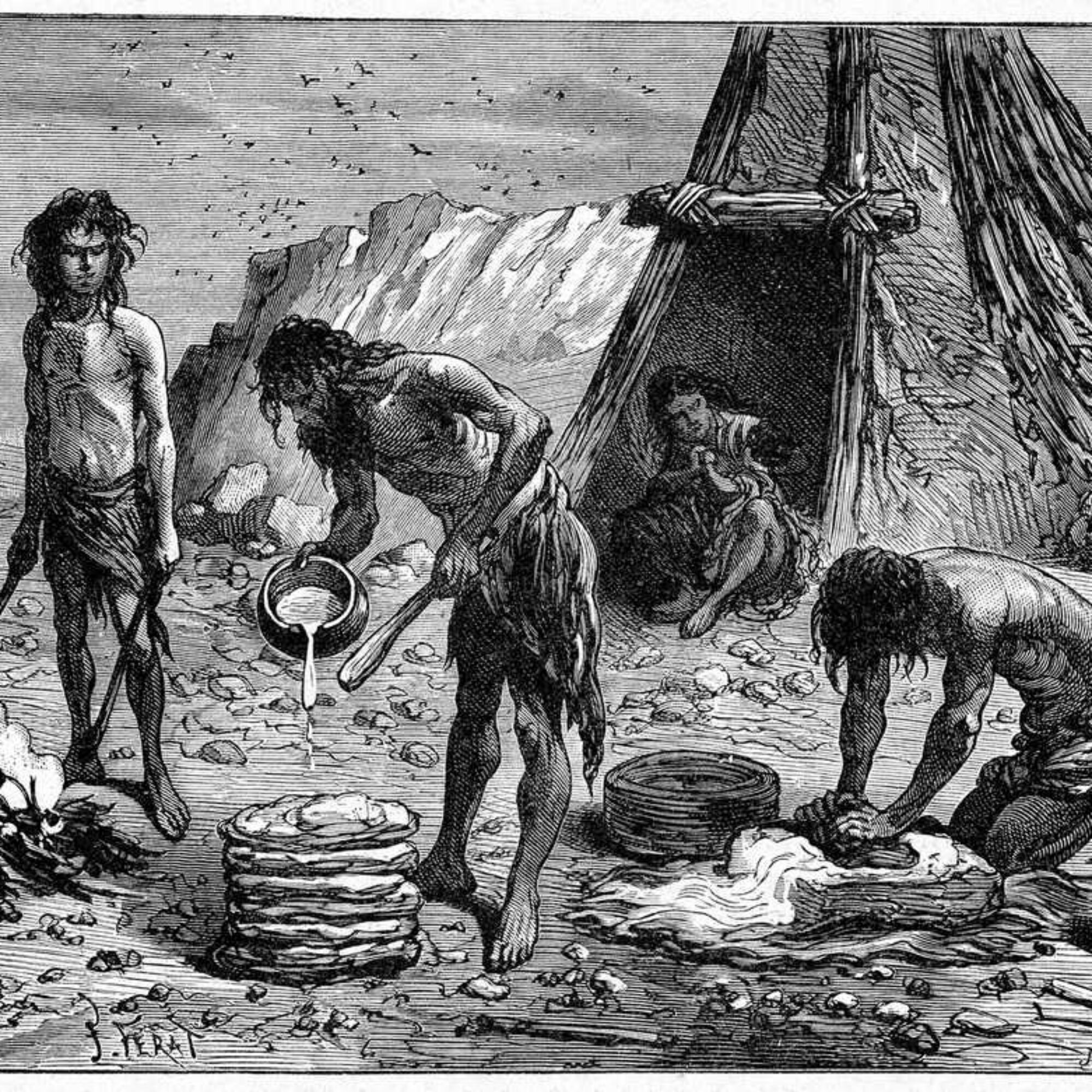
Early humans preparing food -- depicted in an engraving from "Grands Hommes et Grands Faits de l'Industrie" circa 1880.

Likely Myth: Food Was Scarce for Our Ancestors Before Agriculture

Everyone talks about our ancestors like they struggled for food. Many people believe we store fat well because our ancestors didn't know when they'd next eat. Maybe they look at surviving hunting and gathering cultures and see less food than in their local supermarket. Look at nature, though. Animals and plants aren't starving all the time. On the contrary, places that aren't frozen, desert, or that we've paved over abound with life. Why would we think our ancestors would struggle when animals today don't? Animals don't reach old age more because predators eat them, but we're apex predators. Wouldn't it make more evolutionary sense for our ancestors to evolve where food was abundant than scarce? Our ancestors found so much food that they expanded to…

0 Comments

The problem is closer than a future collapse or distant pollution. It’s us, here, now.

Environmentalists talk about the possibility of a future collapse. They talk about the harm happening far away. I don't want to take away from those problems and risks, but they are missing what's happening here and now with all of us. We can't look our children in the eye and tell them they'll live in a safer, healthier, more secure world. Since we can't, we tell them what we do doesn't matter, that only governments and corporations can make a difference on the scale we need, and dozens of other rationalizations and justifications. Since enough of us say it enough times, we act as if we've convinced ourselves of them. Once we believe them, or act as if we do, we keep doing what makes…

0 Comments

Restaurants and caterers hate vegetables

Since I've learned to love fresh vegetables and fruit, I've come to learn the restaurants hate them. Caterers do too. An ex-girlfriend once commented that she couldn't go to restaurants with me because I complained too much that they covered everything in salt, sugar, and fat (more on that complaint below). I attended an event today that was catered. Everything was vegan, which a lot of people interpret to mean healthy and honoring vegetables. But as usual, everything was either sweetened or covered with salt and fat, or some combination. I'll leave aside that all the utensils were disposable, but people acted like since they were made of bamboo or stamped compostable that they were good for the environment. Restaurants and caterers without excepting in…

0 Comments

Another Disposed of Christmas Pagan Tree… in May!

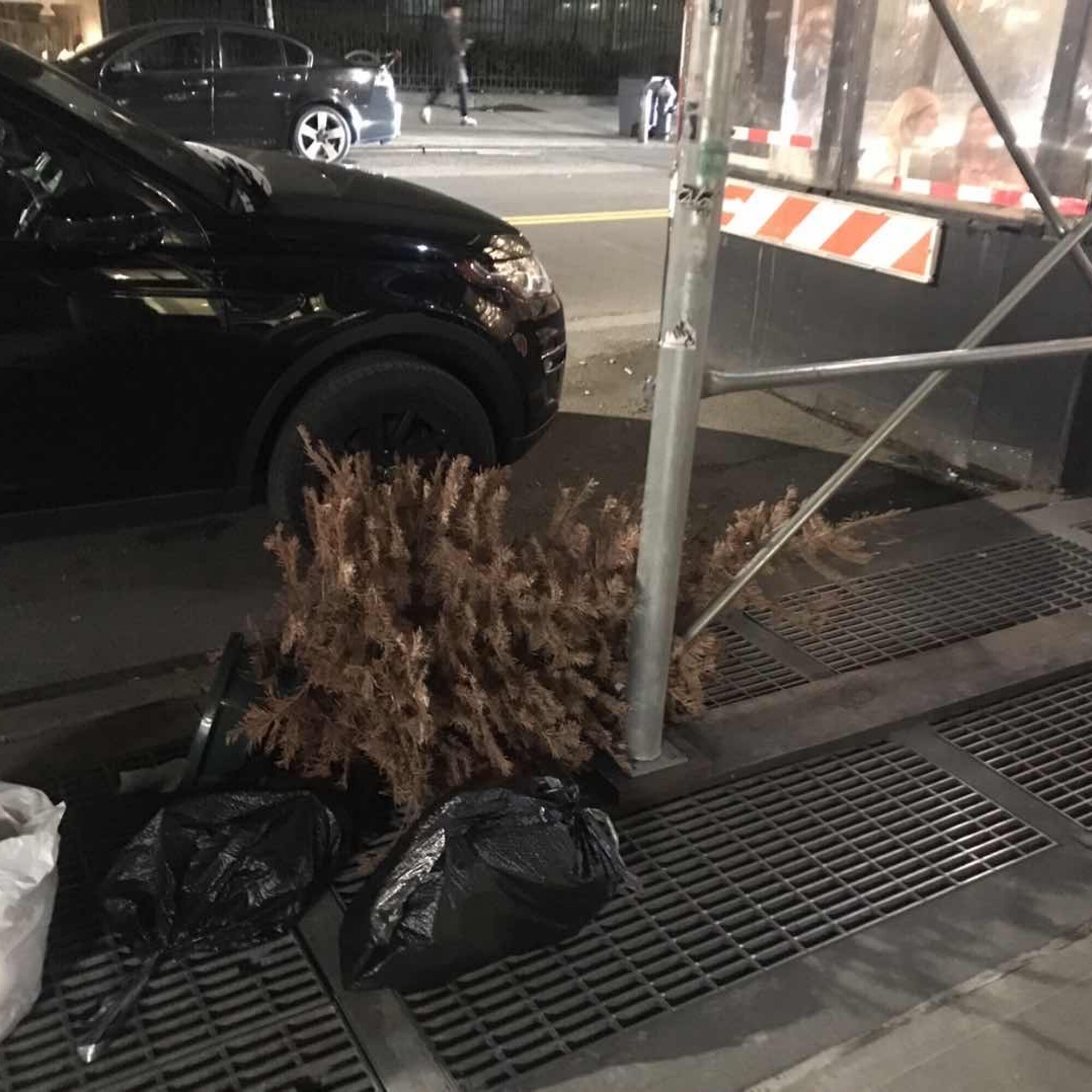
Regular readers know what most people call "Christmas trees" I call by the more accurate name "Christmas pagan trees" because they come from pagan tradition. I document how many people pay for chopping down trees to use for a few days or weeks, then throw away just before or after Christmas. Today, May 11, I saw another on the curb for trash collection---a testament to how many trees we kill as a bastardization of a holiday that has nothing to do with fir trees. Stay classy, Christians. Or should I say pagans. What do you call someone who celebrates pagan holidays? I'm not saying one is better or worse, only I'm confused when Christians celebrate pagan holidays.

0 Comments

More isn’t less, but people keep making more, trying to make less.

I spoke today to someone who co-founded a business making fashionable clothes from fabric that would otherwise have been disposed of. Even in sustainability, nearly everyone wants to make more. I'm not going to stop her. I support her salvaging stuff that would have become pollution, but more isn't less. More than more "sustainable" clothing brands, we need fewer H&Ms and clothing overall, but more people are making "sustainable" clothing brands than trying to stop excess clothing manufacture. More than more electric vehicles, we need fewer roads, but more people are making the former than trying to rewild the latter. More than more housing and food, we need fewer people (no, I didn't say eugenics, euthanasia, or any of the knee-jerk unthinking responses; as you…

0 Comments

What made sustainability politically polarized: my hypothesis

Our environmental problems have become a politically polarized issue. Why? I don't know values of any political tradition that oppose clean air, land, water, and food, while all seem consistent with stewardship. Meanwhile, the main political tribes seem to see their opponents as obvious enemies, blatantly exacerbating the problems. Liberals say conservatives and libertarians don't care and are greedy. They say they prefer profit over helping other people or wildlife. Conservatives and libertarians say liberals are virtue signalling, behaving hypocritically, trying to seize power by fear mongering, and too stupid to realize that even if they genuinely care that they're waltzing into growing government into what will evolve into a totalitarian Stalinist regime, whether they intend it or not. How did this situation arise? I'm…

0 Comments

Rain and clouds as far as the forecast goes. More challenges to solve.

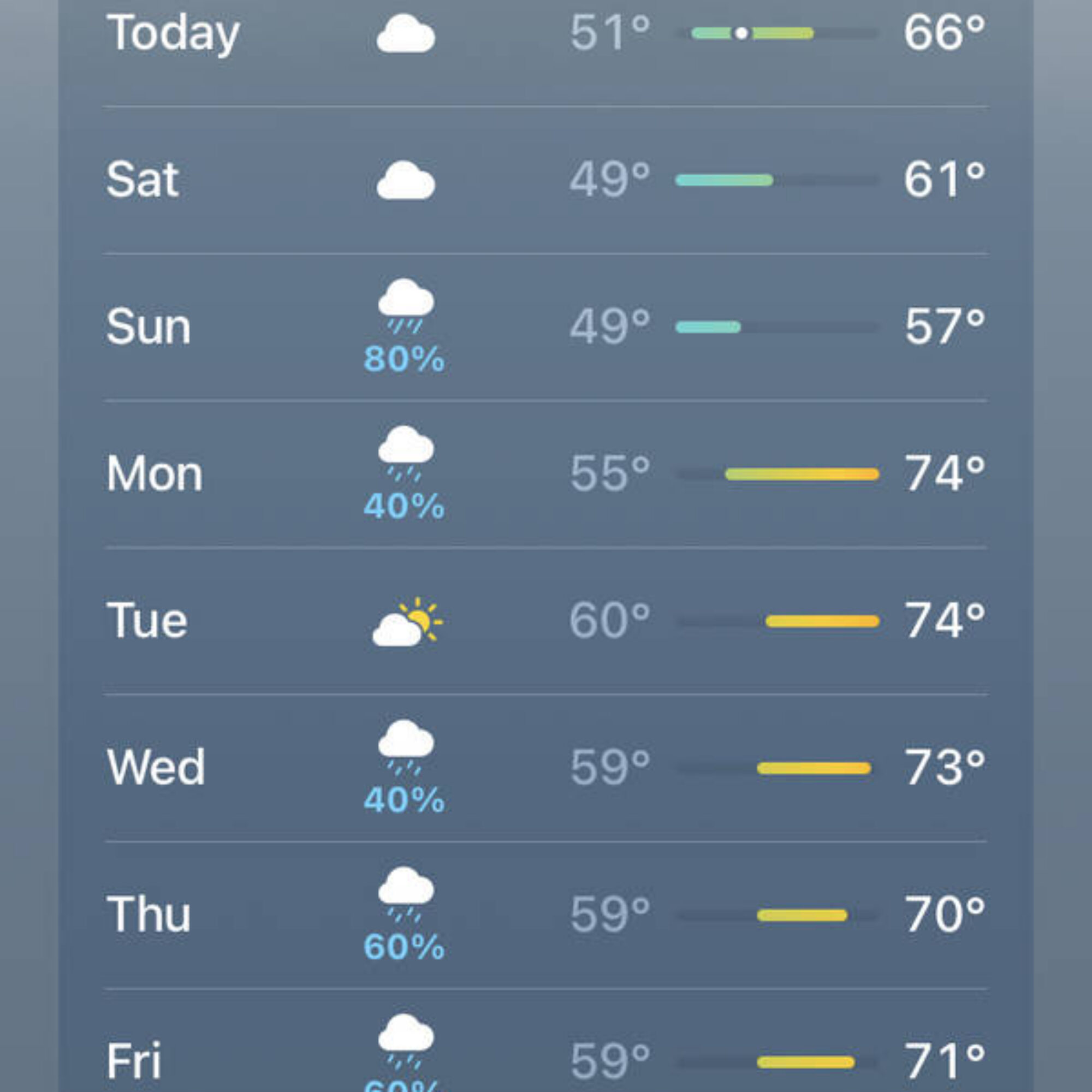
I made it through January and February with 23 out of 25 days of rain, snow, and no clear skies. The days were shorter but I had roof access, so at least I could charge when there wasn't much sun. Without roof access, bring the panels and battery to the park takes more work and time. The challenges of sustainability are less technology, market incentives, and legislation and more how to handle the boots-on-the-ground nuts-and-bolts challenges of handling the Department of Buildings, coop boards, and personal challenges of day-to-day hurdles. My goal isn't for people to live like this, with portable panels and struggles, but someone has to actually make it work. People can live with set-ups that cost under a thousand dollars, but not…

0 Comments

How to fail at transitioning from fossil fuels

First, let's imagine solar, wind, hydroelectric, fission, or fusion were "clean," "green," or "renewable." They aren't, but for the sake of understanding, we'll imagine they are, so if we transitioned to them from fossil fuels, society could live indefinitely on them. What Doesn't Work Everyone is acting as if we can ramp up "clean," "green," and "renewable" energies until we don't need fossil fuels, then we can ramp down fossil fuels. It's obvious when you think about it but not if you're addicted: that way doesn't work. We may claim it's not fair, but nature responds not to what we want but how we behave. Take flying, for instance. I don't think we can fly sustainably, except possibly if the human population dropped to below…

0 Comments

The problems of sustainability as more social than scientific

People jump to treating our environmental problems as rooted in science, therefore they look for solutions from scientists. I'm seeing the problem more as social than scientific in the following way. First, I want to clarify that understanding the mechanisms by which Earth's ecosystems are changed depend on science. I'm not challenging that we understand the mechanisms through observation, experiment, debate, and the other tools of science. When I pollute and deplete, I hurt other people. That I do it through polluting with plastic, drain aquifers faster than they replenish, or whatever doesn't change that the problem is I'm hurting people without their consent (wildlife too, though I'm partial to caring more for humans than animals). People have hurt others since before humans were human.…

0 Comments

End of content

No more pages to load