Tips


How to get the body you want, never buying another fitness or diet book

Since I work on motivation, I've read a ton of diet and exercise books. They generally try to fill you up with information. While filling your head with information doesn't necessarily hurt your fitness efforts, it won't likely help either. And any book claiming any latest and greatest methods can't get over that countless people before that book created fit, healthy bodies for themselves. Information doesn't make you fit. Behavior, and only behavior, does. Information can only influence your beliefs, which can influence your motivations and behavior, but that connection is indirect and weak. Working backward gives effective answers. First, figure out the body you want The first step was simple. For the body you want, do the behaviors that create it Only the behaviors…
0 Comments

Learn more leadership, motivation, and influence Saturday!

This Saturday, August 23, 10am-5pm, I'll lead a seminar with General Assembly on leadership in New York City. Register here, you'll be glad you did. This is the seminar that led to this testimonial: Josh, you may be interested to know I took out an Associate who will be working on my team and used your technique. She teared up, saying, no one ever asked her these questions and she is so grateful that I am taking an approach to her work based on what she likes and wants to do. It also revealed some of her deep fears and it was quite profound. Invaluable, thank you. I felt terrific afterward—in that she felt great and also that I felt I could get more out…

0 Comments

Crunch time strategy

You have too many tasks to do to keep track of and running out of time. What do you do? I hope you've developed a strategy not to lose your composure. Many people do. Here is my strategy. I don't claim it's the best strategy, but it keeps me calm and lets me finish things. I hope it works for you. First, I list my tasks. The tasks are never as many as I fear when I feel desperate. If I feel like I have six tasks to do, when I write them I usually find I have three or four. I almost always look at the shorter-than-expected list and have to triple check I'm not missing anything. Then I realize I'm not and I…

0 Comments

Another way to drain energy from a conversation

Following up yesterday's post about conversational mistakes, here's another I see all the time. This one is more serious than yesterday's for two reasons. First, it will more likely kill a conversation. Second, people who do it seem unable to stop themselves, even when they realize the problem. It affects all types of conversations, but I'll describe it in the context of my Meaningful Connection exercise. It goes like this: Person 1: "What's a passion of yours?" Person 2: "I love traveling." Person 1: "Oh, me too. Let me tell you all about my trip to Greece. It was amazing..." I'm sure you see the mistake, but I'll describe it in general to show how the problem can affect many relationships. Person 2 asked Person…

0 Comments

One way to drain energy from a conversation and how to avoid it

I see the following conversational mistake a lot. While it doesn't necessarily kill a conversation, if you want to have great conversations, it helps to know what you're doing. If you're reading this blog, with the phrase "If you want extraordinary performance, know extraordinary performers" on the top left of the home page, you probably want to perform extraordinarily. It came up when I was coaching a friend on Meaningful Connection exercise so I'll write about it in that context, but the principle applies to many conversations. That exercise starts by asking someone for one of their passions or something they like to do. After they answer, you connect their activity to your life, then ask them to elaborate. My friend skipped the step of…

0 Comments

How to manage your manager: the main concepts

"My manager sucks. How do I get them to manage me better?" People ask me this question all the time. The words differ for each person but the concept is the same. Probably every client I've coached, no matter what issue they started with, also wanted to work on improving their situation with their manager. Having coached enough on it, I'm putting the main concepts here. If I see demand I'll make a book of it. When the book "How to manage your manager" debuts as a best-seller, you can tell people you saw the first post on the topic. How to manage your manager: the main concepts This issue is common. You aren't alone. "Why would they do that?!?!": People ask this question rhetorically,…

0 Comments

How to make more, deeper, and closer friendships

Has anyone ever told you that even they've known you for a long time they still don't feel like they know the real you? Has it come from someone you're close to? It sucks, doesn't it? Do you know people without really knowing them? Have you known anyone for a long time, even spent time with them, but never felt you knew the real them? It doesn't feel good, at least not to me. Not knowing people means being unable to open up, having less support when you need it, knowing less about the world. It makes it harder to meet new people and get to know them too. A major wakeup came for me when three unrelated people told me they knew me for…

0 Comments

How to discipline a friend, an example

How do you discipline a friend? Even when you feel they deserve it, it's not so easy. Too harsh and you lose a friend. Too soft and they'll do it again. I generally advise against giving advice to someone who hasn't asked for it, but sometimes you know someone well enough. To me friendship means you're responsible to help a friend. Below is an example of balancing things effectively. Not that I have special skills in this area, but I hope it helps if you need to balance things sometime. Context: Recently a friend was late to meet for lunch. He's always late. So much that the night before I confirmed, something I never do with friends, but I don't like holding appointments for people…

0 Comments

More value of low-level instruction for leadership: Margaret Thatcher

The more I teach and coach leadership, the more value I see in low-level instruction. Possibly because people think of leaders having high-level positions in organizations, I find the expect high-level instruction for leadership. I find beginning with the opposite---low-level instruction---more effective. Like piano lessons begin with scales, dance begins footwork, and many sports begin with basic cardiovascular and strength training. Sadly, most of what I learned about leadership in school was high-level and abstract, including Columbia Business School's leadership classes. For someone with little leadership awareness, the classes were invaluable, but looking back, I could have used more basic instruction. Schools seem to leave the low-level stuff for learning on the job, but jobs and managers don't take a personal interest in you like…

0 Comments

Suffering in silence hurts yourself

When confident, assertive people with effective communication skills feel wronged, they tell the person who they feel wronged them. Maybe not in all cases, but they can. Once they do, they can do something about the problem. People who don't assert themselves or who don't have the skills to communicate their feeling wronged often, instead of telling anyone about it, simmer in their feelings. I refer to them as suffering in silence. They may feel self-righteous, victimized, hurt, angry, or a range of emotions. Feeling wronged, they won't feel good about it. Not sharing how they feel means they can't enlist anyone to help. They can't resolve their problems. They make it hard for anyone they felt wronged them to change their behavior. They prevent effective…

4 Comments

Making fitness inevitable

I've never had a flat stomach with definition---a six-pack---but I'm close to it now and I'm amazed at how well getting close to it motivates me to eat healthily and exercise. It's not the first time I've felt motivation to get fit. Earlier times led to long-term changes nothing like what diet books seem to recommend. While I didn't grow up fat, I was chubby enough that my step-brother made fun of me and my parents tried to get me to eat more slowly. I wasn't close to today's typical fatness, but I felt shame. I love the way I'm thinking about food and my body now. I haven't felt such an improvement since I started playing sports competitively in college and started wearing clothes…

2 Comments

The risks of saying “I need…”

How often do you say "I need" something? "Need" is a powerful word in social contexts because neediness is one of the most repellent behaviors. Family and very close friends who understand each other deeply can get away with using it. Rarely otherwise. Neediness means they're putting their interests before yours. Maybe you consider them justified or you know you'll help them out of friendship, but they're still doing it. You'll find yourself observing them skeptically since you expect them to want something from you. "I need" is one of the more repellent things to say. I recommend saying it with caution. Even if you do need something, you can express yourself in many ways. If you find yourself saying you need something, you can…

0 Comments

How to increase empathy, part 2: a model and strategy

Yesterday's post discussed how the world complicates understanding empathy with vague definitions and associating it with neediness and unwanted emotions. Today I'll describe a simple model to understand empathy simply. A simple model for empathy The model you have for something determines how you understand it and how you use it. I'll talk about emotions in general and then empathy in particular A simple model for emotions in general Many people contrast emotions with reason and conclude that emotions are irrational or random. I also used to think so, and that mental model undermined my ability to understand others' emotions and motivations, as well as my own. I've found another model more useful. My series on The Model, explains my model for emotions more deeply,…

0 Comments
How to increase empathy, part 1: why it seems so hard to
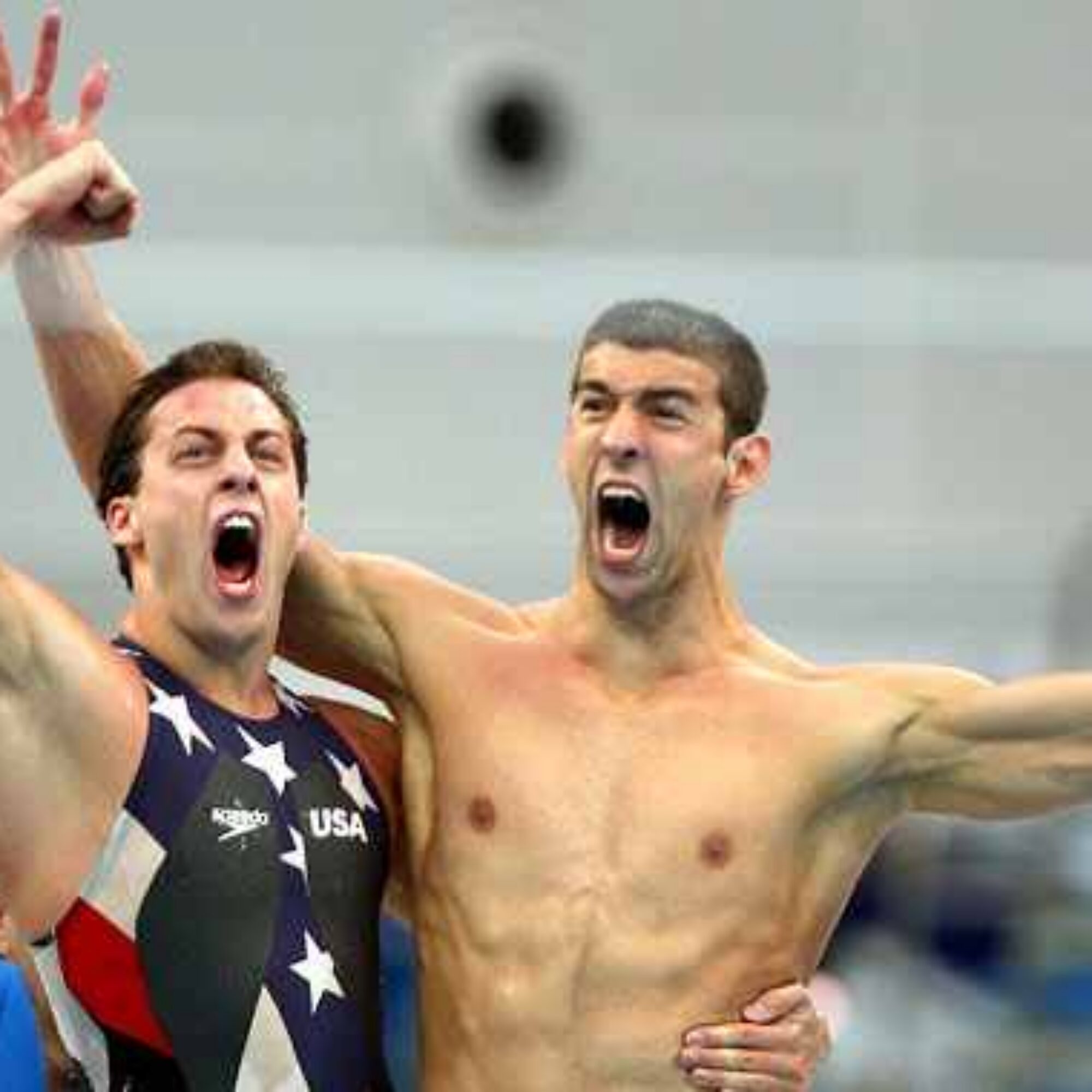
If you can tell Michael Phelps and his teammate feel happy and triumphant, you have empathy, probably more than you suspect.

How to increase empathy, part 1: why it seems so hard to

You want to improve your empathy because you've heard it's fundamental to leadership, influence, and motivation, but find it hard to define, measure, or see in use, making it hard to improve or learn from others. In other words, empathy is important for working with people, but hard to learn, all the more so for those who lack it most. While I don't pretend to be the most empathetic person, having started with little, I've improved a lot. I can teach you to improve yours. Today let's see how others make it hard. The world makes learning empathy hard when it's not. For example, searching on "What is empathy" returns pages and pages of links but searching on "how to increase empathy" returns fewer than…

0 Comments

How not to lose your composure: Rational Emotion

Context: Losing your composure hurts you When you lose your composure you don't get promoted. People don't follow you if you lose your composure. You lose your ability to motivate or influence them. If you debate or argue with someone and you lose your composure and they don't---that is, if your emotions become more intense than theirs---you generally lose the argument. People feel emotional reward when someone else's emotions get intense. When you get the other person to lose their composure, you feel a certain reward. If you show intense emotions, you motivate the other person to do again what led your emotions to get intense. Any parent knows this because kids are great at it. It helps to understand why emotions get intense, which…

0 Comments

The most important part of exercise: starting with knowing what emotion you want

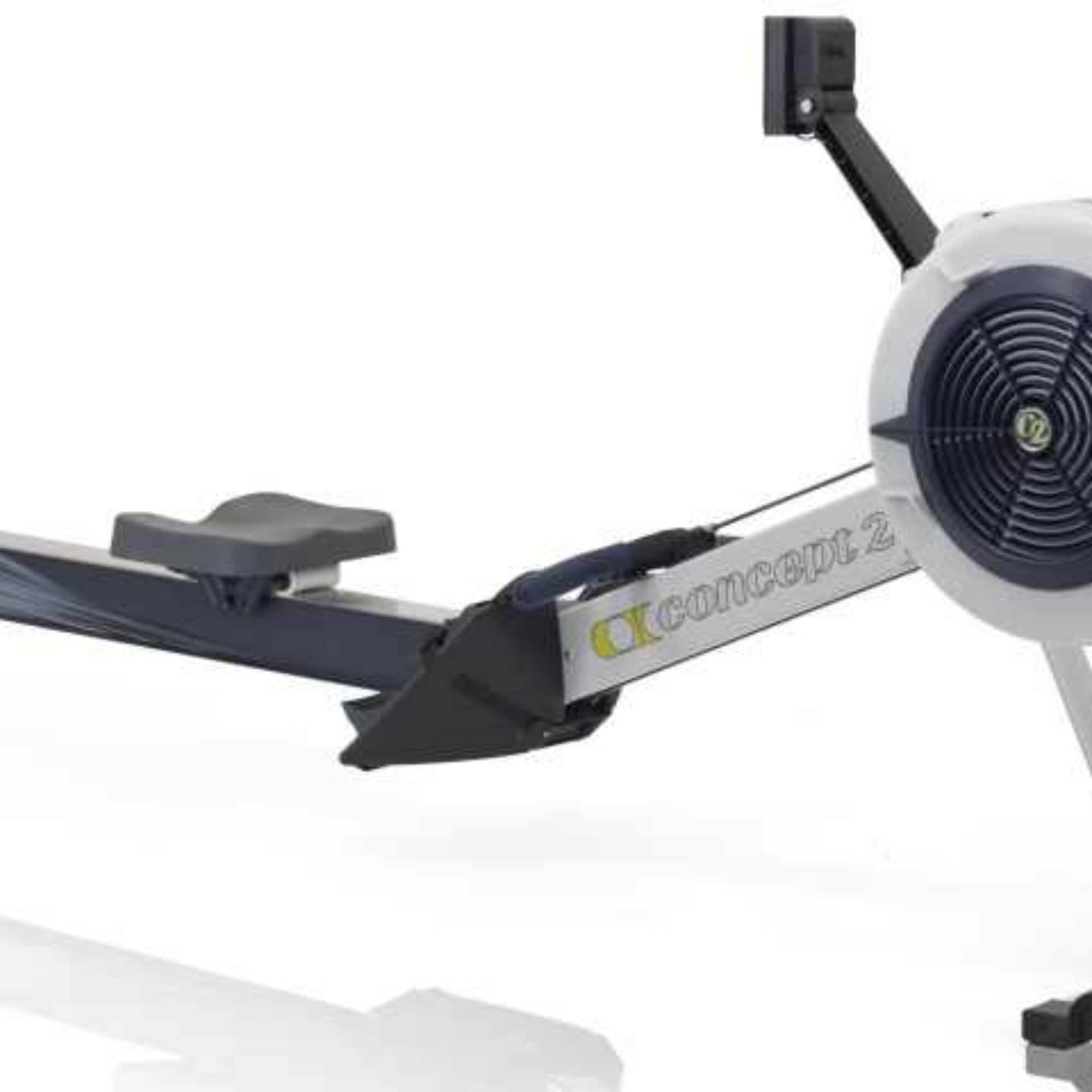
Longtime readers will remember that before burpees I got a rowing machine -- see my posts "Best solo workout I know" and "First time sprints" -- and enjoyed it, putting in about half a million meters in the first year of using it. I finally it back out of storage and started using it after renovations. I enjoy using it as much as ever. Actually, I'm enjoying it more for an unexpected and counterintuitive reason. The batteries for its readout died. Instead of replacing them I decided to row without having my stats. I like it more without the real-time stats. I figure with over half a million meters on it I'm keeping my cadence and speed consistent enough without the constant read-out. Rowing is…

0 Comments

Op/ed Fridays: Does “Stay in school, work hard” produce mediocrity? Can it produce greatness?

The more I spend time out of school, the more I find value in non-academic things I learned. The more I see people who just work hard---by "just work hard" I mean working hard for other people for a pay check without choosing the job---the more they don't seem to create greatness or deep satisfaction with their lives. The more I see the great people our society admires don't seem to have emerged from our schools or from working hard at a regular job. They seem to work hard, often harder than most people, but at things that matter to them, often sacrificing pay, status, and such until they succeed. So I have to distinguish between working hard for someone else who directs your work…

0 Comments

How to engage people you lead

The insight below prompted spontaneous applause during a keynote talk I saw at a recent conference. The speaker, whose work brings him sometimes to the White House, was talking about principles of teaching, but you'll see it applies to managing and leading too. He said he was talking to a teacher about creating assignments and test questions. Teachers perennially face challenges of creating problems that the students haven't seen before and can't game. They often resort to abstract problems. Abstract problems address those challenges, but at the cost of relevancy to the students' lives, which leads students to disengage, to ask questions like "How will I use this in my life," devalue institutionalized education, and devalue that teacher. The speaker asked the audience: We have…

0 Comments

How to turn anxiety into excitement

Do you like feeling anxious? Would you prefer feeling excited to feeling anxious? Did you know that a doctor reading your vital statistics can't tell the difference between you feeling anxiety and you feeling excitement? I looked it up and have a peer-reviewed paper somewhere confirming that---something like that the two emotions are physiologically concordant, or some academic-speak like that. The point is that your body reacts the same when you feel either way. Your pulse increases, your breathing gets shallower, and so on. Only your mind differs. Excitement has a feeling of optimism, anxiety has more pessimism, roughly speaking. How to use this information I don't know about you, but I prefer feeling excitement over anxiety, especially in high stress situations. I speak in…

0 Comments

Posture!

Yesterday's post on very basic but incredibly important instruction schools rarely teach reminded me of another. Everyone evaluates you on your posture Your posture conveys your mood---especially confidence---as much as anything, meaning people judge you on your posture. Maybe a smile, or lack thereof, counts for more. Most healthy people have total control over their posture. Since your emotions and behavior (I consider your body language and posture part of your behavior) influence each other, you can drive your mood by choosing your posture. You can also change your posture by changing your mood. How to improve your posture in one second, and boost your confidence Walking into a meeting or networking event where you want to feel confident? Or a social situation? Here are…

0 Comments

You don’t have to talk about what you don’t want to

This lesson is so simple people don't believe it. The title says it all. You don't have to talk about what you don't want to. People challenge it. I guess I should specify the context: casual conversation between people who don't have authority over each other. At work or in court under oath may be a different story. How many times have you been in a boring conversation going nowhere or, worse, a conversation that was actively making you look bad? This lesson applies. Something like this feels too basic to cover, so schools don't teach it. They learn higher level concepts, but many people don't learn this simple stuff. You're part of the conversation. You can change the subject. You are not swept along…

0 Comments

Use social gaffes to strengthen relationships

How much better would your relationships be if you saw solutions where you used to see problems? While I don't like problems, I've learned to look forward to problems as ways of improving relationships. Relationships can grow stronger as a result of social gaffes just like broken bones heal stronger than had they never broken and muscles grow from minor tears when you stress them. What meaningful relationships have you had that didn't involve a lot of work? How often did deep understanding come easily? You may not like fights, embarrassments, etc, but what do you expect if everyone doesn't agree with everyone else on everything all the time? Here's how to make relationships stronger for the mistakes and misunderstandings that happen in them, or…

0 Comments

Do you want to be miserable?

Context: city workers are tearing up the street outside my building. They start jackhammering at 7am and the noise hasn't let up for the past two weeks. We don't know why they're doing it or how long they plan to work. My neighbors and I talk about it. One of my neighbors, an otherwise thoroughly enjoyable woman, keeps talking about how bad it is. At first I commiserated. I ran into her today and she started complaining about it again. I responded, No matter what we do they're going to do this work. My only question is will I be miserable about it. This perspective applies to most problems. If you can't do anything about something, you have no choice but to have it in…

0 Comments

Know your emotions: jealousy isn’t envy

If someone wins the lottery or gets something you wish you had, would you feel jealous of them? No, you wouldn't. If you wish you had something someone else did, you would envy them, which is different from jealousy. Today people use the terms interchangeably, but they describe distinct feelings. I only learned the difference a few years ago when someone pointed it out to me. Since then I've become more aware of both emotions and they create fewer problems. That's the value of awareness. The more accurately you understand your motivations and emotions, the greater your emotional awareness and the more you can manage your life. I'm no expert on the emotions, but I've experienced them like anyone and I've developed skills to handle…

0 Comments

Clear your desk every afternoon, clear your mind every evening

Want to simplify your life? Try this: at the end of every day, clear your desk of all your work material. Think you can't do it? Try it. You'll be surprised at how much simpler it is than you think, and how much it affects your calmness when not at work. I've been doing it a few months. Before I did it I would have thought it would take too much time in the morning to get started and in the evening to wind things down. Or that it would force me to interrupt tasks in the middle. I haven't found those worries to materialize. On the contrary, I've found the practice gives me accountability. It forces me to think at a higher level about…

0 Comments

End of content

No more pages to load