Tips


Visualizing reactivity and freedom, part 2: how to improve

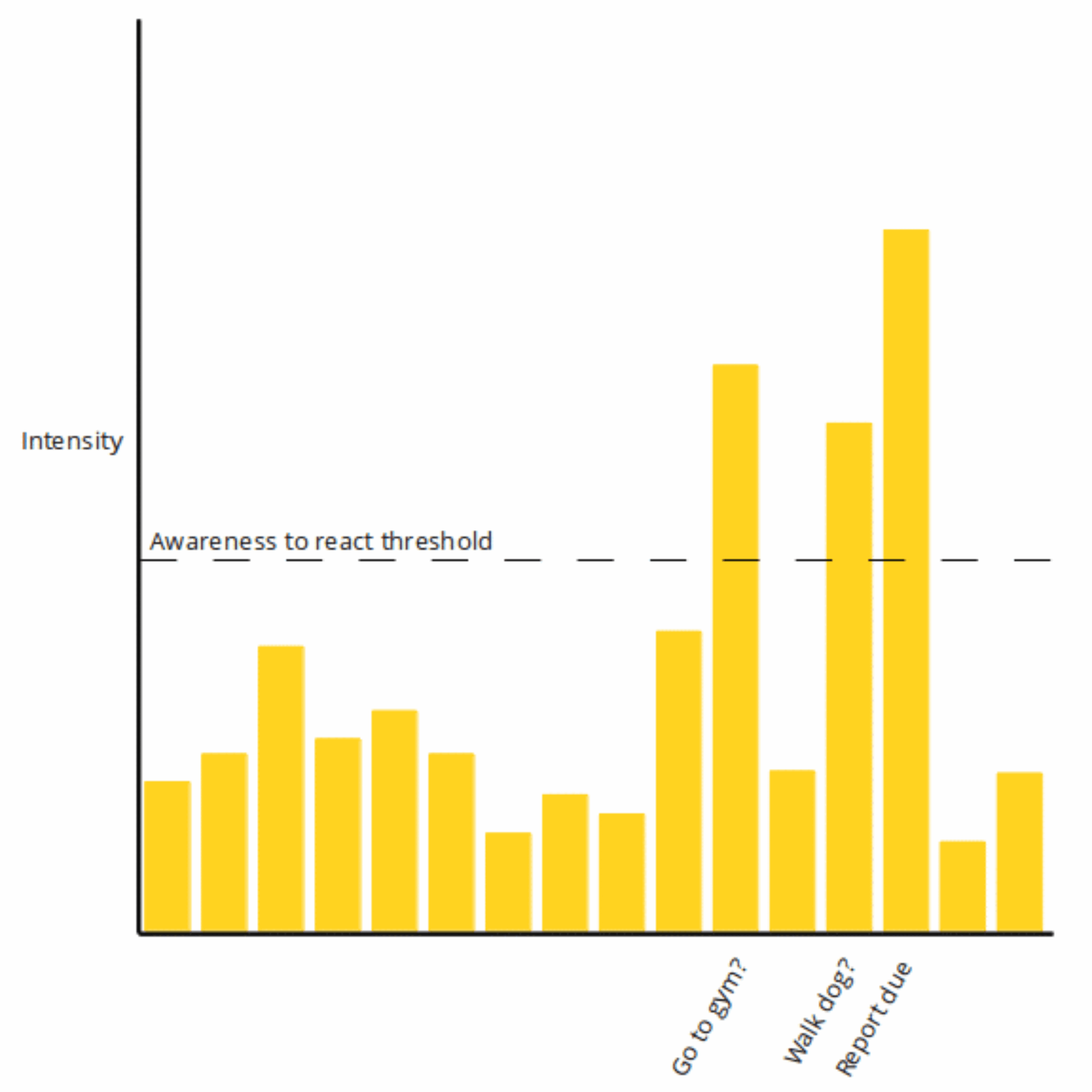
Emancipate yourself from mental slavery, None but our self can free our mind. -- Bob Marley, Redemption Song Context How do you move from living reactively, like in this graph, where you can't help but react to any intense motivation: To living aware and non-reactively like this, where you are aware of many motivations but don't feel compelled to react blindly to any? That change brings freedom. It comes from raising awareness and lowering compulsion to act on it. How to raise awareness by increasing your sensitivity to your motivations A motivation being subtle---that is, not intense---doesn't mean it's unimportant. On the contrary, often your most important motivations are subtle ones. How many people want to write books, paint, and so on, but never do…
0 Comments

What to say when an organization is considering hiring you

The context: an organization is considering hiring you, maybe as an employee, maybe as a consultant or freelancer, maybe just to collaborate. The challenge: if you read my blog, you don't just want a job where you punch a clock. You want to contribute meaningfully, meaning your vision extends beyond the immediate task they're thinking about. The conflict: if you don't talk about your vision, you don't know how well you fit at the organization. You don't want to join based on a misunderstanding and then find you want to leave soon. But if you do share your vision, they might consider you overqualified, not focused enough for the job they want done, or a risk to conflict with existing plans and people. The solution:…

0 Comments

Judging is inevitable. You choose if you communicate it.

Nobody likes feeling judged when they didn't ask for it. We like people to support us. We know others don't like feeling judged either. Yet we all feel like we judge others. When someone walks into a room we judge what they wear, whom they're with, how they act, and so on. When we walk into a room we decide who we consider worth talking to and who doesn't. When we watch presentations we evaluate the person, their ideas, and how they present them. (Sometimes we ask for judgment, but I suggest you'll achieve whatever your goal in asking for judgment better by asking for advice, a la Feedforward.) How do we get around that we don't like feeling judged but we can't help judging?…

4 Comments

Want to influence someone? Understand them and make them feel understood

Want to influence someone? Yes, you do. Your spouse, girlfriend, boyfriend, manager, people you manage, kids, ... anyone you communicate with. I don't care if you think they're perfect. You want to influence them. Why else do you communicate with someone except to influence them? (A question worth thinking about!) If you want to know your potential to influence them, ask yourself how well you understand them. If you don't understand someone, you can't influence them well. You can guide them and create incentives for them with various carrots and sticks to get them to do what you want, but you don't get at their motivations they haven't shared with you. Not knowing people's motivations is mostly what not understanding them means. If you want…

0 Comments

Personal development: take your training wheels off after you learn to ride

I coach and work with a lot of people with MBAs. A lot of people without too. They keep doing what school taught them for social and business interactions. It kills me. School teaches you the bare fundamentals. It gives you training wheels to practice new behaviors, if it even does that, since it mostly just teaches abstract skills. Training wheels are great for getting you on a bicycle but if you want to ride, you have to take them off. When you ride a bike without training wheels you have to tilt it to be stable even though that position wouldn't be stable if the bike were still. You can't do that if you keep the training wheels off. Likewise, when you work with…

0 Comments

Patience before sending saves relationships

Getting the last word feels great! It feels so beautifully indulgent and victorious to hit that perfect phrasing that makes the other person realize how wrong they were. If only you could see them reading it, wincing, and realizing they should apologize. What satisfaction it would bring. What a great fantasy. Too bad life doesn't work out that way. You've no doubt received a snarky email like I described. Do you ever remember someone's insulting you leading you to change your mind or think more highly of them? I doubt it. I think I have indulged myself in those fantasies and sent such emails. I doubt it once led to lasting satisfaction. My strategy for getting back at people by email My strategy for getting…

2 Comments

When and how polarizing helps

When you hear about polarization in leadership, what do you think? You think polarization is a problem, right? Do you think about how polarized politics silence moderate voices? ... about how leaders treating everything as black and white miss the nuances of your thoughts? ... about how you've learned to see things with nuance, which you consider more mature? ... about polarizing leaders whose divisiveness you don't like? Maybe not everyone thinks that way, but I just searched on polarization and leadership and every post (that wasn't about sunglasses) described polarization in leadership as a problem to overcome. I tend to think that way. My life improved as I learned to understand nuances in issues and not treat issues or people as right or wrong,…

0 Comments

How to make relationships last

What makes relationships last? What makes one person loyal to another? These questions apply to personal relationships as well as business. They happened to come up with a client on business and as we talked about it, the conversation covered more personal relationships, the way you like business conversations to become. In my experience, relationships may start with things like common interests, shared histories, common friends, and other things that attract someone to another, but what makes a relationship start doesn't necessarily make it endure. The same holds in business, where relationships may start based with the ability to make money together, as much as personally, where physical attraction may start things off. But most of us know that eventually you can't stand some people…

0 Comments

How to make your next performance review shine

Do you have performance reviews at work? Do you want your next one to look great? A great way to make that happen is to get your manager or whoever rates you on your side, motivating them to evaluate you more positively. How do you do that? First, recognize they benefit from you doing well. The better their reports do, the better they do. Even if you think your manager is out to get you, they still feel this motivation. It already exists. I've seen reports on people who tell me their bosses hated them, yet the reports still showed the boss showing some interest in their development. You don't have to create it. So how do you get them to act on it? Next time…

0 Comments

See my Harvard talk on not dwelling on decisions

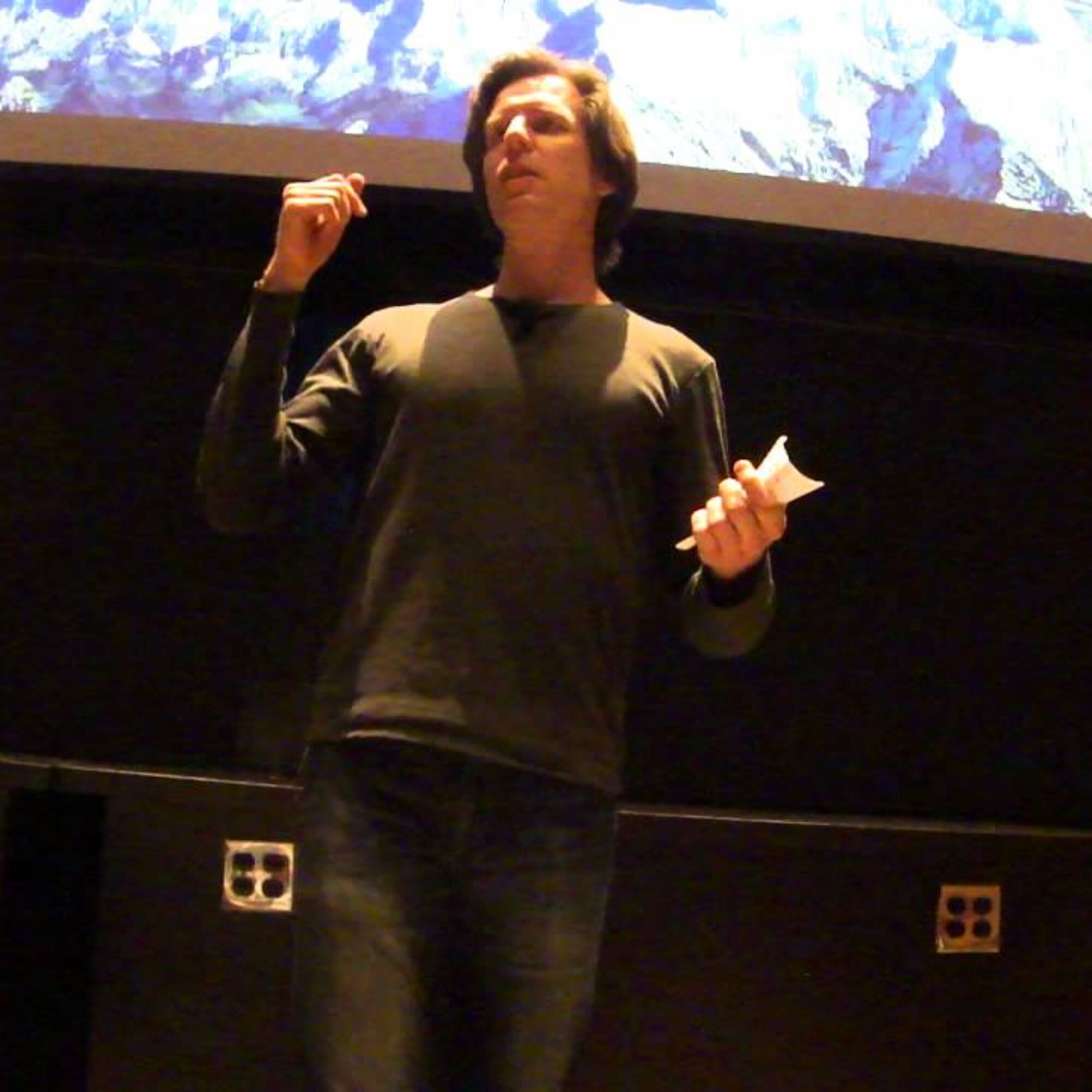
Here's my talk at Harvard. I talked about not dwelling on deciding, when appropriate, and instead moving toward execution, a major part of leadership. Someone in the front row recorded it with a small camera, so I hope the casualness of the recording doesn't distract. https://www.youtube.com/watch?v=6-FviiKulBk

2 Comments

Bored at work? Looking for a new job means you’re probably looking in the wrong place

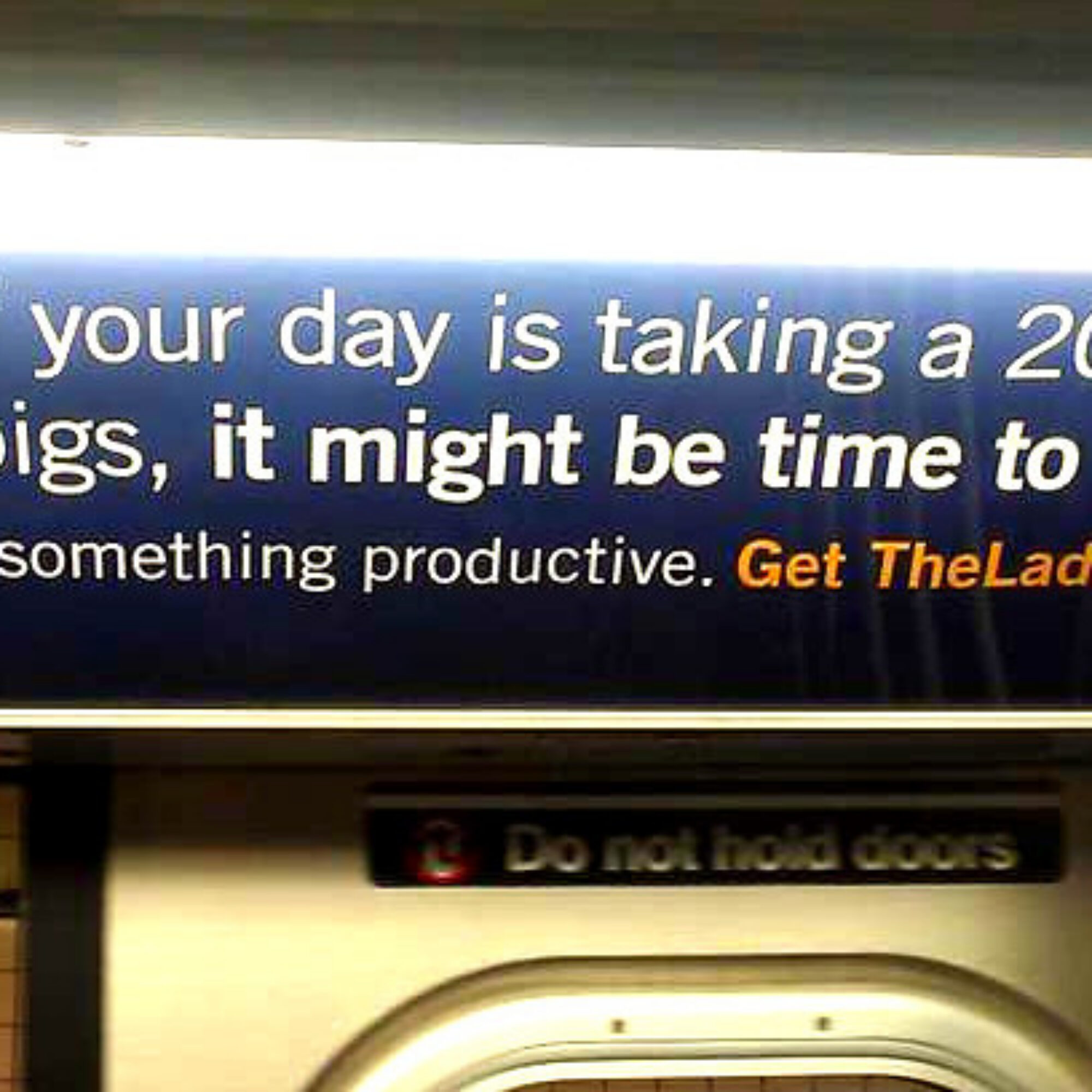
I saw this ad in the subway and confess it made me smile, but if you want to like your job more, I suggest it gives counterproductive advice and focuses your attention in the wrong place. The door was opening and I didn't have time to get all the text, but it reads If the best part of your day is taking a 20-minute break to throw birds at pigs, it might be time to find a new job. Clever and timely, but it focuses on your job as the source for your job satisfaction. A web site that benefits from you searching for jobs wants you to look at the job as the source of your satisfaction, but you can do better. Boredom and…

0 Comments

Creativity — The Series

The series of posts below covers creativity, mainly exploring counterproductive mainstream myths about it. I used to view "creativity" as vague, but a few sources dramatically and convincingly changed my perspective. One was a class at Columbia Business School called Systematic Creativity in Business, by Jacob Goldenberg. Creativity being systematic was designed to appear in the course name as a contradiction, but isn't when you understand the material. His book is great and covers the material well, though the tone is academic. The other is Creativity: Beyond the Myth of Genius, which revolutionized my views on creativity. Mainstream ideas on creativity try to make the topic seem romantic — like that Mozart was a creative genius beyond ordinary human capability and he worked in ways…

0 Comments

How to Choose

Most of your identity is the culmination of the choices you've made. You choose all day every day. Many people have trouble making big choices, for some choosing is even debilitating. If you do, you're holding yourself back from living your life more fully. I used to dwell on decisions too. In my second year of business school I saw many of my classmates dwelling on choices between different job offers, unable to choose between Goldman and McKinsey. While most of the world would imagine it simple to choose among six-figure offers from prestigious firms, people choose for their reasons, not anyone else's. Still, I saw their self-fabricated conundrums as pathetic and pitiful. They seemed like an emotional version of physical compulsive hoarders---people who save…

2 Comments

Motivating Rejections — The Series

Welcome to my series on turning rejections into motivations. Click on the Table of Contents entries to the left to read the posts in the series. I've learned to view what many people call failure as experience and lack of failure as not experimenting enough. If you avoid failure absolutely, I would guess I would sound annoying to me. Not that I'm special in this way. The entrepreneurial community celebrates failure, at least among those who learn from it despite the pain. So do sports and plenty of other places. A major part of my failures come in the form of rejections. Like many of my failures that turned into great learning experiences that led to great successes, many rejections renewed passions in me to…

0 Comments

Instead of connecting to a higher purpose, try a more personal purpose

You've heard the advice that to inspire and motivate people, it helps to connect their task to a higher purpose, right? It seems to make sense. Martin Luther King motivated people to painful and degrading but effective tasks with calls to justice based on concepts of freedom and religion. Patton motivated people to risk their lives with appeals to saving the country. What if you have a team without such lofty goals? You probably aren't leading people to free people from oppression or save your country from Nazis. How do higher purposes help when you want the five people who report to you to finish a presentation by Friday? If you want your team to finish a report by Friday, appealing to motherhood and apple…

0 Comments

Overcoming Objections and Blocks — The Series

Do you know you want to improve something about your life but never seem able to? Do you find yourself always trying to understand your problems but never overcoming them? Or just saying you're just this way and can't do anything about it, even though you know other people who were like you learned to get past it? You probably have internal objections and blocks stopping you. External hurdles are much easier to overcome. Some people never learn to overcome internal ones. Read my series on some common objections and blocks, "Overcoming Objections and Blocks -- The Series," and how to overcome them. Overcoming blocks and internal objections is one of the most important skills to improve your life. Nail a few of these and…

0 Comments

Four myths that discourage you from entrepreneurship and how to overcome them—The Series

A few years ago I posted a series on reasons I hear all the time that discourage would-be entrepreneurs from behaving entrepreneurially---starting business ventures, non-profits, or just projects they enjoy. This series helps you overcome the top ones I hear. I compiled them into easy-to-read series format. Click here and take a look at the series! To whet your appetite, the four discouraging myths in this series: You need a great idea to start a business. Working for an established company helps prepare you for starting a venture. I should make some more money before starting my venture. Starting a venture is riskier than working at an established firm. The four productive beliefs: Better than a great idea is a decent idea, the ability to…

0 Comments

Show, don’t tell

I don't often find myself at a loss for words, but my mind was racing too fast to pick anything to come out. I looked out the cafe window at the people bundled in their coats, Spring still weeks away. In front of an agent I had recently started working with on the early draft of a few chapters the book I'd hurried to finish in the last few days said the words "show, don't tell," which she had just explained to me was rule number one of writing. And that my writing was all tell and hardly any show. I had hoped I would have gotten at least to rule number two. She eased the pain by explaining it became rule number one not…

4 Comments

Suffering in silence for someone creates problems. Getting the credit you deserve helps the relationship or keeps you from wasting your time.

Do you suffer in silence for anyone? Do you find it helps the relationship? It happens in business, but I'll illustrate it with a classic case where two people suffer in silence for each other is a marriage where both parties think they work and contribute more to the relationship than the other. You can substitute a relationship between manager and report or among teammates if you prefer. Say one of the spouses works long hours and earns more money and the other takes care of the house more. The first might think the other spends their money without valuing the sacrifices they make being away from home. The second might think the other doesn't contribute their time to the relationship like they do. You…

0 Comments

How I keep from feeling depressed

When people talk about depression other people often start talking about psychology, psychiatry, and medical conditions no one understands the magnitude of who hasn't experienced them or studied them. Today I'm only going to talk about my experience. If it doesn't apply to you, I hope you still find something to learn from it. If it does, I'm confident you'll find something helpful in it. As far as I know, everyone has the same gamut of emotions. We feel different ones at different times, but if you name any emotion, anyone in the world would know it. A corollary is that everyone feels depressed at times. By depressed I mean unmotivated to do anything, seeing no point in doing anything, feeling like you can't get…

2 Comments

What if I told you the least you could do was also the most effective?

People are looking to pick up activities to improve their lives all the time. Nearly everyone recognizes they could do something to improve it. Maybe they want to get more fit, make more money, be more creative, have more fun, feel more excitement, or whatever. Some do. I've done a bunch and I'm glad I did. The more I do, the easier the next one becomes. But many don't. I think one of the biggest hurdles is that many activities seem hard or involved. The more I do new things, the more I find doing the most basic, core part of the activity is not only the easiest part, it also gives the most value. Take yoga, for example. Most people who do yoga these…

2 Comments

“Passionless” people?

[This post is part of a series on Communication Skills Exercises for Business and Life. If you don't see a Table of Contents to the left, click here to view the series, where you'll get more value than reading just this post.] A couple of my Communications Skills Exercises begin with asking people what their passion is, including "Meaningful connection" and "How to make someone feel understood: confirm and let them correct you", both tremendously effective yet simple and easy exercises. Many people ask "What if the person doesn't have any passions?" Some people I start these exercises with say they have no passions. Today I'll show how to get past such challenges. As usual, it involves belief and behavior. Belief: Everyone has passions, they…

0 Comments

The Joshua Spodek Ten

A longtime reader and friend told me a way he put together to make himself feel better, going back to my 2009 post, "Less, please". He said "You know how I get to feel better when I'm feeling down? You have your burpees and SIDCHAs. I do my Joshua Spodek Ten. Whenever I feel down, I set a goal of getting rid of ten things." He described that he had lots of stuff, but had been getting rid of and working to avoid acquiring things since "Less, please" and had gotten good at it. More importantly, he realized a way to make himself feel better, through less clutter and stuff, however much he thought getting any one of the things would improve his life when…

0 Comments

My boss sucks. How do I manage my manager?

How to up-lead After my leadership seminars, someone always says "This material is great. I can see how it will improve my life. I'm starting to implement it. But you know who could really use it? My boss!" Most of my clients who have problems at work wish they could change their bosses, a process I call up-leading or up-managing. Come to think of it, our success developing up-leading skills seems a major reason people work with me. It seems a big and common need. A few changes in beliefs and learning a few new skills overcomes most of the problems, but they can be hard to get to take root. Today I'll write a few notes on how to do it. If you want…

0 Comments

End of content

No more pages to load