Visualization


“Get in touch with your masculine/feminine side” misunderstands and undervalues men and women

Two quotes misunderstand and undervalue people, I contend: "You should get in touch with your masculine side." "You should get in touch with your feminine side." People say the first to women mainly, sometimes men, to imply they should learn to act more like mainstream views of men, like learning to fix things around the house, not sweating small things, and enjoying things like pizza and beer. People say the second to men mainly, sometimes women, for them to act more like mainstream views of women, like making their home look pretty, showing affection, and taking care of children. The belief behind masculine and feminine sides When you suggest a woman act on her "masculine side" you're suggesting she's doing something unnatural for a woman.…

0 Comments

This is not leadership. It makes people think it is and that’s part of why we have poor leaders, part 3

"Just do what I say." "Do it now." "John, do X. Sally, do Y. I'll do Z. Then we'll met and put everything together." Wouldn't leadership be easy if we could tell everyone what to do and they'd do it? It never seems to work like that, though, does it? Most people understand that problems come up. They don't always realize that command-and-control leadership often discourages people from working with would-be leaders who work with it. Why do people still order people around? I think one reason is how much popular media show leaders working with it. It's simple and dramatic, but rarely works. When it works, it's generally as a last resort in a crunch in an otherwise successful team. You generally need the…

2 Comments

This is not leadership. It makes people think it is and that’s part of why we have poor leaders, part 1

"You don't understand me!" "I wish I'd never been born!" Who hasn't yelled something like that at their parents? I'm sure I did. I argued with my parents like all kids. I've grown since then and don't argue like that any more. I still disagree, I just try more to seek understanding, not to confront so adversarially. I was just in a line and overheard two workers argue. They weren't yelling, but they weren't getting anywhere near resolving their conflict. They were adults but as best I could tell hadn't grown past a juvenile way of dramatizing conflict, trying to win instead of understanding and resolving things. Their model for resolving conflict seemed something like Intensify your emotions more than the other person Talk more…

0 Comments

Making a habit stick makes other habits stick easier

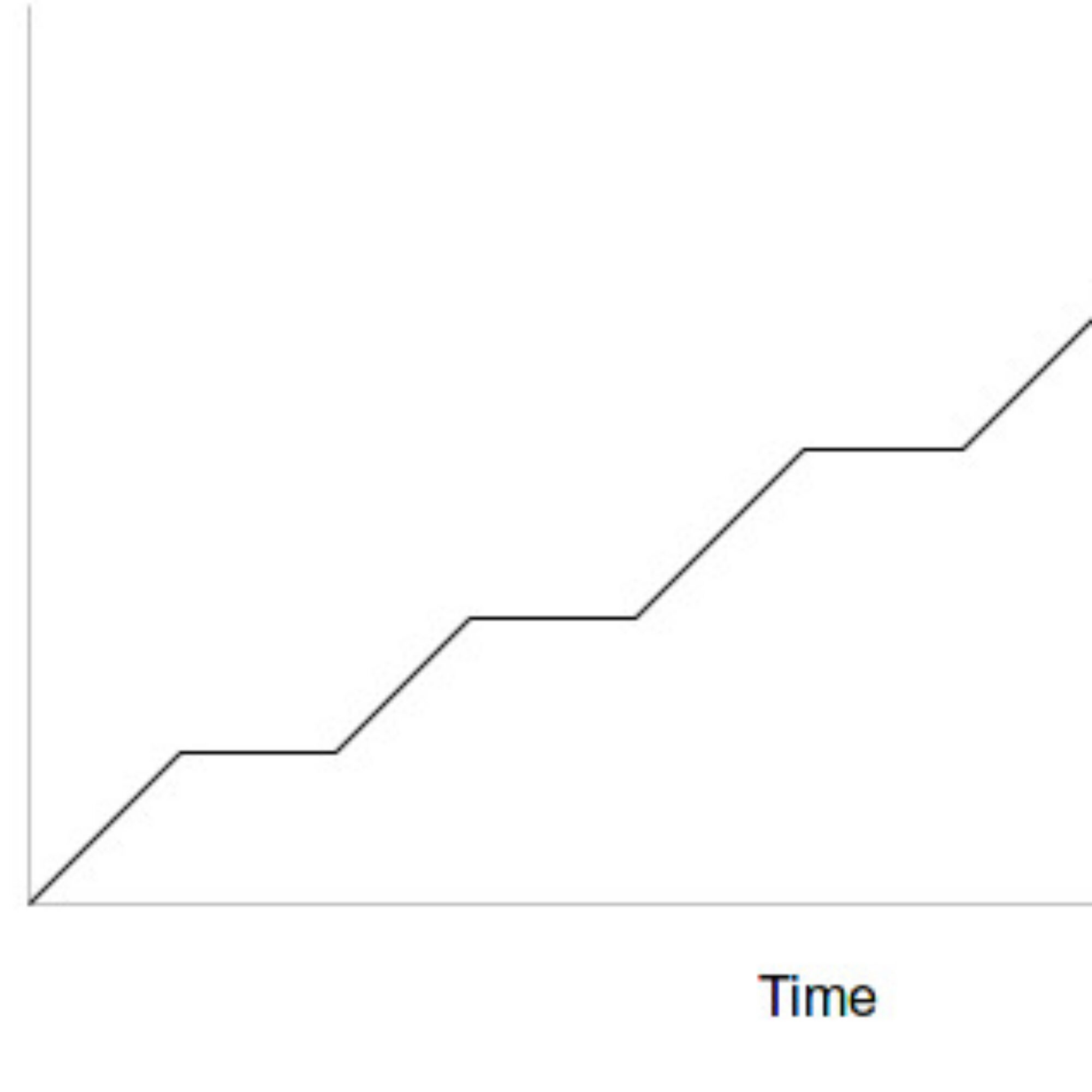
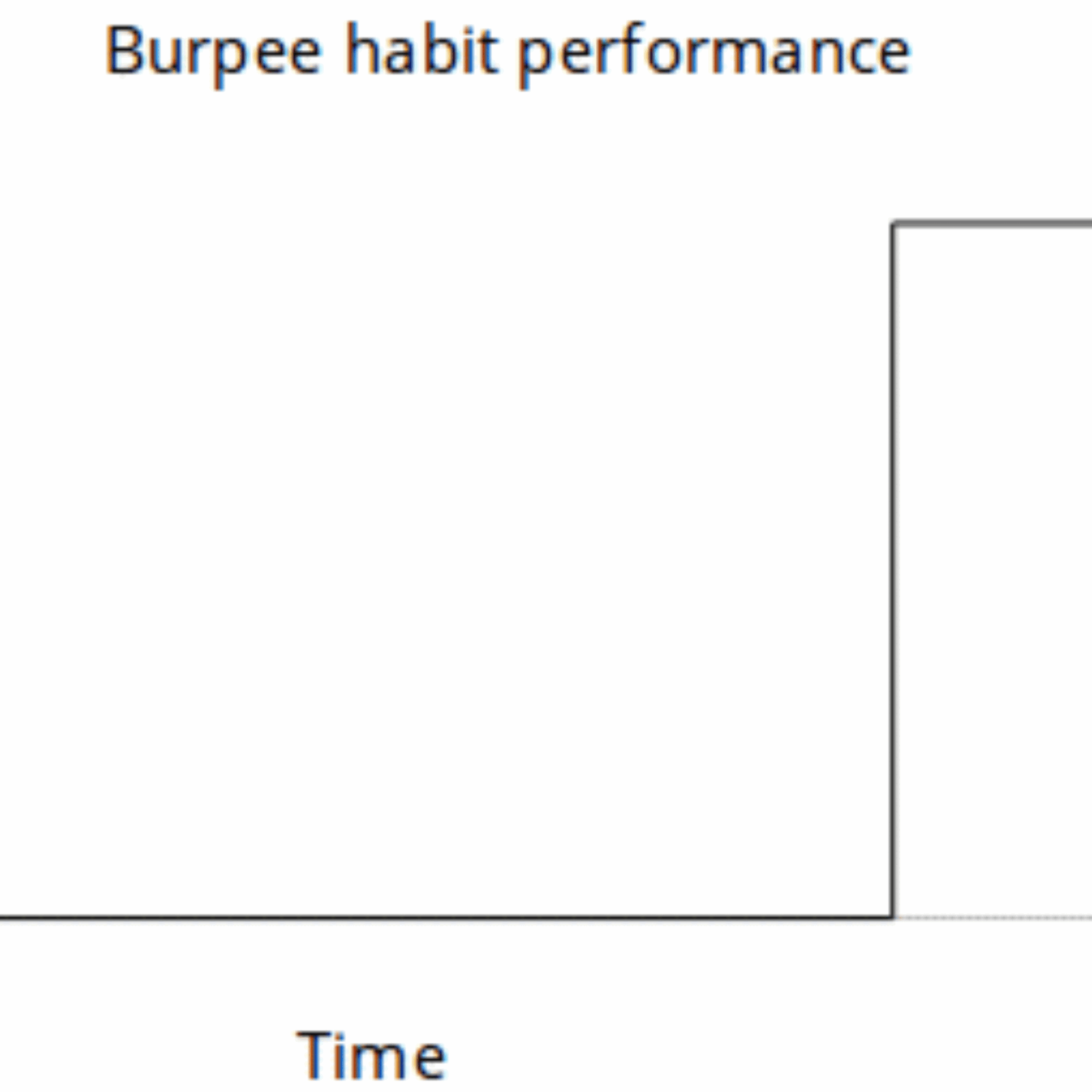
In yesterday's session on starting habits, when I described how easy it was finally to floss my teeth daily after I started my burpees. An attendee asked me to clarify. After the session ended, others asked me to clarify more and the following diagrams emerged. Starting burpees This chart schematically shows my burpee habit performance. Flossing before burpees This chart schematically shows my flossing habit before I started doing burpees. The red line shows my flossing effort, overlaying the gray line of my burpee effort. Flossing after burpees This chart schematically shows my flossing habit after starting burpees. Conclusion Making a habit stick makes other habits stick too. I think of making a habit stick as a skill, or set of skills. The more you…

0 Comments

Buying no food with packaging, eighteen days and counting

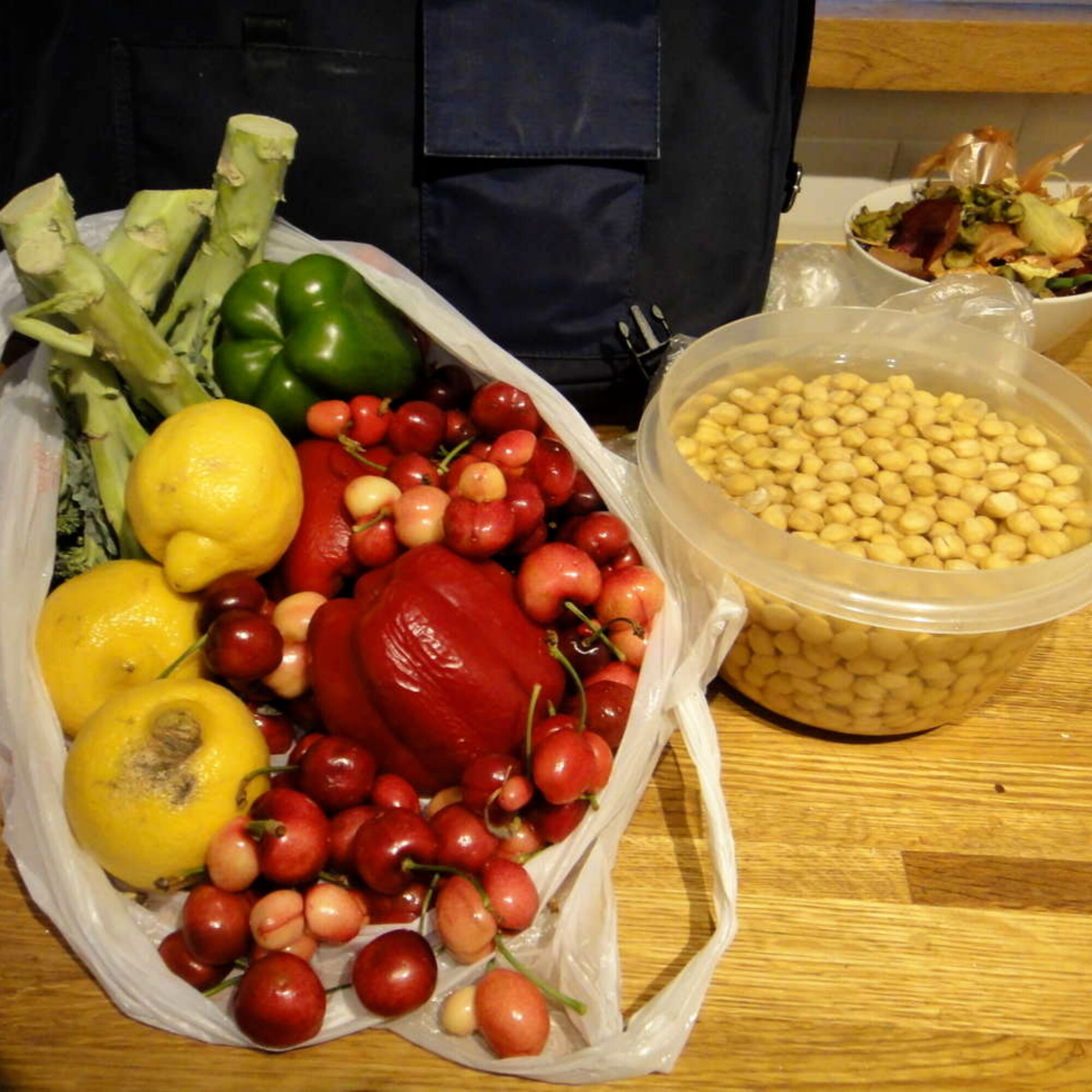
Two-and-a-half weeks ago I decided to avoid buying any food with packaging for a week. I'm on eighteen days and counting. I didn't try to come up with a perfect rule because trying for perfection kept making me delay trying. I settled on the rule that I wouldn't buy food that had any packaging or get food at a restaurant. I'd figure out on the fly what to do in border cases. I allowed myself to use food I already had. Discoveries It hasn't been as hard as I thought. I'm eating a lot more fruits and vegetables than usual. I'm also cooking a lot more beans and peas from dry. Instead of buying a lot of produce at once, I'm buying enough for a…

2 Comments

What makes relationships last: resolving conflict

Do you remember how your favorite relationships started? Business, personal, or whatever, you felt mutual attraction to work together, play together, or whatever. Something about the other person made you want to interact with them. Do you remember how your relationships ended? Sometimes you or they change and you lose interest. No problem. Often you want to keep the relationship yet it ends unhappily. Many people blame differences you couldn't overcome. I suggest the key point in those cases is not the differences but your inability to overcome them. No two people agree on everything. Every pair of people have differences. I suggest the key to making relationships last is not finding people you agree with perfectly. That doesn't exist. Nor avoiding problems. You can't…

0 Comments

New category: visualizations!

Some of my favorite posts are when I visual model something complex. I created a new category, "Visualizations," and in this post will link to most of them. Below are some of the visualizations I made. They're out of context, but click on any to see the posts they're in. I predict you'll like them. Or click on the Visualization category to see all the posts in the category by title.        

0 Comments

My scientific and engineering view of coaching and teaching leadership

Science is the study of nature, looking for patterns, to predict results. For the moment I'm not approaching leadership with the institutional view of science with researchers applying for grants from the National Science Foundation to do double-blind controlled experiments for peer-reviewed publication, though I've had a few graduate students approach me to do research like that. Here's a simpler view: science turns observations about nature into models and predictions about the future. It's simplified, but I think captures an important part of science. Thousands of years ago people noticed that what went up came back down. That's an observation about nature that worked for most purposes. Science turned that observation into Newton's laws of gravity, which was a specific model of nature. The process…

0 Comments

Joshua Spodek’s 2014 New York City Marathon Results

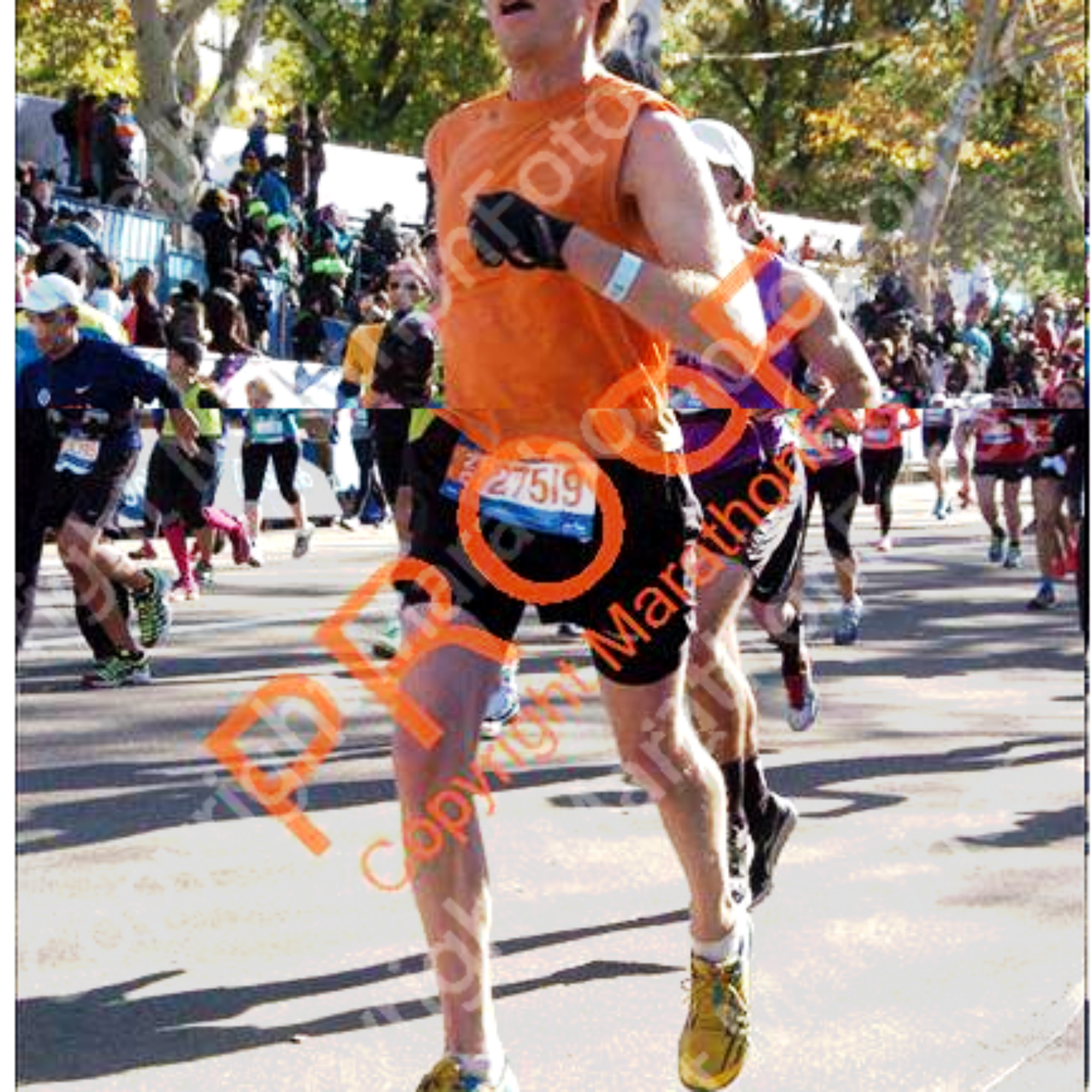
I finished the 2014 New York City Marathon with my best finishing time for the race and my second best time ever! Philadelphia, where I got my best, is flatter and has fewer people, which makes faster times easier. New York, with its hills, crowds, and turns, never gives great finishing times---just an unparalleled running experience, with dozens of bands, hundreds of neighborhoods, and probably over a million fans. My past best time for New York came in 1995, which I was 24 years old, just over half my age today. I'm glad to have returned to my performances of old. Conditions: cold, windy, and gusty The temperature while waiting for the race to start was about 42 F, with a 31 mile/hour wind, giving…

4 Comments

What makes an emotion a passion?

What's the difference between emotions and passions? In a leadership context I look at emotions functionally, as motivations. In an art or music context, I think more about how emotions feel and how to express them. To distinguish them, I think the functional view helps more. A passion is something that motivates you strongly with strong feelings. In other words, a passion is a strong or intense emotion. A lot of people seem to think of emotions as ethereal or mysterious, which makes them hard to understand. Many also see passions as something they wish they had so they could achieve more, like others do. They feel like the passions they could have unluckily elude them. I think of emotions and passions lying along a…

0 Comments

How to handle leadership issues when you don’t have authority

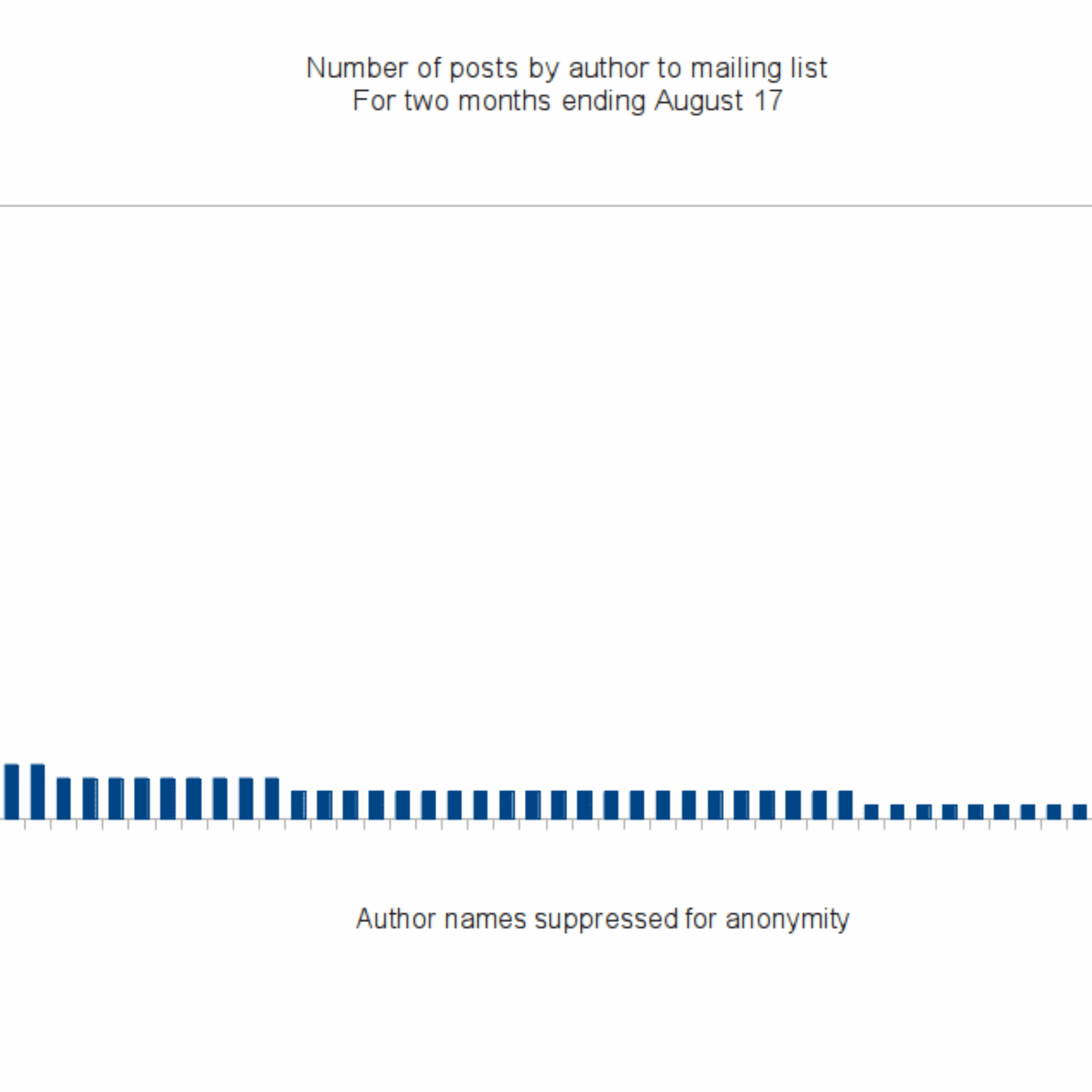
What do you do when you see ineffective or counterproductive leadership of a group you're in and you're not one of the leaders? Do you just let it happen? Do you act? Do you talk to the leader? Usually I don't step in if I'm not in a position of authority and no one asked me to act. Rarely I step in. In 2008, I spoke up on a mailing list for Columbia Business School's alumni club when things seemed polarized, divisive, and moving toward desperate actions, which I posted here. The administration emailed me to thank me for that email. Recently I saw something similar happening with another online community I'm a part of and I spoke up again. I got many emails thanking…

0 Comments
How to increase empathy, part 1: why it seems so hard to
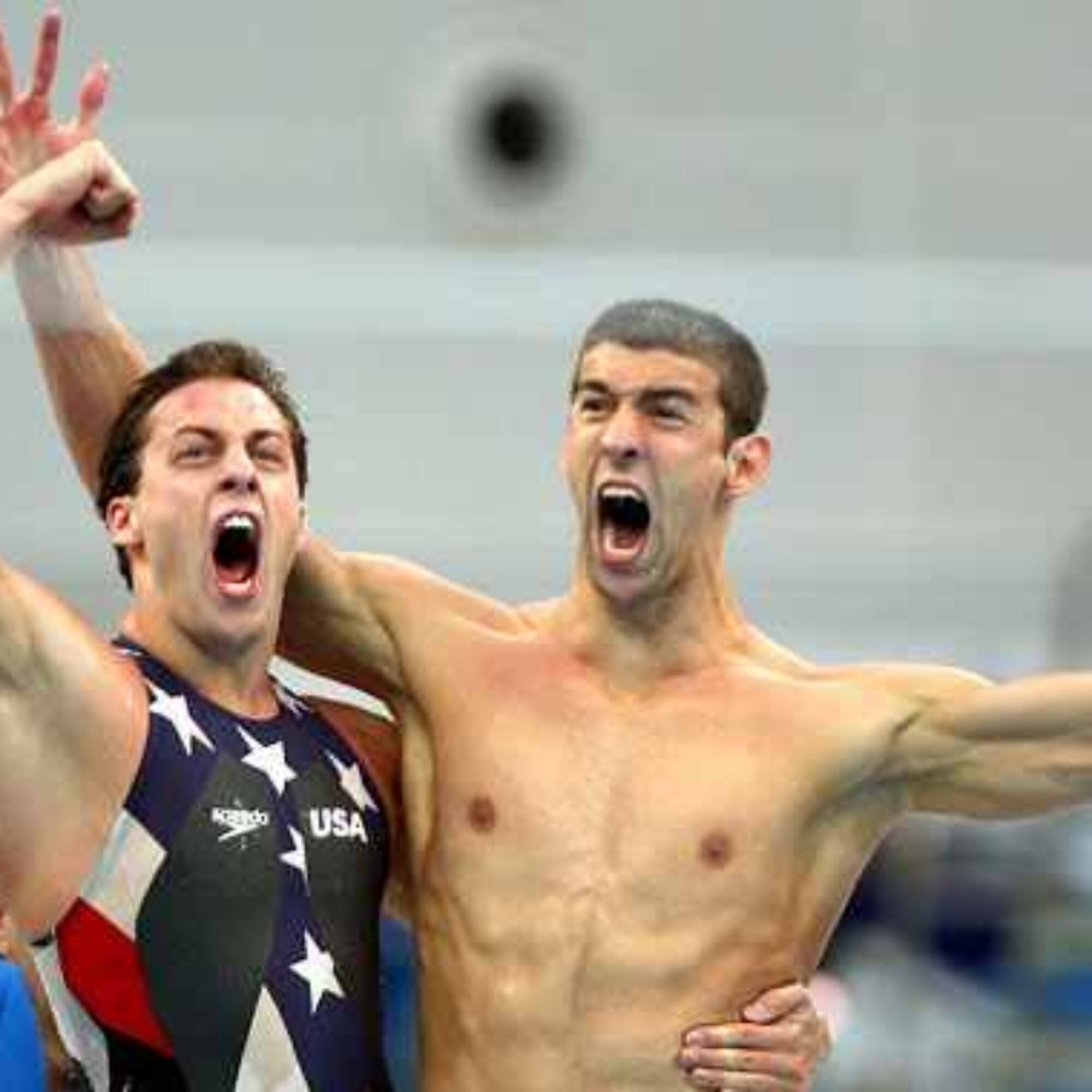
If you can tell Michael Phelps and his teammate feel happy and triumphant, you have empathy, probably more than you suspect.

How to increase empathy, part 1: why it seems so hard to

You want to improve your empathy because you've heard it's fundamental to leadership, influence, and motivation, but find it hard to define, measure, or see in use, making it hard to improve or learn from others. In other words, empathy is important for working with people, but hard to learn, all the more so for those who lack it most. While I don't pretend to be the most empathetic person, having started with little, I've improved a lot. I can teach you to improve yours. Today let's see how others make it hard. The world makes learning empathy hard when it's not. For example, searching on "What is empathy" returns pages and pages of links but searching on "how to increase empathy" returns fewer than…

0 Comments

Visualizing reactivity and freedom, part 1

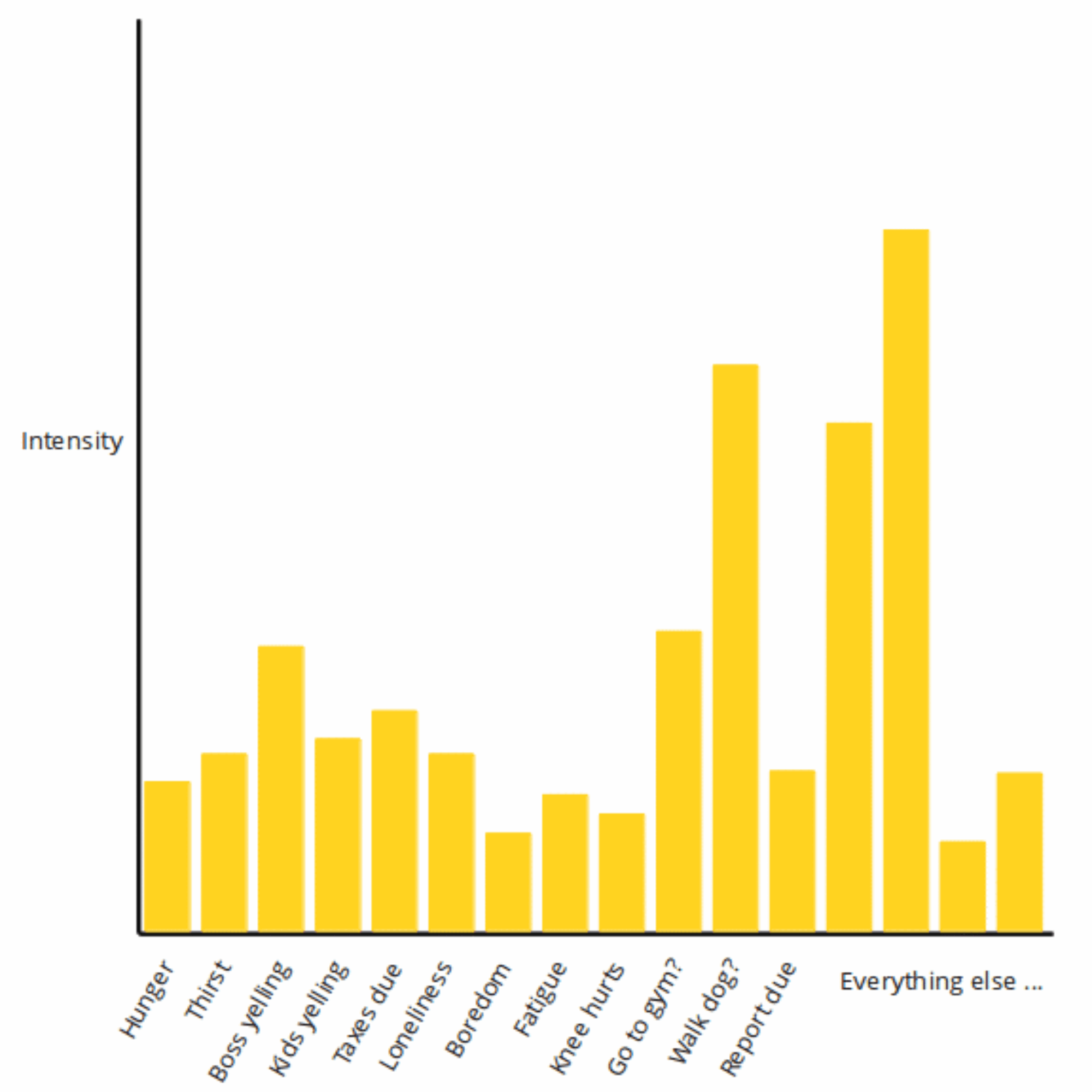
Think of a time you reacted blindly. Did it go well? How do you feel about leaders who react without thinking or intuition? You don't want to react blindly---the opposite of leadership, since it means you're reacting to someone else, or unpredictable events in your environment, which I call blowing in the breeze. Most people understand the term "reactive" vaguely, so they can't do much about it. I find visualizing complex ideas helps me understand them. Visualizing reactivity Context: at any moment many things in your environment, body, and mind call for your attention and create motivations. You feel hunger and thirst, your boss yells at you, your kids yell for your attention, you remember you have to do your taxes, you want to go…

0 Comments

Explore and expand your boundaries and those of people you lead

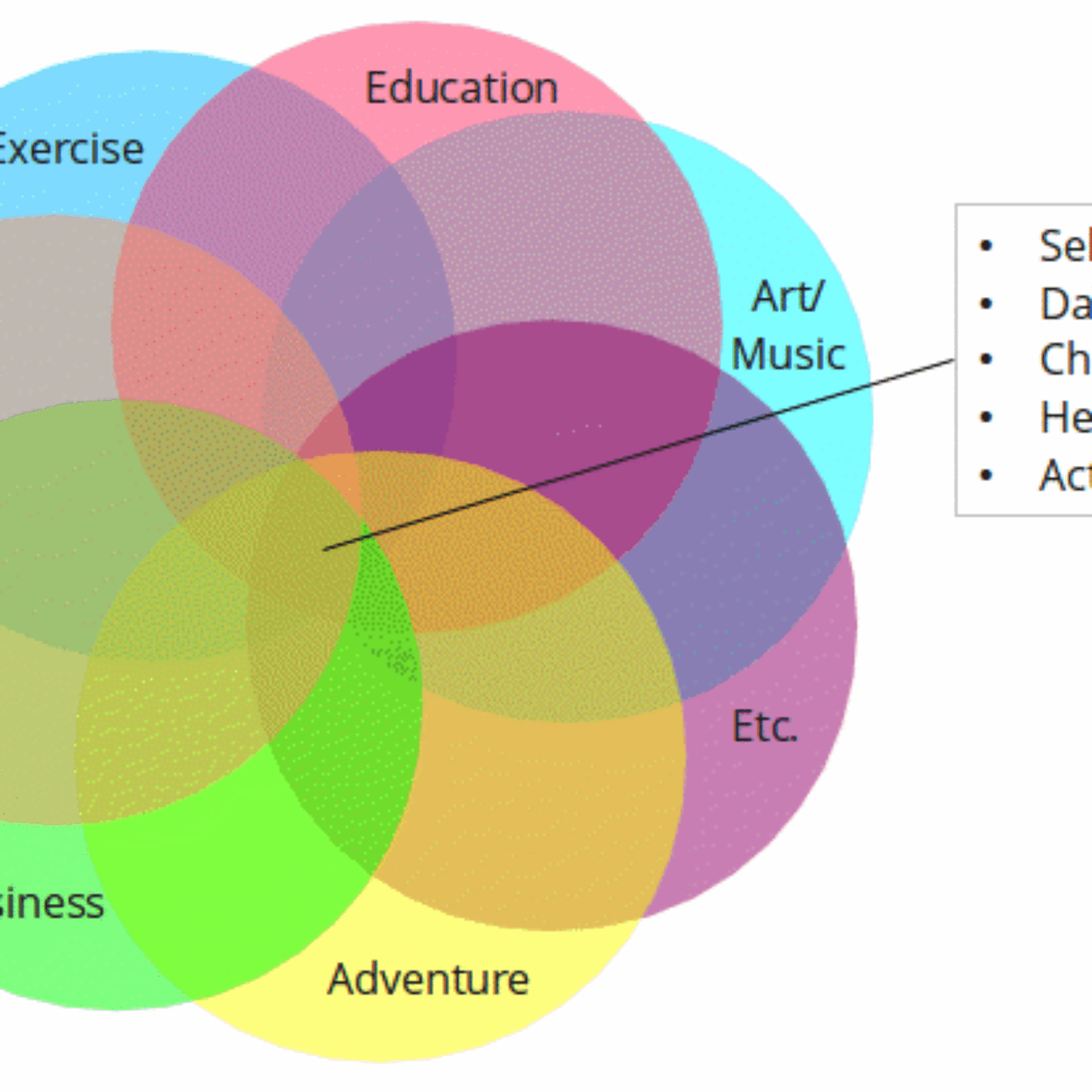
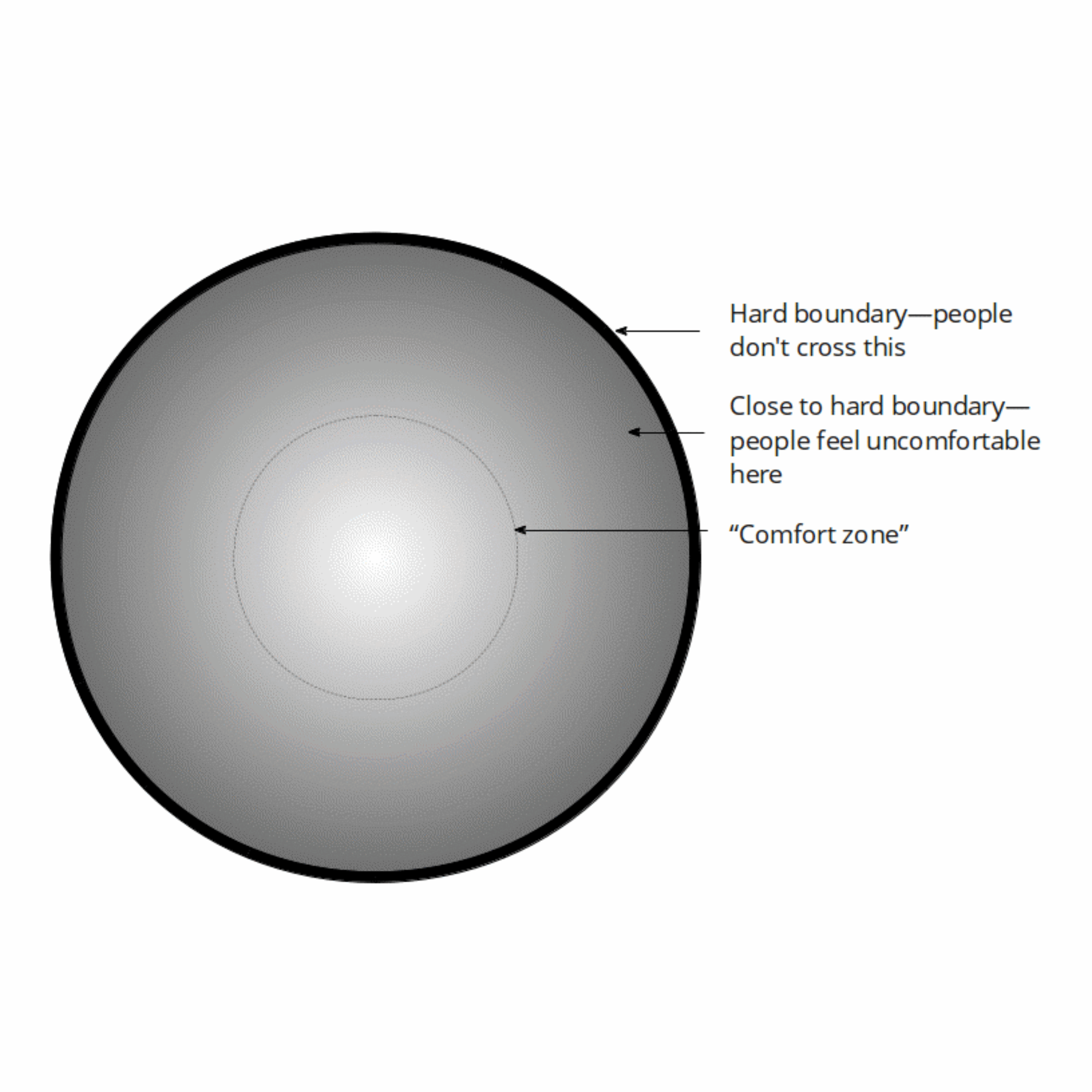
Exploring and expanding your boundaries and horizons creates freedom and comfort in your life. Doing so can be challenging---"getting out of your comfort zone," as many put it---but creates results and emotional reward. The more experience you have in it, the more you can lead others to do the same, creating freedom and comfort in their lives. I'll illustrate the process with some simple diagrams. I find visualizing would-be complex things simplifies them and makes them easier to do. First, consider a diagram of the things you do, as illustrated below. As I've illustrated it, the light-colored center is where things are easier---that is, the center of your comfort zone, bounded by the dashed line. I colored it darker farther from the center, indicating that…

2 Comments

Master introversion AND extroversion

Yesterday I wrote about freeing yourself from constraining beliefs. Today I'll expand on creating new beliefs to free yourself from such constraints. I wanted to illustrate at least one alternative to the standard one-dimensional model of introversion and extroversion that I find impedes self-awareness, understanding, and personal growth and development. Many people continue to believe it because they have no alternative that helps their life more. Others rigidly hold on to their old belief because they can't distinguish between the belief and the object of their belief -- for example, telling people who disagree with their view that they don't understand the definition of introvert or extrovert, not recognizing a definition describes a model not people. If you reject the model, those definitions don't matter.…

0 Comments

How to bring happiness and emotional reward to your life by analogy with pleasure—the series

I've written, thought, and acted on distinguishing between pleasure, happiness, and emotional reward. I like them all, but sometimes life creates situations where sacrificing one will get more of another. Knowing their differences and similarities helps you figure out how to create the optimal balance of each in your life. For example, lately I've been experimenting with cold showers, although the following applies for any other SIDCHA or challenging activity. It's incredibly important for improving your life if you prefer living to sitting on the couch eating ice cream. Everybody I tell about them who hasn't tried them evaluates the idea of cold showers in terms of physical pleasure only. I did too before I did it -- their obvious physical discomfort stands out above…

0 Comments

Introversion is not the opposite of extroversion, part 1

Here is a common belief for the relationships between introversion and extraversion. I'm going to show how it worsens your life and offer an alternative you will resist and fight against, but if you keep an open mind you'll realize explains your world more effectively and helps you to improve your life. I call it the "Or" model of introversion and extraversion for reasons you'll see below. It says that introverted people have certain properties and abilities, extroverted people have complementary properties and abilities, and you either have one set or the other, but not both. It says some people may lie somewhere in the middle of the axis, having some introverted traits and some extroverted traits, but not the full amount that a pure…

46 Comments

Choose easier by visualizing choices, part 2

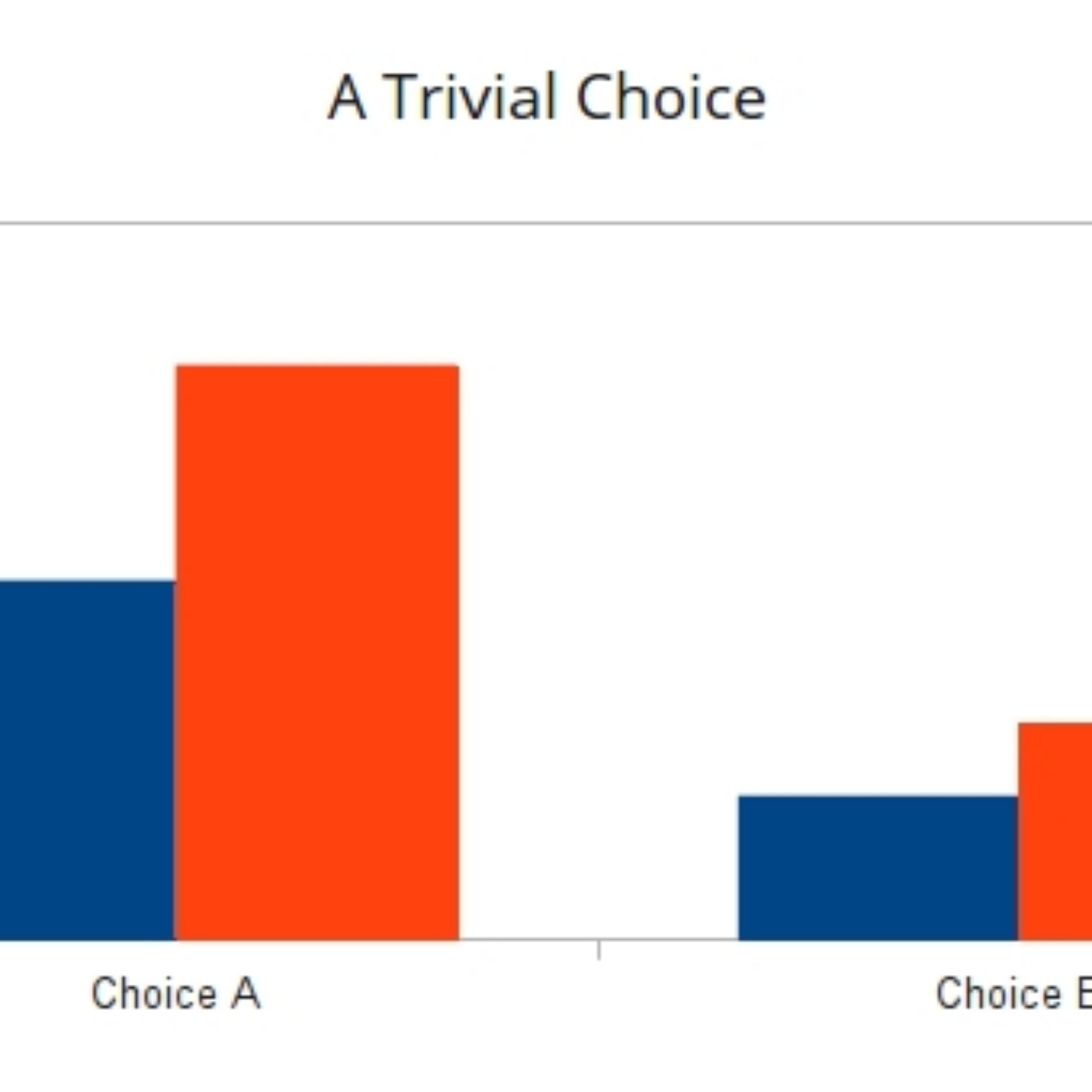
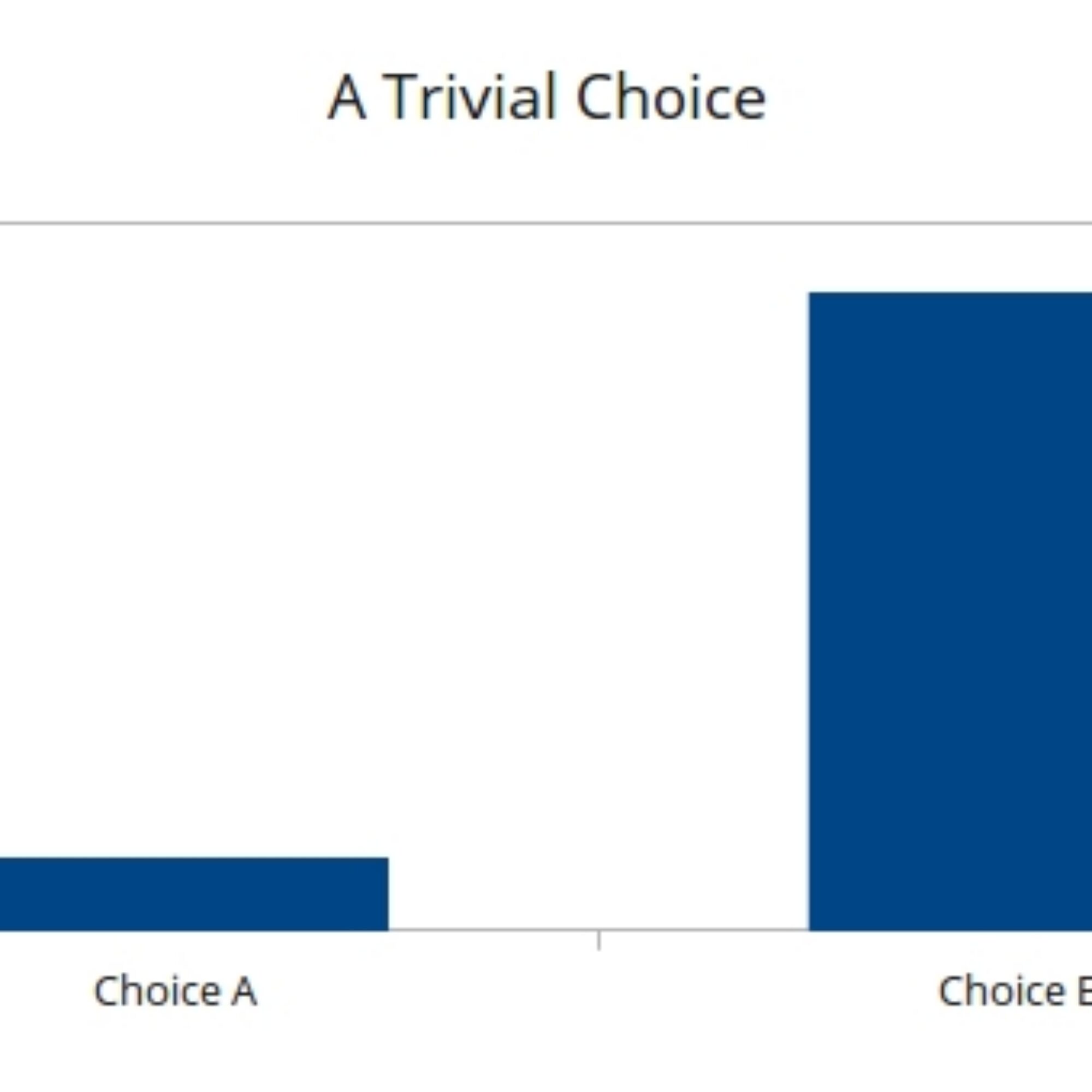
Multiple factors Not all options have only one decision factor. Many have two or more. For example, do you prefer a job with higher pay but lower chance of promotion or higher chance of promotion but lower pay? You have to look case-by-case, but let's see how our visual representation shows them. A trivial choice The easiest two-part case is when you prefer both parts of an option to both parts of the other. Consider if you had to choose between A high-paying job with great benefits and A low-paying job with no benefits. This graph illustrates such a choice. All else being equal, you'd choose the first option. Again, this illustration is simple, but we're just seeing how the visual model works with two…

0 Comments

Choose easier by visualizing choices, part I

You know choosing can be hard. I've written about it before from a few angles: Why are decisions hard? Difficult life decision? Here's how to look at it. How to decide among close options A belief to choose without getting mired in indecision Today I'll give you a tool to simplify decision-making more with a way of visualizing the challenge that shows the hard part. Partly I'm following up on how I visualized emotions in the Passion-Attraction Model, which I recommend looking at if you like this post. I find modeling difficult things with visual representations makes them easier. I'll start simple and build complexity, leading to the more helpful insight as I develop the ideas. A trivial choice Not all choices are hard. If…

0 Comments

A doubly improved representation of Flow-related emotional states

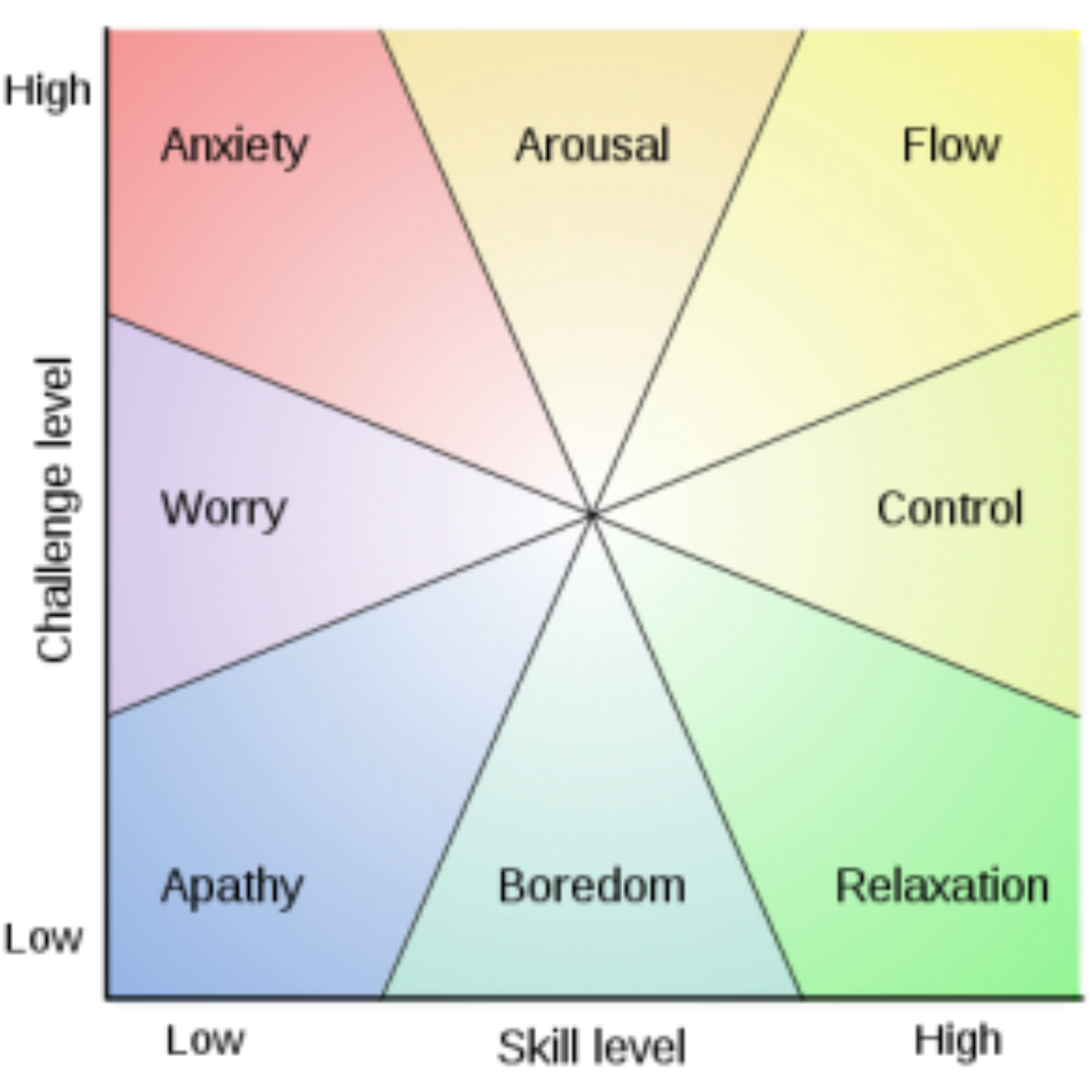
A couple years ago I wrote two posts on the emotional state where you get so lost in an activity you lose track of time, focused with all your attention. Hours pass without your noticing while minutes may seem like hours as you focus intently. We like this state. A researcher named Mihaly Csikszentmihalyi studied it and named the state "flow." He wrote a book on it that improved my life so I recommend it. We all want more flow in our lives and his book helps create it. The first post a couple years ago very briefly summarized it and includes links to relevant Wikipedia pages and TED talks. The second describes a couple improvements on how to present flow. I improved my improvement…

0 Comments

A visual model to understand passion and attraction: The Passion-Attraction Model

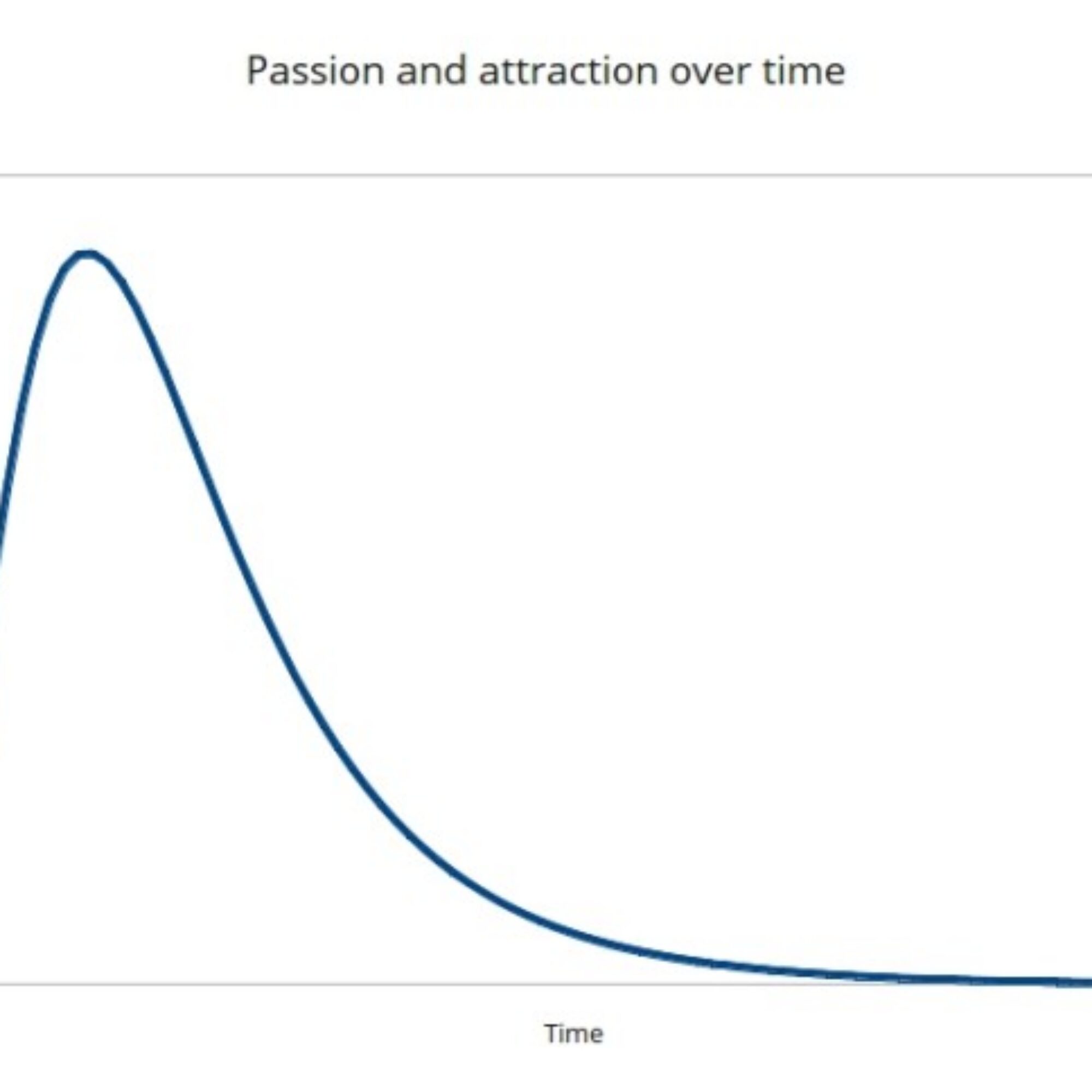
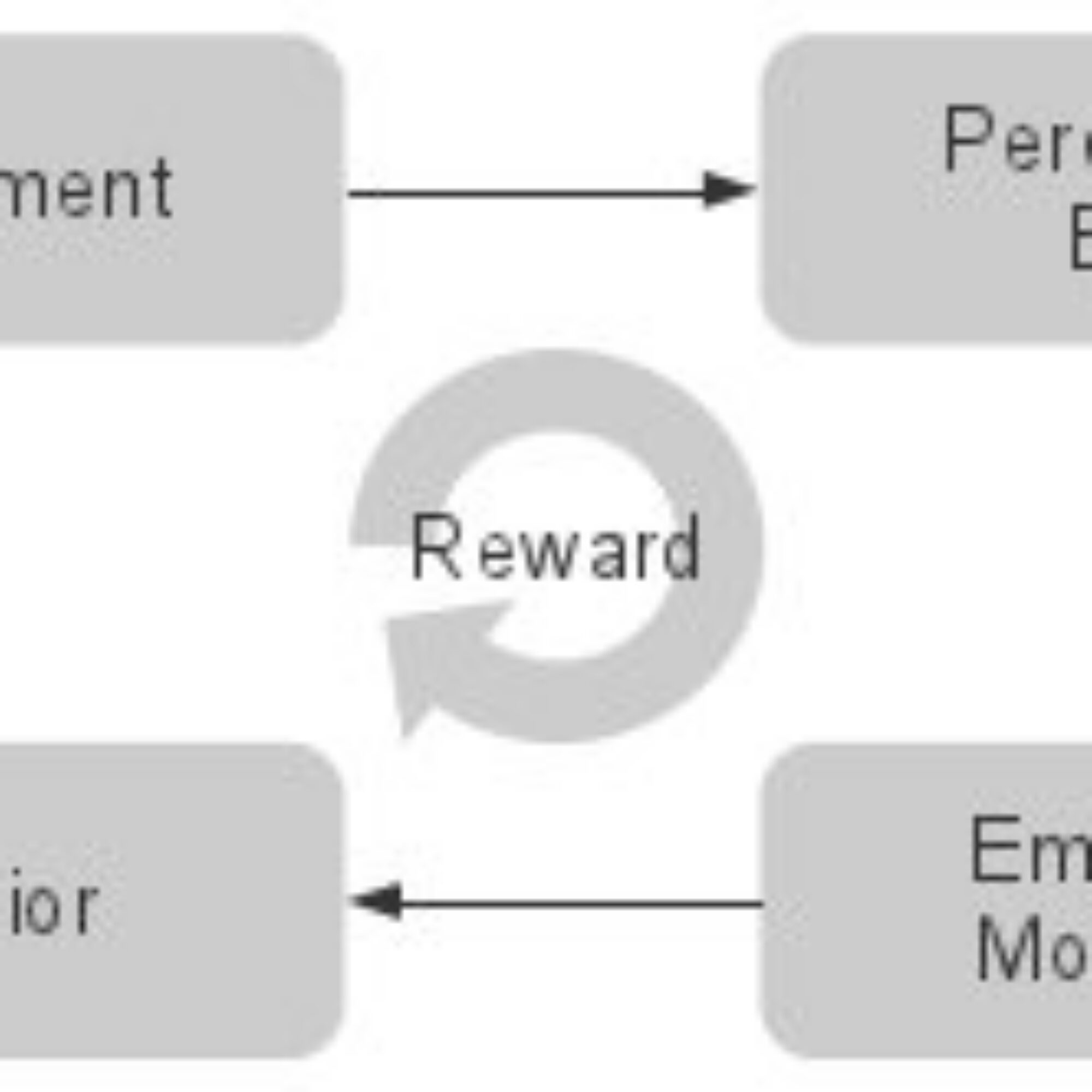
[Last week I posted a five-part series on a mental model I have for how our passion and attraction grows and wanes over time and the consequences of that pattern, according to the model. Today I'm posting them all in one post.] Day 1: Introducing a new model: Passion and Attraction I'm starting a new series today on a new model, this time on passion and attraction. Everyone I showed it to told me it gave them useful insights, so I expect you'll find value in it too. I'll apply the model mainly to intimate relationships, but you can also apply it to anything that evokes passion, attraction, or both, like hobbies, jobs, sports, and so on. So what does a science-trained, leadership-minded, self-awareness and…

0 Comments

A model for balancing pushing myself with enjoying life

[This post is part of a series on "Mental models and beliefs: an exercise to identify yours." If you don't see a Table of Contents to the left, click here to view the series, where you'll get more value than reading just this post.] Do you work hard to improve your life -- studying hard, working long hours, being patient with a significant other, etc? If you're always pushing, when do you get to enjoy life? But if you're always enjoying, do you ever improve? Do you wonder if you're slacking too much or working too hard? Do you wonder how to balance both aspects of your life? Today's model shows how I think about how I balance pushing, trying, and improving with enjoying, relaxing…

0 Comments

A model for strategy

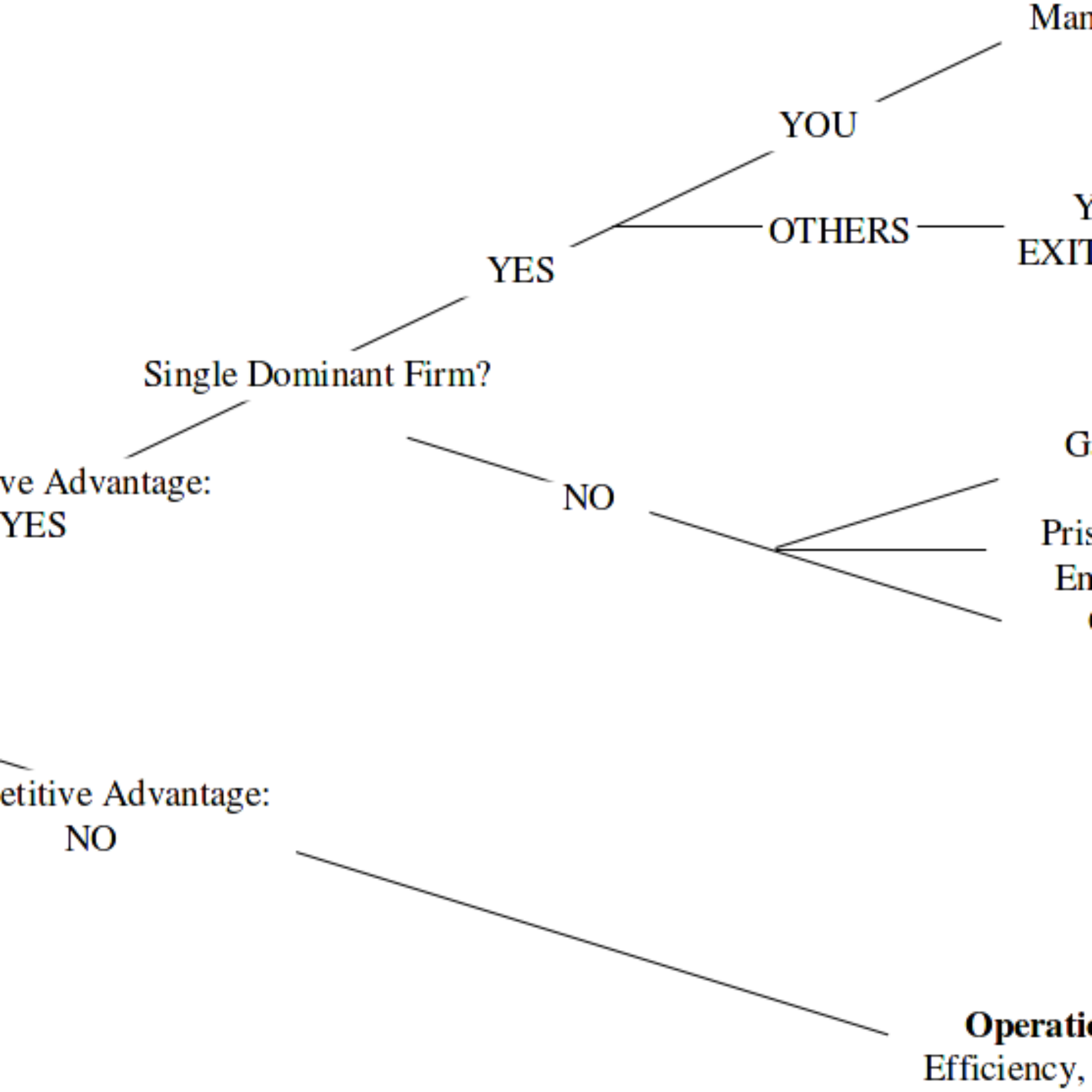
[This post is part of a series on "Mental models and beliefs: an exercise to identify yours." If you don't see a Table of Contents to the left, click here to view the series, where you'll get more value than reading just this post.] Strategy is a fundamental study for many fields, including leadership, military, games, and plenty areas of business. If you're reading this page, you don't need motivation to understand its value. I've read a bunch on strategy, taken classes, written a book on strategy and North Korea, and lived through my share of strategic situations. I play chess decently too. Of all the resources I know, one stands above, the book Competition Demystified: A Radically Simplified Approach to Business Strategy, by Bruce…

0 Comments

A model of emotional intelligence and self-awareness

[This post is part of a series on "Mental models and beliefs: an exercise to identify yours." If you don't see a Table of Contents to the left, click here to view the series, where you'll get more value than reading just this post.] What is self-awareness? What is emotional intelligence? Everybody I know agrees that improving them improves your life and ability to lead yourself and others. "Know thyself," a basic instruction for improving yourself that has stood the test of thousands of years, means improving self-awareness. Yet few people can define either of these terms effectively. Today's model explains them both. A model for emotional intelligence and self-awareness First, some basics I'll take for granted. You have a head and body. You breathe.…

0 Comments

Model to motivate putting in the effort to get good at something

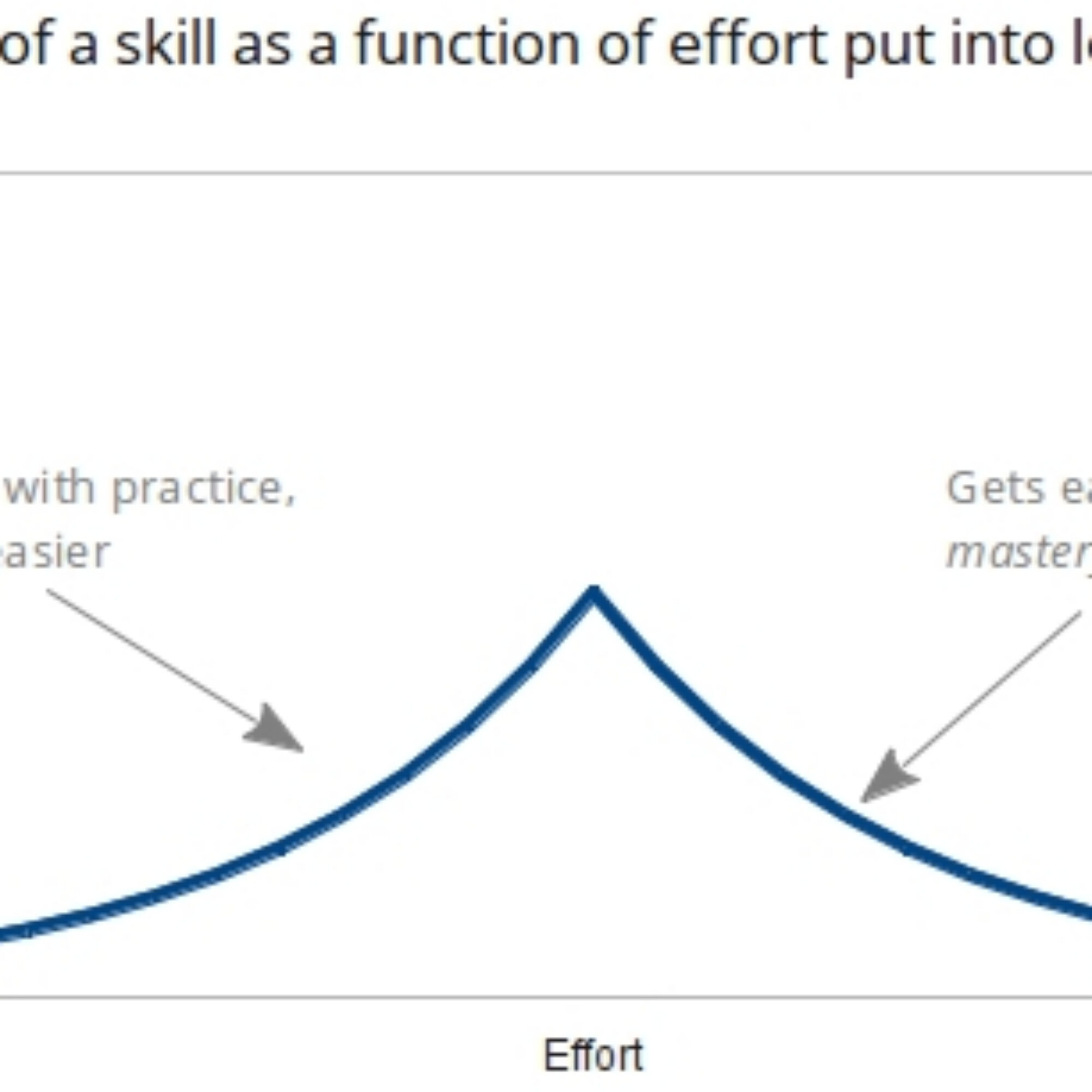
[Today is the sixteenth in a series on daily and weekly beliefs that improve my life and may improve yours, in no particular order. See the introduction to the series and the value of flexibility in beliefs for background.] Today's model is a simple picture that illustrates the difficulty in getting good at a complex skill. It motivates me to put in the effort to get good at something and prepares me for the challenges. A model for how hard it is to get good at something This graph illustrates how hard I think getting good at something is. It shows that before you put significant effort into learning a new skill, it doesn't create any difficulty in your life. As you put in more…

5 Comments

End of content

No more pages to load