Visualization


Cognitive behavioral therapy and its problems

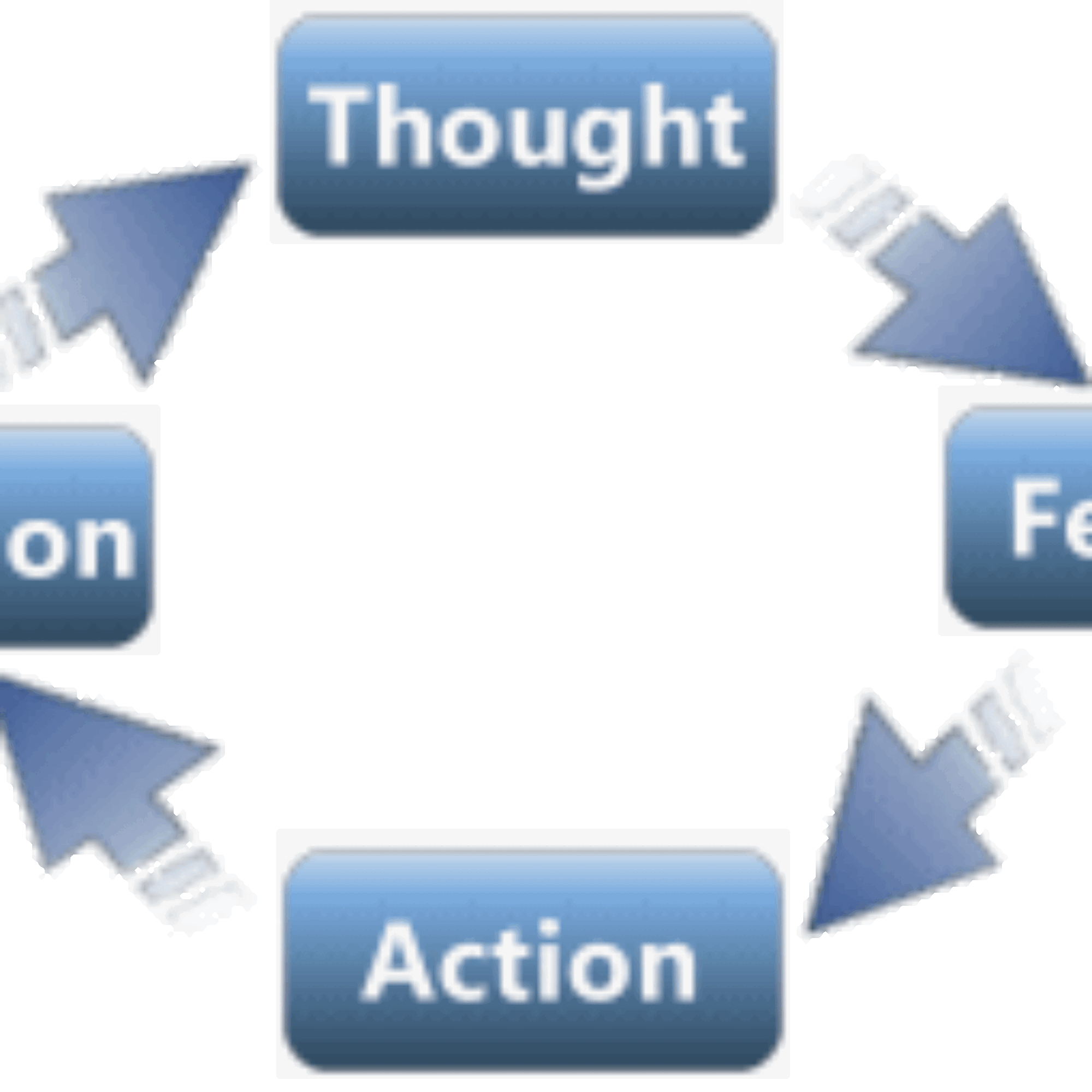
I've written before about Cognitive Behavioral Therapy and how I work. I consider CBT important and effective, as far as I know. I wrote about how similar the model at its foundation is to my Model. Specifically, compare this representation of the CBT model with this representation of mine Pretty similar: Situation -> thought -> feeling -> action Environment -> belief -> emotion -> behavior I've also written about shortcomings of CBT -- mainly that it doesn't say where its model comes from, at least not that I've found, and that it doesn't apply it to healthy people. A problem with not saying where the model comes from is that it makes it inaccessible to average people. When I thought about writing this post, I…

0 Comments

The Method: long term

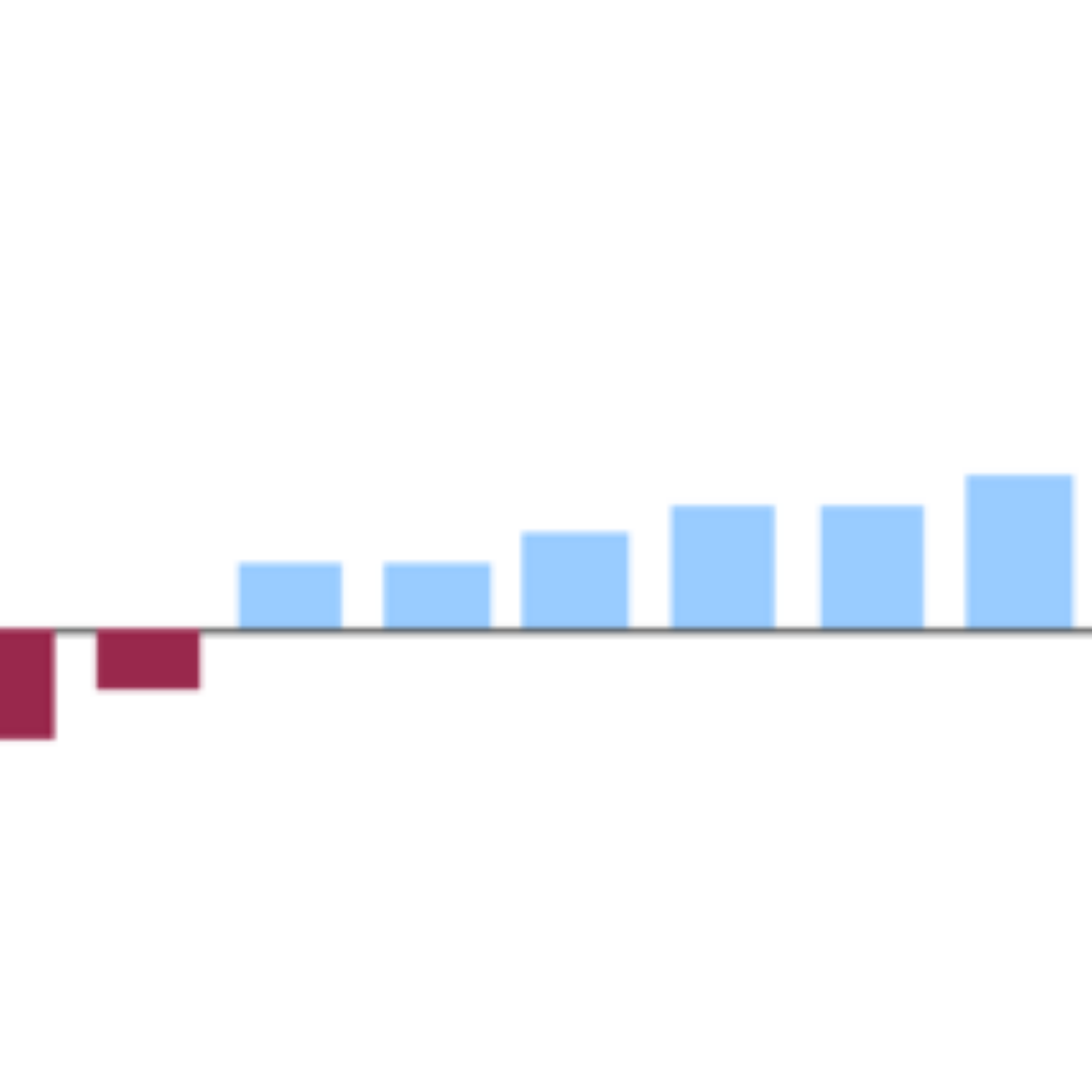
If you lined up all the cycles in your life by the amount of reward they brought you, you might represent them like this. The low bar on the left might represent something you can never get right -- like feeling helpless about your weight if you're overweight or about a big debt you have to repay. The high bar on the right might represent the joy you feel for your favorite hobby or spending time with your best friend. I'm only casually representing things. I don't know how objectively you can measure the amount of reward, but in general we know some parts of our lives bring us great joy, others misery, and others in between. I think the graph above illustrates that. According…

0 Comments

The Method: long-term growth from many transformations

[This post is part of a series on The Method to use The Model -- my model for the human emotional system designed for use in leadership, self-awareness, and general purpose professional and personal development -- which I find the most effective and valuable foundation for understanding yourself and others and improving your life. If you don't see a Table of Contents to the left, click here to view the series, where you'll get more value than reading just this post.] Yesterday's post showed how one transformation -- that is, one application of the Method -- not only cycles you back to start a new transformation, it also changes you, which you can see from another perspective. You can think of one transformation as one…

0 Comments

Models: the active view, part 2

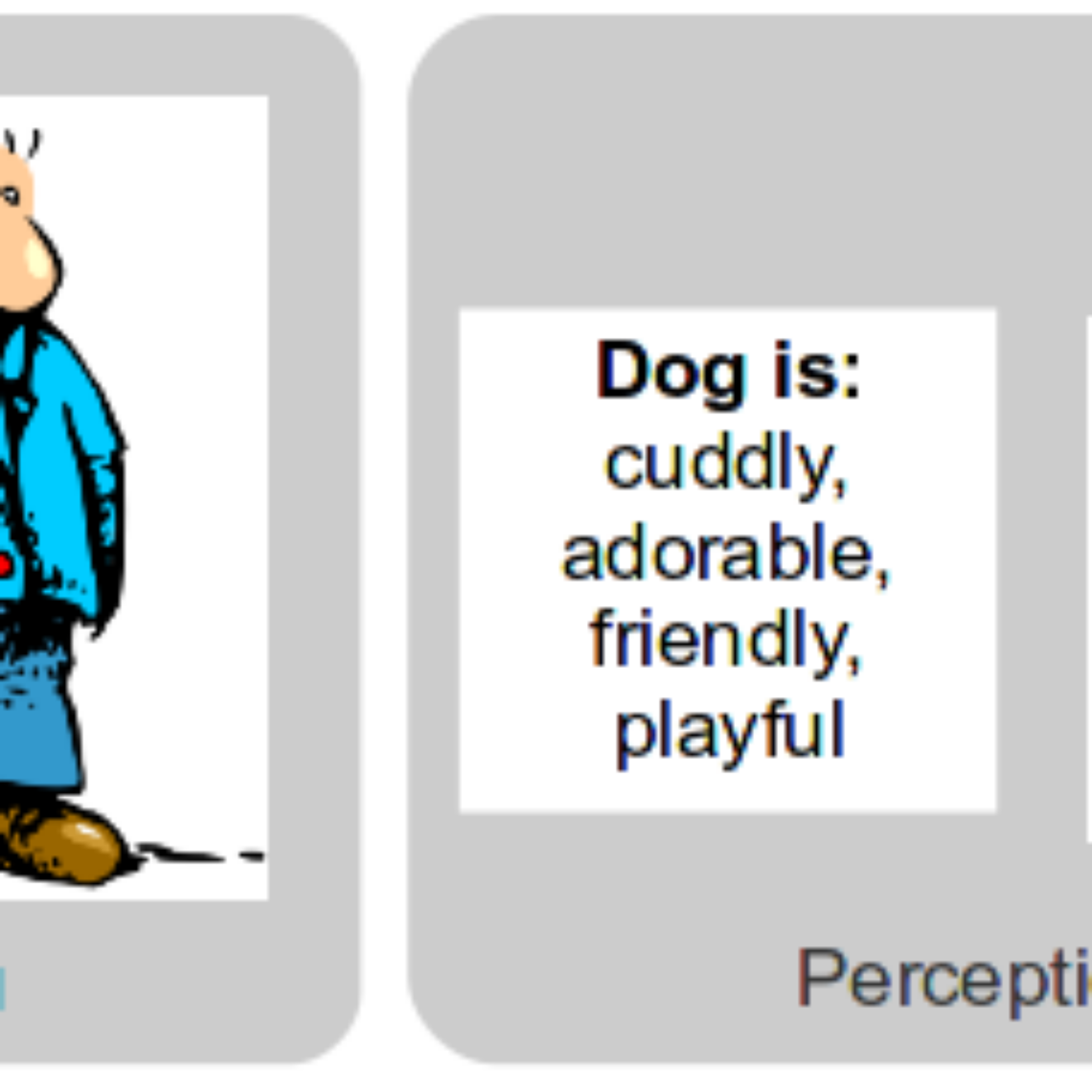
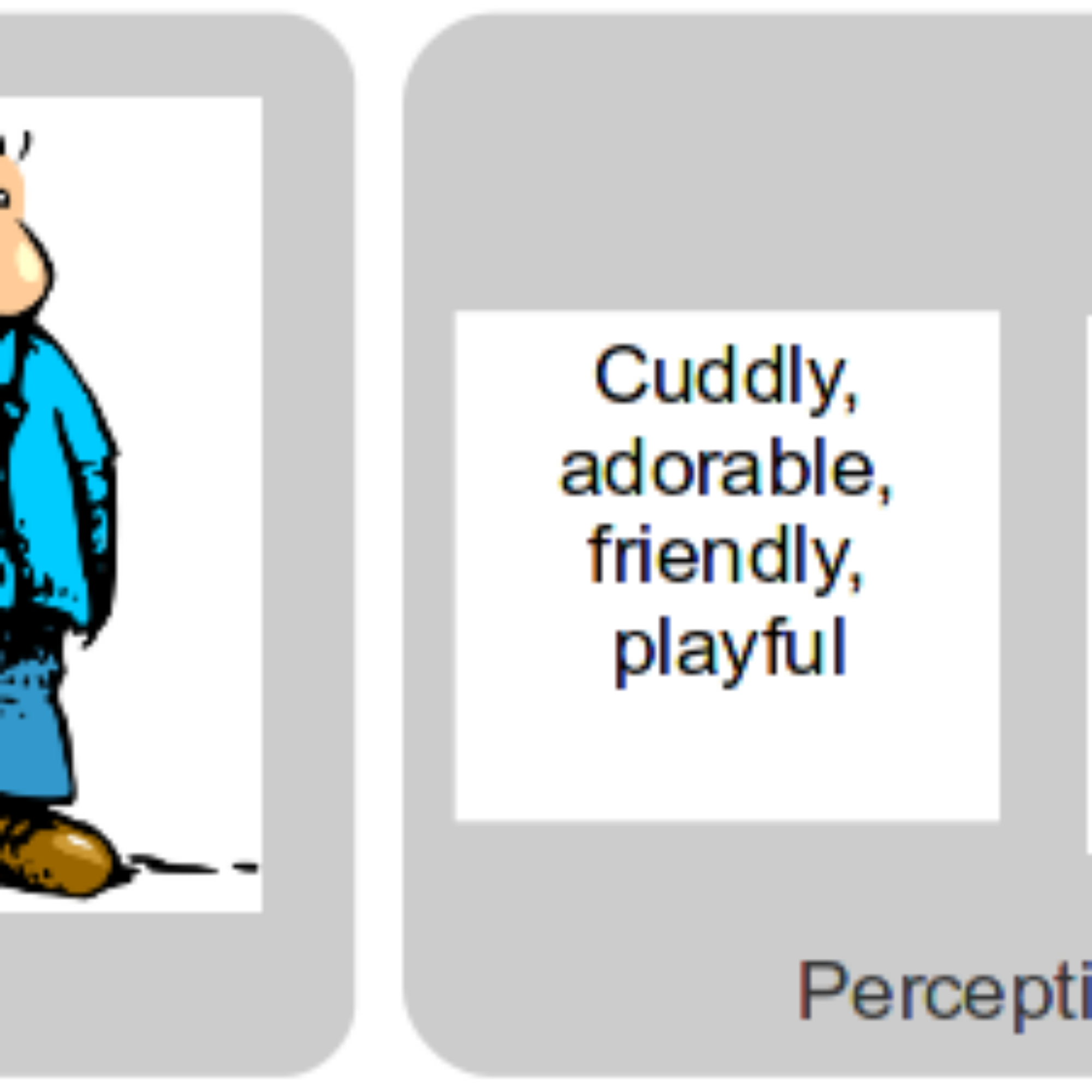
[This post is part of a series on The Model -- my model for the human emotional system designed for use in leadership, self-awareness, and general purpose professional and personal development -- which I find the most effective and valuable foundation for understanding yourself and others and improving your life. If you don't see a Table of Contents to the left, click here to view the series, where you'll get more value than reading just this post.] Having seen an overview of the active view, let's look at it in practice. Let's take a passive view from a post a few days ago -- how you perceive a dog based on your beliefs and expectations -- and make it active. Example 1 First let's look…

0 Comments

Examples of models: “beliefs and expectations filter your perception”

[This post is part of a series on The Model -- my model for the human emotional system designed for use in leadership, self-awareness, and general purpose professional and personal development -- which I find the most effective and valuable foundation for understanding yourself and others and improving your life. If you don't see a Table of Contents to the left, click here to view the series, where you'll get more value than reading just this post.] Let's look at another example of how we use models in more depth. As with yesterday, after treating the example I'll describe the lessons it teaches. Imagine you grew up with a pet pit bull. You might see it as an adorable pet. Someone else who never grew…

0 Comments

Examples of models: beliefs and mental models

[This post is part of a series on The Model -- my model for the human emotional system designed for use in leadership, self-awareness, and general purpose professional and personal development -- which I find the most effective and valuable foundation for understanding yourself and others and improving your life. If you don't see a Table of Contents to the left, click here to view the series, where you'll get more value than reading just this post.] My past two posts on examples of models showed visual models -- maps and representations of the Earth. Such examples illustrate how models work because they are easy to see, but don't capture the subtlety of distinguishing models from what they represent. Mental models tend to be more…

0 Comments

Examples of models: the Earth from several perspectives

[This post is part of a series on The Model -- my model for the human emotional system designed for use in leadership, self-awareness, and general purpose professional and personal development -- which I find the most effective and valuable foundation for understanding yourself and others and improving your life. If you don't see a Table of Contents to the left, click here to view the series, where you'll get more value than reading just this post.] Yesterday I started with one of the simplest examples of models -- maps. Today we'll look at other models. The image below includes a model of the Earth. You might remember seeing models like this from school. It throws out a lot of information -- it's two-dimensional, showing…

0 Comments

The Method: how-to

EDIT: I modified how I present the Method slightly. Please see the new version of this page and the updated series on implementing the Method. The next few posts will describe the Method, which is how to use the Model to lead yourself and others and to improve your life, in particular, using the elements you have voluntary control over. In time, you'll probably think of the Method as I do, through the Model's voluntary levers -- environment, belief, behaviors. I call one application of the Method a transformation because it transforms one part of your life. Preparation is as important as the action implementing the transformation so I treat it separately. (I'll make each of these bullet points links as I create the pages…

0 Comments

The Model: adding reward

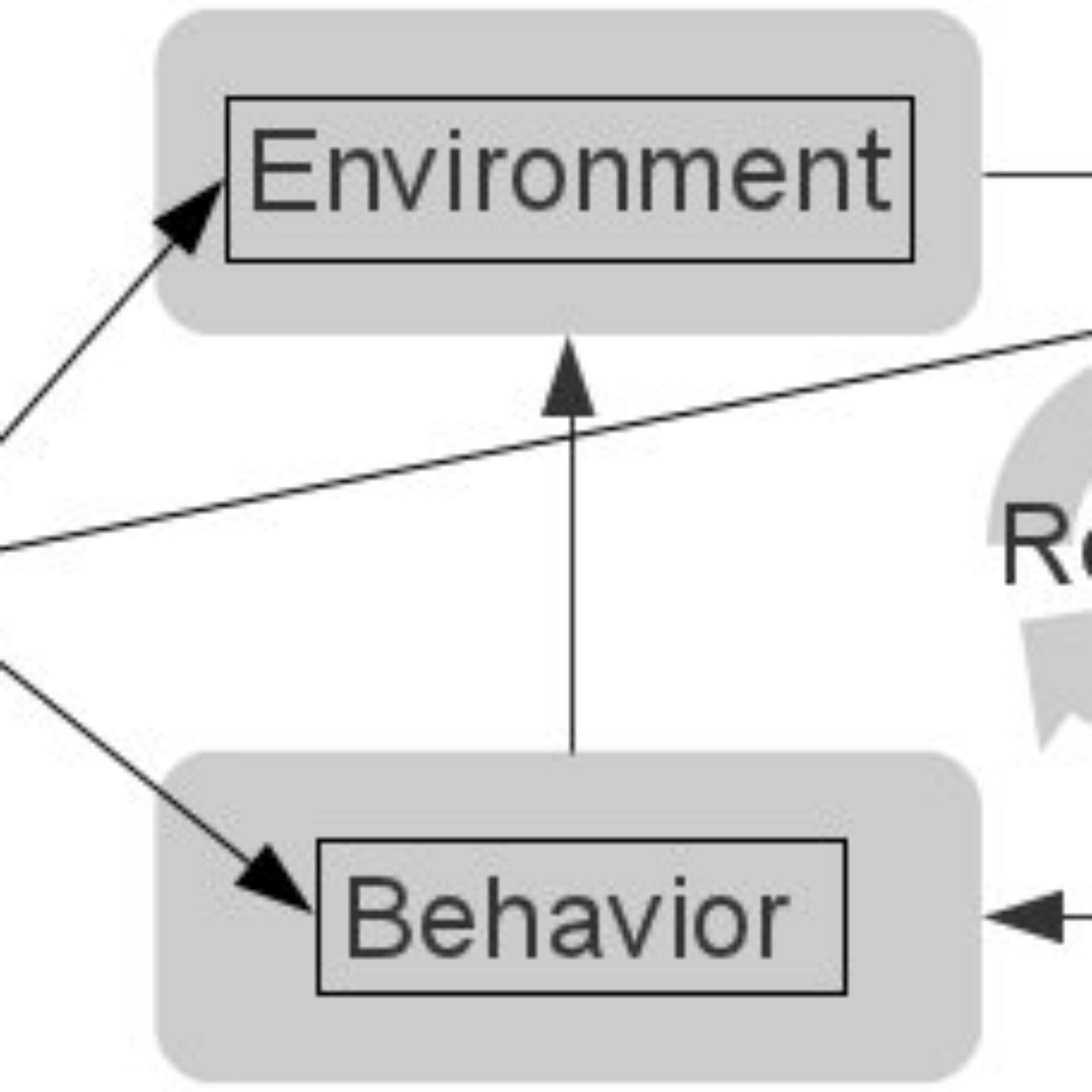
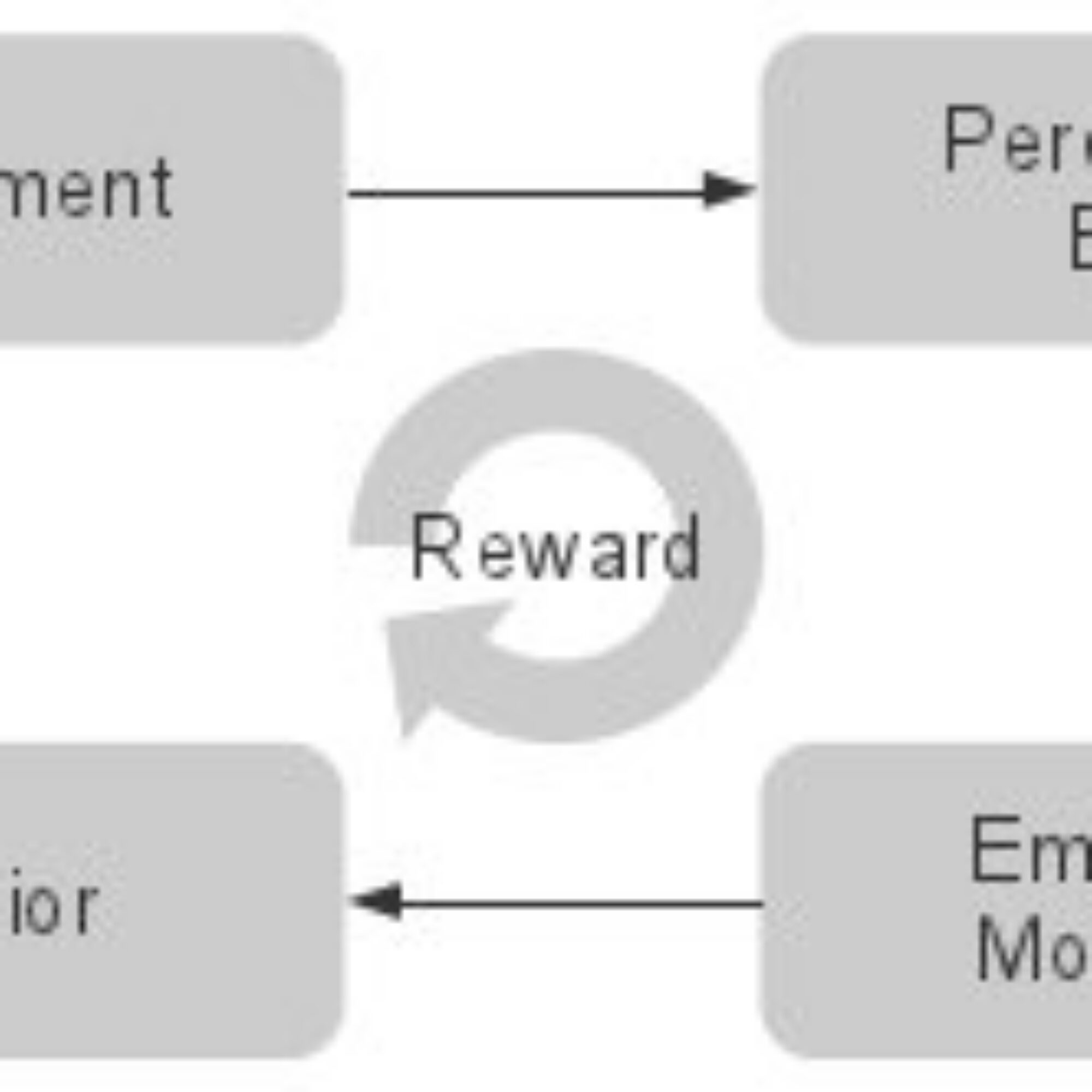
[This post is part of a series on The Model -- my model for the human emotional system designed for use in leadership, self-awareness, and general purpose professional and personal development -- which I find the most effective and valuable foundation for understanding yourself and others and improving your life. If you don't see a Table of Contents to the left, click here to view the series, where you'll get more value than reading just this post.] So far the Model comprises cycle of environment, perception (subject to belief), emotions, and behavior. Its last element represents how it regulates itself: reward. When this Model refers to reward, it means emotional reward, not something like financial reward, treats for dogs, or food pellets for lab animals.…

0 Comments
Freedombox logo designs
Freedombox logo

Freedombox logo designs

More Freedombox logo ideas, in collaboration with John Emerson. Click on them for larger versions. If you don't know about Freedombox, I recommend learning about (and supporting) it, unless you like third parties like corporations and governments having access to your personal life.

4 Comments
Observations on Flow, part II: two improvements
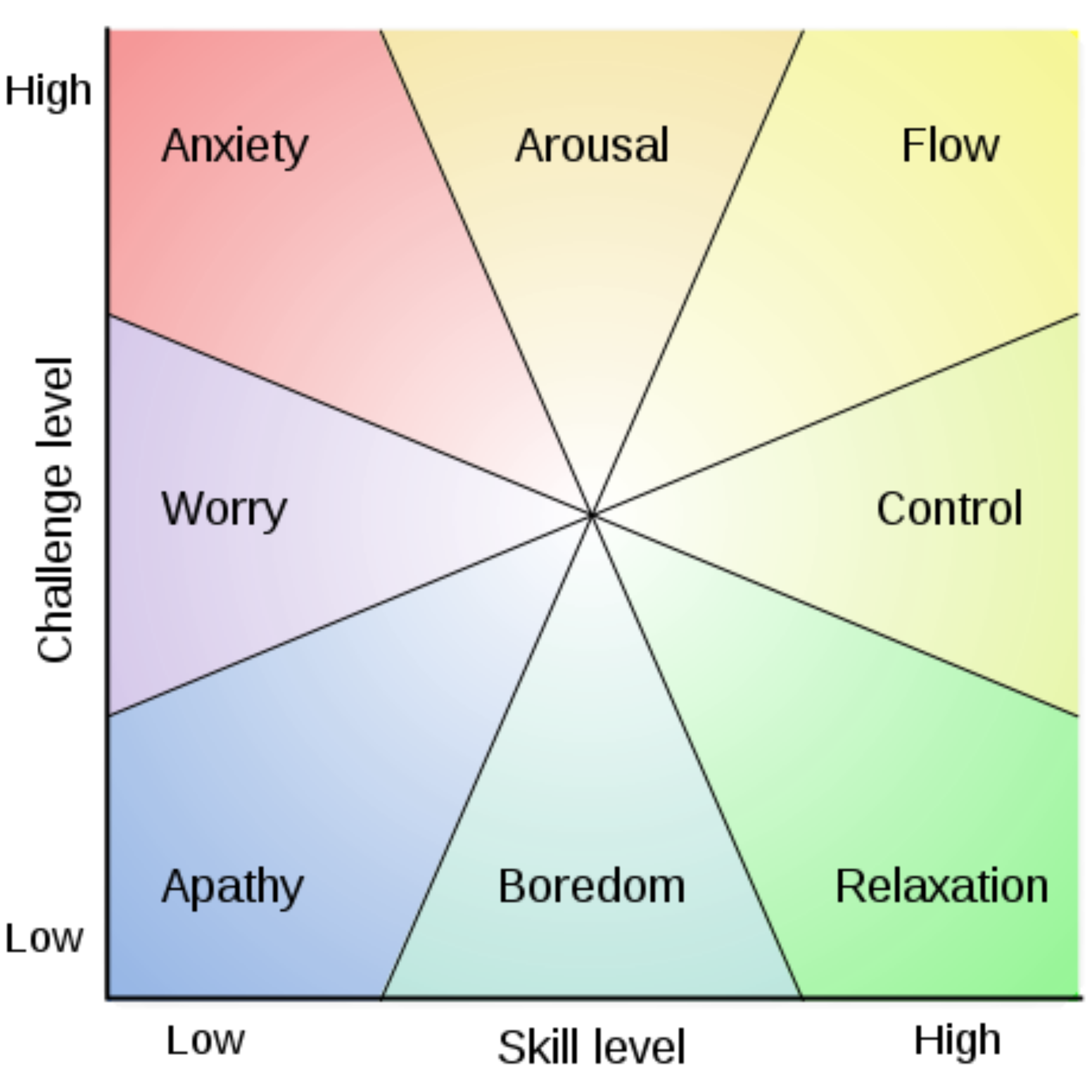
Emotional state resulting from level of challenge and skill

Observations on Flow, part II: two improvements

Following yesterday's primer on flow, here are two simple ideas to bring more flow. If you've read only Mihaly Csikszentmihalyi's book, they may be new. The Wikipedia page on flow but not Csikszentmihalyi's book covers the first. The second is new, as far as I know, though small. Recall the ten conditions of the flow state (from Wikipedia, citing Csikszentmihalyi articles): Clear goals (expectations and rules are discernible and goals are attainable and align appropriately with one's skill set and abilities). Moreover, the challenge level and skill level should both be high. Concentrating, a high degree of concentration on a limited field of attention (a person engaged in the activity will have the opportunity to focus and to delve deeply into it). A loss of…

0 Comments

End of content

No more pages to load