Convenience at what cost?
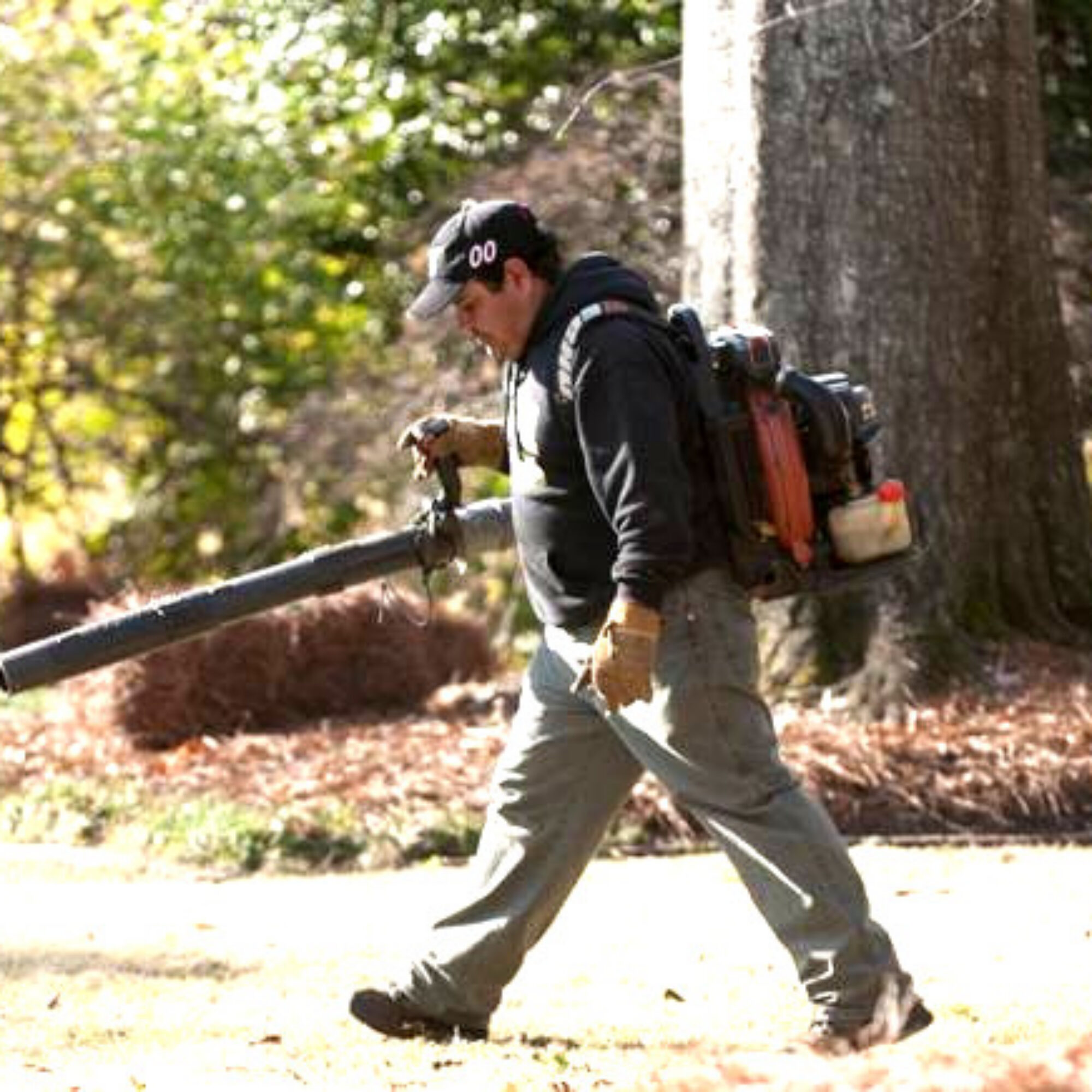
Not the guy I saw or in the park I saw, but similar.

Convenience at what cost?

The other day I passed a guy blowing leaves with a gasoline-powered leaf blower on a paved area in a park by City Hall. This post isn't about him. It's about us, including you. What is wrong with us? We buy oil from countries we have adversarial relations with, pollute the environment, create loud, unpleasant noise, so a fat person can work less, and cart away what would create topsoil, to fill a land-fill. What we could do instead What if we did this instead? Rake the leaves making little extra noise buying no oil from adversarial countries causing no pollution composting the leaves or using them for mulch filling no land-fills giving the guy exercise? Raking leaves on pavement isn't hard. Values What happened…

0 Comments

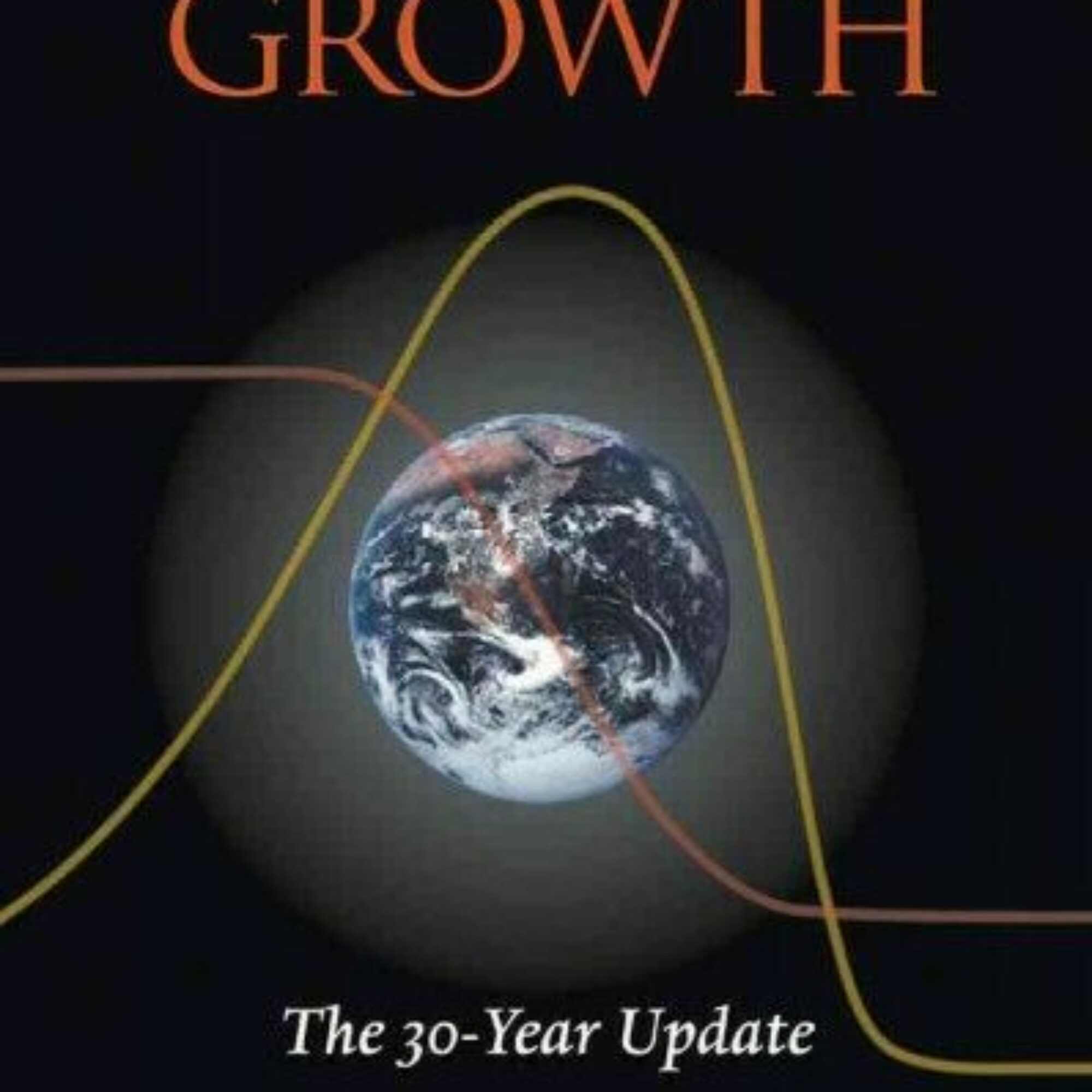
A systems perspective on population growth

I keep reading about how some technology has or will save billions of lives from starvation or disease. A perfect example comes from the opening paragraph of Wikipedia's page on the "Green Revolution." Green Revolution refers to a series of research, development, and technology transfer initiatives, occurring between the 1940s and the late 1970s, that increased agriculture production worldwide, particularly in the developing world, beginning most markedly in the late 1960s. The initiatives, led by Norman Borlaug, the "Father of the Green Revolution" credited with saving over a billion people from starvation, involved the development of high-yielding varieties of cereal grains, expansion of irrigation infrastructure, modernization of management techniques, distribution of hybridized seeds, synthetic fertilizers, and pesticides to farmers. I disagree with this perspective. I…

0 Comments

Once you start composting, you can’t go back

Once you start putting your food scraps in a separate container from your trash, you can't go back to filling landfills with what could create topsoil and healthier food. Once you start composting, the amount you throw away decreases yet more -- after you presumably started recycling, after you presumably reduced your consumption. You become more aware of food packaging you can't compost. I've noticed that the less healthy a "food product" is the more packaging it seems to have. What is composting? Composting is using old scraps like banana peels and corn cobs for fertilizer by letting them decompose. Since plants tend to be made of materials good for other plants to make themselves out of, compost is useful for growing healthier plants. It…

0 Comments

You probably blow smoke in kids’ faces without realizing. You can stop.

New York City is having the most mild summer I can remember. We've barely hit ninety degrees and that was at least a month ago. Since then we've had cool, spring-like weather most of the summer. The other evening walking with friends, I noticed how loud the sounds of window air conditioners were in the small streets of the West Village. The temperature and humidity outside couldn't have been more comfortable. I could only think the following thoughts about their unnecessarily using their air conditioners: Air conditioners use energy. That energy comes mainly from fossil fuels. Fossil fuels pollute. Pollution makes us unhealthy. Me: With weather this perfect, the air conditioners aren't improving the air for these people. They might as well light up a…

0 Comments

A giant rainbow over Greenwich Village

I walked outside my building and saw one of the most complete and beautiful rainbows I've ever seen, over the Jefferson Market clock tower. The camera in my phone didn't capture its full beauty, but I hope you can tell some of it. It was too big for my camera to capture it all at once. You can see it fading in the few minutes I watched it so I didn't have time to get a better camera. I was on the way to Brooklyn, where I caught a couple shots of the same storm over Manhattan's skyline from a train platform. I tend to cover leadership and personal development, but if we don't stop and appreciate the beauty of nature, what are we working…

0 Comments

A beautiful spring day

New York City is enjoying some beautiful weather today. My building has a nice rooftop and had some friends over to enjoy the weather and view yesterday. I think people come here for the leadership thoughts... sometimes you just have to stop and enjoy the day. A few related thoughts I've posted before I clicked on to look at myself. A Beautiful Spring Day in My Neighborhood (with slide show!) A Model that Will Bring You Happiness Three Little Birds Is it not important to enjoy and explore the world around you? Now I'm off for a run along the river.

0 Comments

A few models that don’t improve your life that effectively

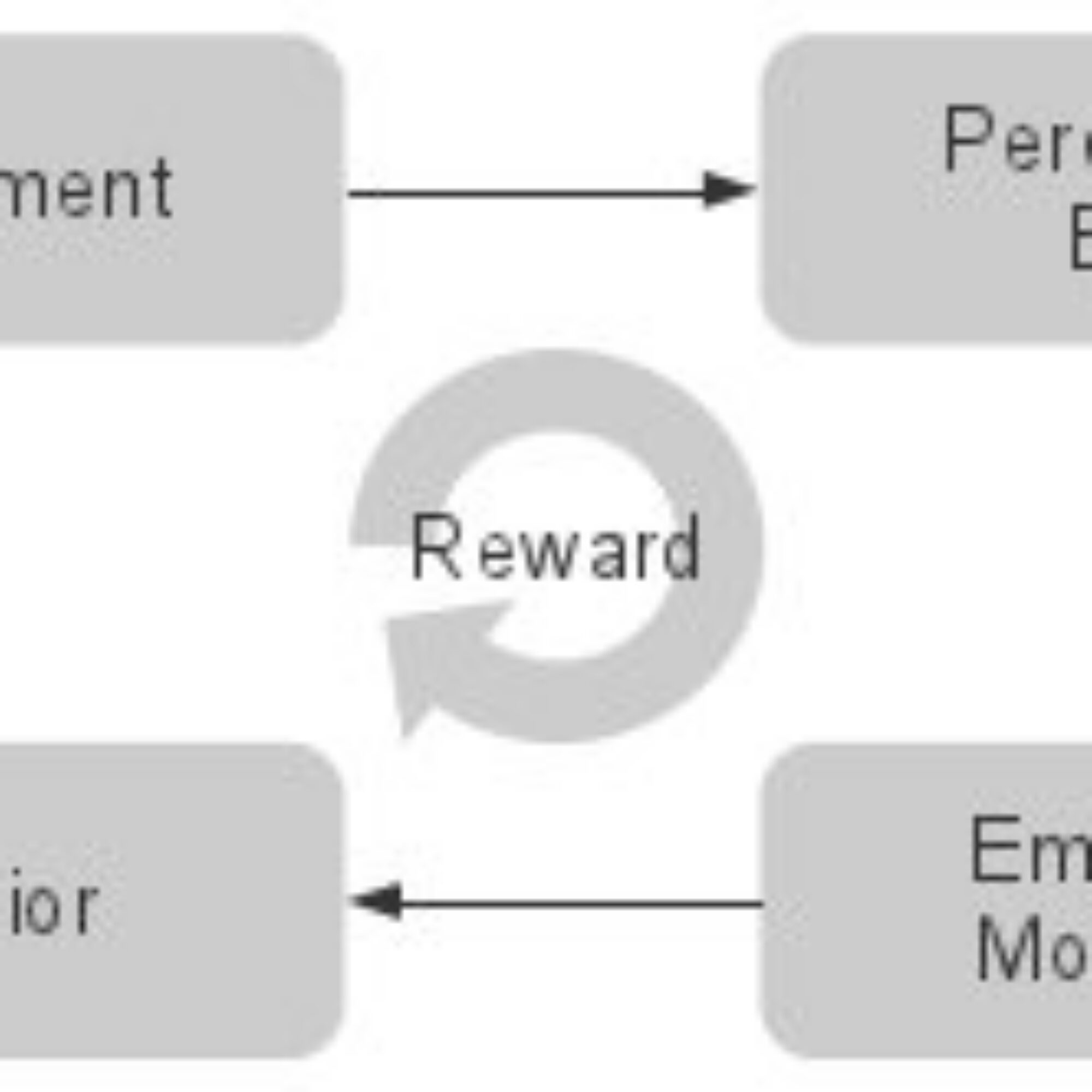
[This post is part of a series on "Mental models and beliefs: an exercise to identify yours." If you don't see a Table of Contents to the left, click here to view the series, where you'll get more value than reading just this post.] I wrote about The Method being an effective way to improve your life and, when applied to a team, to improve your leadership style. Based on the Model, The Method says that if you align your environment, beliefs, and behavior with the emotions you want, you'll feel emotional reward. Feeling reward means you'll feel motivated to continue your change through to completion. Most people don't know the Model or follow the Method. They use techniques that can work, but generally not…

0 Comments

A model that explains why your enthusiasm when planning disappears when doing

[This post is part of a series on "Mental models and beliefs: an exercise to identify yours." If you don't see a Table of Contents to the left, click here to view the series, where you'll get more value than reading just this post.] Scene 1: You plan something big. You're excited. You know there will be challenges, but you also know you'll overcome them. You will do what it takes no matter what. Scene 2: You started the project but it petered out. You don't know what happened to that feeling of invincibility, but it's gone. What happened? How did you lose your motivation? Why didn't your willpower work? Today's model answers. A model that explains why your enthusiasm when planning disappears when doing :…

0 Comments

A model to help you get more out of traveling and to save money traveling at the same time

[This post is part of a series on "Mental models and beliefs: an exercise to identify yours." If you don't see a Table of Contents to the left, click here to view the series, where you'll get more value than reading just this post.] Most people I share today's belief with seem surprised or even shocked when I express it. Probably because the way I say it -- that I don't like traveling -- seems contrary to something nearly everyone values. Also, I travel a lot and talk about how much I get out of it. If I have to travel, I'll find ways to make it amazing, but if I don't travel I can make staying home just as amazing. The best way I…

0 Comments

A model to find reward anywhere, anytime

[This post is part of a series on "Mental models and beliefs: an exercise to identify yours." If you don't see a Table of Contents to the left, click here to view the series, where you'll get more value than reading just this post.] Do you ever find yourself frustrated, impatient, disappointed, anxious, or feeling some similar emotion and wish you could not feel it? Do you wonder how some people can keep calm or at least not lose control in situations more difficult than you can and wish you could too? Do you want to know how to handle yourself in situations you don't like and can't control? Today's model derives from the Model. If you get the Model, it will be obvious. I'll…

0 Comments

A model to implement the answers to all of life’s most important questions

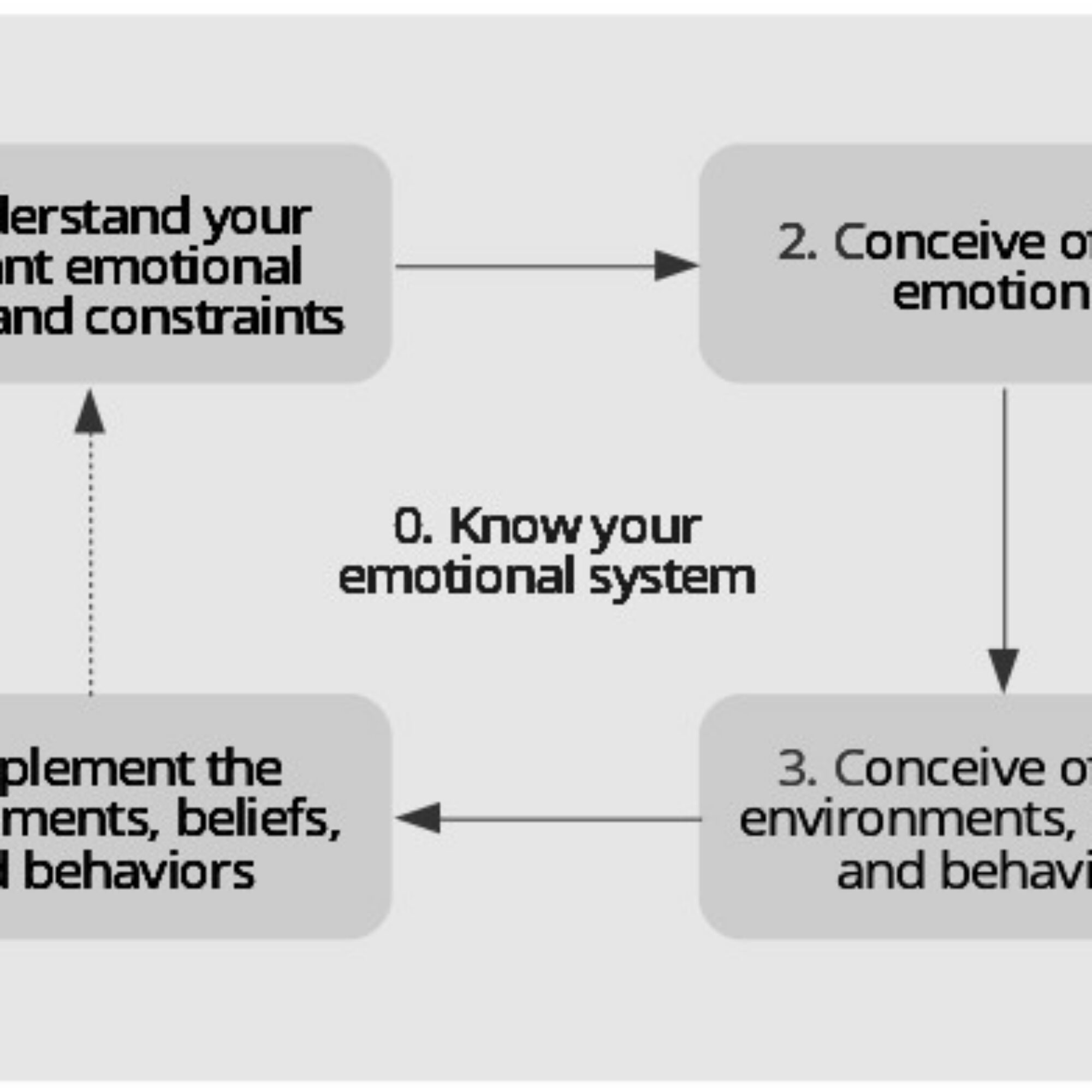
[This post is part of a series on "Mental models and beliefs: an exercise to identify yours." If you don't see a Table of Contents to the left, click here to view the series, where you'll get more value than reading just this post.] Putting into practice the answers to all of life's most important questions -- that is, the Model -- may seem like a tall order, but I've written up how to do it. I call the process the Method. If you worked with the Model long enough, you'd probably develop the Method yourself, but why not learn from my mistakes and get farther with less effort? A model to implement the answers to all of life's most important questions: The Method I've written…

0 Comments

A model that answers all of life’s most important questions

[This post is part of a series on "Mental models and beliefs: an exercise to identify yours." If you don't see a Table of Contents to the left, click here to view the series, where you'll get more value than reading just this post.] Answering all of life's most important questions is a tall order, but if you've read this web page long, you know the value I put on the Model, my model for human motivations and emotions. The Model forms the foundation of what I consider the best way to view and live life. A model that answers all of life's most important questions: The Model If you haven't read my series on the Model, I wrote about it at length. I put a…

0 Comments

A model to improve your environment

[This post is part of a series on "Mental models and beliefs: an exercise to identify yours." If you don't see a Table of Contents to the left, click here to view the series, where you'll get more value than reading just this post.] How would you like for everything in your life to look better and for everyone to treat you better? For everything in your life to improve? Today's belief is one of the most powerful you can have, as is the strategy it leads to. People also happen to oppose it the most. When I state it simply and abstractly, they agree with it. When I apply it to them, they push back against it. You will too. If I can take…

0 Comments

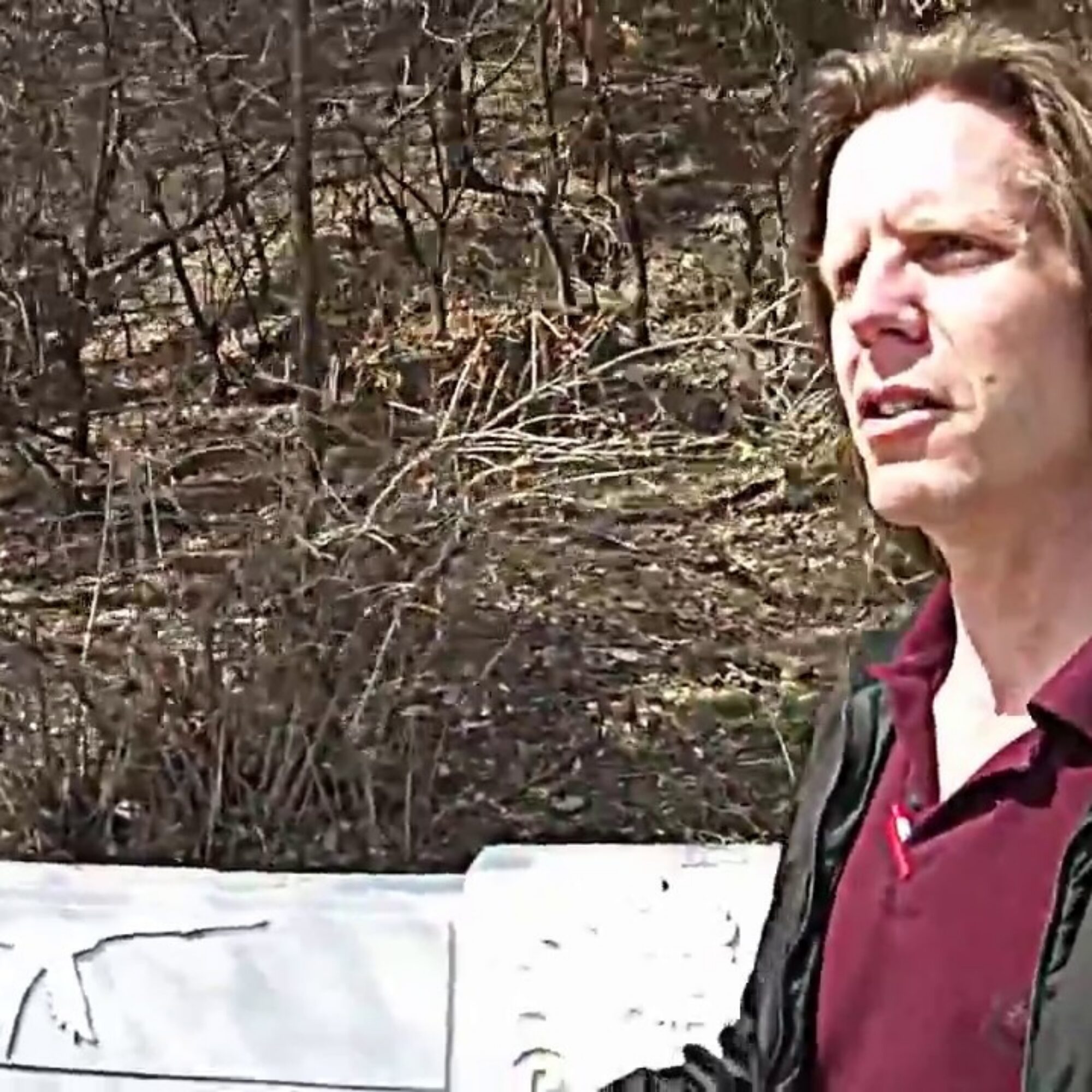
Video: On the unexpected beauty of the land of North Korea

Here I talk about the unexpected beauty of the land of North Korea -- at least of the parts the government let us see. It was early Spring and North Korea is pretty north, so there weren't many leaves on the trees yet. And whatever your feelings about the government or people, the land, flora, and fauna remain the land, flora, and fauna and it's hard not to appreciate the beauty of nature. We had just had a barbecue lunch in a park near Pyongyang. Maybe in Pyongyang, I'm not sure because they didn't give us any maps. https://www.youtube.com/watch?v=UTE7y4SALL4

0 Comments

Leadership in garbage we can learn from

I just read that Sweden is separating their trash so effectively, they're buying garbage from other countries. That is, their reducing-reusing-and-recycling programs work so well, their waste-incineration program is running low. Needless to say, reducing waste reduces pollution more than incinerating garbage, so one program starving the other helps the environment. According to Phys.org, Europe's average amount of trash ending up as waste if 38 percent. Sweden's is 1 percent. I shudder at what the United States' is. My home country doesn't lead in this area. It follows. Probably embarrassingly, at least for people who don't like to pollute the air and water their children breathe and drink. Since I started composting, my garbage amount decreased a lot. Cutting back on processed food reduces my…

0 Comments

Responsibility and accountability: expect stagnation without them

The other day I saw a post for a headline that caught my eye "On Scale of 0 to 500, Beijing's Air Quality Tops 'Crazy Bad' at 755" because I was just in Beijing. I remember early one evening looking up in the sky and seeing a low flying airplane. Actually, I only saw its lights in the smog. I got confused looking at it because it looked close, so I expected it to appear to move fast. But it was moving so slowly I figured it had to be very far away. Then I realized why it didn't look like it was moving. It wasn't. It was the light at the top of a building a couple blocks away. The smog was so dense…

0 Comments

Cognitive behavioral therapy and its problems, part 2

I wrote yesterday's post on Cognitive Behavioral Therapy after reading one of its main creators -- Aaron Beck's -- brief history from the Journal of Psychotherapy Practice and Research, "The Past and Future of Cognitive Therapy." The article begins with simple anecdotes observing patterns in people's beliefs, thoughts, and behaviors that anybody could notice that led him to create what we now call Cognitive Behavioral Therapy. But when he describes the theory and practice, as opposed to writing about it, he gets vague and jargon-y, and talking about problems instead of solutions. In particular, after general talk about patients he worked with, mainly things a layperson could have written, he starts a section "Defining the Cognitive Model." He starts with a colorful anecdote with a…

0 Comments

Cognitive behavioral therapy and its problems

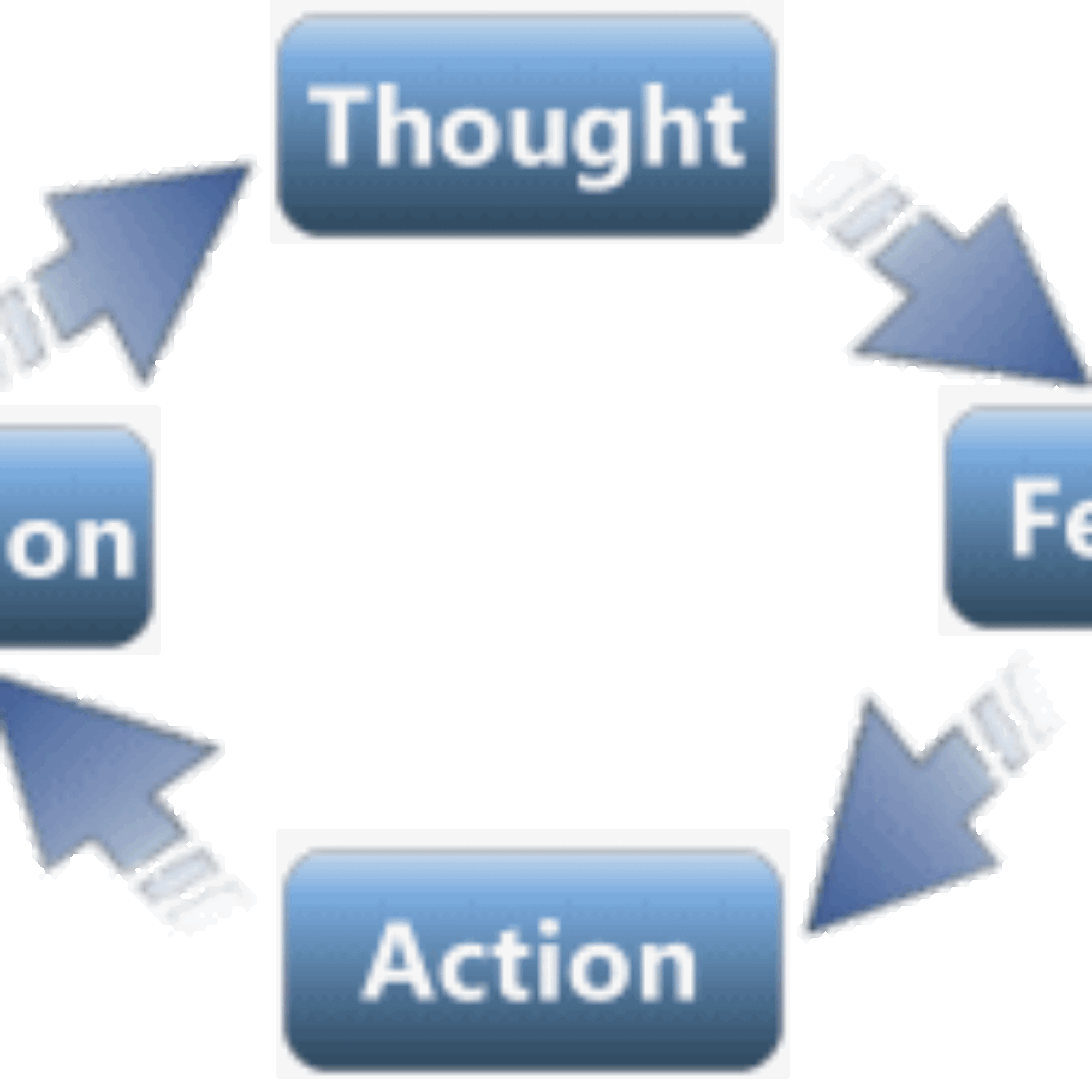
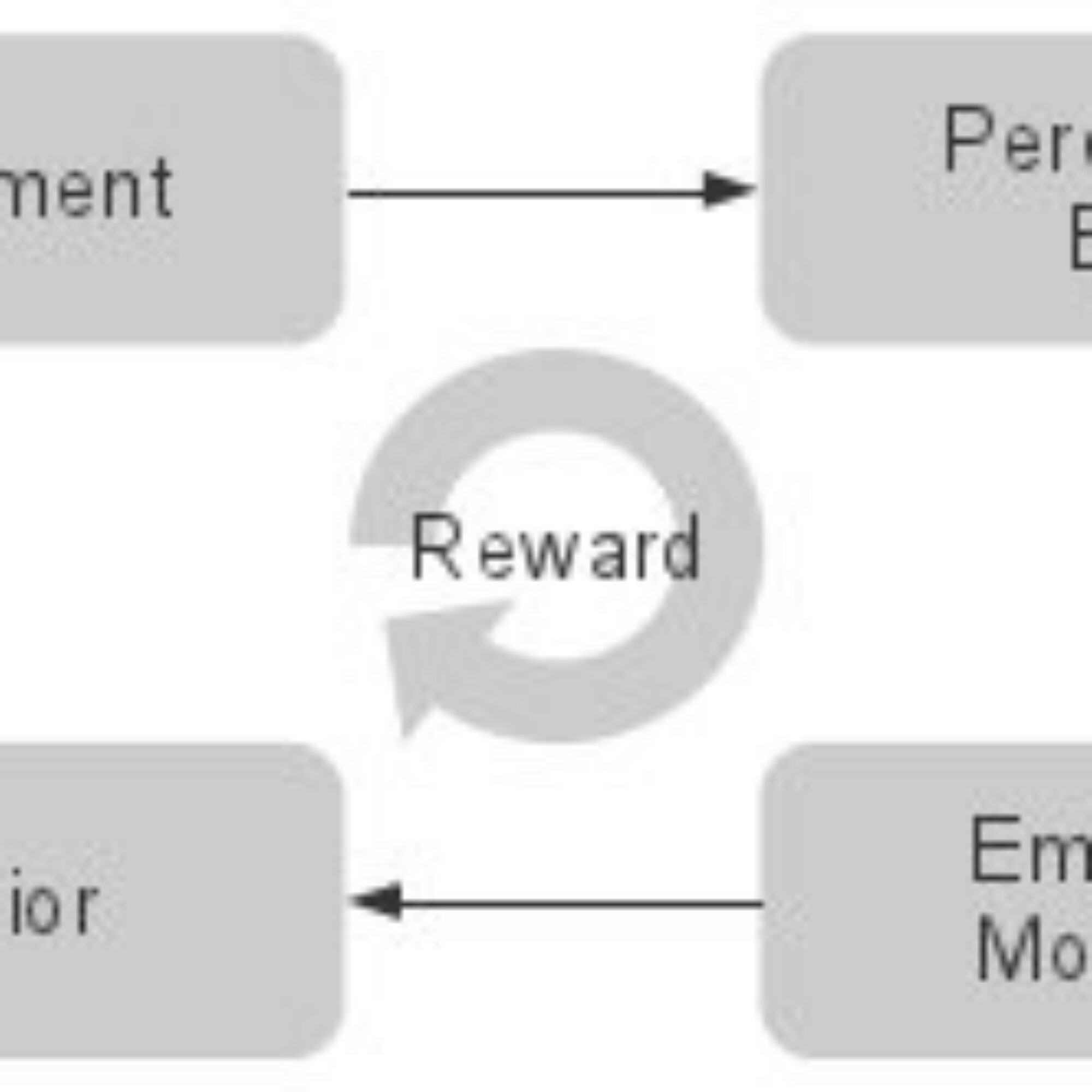
I've written before about Cognitive Behavioral Therapy and how I work. I consider CBT important and effective, as far as I know. I wrote about how similar the model at its foundation is to my Model. Specifically, compare this representation of the CBT model with this representation of mine Pretty similar: Situation -> thought -> feeling -> action Environment -> belief -> emotion -> behavior I've also written about shortcomings of CBT -- mainly that it doesn't say where its model comes from, at least not that I've found, and that it doesn't apply it to healthy people. A problem with not saying where the model comes from is that it makes it inaccessible to average people. When I thought about writing this post, I…

0 Comments

Nature versus Corporate (slideshow)

Here are the same pictures as from the previous post in a slide show, randomly ordered. Funny, I was thinking about the questions I asked. They feel like leading questions, but reading them, they seem open-ended. I guess you can tell my values. I could have asked questions about market share, returns on investment, competitive strategy, and so forth to get different pictures to rank higher. Things have different values in different contexts.

0 Comments

Nature versus Corporate

My post on Variety, choice, the manufactured illusion of it, and creating more yourself prompted more people emailing me about the images than most others. The way all the corporate stuff trying to catch your eye glosses over. I decided to contrast the corporate image with images from nature. I just did three images searches, on "fruit," "vegetable," and "forest," and posted a couple of the images from the first page that resulted. All the images show comparable ranges of colors, levels of detail, and so on. People design the box cereals to attract your eye. The plants evolved their colors, shapes, and such based on evolution. I'll leave it to you to conclude what you will from the different images, but I'll give you…

0 Comments

One of the most insidious barriers to getting hard things done, part 5: examples

[This post is part of a series on empathy gaps. If you don't see a Table of Contents to the left, click here to view the series, where you'll get more value than reading just this post.] As a final note on empathy gaps, I wanted to note a few examples of empathy gaps -- using them, observing them in others, and observing them in yourself. Researchers normally present empathy gaps as problems. I like to think of them as a part of life like any other. We can use the effect to help us. Teenager egg-carrying exercise I remember a high school assignment for students to carry an egg with them everywhere for a week or a month. Eggs, of course, are fragile, so…

0 Comments

One of the most insidious barriers to getting hard things done, part 4: overcoming them

[This post is part of a series on empathy gaps. If you don't see a Table of Contents to the left, click here to view the series, where you'll get more value than reading just this post.] Now we are familiar with empathy gaps -- that when you feel one emotion you generally can't conceive of your motivations when feeling a different emotion. We get how insidious they can be in keeping us from improving our lives. What do we do about them? How do we shield ourselves from them undermining our efforts? I haven't found research on effective techniques (please contact me if you know of any) in avoiding, overcoming, or developing resilience to empathy gaps. I only have my understanding of them and…

0 Comments

One of the most insidious barriers to getting hard things done, part 3: why empathy gaps make sense

[This post is part of a series on empathy gaps. If you don't see a Table of Contents to the left, click here to view the series, where you'll get more value than reading just this post.] As usual, understanding ourselves better helps us overcome the problems of empathy gaps -- that when you feel one emotion you generally can't conceive of your motivations when feeling a different emotion. Yet as they fundamentally concern being unable to understand things about ourselves, you'd think they were difficult to understand. On the contrary, you can understand them if you understand your emotional system. Luckily we have an easy way to understand our emotional systems. Empathy gaps depend on your emotional system Also as usual, the Model explains…

0 Comments

One of the most insidious barriers to getting hard things done, part 2: research and experiments

[This post is part of a series on empathy gaps. If you don't see a Table of Contents to the left, click here to view the series, where you'll get more value than reading just this post.] Yesterday I talked about the effect that when you feel one emotion you generally can't conceive of your motivations when feeling a different emotion, nor do you realize you can't, also known as empathy gaps. Today let's look at some research and experiments. Sexual arousal A comedian once remarked on the question people suggest you asking before considering unprotected sex, "would you die for it." He said sometimes when you're in the moment, you think you might. Dan Ariely, in his book Predictably Irrational (which I recommend), wrote…

0 Comments

Responsibility and consuming resources

I remember as a kid in the 70s being taught a policy to turn off lights when I was the last to leave a room. People put stickers on light switches with that message. I don't see that message that much any more. People seem to generally project that saving energy is better than not saving energy, but I see the idea more used to market selling products than changing personal behavior. I'll leave for another time the counterproductivity of selling more things to reduce consuming resources. Responsibility I'd rather talk about personal responsibility and consuming resources. I have found responsibility one of the most fundamental concepts in leadership, principally in my words to live by Don't look for blame but take responsibility for making…

0 Comments

End of content

No more pages to load