The Method: transformations, stage 1: a caveat

I should note a caveat for the transition stage. Since this stage involves conflict, feeling fake, and overcoming inertia, you may use a lot of willpower. How do you know you're moving in a direction that improves your life? How do you know you aren't pushing hard on something that you thought would help but isn't? The best answer is through experience. After a few transformations you pick up the subtle cues that show inertia decreasing or that what seemed feeling fake at the beginning also carried feelings of exploration and discovery. For example, if you tried a new style of clothing or haircut, it could happen that everyone you know and trust tells you they don't like it, but one person you don't know…

0 Comments

The Method: transformations, stage 1: transition

You can usually do the preparation stages of transforming a part of your life easily since you can do them yourself, without someone else. Working with other people usually makes things more complex. Still, you generally do benefit from involving others. Because they have different perspectives and can see your life from further away, their input usually helps. At the end of the preparation stages you have two sets of environments, beliefs, and behaviors in mind -- your current one and your desired one. You know your current situation so, however little reward it brings, you know how to get the reward it does bring and whatever emotions you want from it. You know what other parts of your life it conflicts or harmonizes with.…

0 Comments

The Method: transformations overview

We've covered the preparation stages of transforming a part of your life to bring more reward by choosing environments, beliefs, and behaviors based on your interests. Of course your life changes all the time whether you intentionally cause those changes or not. Using the Method, based on the Model, lets you do it systematically, intentionally, and makes you more likely to succeed than alternatives. Now let's look at how the transformation evolves in your life over the next few posts. Unplanned life changes can start and unfold unpredictably. Planned structured ones like intentional transformations following the Method can unfold unpredictably too, but tend to follow a more structured route. I tend to think of the route when I transform a part of my life following…

0 Comments

The Method: step 4, create and implement them

EDIT: I modified how I present the Method slightly. Please see the new version of this page and the updated series on implementing the Method. Having conceived of new environments, beliefs, and behaviors consistent with each other, the emotions you want, and what you will, won't, can, and can't do, the next step is to create and implement them. Creating and implementing them means more than just doing some simple task. It means creating a lifestyle for yourself based on your emotional cycles, which you learned about in the first two steps. That is, choosing your environment means choosing whom you spend time with, where you work, where you live, and so on. Choosing your behavior could mean changing your wardrobe, your hobbies, you physical…

0 Comments

The Method: step 3, conceive of new consistent environments, beliefs, and behaviors

EDIT: I modified how I present the Method slightly. Please see the new version of this page and the updated series on implementing the Method. The next step after awareness is to plan -- in particular, to conceive of new environments, beliefs, and behaviors that are consistent with each other and what you can't or won't change to replace the old ones and designed to bring about emotions you want. Choosing environments, beliefs, and behaviors to bring about the emotions you want leads you to live according to your values, nobody else's. It makes you resilient to feeling bad and to some extent to other people's influence Choosing them consistent with each other means you will feel reward once the emotions become consistent with them.…

0 Comments

The Method: steps 1 and 2, awareness

EDIT: I modified how I present the Method slightly. Please see the new version of this page and the updated series on implementing the Method. The Method's first two steps -- knowing your emotional system and understanding your current emotional cycles -- involve little action. They constitute awareness. The appeal to act on a situation you want to change quickly and decisively can tempt you. I advise against it, whether you are leading yourself or others. Acting without awareness can point you in counterproductive directions. It can spur you to ever more action to make up for the initial wrong direction until you finally stop and reset yourself. I call acting that way reactive. Besides wasting your time, holding you back from your potential, and…

0 Comments

The Method: step 2, understand your current emotional cycles

EDIT: I modified how I present the Method slightly. Please see the new version of this page and the updated series on implementing the Method. The Method's first step was a once-per-lifetime step. Once you understand your emotional cycle once, you can retain it all your life. Step 2 begins the preparation for each situation. The main part of understanding your current emotional cycle is to understand the elements -- the relevant environments, beliefs, emotions, and behaviors. The other part is to know what you can and can't change and what you will and won't change. Your situation For the elements, I recommend writing them out. Below are three examples of the elements to situations in my life when ripe for applying the Method. Example…

0 Comments

The Method, step 1: know your emotional system

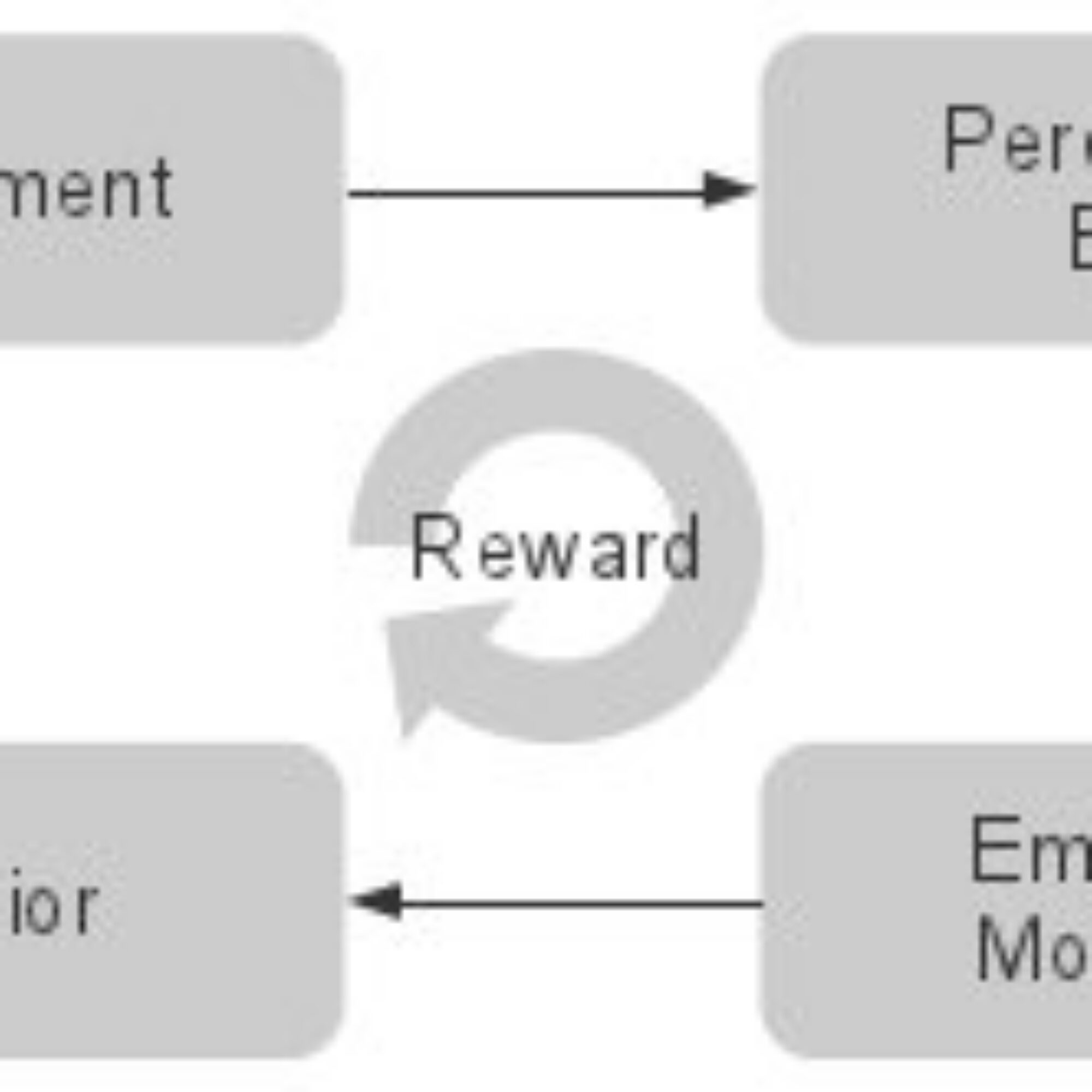
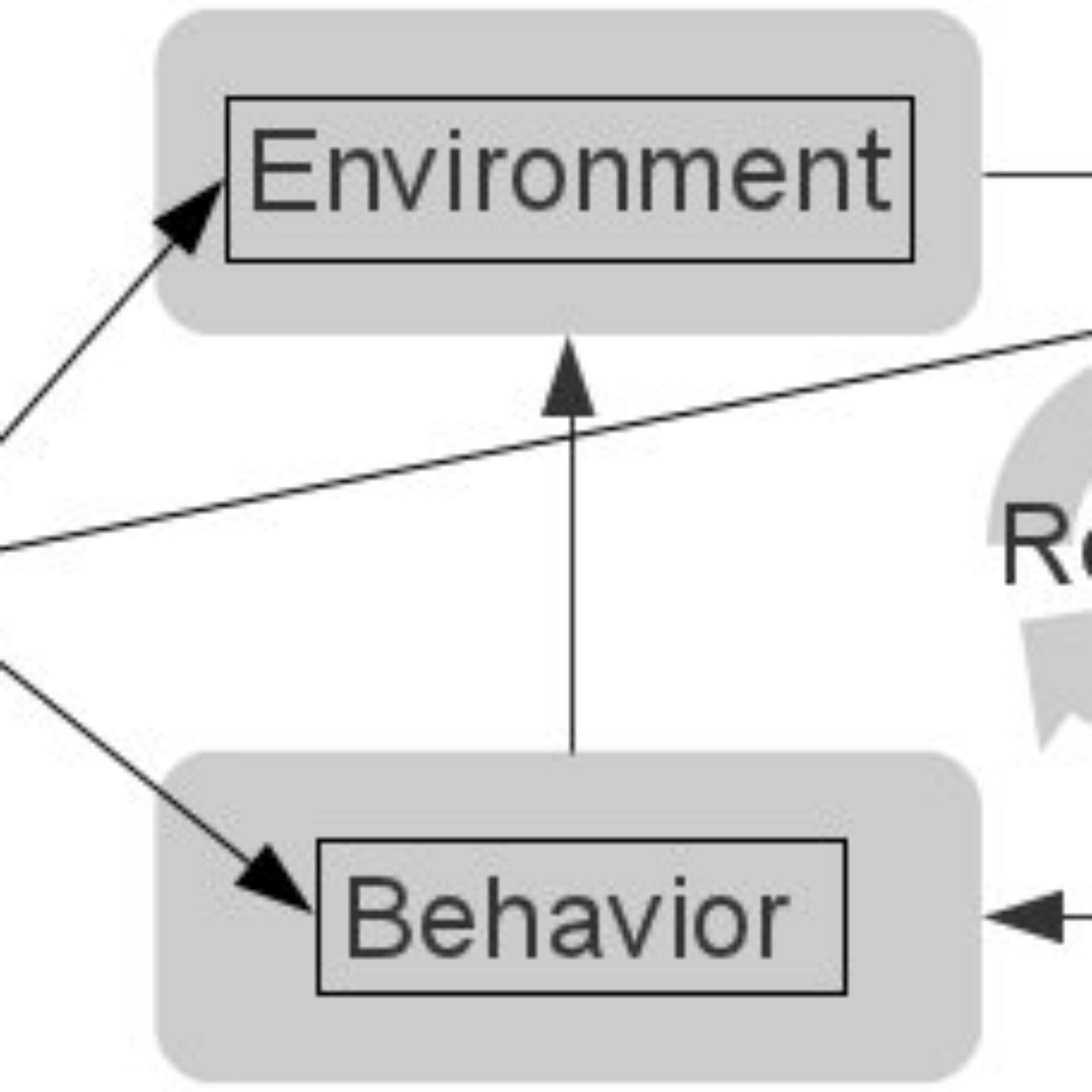
EDIT: I modified how I present the Method slightly. Please see the new version of this page and the updated series on implementing the Method. Today's post will be brief. The Method's first step is always to know your emotional system. Knowing the Model does just that, and my series on the Model gives the overview of it. This familiar diagram summarizes it. Keep in mind that the Model above is a starting point. Because its purpose includes ease in communicating it I simplified it at the expense of some important detail. I also know everyone is unique, as are their goals, so partly I leave out details so people can customize their Model for themselves. Maybe your Model will be a pentagon or have…

0 Comments

The Method: example 3: two simple but effective examples

[This post is part of a series on The Method to use The Model -- my model for the human emotional system designed for use in leadership, self-awareness, and general purpose professional and personal development -- which I find the most effective and valuable foundation for understanding yourself and others and improving your life. If you don't see a Table of Contents to the left, click here to view the series, where you'll get more value than reading just this post.] Today's examples of the Method are simple but effective so they illustrate the Method well as well as how to use it. The first is an effect you probably already know. Everyone knows feeling happy tends to make you smile. Most people also know…

0 Comments

The Method: example 2: overwhelming joy on a bleak morning

[This post is part of a series on The Method to use The Model -- my model for the human emotional system designed for use in leadership, self-awareness, and general purpose professional and personal development -- which I find the most effective and valuable foundation for understanding yourself and others and improving your life. If you don't see a Table of Contents to the left, click here to view the series, where you'll get more value than reading just this post.] Today's example of using the Method came a year after yesterday's. That one was my first by-the-book implementation and test of the Method, this one was my first automatic implementation. I had practiced it enough to internalize it enough I did it without thinking…

0 Comments

The Method: example 1: a home run after three strikes

[This post is part of a series on The Method to use The Model -- my model for the human emotional system designed for use in leadership, self-awareness, and general purpose professional and personal development -- which I find the most effective and valuable foundation for understanding yourself and others and improving your life. If you don't see a Table of Contents to the left, click here to view the series, where you'll get more value than reading just this post.] This example illustrates my first by-the-book implementation of the Model and Method. I don't pretend that the change was earth-shattering or bigger than it was because the magnitude of the change was not the point. The point was that the Method produced the results…

0 Comments

The Method: how-to

EDIT: I modified how I present the Method slightly. Please see the new version of this page and the updated series on implementing the Method. The next few posts will describe the Method, which is how to use the Model to lead yourself and others and to improve your life, in particular, using the elements you have voluntary control over. In time, you'll probably think of the Method as I do, through the Model's voluntary levers -- environment, belief, behaviors. I call one application of the Method a transformation because it transforms one part of your life. Preparation is as important as the action implementing the transformation so I treat it separately. (I'll make each of these bullet points links as I create the pages…

0 Comments

The Method: when to use it

When do I think of when to implement the Method? In leadership situations: especially when times call for me to motivate or influence others, to negotiate, to listen, to empathize and see things from another person's perspective. Times like these make self-awareness and knowing how to act on it important. In personal leadership situations: when times call for me to motivate myself, to understand myself better, and so on. I've learned approaching introspection with the structure of the Method more effective than an unstructured or haphazard approach. When I sense my level of reward below potential: since the feeling of reward (of all different characteristics) indicates how well my life is going, raising reward is among my most important tasks. The Method keeps me from…

0 Comments

Review of non-Method methods

This post covers patterns of several non-Method methods to give context to the Method. The reason you want to improve your life is that you're feeling less reward than your potential. Unless you're highly emotional aware, in which case you would see your way forward clearly, all you know then is that at least one element of an emotional cycle is out of sync but not which. The non-Method methods of the past few posts only work on one part of your emotional cycles. In general, if your way forward isn't clear, you'll be lucky if working on only one element works. Working on only your environment can cost resources and lead to delay or giving up. Working on only your behavior is grueling and…

0 Comments

What’s counterproductive about “making the world a better place”

I commented on a post on another board that expanded on my earlier post "What's wrong with 'making the world a better place'", referring to this post: I understand the goals of the ethic, but I'd suggest a change to one part. "World improvement" sounds noble, but every sane person believes they are making the world a better place -- whether dictators, telemarketers, soldiers, marketers of sugary beverages to children, or anyone. I guarantee not a single one of them, or anyone else, believes they are making the world a better place. You might believe they are making the world worse, but then you're evaluating them by your standards. Since they have different standards, they'll view you as making the world worse too since you…

0 Comments

Non-Method method 2: New Year’s resolutions

This post covers the second of several non-Method methods. People often try to improve their lives by changing only their behavior. After doing something one way for a while they resolve to do it differently. This strategy comes from a belief that something rooted in their behavior holds them back from a better life, or at least that changing only their behavior will improve it. I call this strategy "New Year's resolutions." The change in behavior doesn't have to come over New Year's. It just has to be based only in behavior. Typically people resolve to eat more healthily, to exercise more, to finally do that thing they've meant to do for years, etc. But the change could be anything. Sometimes changing only your behavior…

0 Comments

Non-Method methods

People improve their lives in many ways. To give context to the Method, in my next few posts I'll describe several common non-Method methods you're familiar with. Then I'll describe how the Method differs from them and why I believe it improves your life better and is more rewarding to do. So far I've only described the Method broadly: to choose the elements in your emotional cycles you can control voluntarily -- your environment, beliefs, and behavior -- together to bring about the emotions and emotional reward you want. There is much more to it and upcoming posts will describe it and how to implement it in detail, but this broad level is enough for the comparisons below. They will then clarify the Method when I…

0 Comments

Should you get a coach?

If you're reading my blog you may be considering getting a coach, maybe even considering me. I've observed that the people who perform best at things tend to have coaches whereas the people who don't do so well remark that they don't need coaching or bristle at the prospect of getting help. Derek Jeter has multiple coaches. Forty percent of Fortune 500 CEOs have personal coaches. This week's New Yorker features a long article on coaching. While not scientific, it covers many of the important points one might want to consider on coaching, describes observing successful coaching describes the author's successful experience testing the waters being coached, and describes some research in the field. It doesn't say everyone should get a coach, but thoughtfully walks…

2 Comments

Audio interview: don’t just accept, celebrate!

You used to get frustrated by taxes, right? You probably don't like getting older. We all prefer accepting things we can't change to frustration, disappointment, etc. You've learned to improve your life through acceptance. Why stop there, implying the thing still bothers us? You can learn to celebrate anything you can accept, turning problems into sources of reward. On a related note, judging tends to repel others, just like people judging you, even favorably, probably bothers you. Who are they to judge, all high and mighty? This interview talks about accepting things without judgment, which improves your life and attracts people more than judgment does. It also points out how you can learn to celebrate aspects of anything you can accept. It notes that celebrating…

0 Comments

The Model: behavior in more depth

[This post is part of a series on The Model -- my model for the human emotional system designed for use in leadership, self-awareness, and general purpose professional and personal development -- which I find the most effective and valuable foundation for understanding yourself and others and improving your life. If you don't see a Table of Contents to the left, click here to view the series, where you'll get more value than reading just this post.] Continuing looking at elements of the Model in more depth, after emotions and their origins over the past two days comes behavior. Of all the elements, behavior is probably the simplest. Behavior includes the obvious -- your gross movements like moving around, eating, sleeping, running, and what you…

0 Comments

The Model: the origins of your emotions and emotional system

[This post is part of a series on The Model -- my model for the human emotional system designed for use in leadership, self-awareness, and general purpose professional and personal development -- which I find the most effective and valuable foundation for understanding yourself and others and improving your life. If you don't see a Table of Contents to the left, click here to view the series, where you'll get more value than reading just this post.] Know thyself. As with every system to improve your life I know, I consider knowing yourself fundamental. Today's post shows how recent science -- evolutionary psychology -- lets us know ourselves better than any humans could before. Evolution tells us our roots beyond our childhood another billion years.…

0 Comments

The Model: emotions in more depth

[This post is part of a series on The Model -- my model for the human emotional system designed for use in leadership, self-awareness, and general purpose professional and personal development -- which I find the most effective and valuable foundation for understanding yourself and others and improving your life. If you don't see a Table of Contents to the left, click here to view the series, where you'll get more value than reading just this post.] Continuing to look at elements of the Model in more depth, after perception and belief comes emotion. Emotions lie at the core of the Model, as they should, since emotions, awareness of them, and the ability to bring about the ones you want lie at the core of…

0 Comments

The Model: perception and belief in more depth

[This post is part of a series on The Model -- my model for the human emotional system designed for use in leadership, self-awareness, and general purpose professional and personal development -- which I find the most effective and valuable foundation for understanding yourself and others and improving your life. If you don't see a Table of Contents to the left, click here to view the series, where you'll get more value than reading just this post.] Let's look at the next element in the cycle after the environment -- perception and belief. Perception means how you look at or become aware of your world. I include belief in the same cycle element as perception because belief and perception influence each other so closely, whether…

0 Comments

The Model: environment in more depth

[This post is part of a series on The Model -- my model for the human emotional system designed for use in leadership, self-awareness, and general purpose professional and personal development -- which I find the most effective and valuable foundation for understanding yourself and others and improving your life. If you don't see a Table of Contents to the left, click here to view the series, where you'll get more value than reading just this post.] Continuing the series on the Model from last time, let's look at elements of the Model in more depth. The elements are environment, perception/belief, emotions/motivation, behavior, and reward. We'll start with environment today. An emotional cycle's environment includes everything outside the cycle that affects it. The most obvious…

0 Comments

Shortcomings of cognitive behavioral therapy and remedies to them

[This post is part of a series on The Model -- my model for the human emotional system designed for use in leadership, self-awareness, and general purpose professional and personal development -- which I find the most effective and valuable foundation for understanding yourself and others and improving your life. If you don't see a Table of Contents to the left, click here to view the series, where you'll get more value than reading just this post.] Yesterday we looked at cognitive behavioral therapy. Today we'll consider some of its shortcomings and why those shortcomings excite me about my Model. Shortcoming 1: Cognitive Behavioral Therapy doesn't motivate its model I believe the therapy will help best to the extent people understand why and how it…

0 Comments

End of content

No more pages to load