The Model and cognitive behavioral therapy

[This post is part of a series on The Model -- my model for the human emotional system designed for use in leadership, self-awareness, and general purpose professional and personal development -- which I find the most effective and valuable foundation for understanding yourself and others and improving your life. If you don't see a Table of Contents to the left, click here to view the series, where you'll get more value than reading just this post.] If you want to improve your life, you should know about cognitive behavioral therapy. CBT has a lot going for it, but if, like me, you don't have mental problems and diseases you should know its shortcomings too. I'll describe them after describing it. What is it? The…

0 Comments

The Model: our emotional system is outdated

[This post is part of a series on The Model -- my model for the human emotional system designed for use in leadership, self-awareness, and general purpose professional and personal development -- which I find the most effective and valuable foundation for understanding yourself and others and improving your life. If you don't see a Table of Contents to the left, click here to view the series, where you'll get more value than reading just this post.] I think everybody knows the following, but I have to say it anyway just in case. The human emotional system evolves at the rate evolution acts, whereas our environment over the past few tens of thousands of years has changed faster than evolution can act. This difference results…

1 Comment

The Model: your emotional system is consistent and predictable

[This post is part of a series on The Model -- my model for the human emotional system designed for use in leadership, self-awareness, and general purpose professional and personal development -- which I find the most effective and valuable foundation for understanding yourself and others and improving your life. If you don't see a Table of Contents to the left, click here to view the series, where you'll get more value than reading just this post.] The Model predicts the human emotional system to be consistent and predictable. How so? People often contrast emotions with reason, which they consider systematic and predictable. By contrast, they consider emotions illogical, unpredictable, and unsystematic. People are used to understanding how someone reasons from one point to another.…

0 Comments

The Model: our emotions transcend “nature red in tooth and claw”

[This post is part of a series on The Model -- my model for the human emotional system designed for use in leadership, self-awareness, and general purpose professional and personal development -- which I find the most effective and valuable foundation for understanding yourself and others and improving your life. If you don't see a Table of Contents to the left, click here to view the series, where you'll get more value than reading just this post.] Two days ago we covered a few examples of emotional cycles. Some are obvious, like hunger when low on food and thirst when low on water. Other motivations and emotions aren't as obvious, like to avoid being shunned by a group or other social behaviors. Some are complex,…

0 Comments

The Model: emotional reward differs from the emotion that brought it about

[This post is part of a series on The Model -- my model for the human emotional system designed for use in leadership, self-awareness, and general purpose professional and personal development -- which I find the most effective and valuable foundation for understanding yourself and others and improving your life. If you don't see a Table of Contents to the left, click here to view the series, where you'll get more value than reading just this post.] Yesterday's last example illustrated an important distinction I left implicit so far: the feeling of reward or punishment is independent of the emotion that brought it about. This distinction helps you understand the Model and bring about the emotions and reward you want independent of the situation you're…

0 Comments

The Model: examples of emotional cycles

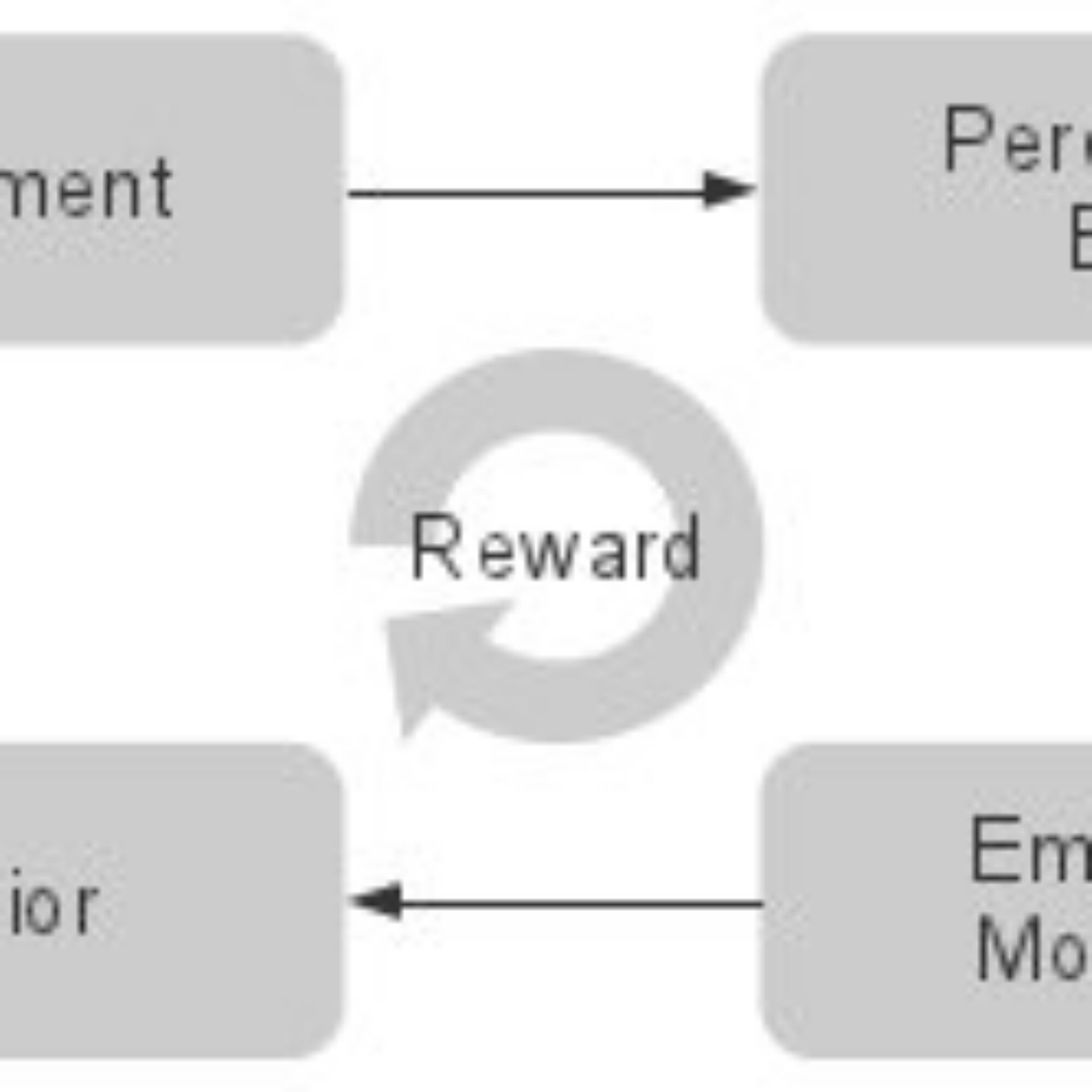
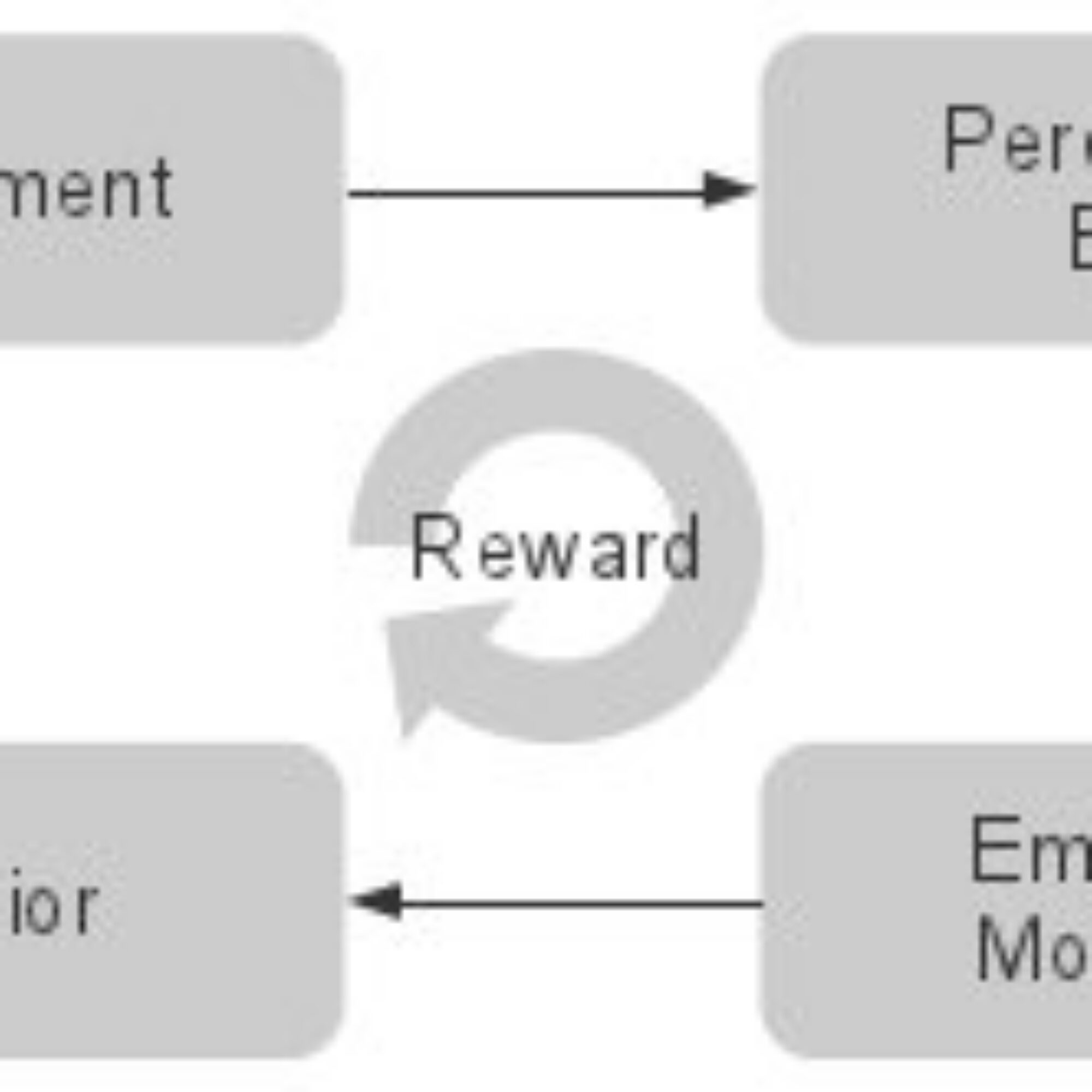
[This post is part of a series on The Model -- my model for the human emotional system designed for use in leadership, self-awareness, and general purpose professional and personal development -- which I find the most effective and valuable foundation for understanding yourself and others and improving your life. If you don't see a Table of Contents to the left, click here to view the series, where you'll get more value than reading just this post.] In our Model, each emotion you experience manifests itself in the emotional cycle of the model. Example 1: let's consider an example of hunger in the Model. Say someone puts a mango in front of you (environment). You see it and expect it to taste good (perception/belief). Since…

0 Comments

The Model: reward, happiness, and pleasure

[This post is part of a series on The Model -- my model for the human emotional system designed for use in leadership, self-awareness, and general purpose professional and personal development -- which I find the most effective and valuable foundation for understanding yourself and others and improving your life. If you don't see a Table of Contents to the left, click here to view the series, where you'll get more value than reading just this post.] Two days ago we first saw the complete Model. Now we'll begin discussing it. First let's clarify the central points of pleasure, happiness, and reward. At this level of simplification, the Model distinguishes between pleasure, happiness, and reward, though outside the Model they overlap more than in the…

0 Comments

Dropping friends who bring you down can hurt, but improves your life

Today I'll take a short break from my thread on the Model to share advice to a client with a common problem: he has grown and changed and a former friend hasn't. The former friend now holds him back. He wants to move on, but doesn't know how. His description of the situation described incident after incident of counterproductive behavior from the friend (and him accepting it), only briefly mentioning what held them together -- their music (also going out to meet girls together). I felt the musical success had more long-term value, so I started there. First, congratulations on the success with the music, sax, and rapping. Practicing your passions will improve your life more than anything. Music will be with you forever. Guys…

0 Comments

The Model — introducing my model for the human emotional system

[This post is part of a series on The Model -- my model for the human emotional system designed for use in leadership, self-awareness, and general purpose professional and personal development -- which I find the most effective and valuable foundation for understanding yourself and others and improving your life. If you don't see a Table of Contents to the left, click here to view the series, where you'll get more value than reading just this post.] I will be posting an extended series on the Model -- my model of the human emotional system, which is at the foundation of most of my posts here on self-awareness, emotional intelligence, and improving your life. It will cover the most useful and valuable ideas you will…

0 Comments

The most effective self-awareness exercise I know

Know thyself. Every system of improving your life has some concept of increasing your self-awareness. But what is self-awareness? People with low self-awareness, who could benefit from it most, tend to understand it least. The self self-awareness is aware of refers to something different than, say, knowing you have ten fingers and breathe air. Experience increases self-awareness best. I wrote below the most effective exercise I know of to increase your self-awareness. I often assign this exercise to my clients, usually as the first. This exercise increases your awareness of how your mind works, in particular a part of it that influences your perception of your environment and how you react to it every moment of every day. Mental chatter (or self-talk, internal monologue, or…

7 Comments

When to judge

After three posts on avoiding expressing judgment, I should clarify I don't suggest never expressing judgment. Here are a few cases where I express judgment. Judging myself: using my criteria to evaluate myself doesn't deprecate others' values, for example, writing "I should clarify" above. I do take care to notice my values change, particularly when evaluating myself in the past (see my series Goodbye guilt and blame for more on judging yourself). With clear criteria or goals: when everyone knows the criteria for evaluation, I find no problem in using them. For example, in "Judging people is a good way to antagonize them," the term good evaluates based on ability to antagonize. The criteria are clear. Someone may disagree on my evaluation, but won't take…

0 Comments

More thoughts on being less judgmental

A reader wrote, in response to Friday's post "How to stop being so judgmental," Thanks Joshua for the insight on judgement. I have used less negative words and have already replaced them with a more positive intake on certain topics to avoid negativity. By doing so, I have noticed a more positive reaction from peers and friends, which leads to more productive outakes on actions in a general sense. Thanks! :) First, thank you for the rewarding feedback and you're welcome if I've helped you make your life more like you want it. I can think of little more rewarding than to contribute to someone improve their life. You touched on a fine point I hadn't clarified in the post. Frankly, I haven't completely clarified…

0 Comments

Another way to avoid acting judgmentally

Another reason for yesterday's post on avoiding acting judgmentally came from a project some people told me about called E-prime. From Wikipedia E-Prime is a version of the English language that excludes all forms of the verb to be. Hence, E-Prime allows neither conjugations of to be (am, are, is, was, were, be, been, being), nor archaic forms (e.g. art, wast, wert), nor contractions ('s, 'm, 're). Some scholars advocate using E-Prime as a device to clarify thinking and strengthen writing. For example, the sentence "the movie was good" could translate into E-Prime as "I liked the movie" or as "the movie made me laugh". The E-Prime versions communicate the speaker's experience rather than judgment, making it harder for the writer or reader to confuse…

0 Comments

How to stop being so judgmental

Nobody likes feeling judged. We don't like other people feeling so high and mighty as to judge us. I bet you're more judgmental than you realize. Here's how to raise your awareness of it, reduce it, annoy people less, and share more about yourself. I bet you don't realize how judgmental you seem to others, even if you don't intend it. Nor, I bet, do people making you feel judged realize how much they seem judgmental. Why not? Because judgment is in our language. It doesn't have to, but it often is. My exercise on avoiding judgmental words from a few months ago continues to surprise me as it makes me more aware of my own and others' speech. I'm re-posting about the exercise because…

0 Comments

How to choose between nearly equal but incomparable options

Someone I'm coaching wrote the following: I will be graduating from college in May, and I am trying to decide which two cities I should move to after graduation. I've been wanting to move to NYC ever since I first visited in high school and been going there ever since. On the other hand, everyone that I know tells me that I should move to LA instead and think I would be better off there. I've only been to LA once when I was younger, (visited Manhattan Beach and Santa Monica) but I did have a great time there. I do enjoy both but for the moment I am feeling NYC. To name a few why I'm feeling NYC, (specifically Manhattan.) I love diversity of…

0 Comments

A review of my seminars

Lillian Chan is an independent film producer and friend who has attended and recorded a couple of my seminars and now my gallery opening. She wrote a few paragraphs reviewing the seminars.

2 Comments

How to tell if someone is good at something

Two observations I've made about how good people are at things: People who aren't good at something talk about how awesome they are at it. People who are great at something talk about the humiliations and failures that got them good at it. I've found this pattern far more accurate than I would have expected. I love hearing stories from people about the disasters that made them who they are. That's how I know they're good at the thing at hand. They've gotten over their insecurity through experience and aren't afraid to share. People who are afraid to share tend not to be so good at the thing -- I think because they are afraid of being associated with the failure. Incidentally, the stories about…

0 Comments

Celebrating other people’s values

People confuse someone else's values being different from their own with being worse than their own. If other people's values were worse, then statements like the following two would portend the end of society. The children now love luxury; they have bad manners, contempt for authority; they show disrespect for elders and love chatter in place of exercise. Children are now tyrants, not the servants of their households. They no longer rise when elders enter the room. They contradict their parents, chatter before company, gobble up dainties at the table, cross their legs, and tyrannize their teachers. -- Commonly attributed to Socrates The world is passing through troublous times. The young people of today think of nothing but themselves. They have no reverence for parents…

0 Comments

I have low standards the first time

This post on doing things you love even if you're not good at it prompted discussion -- or at least people asking me about doing things that feel scary or are hard. For most people, the challenges are internal. Most people aren't risking health and safety doing something like climbing Everest -- they're thinking of trying out for that senior position, singing karaoke, going to a gym for the first time, or asking that guy or girl out. Their risking losing social standing -- aka embarrassing themselves. Why people don't try new things Their biggest fears are based on beliefs of imagined futures. People don't predict the future effectively, all the more when projecting fearfully, so they tend to project worst case scenarios. Even if…

0 Comments

What’s wrong with “making the world a better place”?

Can you think of anyone who isn't trying to make the world a better place in his or her own way? The statement means nothing if everyone says it. And effectively everyone does. Think of the worst people you can. Weren't they trying to make the world a better place, in their minds at least? You can say how wrong these terrible people were, but in their minds they weren't wrong, they were right. In their minds you're wrong and they're right. And no matter how much you appeal to a foundation they can't  -- scripture, your notion of human nature, human life, whatever -- they can appeal to some other foundation that for them is equally absolute. They can also claim your absolutes are…

0 Comments

Are you being judgmental without realizing?, part IV

Following up my previous post in this thread, I forgot a few judgmental words and some tips on avoiding sounding judgmental. The judgmental words see frequent usage: Should Ought to Impressed A friend once said "there are very few shoulds in life." I found his observation helpful. I have found avoiding telling people what they should or shouldn't do helpful. When you say someone should do something they aren't doing, you're advising them based on your values. If they asked for your advice, you're probably helping them. If you haven't, you're probably judging. On to the tips. In the first exercise of the last post, I offered alternatives to judgmental language. Here is some clarification. Many (most?) of the time someone says something is right…

0 Comments

Are you being judgmental without realizing?, part III

The past two days covered the how we can be judgmental without meaning it -- first with clearly judgmental language, then with implicitly judgmental words. Today let's look at exercises to change. My normal first step for change is to start by building awareness. In this case, changing builds awareness so much and the exercises are so easy (they don't involve anyone else), I recommend just starting with the change. There are two exercises that you can do separately or together. They sound trivial, but if you're diligent, you'll find yourself catching subtle behavior all the time. You'll be amazed at the little things you say and how you start thinking differently. Exercise 1 The first exercise is to replace judgmental language. With what? Usually…

0 Comments

Are you being judgmental without realizing?, part II

Yesterday I wrote about how we often judge people implicitly without realizing -- often a repellent behavior -- and one class of implicitly judgmental language. The second class of implicitly judgmental language is when you make value judgments without realizing it. Here are a few examples: "People on the left say X. People on the right say Y. I'm not political about it, I'm practical and I look for a practical solution." "John is extreme. I prefer the middle path." "Sally works too hard. She needs to balance work and life." "If Jane were a real manager, she'd ..." "I know you like to do X, but in the real world we have problems that require ..." "The reality of the situation is that..." "The…

0 Comments

Are you being judgmental without realizing?, part I

Do you like being judged? Nobody likes when someone else is self-righteous, holier-than-thou, or high-and-mighty to them. Would you be shocked to find you're judging people -- thereby repelling them -- without realizing it? Would you want to do something about it? You probably avoid judgmental people. I'd bet it's one of the major reasons you avoid the people you do. (Clients often mention their parents here. Even recognizing their parents' best intents, their being judgmental is repellant.) You're probably comfortable with nonjudgmental people, or who actively practice nonjudgmental acceptance. Yet you probably communicate judgment to people without realizing it, mainly in words you choose without realizing it, as I'll describe below. The good news is you can do something about it, and what you…

0 Comments

Challenges of feedback and how to use it

How do you handle feedback? Do you take it well? Do you know how to use it? If not, you may be throwing away great opportunities to improve yourself and your life. Many people don't know how to take a compliment or having their weaknesses pointed out so they avoid feedback. As a coach in Columbia Business School's Program on Social Intelligence, I coach a lot of upcoming leaders who just received their first 360 feedback report. A few things I point out to many of them applies to all feedback, not just formal reports. Some things may sound obvious in the abstract, but in the moment, when you're reading people's opinions about you, it's easy to lose sight of the big picture and take…

0 Comments

End of content

No more pages to load