The Model: examples of emotional cycles

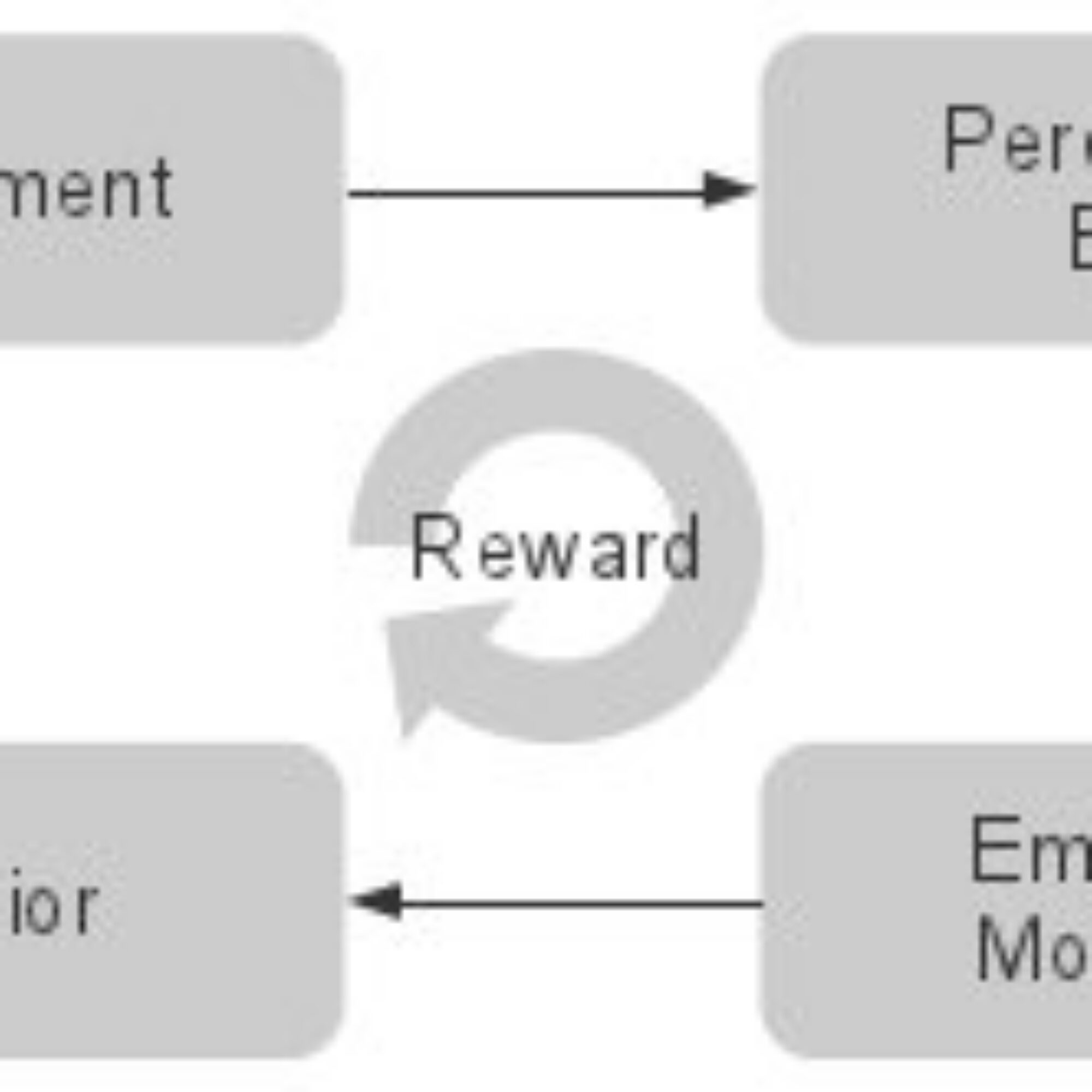
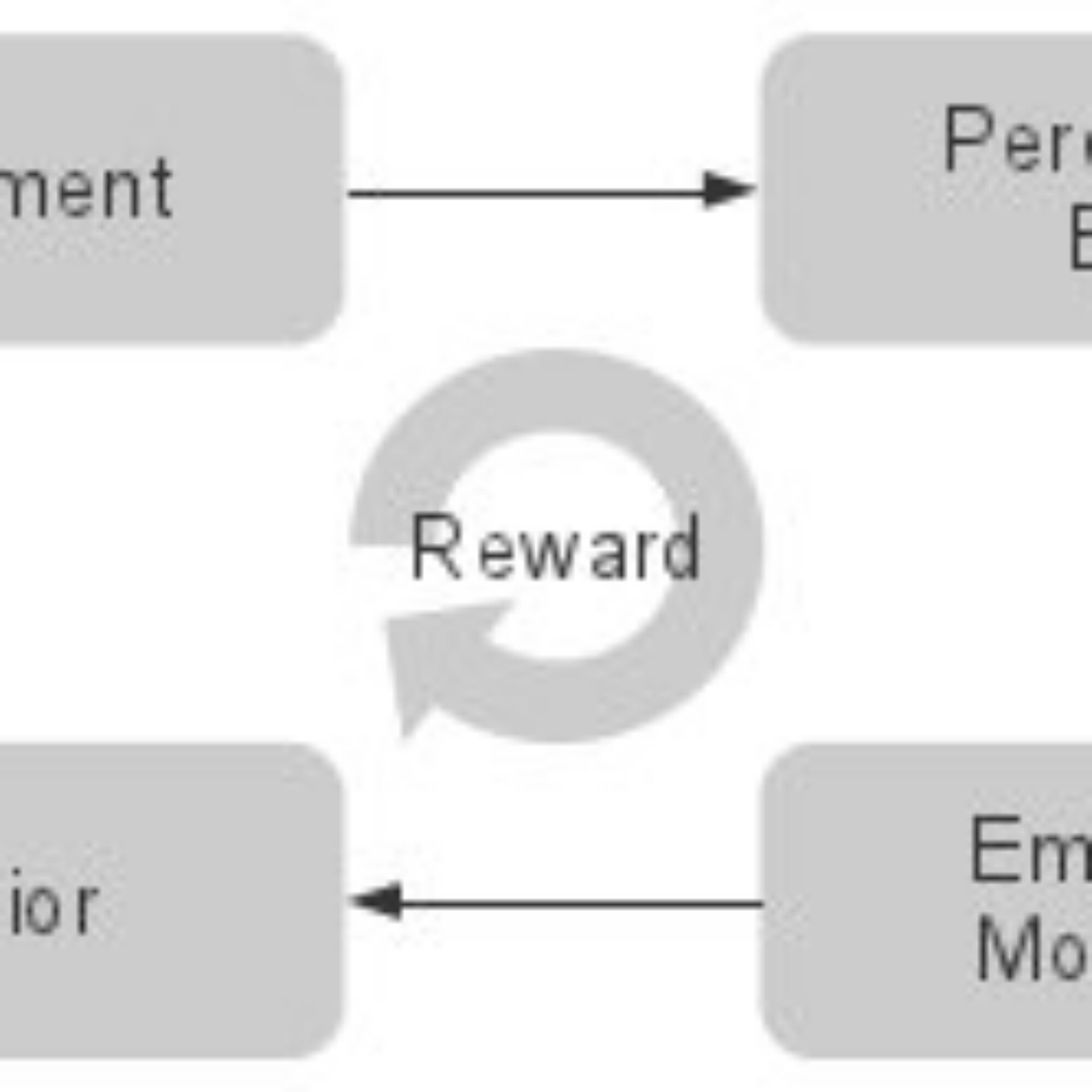
[This post is part of a series on The Model -- my model for the human emotional system designed for use in leadership, self-awareness, and general purpose professional and personal development -- which I find the most effective and valuable foundation for understanding yourself and others and improving your life. If you don't see a Table of Contents to the left, click here to view the series, where you'll get more value than reading just this post.] In our Model, each emotion you experience manifests itself in the emotional cycle of the model. Example 1: let's consider an example of hunger in the Model. Say someone puts a mango in front of you (environment). You see it and expect it to taste good (perception/belief). Since…

0 Comments

The Model: where emotional cycles came from

[This post is part of a series on The Model -- my model for the human emotional system designed for use in leadership, self-awareness, and general purpose professional and personal development -- which I find the most effective and valuable foundation for understanding yourself and others and improving your life. If you don't see a Table of Contents to the left, click here to view the series, where you'll get more value than reading just this post.] We've presented all the elements of the Model, barely scratching the surface of what it all means or how to use it. Let's start by understanding where our emotions come from. We don't have our emotions for the fun of it. Our emotions motivate our behavior. Each emotion…

0 Comments

The Model: reward, happiness, and pleasure

[This post is part of a series on The Model -- my model for the human emotional system designed for use in leadership, self-awareness, and general purpose professional and personal development -- which I find the most effective and valuable foundation for understanding yourself and others and improving your life. If you don't see a Table of Contents to the left, click here to view the series, where you'll get more value than reading just this post.] Two days ago we first saw the complete Model. Now we'll begin discussing it. First let's clarify the central points of pleasure, happiness, and reward. At this level of simplification, the Model distinguishes between pleasure, happiness, and reward, though outside the Model they overlap more than in the…

0 Comments

Dropping friends who bring you down can hurt, but improves your life

Today I'll take a short break from my thread on the Model to share advice to a client with a common problem: he has grown and changed and a former friend hasn't. The former friend now holds him back. He wants to move on, but doesn't know how. His description of the situation described incident after incident of counterproductive behavior from the friend (and him accepting it), only briefly mentioning what held them together -- their music (also going out to meet girls together). I felt the musical success had more long-term value, so I started there. First, congratulations on the success with the music, sax, and rapping. Practicing your passions will improve your life more than anything. Music will be with you forever. Guys…

0 Comments

The Model: adding reward

[This post is part of a series on The Model -- my model for the human emotional system designed for use in leadership, self-awareness, and general purpose professional and personal development -- which I find the most effective and valuable foundation for understanding yourself and others and improving your life. If you don't see a Table of Contents to the left, click here to view the series, where you'll get more value than reading just this post.] So far the Model comprises cycle of environment, perception (subject to belief), emotions, and behavior. Its last element represents how it regulates itself: reward. When this Model refers to reward, it means emotional reward, not something like financial reward, treats for dogs, or food pellets for lab animals.…

0 Comments

The Model: adding belief and perception

[This post is part of a series on The Model -- my model for the human emotional system designed for use in leadership, self-awareness, and general purpose professional and personal development -- which I find the most effective and valuable foundation for understanding yourself and others and improving your life. If you don't see a Table of Contents to the left, click here to view the series, where you'll get more value than reading just this post.] Our Model so far comprised a cycle of your environment, emotions, and behavior. We're still building. We don't develop motivations based on our environments directly. The limitations of our senses mean we never know the full story of anything. The limitations of our memory and mental processing power…

0 Comments

The Model: adding emotions

[This post is part of a series on The Model -- my model for the human emotional system designed for use in leadership, self-awareness, and general purpose professional and personal development -- which I find the most effective and valuable foundation for understanding yourself and others and improving your life. If you don't see a Table of Contents to the left, click here to view the series, where you'll get more value than reading just this post.] Yesterday began the Model with the foundation of understanding yourself as someone who exists in an environment and behaves within it. Unlike many simpler life forms, people don't merely react reflexively. I don't know how bugs and lizards live, but they don't seem to reflect much on their…

0 Comments

The Model: environment and behavior

[This post is part of a series on The Model -- my model for the human emotional system designed for use in leadership, self-awareness, and general purpose professional and personal development -- which I find the most effective and valuable foundation for understanding yourself and others and improving your life. If you don't see a Table of Contents to the left, click here to view the series, where you'll get more value than reading just this post.] Today we'll see the first part of the Model. It comes from evolution in general and the burgeoning forefront scientific field of evolutionary psychology. Let's start with your behavior and environment. Like all life, you exist in an environment and you behave in certain ways within it. You…

0 Comments

The Model: why

[This post is part of a series on The Model -- my model for the human emotional system designed for use in leadership, self-awareness, and general purpose professional and personal development -- which I find the most effective and valuable foundation for understanding yourself and others and improving your life. If you don't see a Table of Contents to the left, click here to view the series, where you'll get more value than reading just this post.] Why create a model? To know yourself better despite your complexity. Every system of self-improvement, at least that I know of, has some concept of increasing your self-awareness, your knowledge of yourself. "Know thyself." Modeling the part of you that creates value, importance, and meaning helps you understand…

0 Comments

The Model: models in general

[This post is part of a series on The Model -- my model for the human emotional system designed for use in leadership, self-awareness, and general purpose professional and personal development -- which I find the most effective and valuable foundation for understanding yourself and others and improving your life. If you don't see a Table of Contents to the left, click here to view the series, where you'll get more value than reading just this post.] Before talking about the Model in particular, let's talk about models in general, a fundamental and incredibly useful concept in its own right. I've covered them before in this blog from several perspectives. Models are simplified representations of something for a purpose Models are simplified representations of something…

0 Comments

The Model

[This post is part of a series on The Model -- my model for the human emotional system designed for use in leadership, self-awareness, and general purpose professional and personal development -- which I find the most effective and valuable foundation for understanding yourself and others and improving your life. If you don't see a Table of Contents to the left, click here to view the series, where you'll get more value than reading just this post.] What goals do we have in life if not to understand what makes life good and how to make our own better? By good I mean by the values of the person living that life -- not by some abstract standard. I want to distinguish the following from…

0 Comments

How to get others to improve your life

It's great to improve your life. It's that much better to get others to improve it for you. How do you do it? Here's one way. Share things you love. It's enough to tell people about those things. Here's an example. At my mom's house over the weekend, I asked my mom about the Vitamixer she has. She bought this super-powered blender from a late-night infomercial maybe twenty years ago. We all thought she was crazy. It turns out this thing is amazing! It's a blender like a Sherman Tank is a car. It destroys anything you put in it. You can put a whole egg in a smoothie, including the shell. It destroys the shell. You can drink it, probably getting some calcium. On…

1 Comment

The essence of creativity, as expressed by Man Ray

Why do we create and invent? Many people enjoy creating, but can't express why -- what they get out of it or what motivates them. The masters often express these things best -- mastery often requires understanding your motivations. A quote by Man Ray has stuck with me for years after first hearing it on an American Masters documentary on him. I believe it expresses a, or perhaps the, fundamental reason we create. He talks about fine art, but his answer is general. I'll let him say it best below. I'll say a bit on the matter in my words so you can see how much better he puts it. I believe we create art to express emotions words don't or can't. Any emotion is…

0 Comments

The tough times of personal change

A client wrote me about frustration with a personal development project he was working on with a mentor in his field. I felt my response applied generally to personal change so I think it may help others. I'm reading two parts to your message -- one is asking for specific advice on your project; the other is about anxiety with the pace of change. I'll address the second part first. For context, I've been working on [a related project] for about four years. I still get frustrated at how much more I have to learn and how after all this time I still feel like some things I've never gotten down. I'd wager even [your mentor] feels the same way sometimes. I've found a couple…

0 Comments

Have you forgotten you’re alive?

Have you forgotten you're alive? Do you want to escape the world -- the heat of everyday life? New York City is supposed to hit 103 F (39 C) today. Yesterday was that hot. People say it's horrible. If you think the world is that horrible, go for a run in Central Park. You'll feel alive. the heat won't bother you so much afterward. You'll remember we were born to live in this world. We adapted to it. We have what it takes to survive and flourish in it. The sign said 97 when I started yesterday. It was less crowded than usual, but people were still there. I got passed by more other runners than usual. People have crazy ways to remind themselves they're…

0 Comments

Calling emotions positive or negative doesn’t help — it hurts

Emotions are how your emotional system reacts to your perception of your environment with motivation to behave. In every culture around the world, in every language, essentially all of us share the same emotions. This commonality is not an accident. Human behavior is driven by human emotions and our behavior is what made us so overwhelmingly successful in population and geographic spread. Our behavior and emotions didn't come out of nowhere. They evolved, as in every other species. Our would-be ancestors who behaved less effectively in their environments didn't have as many children and we didn't descend from them. Our ancestors who behaved most effectively had the most children and we are their descendents. You may say you feel good when you enjoy ice cream…

0 Comments

Travel and developing empathy

Yesterday's post on developing empathy started with me writing about traveling, which ended up being today's post. Nearly everyone tells me they love to travel. The top reason they give for it is to experience new people, places, and cultures. I get that appeal, but my goals are different. My main goal in life is to continue improving it. My travel goals are to contribute to that goal. Learning about differences doesn't serve that goal so well. My main goal in traveling is to see how similar people are despite their different environments, not to see how different they or their cultures are. I find that finding commonalities improves my life more. This goal comes from applying yesterday's exercise on people in new places. People…

0 Comments

Exercise: how to improve your empathy

Here is a mental exercise I like and find effective in learning to empathize and understand people better. It costs nothing and requires no preparation, but it can be personally challenging, but it develops you as a person. The exercise is to see how diverse behavior in others you can explain without relying on saying someone else has different motivations than you do. The more you can explain their behavior, the more you have in common with them, the more you understand them, the more connected you will feel, and the better your life. It can be difficult at first when trying it on people who behave differently than you ever would have but gets easier with practice. Eventually you internalize the skills and instead…

0 Comments

Leadership seminar at New York Academy of Sciences posted

The leadership development seminar I led in April at the New York Academy of Sciences has been posted as an e-briefing. Now you can see me speak where Einstein and Darwin did, or at least they were members. You have to be a member to see the video, but the academy has great events. I recommend joining. You do love science, don't you? Here's the overview of the e-briefing: Overview Leadership coach, entrepreneur, and former physicist Joshua Spodek spoke from a scientist's and entrepreneur's perspective on developing personal leadership skills. The two-day, eight-hour interactive seminar took place April 5 and 7, 2011 at the New York Academy of Sciences and was designed to provide a foundation for the continued development of skills of personal leadership,…

0 Comments

Willpower, part VI: examples

[This post is part of a series on willpower and how to understand and use it. If you don't see a Table of Contents to the left, click here to view the series, where you'll get more value than reading just this post.] An example of an ineffective way to use willpower to get in shape is to will yourself to go to the gym two days a week for a year. An effective way is to search for healthy activities that you love and make them a part of your life, letting go of activities you don't like. Or to find people who live active lifestyles you like and spend time with them, at the expense of people who don't live active lifestyles. For…

0 Comments

Willpower, part V: how to use it

[This post is part of a series on willpower and how to understand and use it. If you don't see a Table of Contents to the left, click here to view the series, where you'll get more value than reading just this post.] How to use willpower summarizes the previous posts. Use willpower either for brief, self-contained projects that you'll finish before running out of mental energy to sustain it or when it will lead to rewarding emotions that will sustain using it. You already know how to use willpower for brief projects. For longer projects, willpower works best to create rewarding emotions that motivate you to complete your goal. Willpower doesn't work well to complete the project. If you want to get in shape,…

0 Comments

Willpower, part IV: when to use it

[This post is part of a series on willpower and how to understand and use it. If you don't see a Table of Contents to the left, click here to view the series, where you'll get more value than reading just this post.] Yesterday's discussion of when not to use willpower -- when you aren't aware of where you are emotionally or where you want to or when you risk reinforcing the beliefs driving countervailing emotions -- implies when to use willpower: the opposite of when not to use it. So the first properties of when to use willpower are When you know where you are and where you want to go emotionally You are aware of the beliefs driving the behavior you're overcoming with…

0 Comments

Willpower, part III: when not to use it

[This post is part of a series on willpower and how to understand and use it. If you don't see a Table of Contents to the left, click here to view the series, where you'll get more value than reading just this post.] If all you could do was act on whatever emotion was most dominant at any time, you would be purely reactive. You would not be able to choose your actions. Bugs and lizards are purely reactive as far as I can tell. Your reflexes are reactive. So willpower keeps you from being purely reactive. Without it you couldn't choose. Without willpower, thoughtfulness and reflection wouldn't help you because you wouldn't be able to act on them. Some people take pride in the…

0 Comments

Willpower, part II: what it is

[This post is part of a series on willpower and how to understand and use it. If you don't see a Table of Contents to the left, click here to view the series, where you'll get more value than reading just this post.] Understanding willpower requires understanding emotions functionally, so let's start there. A functional perspective isn't the only way to view emotions -- exploring and communicating how they feel is another, more relevant to art and music, for example -- but it serves our purposes. I'll stick with it, but I don't mean to imply other perspectives aren't important in other contexts. Emotions, functionally Functionally, emotions motivate you to interact with and change your environment. They also result from your environment, subject to your…

0 Comments

Willpower, part I: what is it, when to use it, and how

[This post is part of a series on willpower and how to understand and use it. If you don't see a Table of Contents to the left, click here to view the series, where you'll get more value than reading just this post.] I'll be starting what I expect to be a four or five part series on willpower. The series should give an understanding of what willpower is and how to use it more and more effectively to improve your life. Everyone generally knows what willpower is. Some people value being able to use willpower to overcome great challenges. Some people don't know how to use it at all. In all cases, we want to be able to use it more effectively than we…

0 Comments

End of content

No more pages to load