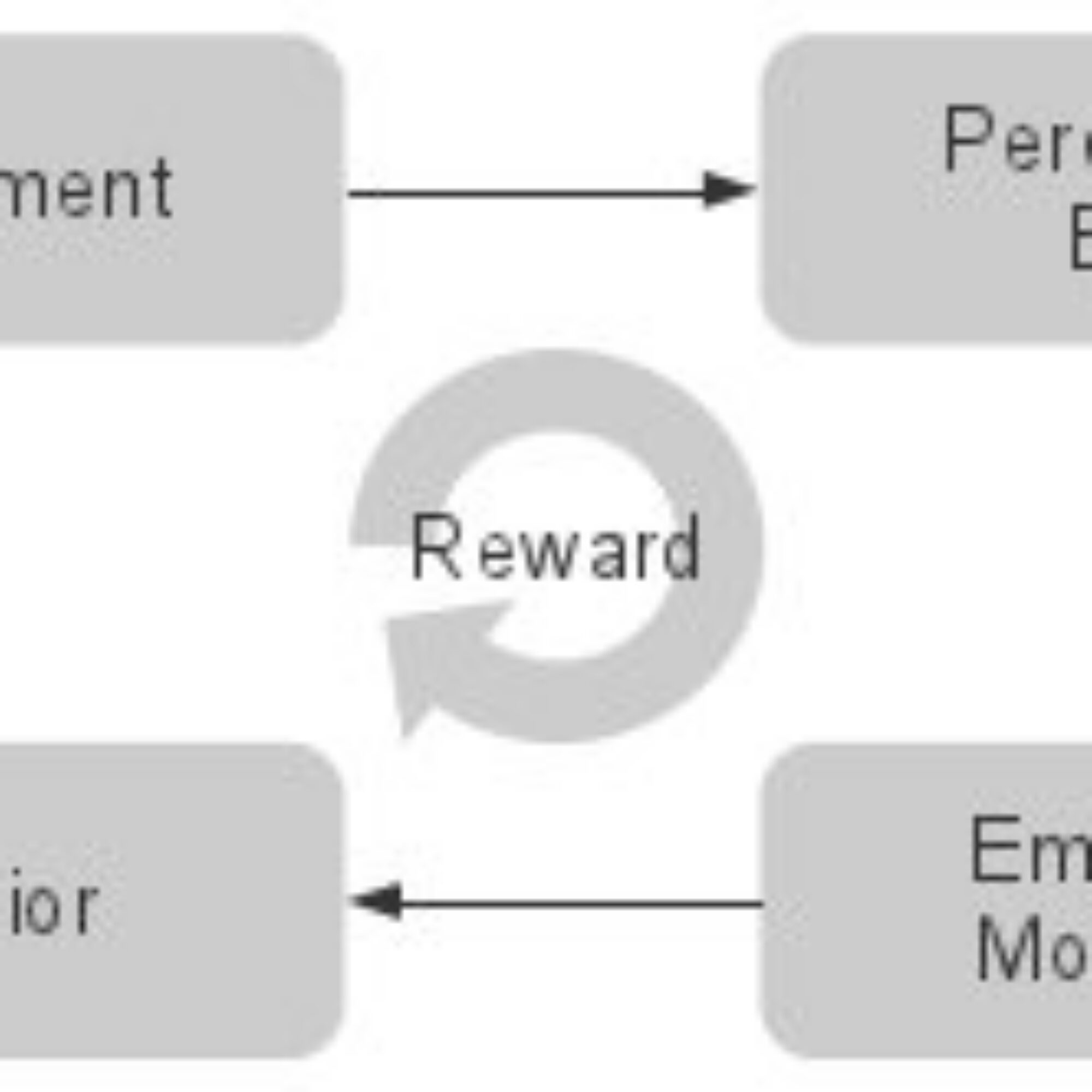
The Model: strategize, then enjoy

[This post is part of a series on The Model -- my model for the human emotional system designed for use in leadership, self-awareness, and general purpose professional and personal development -- which I find the most effective and valuable foundation for understanding yourself and others and improving your life. If you don't see a Table of Contents to the left, click here to view the series, where you'll get more value than reading just this post.] A quick followup to yesterday's post on first learning to manage your emotions, then enjoying the freedom mastery brings you. Here is some general advice for anything that requires planning. You probably already know it, but it bears repeating. First strategize, then act (and enjoy). In other words,…
0 Comments

The Model: bring about emotions you want and enjoy them, don’t dwell on them

[This post is part of a series on The Model -- my model for the human emotional system designed for use in leadership, self-awareness, and general purpose professional and personal development -- which I find the most effective and valuable foundation for understanding yourself and others and improving your life. If you don't see a Table of Contents to the left, click here to view the series, where you'll get more value than reading just this post.] Creating a lifestyle you want by bringing about the emotions you want is an art. I've written a lot about the craft -- the functional view of emotions, which is useful for bringing about emotions you want. Let's talk about the art today. The functional view may sound…

0 Comments

The Model: “What is the meaning of life” is a needlessly and counterproductively complicated question

[This post is part of a series on The Model -- my model for the human emotional system designed for use in leadership, self-awareness, and general purpose professional and personal development -- which I find the most effective and valuable foundation for understanding yourself and others and improving your life. If you don't see a Table of Contents to the left, click here to view the series, where you'll get more value than reading just this post.] The past two day's posts on meaning and complexity in emotions helps us understand the age-old, often asked but never answered question, "What is the meaning of life?". More importantly, it helps us make sense of a question that doesn't make much sense. Unfortunately, the question's complexity makes…

2 Comments

The Model: the source of all meaning, value, purpose, and importance

[This post is part of a series on The Model -- my model for the human emotional system designed for use in leadership, self-awareness, and general purpose professional and personal development -- which I find the most effective and valuable foundation for understanding yourself and others and improving your life. If you don't see a Table of Contents to the left, click here to view the series, where you'll get more value than reading just this post.] Most of our greatest life questions and quests involve meaning and values. What things are meaningful and why? What are our values? What is important and why? Looking up words like meaning, values, and importance in the dictionary or Wikipedia doesn't help. At least one dictionary online gave…

0 Comments
The Model: a single cycle is simple. Many cycles get complex.
Three interacting thoughts

The Model: a single cycle is simple. Many cycles get complex.

[This post is part of a series on The Model -- my model for the human emotional system designed for use in leadership, self-awareness, and general purpose professional and personal development -- which I find the most effective and valuable foundation for understanding yourself and others and improving your life. If you don't see a Table of Contents to the left, click here to view the series, where you'll get more value than reading just this post.] Do you consider emotions complex and bewildering? I wouldn't surprise me if you did. Many people present them that way, what I call romanticizing them. Making them seem complex and bewildering sells movie tickets, magazines, and books, unfortunately at the cost of making people misunderstand themselves. I hope…

0 Comments

The Model: what you can and can’t control

Of the five elements in the Model -- environment, beliefs, emotions, behavior, and reward -- you can voluntarily choose and act on your environment, belief, and behavior. Except to a limited degree, you can't voluntarily choose your emotions. They react to the other elements. Reward, being a special emotion, also reacts to the other elements. It may seem a cruel twist that the most important parts of the cycle are the parts we can't control. After all, the Declaration of Independence doesn't say "life, liberty and the pursuit of environment" or "... of perception" or "... of belief." It recognizes happiness -- your emotions -- as the highest value. From an evolutionary perspective, for your emotions to be involuntary makes sense. If you felt hungry,…

0 Comments

The Model: how your emotional system chooses your emotions

[This post is part of a series on The Model -- my model for the human emotional system designed for use in leadership, self-awareness, and general purpose professional and personal development -- which I find the most effective and valuable foundation for understanding yourself and others and improving your life. If you don't see a Table of Contents to the left, click here to view the series, where you'll get more value than reading just this post.] Why do you feel the emotions you do? People who think their emotions are irrational and follow no pattern can't understand why they feel the emotions they do. Worse, they make themselves unable to manage their emotions. They become easy to manipulate. Perhaps they make good consumers for…

0 Comments

The Model: more on the difference between “positive” and rewarding emotions

[This post is part of a series on The Model -- my model for the human emotional system designed for use in leadership, self-awareness, and general purpose professional and personal development -- which I find the most effective and valuable foundation for understanding yourself and others and improving your life. If you don't see a Table of Contents to the left, click here to view the series, where you'll get more value than reading just this post.] People usually say they want to feel positive emotions. I've already discussed how calling emotions positive doesn't help. They may feel good, but even ones that feel bad are useful. We have them for a reason. Treating them functionally helps you manage them better. The following examples illustrate…

0 Comments

The Model: more functional views of emotions

[This post is part of a series on The Model -- my model for the human emotional system designed for use in leadership, self-awareness, and general purpose professional and personal development -- which I find the most effective and valuable foundation for understanding yourself and others and improving your life. If you don't see a Table of Contents to the left, click here to view the series, where you'll get more value than reading just this post.] Our society cripples us by presenting too narrow a view of emotions. Today let's consider other views that let us be more free. Our culture romanticizes emotions for their feelings, characterizing them as irrational. That romanticization sells movie tickets and books, but complicates your ability to manage your…

0 Comments

The Model: what are awareness, self-awareness, and emotional intelligence?

[This post is part of a series on The Model -- my model for the human emotional system designed for use in leadership, self-awareness, and general purpose professional and personal development -- which I find the most effective and valuable foundation for understanding yourself and others and improving your life. If you don't see a Table of Contents to the left, click here to view the series, where you'll get more value than reading just this post.] Do you also find people talk about awareness, self-awareness, emotional intelligence and related topics loosely, without knowing precisely what they mean? The Model lets us circle back, discuss, and clarify these concepts. Perhaps ironically, people with low awareness would tend to benefit most from increasing theirs. Without a…

0 Comments

Audio interview: how I make eating well and exercising easy, fun, and rewarding

Do you want eating well and exercising to be easy, fun, and rewarding? In this interview, I talk about how I do it. Briefly, I associate things I want more of in life with happy, fun, or rewarding emotions and things I want less of with painful or unrewarding emotions. The result is I never do anything I don't want to, I always do what I want to, and I never have a problem doing what others try hard to do. Instead of trying to do something I don't want, I learned how to change myself to what I want to be, then behave consistently with who I am. The examples I give are silly and small, but like any skill, you practice on easy…

0 Comments

The Model: reward in more depth

[This post is part of a series on The Model -- my model for the human emotional system designed for use in leadership, self-awareness, and general purpose professional and personal development -- which I find the most effective and valuable foundation for understanding yourself and others and improving your life. If you don't see a Table of Contents to the left, click here to view the series, where you'll get more value than reading just this post.] Continuing looking at elements of the Model in more depth, after behavior yesterday comes reward. Past posts clarified that reward differs from the emotions that bring it about -- so you know you can get reward from any emotion, not just so-called "positive" ones -- and the differences…

0 Comments

The Model: behavior in more depth

[This post is part of a series on The Model -- my model for the human emotional system designed for use in leadership, self-awareness, and general purpose professional and personal development -- which I find the most effective and valuable foundation for understanding yourself and others and improving your life. If you don't see a Table of Contents to the left, click here to view the series, where you'll get more value than reading just this post.] Continuing looking at elements of the Model in more depth, after emotions and their origins over the past two days comes behavior. Of all the elements, behavior is probably the simplest. Behavior includes the obvious -- your gross movements like moving around, eating, sleeping, running, and what you…

0 Comments

The Model: characteristics of emotions

[This post is part of a series on The Model -- my model for the human emotional system designed for use in leadership, self-awareness, and general purpose professional and personal development -- which I find the most effective and valuable foundation for understanding yourself and others and improving your life. If you don't see a Table of Contents to the left, click here to view the series, where you'll get more value than reading just this post.] Besides your emotional system's consistency and reliability, each emotion you feel has several characteristics relevant to its function. I have found four characteristics particularly relevant. Each emotion has characteristics of Pleasure, from pleasurable to painful Intensity, from intense to subtle Richness, from complex to simple Duration, of long…

0 Comments

The Model: the origins of your emotions and emotional system

[This post is part of a series on The Model -- my model for the human emotional system designed for use in leadership, self-awareness, and general purpose professional and personal development -- which I find the most effective and valuable foundation for understanding yourself and others and improving your life. If you don't see a Table of Contents to the left, click here to view the series, where you'll get more value than reading just this post.] Know thyself. As with every system to improve your life I know, I consider knowing yourself fundamental. Today's post shows how recent science -- evolutionary psychology -- lets us know ourselves better than any humans could before. Evolution tells us our roots beyond our childhood another billion years.…

0 Comments

The Model: emotions in more depth

[This post is part of a series on The Model -- my model for the human emotional system designed for use in leadership, self-awareness, and general purpose professional and personal development -- which I find the most effective and valuable foundation for understanding yourself and others and improving your life. If you don't see a Table of Contents to the left, click here to view the series, where you'll get more value than reading just this post.] Continuing to look at elements of the Model in more depth, after perception and belief comes emotion. Emotions lie at the core of the Model, as they should, since emotions, awareness of them, and the ability to bring about the ones you want lie at the core of…

0 Comments

The Model: perception and belief in more depth

[This post is part of a series on The Model -- my model for the human emotional system designed for use in leadership, self-awareness, and general purpose professional and personal development -- which I find the most effective and valuable foundation for understanding yourself and others and improving your life. If you don't see a Table of Contents to the left, click here to view the series, where you'll get more value than reading just this post.] Let's look at the next element in the cycle after the environment -- perception and belief. Perception means how you look at or become aware of your world. I include belief in the same cycle element as perception because belief and perception influence each other so closely, whether…

0 Comments

The Model: environment in more depth

[This post is part of a series on The Model -- my model for the human emotional system designed for use in leadership, self-awareness, and general purpose professional and personal development -- which I find the most effective and valuable foundation for understanding yourself and others and improving your life. If you don't see a Table of Contents to the left, click here to view the series, where you'll get more value than reading just this post.] Continuing the series on the Model from last time, let's look at elements of the Model in more depth. The elements are environment, perception/belief, emotions/motivation, behavior, and reward. We'll start with environment today. An emotional cycle's environment includes everything outside the cycle that affects it. The most obvious…

0 Comments

Shortcomings of cognitive behavioral therapy and remedies to them

[This post is part of a series on The Model -- my model for the human emotional system designed for use in leadership, self-awareness, and general purpose professional and personal development -- which I find the most effective and valuable foundation for understanding yourself and others and improving your life. If you don't see a Table of Contents to the left, click here to view the series, where you'll get more value than reading just this post.] Yesterday we looked at cognitive behavioral therapy. Today we'll consider some of its shortcomings and why those shortcomings excite me about my Model. Shortcoming 1: Cognitive Behavioral Therapy doesn't motivate its model I believe the therapy will help best to the extent people understand why and how it…

0 Comments

The Model and cognitive behavioral therapy

[This post is part of a series on The Model -- my model for the human emotional system designed for use in leadership, self-awareness, and general purpose professional and personal development -- which I find the most effective and valuable foundation for understanding yourself and others and improving your life. If you don't see a Table of Contents to the left, click here to view the series, where you'll get more value than reading just this post.] If you want to improve your life, you should know about cognitive behavioral therapy. CBT has a lot going for it, but if, like me, you don't have mental problems and diseases you should know its shortcomings too. I'll describe them after describing it. What is it? The…

0 Comments

The Model: our emotional system is outdated

[This post is part of a series on The Model -- my model for the human emotional system designed for use in leadership, self-awareness, and general purpose professional and personal development -- which I find the most effective and valuable foundation for understanding yourself and others and improving your life. If you don't see a Table of Contents to the left, click here to view the series, where you'll get more value than reading just this post.] I think everybody knows the following, but I have to say it anyway just in case. The human emotional system evolves at the rate evolution acts, whereas our environment over the past few tens of thousands of years has changed faster than evolution can act. This difference results…

1 Comment

The Model: your emotional system is consistent and predictable

[This post is part of a series on The Model -- my model for the human emotional system designed for use in leadership, self-awareness, and general purpose professional and personal development -- which I find the most effective and valuable foundation for understanding yourself and others and improving your life. If you don't see a Table of Contents to the left, click here to view the series, where you'll get more value than reading just this post.] The Model predicts the human emotional system to be consistent and predictable. How so? People often contrast emotions with reason, which they consider systematic and predictable. By contrast, they consider emotions illogical, unpredictable, and unsystematic. People are used to understanding how someone reasons from one point to another.…

0 Comments

The Model: our emotions transcend “nature red in tooth and claw”

[This post is part of a series on The Model -- my model for the human emotional system designed for use in leadership, self-awareness, and general purpose professional and personal development -- which I find the most effective and valuable foundation for understanding yourself and others and improving your life. If you don't see a Table of Contents to the left, click here to view the series, where you'll get more value than reading just this post.] Two days ago we covered a few examples of emotional cycles. Some are obvious, like hunger when low on food and thirst when low on water. Other motivations and emotions aren't as obvious, like to avoid being shunned by a group or other social behaviors. Some are complex,…

0 Comments

The Model: emotional reward differs from the emotion that brought it about

[This post is part of a series on The Model -- my model for the human emotional system designed for use in leadership, self-awareness, and general purpose professional and personal development -- which I find the most effective and valuable foundation for understanding yourself and others and improving your life. If you don't see a Table of Contents to the left, click here to view the series, where you'll get more value than reading just this post.] Yesterday's last example illustrated an important distinction I left implicit so far: the feeling of reward or punishment is independent of the emotion that brought it about. This distinction helps you understand the Model and bring about the emotions and reward you want independent of the situation you're…

0 Comments

End of content

No more pages to load