The Method: transformations overview

We've covered the preparation stages of transforming a part of your life to bring more reward by choosing environments, beliefs, and behaviors based on your interests. Of course your life changes all the time whether you intentionally cause those changes or not. Using the Method, based on the Model, lets you do it systematically, intentionally, and makes you more likely to succeed than alternatives. Now let's look at how the transformation evolves in your life over the next few posts. Unplanned life changes can start and unfold unpredictably. Planned structured ones like intentional transformations following the Method can unfold unpredictably too, but tend to follow a more structured route. I tend to think of the route when I transform a part of my life following…
0 Comments
The Method: summary of preparation (with diagram)
The Method Process, part 1

The Method: summary of preparation (with diagram)

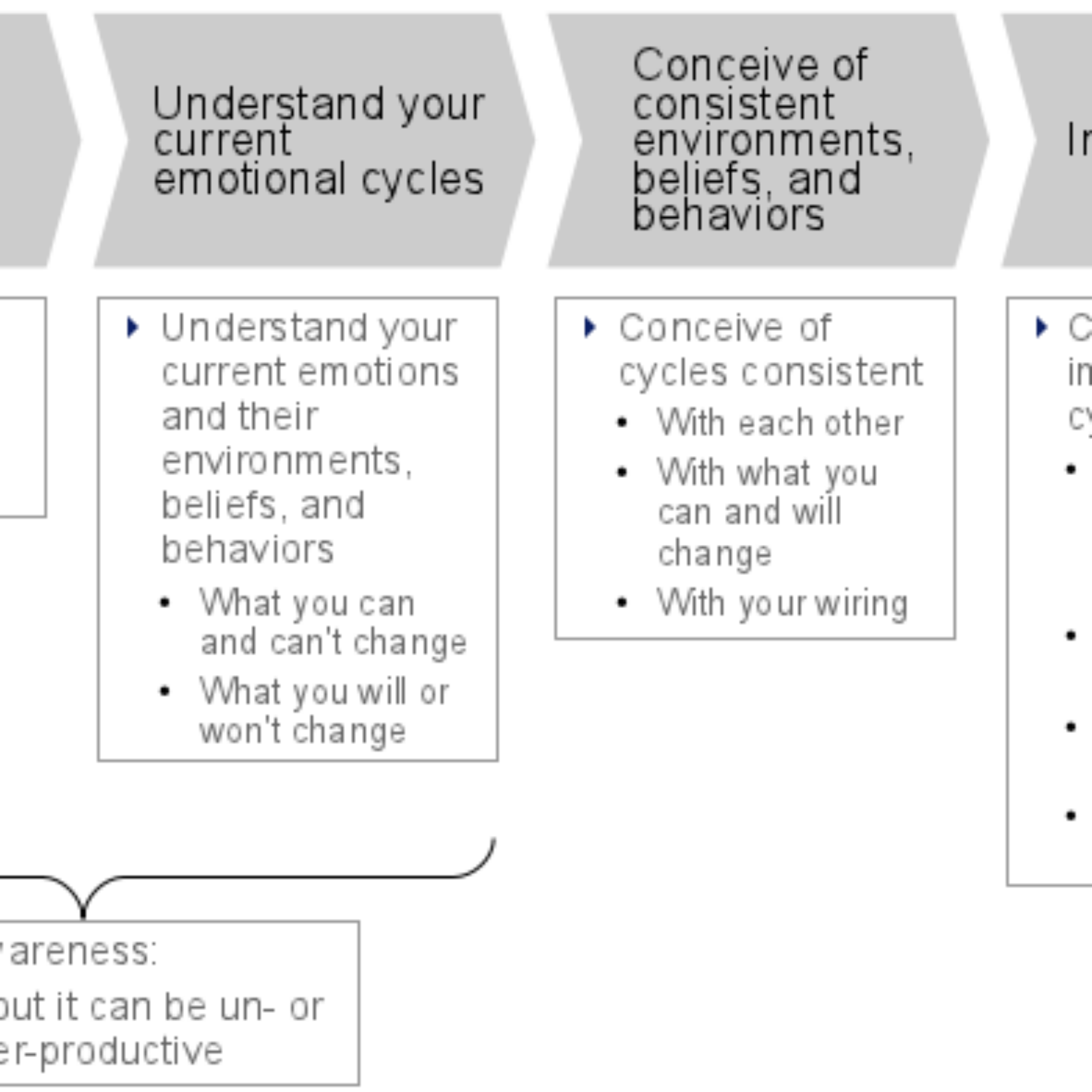
EDIT: I modified how I present the Method slightly. Please see the new version of this page and the updated series on implementing the Method. We've now covered the examples and preparation stages of how to implement the Method. Here is a diagram summarizing these steps (click it for full size) Preparation Know your emotional system Understand your current emotional cycles Awareness Conceive of consistent environments, beliefs, and behaviors Implement them Next: the stages of a transformation

0 Comments

The Method: step 4, create and implement them

EDIT: I modified how I present the Method slightly. Please see the new version of this page and the updated series on implementing the Method. Having conceived of new environments, beliefs, and behaviors consistent with each other, the emotions you want, and what you will, won't, can, and can't do, the next step is to create and implement them. Creating and implementing them means more than just doing some simple task. It means creating a lifestyle for yourself based on your emotional cycles, which you learned about in the first two steps. That is, choosing your environment means choosing whom you spend time with, where you work, where you live, and so on. Choosing your behavior could mean changing your wardrobe, your hobbies, you physical…

0 Comments

North Korean propaganda and our advertising, part 3

Continuing from yesterday... If you're American or in a developed country, you're probably overweight, though your grandparents and all earlier ancestors probably didn't even know anyone overweight. You probably watch television nearly as much as you work, though your grandparents and all earlier ancestors didn't have televisions. You may have little to no physical activity in your life, though your grandparents and all earlier ancestors were physically active every day. You probably ask people what they do for a living before you ask them what is meaningful to them. My point is not to rattle off statistics, but to point out the life the system you live in created for most of us. For me, being active, fit, and interacting with people actively instead of…

0 Comments

North Korean propaganda and our advertising, part 2

Continuing from yesterday... When I communicate the ideas from yesterday's post to others, they tend to respond by pointing out the differences between their systems and ours, for example that we can choose what products we buy but they can't choose their government, along with many other differences. Of course I know those differences. That's why I began that post pointing out my theme that anyone can see differences, but what do you learn from them? The challenge is to see the similarities, which teach you more about yourself and your culture and give you ways to change and improve. Both they and we have billboards showing us messages others craft to motivate us for their benefit. You probably receive more ads than they receive…

0 Comments

The Method: step 3, conceive of new consistent environments, beliefs, and behaviors

EDIT: I modified how I present the Method slightly. Please see the new version of this page and the updated series on implementing the Method. The next step after awareness is to plan -- in particular, to conceive of new environments, beliefs, and behaviors that are consistent with each other and what you can't or won't change to replace the old ones and designed to bring about emotions you want. Choosing environments, beliefs, and behaviors to bring about the emotions you want leads you to live according to your values, nobody else's. It makes you resilient to feeling bad and to some extent to other people's influence Choosing them consistent with each other means you will feel reward once the emotions become consistent with them.…

0 Comments
North Korean propaganda and our advertising, part 1
War Painting in Library

North Korean propaganda and our advertising, part 1

In yesterday's post on North Korean propaganda I wondered if they realized the pervasiveness of their propaganda. They seemed not to pay attention to it. Could they not notice it, like fish in water? Now I will explore two of the major themes of my writing on North Korea, based on major ways the visited affected me Seeing others reveals things about yourself and your culture — and the more different they are, the deeper they reveal about you and your world Similarities reveal more about you than differences Do you think communist countries use propaganda and yours doesn't? I would have thought so until I traveled around a country with no advertising. North Korea has no billboards. Or rather it has billboards, but it…

0 Comments

The Method: steps 1 and 2, awareness

EDIT: I modified how I present the Method slightly. Please see the new version of this page and the updated series on implementing the Method. The Method's first two steps -- knowing your emotional system and understanding your current emotional cycles -- involve little action. They constitute awareness. The appeal to act on a situation you want to change quickly and decisively can tempt you. I advise against it, whether you are leading yourself or others. Acting without awareness can point you in counterproductive directions. It can spur you to ever more action to make up for the initial wrong direction until you finally stop and reset yourself. I call acting that way reactive. Besides wasting your time, holding you back from your potential, and…

0 Comments

The Method: step 2, understand your current emotional cycles

EDIT: I modified how I present the Method slightly. Please see the new version of this page and the updated series on implementing the Method. The Method's first step was a once-per-lifetime step. Once you understand your emotional cycle once, you can retain it all your life. Step 2 begins the preparation for each situation. The main part of understanding your current emotional cycle is to understand the elements -- the relevant environments, beliefs, emotions, and behaviors. The other part is to know what you can and can't change and what you will and won't change. Your situation For the elements, I recommend writing them out. Below are three examples of the elements to situations in my life when ripe for applying the Method. Example…

0 Comments

The Method, step 1: know your emotional system

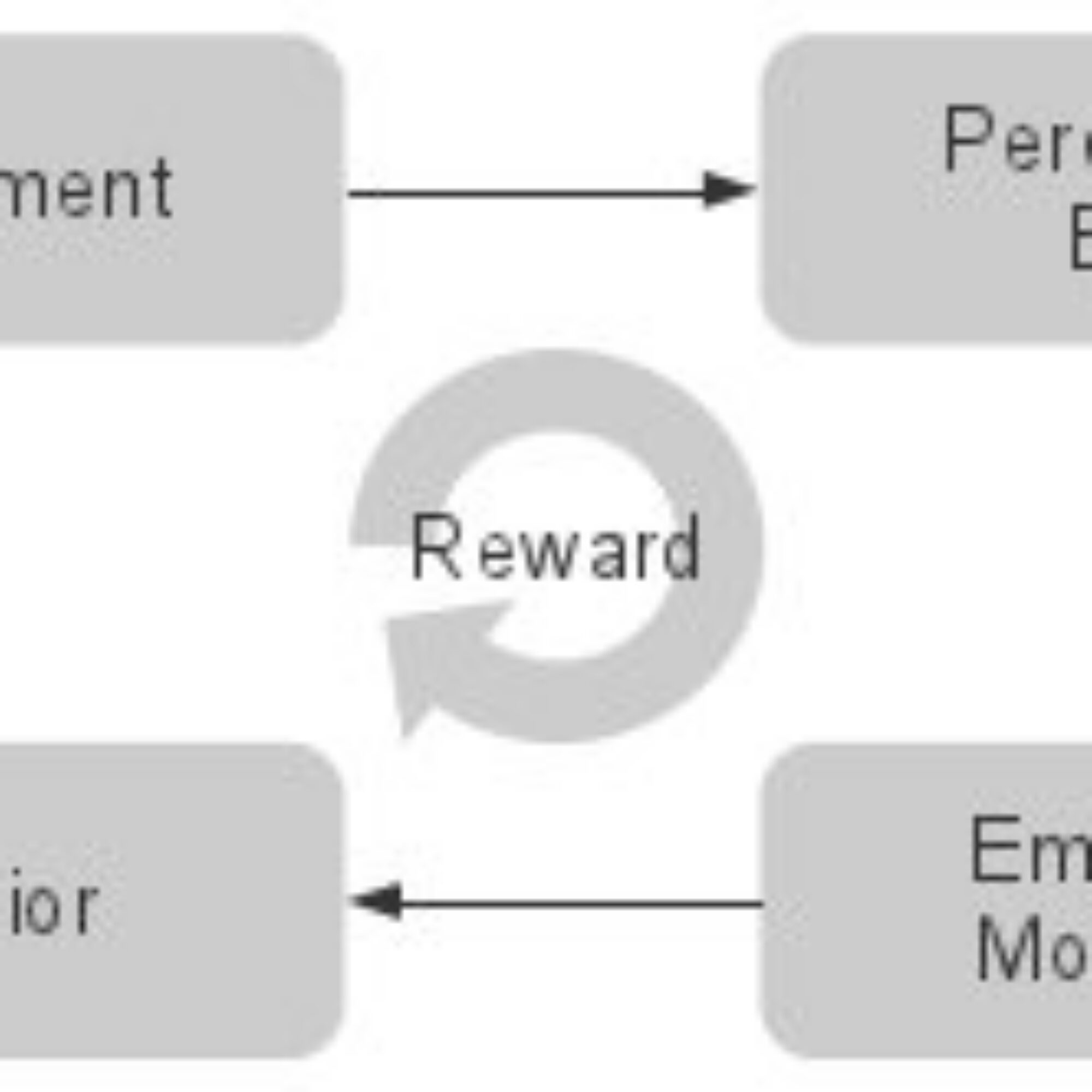
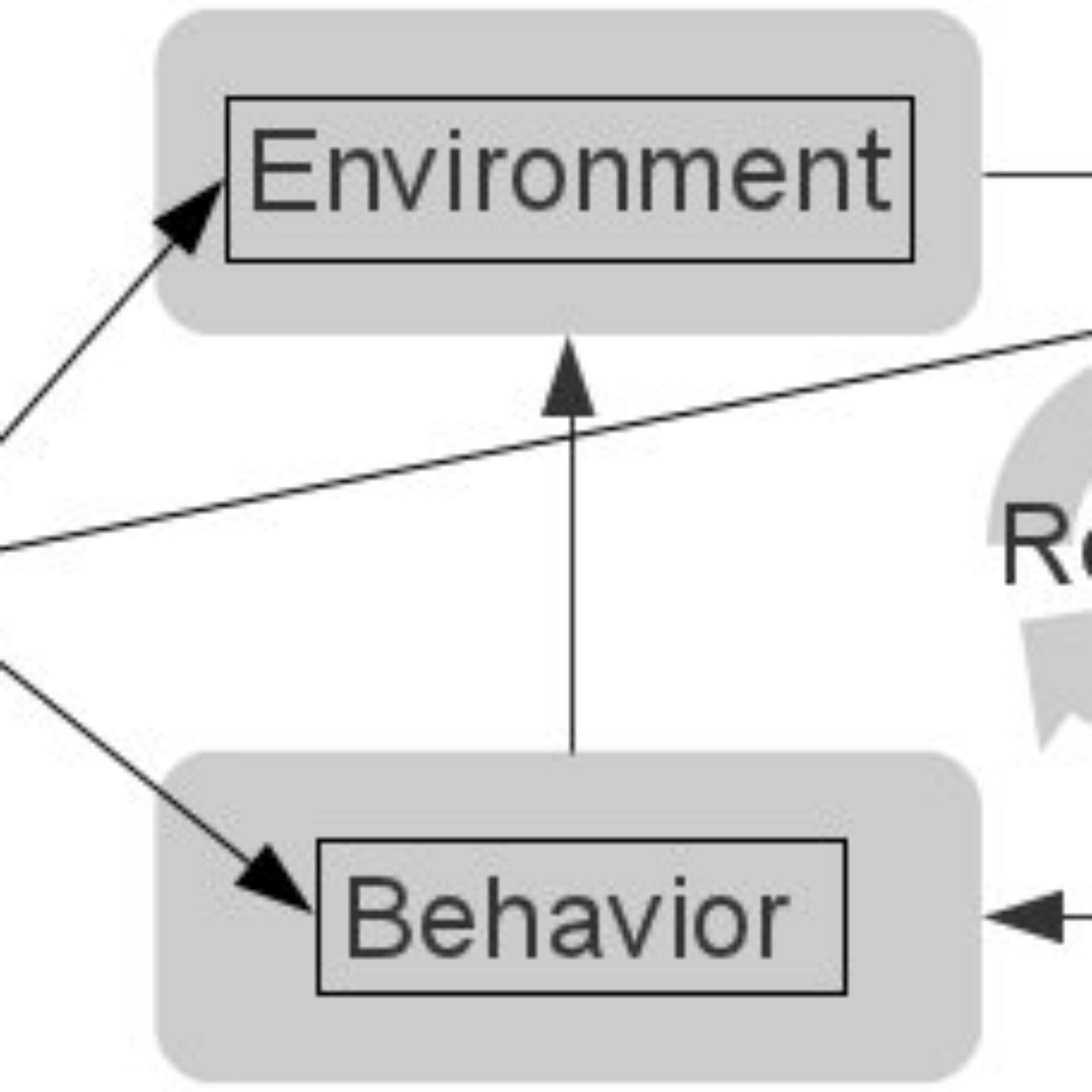
EDIT: I modified how I present the Method slightly. Please see the new version of this page and the updated series on implementing the Method. Today's post will be brief. The Method's first step is always to know your emotional system. Knowing the Model does just that, and my series on the Model gives the overview of it. This familiar diagram summarizes it. Keep in mind that the Model above is a starting point. Because its purpose includes ease in communicating it I simplified it at the expense of some important detail. I also know everyone is unique, as are their goals, so partly I leave out details so people can customize their Model for themselves. Maybe your Model will be a pentagon or have…

0 Comments

The Method: example 3: two simple but effective examples

[This post is part of a series on The Method to use The Model -- my model for the human emotional system designed for use in leadership, self-awareness, and general purpose professional and personal development -- which I find the most effective and valuable foundation for understanding yourself and others and improving your life. If you don't see a Table of Contents to the left, click here to view the series, where you'll get more value than reading just this post.] Today's examples of the Method are simple but effective so they illustrate the Method well as well as how to use it. The first is an effect you probably already know. Everyone knows feeling happy tends to make you smile. Most people also know…

0 Comments

The Method: example 2: overwhelming joy on a bleak morning

[This post is part of a series on The Method to use The Model -- my model for the human emotional system designed for use in leadership, self-awareness, and general purpose professional and personal development -- which I find the most effective and valuable foundation for understanding yourself and others and improving your life. If you don't see a Table of Contents to the left, click here to view the series, where you'll get more value than reading just this post.] Today's example of using the Method came a year after yesterday's. That one was my first by-the-book implementation and test of the Method, this one was my first automatic implementation. I had practiced it enough to internalize it enough I did it without thinking…

0 Comments

The Method: example 1: a home run after three strikes

[This post is part of a series on The Method to use The Model -- my model for the human emotional system designed for use in leadership, self-awareness, and general purpose professional and personal development -- which I find the most effective and valuable foundation for understanding yourself and others and improving your life. If you don't see a Table of Contents to the left, click here to view the series, where you'll get more value than reading just this post.] This example illustrates my first by-the-book implementation of the Model and Method. I don't pretend that the change was earth-shattering or bigger than it was because the magnitude of the change was not the point. The point was that the Method produced the results…

0 Comments

The Method: how-to

EDIT: I modified how I present the Method slightly. Please see the new version of this page and the updated series on implementing the Method. The next few posts will describe the Method, which is how to use the Model to lead yourself and others and to improve your life, in particular, using the elements you have voluntary control over. In time, you'll probably think of the Method as I do, through the Model's voluntary levers -- environment, belief, behaviors. I call one application of the Method a transformation because it transforms one part of your life. Preparation is as important as the action implementing the transformation so I treat it separately. (I'll make each of these bullet points links as I create the pages…

0 Comments

The Method: when to use it

When do I think of when to implement the Method? In leadership situations: especially when times call for me to motivate or influence others, to negotiate, to listen, to empathize and see things from another person's perspective. Times like these make self-awareness and knowing how to act on it important. In personal leadership situations: when times call for me to motivate myself, to understand myself better, and so on. I've learned approaching introspection with the structure of the Method more effective than an unstructured or haphazard approach. When I sense my level of reward below potential: since the feeling of reward (of all different characteristics) indicates how well my life is going, raising reward is among my most important tasks. The Method keeps me from…

0 Comments

Review of non-Method methods

This post covers patterns of several non-Method methods to give context to the Method. The reason you want to improve your life is that you're feeling less reward than your potential. Unless you're highly emotional aware, in which case you would see your way forward clearly, all you know then is that at least one element of an emotional cycle is out of sync but not which. The non-Method methods of the past few posts only work on one part of your emotional cycles. In general, if your way forward isn't clear, you'll be lucky if working on only one element works. Working on only your environment can cost resources and lead to delay or giving up. Working on only your behavior is grueling and…

0 Comments

Non-Method method 4: positive thinking

This post covers the fourth of several non-Method methods, generally expanding on non-Method method 3, "The Secret" or "Law of Attraction." People often, somewhere in the middle of presenting the Method for the first time, for example, ask if the Method is not just positive thinking. Likewise, I hear non-Americans say things like "What is it with you Americans and always wanting to feel happy all the time? Everything in life is not about happiness." I agree with the sentiment. I don't promote trying to feel happy all the time, "positive thinking," affirmations, or the like. They feel like putting lipstick on a pig. I promote you being you, being more aware of yourself and your emotions, and developing skills to act on that knowledge…

0 Comments

Non-Method method 3: “The Secret” or “Law of Attraction”

This post covers the third of several non-Method methods. People often try to improve their lives by changing only their beliefs. Typical examples of changing beliefs include believing money, friends, or health will come your way. Since the book and movie "The Secret" so popularly propagated this strategy a few years ago, I call this strategy "The Secret" or "Law of Attraction." Before delving into it, I'll point out that of all the non-Method methods I discuss, I believe changing your beliefs has the best chances of long-term success. Looking at the Model, changing your beliefs can influence how you perceive your environment, which can change your motivations, which can change your behavior, which can change your environment. Acting on no other place in the…

0 Comments

Non-Method method 2: New Year’s resolutions

This post covers the second of several non-Method methods. People often try to improve their lives by changing only their behavior. After doing something one way for a while they resolve to do it differently. This strategy comes from a belief that something rooted in their behavior holds them back from a better life, or at least that changing only their behavior will improve it. I call this strategy "New Year's resolutions." The change in behavior doesn't have to come over New Year's. It just has to be based only in behavior. Typically people resolve to eat more healthily, to exercise more, to finally do that thing they've meant to do for years, etc. But the change could be anything. Sometimes changing only your behavior…

0 Comments

Non-Method method 1: “I need a new house/car/job/girlfriend/boyfriend/etc”

This post covers the first of several non-Method methods. People often try to improve their lives by changing or getting rid of something in their environment. By environment I don't mean trees and lakes and streams, but anything that affects your emotional system, as described in my posts on the environment as part of the Model. Typically that thing is their house, car, job, or significant other, but could be anything -- a new diet book, a new labor-saving device, a new degree, stopping seeing a friend, etc. This strategy comes from believing that something external is holding them back from a better life. Or at least that changing something external will improve it. I call the strategy "I need a new house/car/job/boyfriend/girlfriend/etc" Sometimes changing…

0 Comments

Non-Method methods

People improve their lives in many ways. To give context to the Method, in my next few posts I'll describe several common non-Method methods you're familiar with. Then I'll describe how the Method differs from them and why I believe it improves your life better and is more rewarding to do. So far I've only described the Method broadly: to choose the elements in your emotional cycles you can control voluntarily -- your environment, beliefs, and behavior -- together to bring about the emotions and emotional reward you want. There is much more to it and upcoming posts will describe it and how to implement it in detail, but this broad level is enough for the comparisons below. They will then clarify the Method when I…

0 Comments

The Method: the foundation, part I

The Method is based on the Model. Keeping in mind that like any model, the Model simplifies what it represents for its purpose. The Model's purpose is to improve our lives by helping us understand our motivations, emotions, and emotional systems. As with any model, it can't be absolutely right or true. Neither can any alternative. I mention the above for context because the discussion on the Method will all adopt the perspective of the Model. Let's start our discussion on the Method with its foundations. Recall two points from our discussion on the Model. First, you can control some parts of your emotional system while others you can't. You can control you environment, beliefs, and behavior. You can't, except to a limited degree, control…

0 Comments

From the Model to the Method

I've written about the Model, my foundation for understanding value, meaning, purpose, importance, etc in life, based on understanding yourself, particularly your motivations, emotions, and emotional system. I'll now start on the Method, which covers how to implement the Model. I developed the Model on my own, without intending to create something meaningful or helpful, though I think I ended up doing so. The Method, however, came from applying the Model in life. If you learned the Model and implemented it in your life, I expect you'd come up with the Method too or something similar. By reading my Method you can save time and resources by avoiding my mistakes. I can't think of anything more valuable in life than to replace more of your…

0 Comments

The Model: summary

[I replaced this post with a series on The Model. Click here to view the series, where you'll get more value than reading just this post.] For the past six weeks I've posted on the Model, my model for human motivations and emotions. The Model forms the foundation of what I consider the best way to view and live life. For those who have been reading along, I recognize it may have been a bit dry or academic. I expect later posts will make life and living the lifestyle you want seem easy and obvious, but require referring back to the Model, in which case this summary will simplify learning it. Today's post summarizes all those posts, which will probably end up a chapter in…

2 Comments

The Model: what is freedom?

[This post is part of a series on The Model -- my model for the human emotional system designed for use in leadership, self-awareness, and general purpose professional and personal development -- which I find the most effective and valuable foundation for understanding yourself and others and improving your life. If you don't see a Table of Contents to the left, click here to view the series, where you'll get more value than reading just this post.] Ask people -- yourself! -- what they value and freedom will rank near the top. What do they mean by freedom? I bet you don't know and that this post will show you can have more. The better you know what freedom means, the more you can bring…

0 Comments

End of content

No more pages to load