On the counterproductivity of motivating people with guilt and blame — aka moralizing

I liked Michael Pollan's Omnivore's Dilemma, which people have suggested I read for years. I like his perspective on food and "food." I don't intend for the following to detract from his overall message, but his chapter 17, "The Ethics of Eating Animals," makes a great example for leadership. Leadership means motivating others, which means changing their emotions. Few of us like when others motivate us with guilt or blame, so I find using leading through those emotions counterproductive. Claiming to appeal to absolute measures of right, wrong, good, bad, or evil tend to polarize. Motivating through guilt or blame with appeal to absolutes has a name: moralizing. Morality, ethics, meddling, being holier-than-thou, self-righteousness, and so on work to some degree, but risking alienating, polarizing,…

0 Comments

Words of wisdom for crunch time

Crunch time means you don't have a lot of time, you have a lot to do, mistakes can cost a lot, people depend on you, and likely you depend on other people. People make mistakes. Also, sometimes you have to make decisions based on less information than you'd like. If people dwell on the mistakes or find out later that someone else could have made a better decision, they point fingers. Pointing fingers distracts from the task, takes time from productivity, and hurts morale. My general advice Don't look for blame, but take responsibility for making things better to the extent you can applies particularly well in crunch time. I'll add more specific words that seem to come up in many crunch times. I say…

0 Comments

How to get the body you want

This isn't a diet or fitness blog, but your body is a major part of you. I don't see how you can live the life you want without achieving the body you want. Conversely, if you don't have the body you want, I suggest you aren't living according to your values: your body tells you what to change to create the lifestyle you want. This post is about emotions like joy and emotional reward -- getting the body you want is an inevitable side-effect. Having the body you want is one of the great life-level rewards you can experience. I'll come back to that point in a second. This is also a post on strategy, not tactics. I don't tell you what specific activity and…

2 Comments

Eloquence

By any measure of speeches or leadership, Martin Luther King's "Why I Am Opposed to the War in Vietnam" must rank highly, no matter what your thoughts on the politics of the situation. The text (text here) is eloquent, erudite, colorful, and informative. His delivery was rousing, engaging, inspiring, and on par with any other of his speeches. https://www.youtube.com/watch?v=FfGsVvnvA9w (The link in case the video isn't showing -- https://www.youtube.com/watch?v=FfGsVvnvA9w) As effective as this speech was, and not that they were competing, but Muhammad Ali has to get the nod on eloquence and effectiveness. No Vietcong ever called me nigger. Whereas King's speech covers nearly every issue, at 4,468 words, few would listen to his speech twice or pass much of its message to others. It…

0 Comments

What is power?

Nearly everybody considers power important in social contexts. Nearly everybody wants more. Even if they don't want to become the most powerful politicians, business leaders, or whatever, they still generally prefer having more power to less. People denigrate others for seeking too much, but I think that's sour grapes. Nobody wants to feel powerless. So what is power? I'm not sure people understand what they mean by "power" in social contexts. I find the more precisely you understand a concept, the better you can use it. I came across the following definition for power some time ago and found it worked perfectly ever since. Power: the ability to influence others I like this definition because it ties power to ability to manage the motivations of…

0 Comments

My habits

People generally think of habits as bad things they want to break. On the contrary, creating habits that you want is what creating a life you want means. It's a big part anyway. Creating habits you want frees you from trying to do things all the time. It frees you from using your limited willpower. I wrote yesterday about making behaviors you like habitual using your relationships. Today I'll write some examples of some behaviors I've made habitual in my life that way. Like everyone, I have a million more, but these are a fun start. Some seem trivial. Some may seem restrictive. To me, they represent freedom. Since they are generally healthy and crowd out unhealthy alternatives, I don't have to think about them.…

0 Comments

Habits can be contagious. How to make that work for you.

Many studies show that quitting smoking and losing weight spread through networks like diseases do (see links below). Many other behavioral changes work similarly. I like academic studies, but we don't just want information. We want to use it to improve our lives. Here's how. Make behavior you want into habits Trying to change behavior through willpower alone doesn't work in the long term, as my series on willpower described. Willpower gives out. Making new behavior stick in the long term requires making it automatic. Today's tip is to use your relationships or make new ones to reinforce the behaviors you want. Make your habits contagious Think of the behaviors you have now that you like. Maybe some habits you like started out of the…

0 Comments

Telling my awesome story on stage about inspiring my mom’s first marathon

Monday night I told my second story at the Moth, to about two hundred people. A bit scary, though not as scary as last time, but awesome! Improving public speaking improves your abilities in almost any field. Few structures match the story structure in engaging people to listen. That's why I stuck my neck out to practice storytelling in public -- to exercise useful skills. And to have fun, of course. Here's my second on-stage story, based on inspiring my mom to run her first marathon. I'm happy with how the story came out, despite my nerves and inexperience. I see ways to improve, though welcome feedback. I owe thanks to my friend Mick who recorded it, though he missed the opening line, which says…

0 Comments

Hopeless or worth it? When should you give up on a project going nowhere?

Discretion is the better part of valor yet quitters always lose. When do you give up on a project you love that's going nowhere and when do you give more to make it work? Both ideas make sense in different situations. I learned an answer that has worked well for me every time. Entrepreneurs face such questions all the time. Small companies often walk the line between abject failure and outstanding success. How long do you walk the line before giving up? The question arises everywhere. Do I stay in this relationship in the hopes it improves or give up? Do I keep working for this terrible boss who might get better or leave? The list goes on. You leave when you realize you can…

0 Comments

Don’t let a sour grapes attitude ruin your life

A friend asked why guys who have trouble meeting women insult them. With the worst insults you can think of, no less. As we'll see, not only men in that context do it. In other contexts women do it. And not just about other people. I do it. You do it. Everybody does it. What's going on? Let's look at the pattern. It keeps you from improving your life, so it's important. When people can't attain something they want, they put it down -- a more general effect than in dating. They're resolving a conflict in their mind (aka a cognitive dissonance): "If I can't have it it must be worthless. Or worse!" Like Aesop's fox who can't reach the grapes, they say they must…

0 Comments

Getting through the challenges of personal development

I gave this advice to someone I coach going through a difficult period and got feedback it was "golden." So if you're someone endeavoring to develop personally or professionally and making progress but feeling despair, impatience, frustration, or something similar, I hope this advice helps you. I've come to believe all meaningful personal development has periods of self-doubt, wondering if it's worth it, and such. Anyone can sit on a couch and watch tv all day without feeling that way. They don't have to think for themselves. The media occupies their minds so they are pacified. These periods are what differentiate an easy meaningless life from a challenging one of purpose. They are part of what keep most people from realizing their potential. They are…

0 Comments

Willpower, part 9: an image of how to use willpower

[This post is part of a series on willpower and how to understand and use it. If you don't see a Table of Contents to the left, click here to view the series, where you'll get more value than reading just this post.] Yesterday's post showed some delightful images of children and marshmallows from a video of the marshmallow experiment. If you want to see cute images and hear cute music, the video is great. If you want to improve your willpower, the video doesn't help much. It shows people struggling to use willpower, so you can empathize with them, all the more since children haven't learned to hide their struggles as well, and they're on hidden camera. If that helps you, great. A major…

0 Comments

Willpower, part VIII: images of temptation

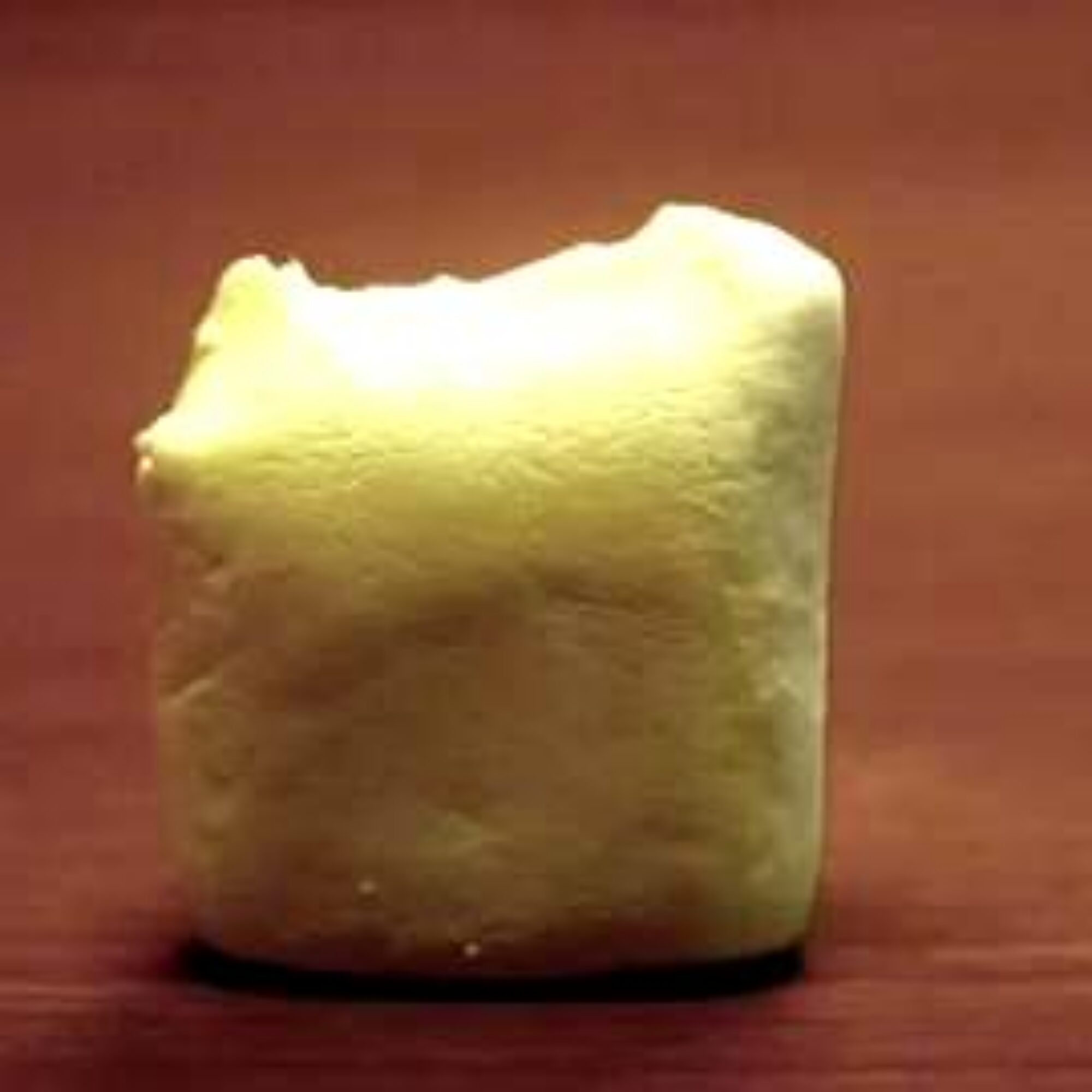
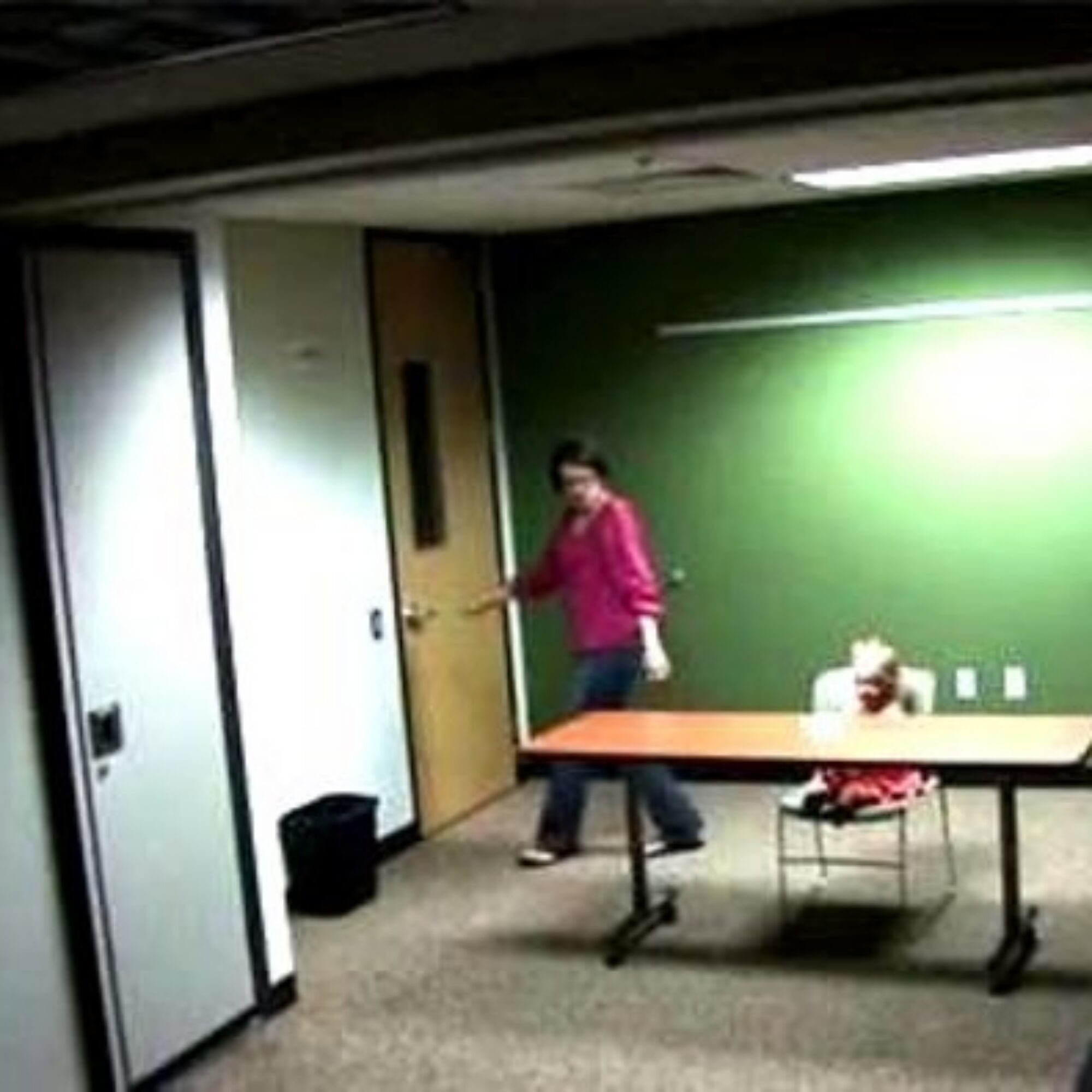
[This post is part of a series on willpower and how to understand and use it. If you don't see a Table of Contents to the left, click here to view the series, where you'll get more value than reading just this post.] Here is some footage of a remake of the marshmallow experiment I found online. I prefer the stills below to the video they came from. I find the video missed the point and unhelpful. It shows very cute images of very cute kids. Something didn't sit well with me. I think the music tipped me off that the point of the video wasn't to help people develop willpower. It's cutesy. Finally I realized what was missing. Look at the pictures and watch…

0 Comments

Willpower, part 0: The value of willpower

[This post is part of a series on willpower and how to understand and use it. If you don't see a Table of Contents to the left, click here to view the series, where you'll get more value than reading just this post.] The ability to use willpower helps you more than you think. Much more. Most of us think about willpower helping us to avoid eating too much chocolate cake, to go to the gym, to quit smoking, and the like. New Year's resolution type stuff. It helps with such things, but it helps a lot more than that. The problem is what we also associate willpower with -- giving in to the chocolate cake, sitting on the couch instead of going to the…

0 Comments

Willpower, part VII: what to do with your old motivations

[This post is part of a series on willpower and how to understand and use it. If you don't see a Table of Contents to the left, click here to view the series, where you'll get more value than reading just this post.] Say you're using willpower effectively -- you know what you want to achieve and you know once you will yourself get started, emotions will kick in and help you finish. What about the old emotions motivating you to sit on the couch instead of exercise, to eat the pie instead of the carrots, or to yell in anger instead of thoughtfully consider your next actions? If they linger, you may find yourself at the starting point again. Again there are effective and…

0 Comments

More on burpees

[This post is part of a series on my daily exercise and starting and keeping challenging habits. If you don't see a Table of Contents to the left, click here to view the series, where you'll get more value than reading just this post.] A few words on burpees and working out to follow up the past two days' posts (yesterday, the day before) Having read that some people consider burpees one of the best single exercises, I was happy to try them out. I haven't tried to optimize my workouts, to build as much muscle as possible, to reduce fat as much as possible, or any big or specific goal like that. I only exercise because I enjoy exercising, the feeling of exhaustion afterward,…

0 Comments

Grand Illusions and North Korea, part 2

Following up yesterday's thoughts on illusions our leaders benefit from, another occurred to me in learning about ping-pong diplomacy, the 1970s sports phenomenon that contributed to opening relations between the U.S. and China. In particular, the United States and Chinese governments followed, not led, the opening process. The government of each country called the other its enemy and armed itself against the other. Yet I expect most people of each nation cared at most little about the others, but certainly didn't care to fight random people they'd otherwise never meet on the other side of the planet. I doubt anyone wanted to pay taxes to develop weapons just to threaten them either. Today we commonly say Nixon opened China. While his visit improved relations, I…

0 Comments

Who knew a one-minute-a-day workout could do so much?

[This post is part of a series on my daily exercise and starting and keeping challenging habits. If you don't see a Table of Contents to the left, click here to view the series, where you'll get more value than reading just this post.] So what are these burpees I raved about yesterday? First, from the New York Times article that got me started with them: Ask a dozen physiologists which exercise is best, and you'll get a dozen wildly divergent replies. "Trying to choose" a single best exercise is "like trying to condense the entire field" of exercise science, said Martin Gibala, the chairman of the department of kinesiology at McMaster University in Hamilton, Ontario. But when pressed, he suggested one of the foundations…

2 Comments

How to begin a workout routine to last: start with joy

[This post is part of a series on my daily exercise and starting and keeping challenging habits. If you don't see a Table of Contents to the left, click here to view the series, where you'll get more value than reading just this post.] This post covers how I'm putting myself in better shape with minimal effort, but don't be distracted. That's a secondary point, a side effect. This post is about joy, fun, and friendship. And how I create them with the Method. The seed Over dinner with a friend I mentioned how I read a New York Times article about fitness experts speculating on a "single best exercise." Readers here know I like rowing, but they didn't mention it. They first mentioned burpees.…

0 Comments

The Method: exercise to transform yourself

This exercise transforms your life. It has you do the first three steps of the Method, prepares you for the fourth, and sets up accountability with others for step 4. Accountability is how things get done, so it can help a lot. I do this exercise halfway through my seminar. People get deeply into it, even after sitting in a room for five or six hours. When we review the exercise people sometimes tell me it gave them their first experience ever sharing some problems, then finding themselves surprised to find simple solutions to them. Requirements (or good-to-haves) You can do the exercise alone, but I prefer to group people into three to five. Everyone should know the Model and the Method. Preferably you've prepared…

0 Comments

The Method: exercise in new beliefs

The Method's steps 2 and 3 have you conceive of new emotions, environments, beliefs, and behaviors for emotional cycles you want to change. The challenge How do you pick the new beliefs to crowd out the old ones? Choosing the opposite to existing beliefs rarely helps. You end up debating yourself in your head. Discussion I find complements to beliefs crowd out existing ones more effectively. For example, I found an effective alternative to rising anger is not to try to be calm, but to be curious about the situation causing the anger. The curiosity crowds out the anger and I get calm anyway. I've found effective complements to many emotions, though curiosity works well for many situations for me. When I feel frustrated, impatient,…

0 Comments

The Method: exercise in knowing yourself

Many people feel they can't change themselves or that doing so is fake. Here is a quick exercise to show you how easily you can change yourself because you do it already. Step 1 First answer the question "Who are you?" by describing yourself with three or four adjectives. I know you're just reading a web page, but if you have pen and paper or can open a window on your computer to write in, write a few adjectives that describe you before going to the next step. No one will hold you to them, so you don't have to pick the best ones. Just a few. Step 2 Now imagine yourself in a job interview and answer the same question. Write a few adjectives…

0 Comments

The Method: long term

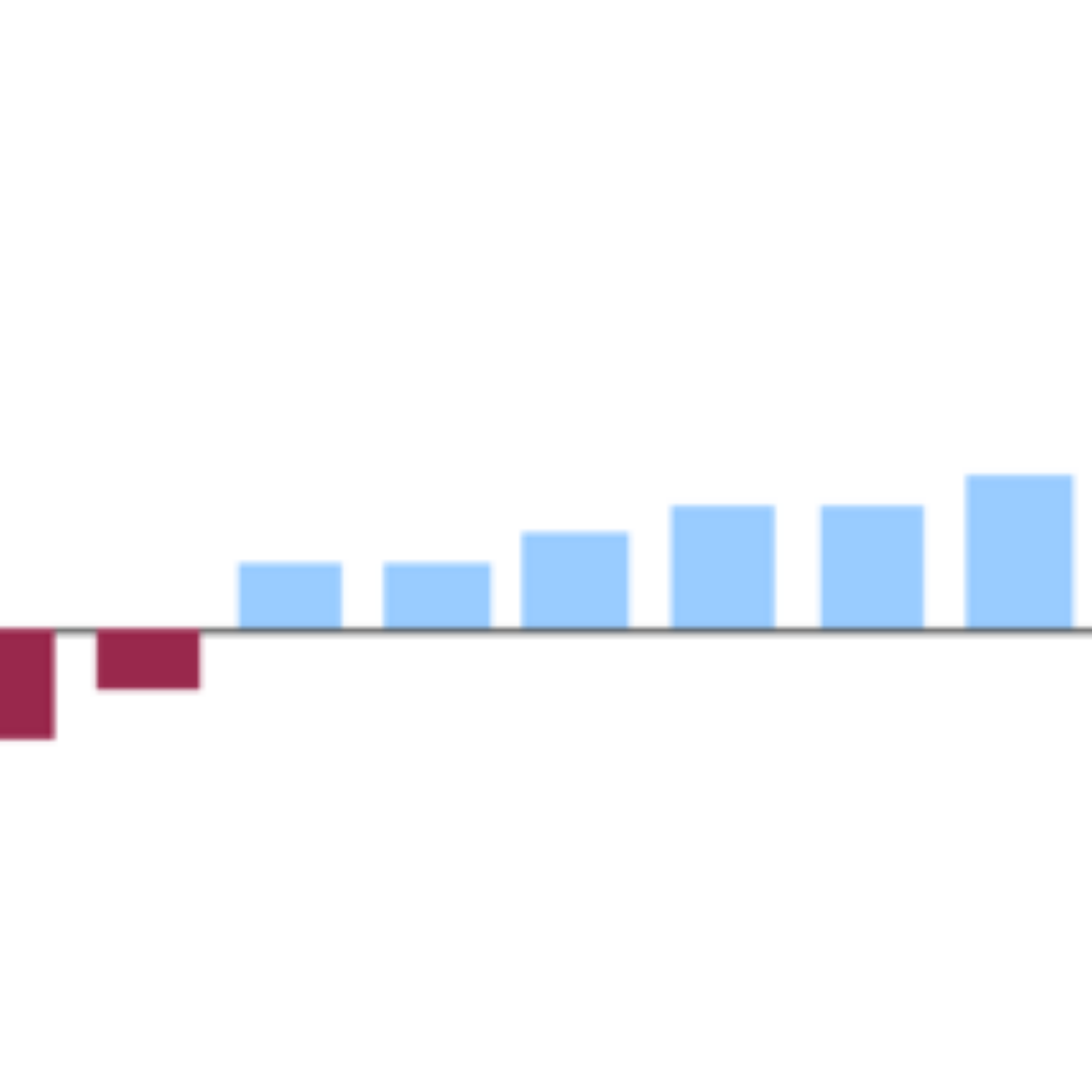
If you lined up all the cycles in your life by the amount of reward they brought you, you might represent them like this. The low bar on the left might represent something you can never get right -- like feeling helpless about your weight if you're overweight or about a big debt you have to repay. The high bar on the right might represent the joy you feel for your favorite hobby or spending time with your best friend. I'm only casually representing things. I don't know how objectively you can measure the amount of reward, but in general we know some parts of our lives bring us great joy, others misery, and others in between. I think the graph above illustrates that. According…

0 Comments

The Method: improving your life as much as you want is all based on one cycle

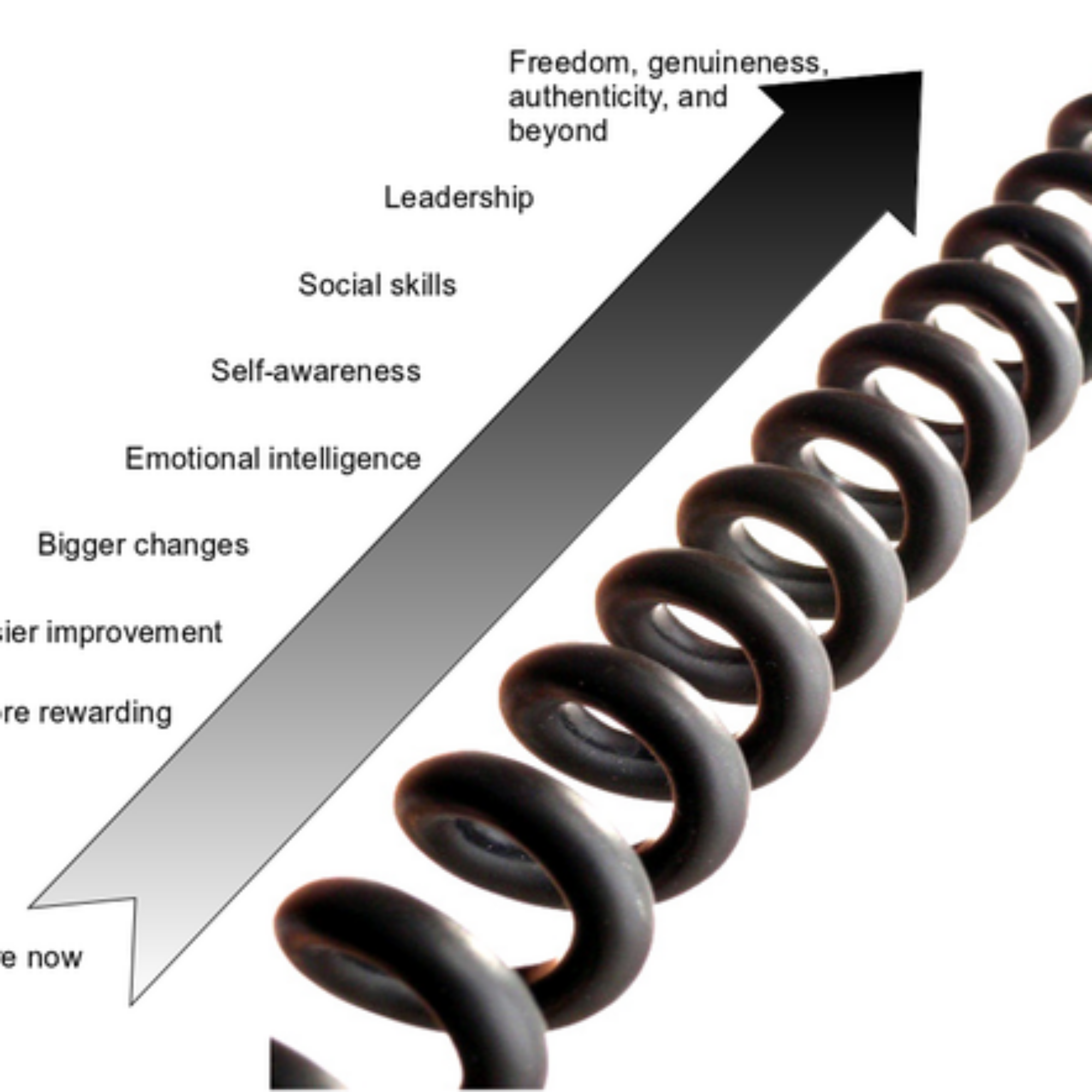
[This post is part of a series on The Method to use The Model -- my model for the human emotional system designed for use in leadership, self-awareness, and general purpose professional and personal development -- which I find the most effective and valuable foundation for understanding yourself and others and improving your life. If you don't see a Table of Contents to the left, click here to view the series, where you'll get more value than reading just this post.] As the Tao Te Ching says, A journey of a thousand miles begins with one step. Yesterday's post described and illustrated the long-term potential of improving your life through self-awareness -- freedom, genuineness, authenticity, and more. Remember, all this life improvement rests on one…

0 Comments

Google’s “Don’t Be Evil” reveals more than you’d think

I just read a post, "Google is FUBAR," (for non-geeks, fubar means "f'ed up beyond all recognition) suggesting the company is on a slippery slope leading not to its demise but to move its practices from what people like to what will lock them in and to risk more forays into anti-trust and privacy territories. Why is Google FUBAR, then? ... It must irreparably alter its fleet of successful web properties to become more Facebooky. It must alienate users with weird, ungooglesque features. It must force Chrome and Google+ down the throats of users who are simply looking for a brilliant search engine. The path towards Facebookness is fraught with strife. Facebook, as the incumbent with almost a billion active users, has a huge head…

1 Comment

End of content

No more pages to load