Do you overvalue originality at the expense of getting the job done?

Society values originality and creativity in problem solving instead of getting the job done. I'll illustrate how. Imagine you have a problem you need solved. For concreteness let's say you need plumbing work done in your house, but it could apply to any problem, personal, professional, or otherwise. Say you ask two plumbers how they would fix the problem to decide whom to hire. The first plumber says "I have the most creative idea for how to solve your problem. No one has ever seen a solution like this one. I will get your plumbing to do things no plumbing has done before. You will marvel at the originality and creativity in your plumbing." The second plumber says "Oh, I've solved problems exactly like this…

0 Comments

Leadership and the environment

The number one defining property of leaders Defining property number one about leaders from leadership guru Michael Feiner (and my professor) is leaders ship. They get the job done. Nobody I know of whose paycheck doesn't originate with fossil fuels or fundamentalist religion believes we are heading in a healthy direction for our environment. But we all respond to incentives and the incentives of our system -- huge roads, low density suburbs, huge subsidies for fossil fuels, no costs to pollute, etc -- promote pollution, producing CO2, and so on. Governments write and enforce the laws forming most of these systems. As long as governments aren't changing the systems to reflect what people want, they aren't leading. As long as the media is reporting controversy…

0 Comments

I don’t know when the United States and North Korean governments will be at peace, but we made it sooner

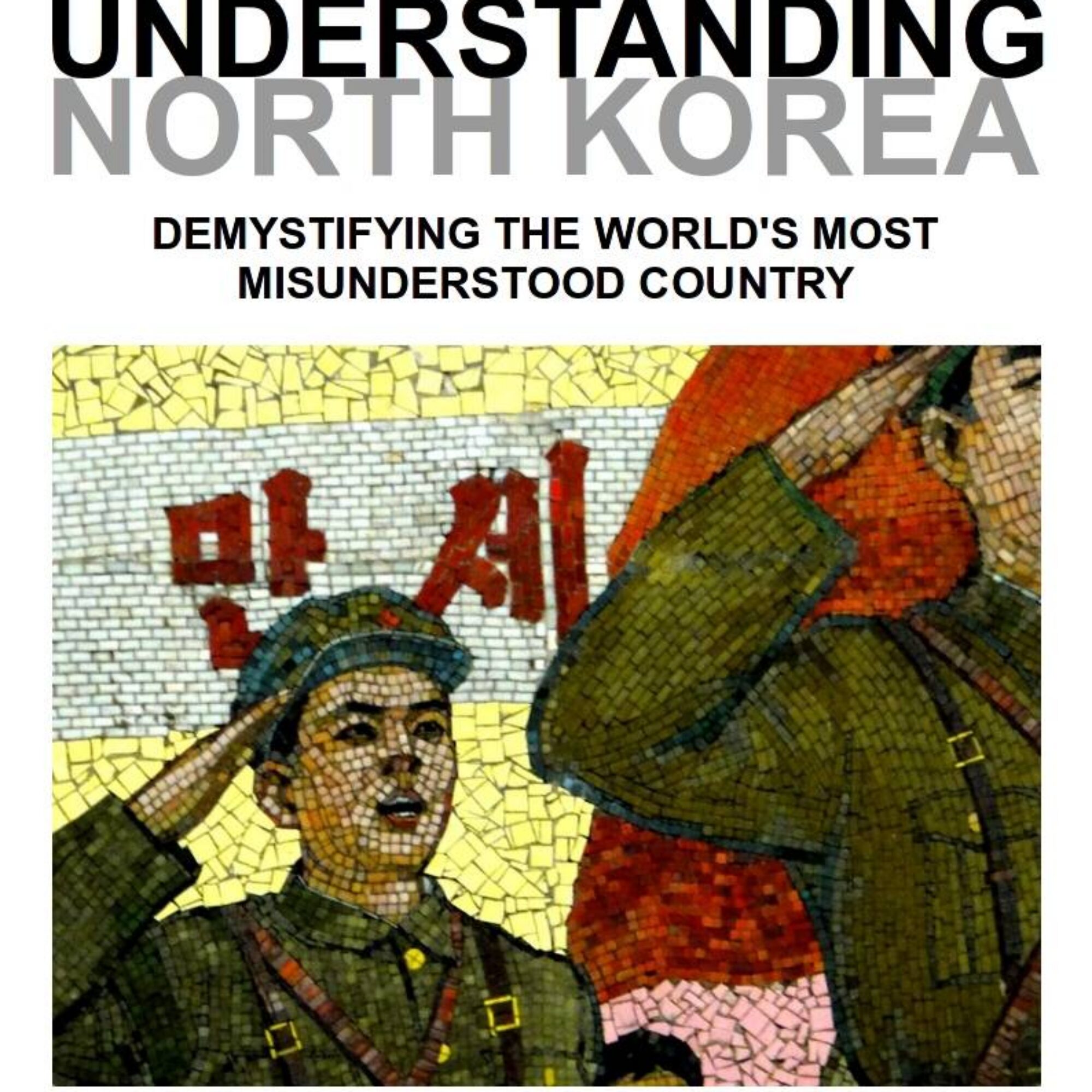
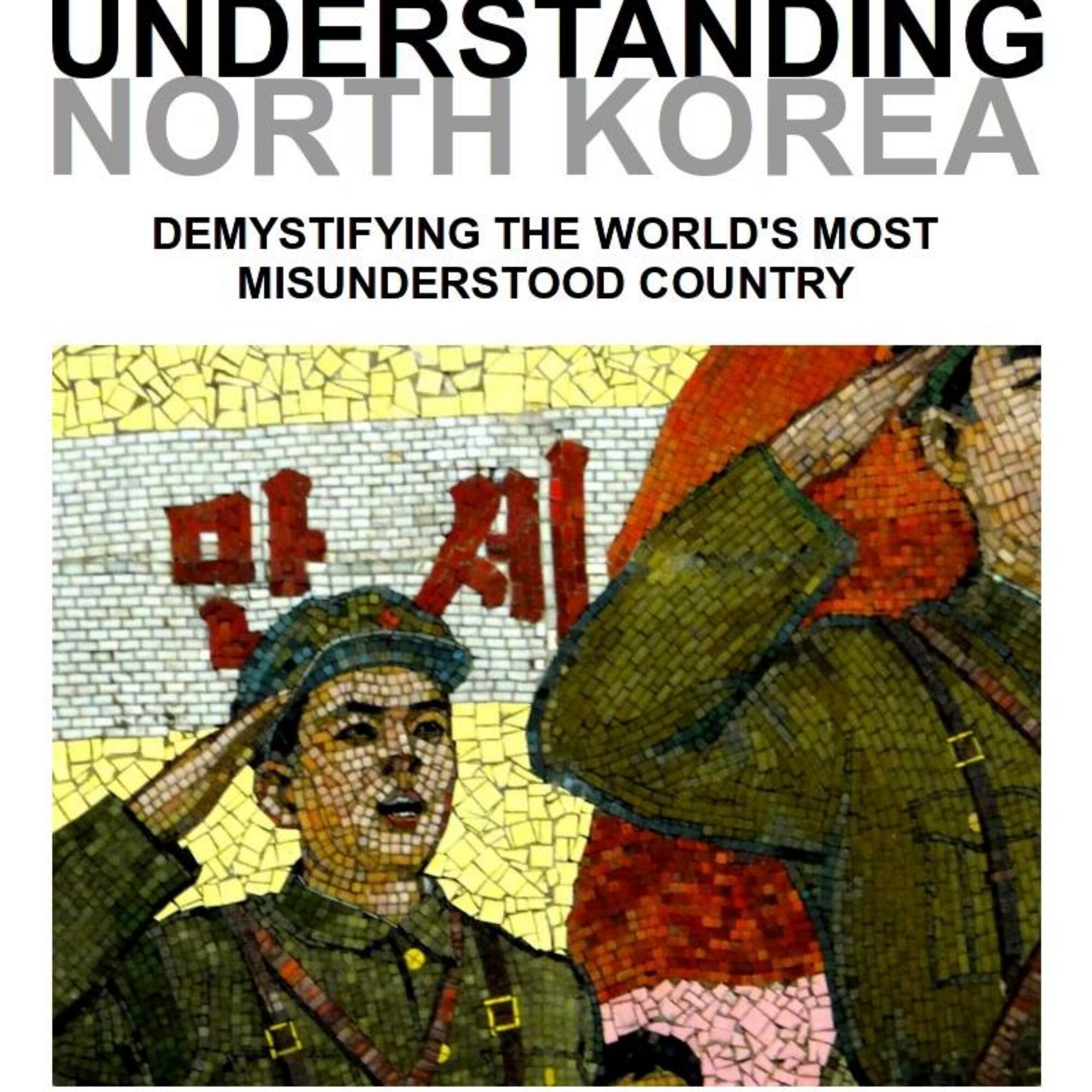
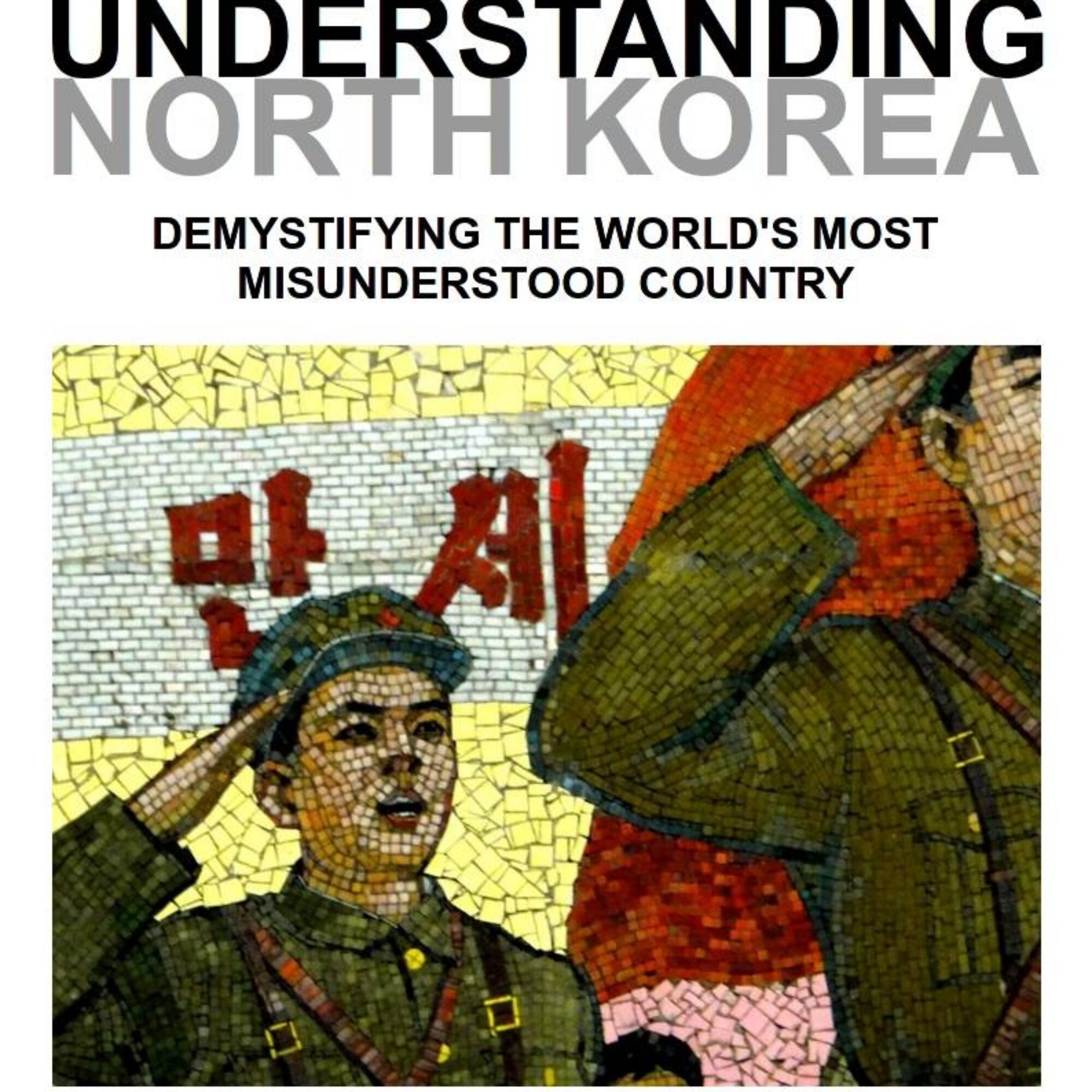
We visited North Korea for ten days in April, in part for the hundredth anniversary of Kim Il Sung's birth. North Korea is amazing. This trip surpassed our first in many ways, as before in ways we could never have predicted and, having experienced it, can't explain, much as we'd like to. Everyone on the trip agreed, as happened with the first trip. You had to be there to feel it, but we'll do our best to convey what we experienced, because at the root we communicated, shared experiences, increased understanding, and all the things that create peaceful interaction in all directions. (My travel-mates already started writing and posting pictures, mainly Joseph and Jordan.) Most people in my group explained that seeing and experiencing the…

0 Comments

Ecology, economy, population growth and Do The Math

I've written about Do The Math, the blog that takes a quantitative, scientific, and usually non-judgmental approach to understanding our impact on the environment. I posted on it today for the first time about some questions I'd been thinking about for a while but haven't approached in that blog's way. He has written about increasing his efficiency in using energy. I generally applaud that approach and do it myself, but I wonder about its value in the long-term, given population growth. I wrote the following on a thread on conserving energy in the home and persuading others to. Regarding efficiency, while I also try to improve mine, I can't help but put these gains in the context of population growth, mainly driven by having read…

8 Comments

Words of wisdom for crunch time

Crunch time means you don't have a lot of time, you have a lot to do, mistakes can cost a lot, people depend on you, and likely you depend on other people. People make mistakes. Also, sometimes you have to make decisions based on less information than you'd like. If people dwell on the mistakes or find out later that someone else could have made a better decision, they point fingers. Pointing fingers distracts from the task, takes time from productivity, and hurts morale. My general advice Don't look for blame, but take responsibility for making things better to the extent you can applies particularly well in crunch time. I'll add more specific words that seem to come up in many crunch times. I say…

0 Comments

Leadership-based thoughts on economic and energy growth and limits

My closing paragraphs on yesterday's post, anticipating people's reaction, got me thinking about Marshall Goldsmith, one of today's top business thinkers (and a friend). I wrote the following: By now, many of you are probably thinking "we've solved all the problems so far, we'll solve the ones to come" "since before Malthus scientists project doomsday and they never happen, we can ignore this" or "this won't affect me" If so, do the math. Read his blog. At least understand the situation. If he's wrong, show him how. Show me too. I'd love to find out he's wrong. As a scientist, he (and I) would love someone to show him (and me) wrong. That's how we learn. I hope you're open to the same. Now before…

0 Comments

How to feel good anytime

Once I was waiting for a bus in Queens. I had work to do, but no way to do it while waiting, and I didn't know how long I'd have to wait. People typically feel frustrated or bored in situations like that. I did. But I noticed people on vacation sit around doing nothing too. So I thought to myself "what's the difference between doing nothing while waiting for a bus and doing nothing on vacation, say lying on the beach or looking at the Grand Canyon?" Either way, I'm not doing any work. The main difference I came up with was how I felt. On vacation I might feel "I've got it made" or the like instead of boredom or frustration. But I can…

0 Comments

Make your faults and weaknesses strengths

Everybody agrees nobody is perfect. We all have our faults. Yet some emerge as leaders and outstanding successes. I've come to believe leaders lead and successes succeed not in spite of their faults or weaknesses, but because of them. The things themselves don't matter as much as the emotions we attach to them. Attach shame to something inherent about you and people will see a part of you as shameful. Attach honor to the same thing and people will see something honorable, all the more so if you overcame shame to reach the honor. Great leaders incorporate their faults and weaknesses so much into their identities we don't see them as faults and weaknesses anymore. Pick any great leader or success. You probably first think…

0 Comments

A solution to all ethics problems

During orientation I learned one of business school's most valuable lessons. I learned the first step in resolving all ethics problems. Orientation included a case study on ethics. The case involved a guy who witnessed someone else breaking a rule at a company. If he told on the employee he would escalate the problem, possibly identifying himself as not a team player, no matter how justified his actions. Remaining silent would make him complicit, and who knew how many other rules the person he observed might be breaking? The details were relevant to the case, but keeping things at a high level reveals what I call the classic ethics problem: The Classic Ethics Problem: You have to choose between something you agree with that will hurt…

0 Comments

Vulnerability and opening up first

A friend asked "Why unreservedly open your heart to anyone or anything when there is such strong potential for disappointment, failure, heartache or apocalyptic disaster". I wrote back the following: I experimented along those lines a few years ago and ended up improving my life and nearly every relationship. I'll share my experience in case you can use it. I won't feel bad if you ignore it. Regarding building relationships, I used to have a model, Old model: first get to know someone. If they become a friend, then open up. I saw nothing wrong with the model and figured everyone had a similar model, but people also said things like "I've known you for a long time, but I still don't feel like I…

0 Comments

Vaclav Havel and freedom; perhaps I was wrong

Since Vaclav Havel died the day Kim Jong Il's death was announced, and that the two of them sat on different sides of totalitarian rule, many articles mention them together. Havel played a significant role in dismantling one regime. Kim maintained his. My series on North Korean strategy concluded with limited methods to change North Korea. My limited number of ideas in North Korea makes me wonder if I might also not have found many ideas in Czechoslovakia too. I haven't studied Czechoslovakia or his activity so I can't speak knowledgeably about them, but something worked if they brought about a bloodless revolution. If something worked there, it might work again in some form in North Korea. I would hope to be shown wrong or…

0 Comments

North Korea strategy: a toy proposal to promote thought

North Korea's uniquely extreme isolation and disparity of power and wealth means you have to think of it differently than most other countries. Today I'll present a toy idea not for serious consideration as is, but to provoke thought and promote new, potentially effective ideas or improve other plans. I call it a toy idea so no one accidentally takes it seriously on its own, but plays with it to help generate other ideas. Here are the main ideas leading to it North Korean power is concentrated to probably a few dozen people. However much others may dislike their decisions, from their perspective, decision-makers choose rationally. The toy idea My toy idea, again not for serious consideration as is, but for promoting thought and other…

0 Comments

Pictures of North Korea, part 9: the Grand People’s Study House

Today's pictures were from the Grand People's Study House, a giant library overlooking the Taedong River, with the Juche Tower on the other side. Sorry for how long some captions are. I formatted them to be more readable but Wordpress seems to ignore the formatting. I hope you can read them okay anyway. Nearly all big public buildings we visited had big statues of Kim Il Sung, Kim Jung Il, or both. The statues nearly always represent them as paternal, optimistic, smiling, or displaying some emotion conducive to leadership. Some looked magnificent. After a few you got bored with them but wondered what the deal was with so many of them. Who decided to put so many up? How many would they consider too many?…

2 Comments

Comedian Chris Rock can solve all your relationship problems

Here is the solution to any relationship problems you have. Whatever problems you and any significant others have, just watch Chris Rock videos online until you find him joking about exactly your issue, realize what you thought was the most important problem in the world you'd never get over is a trivial thing everyone goes through, laugh about it and how unjustifiably self-important you felt, and get over it. Then go back to enjoying life. And stay humble. [youtube]http://www.youtube.com/watch?v=M902ZJHzaLE[/youtube] Sometimes you have to watch a couple other comedians to get to it, but the principle works.

0 Comments

North Korea strategy: what you can do

To close out this fifteen-part series on strategy, what can one person as an individual do? First, I recommend considering you may be offering people unsolicited advice based on judgments they don't agree with if you, say, waltz into the country and tell people there you are going to help them make their lives better. Now matter how sure you are that you will help them, if they didn't invite you to help, the people you want to help will likely view you otherwise -- perhaps condescending, patronizing, or meddling. They may well have justification. Actions I would recommend. Learn about North Korea. I hope this page helps. Books, articles, and videos can help. My too-brief bibliography may start you off with some valuable but…

0 Comments

North Korea strategy: reducing domestic support

If sunshine is the best disinfectant, then giving the North Korean people the same access that the rest of the world has to information about their country, its history, and the world would probably be the best strategy for change. Their compliance with their government effectively supports it more than anything else. That compliance makes sense, despite it appearing from our perspective against their long-term interests. Not complying can cost dearly. From what I hear The country's network of informants surpasses that of the East German Stasi. The government punishes your family members for your actions. Punishments can be unilateral and draconian, including lifelong imprisonment, torture, and death. No system of free speech or communication network exists to organize protest. North Korea's military is the…

0 Comments

North Korean strategy: increasing interaction

I've written at length on this page on how I think direct interactions between North Korean people and people from the rest of the world increase communication and understanding between the two groups. I mentioned in my post on the ethics on visiting North Korea that I expect increasing tourism will open the country. I think such interactions could change North Korea, mainly by bringing new information to the population. The North Korean people comply with their government's systems, effectively supporting it. The government creates that support with propaganda. The histories of North Korea, its leaders, South Korea, and the United States that the North Korean government tells its population differ from those the rest of the world understands. I don't know which stories are…

0 Comments

North Korean strategy: reducing the risk to North Korean decision makers

I have to be careful in this post. Parts of it will sound distasteful so some. But the basic idea is the same as witness protection programs for criminals. As a society we have decided that at times we will protect criminals for their cooperation to achieve more important outcomes. North Korea's decision-makers are not criminals (everything they do is probably legal). I'm just using the analogy to explain. I noted something I believe motivates North Korea's leaders more than anything else -- from their perspective consequences of failure include their deaths as well as those of their families and probably everyone they know. We know what happens to most authoritarian leaders who lose power. North Korea's decision makers probably know very well the outcomes…

0 Comments

North Korean strategy: China

One place I could see changing things in North Korea is its relationship with China. I'm sure the lack of knowledge I show in this post will make me look ignorant, but I'll share anyway. Most of what I know about relations between China and North Korea come from three sites The Council on Foreign Relations' report The China-North Korea Relationship The Council on Foreign Relations' report The Six-Party Talks on North Korea's Nuclear Program Wikipedia's article People's Republic of China–North Korea relations The first CFR report seems to cover the main topics well. I'll distill what seem the most salient points for strategy. The main point is that China has the largest border with North Korea and it is relatively unguarded. North Korean leadership…

0 Comments

North Korean strategy: starting points for successful change

I've described a system where when all actors act in their interests, everybody loses, except perhaps a few dozen decision-makers in North Korea. I've described what I think won't substantively change the situation in North Korea. Yesterday I wrote about what wouldn't change things. One of the greatest lessons I learned in business school applies here, as well as to all so-called moral problems: If the system leads to only undesired outcomes, change the system. Changing a system rarely happens by changing one part of it unless the system depends on that part. To understand systems, I know of no better resource than Thinking in Systems by Donella Meadows, which I recommend reading. For thoughts on how to change systems, I recommend her essay Twelve…

0 Comments

Make painful emotions useful

I'm not a fan of putting positive spins on things. You can't call something positive without calling something else negative. Calling some emotions negative makes some people want to shun them and act like they don't have them. How many times have you seen someone obviously angry or enraged, saying through gritted teeth and clenched jaws, “I'm not angry,” in blatant denial of their emotions? They confuse how an emotion feels with how it motivates them or tells them about themselves and their world. They think some emotions are bad and repress them. This belief leads to lower self-awareness and motivates them to act without reflection. Lowering self-awareness and acting reactively are just about the worst things you can do to improve your life. I…

0 Comments

North Korean Strategy: what won’t change things

Before suggesting ideas that I believe can change things, I'll post some things I think won't change much in the long term. I pointed out what appears the dominant strategy for North Korean decision-makers Stabiility: to maintain its geographical dominance Loyalty: to maintain its support from its citizens All other decisions are subordinate to this strategy or irrelevant. I expect the North Korean government will resist any action that threatens those two principles. And I expect only actions that affect those points will make much difference (though many small actions in other areas may collectively make a big difference). I also pointed out the stakes to individual North Korean decision-makers. They care about the situation more than you do. Any strategy that leads North Korean decision-makers…

0 Comments

North Korean strategy: how does the world look to North Korean leaders?

I have found people outside North Korea quick to express feelings of moral outrage, indignation, and injustice by judging North Korean leaders. They call them monsters, bad, evil, and so on. I have found such judgment counterproductive to influencing others (as well as my own well-being). If you don't like what's happening there and want to change it, expressing judgment may make you feel better, but you sacrifice ability to change things. I guarantee decision-makers there don't consider themselves monsters, bad, or evil. If you say they are, you polarize the situation, contribute to them digging in their heels, and stabilizing the situation you wanted to change. You may be right.They may be monsters, bad, evil, or worse. My goal isn't to label or categorize.…

0 Comments

Occupy Wall Street and Leadership, part 4: Bloomberg taking sides polarizes situation

After finishing the first three posts in this series I found the first link returned on searching "bloomberg occupy wall street" quoted him Tuesday in the Daily News. Reporters are motivated to play up controversy, so I figure the reporter may have taken the quotes out of context. Based on what I read, I see Bloomberg increasing the polarization, taking sides, and missing his opportunity to lead. As a leader, I think the opportunity is not to delve into what people are saying, except to make sure it's legal and non-violent, but to support their right to speak, as long as they stay non-violent and legal. If you support that, you can come down hard if they become violent or illegal. Once you selectively enforce…

0 Comments

North Korean strategy: what do North Korean leaders want?

Last post I pointed out the stakes to individual North Korean decision-makers. That perspective implies North Korean decision-makers are part of a larger system they have little control over and have little choice not to follow their roles within it without grave risk to themselves and everything they care about. With so little choice, what do they want? What do they pursue? Of course they want material prosperity and security, like anybody else. Kim Jung Il famously buys hundreds of thousands of dollars worth of cognac annually. As individuals, they probably want to rise through the ranks, but probably in a limited way. Those desires we all anticipate. North Korea reminded me a lot of Nineteen Eighty-four, but I think the underlying systems differed. In…

0 Comments

End of content

No more pages to load