My first Hillsdale College online certificate and why I took the course
2 Comments
June 14, 2025

Today we made SpodekMethod.com live. My book, Sustainability Simplified, mentions the page as a place for more resources and it came out last November, so it's been almost painful for it not to be working. I couldn't in good conscience promote the book on podcasts or elsewhere knowing it pointed to an incomplete page and therefore couldn't enable someone to take the workshop. It's ready now. I needed to make the videos in A Short Course in Sustainability Leadership. In many ways I've been working on what message in what medium the page would feature. I can share what decisions drove what you'll see at SpodekMethod.com, but the point is what's there. Feedback from users will lead us to iterate it. I hope we find…
I've been working for months on what to show on SpodekMethod.com. My book Sustainability Simplified refers to the page so it has to help people who want to learn and to more. It's pained me for it not to be ready for so many months after the book has been on sale and the New York Times profiled me with a two-page story starting on the front page of the Metro section. I've had to hold back on promoting the book without a web presence ready. I've struggled for years how to welcome people to a web page. It's easy to think of amounts of information that would fill books to put there. As for images and quick impressions, it's easy to fall into cliches…
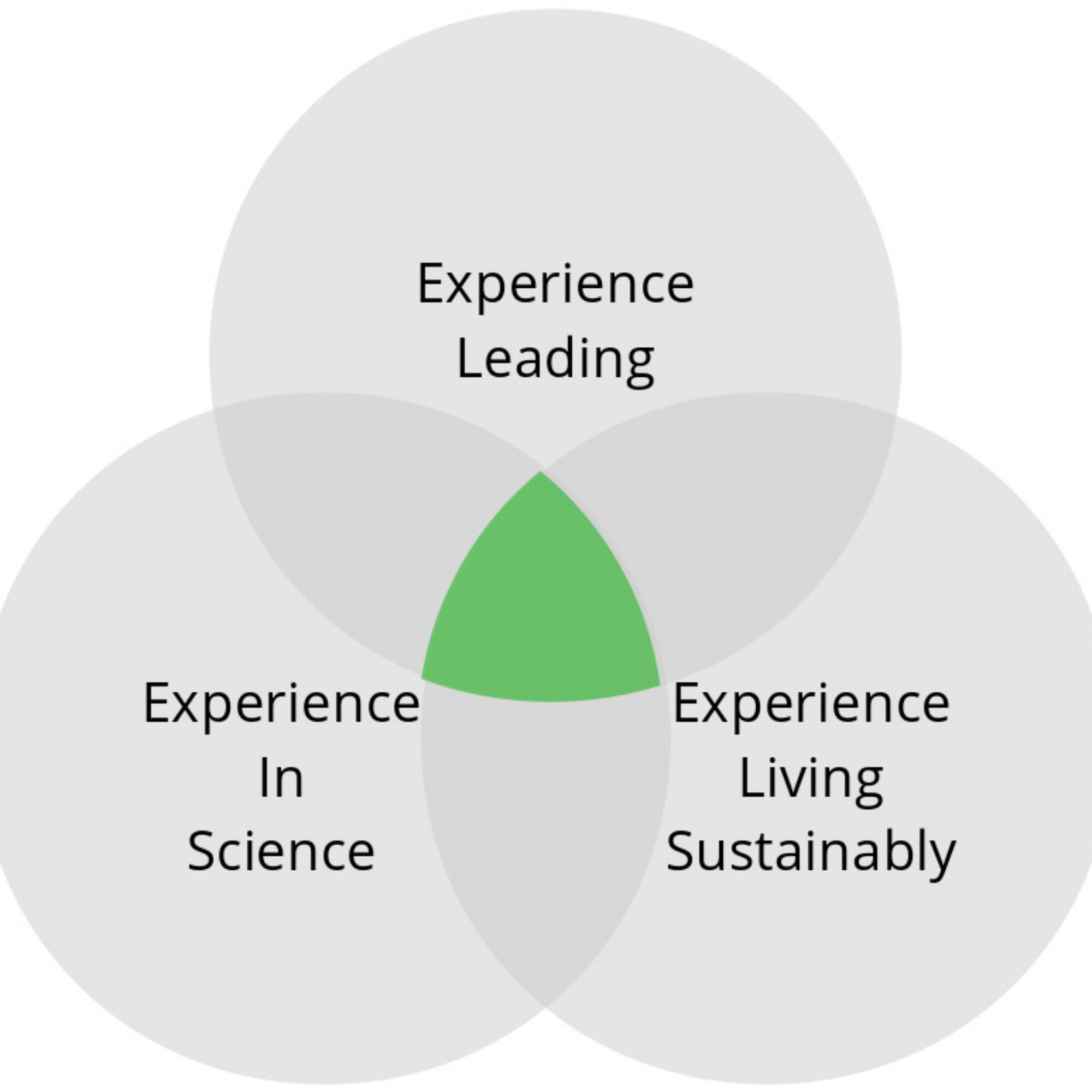
People seem to want to defer to "experts" in sustainability and sustainability leadership. Many people know about science, technology, economics, legislation, and places where we might apply sustainability, but nearly no one knows anything about leading people or cultures to enjoy living more sustainably. Telling people facts or what to do or cajoling or coercing them isn't leading them, yet it's what nearly everyone does. It doesn't work. It frustrates nearly everyone, at least as far as I can tell. I'm not complaining or judging. I'm just describing our culture. You are as much an expert in sustainability leadership as anyone, or can be. I'm not saying you're skilled at it, but whatever skills you have are as good as nearly anyone's. I'm also not…

I've thought of a simple way to illustrate what the Spodek Method workshop delivers. The mission is to change American and global culture to embrace sustainability by evoking our powerful, basic human emotions relevant to nature. The Spodek Method unearths joy, wonder, oneness, connection, spirituality, divinity, and related passions in people you do it with. They return gratitude. Evoking joy and returning gratitude leads to growing community acting together, achieving wondrous results of everyone loving their part. Here's what I can feel it starting to feel like from the workshop participants and alumni. Candidly, we aren't there yet, but we're on our way. https://youtu.be/uooe16ILaPo?t=93 How do you get a big community rousing and inspiring everyone? Not by lecturing theory at people, hoping they'll form community.…
Some people in my workshops describe early times practicing the Spodek Method as causing them anxiety. From my experience with performance arts like acting or sports in front of a crowd or, in attraction, learning to approach women, I know performing where others can see you can cause people without experience anxiety. I also know that mastering that art can transform that anxiety into joy and glory. Everyone who became great at any performance art started as inexperienced and unskilled as anyone. Do the reps and you learn to succeed. You find the art in it and learn to express yourself through the art. You learn things about yourself you never knew. What I just wrote applies to all performance arts. What about the art…
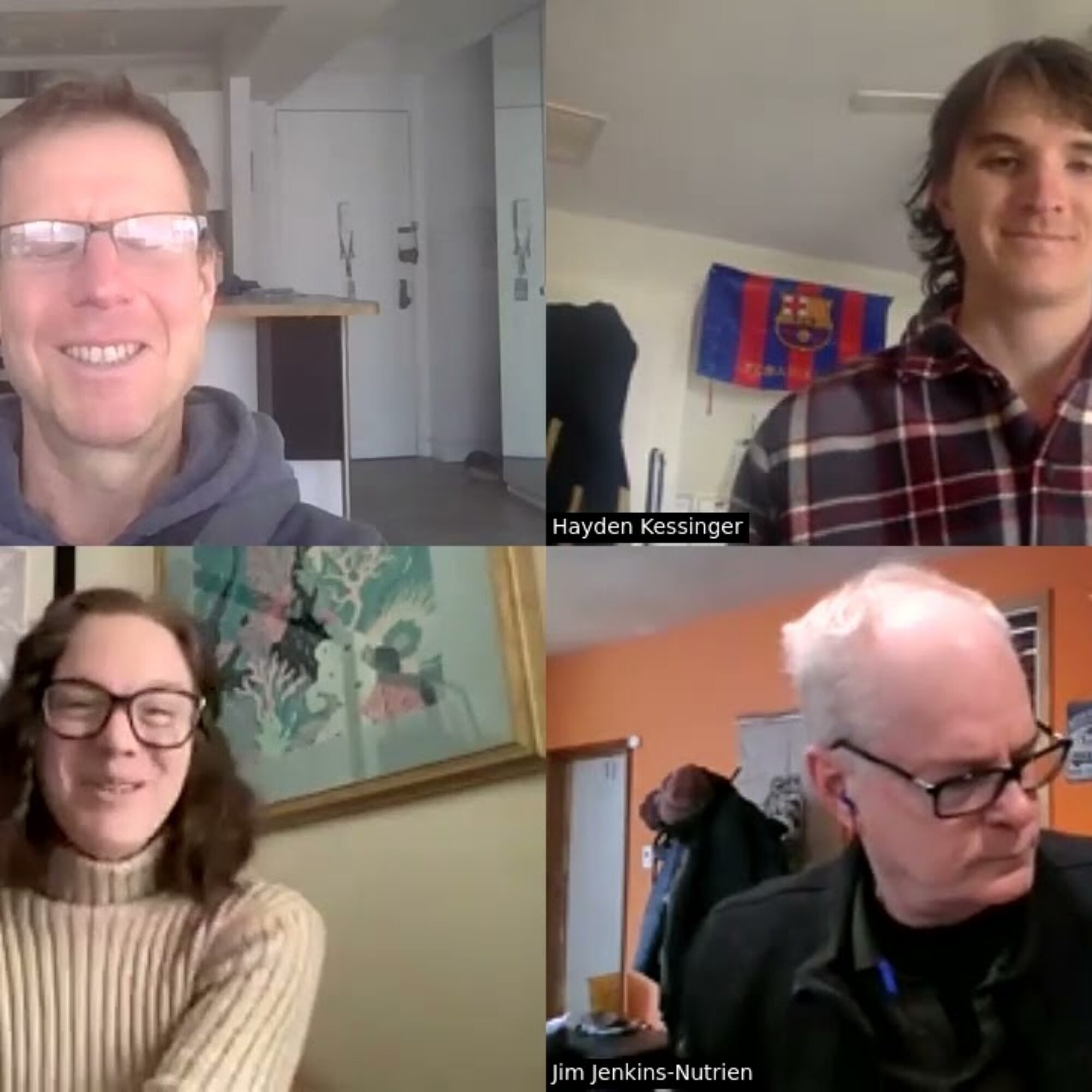
Journalists keep asking about the workshop: what it's like, as do people interested in taking the workshops, and a few HR people curious about offering the workshop at their firms. The author of the New York Times piece on me sat in on one session, but only the first session, when people get to know each other. In later sessions, participants can open up and privacy becomes important, so we can't just let people in to watch. So we recorded fifteen minutes of a group that everyone agreed could be shared. Groups tend to be ten people or so, but a smaller group was easier to get everyone's consent on. Here it is. It's as representative as much as fifteen minutes can, but, as you…

I don't talk much about history here, but my father was a history professor and I grew up with history being a big part of family life and how we viewed the world. My dad knew a lot of history. It was one of his major lenses through which to view the world. Growing up I didn't like that view. Everything seemed to warrant lectures, from art museums to tourist places we visited. He didn't understand science, sports, competition, or entrepreneurship, so we didn't understand each other on many things. But my recent book, Sustainability Simplified, in tracing the development of dominance hierarchies from the dawn of the Holocene until today into a global culture that we feel unable to escape or see alternatives to,…
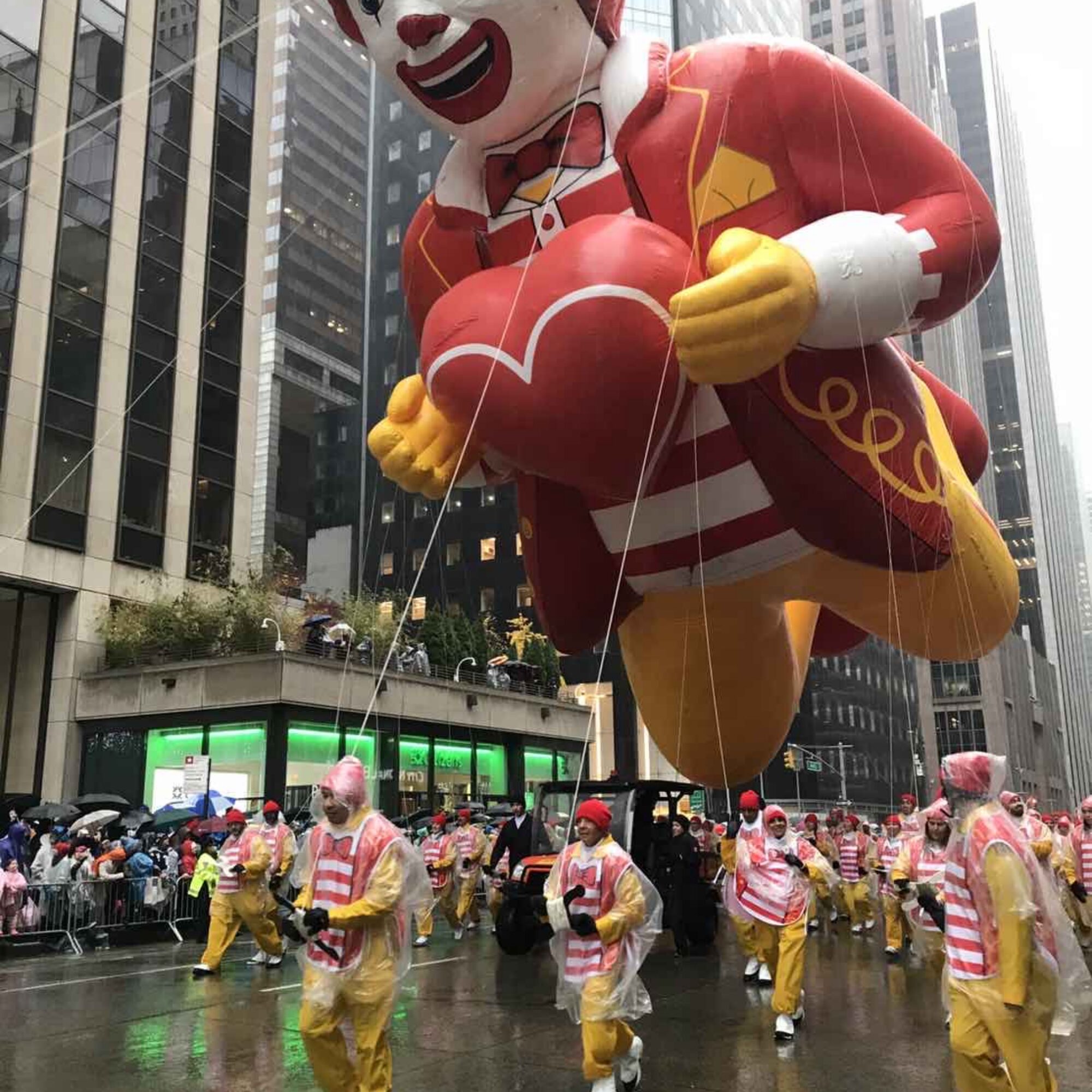
I served in my first Thanksgiving Day parade this morning. The role of an auxiliary police officer at a parade for families and kids isn't to keep the peace. I saw it as more for structure. A little to keep order, but more fulfilling a civic role for kids to see government in a peaceful role. I enjoy fulfilling civic duty, so despite the cold rain, I enjoyed playing that role. People in the crowd thanked me, asked me to pose for pictures, and offered me coffee. I found the content of the parade, however, gross because nearly all the floats were commercial, aimed to attract and hook kids. The parade was mostly commercial. There were a few marching bands and one small track that…

I recently was invited to speak to grade school children about great physicists. The teacher asked me to speak about Newton, Einstein, and Hawking. Since I didn't have any personal connections to Isaac Newton, I focused on Einstein and Hawking, since I knew people who knew them. I love knowing that I know someone who knew some of the most influential, famous people who lived, whose work was mind-blowing. Though he wasn't a physicist, since I also knew someone who knew Nelson Mandela, I included in the talk my one-degree-of-separation connection to Nelson Mandela. I took questions from the audience (they weren't mic'ed so you couldn't hear them; I marked the silences I edited out with a whoosh noise), which led to me talking about…

Interviewers often ask "If you were a benevolent dictator, what would you do to solve our environmental problems?" They all frame sustainability as something you have to convince people to do or use coercive, authoritarian tools like passing laws that don't yet have popular support. I identified a big fork in the path of people promoting sustainability. It comes if you've found, as I have, that the more you live sustainably, the more you improve your life, family, community, nation, etc, versus if you believe acting more sustainably means burden and worsening your life, family, community, nation, etc. If you think living more sustainably makes people's lives worse, you have to become a better dictator. If you think living more sustainably improves people's lives, you…
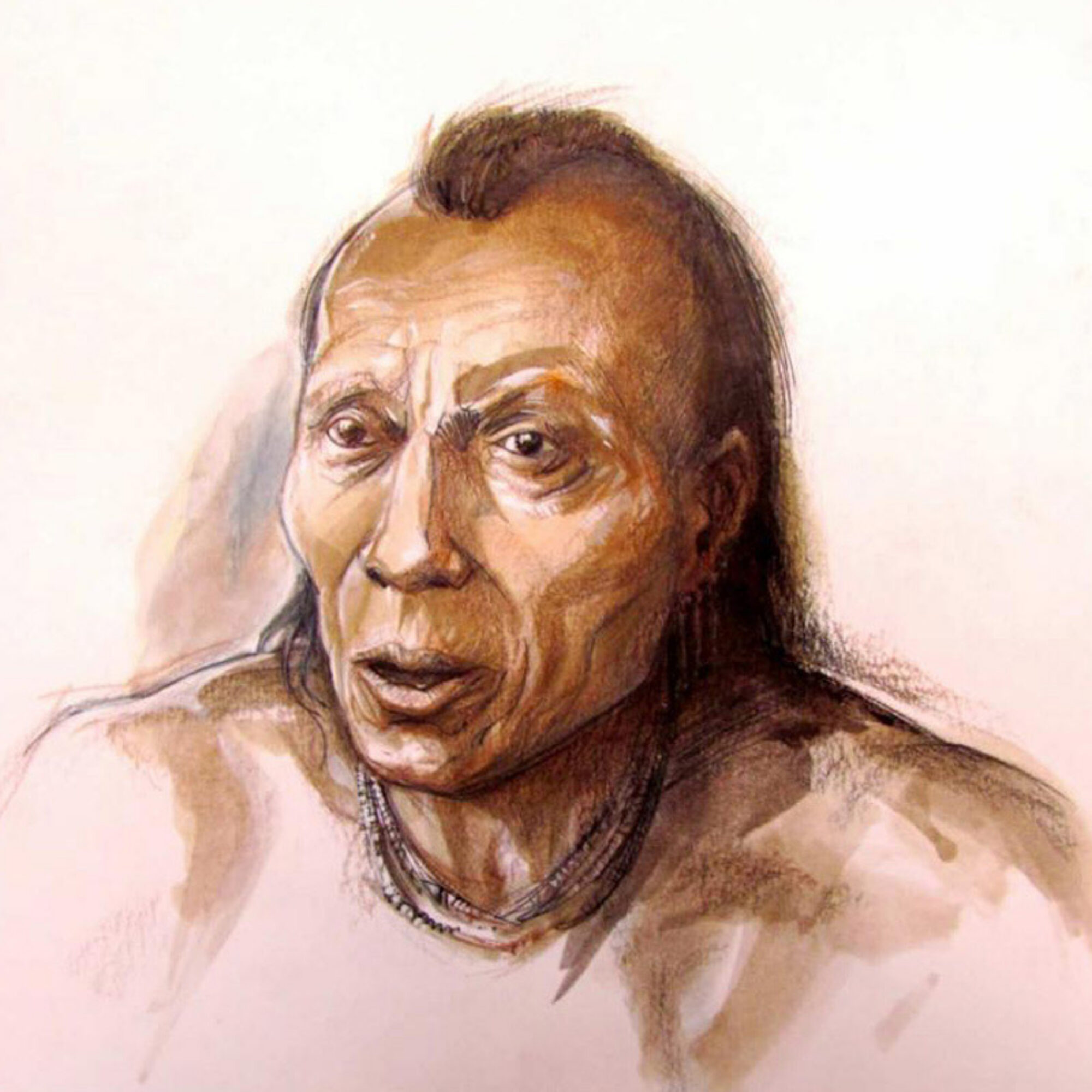
In my book I talk about something that people respond with knee-jerk sayings that show they don't know what they're talking about because they hurt their own cause. Still, they can't stop themselves from being know-it-alls and saying it. I found a way to fix the problem with a new word. The problem response comes when I mention Enlightenment values of (according to Steven Pinker) “reason, science, humanism, and progress” and how they helped in the past and could help now. I found that there was another Enlightenment value of stewardship that we lost. The knee-jerk response is to call Enlightenment people "dead white men," as if their being white or male disqualified them from being worth listening to. My counter-response is to point out…
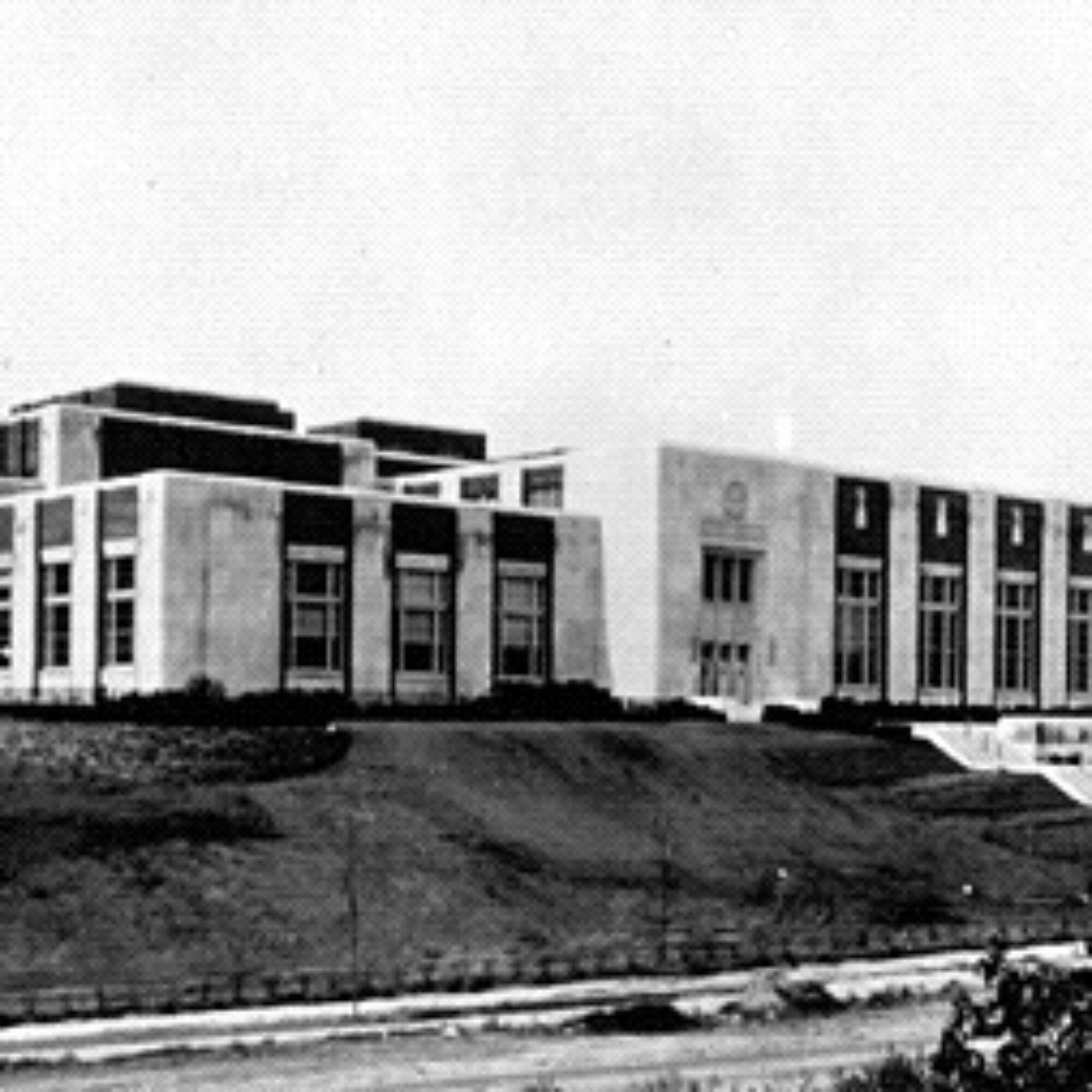
I was invited to speak to a New York City public high school class on astrophysics. About fifteen minutes in, I mentioned how I answer a common question people ask of me: "Do you still use your physics degree?" I consider my sustainability leadership work an application of science so, yes, I still use the science I learn, but not in a white lab coat in a lab. I thought of making a podcast episode of it, but it's too unfocused. I still wanted to share it, because even though only I had the microphone, you can't hear the kids or teachers, you can still tell from their interest and my responses the interests of the kids. They were more interested in sustainability than astrophysics.…
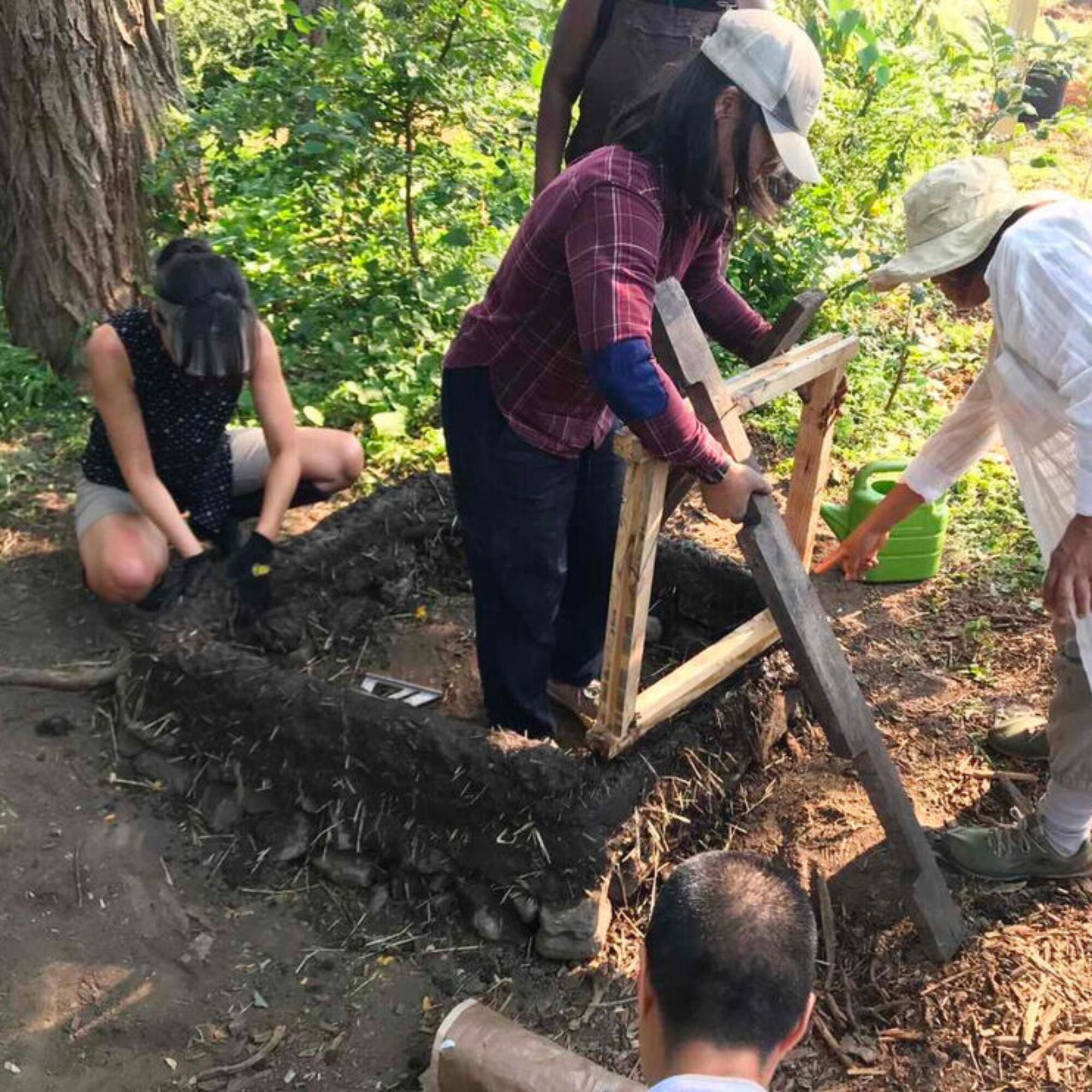
Last week I announced Emily Wang’s Own Workshop on Sustainable Building 9/14. Today I attended it and learned more than I expected to, which happens when you get your hands dirty from digging into clay. Here's Emily in the structure we helped build, a chicken coop at none other than Drew Gardens, where I hold my twice-annual cooking workshops in the Bronx. If you read Emily's blog, which I recommend, you'll see she refers to me sometimes, including her taking my sustainability leadership workshop learning the Spodek Method. She's in the video on this page describing her experience in the workshop. You might guess I connected them. You'd be right. It happened after Emily started taking natural building workshops and asked if anyone in the…

UPDATE: Emily posted about the workshop. Check out A Smashing Week Building with Cob in NYC. Lots of pictures, descriptions of cob building, and matching my appreciation for Drew Gardens. I attended, though don't appear in the pictures since I rode my bike there and knew I would ride back, about 90 minutes each way. The post referred to me, but not by name. See if you catch the reference. As one example of a graduate of the Sustainability Leadership workshop's implementing what she learned, Emily Wang is leading two workshops in natural building, here in New York City, in particular, in the beautiful Drew Gardens. Register here If you're like me, you've heard about cob, adobe, and other natural building terms more and more.…

I've written before that to fix our environmental problems we have to change culture. Say you wanted to learn a culture to where you were fluent in its language and culture. Which would work better? Say you wanted to learn Nigerian language and culture Read books by people who haven't lived in the culture or spoken that language, with the intent that only after you learned them fluently you would move to Nigeria ... or Go to Nigeria and learn there? I took years of French lessons in school and learned more in the first two weeks there than in five or six years of classes here. Likewise, I learned a lot of science relevant to sustainability, but learned more in avoiding packaged food, avoiding…
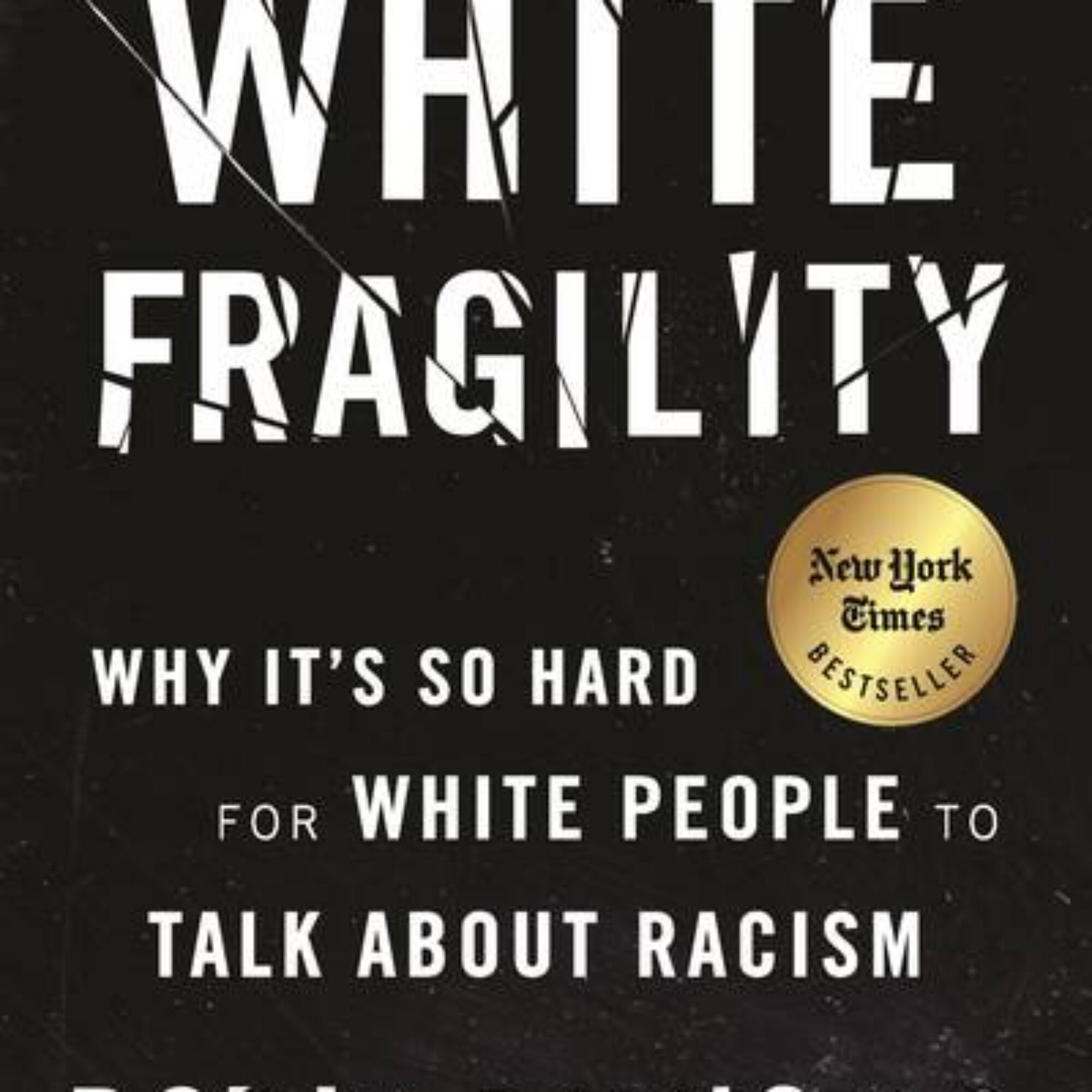
Few things have made me so grateful to live in a time when the phrase "not even wrong" exists. I've read parts of White Fragility and skimmed more. I didn't realize how impactful she had become. I'm commenting today on this video of her I just watched: https://www.youtube.com/watch?v=45ey4jgoxeU "One plus one equals three" is, in mathematics, wrong. It might be nice in poetry and you can find ways to make it true in some artistic or other senses, but you don't want someone building a bridge believing it right. On the other hand "one plus one equals frog" isn't even wrong. You can create all sorts of ways to interpret it to give it truth in some sense, but not really a mathematical proof. It's…
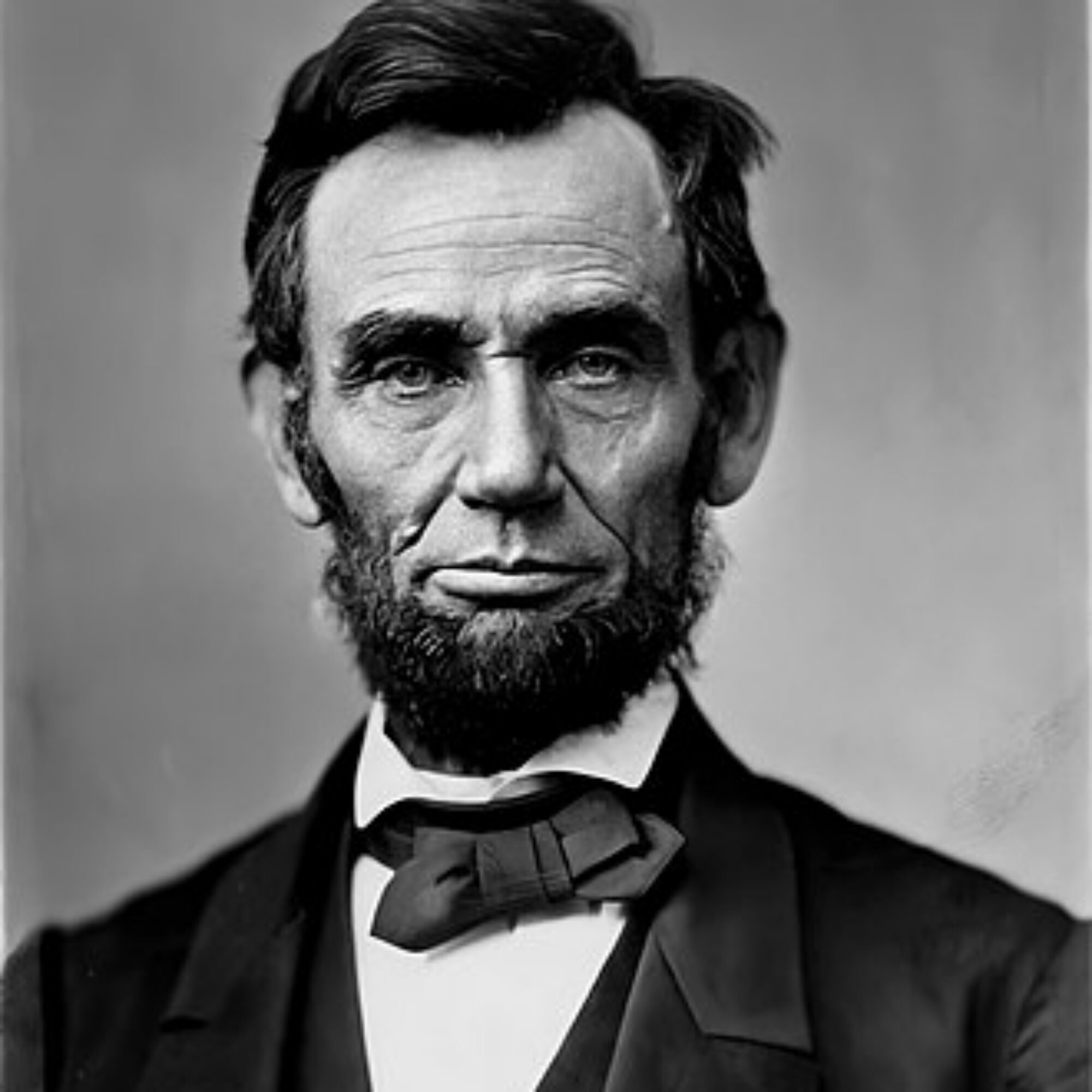
I've been reading podcast guest Manisha Sinha's book The Counterrevolution of Slavery, which recounts how slaveholders spoke and acted to justify and advance their institution of slavery. I know to expect it from having seen it before in podcast guest James Oakes's The Ruling Race and Jenkins' Proslavery Thought in the Old South, but I'm still shocked at how relevant their thinking is today. They treat a different institution, but the thought processes leading to their conclusions comes from the same place: resolving internal conflict, knowing they are doing something against their values that is clear to anyone outside that system. We study Abraham Lincoln and abolitionists so we can learn what we could do and how we could think and act in difficult situations.…

Environmentalists call people who disagree with them "science deniers" and "climate deniers." They get annoyed when people presented with the science don't change their behavior when science shows it's creating undesired outcomes. Meanwhile, I see environmentalists use ineffective techniques to try to change others' behavior. When their techniques don't work, they don't change their behavior to ways that work. The science is clear that their techniques don't work, yet they stick with them. Influence and leadership aren't the hard sciences of physics and chemistry, but there are repeatable results and we know some things that work and others that don't. Lecturing doesn't work, nor do many techniques they use. They want others to observe science and change their behavior but they don't themselves. In my…
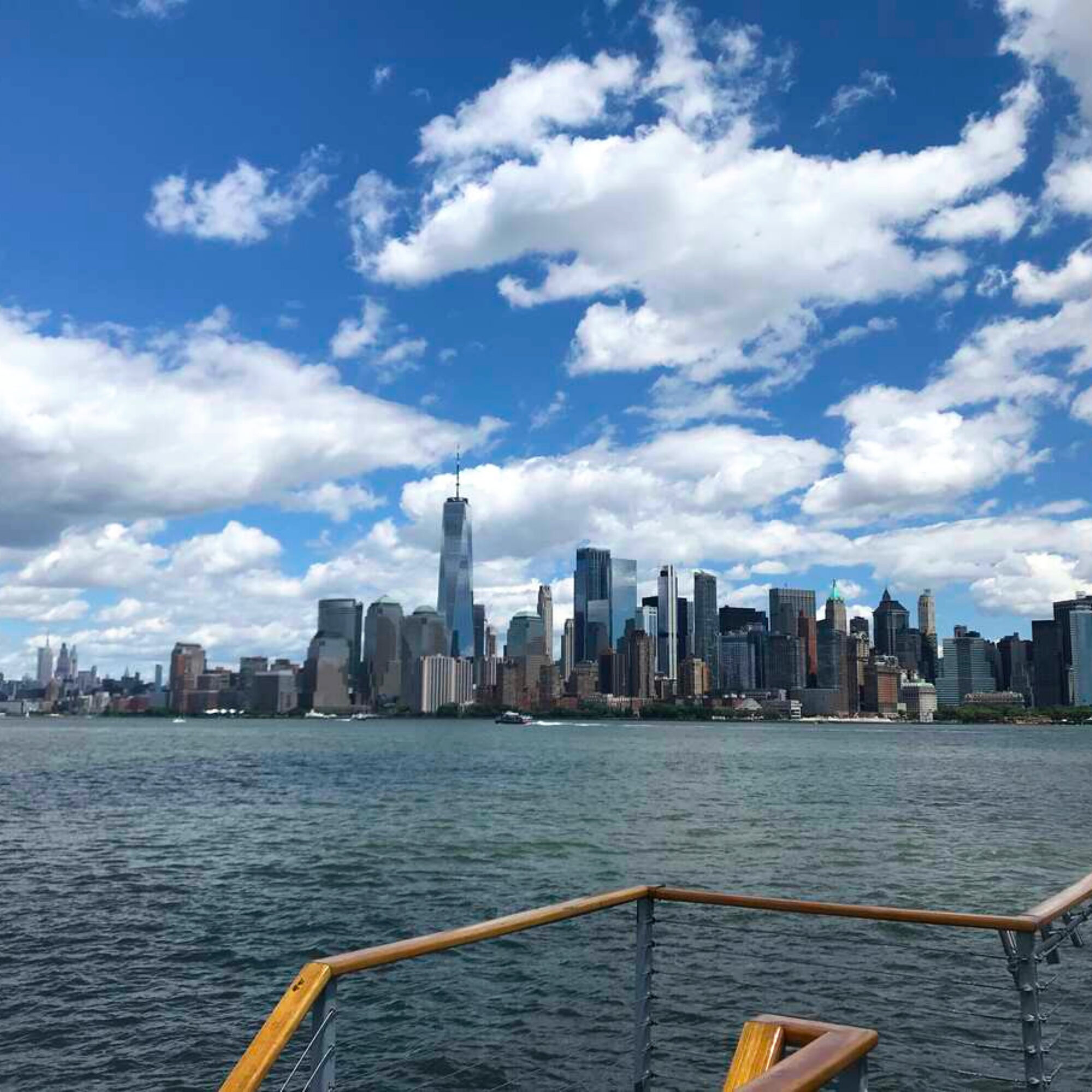
My friend who teaches kids sustainability, among other things, invited me to join her with some of her students and their parents sailing in New York Harbor. She had me speak to them about things like taking five years (and counting) to fill a load of garbage, not fly, and so on. They loved it. I loved it too. I enjoy being on the water, when the wind, currents, and tides dictate my pace. Daily worries disappear when sailing. I'm also scheduled to talk to them about astrophysics later. Coincidentally, they're reading Astrophysics for People in a Hurry, though the version for kids. They're around 10 to 15 years old. We couldn't go out most of the day since the winds were too high for…

When I started graduate school in physics at the University of Pennsylvania, one of the faculty members in the department confused the students. He didn't confuse us with complex science. He was a world leader in his subject, but the subject was tennis---the physics of tennis. I studied there in 1993-94. When the professor, Howard Brody, died, the New York Times published his obituary, Howard Brody, an Expert in the Physics of Tennis, Dies at 83, rare for physicists. He created the field and knew more about it than anyone. The last sentences of the obituary revealed why humanity is failing at sustainability, if you know what to look for. It ends: Over the years, Professor Brody was asked whether his tennis research had improved…

Our environmental problems have become a politically polarized issue. Why? I don't know values of any political tradition that oppose clean air, land, water, and food, while all seem consistent with stewardship. Meanwhile, the main political tribes seem to see their opponents as obvious enemies, blatantly exacerbating the problems. Liberals say conservatives and libertarians don't care and are greedy. They say they prefer profit over helping other people or wildlife. Conservatives and libertarians say liberals are virtue signalling, behaving hypocritically, trying to seize power by fear mongering, and too stupid to realize that even if they genuinely care that they're waltzing into growing government into what will evolve into a totalitarian Stalinist regime, whether they intend it or not. How did this situation arise? I'm…
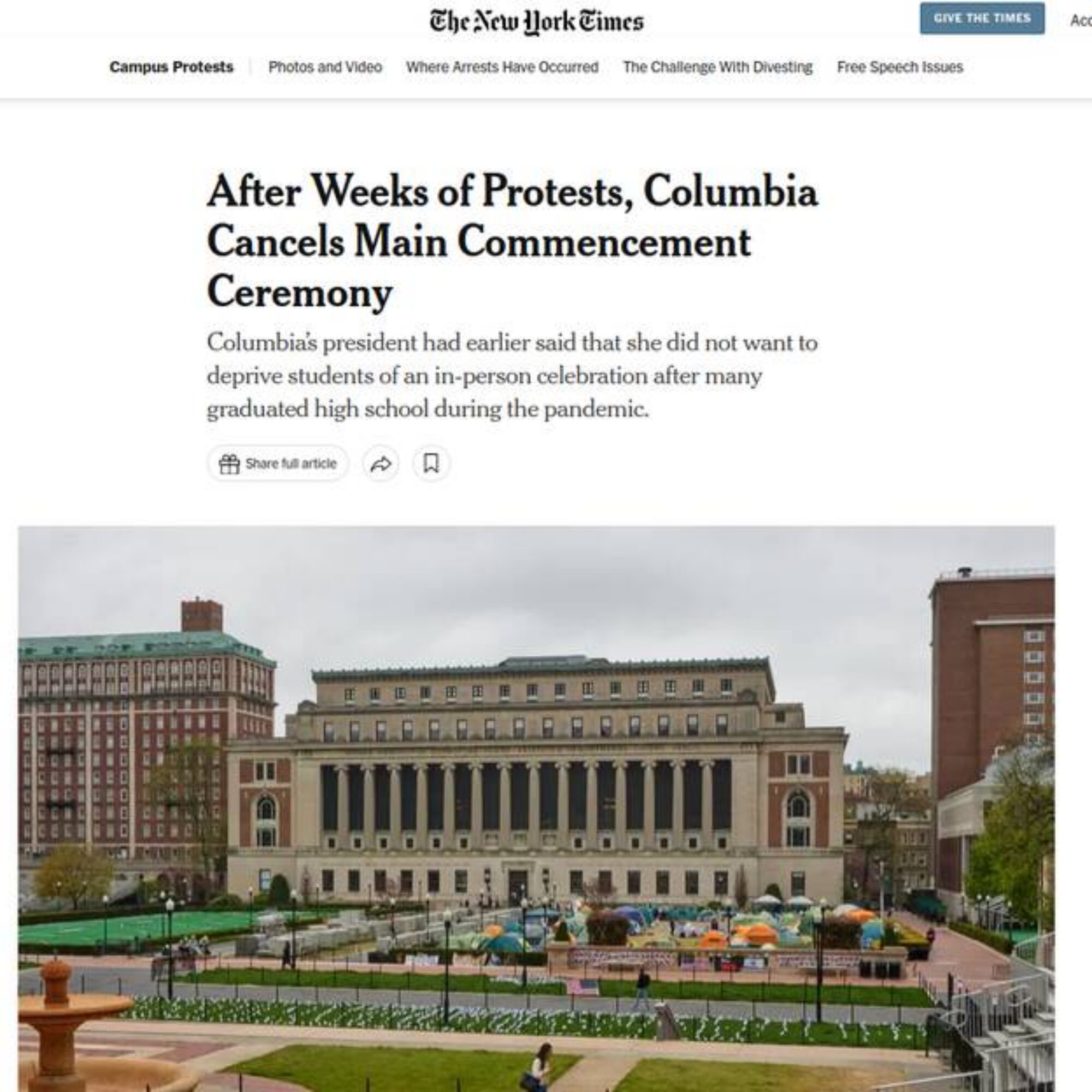
I don't have to tell you that front page headlines are reporting how students across the country are protesting. Universities are struggling with how to respond. The university I got my (five) diplomas from, Columbia University, seems to be making some of the biggest headlines. A few days ago it decided to cancel its commencement. I started college in 1988. Many students then opposed Apartheid. I boycotted businesses that did business with South Africa. Students protested to motivate universities to divest from companies that did business with South Africa. I participated in some of those protests, among other things (including America fomenting wars in Central and South America). At a commencement, I believe my sophomore year, a few students and I attended and protested. We…

Have you hit rock bottom on the environment? The question isn't if the problems are grave enough or you know about them. You've seen enough problems from litter on your street to a region called Cancer Alley in the most technologically advanced nation in history and front-page news nearly daily. The question of you hitting rock bottom is if you choose no longer to accept your rationalizations and justifications of your contributing to the problem. Are you through saying it's outside your hands, you have faith others will solve it, we're too far gone, and all the other excuses, denial, suppression, and mental gymnastics that avoid facing your personal responsibility? Maybe you've heard of the Spodek Method or the movement it's launching of discovering sustainability…
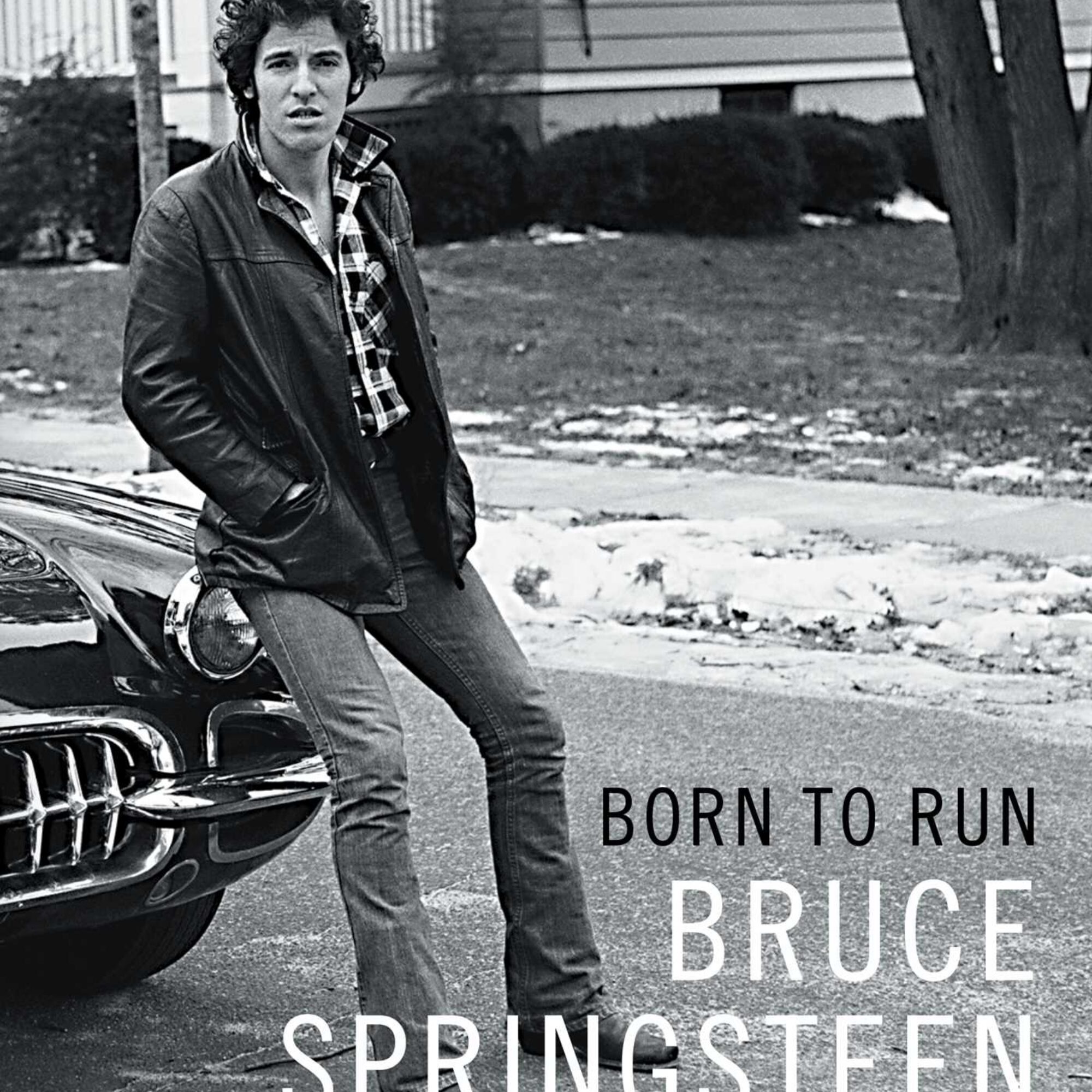
I recently finished Bruce Springsteen's memoir Born to Run. Below is what resonated with me and motivated me most: Bruce Springsteen wrote in his memoir Born to Run about discovering the guitar growing up in a working-class New Jersey neighborhood. The day after seeing Elvis on the Ed Sullivan Show, “I convinced my mom to take me to Diehl's Music on South Street in Freehold. There, with no money to spend, we rented a guitar. I took it home. Opened its case. Smelled its wood (still one of the sweetest and most promising smells in the world), felt its magic, sensed its hidden power. I held it my arms, ran my fingers over its strings, held the real tortoiseshell guitar pick in between my teeth,…