Education


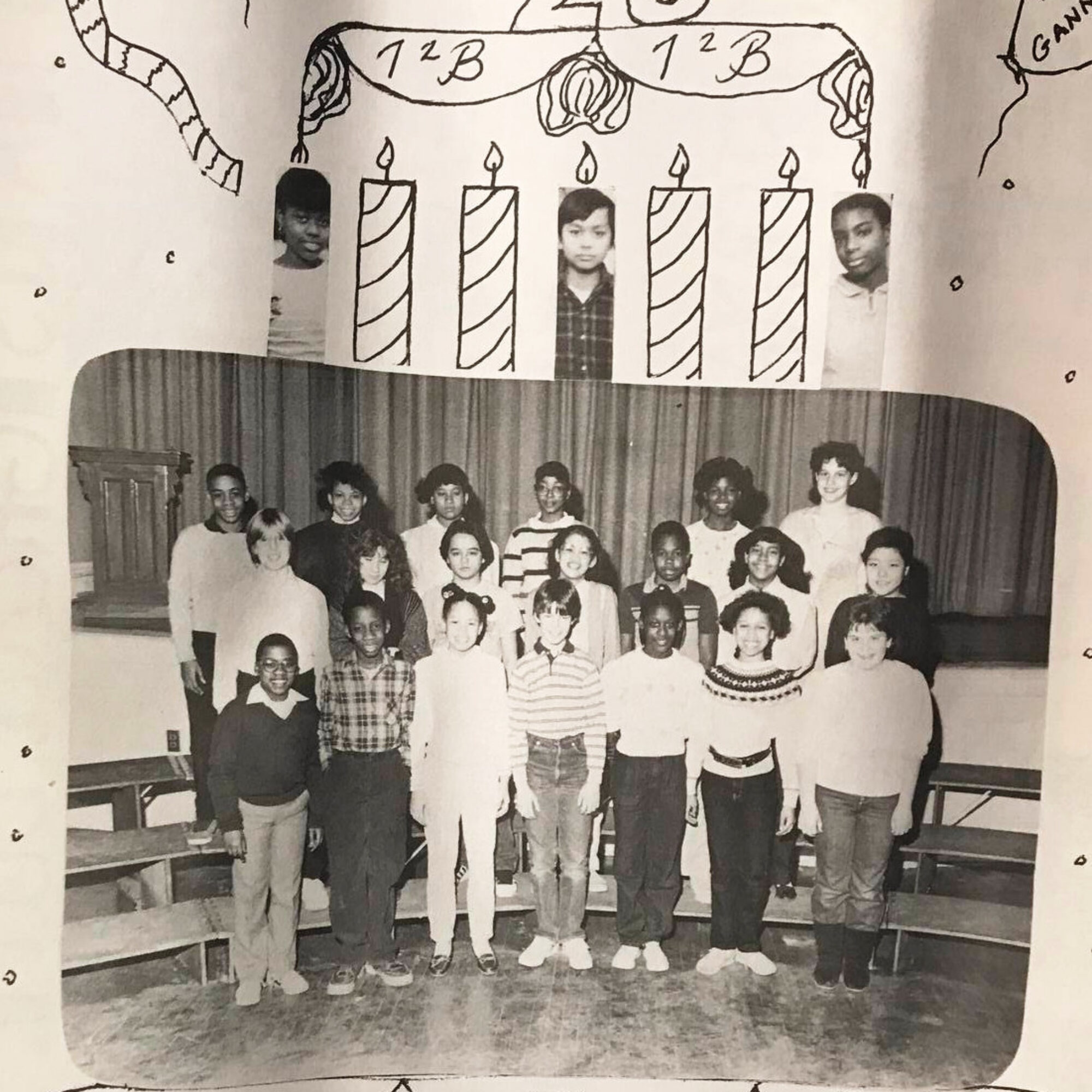
Whom would you call a minority in this picture?

Cleaning out my father's basement, I found my junior high school yearbook. Not really a yearbook, but a book with pictures of each class. Here's my class: Can you tell which one is me? Is it hard to tell? I can't tell you how often people have told me I don't know what it's like to live as a minority. This year wasn't my only such year. Here is the breakdown by sex and skin color. I'm a significant minority in both ways. African-AmericanWhiteAsianTotalPercentMale422835%Female11311565%Total155323Percent65%22%13% Still, I feel like many people will want to lecture me on how I'm not really a minority since . . . and then they'll come up with some explanation based on preconceptions. I think people think that living in Greenwich…

0 Comments

Videos on Superabundance by Tupy and Pooley and False Alarm by Lomborg

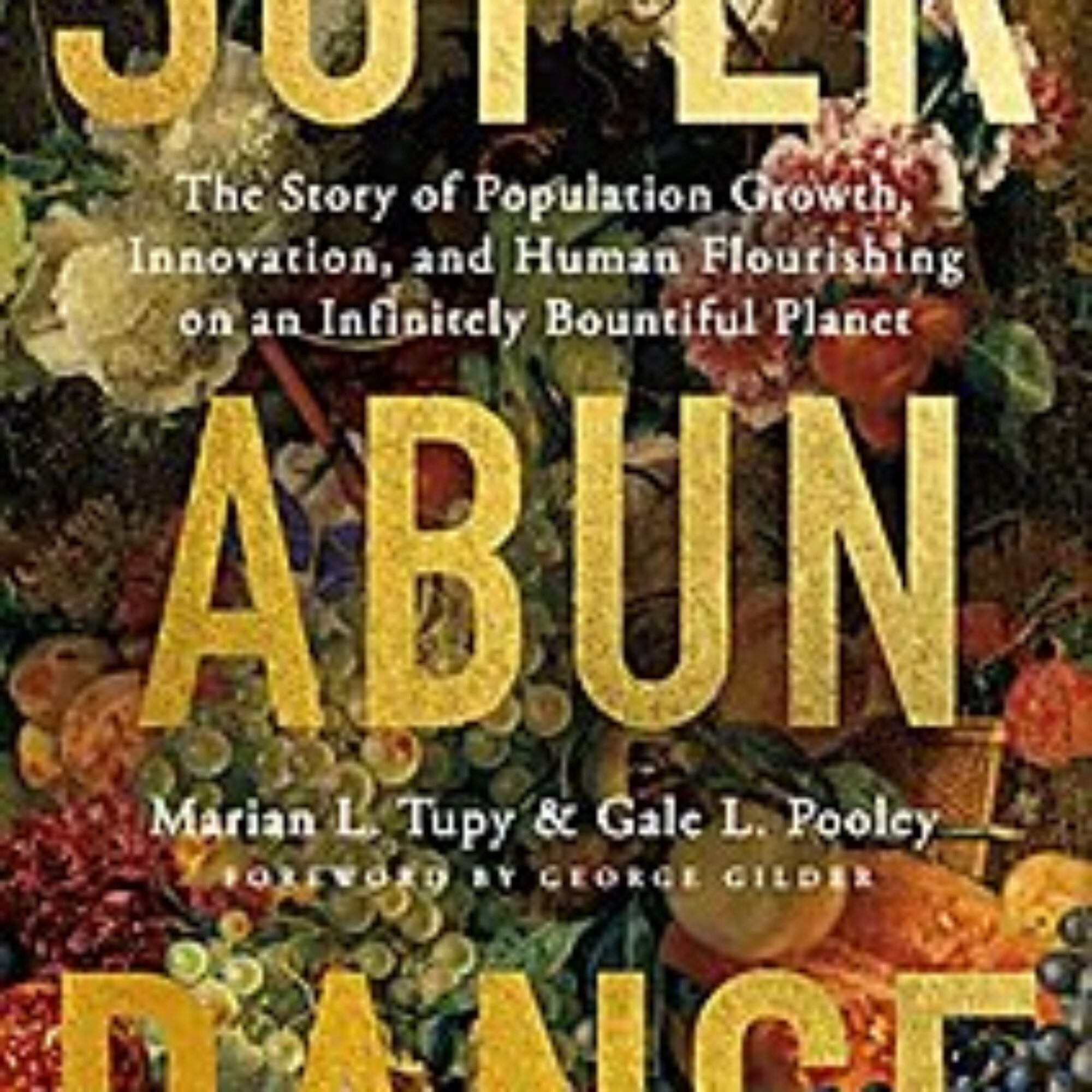
I was reading the introduction to the book Climate Liberalism about classical liberal approaches to environmental problems. A sentence in the opening paragraph said, "The last half century has seen substantial environmental progress as human lifespans have increased, poverty has declined, and Malthusian fears of resource depletion have been dispelled" with a footnote "For a compendium of human progress along these (and other) lines, see Marian L. Tupy and Gale L. Polley, Superabundance: The Story of Population Growth, Innovation, and Human Flourishing on an Infinitely Bountiful Planet (Washington, DC: Cato Institute, 2022)." I hadn't read Superabundance and have several other books before it in the list, but decided to start by watching and listening to talks on it by its authors. Their stuff overlapped with…

0 Comments

We can’t turn off our emotional systems and we all share the same emotions.

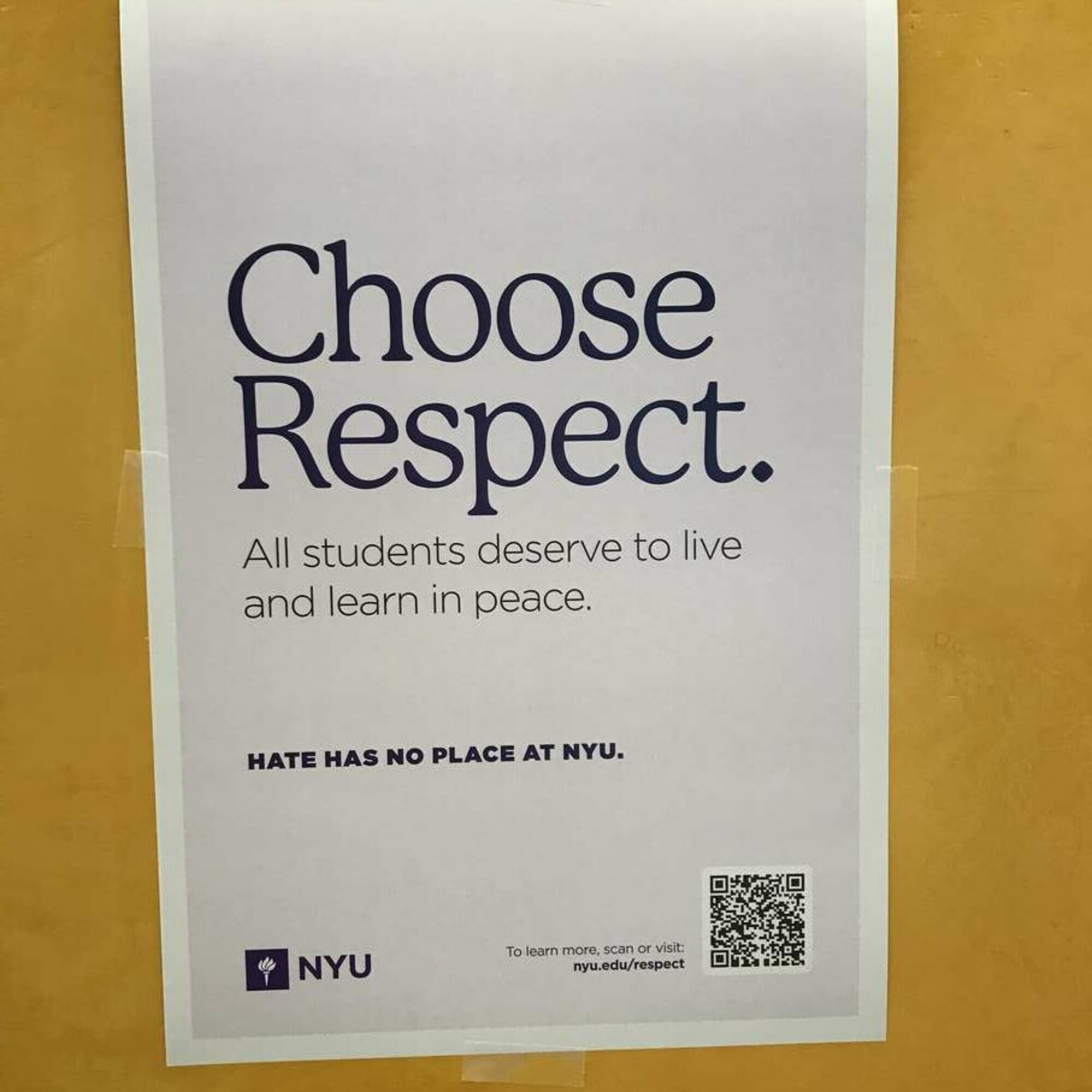
I've held off on writing this post since I think some people may misunderstand me. My goal is to help raise self-awareness. NYU has posted posters like this one all over campus. I think they are mostly responding to the Israel-Hamas situation, though could apply to others. I grew up not learning much about emotions or making myself aware of them. Leadership classes in business school moved me to increase my self-awareness, by which I mean consciously being aware of what emotions I feel in a given moment and how the human emotional system works. I've found improving this self-awareness among my life's greatest improvements. I consider it a big part of maturation. As best I can tell, our emotional systems all share the same…

0 Comments

Diving into Eric Foner Talks

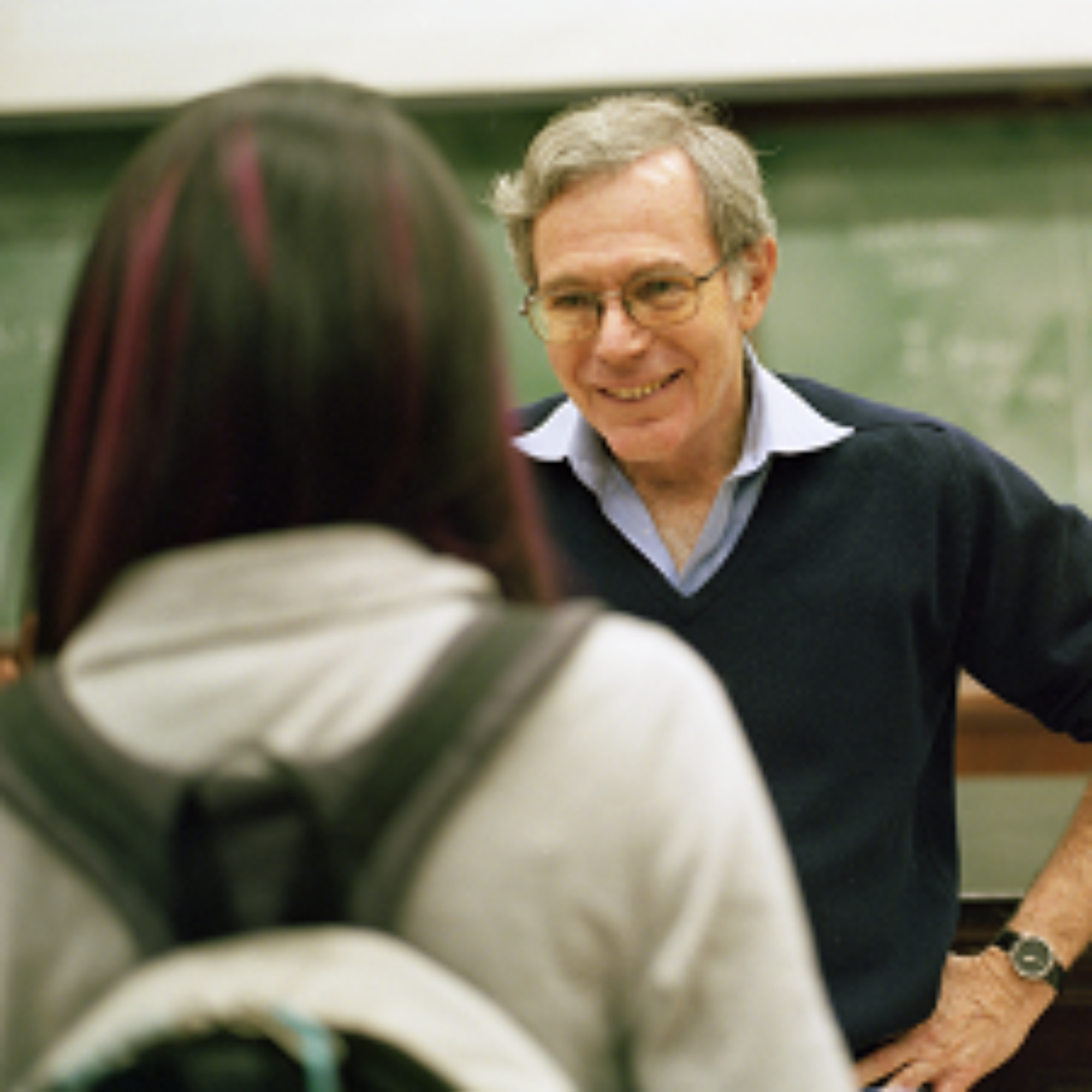
Regular readers know my development of seeing abolitionism as a role model movement for sustainability. My next book, almost finishing the final draft, will show the connection deeper than mere analogy or role model. Readers here and podcast listeners know my conversations with Manisha Sinha, James Oakes, and David Blight and reading their books, and reading Sean Wilentz's book. Connected with them all is Eric Foner. I've met him in person. Since he teaches at Columbia, I had friends who took his courses when I was an undergraduate (technically including Manisha, since I took a class from her too). I'm about to start reading his books. First I dove into his talks and conversations online. If you are American, love freedom, love learning, or any…

0 Comments

My first deep-sea sailing lesson

Long-term readers know I took sailing lessons after extending my year avoiding flying to more and more years, even before realizing I'd never fly again (also before Greta got a ride across the Atlantic, which somehow no one has offered me yet, though I've worked at it for years). My Sailing 101 lessons were in New York harbor, which I followed up by joining a club that allowed me to join skippers for four-hour stints. It cost much less than flying and took less time, but delivered comparable life value. Still, to sail across an ocean, people told me I needed experience on the deep sea, sleeping on a boat, and all that goes with it. I recently took my first open ocean sailing lesson.…

0 Comments

Do you think like a nineteenth century anthropologist?

Sorry, today is a half-finished post. I'm not sure if anyone will read it all, but my main pursuit in it is the persistent myth people knee-jerk fall back on that if we don't pursue technological progress and market growth then we risk reverting to the Stone Age. After reading Atlas Shrugged and trying to learn what her fans like about her philosophy so much, I found an essay she wrote on ecologists. She bought this myth and let out all the stops attacking it. I'm no anthropologist, but her views and this myth seem founded on old imperial and colonial stories more designed to sustain a power structure and make people feel better about hurting other people than based on observation. I start the…

0 Comments

Why so many cars with no mufflers?

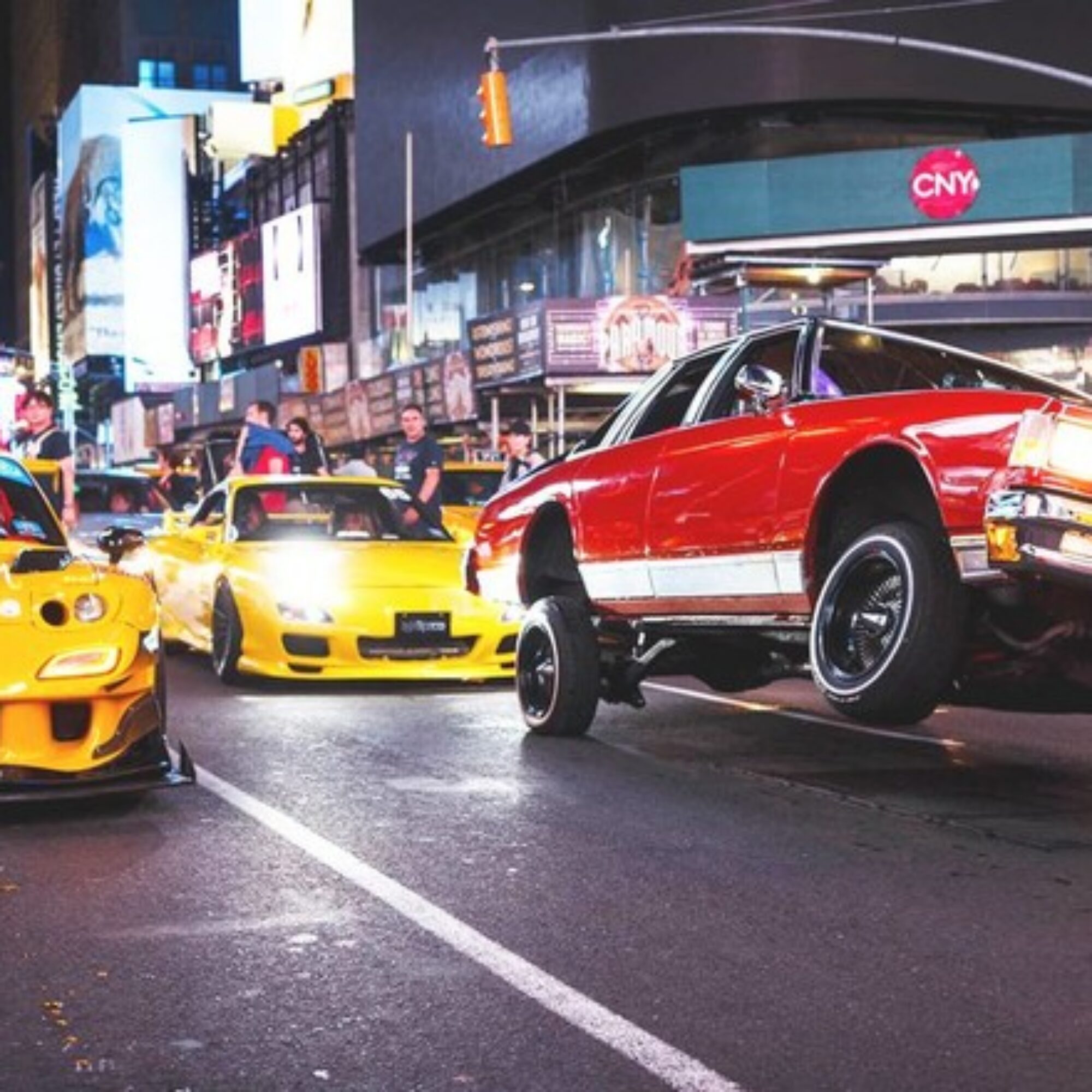
Another evening in Manhattan, meaning more cars going by without mufflers, or with mufflers modified to make a lot of noise. I remember the trend beginning during the pandemic: I guess people modified their mufflers to make random BANG! BANG! noises. I think the trend started or expanded during the pandemic because police stopped enforcing so many laws then. Why unmuffle cars? I doubt they change the car's performance. I think they people doing it would say they do it to make their cars and motorcycles sound like race cars. Just a guess, but I think they do it to show status---that is, to exert dominance by showing they can act with impunity. But why something that bothers people? Why not do something that contributes…

0 Comments
Looking to Silicon Valley, Elon Musk, Bill Gates, Washington DC, or Academia for sustainability solutions is like looking to the Sacklers for opiate addiction solutions
Mandatory Credit: Photo by Toby Talbot/AP/REX/Shutterstock (6220781c) OxyContin pills are arranged for a photo at a pharmacy in Montpelier, Vt. on . Drug overdose deaths rose for the 11th straight year, federal data show, and most of them were accidents involving addictive painkillers despite growing attention to risks from these medicines. As in previous recent years, opioid drugs - which include OxyContin and Vicodin - were the biggest problem, contributing to 3 out of 4 medication overdose deaths Overdose Deaths, Montpelier, USA

Looking to Silicon Valley, Elon Musk, Bill Gates, Washington DC, or Academia for sustainability solutions is like looking to the Sacklers for opiate addiction solutions

The title says it all: Looking to Silicon Valley, Elon Musk, Bill Gates, Washington DC, or Academia for sustainability solutions is like looking to the Sacklers for opiate addiction solutions. The Sacklers know how to increase opiate use. They profit from it. They know how to increase sales. They know how to rationalize and justify addicting and hurting people so they can feel good hurting people. They have convinced themselves that their actions harming people are helping them. Why would they stop? The people and communities in the title relate to polluting, depleting, and, for that matter, addicting as the Sacklers do to addicting. That includes most of (though, not all) the Silicon Valley, Washington DC, academia communities, including Bill Gates and Elon Musk. They…

0 Comments

Another case where people see the problem as a solution, so keep stepping on the gas: Population Growth

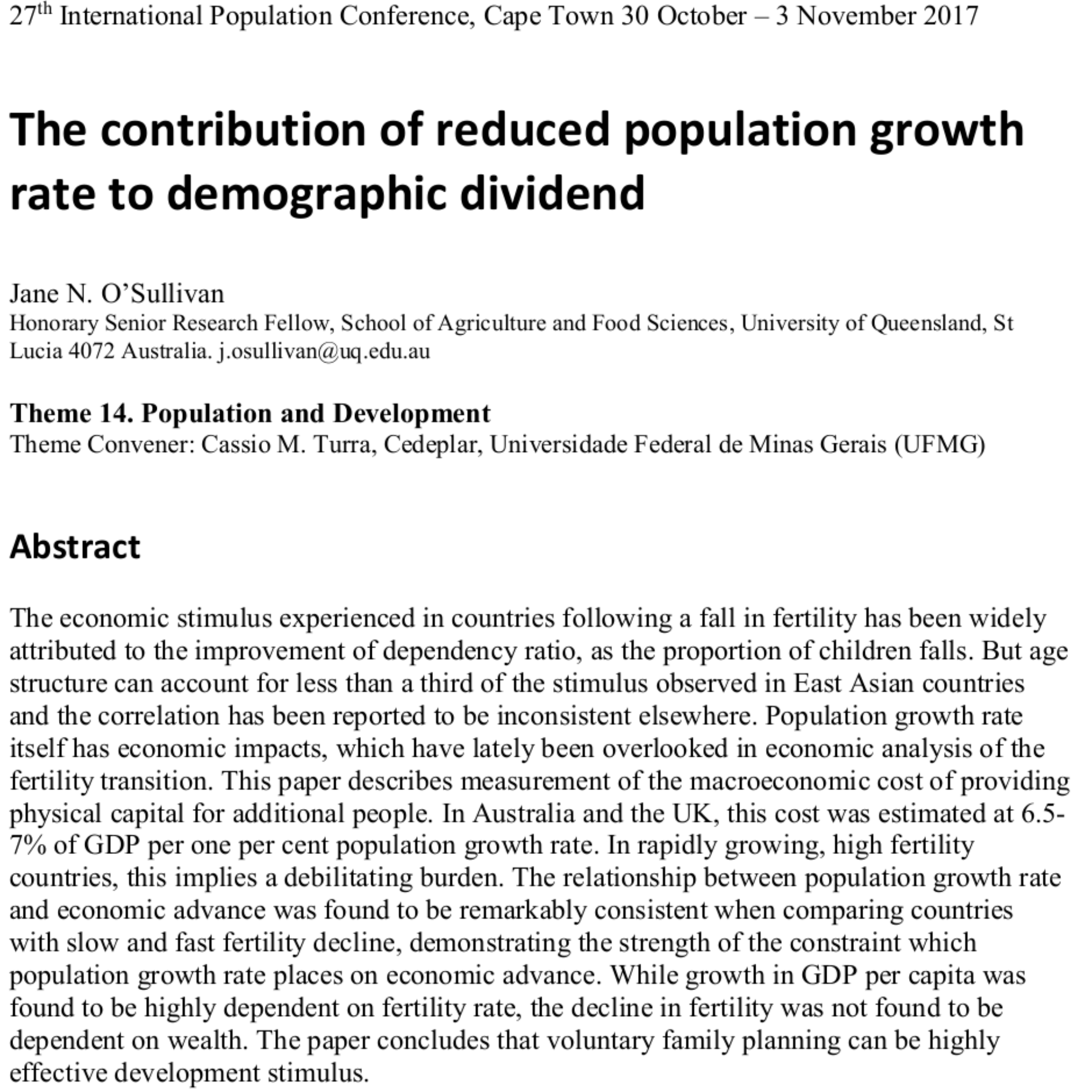
Most times governments intervene in population, they push population growth. Why? Because they believe more people means more workers and consumers, which they believe will create jobs and help everyone. Podcast guest Jane O'Sullivan's 2017 paper "The contribution of reduced population growth rate to demographic dividend" concludes that population growth costs more than it benefits. It requires paying for infrastructure and more. She points out that lowering population growth were "not driven by economic advance but by voluntary family planning programs, and that these transitions generated enormous economic benefits for adopting countries." In other words, we shouldn't be pushing economic growth if we want to stabilize or lower population growth, but deliberate voluntary family planning programs. People did so in the 1970s, but stopped. By…

0 Comments

Teach THIS generation, not the next one

I constantly hear people saying teaching the next generation will solve our environmental problems. They're sloughing their problems onto others, abdicating responsibility. Nobody taught older generations today to wreck the environment. I learned to protect it so presume most others were taught so too. Most people continue wrecking the environment. It didn't work for us. Why should we think it will work for them? I learned "leave it better than you found it." I don't know a single adult who lives this way. If we ever say "leave it better than you found it" anymore, we don't practice it. If we tell, or lecture, children to do what we don't, we're just teaching them to learn "the environment is one of those things grown-ups tell…

0 Comments

Student reviews from teaching Leadership at NYU, spring 2023

I post student reviews of my courses. I post all, no cherry picking. This year, I only received three qualitative reviews for teaching the Senior Seminar in Leadership: Thanks for such an amazing semester - you and your class truly inspired me and gave me a new perspective on leadership and how to lead. --- Just wanted to thank you for this semester and for teaching this class. I believe it is a crucial aspect that lacks in today’s society. I felt inspired throughout the semester and above all with your story. I’m sure you already noticed I am pretty enthusiast of entrepreneurship and I respect those who risk it all for it. When you explained your story I couldn’t believe it. There were no…

0 Comments

Finished the first draft of my next book, on sustainability leadership, this afternoon

I finished the first draft of my next book, on sustainability leadership, this afternoon. I'm relieved, exhilarated, scared, worried, and many other emotions. For the first time, I skimmed through it. It's rough. I feel like it's too long, too short, too comprehensive, not comprehensive enough, and many other problems. Still, I know how much editing improves. I think it covers the main experiences, lessons, views, and ways forward I see, I believe uniquely among people working on leading on sustainability. I like the composition, but it's hard to see it from another's perspective, at least this soon after working on details. I'm chomping at the bit to bring to the world my message of how to live and lead others to living joyfully sustainably,…

0 Comments

Profiled for Earth Day by my school: Columbia College Today

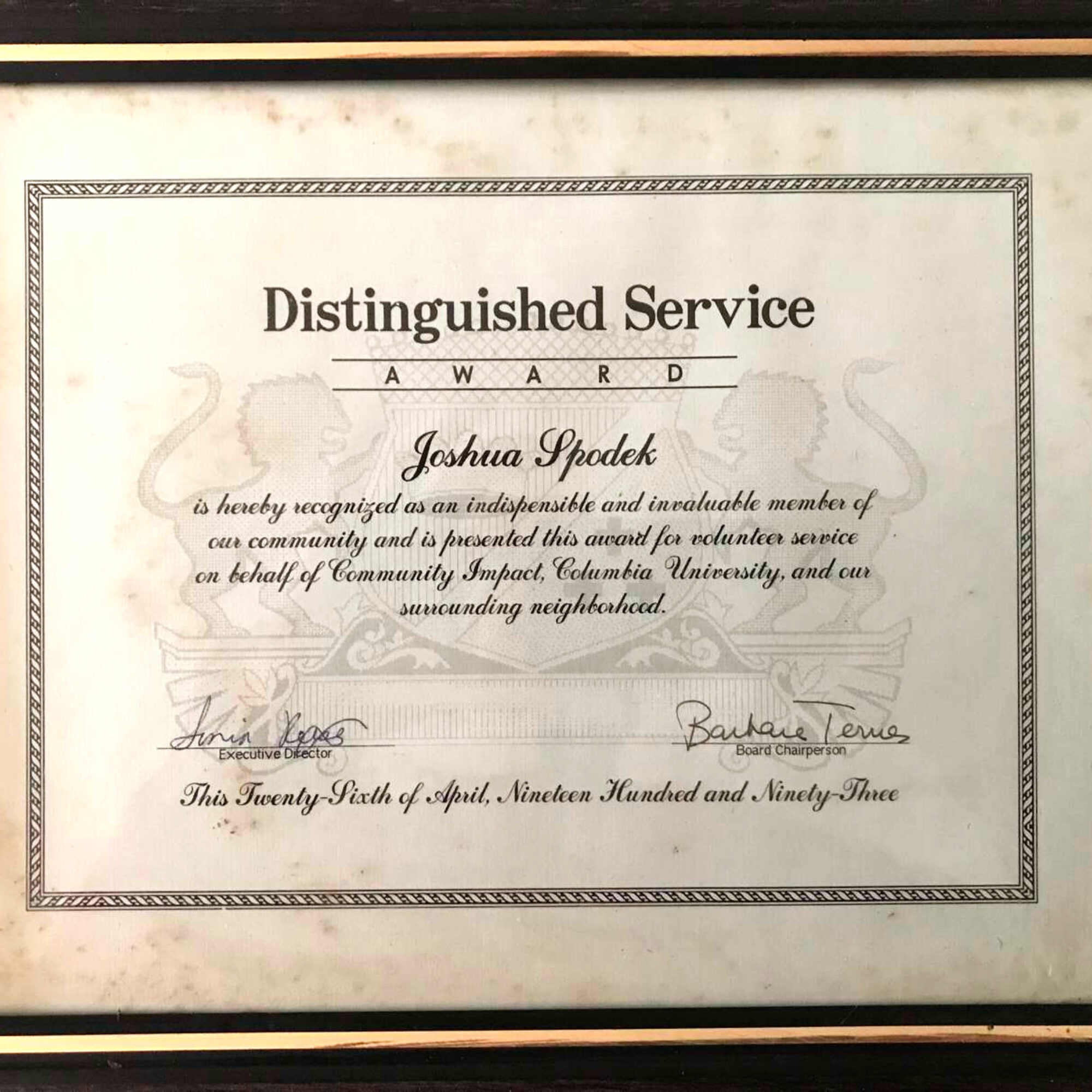
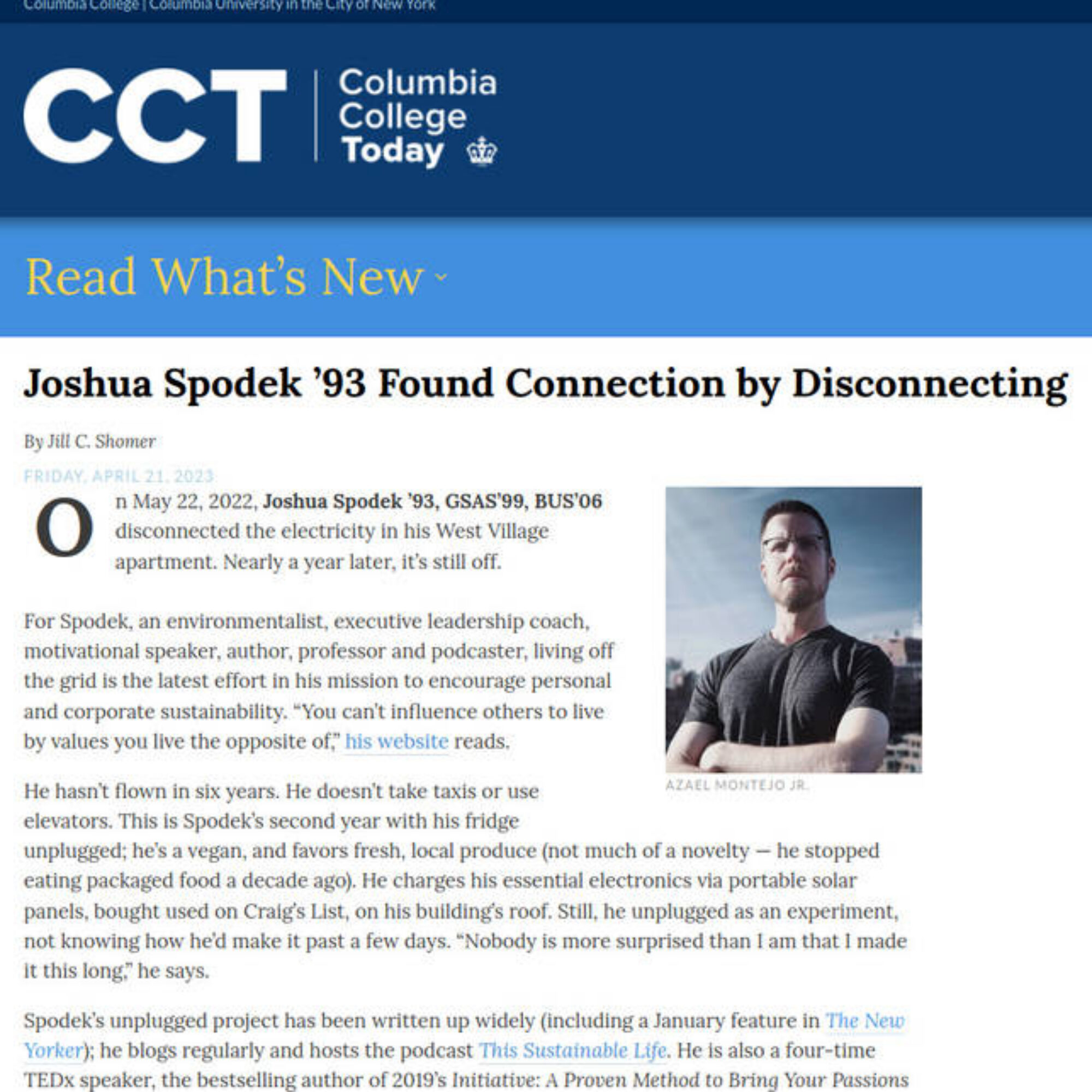
My college magazine profiled me: Joshua Spodek ’93 Found Connection by Disconnecting. The piece begins: On May 22, 2022, Joshua Spodek ’93, GSAS’99, BUS’06 disconnected the electricity in his West Village apartment. Nearly a year later, it’s still off. For Spodek, an environmentalist, executive leadership coach, motivational speaker, author, professor and podcaster, living off the grid is the latest effort in his mission to encourage personal and corporate sustainability. “You can’t influence others to live by values you live the opposite of,” his website reads. Click to read the rest.

0 Comments

Hear Me Again on America Out Loud: Living the Simple Life Off the Grid With Josh Spodek

Rob and Andrew, hosts of America Out Loud's radio show and podcast After Dark, hosted me. I've been on their podcast and they've been on mine. I think I can safely say we've become friends across political divides, exactly the sort that everyone annoyed by today's polarization. The episode is titled Living the Simple Life Off the Grid With Josh Spodek. Here's the audio: We spoke about My disconnecting my apartment from the electrical grid in Manhattan for nearly a year so far The sustainability leadership workshop (also called a mastermind group) my team has started Leadership in general, how to learn to lead, and the characteristics of a leader Several issue in astrophysics and astronomy, including billionaires launch rockets to other planets Here are…

0 Comments

Teaching children sustainability

I hear people talking about teaching children. I've been researching resources on teaching kids sustainability. I can't find any that look like people who learned to live sustainably created them. I don't hear as much about teaching adults, in this case, their teachers. Want to teach children sustainability? If their teachers don't practice living sustainably themselves, it will be like people who don't know piano trying to teach how to play piano: lots of advice that may sound good, but if it doesn't lead the teacher to act, it likely won't teach the children. Lead teachers to live and act sustainably if you want children to live and act sustainably. If you don't live and act sustainably, how do you expect to lead teachers to?…

0 Comments

Questions about litter, following my thirtieth college reunion

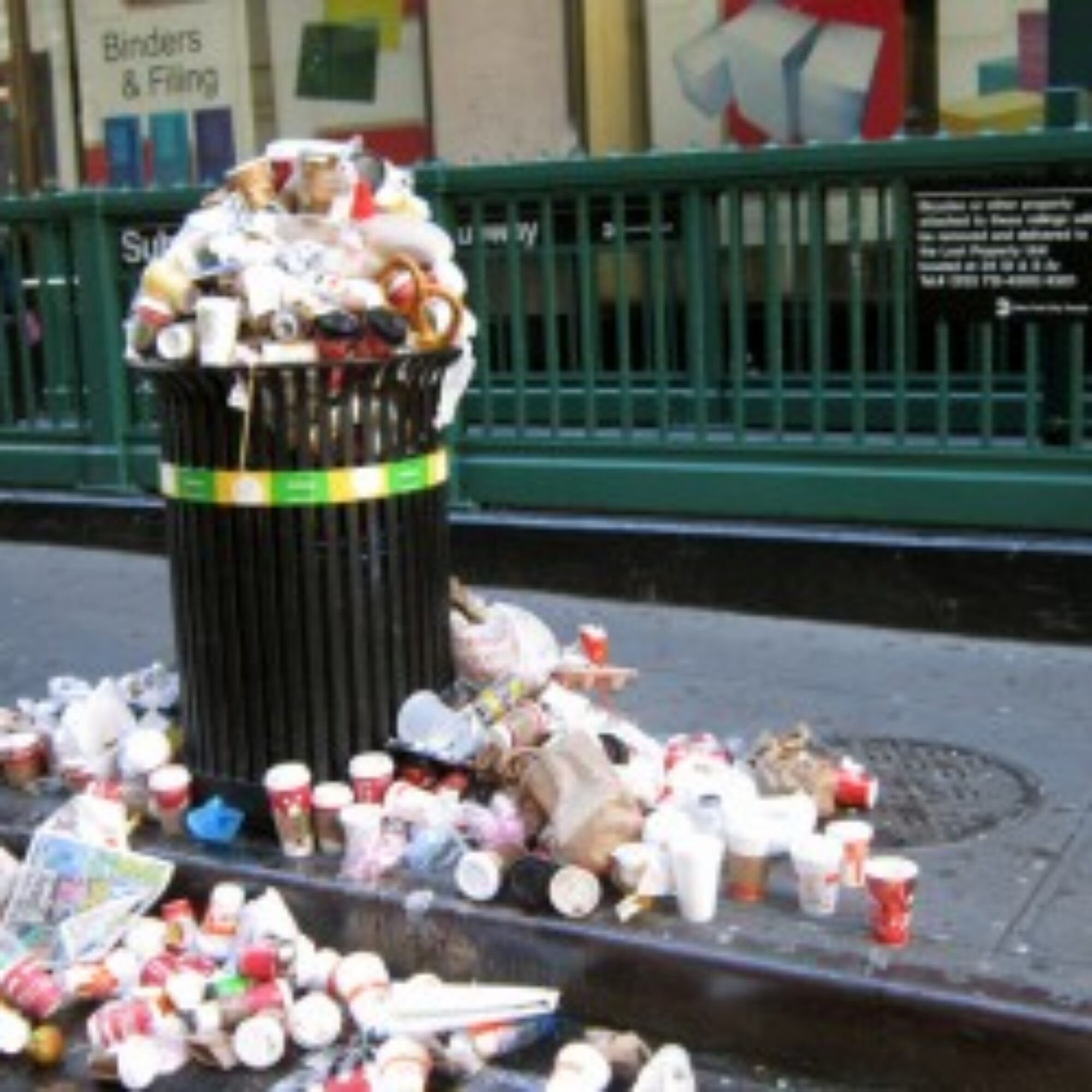
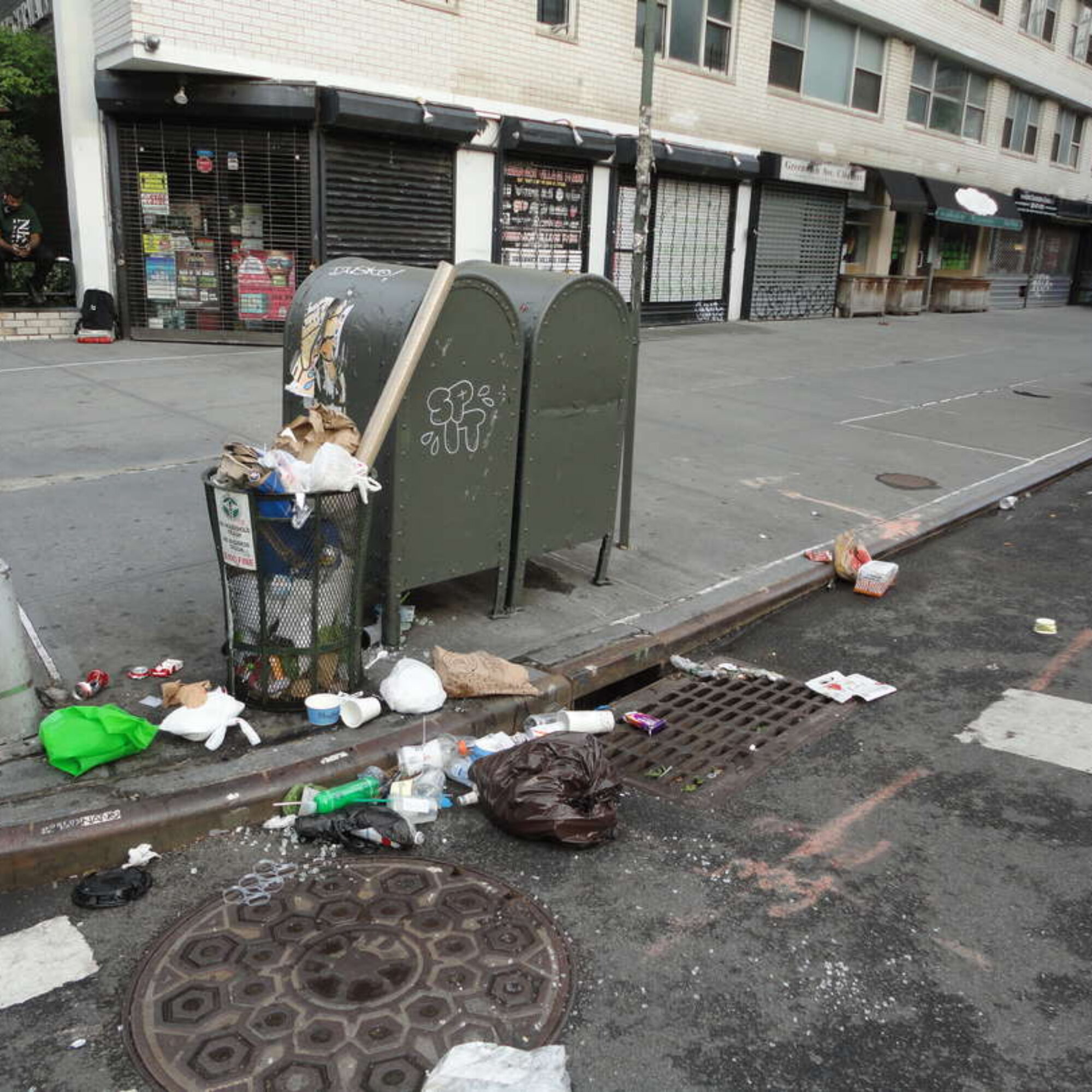
I went to my thirty-year college reunion over the weekend. I was surprised to find it didn't affect me as much as reunions used to. After the big dinner, I walked south on Broadway to 96th Street. I felt like walking (the food was greasy and I had a few drinks so wanted to burn the empty calories). I used to walk those blocks every day. I felt sad at how they've become covered with litter. A few simple questions, I pose rhetorically, but am curious how people would answer: Why doesn't everyone pick up at least a few pieces a day? How can everyone not cry or at least reach the verge of tears every day to see it? How can people pass it…

0 Comments

The Pennsylvania Historical Commission’s odd blunder on the history of slavery

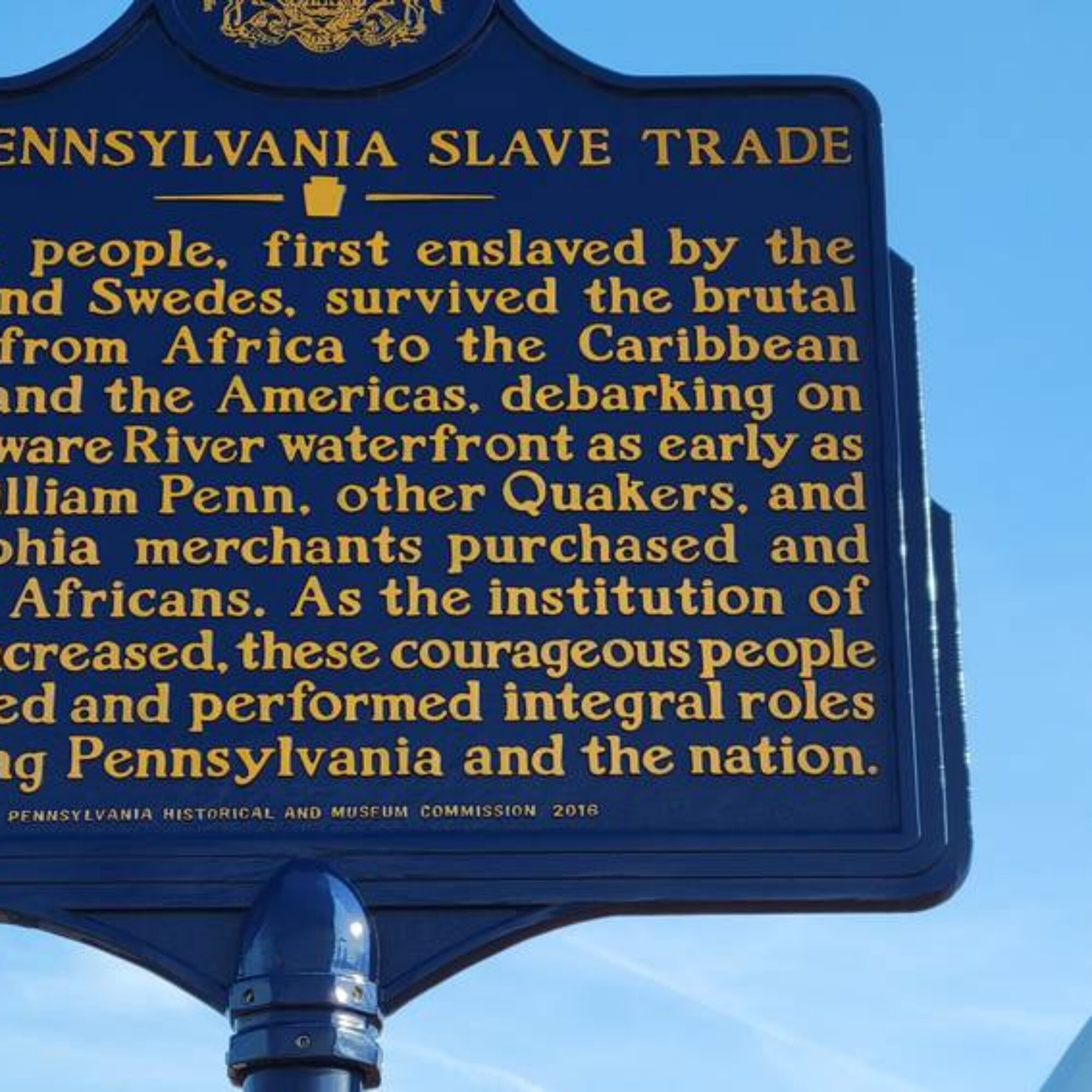
Look at the start of this sign I saw at Penn's Landing after my fundraising bike ride: "African people, first enslaved by the Dutch and Swedes, . . . ". Is there some way to read that sentence that reflects history? Slavery has existed in many cultures since before Holland and Sweden existed, including Africa. Quoting Wikipedia's Slavery in Africa page, slavery in Africa predates the existence of Holland and Sweden by millennia. Slavery in northern Africa dates back to ancient Egypt. The New Kingdom (1558–1080 BC) brought in large numbers of slaves as prisoners of war up the Nile valley and used them for domestic and supervised labour.[53][54] Ptolemaic Egypt (305 BC–30 BC) used both land and sea routes to bring slaves in.[55][56]Chattel slavery…

3 Comments

Everyone is avoiding what’s hard on the environment in favor of what’s easy even when effective.

You know when you have an important job, how you often clean your room or do some other busy work instead of taking on the challenges? That's what we're doing on the environment. Here are some examples. Hard problem 1: Teaching about nature Everyone talks about teaching more science in school, especially environmental. Teaching children science avoids the serious problem: adults who don't understand about nature, cause and effect, observation, experiment, and what makes up science. People avoid teaching adult decision-makers science or what would help more (since the science overwhelmingly teaches us we have to act to sustain Earth's ability to sustain life): leadership. Kids don't run companies, vote, hold office, or influence organizations or society. I don't condemn teaching kids science, but it…

0 Comments

Where I grew up, “a national model of racial integration”: Mount Airy, Philadelphia

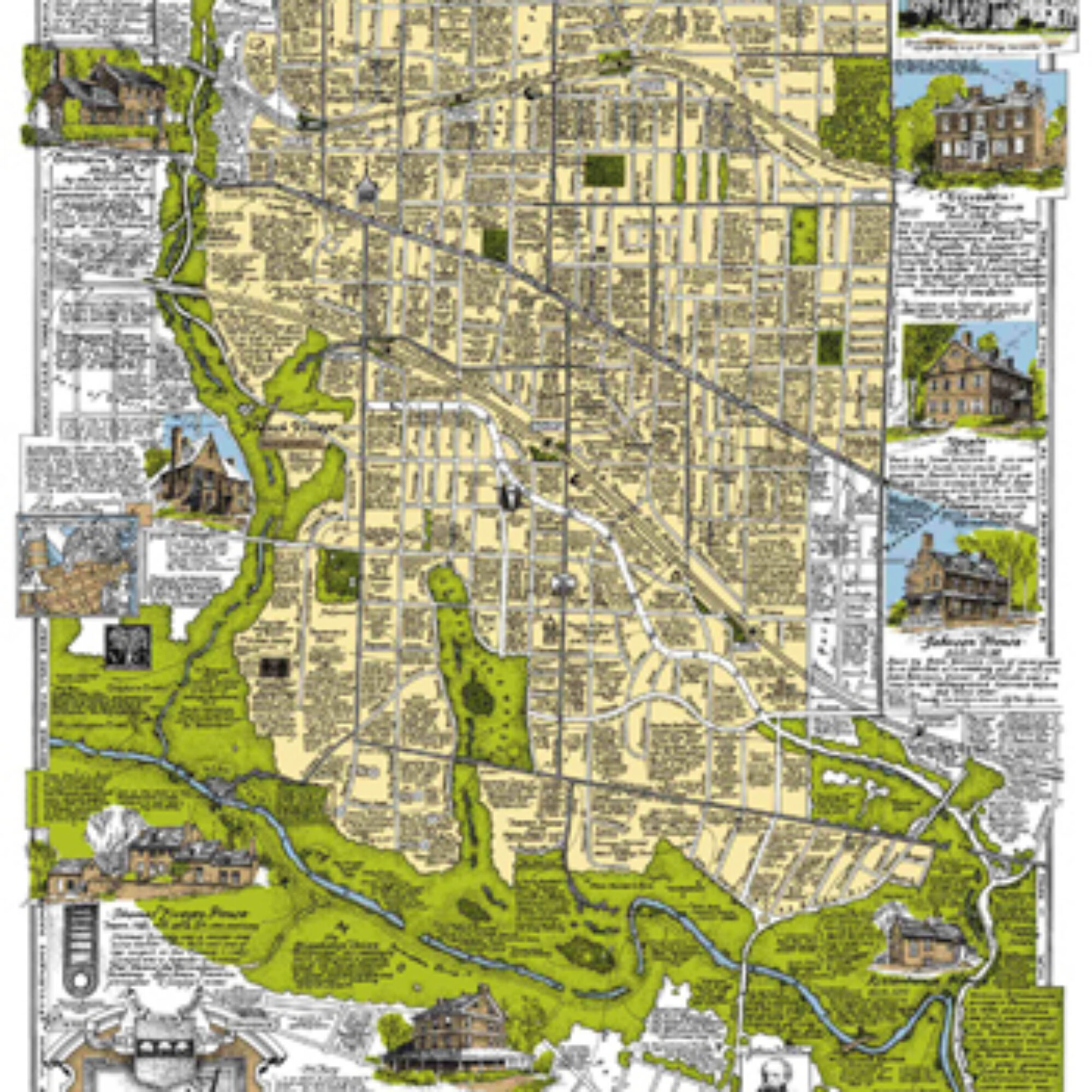
I found an article in the Philadelphia Encyclopedia about Mount Airy, where I grew up, "a national model of racial integration, " created through generations of conscious, deliberate work by residents, against opposing trends the article describes below, including white realtors trying to redline and black leaders trying to protect "blackness." My mom, dad, and stepfather participated in several institutions promoting Mount Airy's values mentioned in the article, especially West Mount Airy Neighbors and Weavers Way co-op. I wonder how much it caused my views to differ from the average American's. It's outside of my experience to grow up any place else. At my junior high school and high school, my skin color was underrepresented. How much do people assume I grew up in an…

0 Comments

Join guest J.B. MacKinnon and the Sierra Club for a webinar, April 13: Climate Change and the Military/Industrial/Consumerist Complex

Climate Change and the Military/Industrial/Consumerist Complex I received this invitation from a friend who helps lead the local Sierra Club chapter who didn't know J. B. was a guest on This Sustainable Life and that I loved his work. I registered and hope to see you there. Scroll to the bottom of this post to see the video essays I did about his book The Once and Future World. I also recommend 100-Mile Diet and The Day the World Stops Shopping. Here's the invitation: Can technology really rescue us from environmental destruction? Can the goal of a forever-growing economy really benefit all? Might we (especially in the US) need to change our culture, our lifestyle, and our value system? Come explore the complexities with our…

0 Comments

Rhythmic beauty about the stars, Sun, Moon, and Earth I bet you’ve never noticed

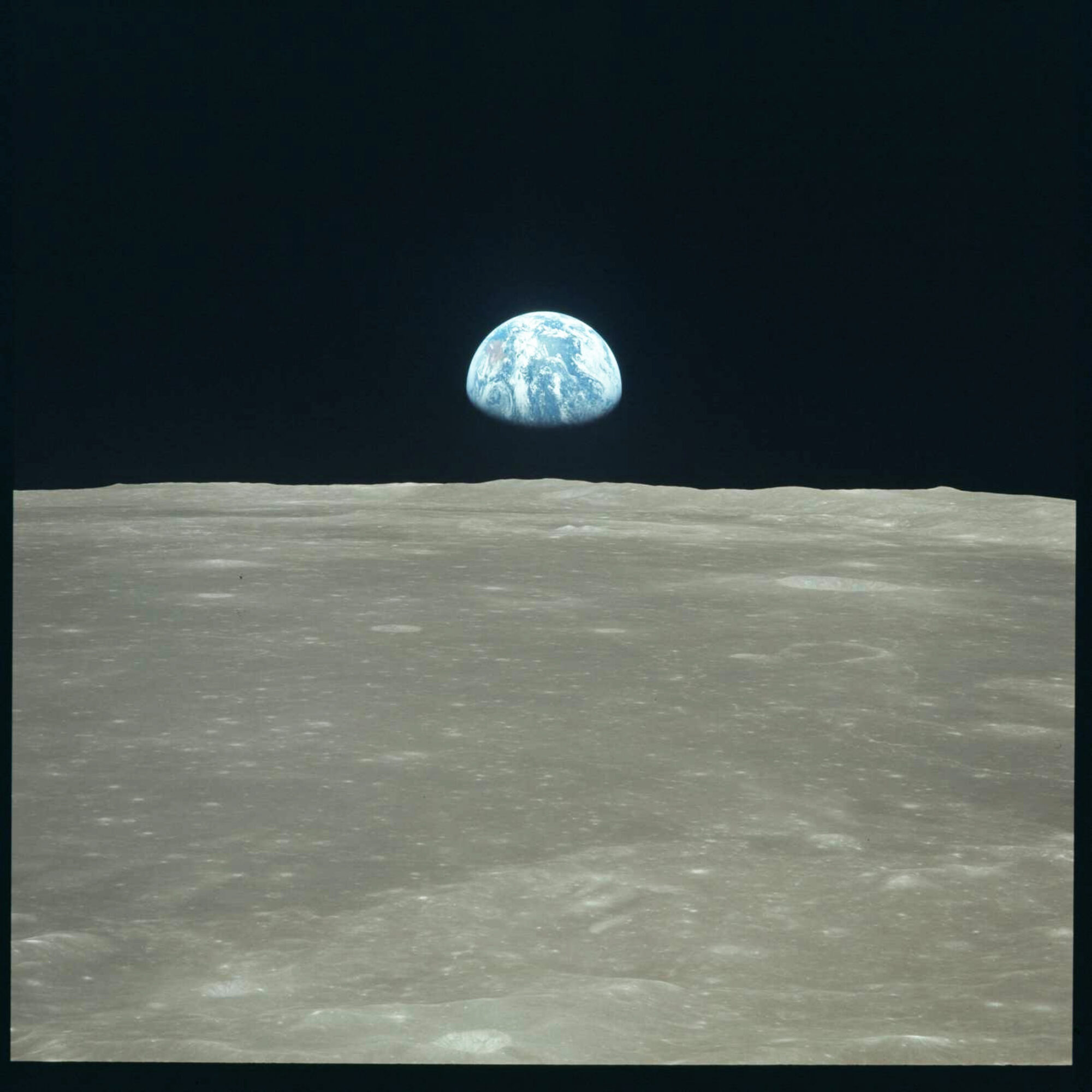
You probably learned that the Earth wasn't flat, nor at the center of the universe, and figured you knew the right answers for why everything seemed to rotate around it: the stars, sun, and moon. If Earth was at the center and the stars, sun, and moon rotated around it, it would like like it does. That model explains what we see simply. So why do they look that way? Did you realize there are different reasons for each? The stars look like they rotate around the Earth because the Earth rotates on its axis. The sun looks like it rotates around the Earth partly because the Earth rotates on its axis, but also because the Earth orbits the sun, so we see it rotate…

0 Comments

The point of democracy, in my opinion

The point of democracy is not to win, but to recognize we all disagree on some things, so to figure out how to live together despite the differences. Is this view obvious to everyone and too obvious to say? I don't think it's deep, but I don't remember hearing it said, not that I'd look for it. I can also imagine not many people not having thought this thought. I think many people would agree with it in principle but act differently.

2 Comments

Advice to a young adult in 2021

A father in one of my online communities asked people for what advice they'd give to a twelve-year-old. I'm not a father and haven't been twelve since the 1980s, so I don't know how appropriate for that age, but here was my answer: Not knowing the kid (barely knowing myself), I can only guess at his interests and situation, but here's what I would want someone to tell me if I were becoming an adult today. If not appropriate for twelve years old, well, I haven't been that age in a while so don't mind if you filter it. I recognize it may rub some the wrong way. We're all unique. These are not normal times. Despite nearly every message you'll hear from the mainstream,…

0 Comments

My second Bronx cooking workshop to fill in food deserts, in one of New York City’s most beautiful spots

Sunday I went to the Bronx to lead another workshop in making my famous no-packaging vegan stews. I can't stand food deserts and believe sharing how to cook delicious healthy food cheap and fast will help create demand for farmers markets. My last Bronx workshop was my last public performance before the pandemic. I ended up discovering what I now consider one of New York City's most beautiful spots: Drew Gardens. It's along the Bronx River and almost another world, filled with trees and edible plants planted by locals in big planting beds. The people taking care of the place love the space. Here's a video on the gardens and an article, though you have to visit in person for the full experience. About a…

0 Comments

2021 Nobel Prize in Physics: Climate Science and my response

Press release: The Nobel Prize in Physics 2021: 5 October 2021 The Royal Swedish Academy of Sciences has decided to award the Nobel Prize in Physics 2021 "for groundbreaking contributions to our understanding of complex physical systems" with one half jointly to Syukuro ManabePrinceton University, USA Klaus HasselmannMax Planck Institute for Meteorology, Hamburg, Germany "for the physical modelling of Earth's climate, quantifying variability and reliably predicting global warming" and the other half to Giorgio ParisiSapienza University of Rome, Italy "for the discovery of the interplay of disorder and fluctuations in physical systems from atomic to planetary scales" My response The climate and environment are critically important, as everyone knows from daily front page disasters that will increase. I have a PhD in physics and have…

0 Comments

End of content

No more pages to load