Leadership


Environmental inaction and selfishness, Environmental action and selflessness

I've spoken to a lot of people about environmental action and inaction. While I haven't done double-blind randomized controlled experiments, I have seen one broad trend: People who act on their environmental values do so for others. People who don't act on their environmental values do so for themselves. Action Typical reasons people give for acting include: "I want to leave the world better than I found it," "Other people breathe that air," "This beautiful world is a gift and it's my responsibility to steward it for others," and "I want the next generation to have as clean and pure a world as we did." Inaction Typical reasons people give for keeping doing what they're doing include: "I don't have time," "It's not a priority…

0 Comments

Leaders: Seek This Outcome From Your Followers

Leaders: Seek This Outcome From Your Followers This simple feedback from your followers can tell you how you're leading. By Joshua SpodekAuthor, 'Leadership Step by Step' @spodek One of the great joys and tragedies of leadership is that you'll never exactly how well you led. An engineer can take a test. A baseball player can look at his stats. But leaders have no objective measure. Is that frustrating? It gets more difficult. What few measures we have rely on other people, whose thoughts we can never know. If they say something nice, we'll never know if they meant it or are sparing our feelings. You are the only person you can't see from another person's perspective, yet their perspectives matter in leadership, not yours. How well you think…

0 Comments
A Nobel Peace Prize winner, a couple Greatest of All Time candidates, Olympic medalists, An Americas Cup winner, bestsellers. . . I’m the weak link!
The Leadership and the Environment podcast

A Nobel Peace Prize winner, a couple Greatest of All Time candidates, Olympic medalists, An Americas Cup winner, bestsellers. . . I’m the weak link!

In an under two-week period this month, pursuing influential people for the podcast, I met one of the greatest golfers of all time, Gary Player, at the Gary Player Invitational golf tournament, along with a few other greats and Michael Douglas. I actually shared a golf cart with Mr. Player. I'm scheduled to record a conversation with him for the podcast. I met a Nobel Peace Prize winner and invited her to be a guest. She shared her email and I'm emailing her about it. Bestseller Eric Schlosser introduced her. I invited him to be a guest. He shared his email and I'm emailing him about it. I met Dawn Riley---the first woman ever to manage an entire America's Cup syndicate and the first American,…

0 Comments

Why I’m not waiting for the government to act on the environment

Social and cultural change generally start from outside government. Government nearly always follows. Mandela, Gandhi, King, Havel, etc all started outside government. I'd love to see government lead, but the most effective thing for anyone who wants government to act to do is to act first. That's why I'm acting, or one of the reasons. When enough other people see the pattern, they'll stop blaming others' inaction and act themselves. Then politicians will see where the votes are going. I'm pretty sure Gandhi had situations like this in mind when he suggested to be the chance you wanted to see. The more you live by your values the better your life, even if others aren't doing it. No amount of material pleasure can make up…

0 Comments

“Punch A Nazi”? You couldn’t help them more.

There's a phrase out there "Punch a Nazi." Here's a video of someone acting on it. What effect do you think it has on people who agree with the guy being punched? Or people attracted by his message? I submit that punching the guy overall advanced his cause. When I search "Punch a Nazi," the top results ask the ethics and morality of doing it. Talk about ethics, morality, and judgment are guaranteed to generate clicks. Don't you want to click these headlines? The 'punch a Nazi' meme: what are the ethics of punching Nazis? Yes, It is always OK to punch a Nazi Is It OK to Punch a Nazi in the Face? Leading Ethicists Weigh In: 'No' Great for the web site and…

3 Comments
Student reviews of my leadership course, summer 2018
A student review for my leadership course

Student reviews of my leadership course, summer 2018

Last summer, I taught a short version of my course to working professionals. I taught it through NYU, though it's one of the courses I teach independently online and in corporations. It overlaps with my coaching for leadership clients. Here are the student reviews---as usual, all of them, no cherry-picking. Summer 2018 leadership student reviews Yes, I would definitely recommend this course to others. The combination of interactive classes, consistent feedback loop, historical examples, and in-person troubleshooting made it a very productive use of a mere 12 hours. I will definitely use these techniques in the future both at work and in my personal life. I would describe it as a course that teaches you relationship management skills in a unique way that provides you…

2 Comments
What Personal Leadership Takes
Marquis Flowers in Inc on personal leadership

What Personal Leadership Takes

Which is more common--an athlete becoming a business or political leader, or a political figure becoming an athlete? Many athletes and become leaders in business, politics, and so on, but the reverse never happens. The difference tells me that sports teaches skills useful and essential to leadership. I had the honor of interviewing Marquis Flowers of the New England Patriots for the Leadership and the Environment podcast. His vulnerability and raw emotion revealed what athletes learn through their struggles, what no school, TED talk, book, or magazine can teach. Only experience borne of competition can. You know Marquis from the highlight reels of last year's Super Bowl: Plays like that on a global stage are why people struggle to reach that point. You may not have known Marquis's struggle to reach the pinnacle of the game. Our conversation on…

0 Comments
086: Awareness means nothing. Or less.
The Leadership and the Environment podcast

086: Awareness means nothing. Or less.

Neither the environment nor your life responds to your awareness. They respond to your behavior. People who speak the truth say, "I'm telling the truth." People who lie say the same thing. People who are aware say they are aware. People who are unaware say the same thing too. Only we're all unaware of what we're unaware of. Saying we're aware only reveals our ignorance of our unawareness. That's pride. If you want to improve the environment or your life, claiming awareness may sound like progress and may get you social approval, but in more cases it stops people from acting. What works? Humility. Viewing action as skills that you develop and practice. How do you develop skills? Practice, practice, practice. The results? Greatness, authenticity,…

0 Comments

Handling Trigger Warnings, Microaggressions, Safe Spaces, and Other Outrages

Handling Trigger Warnings, Microaggressions, Safe Spaces, and Other Outrages Jonathan Haidt and Greg Lukianoff's new book, The Coddling of the American Mind, takes on offense and outrage with calm resolve and effective insight Jonathan Haidt's latest book, released today, The Coddling of the American Mind: How Good Intentions and Bad Ideas Are Setting Up a Generation for Failure, coauthored by Greg Lukianoff, takes on one of the issues of our time—public discourse, especially in higher education—expanding on their widely discussed Atlantic article of the same name. Whether leading a small team, a company, a nation, a family, or oneself, research shows that input from diverse views improves decisions and outcomes—if you have the skills to solicit and use it. On a personal level, Haidt's advice…

0 Comments

Join the 1L1P movement

#1L1P Kevin Huhn contacted me because our spheres overlapped. We got to talking about acting on one's values even when nobody is around---that is, integrity---which acting on your environmental values teaches. I shared with him my new initiative to promote picking up 1 piece of litter (or producing 1 less) per day and inviting 1 other person to join the initiative too. I shortened 1 litter 1 person to the hashtag #1L1P. So to join, just pick up one piece of litter per day, enlist one other person to do the same, and post a picture with #1L1P, and the movement can grow. I recommend starting for a month, which means picking up 30 pieces of litter and enlisting 30 people, who will then start…

0 Comments

How to beat Trump

Seeing as he faces no competition yet, it's not too early to figure out how to win in the next election. I already wrote in How to get votes for Donald Trump my simple rule that if you follow it, you'll create votes for Trump: Every time you call someone sexist, racist, xenophobic, privileged, islamophobic, mansplaining, manspreading, narcissistic, or the like, you create a new vote for Trump. including the note for those who think, "But that person is sexist!" or racist or whatever, that I'm not commenting on your rightness or wrongnesss. I'm commenting on why people vote. Our constitution doesn't say people have to vote based on your reasons but for what reasons they want. I included the extreme version of the rule:…

0 Comments

Meaningful Connection in other languages

My Meaningful Connection exercise is one of my most popular and effective (they're all effective) from corporate speaking, one-to-one coaching, teaching, my personal practice, and my book. Since I have non-native English speakers in nearly every audience, I've decided to ask some to translate the script into various languages. My leadership class this summer afforded my first two translations. If you can help with others, please let me know. I'd love to feature your work. German Frage was sie neben Beruf und Familie gerne machen. Ich empfehle, "Was ist Deine/Ihre Leidenschaft?" oder "Was sind Deine/Ihre Interessen?" Sie werden erst noch etwas Gewöhnliches antworten: Reisen, Bücher, Essen, usw. Sage "Cool..., ich kenne jemanden den Du kennst der X aus diesem Grund macht und ich kenne jemand anderen,…

0 Comments
Hear me on Kevin Kruse’s Leadx podcast: “This Leader Only Produces One Bag Of Trash Per Year”
Kevin Kruse's annual top 100 leadership speakers in Inc

Hear me on Kevin Kruse’s Leadx podcast: “This Leader Only Produces One Bag Of Trash Per Year”

I met Kevin Kruse through his annual top 100 leadership speakers in Inc., which included 15 or 20 guests of my podcast, podcasters who have hosted me, and people who have been over for dinner. Kevin is also from Philadelphia so we got to know each other and today, I appear on his podcast. Listen to the conversation. Listen to the conversation. From the notes: Joshua Spodek is an Adjunct Professor at NYU, columnist at Inc., and host of the Leadership and the Environment podcast. He has 5 Ivy-League degrees, including a PhD in astrophysics. His new book is Leadership Step by Step: Become the Person Others Follow. Resources: https://joshuaspodek.com — Website https://joshuaspodek.com/podcast —Leadership and the Environment Podcast @spodek — Twitter Buy his book, Leadership Step by Step: Become the Person Others…

0 Comments

Environmental leadership resources

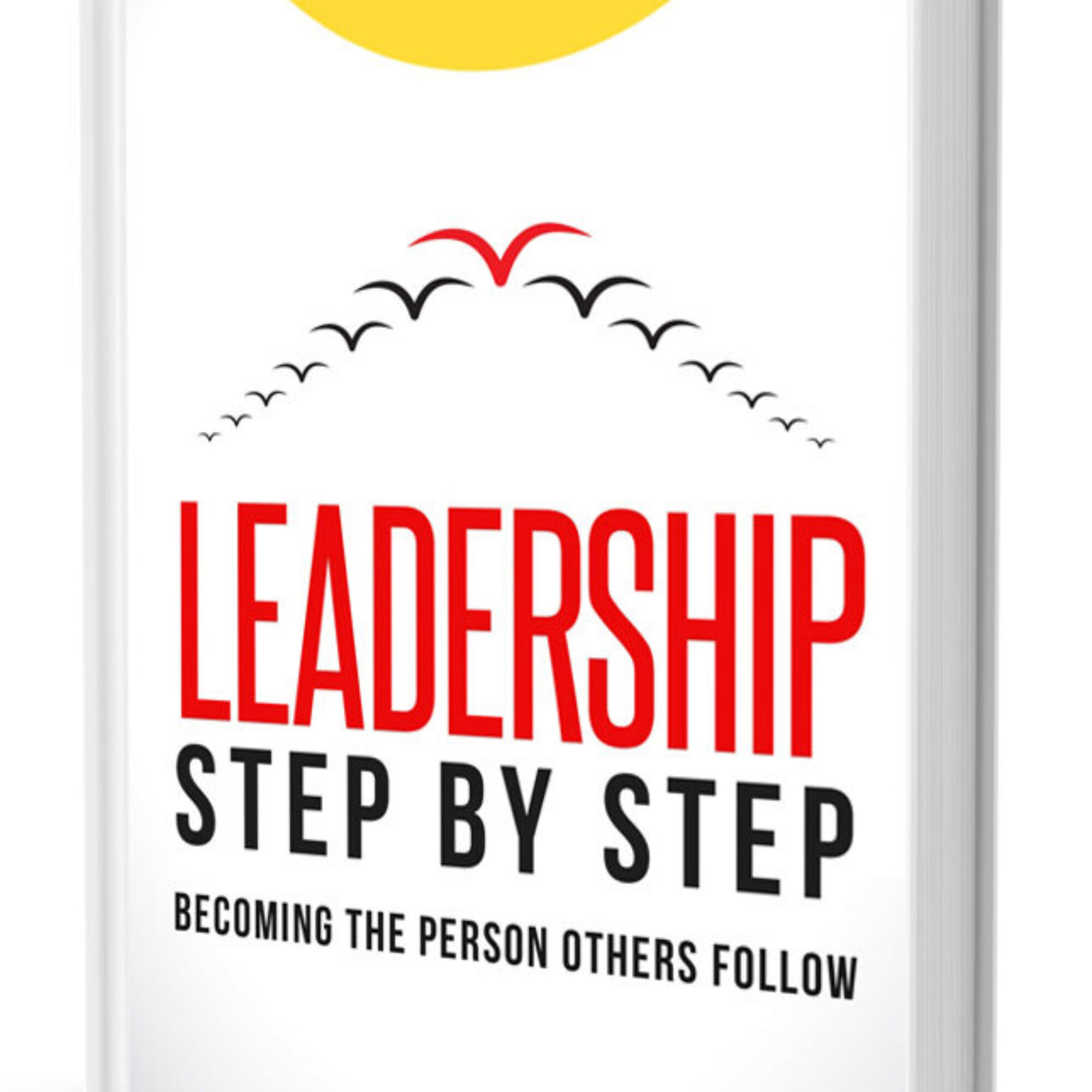
Here are resources I learn from and return to about joy, discovery, meaning, purpose, community (not doom, gloom, new-age fluff, etc), in no particular order. I'll keep adding to it. I recommend bingeing on all of it. Leadership and Teamwork The This Sustainable Life podcast When people hear my podcast name, they focus on the environment part. I consider leadership incomparably more important. We know what to do. The question is changing our behavior, which is leadership. I consider my book, Leadership Step by Step, the top resource on learning to lead. The Spodek Method: Making Meaningful, Sustainable Changes The Story of Stuff Main site Their short movies (my favorite part of the main site and one of my top starting points) The Story of…

0 Comments

Jordan Harbinger and how rehearsal *improves* spontaneity and authenticity

I'll soon post my podcast interview with Jordan Harbinger, one of the world's top podcasters. First I'm sharing this example of Jordan and how to learn to communicate authentically and genuinely---through practice and rehearsal. Think genuineness and authenticity matter in business? How about marriage? This recording features Jordan's wife talking about how Jordan came off, when she knew he practiced, rehearsed, and taught others to. Practice and rehearsal work because they make you authentic and genuine---the opposite of fake. No one was born with it. Everyone had to learn it. Jordan and Jen show how effective practice is in the most important parts of life---someone you'll spend the rest of your life with.

0 Comments
The Big Talk with Tricia Brouk
Joshau Spodek on Big Talk with Tricia Brouk

The Big Talk with Tricia Brouk

Tricia Brouk is an incredible director, TEDx Executive Producer, actress, choreographer, and more. She's worked with names like Richard Gere, James Gandolfini, Kate Winslet, Susan Sarandon, John Torturo, Eddie Izzard, Christopher Walken, Steve Buscemi, and Bobby Canavale. Wow! As host of the Big Talk podcast, she posted our conversation, "Put Yourself in the Background." From the liner notes: Put Yourself in the Background — Joshua Spodek Summary What is the best way to lead and influence an audience? Today's guest reminds us that the best way to impact others is to put ourselves in the background and focus on them. By supporting people in a non-judgmental way and listening to them, we can make a huge impact on their lives. Joshua Spodek, PhD, MBA, bestselling…

0 Comments
Technology won’t solve environmental issues and you know it
A Watt Steam Engine

Technology won’t solve environmental issues and you know it

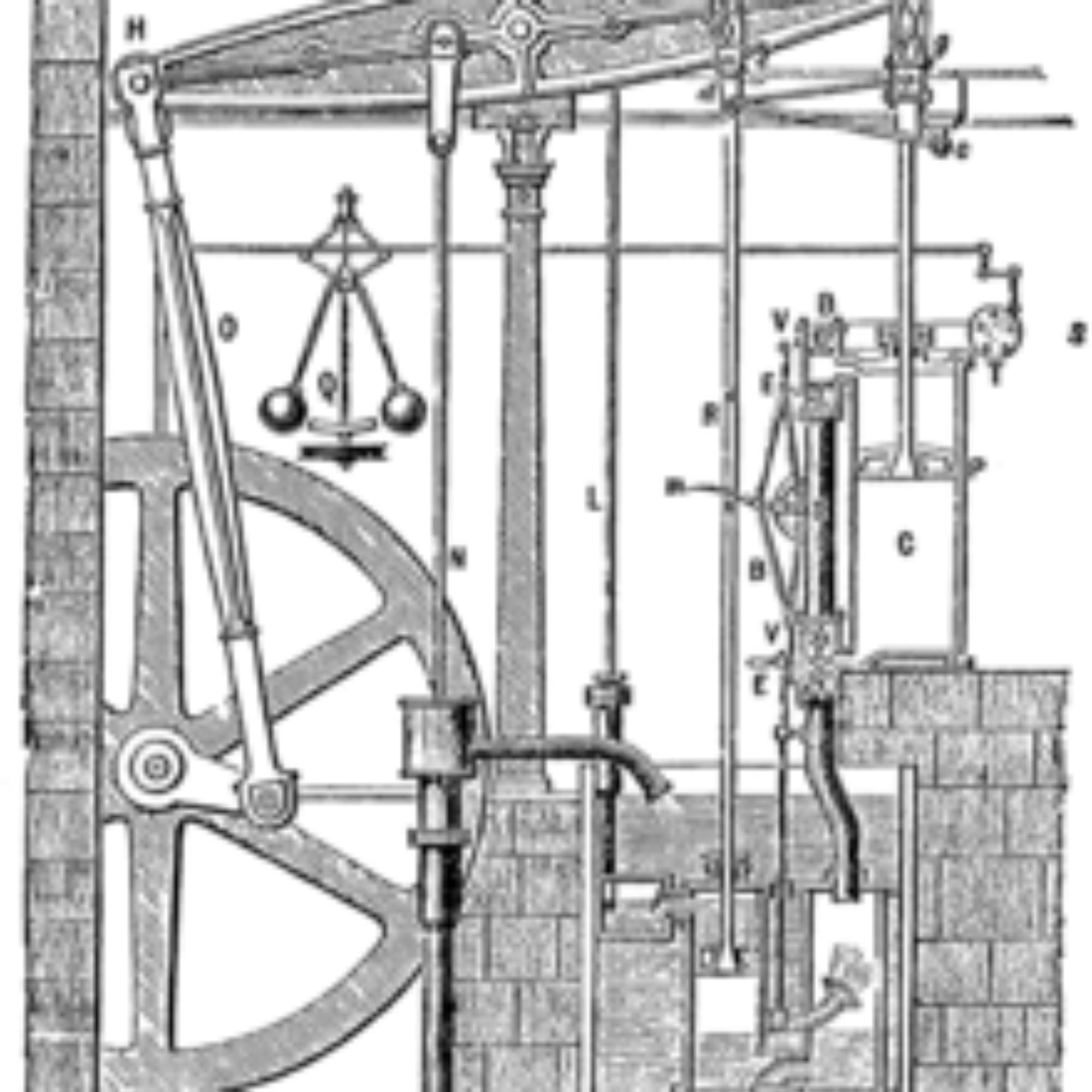
EDIT: I recorded a podcast version of this post (episode 63) that covered same views beyond this post: If anything marked the beginning of the industrial revolution, it was James Watt's steam engine. It wasn't the first steam engine, but was more efficient than any before. More efficient means using less energy and less pollution, right? Wrong. Each engine, yes, but more people used engines, so Watt engines used more energy and polluted more than anything. They drained mines, which helped collect more coal, which fed more engines. The direct result is today's polluted world. If you fantasize that technological improvements will, after centuries since the industrial revolution increasing pollution and demand for natural resources somehow, magically, in your lifetime change their effects, you're dreaming.…

0 Comments

How to get votes for Donald Trump

Since most people I know voted for Clinton, I presume most of my readers did. Though I don't like Trump as president, as long as tens of millions of Americans voted for him, I hope my readers represent the population more faithfully than the population of lower Manhattan. Trump's win surprised most Clinton supporters. My reaching out to Trump voters and speaking with them explained a lot to me. The Trump voters I spoke to weren't the racist, sexist, xenophobic, etc people so stupid as to vote against their own interests that Clinton supporters made them out as. The tragedy for Clinton supporters is that many I hear don't seem to have learned why so many people voted against their candidate. I thought of a…

0 Comments

How you probably disrespect leaders (and yourself in the process)

How to disrespect a leader: Assume he or she was born with something special and didn't have to work at it. Developing leadership skills and experience is hard and takes years, even decades, risking failure and disaster time and again. Assuming people were just born that way or have something others don't ignores all of it. I think people believe it to excuse themselves from trying.

0 Comments
How you perform gets you farther than your GPA
Ryan Holiday's blog

How you perform gets you farther than your GPA

I wrote, to follow Ryan Holiday's Here's The Technique That Ambitious People Use To Get What They Want, I teach and coach people to get jobs through performance and it works. Schools teach people to react, take tests, and show how great they are. For a posted opening, you're presenting yourself as a commodity -- a slightly shinier one, you hope. It's based on compliance. Most analytical, geeky types got a lot of schooling. After decades of it, most people have learned that model without awareness of alternatives. If you want to avoid challenges in life and just get a job so you can retire 50 years later with nothing remarkable in between, that strategy works. What Ryan described---to audition---is standard in other fields, such…

0 Comments

Martha Graham on Freedom Through Discipline and Conforming

I've quoted Martha Graham many times. At last I got the video of her saying the words. She describes how a performer achieves freedom through conforming and discipline better than anyone, in my opinion. I believe what she says holds for any active, emotional, expressive, social, performance-based field, including leadership and entrepreneurship. The dancer is realistic. His craft teaches him to be. Either the foot is pointed or it is not. No amount of dreaming will point it for you. This requires discipline, not drill, not something imposed from without, but discipline imposed by you yourself upon yourself. Your goal is freedom. But freedom may only be achieved through discipline. In the studio you learn to conform, to submit yourself to the demands of your…

2 Comments

Technology is tactical. Behavior is strategic.

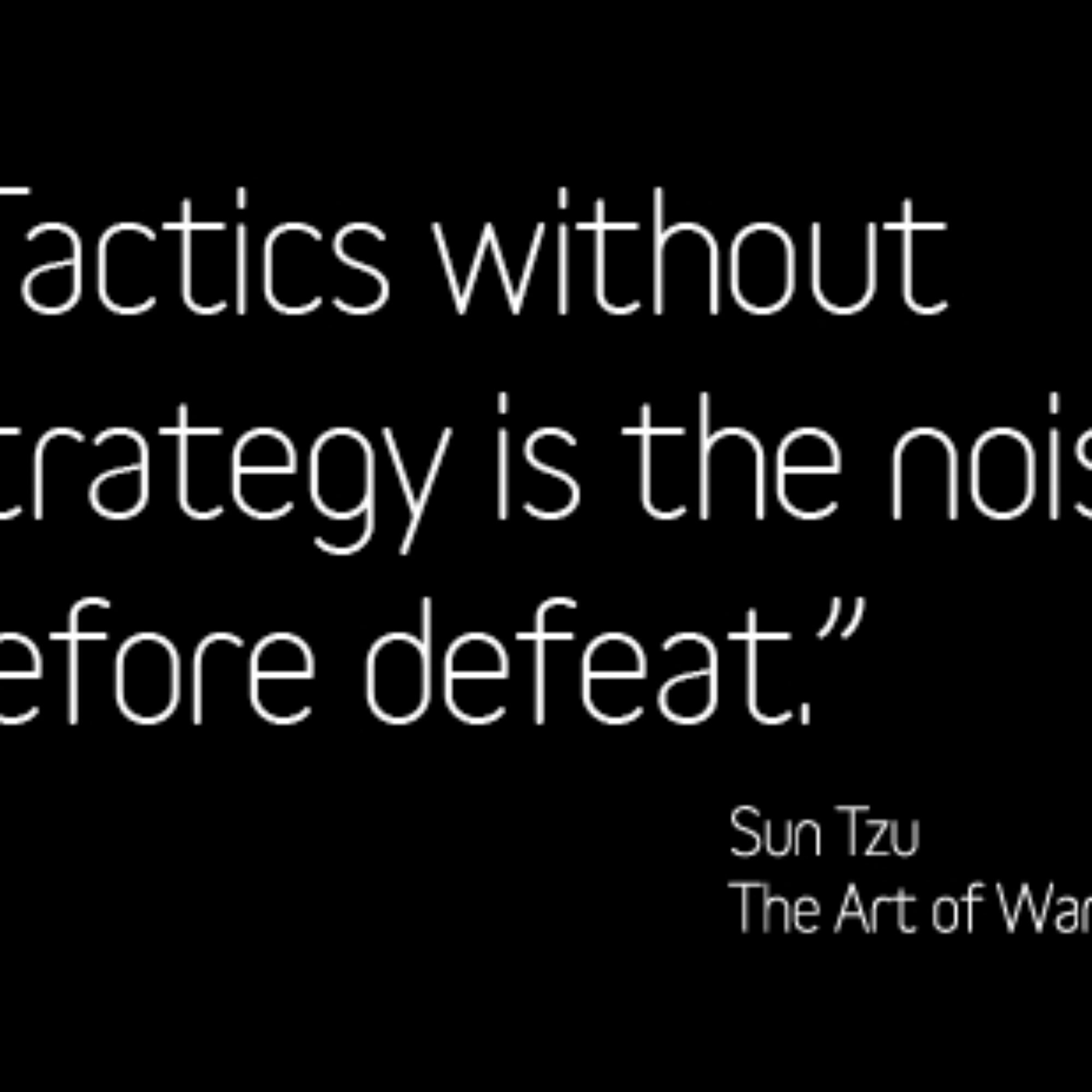
People widely expect technology to solve our environmental problems. What technology? They don't know. Something someone will invent in the future. What about the pattern that technology has driven consumption of fossil fuels and plastic, accelerated using up resources, and created pollution such as plastic, carcinogens, and so on? But but but they make things more efficient. They do for a while, but the trend is toward accelerating the system creating the problems. You know the problems—sea levels, resource depletion, extinctions. Technology, especially speculative, unknown, future technology can be part of a solution. But technology itself at most suggests tactical approaches. The problems result from our behavior. Behavioral change is a strategic approach: how do we change our behavior on a global level? How do…

0 Comments

041: David Burkus, Conversation 1: Flipping the mental model

David has helped me many times. I felt honored to host him and, I hope, help start his environmental legacy. We covered two main things. First, his new book, Friend of a Friend, on networking. His background as a professor and practitioner means he approaches networking systematically and practically, so beyond learning to network more effectively, you understand networking as a process. Second, his environmental commitment. I loved his choice for reasons you'll hear when you listen. I believe it will improve his life beyond just living by his environmental values. David is direct, knowledgeable, experienced, and plain-spoken. Enjoy!

0 Comments
Leading Through Emotions Is the Opposite of Manipulation

Leading Through Emotions Is the Opposite of Manipulation

Leading Through Emotions Is the Opposite of Manipulation Leading means helping people do what they want, not what they don't want. Thinking otherwise undermines your ability to lead. As a leadership professor, trainer, and author, I have occasion to see people develop leadership skills at all levels. When I describe the difference between leadership and management, they tend to accept that management generally involves behavior and things you can see and measure. Its goal is compliance. Leadership, by contrast, more involves emotions and motivations--things you can't see or measure. Its goal is more about getting people to want to do things. They get that leadership is about emotions. Then when I give them exercises to practice learning others' emotions and behaving and communicating to change…

0 Comments
You’d Fire an Employee Whose Goal was Awareness. Why Accept it for the Environment?
You'd Fire an Employee Whose Goal was Awareness. Why Accept it for the Environment?

You’d Fire an Employee Whose Goal was Awareness. Why Accept it for the Environment?

You'd Fire an Employee Whose Goal was Awareness. Why Accept it for the Environment? If you don't act on your values, are you able to lead? What can you learn? Ridiculous in business Imagine you needed surgery and asked the surgeon who was going to operate on you, "Have you ever done this surgery before?" and he or she said, I haven't done it before, by I'm aware of the procedure. Imagine you were going to hire a new COO, asked his or her operational experience, and he or she said, I haven't worked in operations, but my awareness is high. Would you hire a plumber who never held a wrench but read about them and was aware of what they were for? A programmer who only read about programming? These questions sound ridiculous because…

0 Comments

End of content

No more pages to load