Leadership


The Model: our emotional system is outdated

[This post is part of a series on The Model -- my model for the human emotional system designed for use in leadership, self-awareness, and general purpose professional and personal development -- which I find the most effective and valuable foundation for understanding yourself and others and improving your life. If you don't see a Table of Contents to the left, click here to view the series, where you'll get more value than reading just this post.] I think everybody knows the following, but I have to say it anyway just in case. The human emotional system evolves at the rate evolution acts, whereas our environment over the past few tens of thousands of years has changed faster than evolution can act. This difference results…

1 Comment

The Model: your emotional system is consistent and predictable

[This post is part of a series on The Model -- my model for the human emotional system designed for use in leadership, self-awareness, and general purpose professional and personal development -- which I find the most effective and valuable foundation for understanding yourself and others and improving your life. If you don't see a Table of Contents to the left, click here to view the series, where you'll get more value than reading just this post.] The Model predicts the human emotional system to be consistent and predictable. How so? People often contrast emotions with reason, which they consider systematic and predictable. By contrast, they consider emotions illogical, unpredictable, and unsystematic. People are used to understanding how someone reasons from one point to another.…

0 Comments

The Model: our emotions transcend “nature red in tooth and claw”

[This post is part of a series on The Model -- my model for the human emotional system designed for use in leadership, self-awareness, and general purpose professional and personal development -- which I find the most effective and valuable foundation for understanding yourself and others and improving your life. If you don't see a Table of Contents to the left, click here to view the series, where you'll get more value than reading just this post.] Two days ago we covered a few examples of emotional cycles. Some are obvious, like hunger when low on food and thirst when low on water. Other motivations and emotions aren't as obvious, like to avoid being shunned by a group or other social behaviors. Some are complex,…

0 Comments

The Model: emotional reward differs from the emotion that brought it about

[This post is part of a series on The Model -- my model for the human emotional system designed for use in leadership, self-awareness, and general purpose professional and personal development -- which I find the most effective and valuable foundation for understanding yourself and others and improving your life. If you don't see a Table of Contents to the left, click here to view the series, where you'll get more value than reading just this post.] Yesterday's last example illustrated an important distinction I left implicit so far: the feeling of reward or punishment is independent of the emotion that brought it about. This distinction helps you understand the Model and bring about the emotions and reward you want independent of the situation you're…

0 Comments

The Model: examples of emotional cycles

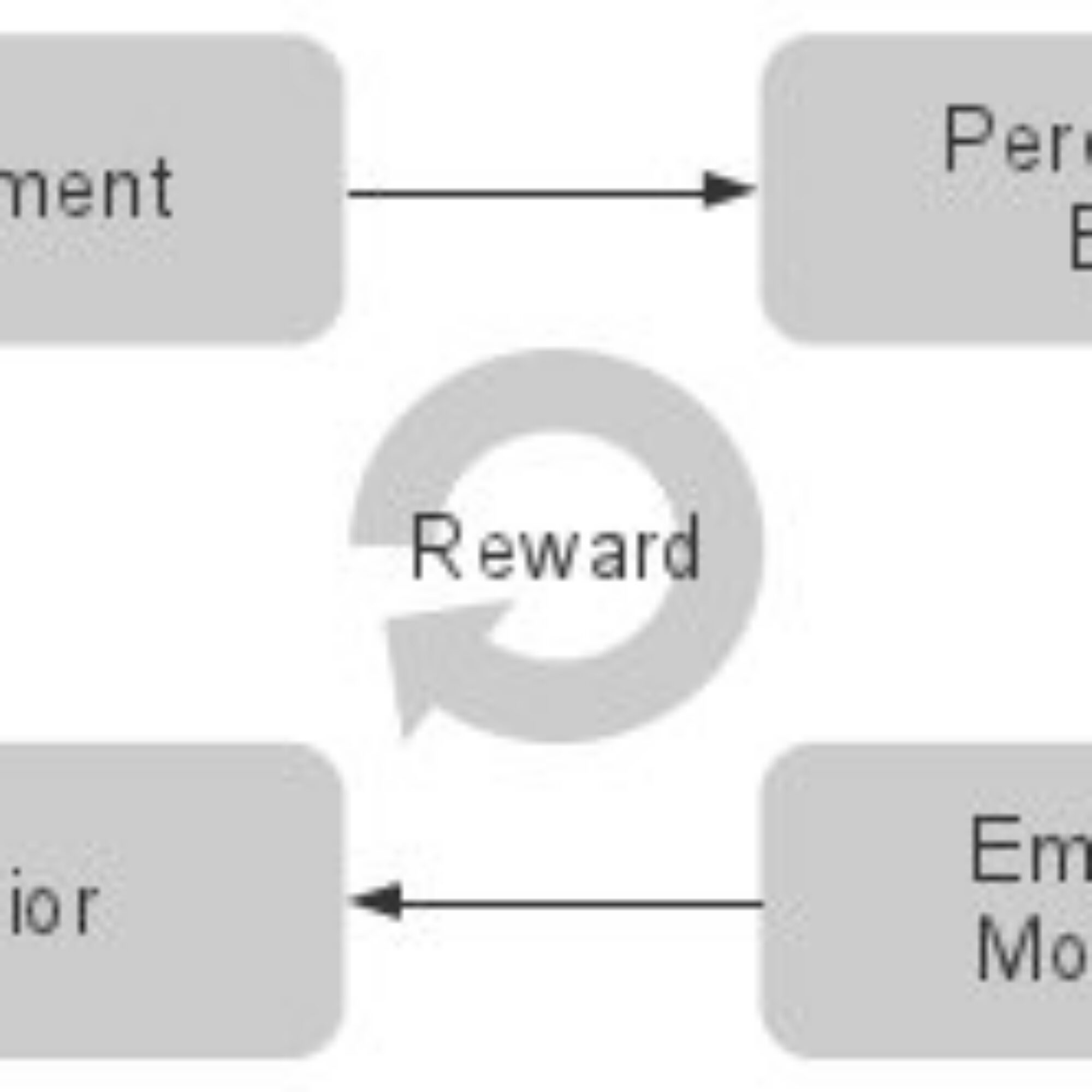
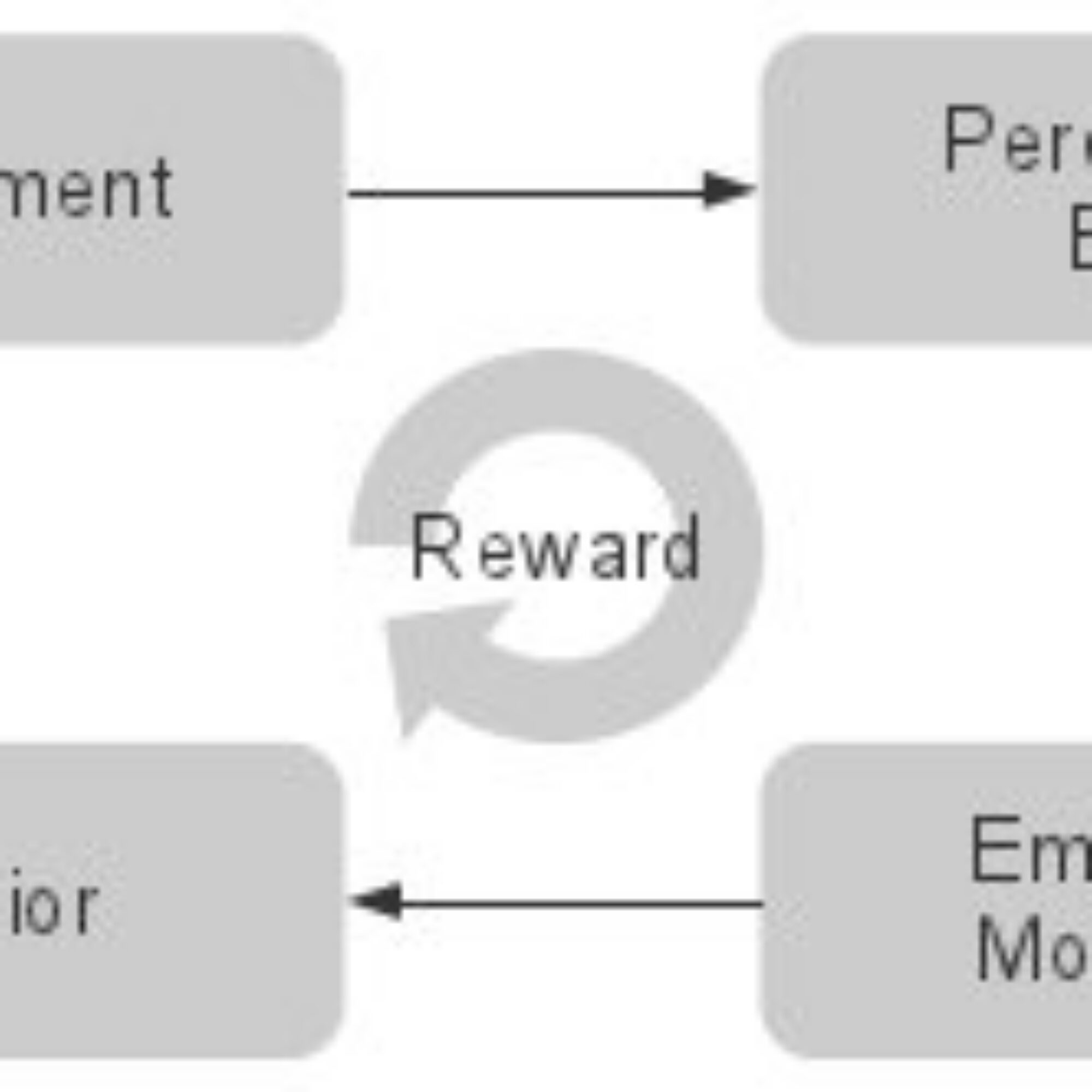
[This post is part of a series on The Model -- my model for the human emotional system designed for use in leadership, self-awareness, and general purpose professional and personal development -- which I find the most effective and valuable foundation for understanding yourself and others and improving your life. If you don't see a Table of Contents to the left, click here to view the series, where you'll get more value than reading just this post.] In our Model, each emotion you experience manifests itself in the emotional cycle of the model. Example 1: let's consider an example of hunger in the Model. Say someone puts a mango in front of you (environment). You see it and expect it to taste good (perception/belief). Since…

0 Comments

The Model: where emotional cycles came from

[This post is part of a series on The Model -- my model for the human emotional system designed for use in leadership, self-awareness, and general purpose professional and personal development -- which I find the most effective and valuable foundation for understanding yourself and others and improving your life. If you don't see a Table of Contents to the left, click here to view the series, where you'll get more value than reading just this post.] We've presented all the elements of the Model, barely scratching the surface of what it all means or how to use it. Let's start by understanding where our emotions come from. We don't have our emotions for the fun of it. Our emotions motivate our behavior. Each emotion…

0 Comments

The Model: reward, happiness, and pleasure

[This post is part of a series on The Model -- my model for the human emotional system designed for use in leadership, self-awareness, and general purpose professional and personal development -- which I find the most effective and valuable foundation for understanding yourself and others and improving your life. If you don't see a Table of Contents to the left, click here to view the series, where you'll get more value than reading just this post.] Two days ago we first saw the complete Model. Now we'll begin discussing it. First let's clarify the central points of pleasure, happiness, and reward. At this level of simplification, the Model distinguishes between pleasure, happiness, and reward, though outside the Model they overlap more than in the…

0 Comments

Dropping friends who bring you down can hurt, but improves your life

Today I'll take a short break from my thread on the Model to share advice to a client with a common problem: he has grown and changed and a former friend hasn't. The former friend now holds him back. He wants to move on, but doesn't know how. His description of the situation described incident after incident of counterproductive behavior from the friend (and him accepting it), only briefly mentioning what held them together -- their music (also going out to meet girls together). I felt the musical success had more long-term value, so I started there. First, congratulations on the success with the music, sax, and rapping. Practicing your passions will improve your life more than anything. Music will be with you forever. Guys…

0 Comments

How to stop boring everyone you meet

Some people ask the same boring questions of everyone they meet. They are so stuck in their ruts they don't see what they're doing. They guide conversations to small talk they've heard before and don't care about, then wonder why people aren't more interesting. By far the most boring, in my opinion, is So what do you do? You've asked it. You've been asked it. You've answered it too many times to count. Maybe at a trade show or networking event this question could be interesting. Any other time you are treating them as an employee before than as a person. Worse, you are telling them your prime identity is as an employee, before as anything else. Why would you expect them to connect with…

3 Comments

How to stop being so judgmental

Nobody likes feeling judged. We don't like other people feeling so high and mighty as to judge us. I bet you're more judgmental than you realize. Here's how to raise your awareness of it, reduce it, annoy people less, and share more about yourself. I bet you don't realize how judgmental you seem to others, even if you don't intend it. Nor, I bet, do people making you feel judged realize how much they seem judgmental. Why not? Because judgment is in our language. It doesn't have to, but it often is. My exercise on avoiding judgmental words from a few months ago continues to surprise me as it makes me more aware of my own and others' speech. I'm re-posting about the exercise because…

0 Comments

Business school’s first major lesson: how to resolve ethical dilemmas

One of my most important lessons from business school came before the first class began. It's been useful for me since. Columbia emphasizes ethics. Orientation included a class on ethics. The case was an employee who witnesses someone breaking a rule. Reporting it would potentially harm him and certainly someone else for something that may have been minor. Not reporting it would benefit himself, but at the cost of becoming complicit. The first thing I learned in this case (not the main lesson) was to understand the case as an instance of a general class of ethical dilemmas where a protagonist has two choices To act according to his or her values but lose materially To violate his or her values and gain materially Other…

0 Comments

You don’t know your values until you test them, part II

Yesterday's post described how interacting with a former Austrian soldier, now friend's grandfather led me to examine my values. Such interactions lead you to expand your understanding of others and of humanity as well. Let's understand the situation. Comparing people to Nazis has become an internet joke (perhaps insightful) called Godwin's Law. This situation isn't that. This man was a Nazi foot soldier, proud of some aspects of it. I'm not comparing or judging, only using the real-life situation to examine values from a perspective beyond most people's every day experience. I posted this anecdote because it's been on my mind since posting this exercise in improving your empathy three weeks ago. That post got more response and feedback than most others. You can read…

0 Comments

You don’t know your values until you test them

You may think you know your values. Until you test them, you probably don't. Understanding their boundaries helps you understand them better. Testing them in controlled situations prepares you for surprises others aren't prepared for. Preparation like that makes for effective leadership of yourself and others. If you never plan to reach any boundaries, you may not expect to benefit from examining them. But then if you never examine them, you won't do well when you do things outside going to work, watching TV, and buying things in malls. I've thought about values -- my own and values in general -- a lot, I suspect more than average. I've come to many conclusions about them. The following anecdote presents a case whose meaning and applications…

0 Comments

How to choose between nearly equal but incomparable options

Someone I'm coaching wrote the following: I will be graduating from college in May, and I am trying to decide which two cities I should move to after graduation. I've been wanting to move to NYC ever since I first visited in high school and been going there ever since. On the other hand, everyone that I know tells me that I should move to LA instead and think I would be better off there. I've only been to LA once when I was younger, (visited Manhattan Beach and Santa Monica) but I did have a great time there. I do enjoy both but for the moment I am feeling NYC. To name a few why I'm feeling NYC, (specifically Manhattan.) I love diversity of…

0 Comments

People join good projects and leave bad management

Professor, author, and former former Chief People Officer at Pepsi, among other impressive feats,  Michael Feiner said one of the most valuable statements I've ever heard about why we choose, like, and don't like our jobs. People join good projects and leave bad management. It's one of the most valuable lessons I learned in business school. It applies to a remarkable number of situations -- nearly every time I've heard of someone leaving a position since I first heard Michael say it. I recommend not just enjoying the statement for its wittiness. You can make it acting by playing with it in your head a few times before considering joining or leaving a team, or for ways to improve your current job. I searched briefly…

2 Comments

Independence Day

It's still July 4th in the States as I'm writing this even though it's July 5th in Shanghai. Of all our national holidays, I value and celebrate Independence Day perhaps the most. By value and celebrate I don't mean I go to the biggest barbeque I can, though a couple years ago I went to an amazing July 4th party only being an alumnus of an ivy league business school or something similar can get you. And this year I had to pass on an invitation to a monster event with some crazy and amazing people for this trip to Shanghai. Each July 4th I reread the Declaration of Independence and at least one other historical document. This year I was lazy and just read…

0 Comments

Leaders take responsibility

One last behavioral trend to round out a few recent posts on behaviors that correlate with importance. The others were on leaders having the least stuff, being the least hurried, and the most common route to becoming CEO. People know this one, though they don't always act consistently with it. Look throughout an organization. The higher you move in the organization chart, the more responsibility people have. Having responsibility because of your position isn't the same as choosing to take responsibility. But people who choose to take responsibility become more important in their communities. Likewise, people who shirk responsibility lose importance. There are wide exceptions, of course. By the way, accountability and responsibility go hand in hand, so people who choose to make themselves accountable…

0 Comments

The most common route to CEO

"What is the best route to become CEO of a corporation?" For people driven to reach the top it's a common question. A classmate asked it of Ralph Biggadike, professor of Top Management Processes, which, when I was at Columbia Business School, was the class in highest demand. Ralph is an excellent teacher, as knowledgeable about top management as you'd expect one of the top professors at one of the top business schools to be. I expect most of the students in the class were driven to reach the tops of their planned professions. As I recall, most of the class listened intently to the answer. It may be worth thinking about yourself, even if you aren't driven to reach the top. What functional role…

1 Comment

Emotions, values, children, and school

At my niece's kindergarten graduation Friday the entire graduating class of four-and-five-year-olds sang a song with a chorus "I love America." The song was light-hearted and everyone seemed to enjoy themselves. As a thoughtful person, I couldn't help think about what having a whole class sing the song meant. I enjoy playing with ideas and what better time to ponder education than at a graduation? I'll be the first to say the following is a tempest in a teacup. The interaction wasn't that big a deal, but this blog is about values and emotions, with the guiding principle that the better we understand them, especially our own, the better our lives will be. Why not examine them in simple cases so that we know them…

0 Comments

The CEO is the least hurried or reactive

Following up on yesterday's post about one aspect of behavior -- how much stuff you carry and how functional you are -- that correlates with importance is how calm or rushed you are. Likewise, how purposeful or reactive you are. People who know their priorities tend not to be rushed. They know what should be done in what order and they do it. So it's not surprising that people who know their priorities also get where they want to go in life. So people who are successful tend not to be as rushed. They're calmer because they know they're doing what is most important. People who don't know their priorities don't know in what order to do things. They can't be as comfortable not knowing…

0 Comments

The CEO carries the least

Important people do things differently than unimportant people -- that is, behavior correlates with importance. If you want people to consider you more important -- to trust and defer to you -- you should pick up on how behavior correlates with importance. And with unimportance if you want to avoid being lumped in with unimportant people. The more important you are, the less you carry. The following corporate examples are simplified to communicate easily, but see how they resonate with your experience. An engineer who is easily replaced often carries tons of stuff -- a big bag, sometimes so full he or she rolls it on wheels, pockets full, multiple cell phones sticking of the belt, etc. Everything is functional. A manager may have a…

0 Comments

How to tell if someone is good at something

Two observations I've made about how good people are at things: People who aren't good at something talk about how awesome they are at it. People who are great at something talk about the humiliations and failures that got them good at it. I've found this pattern far more accurate than I would have expected. I love hearing stories from people about the disasters that made them who they are. That's how I know they're good at the thing at hand. They've gotten over their insecurity through experience and aren't afraid to share. People who are afraid to share tend not to be so good at the thing -- I think because they are afraid of being associated with the failure. Incidentally, the stories about…

0 Comments

Leadership seminar at New York Academy of Sciences posted

The leadership development seminar I led in April at the New York Academy of Sciences has been posted as an e-briefing. Now you can see me speak where Einstein and Darwin did, or at least they were members. You have to be a member to see the video, but the academy has great events. I recommend joining. You do love science, don't you? Here's the overview of the e-briefing: Overview Leadership coach, entrepreneur, and former physicist Joshua Spodek spoke from a scientist's and entrepreneur's perspective on developing personal leadership skills. The two-day, eight-hour interactive seminar took place April 5 and 7, 2011 at the New York Academy of Sciences and was designed to provide a foundation for the continued development of skills of personal leadership,…

0 Comments

Leadership and personal development and school

In my seminar yesterday I mentioned "plays well with others" may be one of the most valuable skills in adulthood for team-based activities. Yet we treat it as a joke for children, or at best a euphemism implying the student in question doesn't do well academically. Have you ever learned something amazing while developing yourself as a leader or person and wondered why leadership and personal development isn't taught in school? School taught me valuable things like math, science, history, and so on. It vaguely addressed things like physical fitness. What didn't school teach? When I lead seminars on self-awareness, emotional intelligence, personal development, leadership development, and such, we cover things like how to motivate yourself and others, how to raise awareness of your emotions…

0 Comments

I have low standards the first time

This post on doing things you love even if you're not good at it prompted discussion -- or at least people asking me about doing things that feel scary or are hard. For most people, the challenges are internal. Most people aren't risking health and safety doing something like climbing Everest -- they're thinking of trying out for that senior position, singing karaoke, going to a gym for the first time, or asking that guy or girl out. Their risking losing social standing -- aka embarrassing themselves. Why people don't try new things Their biggest fears are based on beliefs of imagined futures. People don't predict the future effectively, all the more when projecting fearfully, so they tend to project worst case scenarios. Even if…

0 Comments

End of content

No more pages to load