Leadership


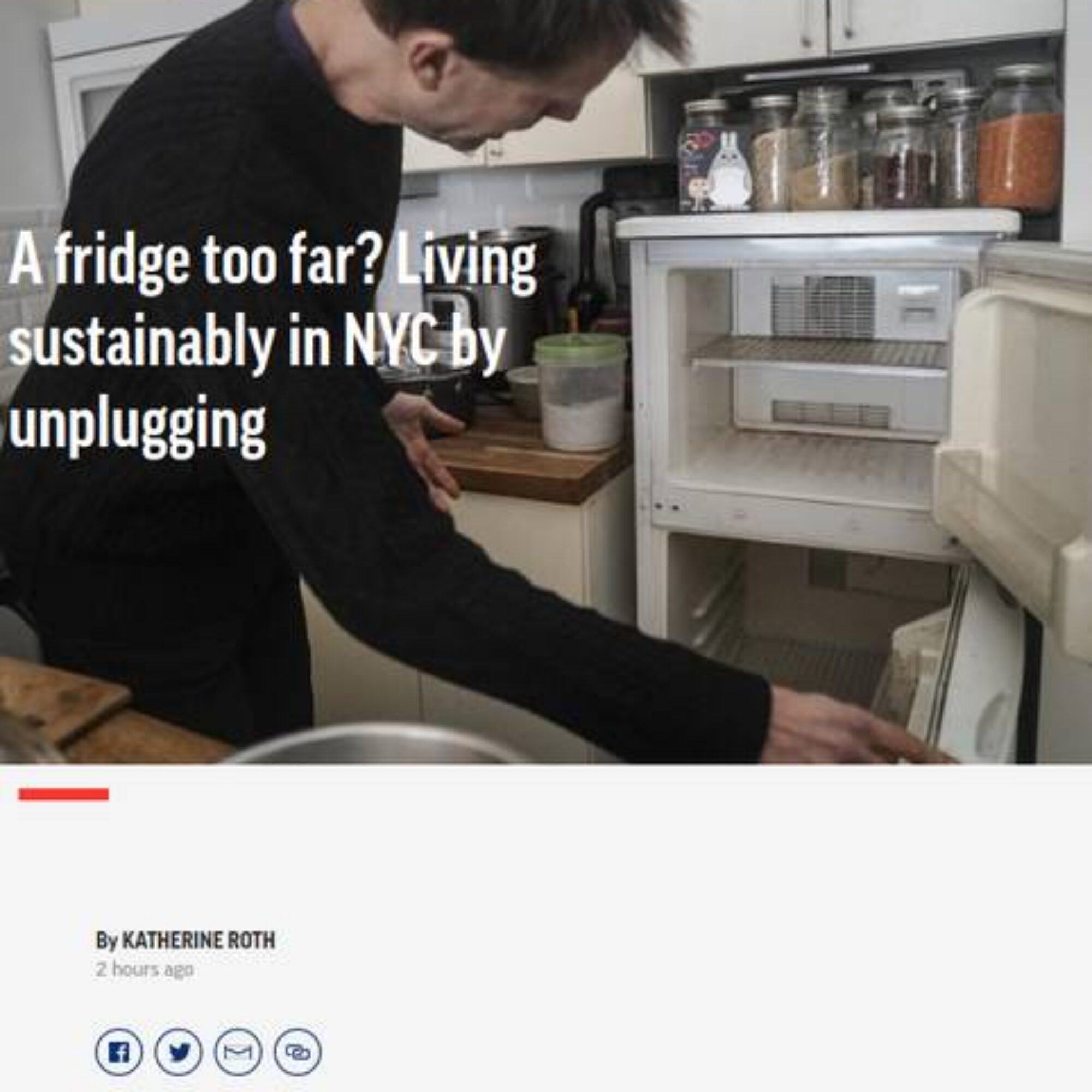
Read the photo-story on me: “A fridge too far? Living sustainably in NYC by unplugging” from the Associated Press

Katherine Roth interviewed me about unplugging my fridge and apartment from the electric grid and Bebeto Matthews photographed me cooking and putting my solar panels on my roof. Read the story and see the pictures at A fridge too far? Living sustainably in NYC by unplugging. I hope it helps achieve one of my main goals for this experiment: for a few people to say "You can do that!? I want to try!" The goal is not for them to copy my results but to apply my process of mindset shift followed by continual improvement to improve their lives for themselves in their lives in their way as I did in mine. If I could change anything about the article, I'd change two things. First,…

0 Comments

In the wild: the Spodek Method practiced by someone else to heartwarming success

Regular listeners heard me on the Carbon Sessions podcast, by the community created by podcast guest Seth Godin that created the bestselling book The Carbon Almanac. You can tell that one host of the Carbon Sessions, Brian, had listened to This Sustainable Life. We kept in touch after recording. He was interested in the Spodek Method. We practiced it and recorded the three videos below of me teaching it, conceiving of using them as a test to create an online course. Neither of us could have predicted that he'd have the chance to practice it in a later Carbon Sessions recording, impromptu. Here is that episode. In a conversation with another host on new year's resolution, he walks her through the Spodek Method. To my…

0 Comments
Read my piece in Ars Technica: “I disconnected from the electric grid for 8 months—in Manhattan”
Ars Technica Josh Spodek Disconnected In Manhattan

Read my piece in Ars Technica: “I disconnected from the electric grid for 8 months—in Manhattan”

Ars Technica published a piece I wrote on my experiment disconnecting my apartment from the grid, I disconnected from the electric grid for 8 months—in Manhattan. It goes into more depth than my TIME piece I've Been Living Off-Grid In Manhattan for Half-a-Year. It's in my voice, unlike the New Yorker's Off the Grid in the Big City. One of my main points was seeing the experiment like the Wright brothers at Kitty Hawk. Normally when I talk about flying, I'm talking about pollution, displacing people from their land for fuel, and problems like that, but tabling the sustainability perspective, looking at it on the Wright brothers' terms, before anyone could have imagined the problems flying would create in sustainability, tearing communities apart, emptying small…

2 Comments

The New Yorker profiled my living off the grid

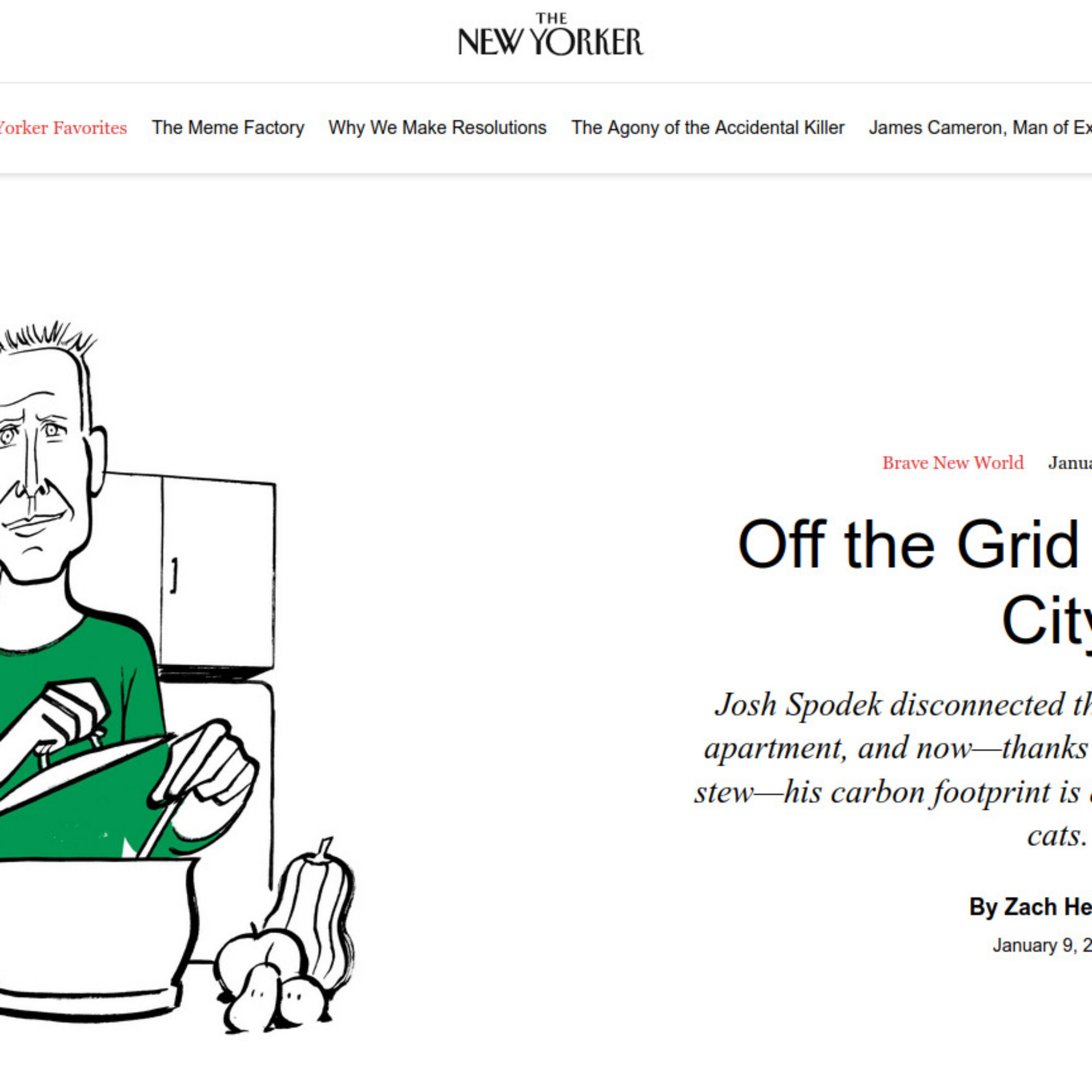
My letter to the New Yorker's editor in September led to a reporter, Zach Helfand, visiting and writing a story on me. They published it today (including spotlighting it, see below): Off the Grid in the Big City: It begins, "Josh Spodek disconnected the circuit breaker in his apartment, and now—thanks to solar-powered vegan stew—his carbon footprint is about that of three house cats." Along with the New Yorker piece, I recommend the pieces I wrote with more detail: In TIME: I've Been Living Off-Grid In Manhattan for Half-a-Year In Ars Technica: I disconnected from the electric grid for 8 months—in Manhattan Zach spent an afternoon and we covered a lot, including his talking to three executives, two from major fossil fuel companies (one ExxonMobil,…

2 Comments

The Root of Our Environmental Problems: Individuals Refusing to Change Themselves

We were all born into a culture with certain values. When I was a child, flying was an unalloyed good. It meant spreading culture, learning new cultures and cuisine, and so on. In principle we knew something about jet exhaust and that extraction caused people to be displaced from the lands and occasionally spilled. Cars meant freedom. The solution to pollution is dilution. But the world changed and our understanding of it did too. Diluting pollution didn’t solve it. It spread concentrations out, but some didn’t go away. It grew until it passed thresholds to lower Earth’s ability to sustain life. We could put our heads in the sand for a few decades, but by now the changes make it clear what we thought improved…

0 Comments

The 160th Anniversary of the Emancipation Proclamation Is Today

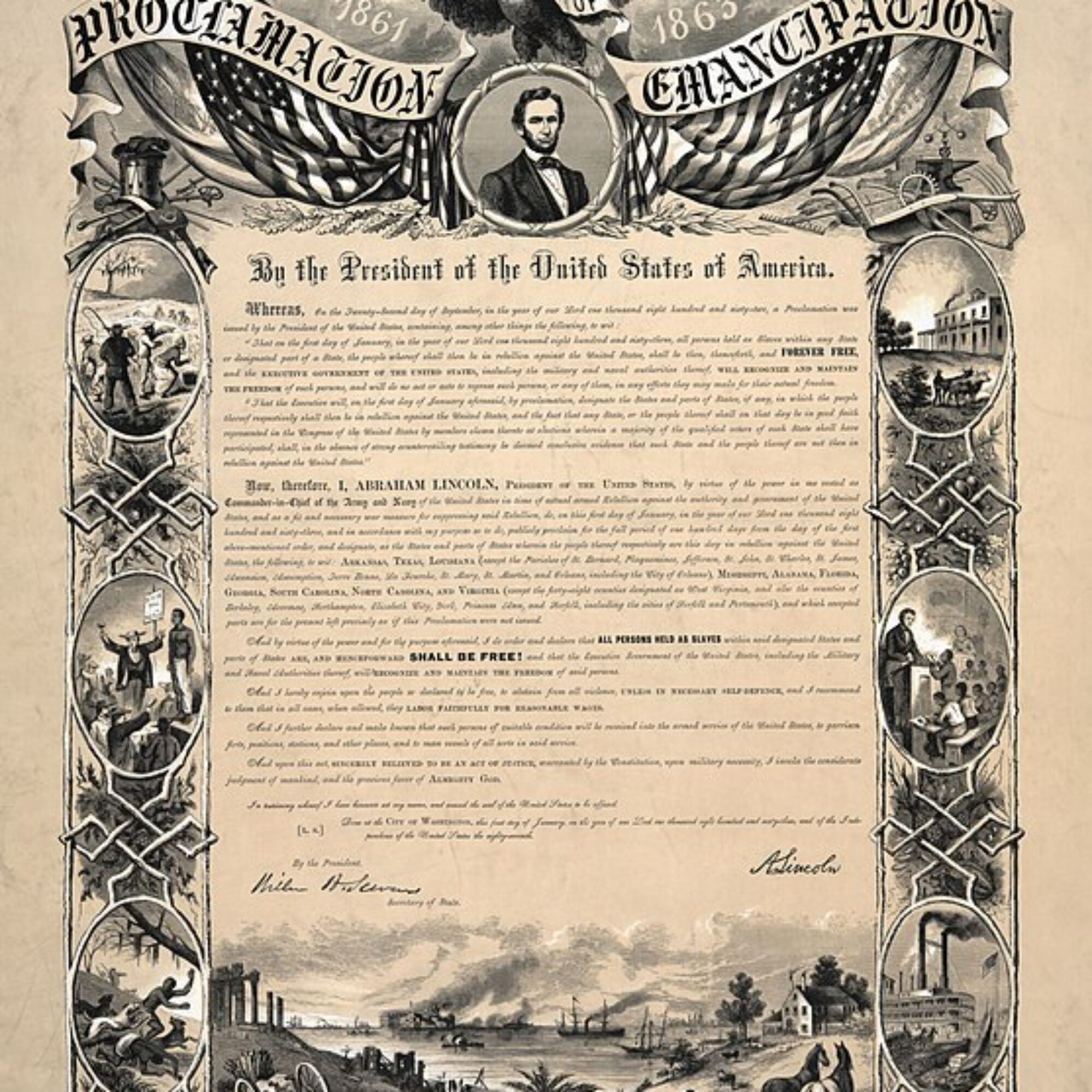
160 years ago today, Abraham Lincoln signed the Emancipation Proclamation. The Union army had been freeing slaves in seceding slave states for over a year and the proclamation didn't free all slaves, nor did it end slavery, so to say, as I've heard, that one stroke of the pen freed all the slaves overstates the case. Still, it was a major step forward. Beside freeing many slaves, it pressured slave states to abolish slavery. Since enough did and became free states, the Thirteenth Amendment became possible. I'll add that it evolved in part from the 1688 Germantown Quaker Petition Against Slavery, which I mention since I grew up in Germantown. From Wikipedia: it "was the first protest against enslavement of Africans made by a religious…

0 Comments

Doing What It Takes

When I spoke to Tom Szaky, founder of Terracycle, on the podcast, he shared an origin story. He had bought a used industrial composting machine and arranged with Princeton's food services team to take a few barrels of their food scraps. it was summer, the composting machine arrived late, and the barrels of scraps were mostly sealed. When they opened the barrels, the stench was revolting, the maggots everywhere, and at least one person vomited, as I remember. But the company started. I saw him tell that story to an audience at a conference at NYU. Afterward, another attendee remarked on the story: who does that? I responded, "that's why he was on stage and we were in the audience." That story came to mind…

0 Comments

Beginning month 8 off the grid and *coincidence* year 12 of daily burpees.

Today begins month 8 of my apartment disconnected from the electric grid. I'd wondered what I'd do as the weather got colder and days shortened. Now I passed the winter solstice so days will lengthen. The weather will still cool for another few weeks, but I may have passed the hardest part. It occurred to me I might just have to keep going for the year. We'll see. It can get cold up there. I'm still relying on my cheat of plugging my computer and phone at NYU, where I am now, but I'm also working on installing the panels permanently and finding other long-term solutions to avoid climbing thirty flights several times a week. America can lead if everyone else stops making excuses and…

0 Comments

If no one tried to live more sustainably and I knew I could change no one, I would still do what I’m doing: stopping hurting others.

The reader who asked about my sharing that wind and solar aren't clean, green, or renewable later commented: "the information is quite disturbing". I agree, or rather agreed before realizing how much polluting less isn't the deprivation and sacrifice our culture says, but improves life. I responded: The information may be disturbing, but I'd rather know than not know, especially if the information is that I'm hurting people for my perceived comfort and convenience. I don't see how to consider it anything but cruel to remain ignorant when the information is readily available. Of course, I expect to change culture, but if not one other person tried to live more sustainably and I knew I could change no one but myself, I would do exactly…

0 Comments

Who should decide if public transit should be free? What the answer means for sustainability.

A friend commented that public transportation should be free. I texted back "I concur." I've considered the issue from many angles before. There are many pros and cons and I've concluded the benefits outweigh the costs. Many agree. "Around 100 cities in the world offer free public transit, the vast majority of them in Europe, especially France and Poland," according to the New York Times' piece Should Public Transit Be Free? More Cities Say, Why Not?. "Nearly 100 cities worldwide offer free public transport" agrees Nature's piece last week, Degrowth can work—here’s how science can help. "Countries with area-wide zero-fare transport" is a small but growing section in Wikipedia's Free public transport page. There are tons of articles on the growing trend. Drawbacks Wikipedia first…

0 Comments

RIP Frances Hesselbein, one of my great inspirations

I received this email this morning from the Director of Johnson Institute for Responsible Leadership and Frances Hesselbein Leadership Forum at the University of Pittsburgh Graduate School of Public and International Affairs: Dear Friends, It is with great sadness that I write to inform you of the passing of Frances Hesselbein, our mentor, friend, and the namesake of the Frances Hesselbein Leadership Forum. Frances was an inspiration to all of us, and I am certain that we will all remember her many years of service and her lifelong commitment to values-based leadership. Her eternal optimism—as she frequently said, “even my blood type is B positive!”—serves as a beacon in these difficult times. [. . .] I believe that the best way to honor Frances is to recommit…

0 Comments

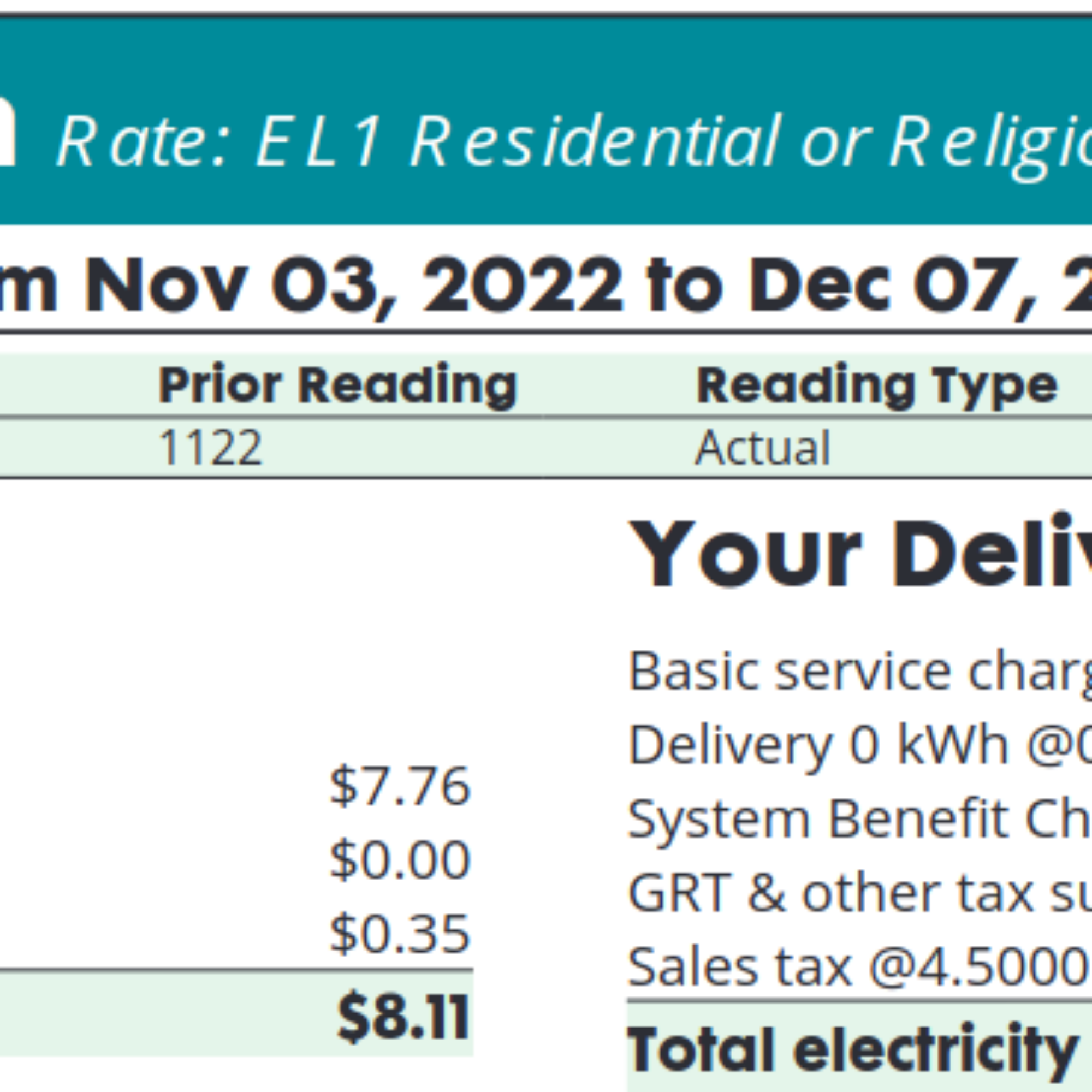
More Polluting Less: Another Zero Kilowatt-hour Bill

I'd say I was getting bored of posting about zero kilowatt-hour electric bill except that pollution kills and we can all pollute less. I'm not polluting less for fun, though it improves my life, but to help people like you see it's possible so you can try. Are you trying? If so, email me and tell me. I'd love to support you or just hear about it. For others, if you believe you can't do something similar or that polluting less will make your life worse, you're lying to yourself, making your life worse, like an addict. I'm not saying this to make you feel bad. I'm saying it to empower you to overcome false, limiting beliefs. I wouldn't care about what you do with…

0 Comments

Believing our population or economy can grow forever is like believing the Earth is flat

Following up on my noticing that the "logic" that concludes Malthus was wrong would also conclude Columbus was wrong about being able to sail west from Europe to reach Asia. That he missed two continents and an ocean doesn't change that you can sail west from Europe to reach Asia. It's just farther than he expected, and you have to go around the tip of South America. Likewise, Malthus missing that fossil fuels could enable creating more food doesn't change that we can overshoot Earth's carrying capacity. To say that because we haven't yet means we won't or can't is like driving only looking in the rear view mirror. I've read Julian Simon, Milton Friedman, and their peers and believe I understand their arguments. To…

0 Comments

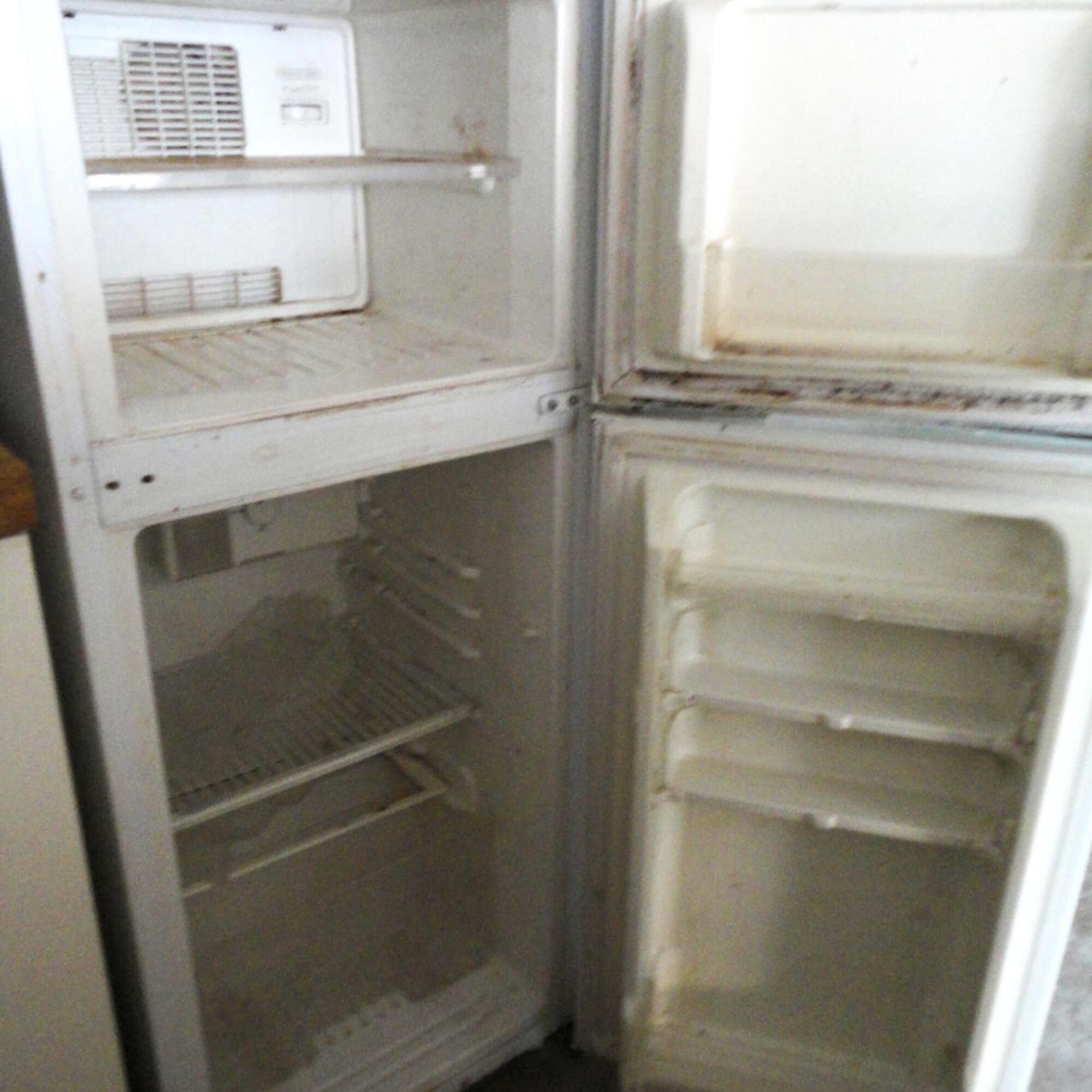
Proposal for a New Holidays: “Fall Unplug the Fridge Day” and “Spring Plug-in Day”

A guest who listens to the podcast and lives in Norway mentioned while we recorded that he was renovating his kitchen, which meant his family had to go without a fridge for ten days. He said knowing about me not using my fridge for over a year gave him perspective to handle the situation easily. He also remarked on how it was cold outside and it didn't make sense to cool a fridge surrounded by a warm home when it was cold outside the home. He was starting to get used to storing food outdoors and not need a fridge. People who live in cold climates don't need refrigerators during the times of year it's cold outside. They can keep things on the windowsill or…

0 Comments

The Spodek Method Mindset Shift: Before and After. A World of Difference.

People interviewing me consistently ask "what can one person do?" If people are in the mainstream mindset, giving them instruction will more likely reinforce their current state. That is, if they think stopping polluting activities will make no difference or risk reverting to the Stone Age, then suggesting they plant more trees or avoid straws will seem pointless and make you look foolish in their eyes. I suggest starting with the Spodek Method because it shifts their mindset, which primes them for a process of continual improvement. Then they want to change. Before and after the mindset shift is a world of difference. Like the Continental Divide, where on one side a drop of water will reach the Atlantic, on the other the Pacific, acting…

0 Comments

Hear me on the Carbon Sessions, from the Carbon Almanac Podcast Network, started by Seth Godin

Seth Godin was one of my first podcast guests and I interviewed him at his home north of the city. He also endorsed my book Leadership Step by Step. He has huge followings who love his work. I know because at his home, I saw the huge piles of handwritten thank-you notes he received, all opened, all clearly read. He recently put out the word to his community that the world could use a basic book on global warming. About a thousand of them coalesced to contribute each in his or her way to make that book in a few months, no one person doing that much. It became a best-seller. I joined the community but didn't participate much. They also started a podcast and…

0 Comments

When a heavy polluter says “we need to bring energy to the world’s poorest,” watch your wallet

Let’s get one thing out of the way. Everyone claims to want to help poor people, poor countries, the sick, children, old people, and other vulnerable populations. Everyone claims to want to help everyone live longer, healthier lives. Nobody claims to want to hurt the vulnerable. After you hear enough heavy polluters say it, you recognize it as empty rhetoric to make themselves feel better and disarm opponents. The question is their behavior and its effects, not their fantasies. People can say they want to help and believe in their hearts they are while wrecking the lives of people and their communities. I believe Bill Gates believes he wants to help the poor when he says, “The cruel injustice is that even though the world’s…

0 Comments

Bringing the solar panels to the roof in the cold, on the verge of six months.

If you think pollution, pushing people off their land, and putting homo sapiens at risk of global collapse is some abstract future risk, I invite you to take your head out of the sand. People are dying by the millions annually from pollution today. Fossil fuel companies pay militias to enslave, rape, and kill people for oil. I prefer not to look away, nor to limit my imagination to thinking I can't influence beyond my personal actions, nor that humanity can't change, nor our cultural lies that living sustainably means deprivation or sacrifice. I choose to lead, which means first living by my values. That's right, I'm updating on acting in the cold. If I waited until my building approved permanent installing solar panels or…

2 Comments

Why values are more important than technology: Eli Whitney’s cotton gin

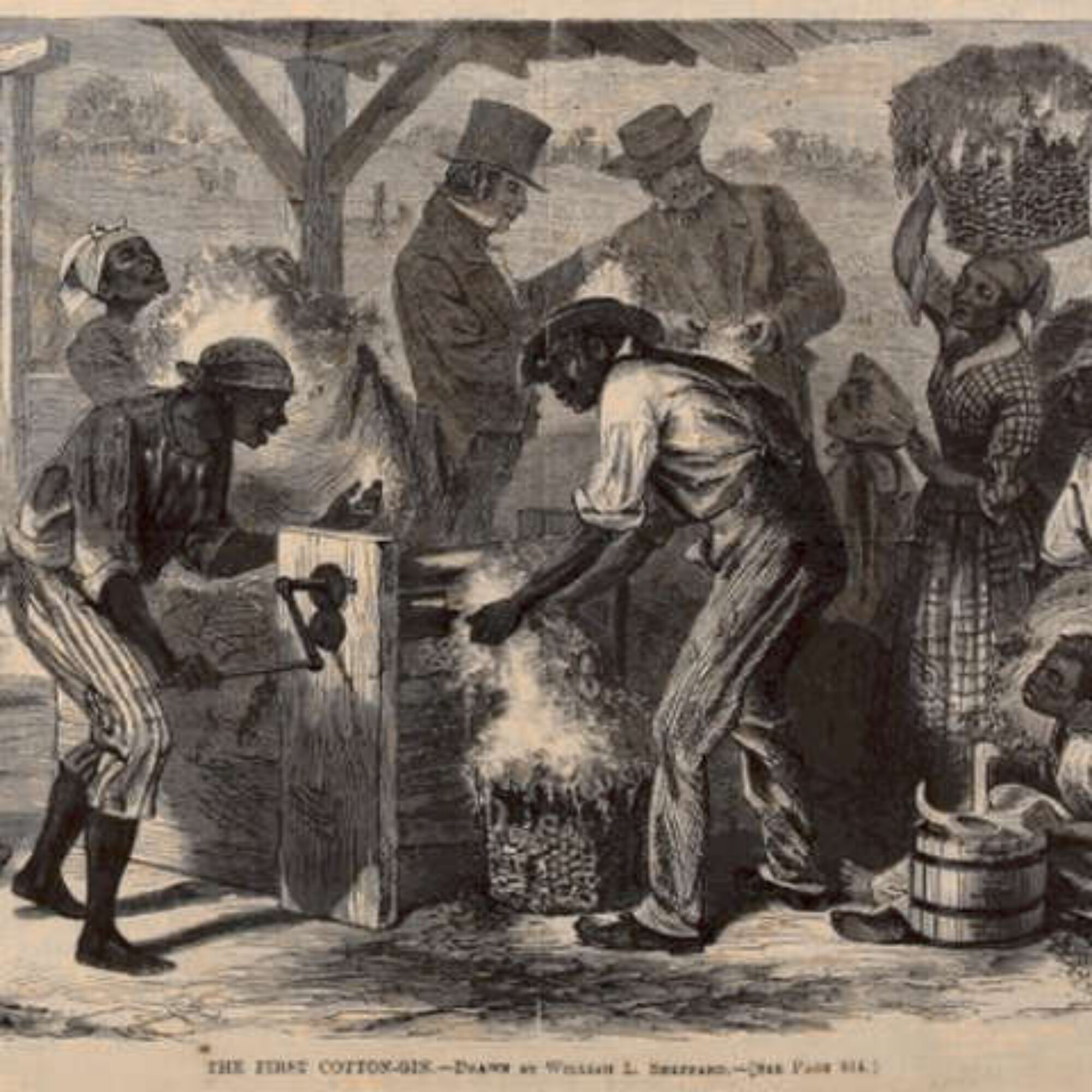
The values and goals of a system determine how a technology serves it. Technology isn't good or bad. People have values, not technology. Technology augments the values of the people using it (as does legislation). Changing technology alone will not help with the environment. It will augment the values of people using it. It will accelerate what we're already doing, in particular, it will lead to more pollution. People often miss how the same technology can hurt by one set of values but help in another. Eli Whitney’s cotton gin is a great example. It enabled one person to process more cotton. It could have been used to decrease labor and therefore slavery, but the system using them didn’t value less labor, it valued profits.…

0 Comments

Elements of the brighter future I envision

I haven't written out the vision for the future that seems so clear to me in how preferable all will consider it compared to today, yet unimaginable to nearly everyone addicted to the comfort and convenience pollution allows. Of eight billion, nearly no one even wants to try. Towering over all other aspects of life after we stop polluting will be the horror we look back on the cruelty of ourselves today, blithely, unthinkingly choosing to satisfy craving with hits of bullshit like flying, bottled water, takeout, and factory-farm-produced garbage to fill our maws. Accompanying the horror will be relief at having jettisoned the guilt and shame from accepting the bullshit lies we told ourselves to suppress and deny the inhumanity and inhumane ways we…

0 Comments

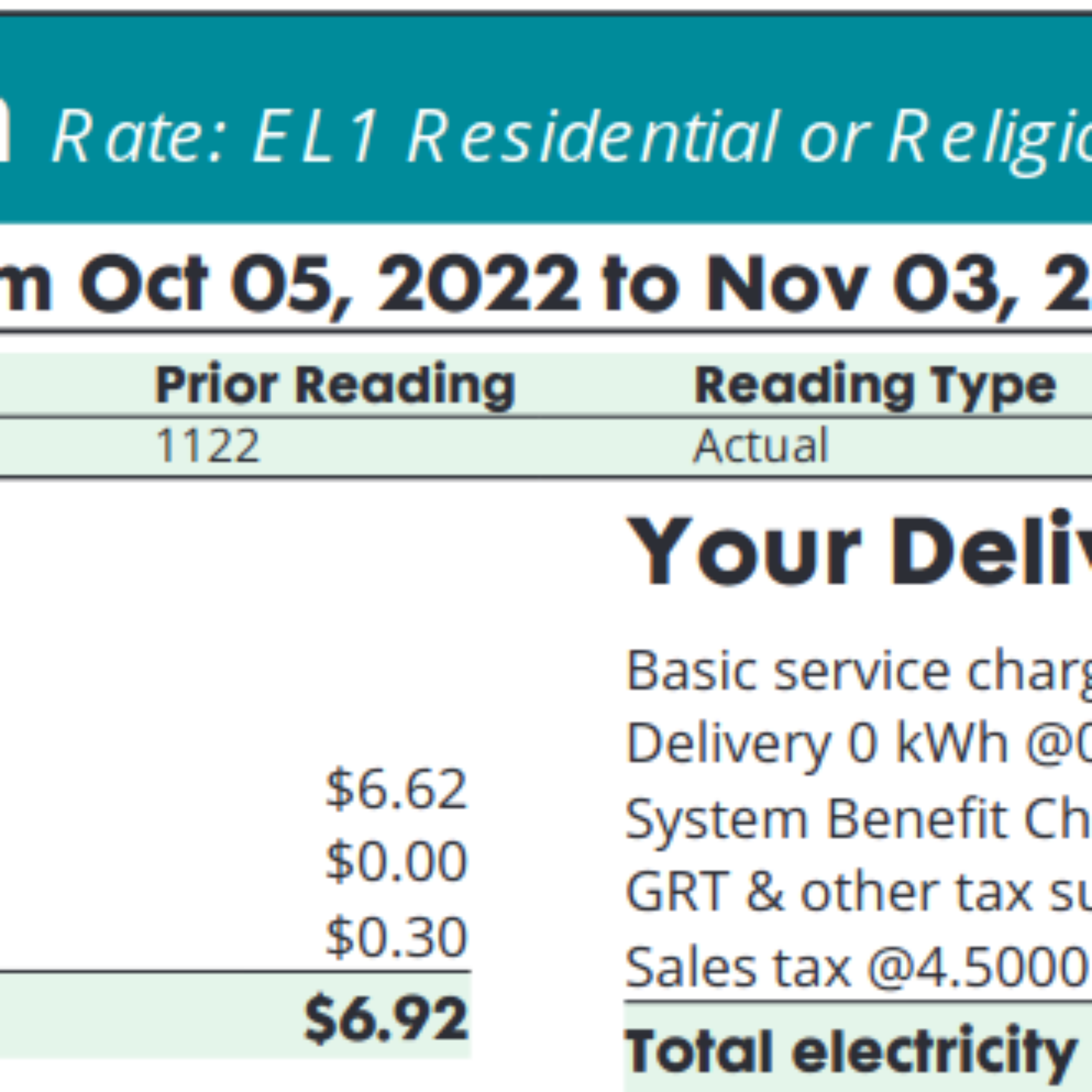
Another month with zero kilowatt-hours

I started my experiment about two weeks off my electric billing cycle, so about two weeks into my sixth month, I think this bill marks my fifth in a row with zero kilowatt-hours: Every month from the first until this one, I've thought I couldn't go on much longer and expected to give up. But I keep thinking of people displaced from their land for fuel and minerals I don't need. What right do I have to pay companies that, for example in the case that podcast guest Katie Redford brought up in Doe versus Unocal, enslave, rape, and murder innocent people? I'm losing touch with that part of mainstream American culture that abdicates, capitulates, and resigns to fund such cruelty, telling themselves what they…

0 Comments

Read my story in TIME Magazine: “I’ve Been Living Off-Grid In Manhattan for Half-a-Year”

TIME magazine is an icon of American journalism. In a few months, it turns one hundred years old. I grew up reading it. Its covers help define our culture. Today it printed its first story from me: I've Been Living Off-Grid In Manhattan for Half-a-Year. Click to read the story. Here's a screen shot of the top of the story: Click to read the rest: I've Been Living Off-Grid In Manhattan for Half-a-Year It begins: Sunday, May 22 was the last day my apartment was connected to Manhattan’s energy grid. That morning I used my pressure cooker—powered by portable solar panels I had bought on Craigslist and carried to my roof to charge—to cook a pot of stew. Then I decided to take it one…

0 Comments

End of content

No more pages to load