Nature


Nelson Mandela’s daughter and granddaughter don’t get sustainability

I was invited to an event at NYU with the daughter and granddaughter of Nelson Mandela, Dr. Makaziwe Mandela and Tukwini Mandela. You don't have to read or listen to much of my work to know his importance to me so I was interested to learn from family members who knew him privately and work for freedom on their own. It turned out the last question came to me. I thought I was giving them a question that would both give me a useful answer and be straightforward for them to answer. They had spoken about the environment and invited questions on it. I asked, roughly: in many areas people acknowledge individuals can't change everything, but they act. In sustainability, they say "what I do…

0 Comments

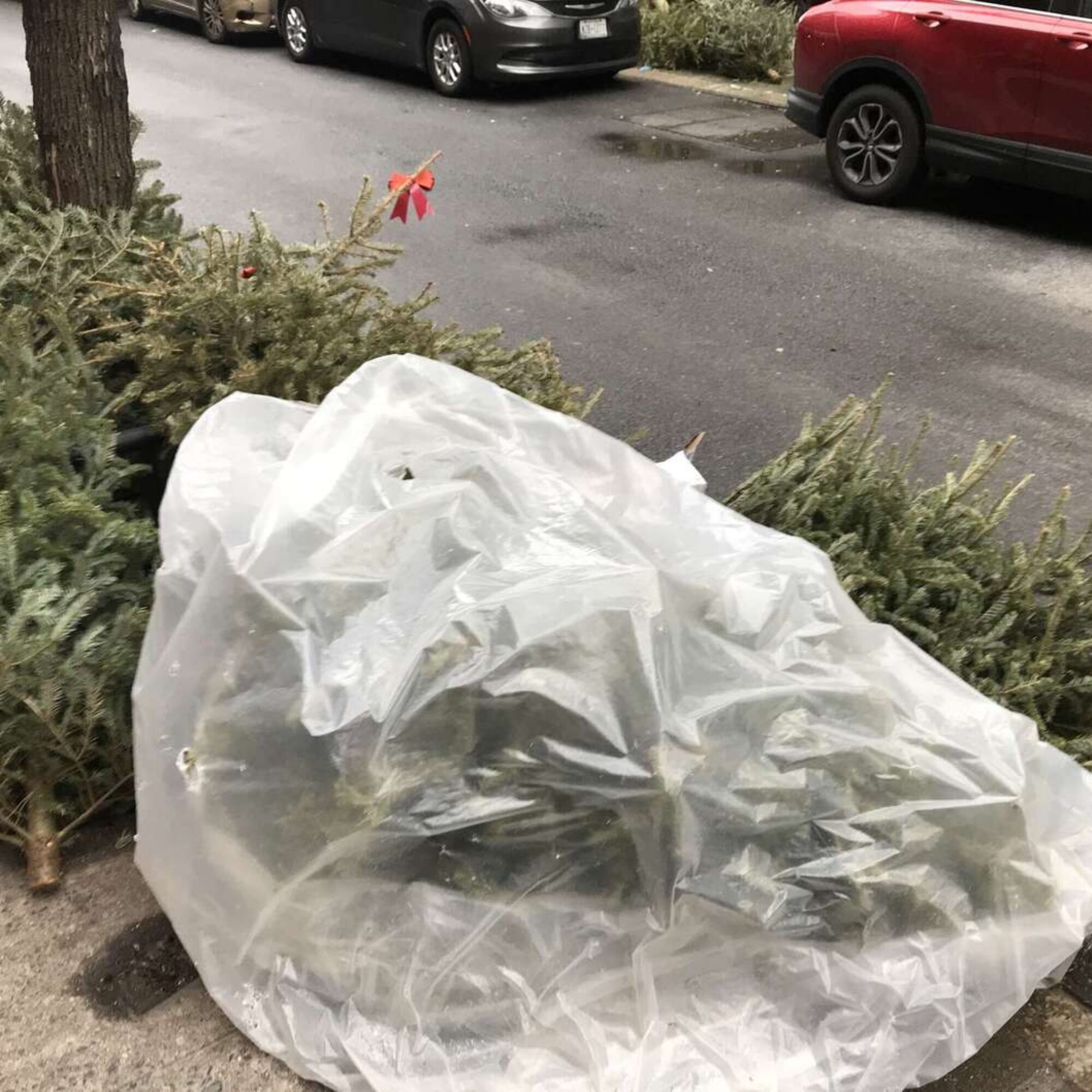
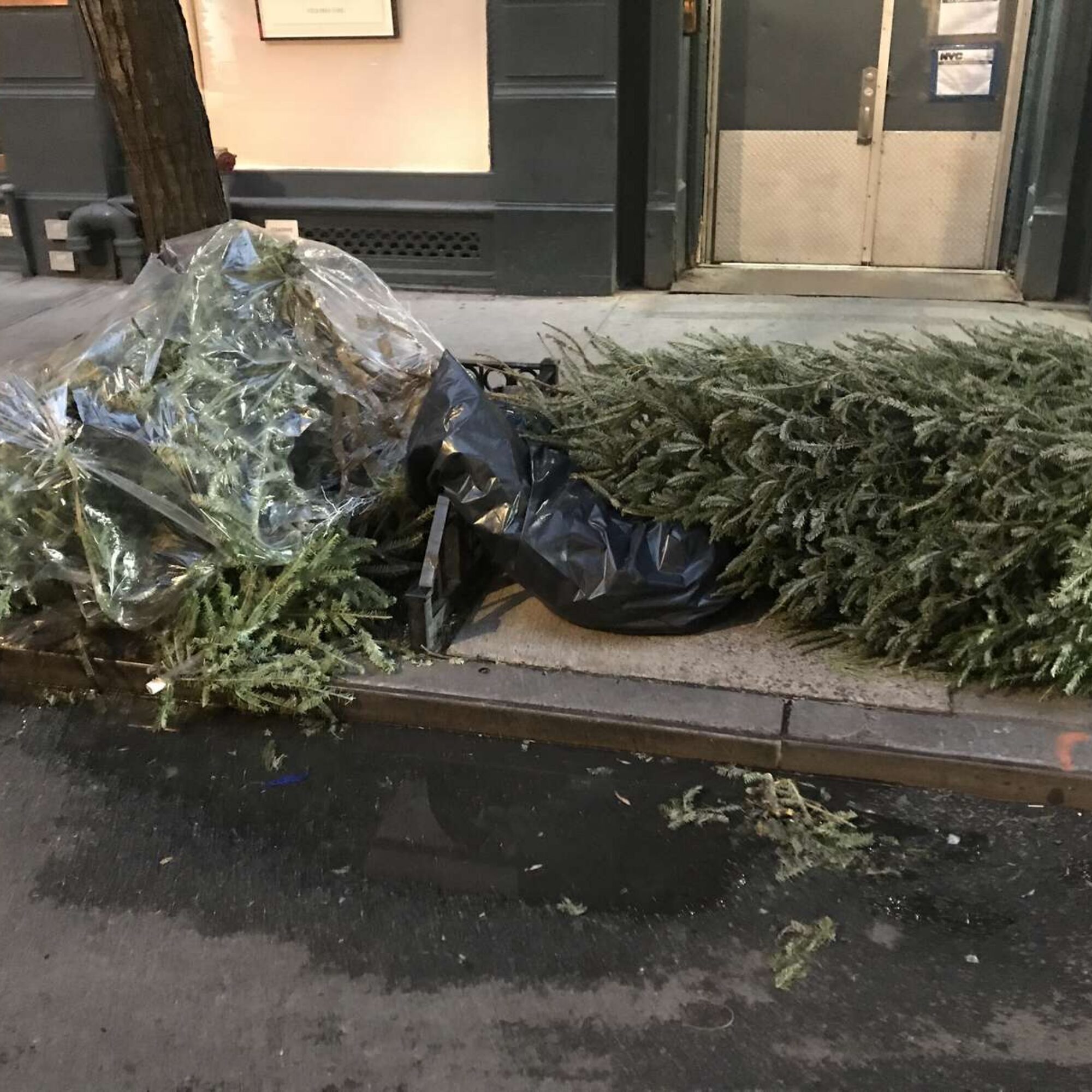
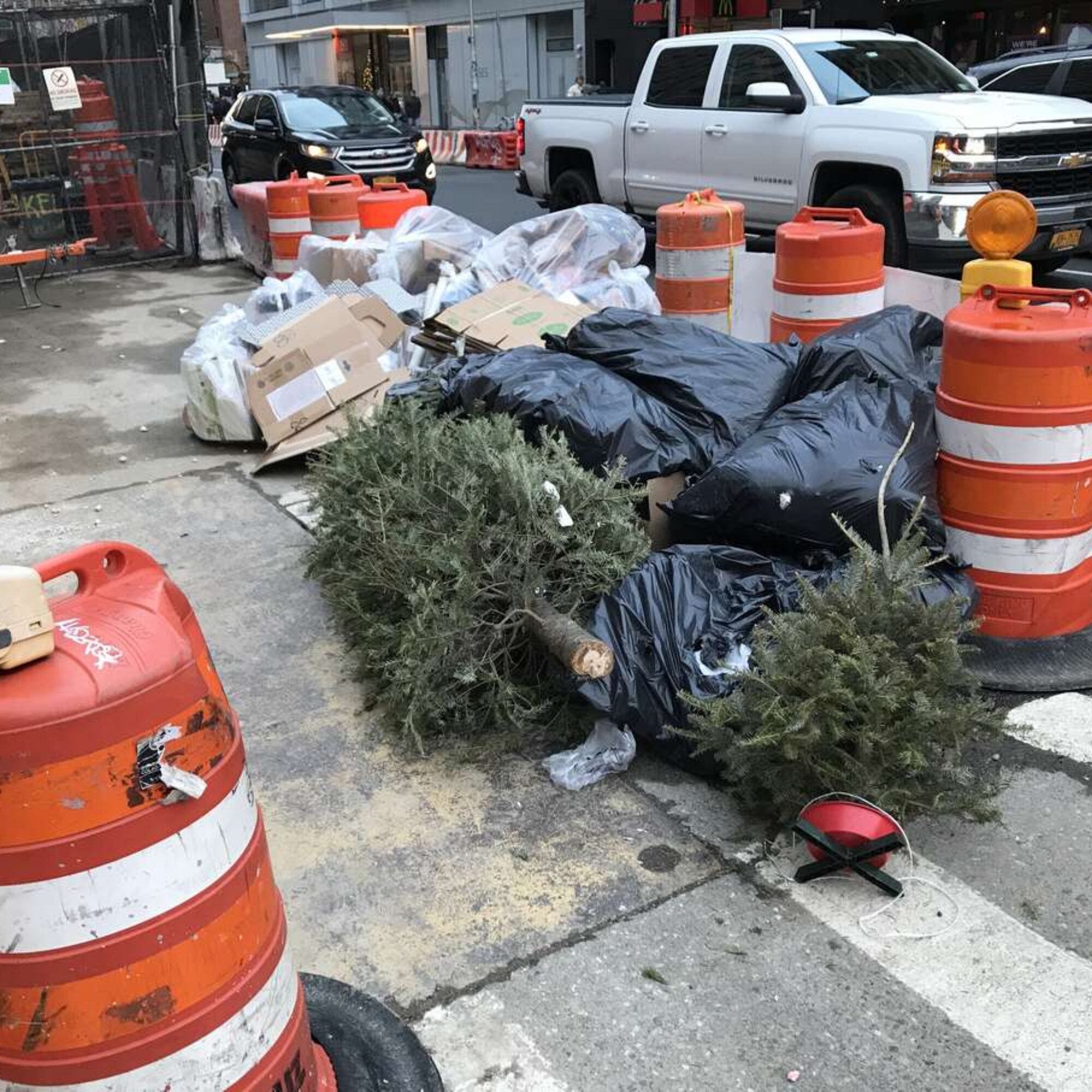
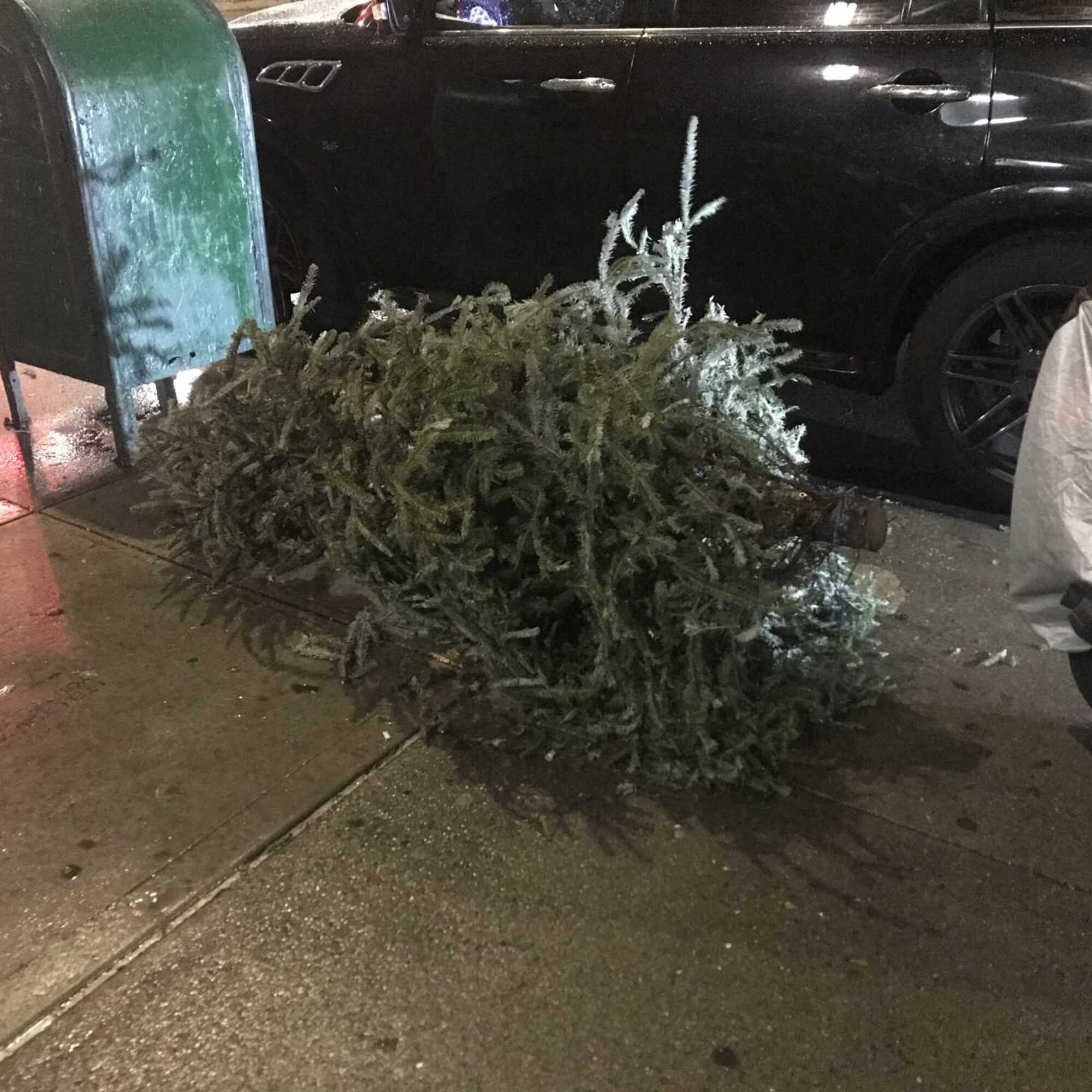
Early Christmas pagan trees being sent to landfill. What represents our culture better?

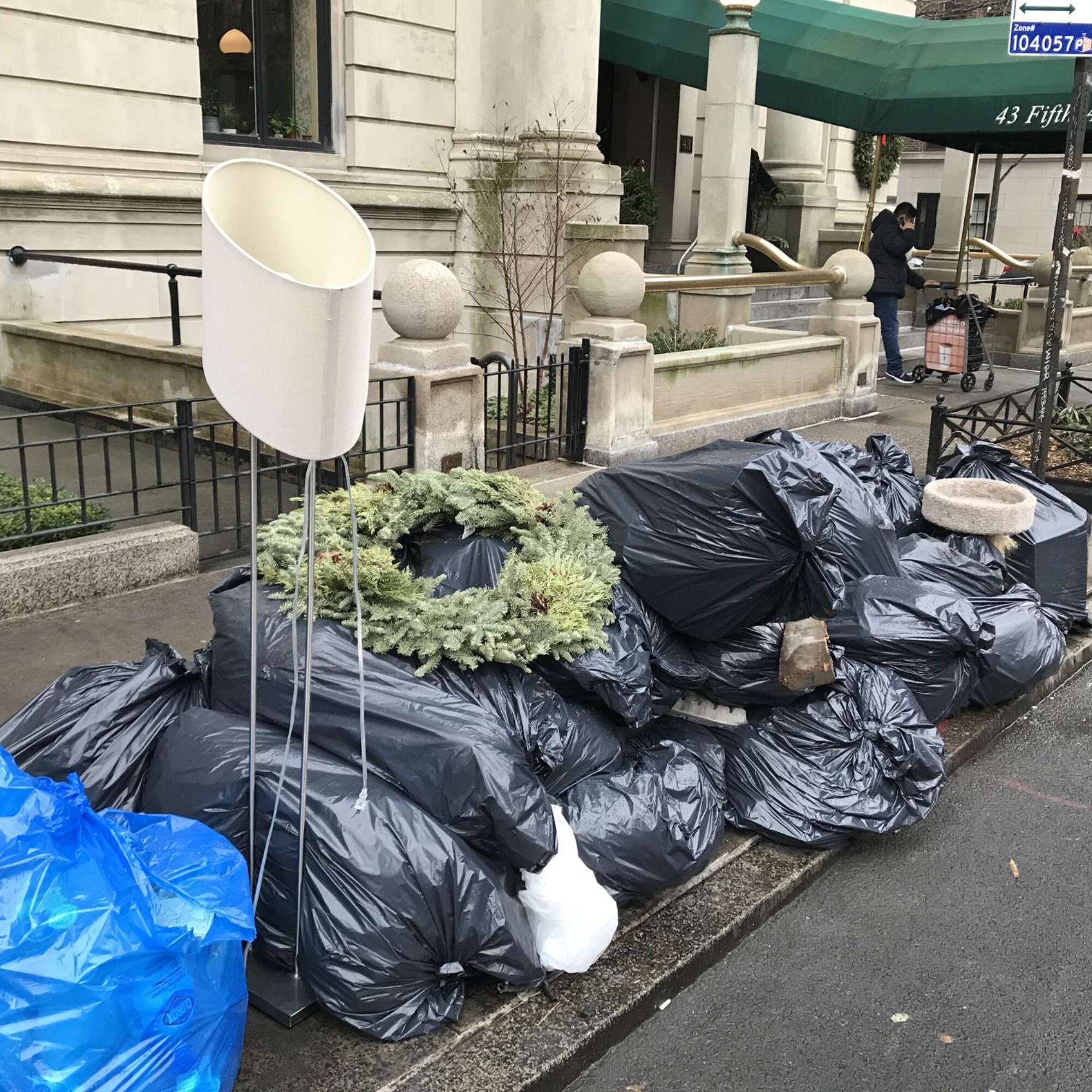
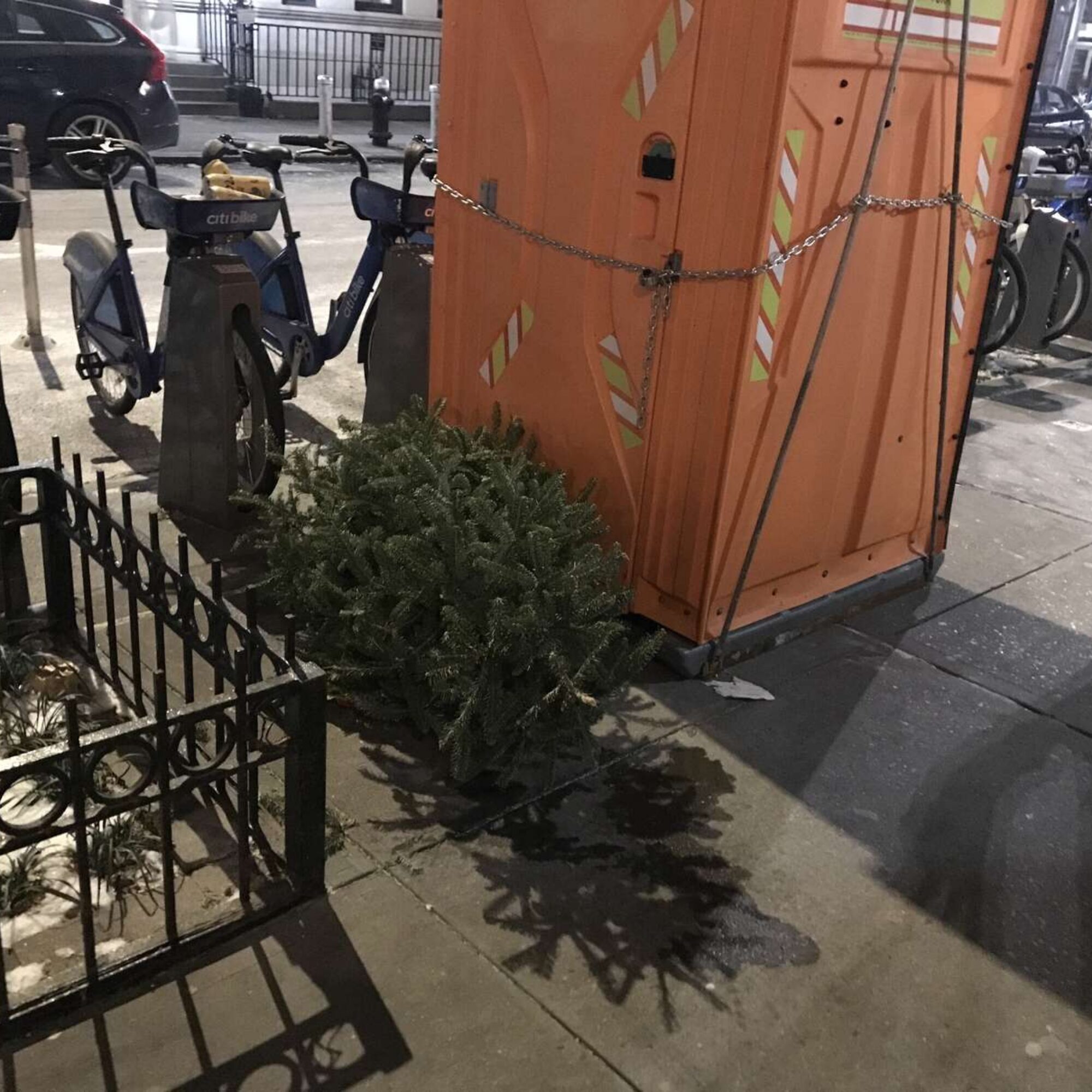
I've written how trees people buy for Christmas are a pagan tradition in You Don’t Need a “Christmas” Tree—a pagan tradition. A reminder of the waste you can avoid. For some reason, everyone in the world doesn't follow my suggestions to start healthier traditions for Christmas. Instead, they fund the practice of growing Christmas pagan trees to cut them down and send them to landfills or with giant fossil-fuel burning machines, cut them apart into mulch, claimed to be made available for lawns, but I'll be mostly ending up in landfills. I saw my first tree being thrown out this season, believe it or not, on December 24. Why wait for Christmas to throw away the tree? I saw a few more on Christmas and…

0 Comments

But Aren’t We Solving Things? How can efficiency increase pollution?

I write about how unsustainability led to imperialism, which led to colonialism and slavery. But wait. Why bring up all this awful history? Haven’t we learned from it? Have we learned from history? Aren’t we moving on from it? Look at all the things that can solve our environmental problems: carbon taxes, electric vehicles, carbon offsets, more efficient batteries, and so on. Can’t we solve each problem one at a time as it arises? Aren’t you letting the perfect be the enemy of the good? There’s a difference between intent and effect. If nature responded to intent, I’d support all those well-meaning ideas, but nature is a complex system. Press down on a bicycle pedal and the bike doesn’t go down. It goes forward. Likewise…

0 Comments

Jane O’Sullivan videos on population and overpopulation

Jane has been a guest on the podcast. I've been catching up on research on population and overpopulation and wanted to compile her videos for future reference. EDIT: She wrote a wonderful overview peer-reviewed paper that covers a lot of her results, with references to more literature: The social and environmental influences of population growth rate and demographic pressure deserve greater attention in ecological economics, in Ecological Economics. Here's the abstract (it looks jargon-y, but I found the full article readable): Ecological economists accept that the global population cannot grow forever. But papers discussing the relevance of population growth and the prospects for minimising it are rare in the literature on ecological economics. Even these papers treat population almost exclusively as an issue relating to…

0 Comments

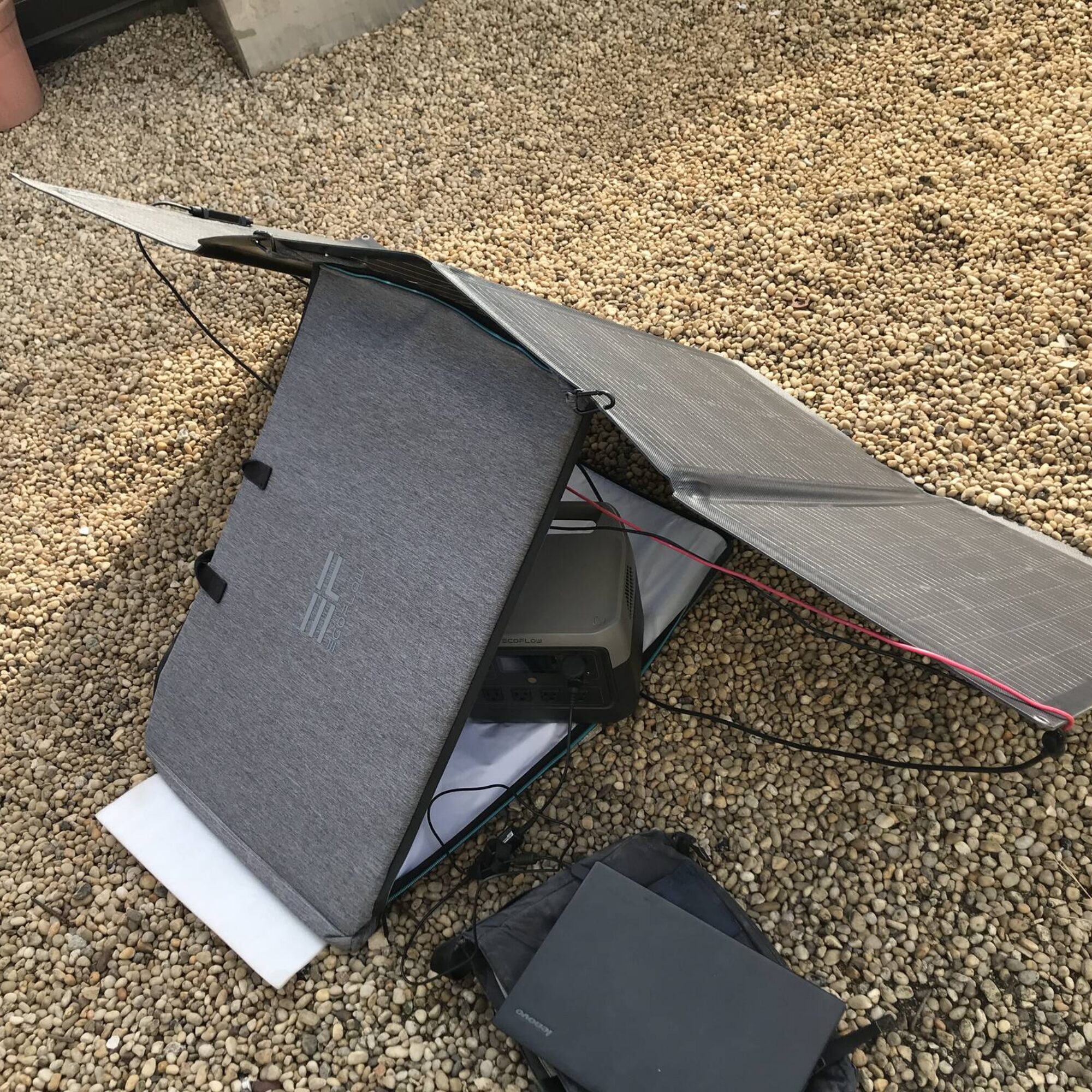
Setting up solar panels on my roof in about a minute

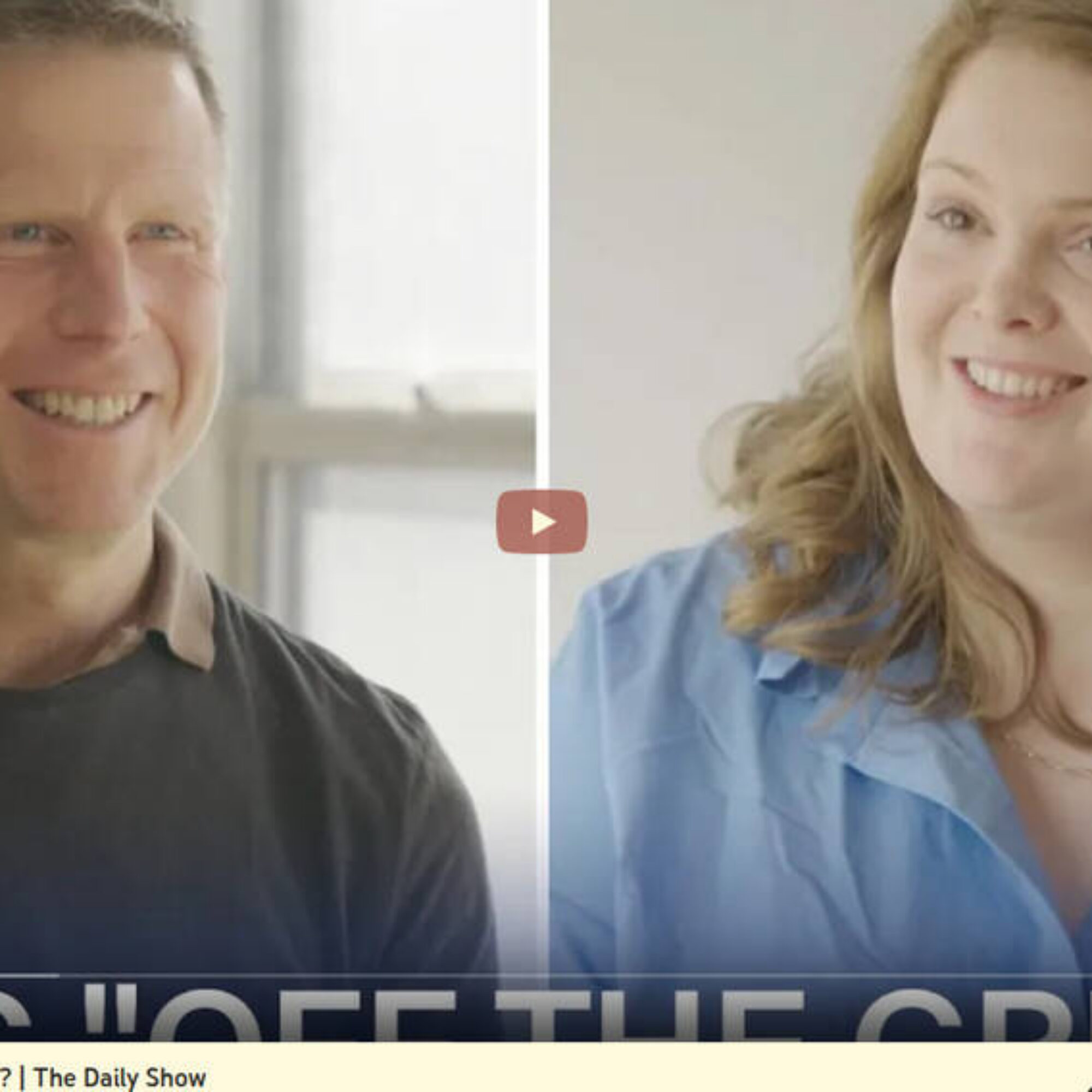
Since people are asking me since the Daily Show segment See the Daily Show’s segment on me: “Is it Possible to Live “Off the Grid” in Manhattan?” how I live, I'm posting some of what I do. Keep in mind the number one most important start is a mindset shift, then continual improvement. When you have an attitude that you can do it, you figure the technology out. It took me years to reach this point, but it began with expecting I would improve my life. No off-the-shelf solutions were available, but mm I going to give up because I can't install a panel permanently yet? Of course not! Quoting Teddy Roosevelt's autobiography: Do what you can with what you've got where you are. Since…

0 Comments

See the Daily Show’s segment on me: “Is it Possible to Live “Off the Grid” in Manhattan?”

Here's just the segment with me: and the whole episode (I appear about 11:10). https://youtu.be/MQrpXEF3pZE I liked it more than the New Yorker piece on me, though that's not saying much. I laughed out loud several times, partly since I remember the recording. For example, after she put the Skittles in the kombucha, we saw their dye run off and they turned an unnatural ghostly white. I wanted to share about doof, since the concept is so important, but how much can you fit in a few minutes. I was glad to see they showed me volunteering, delivering food to the community center, and picking up litter. You couldn't tell the volunteering exactly, but it added depth. They linked to a couple of my four…

2 Comments

The Daily Show showed my living disconnected from the electric grid in Manhattan.

The Daily Show aired their segment on my disconnecting from the electric grid in Manhattan! I just learned, so haven't seen it myself yet so can't comment on it. I hope it was funny, informative, and inspiring. EDIT: I posted the video and some comments on it: See the Daily Show's segment on me: "Is it Possible to Live "Off the Grid" in Manhattan?". The point isn't my personal impact. The point is leading others. You can't lead others to live by values you live the opposite of. Systemic change begins with personal change. I'm happy to answer questions, but the big answer is that over 4 billion people live in cities. If none of them think they can disconnect from the grid, they won't…

0 Comments

You Don’t Need a “Christmas” Tree—a pagan tradition. A reminder of the waste you can avoid.

We're entering Christmas season, when Christians in the U.S. celebrate with a clearly pagan ritual of celebrating a birth in Bethlehem with chopping down fir trees. Presumably this tradition began in northern Europe, unrelated to the middle east. I propose instead of celebrating birth with death and mixing paganism in with Christianity, recognizing that cutting down trees was not likely ever appropriate, but not now. Are Christmas Trees Pagan? Inside The Origins Of The Evergreen Tradition Ancient History Of The Christmas Tree And Its Pagan Roots – How The ‘Forbidden’ Tree Survived Against All Odds History of the Christmas Tree: Pagan Origins Look at this mess from last year. We don't have to keep trashing the environment just because we used to. Can you show…

0 Comments

Images that changed how we see the world and ourselves. Images that will change us more.

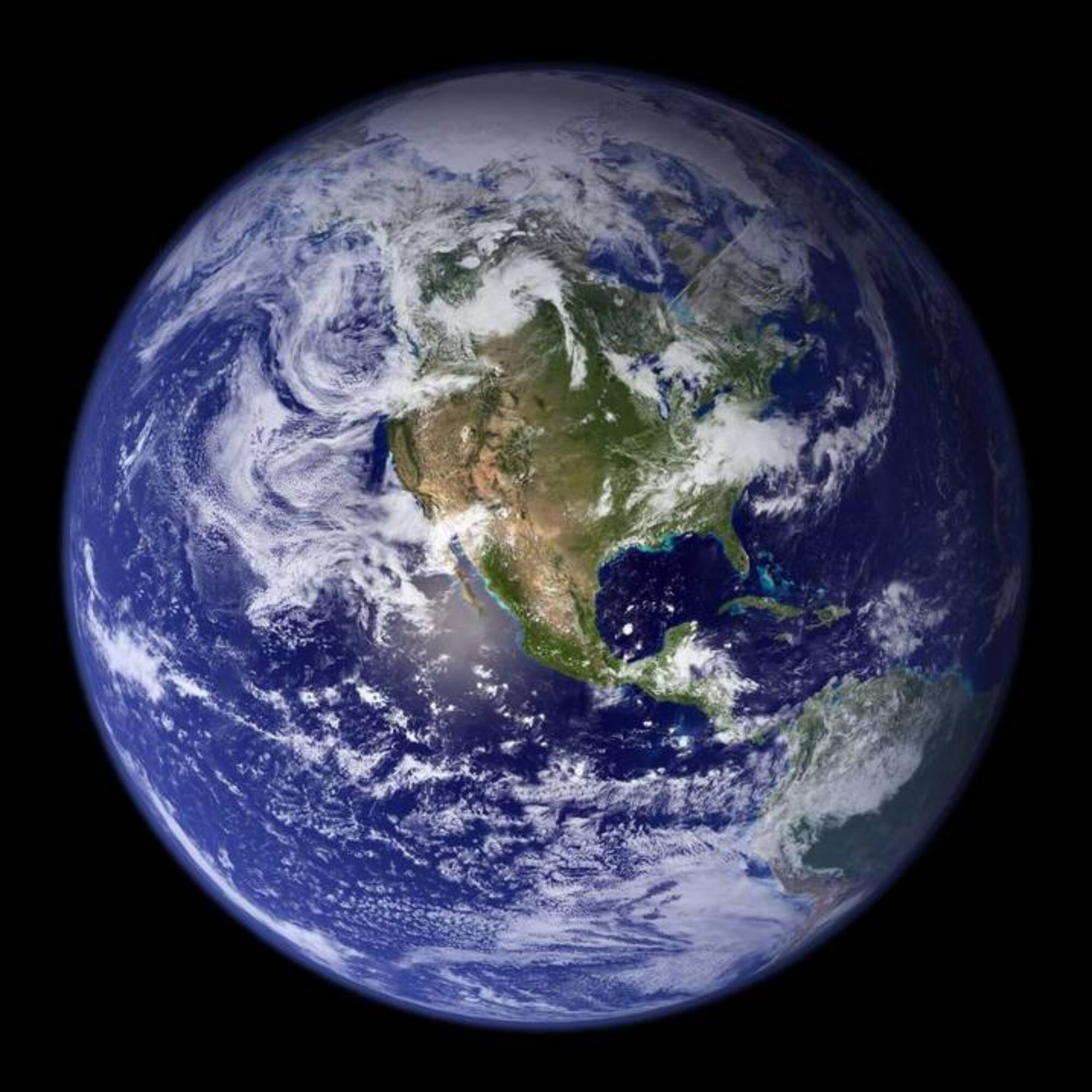
Before I was born, the image of Earth from space changed not just a generation, but forever how humans saw the Earth and ourselves. It's hard for me to imagine how seeing that image affected people seeing it for the first time. Here's one: Here's another: Projected images after sea-level rise Can you imagine how we'll feel about the Earth and ourselves after more sea-level rise? I'm sure you've seen images like the ones below. If you're like me, you think about them in the abstract, wondering if that outcome is really possible. It's not just possible. It's likely. Try to imagine actually seeing maps change like this. Imagine future generations knowing there was once more Florida but we wouldn't stop ourselves indulging despite knowing…

0 Comments

Inspirational environmental F-bomb

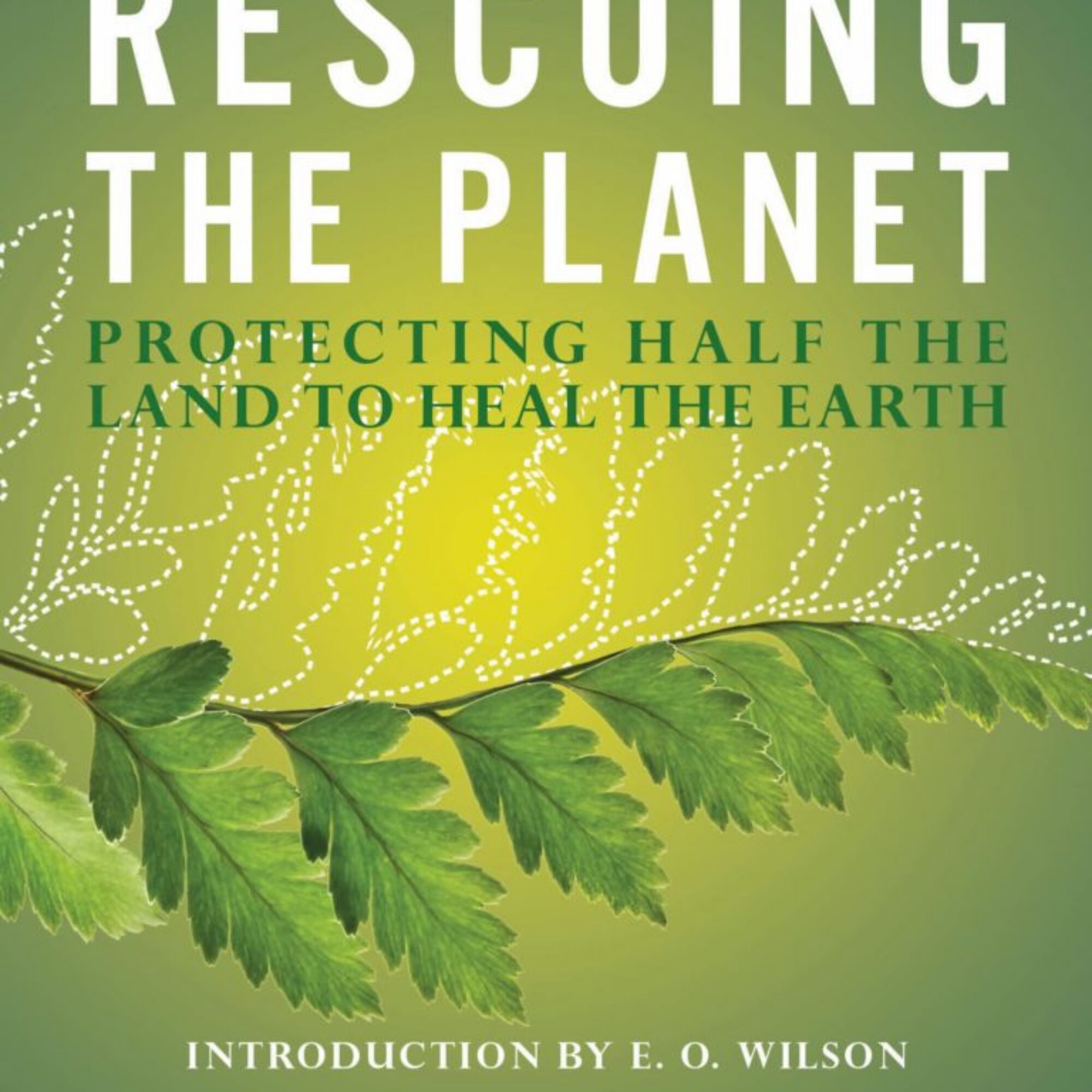
You might remember from my conversation with podcast guest Tony Hiss a passage from his book, Rescuing the Planet: Protecting Half the Land to Heal the Earth, that inspired me for the bold story it told. I'm finally copying that passage here. I'll put in bold the bold part that psyched me up, to ask for what we fucking need: Back in 1997, [Steve] Kallick was with the Pew Charitable Trusts, in Philadelphia, beneficiary of much of the fortune of Joseph N. Pew, founder of the Sun Oil Company, when he and his colleagues began thinking about the Boreal. They were also working on the roadless rule, in what Kallick's boss at the time, Joshua Reichert, who has a Princeton doctorate in social anthropology, called…

0 Comments

How Environmentalists Fail (Where We Could Use Innovation)

Tell most Americans that an airline is investing in "sustainable airplane fuel" and their ability to think critically flies out the window. They'll believe anything you say that will let them tell themselves they can fly sustainably. Likewise with offsets, anything labeled recyclable, recycled, or compostable: people will presume anything is possible if it lets them avoid stopping polluting and depleting. Yet a few things they consider impossible. However much they say value sustainability and denigrate others who don't act as not caring or deniers, the following issues lead them to stop thinking and shut down any more consideration of acting more sustainability. Environmentalists, in particular, don't challenge them, so don't act sustainably. Their resulting lack of integrity, credibility, or knowing what they're talking about…

0 Comments

Ecomodernists, techno-optimists, and closed-loop advocates: why don’t you believe your own hype?

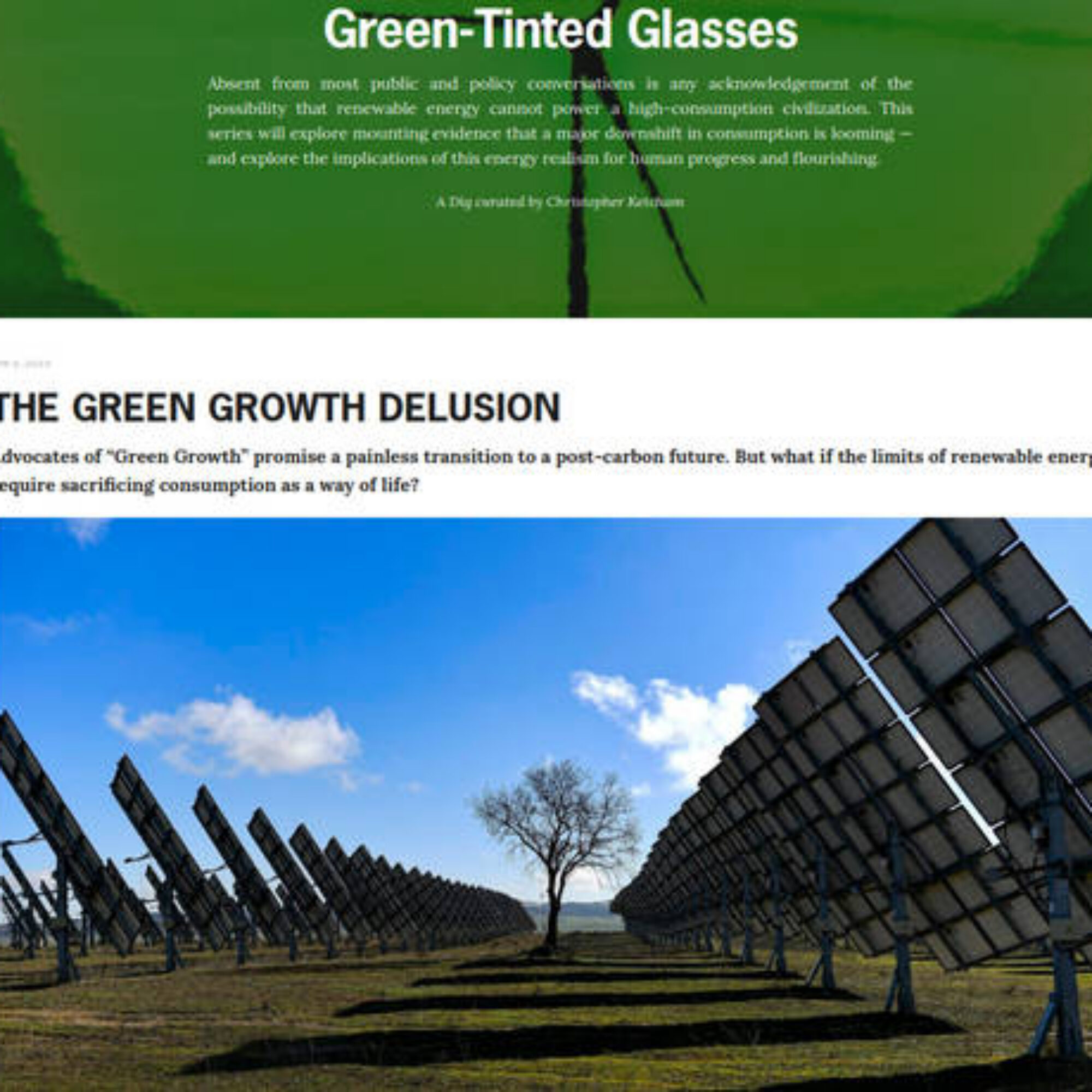
The Ecomodernist Manifesto talks about "decoupling," meaning growing the economy and population without growing environmental impact. Techno-optimists talk about "green growth" and "closed loops." Just giving an idea a name doesn't make it possible. These concepts have been debunked like cold fusion and perpetual motion machines, yet people like to use them to rationalize and justify business as usual. But the people promoting decoupling, green growth, and closed loops don't believe themselves. If you believe you can grow the economy, population, or both without increasing environmental degradation, it follows that you believe we can decrease extraction without lowering GDP. So you shouldn't mind not extracting fossil fuels or uranium. After all, if they're decoupled or the loop is closed, the economy doesn't need them. Or…

0 Comments

Do you feel enraged at people flying private jets to climate conferences?

Flying a private jet to a climate conference seems the height of being out of touch and acting counterproductively. If you feel that way, have you considered how much of your expenditures pays for extracting, polluting, and depleting? What fraction of your spending goes to filling your gas tank, flying, air conditioning, heating, industrial agriculture, buying things that require pollution to make like packaged food, takeout, houses, cars, nearly all meat, computer chips, and so on? Since plastic, flying, air conditioning, cars, and artificial fertilizers didn't exist more than about a century ago, human life requires none of those things. Since people in cultures without those things see those things and choose to resist imperialism, colonialism, and assimilation, humans can thrive without them. Yet most…

0 Comments

Overpopulation in Israel and Gaza

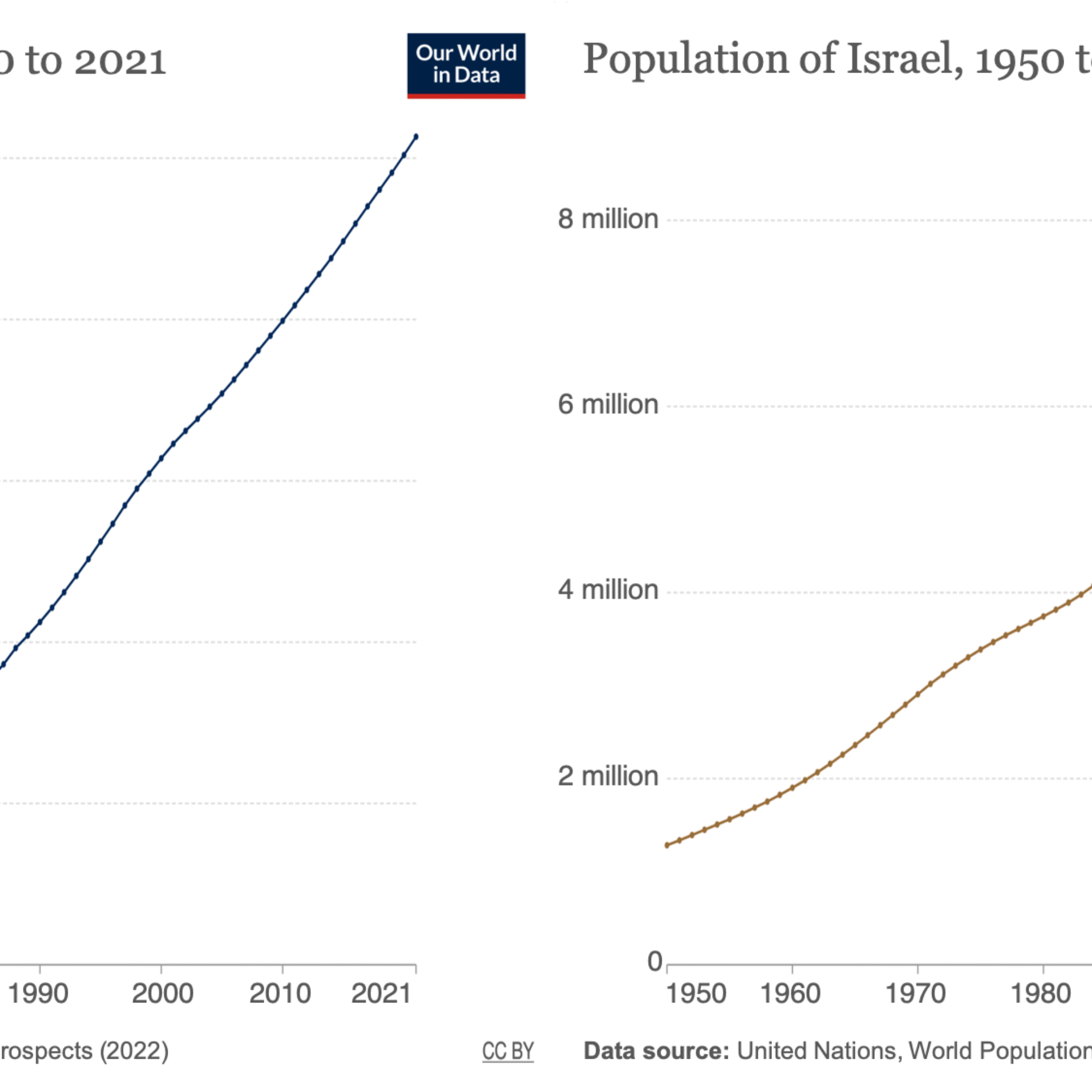
Imagine you're sitting in your home, comfortably with your family, say a spouse and a kid. Then five other families move into your home with you. You can imagine conflict would arise more when you more than quintuple the number and density of people in your home. I found the following graphs in a piece a podcast guest, Jane O'Sullivan, wrote, The Catalyst of Overpopulation in the Gaza Conflict. I consider her research and voice among the most important on population and overpopulation. The piece begins "Mountains of work have analysed the roots of the conflict in Gaza, but all have missed the catalyst of increasing population." It continues From its very beginning, peace has eluded Israel, due to the difficulties of accommodating the nationalist…

0 Comments

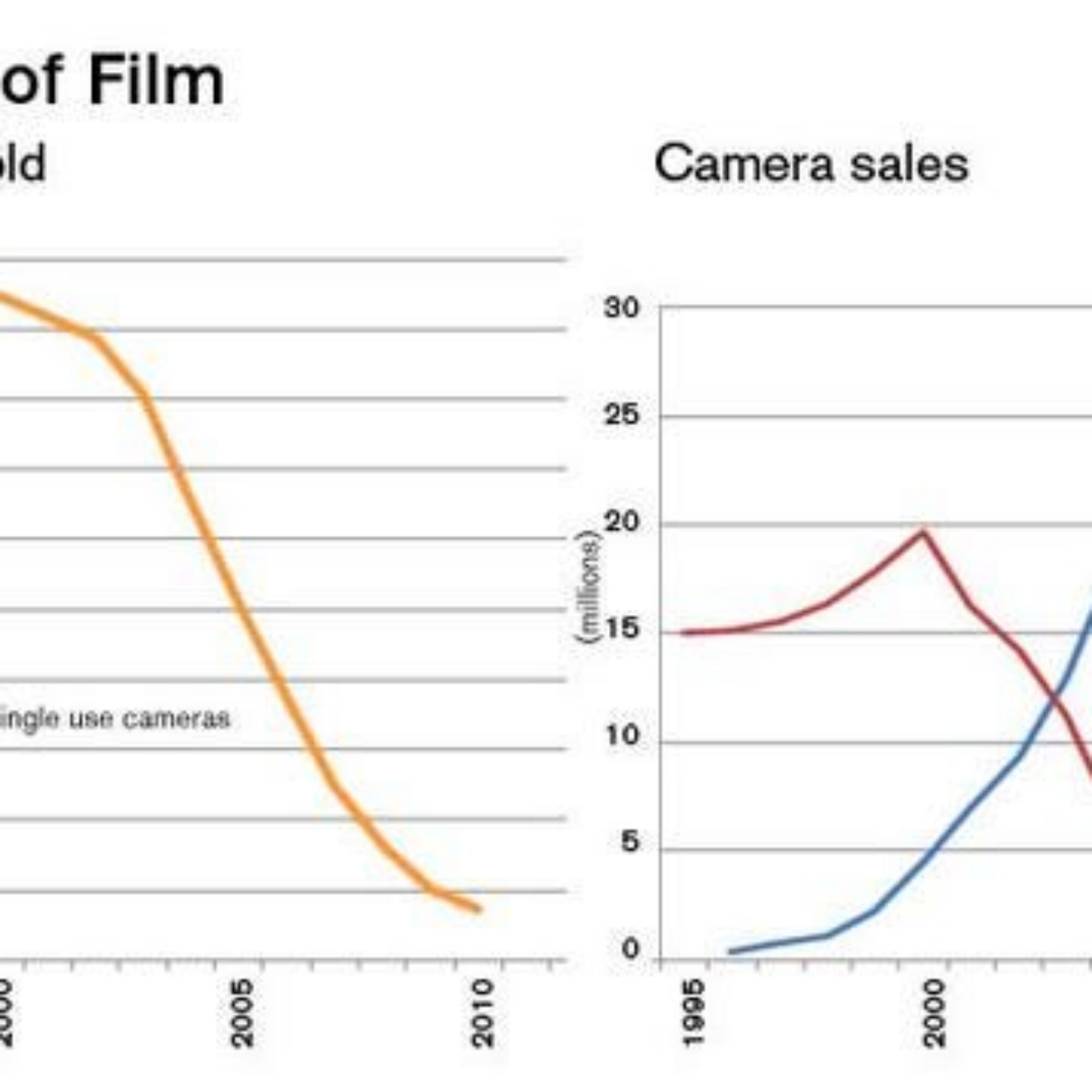
Focusing only on climate change or carbon today is like Kodak only focusing on film when digital started. Let’s not be Kodak.

I've written that Only specify fixing climate and carbon if you want to wreck everything else (forests, biodiversity, rivers, etc) because that happens when you do. Our environmental problems transcend "just" climate change. I thought of a useful comparison: Kodak only focusing on film in the 1990s. Kodak dominated its market. Then than market collapsed. Kodak understood about digital and could have moved there. It didn't. It looked elsewhere. You could see climate change as a big problem, but it's a symptom. The problem causing that symptom among many others is our behavior, based in our culture. Kodak had a culture of dominance, not curiosity or change. It could have changed its culture. We can change ours in principle to restore stewardship and get out…

0 Comments

I support population and technology, if they support human flourishing, which is why I use less than ever

I love people and I love technology. Nobody wants ten billion people enjoying all the technology they want as comfortably and conveniently as they want more than I do. If we do it, we must do it sustainably if we want to avoid collapse, and unfortunately, we are not on that path to do it. If such a future is possible, it’s tempting to keep living as we do and hope someone will make each unsustainable part sustainable. Many of us hope we’ll replace fossil fuels with solar and wind, plastic with something biodegradable, deforestation with vertical farms, and so on. Yet each of these substitutions instead leads to greater consumption—solar panels require more batteries; wind turbines require additional development; and on and on. What…

0 Comments

More on integrity and sustainability leadership versus management

Yet again I heard someone saying individual action won't solve our environmental problems so we shouldn't even look at it, and this was a major public speaker. He repeated the idiocy that, as he saw it, BP creating the personal carbon footprint was a coup for distracting us from them. I'd love to see all these people who oppose individual action in 1850, saying, "you can't end slavery so don't free any slaves." No, I'm not equating pollution and slavery. I'm pointing out that living by your values is always a good choice, even if you can't fix all the world's problems yourself. Polluting kills people. If you do something that kills people and you don't want to kill people, you have to stop doing…

0 Comments

Attend my third annual Cooking Sustainably workshop in the Bronx THIS SATURDAY, with special guest: My Mom!

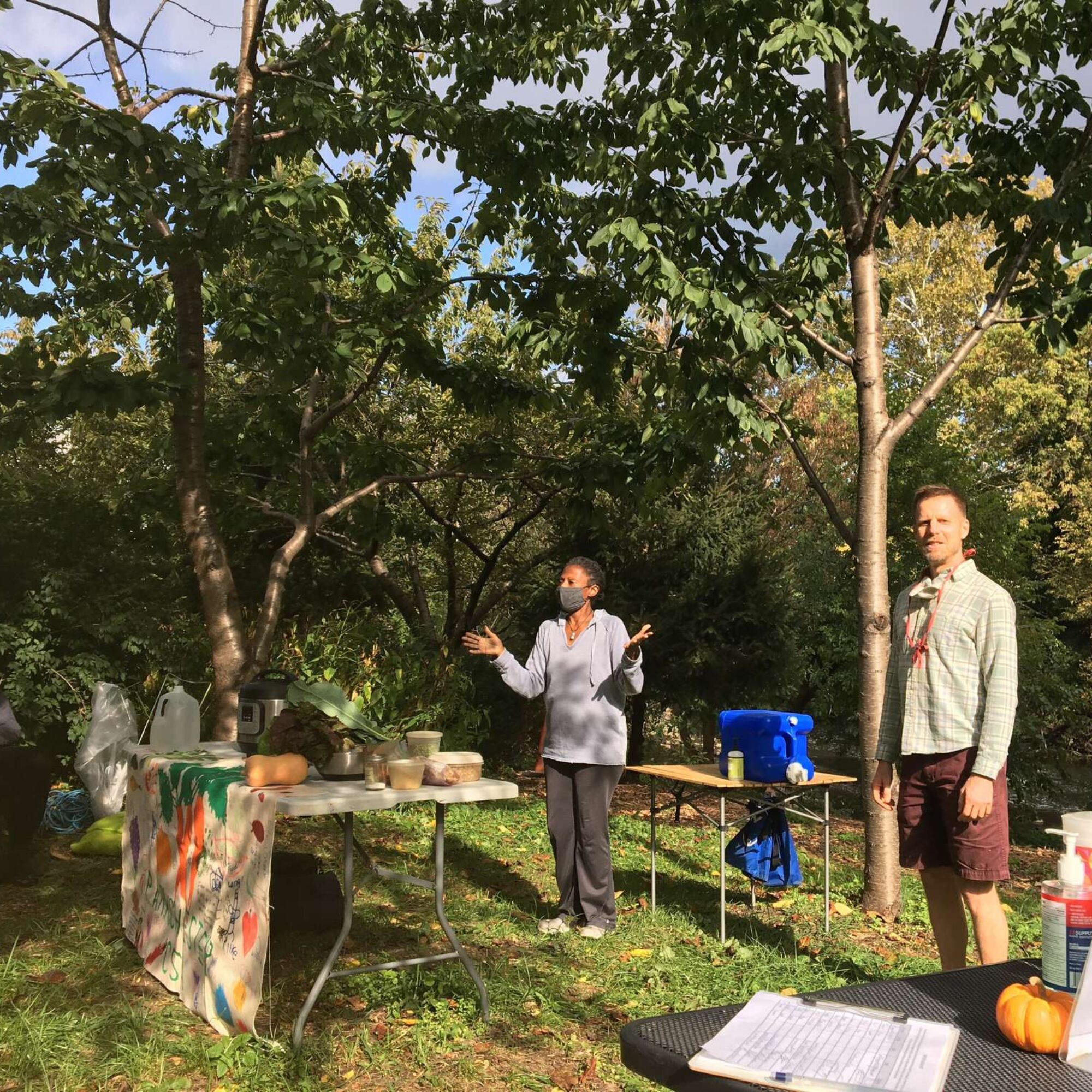
Come to my third annual cooking workshop at the wonderful Drew Gardens in the Bronx THIS SATURDAY. My mom will attend to share about organizing food coops. Click for all the logistics: Everyday Choices, Big Impact: The Power of Sustainable Living Drew Gardens is one of New York City's great gems. I love it there. You will too, along with my famous no-packaging vegan solar-powered stew. About the Event: Are you interested in learning how to live a more sustainable lifestyle? Join DCG and Joshua Spodek for our THIRD ANNUAL WORKSHOP and learn how making sustainable choices can help to: Protect the environment: Our planet is facing a number of environmental challenges, such as climate change, pollution, and deforestation. Living a sustainable lifestyle can help…

0 Comments

Watch me moderate a panel on Developing a Sustainability Leadership Culture, October 25

If no one is changing culture in your world, it's your opportunity to fill the leadership vacuum. Find out how and what dangers to avoid from leaders who have changed cultures before. How to Develop a Sustainability Leadership Culture in Your Organization Click to register now! About the Event: Many companies are making strides toward goals for greening their businesses but need to find ways to maintain the momentum now that they have tackled the easiest challenges. Others are about to embark on their sustainability journeys and seek a roadmap and best practices. Increasing regulations, particularly in Europe and the U.S., and demands from investors are pressing businesses to define, monitor and publish their net zero targets and green their practices and products. The IPCC…

0 Comments

I’m not leading by example by trying to live more sustainably

People respond to my disconnecting from the grid and all saying, "it's great that you're leading by example." I'm not leading by example. I don't believe leading by example works in sustainability. People have filled their hearts and minds with rationalizations and justifications why what they are doing is good, right, and normal for them. Seeing someone acting differently doesn't change their view. On the contrary, it often leads them to strengthen their beliefs about themselves. They respond, "I can see why you can avoid flying [or whatever more sustainable behavior], but I can't because I have to work for a living [or whatever rationalization and justification]." I lead through the Spodek Method: the technique to create a mindset shift followed by continual improvement. I…

0 Comments

Efficiency means the last hauls of fish could be the most full and the last oil extracted could be cheapest

People keep suggesting that markets will adjust to scarcity. Sometimes, but not always, especially when innovation and technology develop faster than they can react. For example, with fishing, we develop tools to find fish with sonar and satellites, other tools to haul them in better, improved boats, tools to unload and ship them, and so on. The short-term result: we increase the fish hauls even as fish populations drop. The long-term result could be that our last hauls of fish could be the most full, not signaling the market so it won't adjust except when it's too late. Likewise with oil. We use oil to find and extract oil. We find new ways of creating oil, like fracking. The short-term result: we increase the oil…

0 Comments

Free markets? Meat subsidies are insane, as is consumption in the U.S. and a few other places

I like free markets. I wish we had them, but as far as meat is concerned, we don't seem to. Here is a chart of Subsidies for Meat Production From Industrialized Countries (OECD Members), Estimates for 2012, in Billions of Dollars. Can we end this corporate welfare? And here are Current Worldwide Annual Meat Consumption per capita. I didn't realize the U.S. would stand out so much. I thought Brazil and Argentina ranked higher. I may not eat meat, but I don't see a problem with hunter gatherer cultures eating meat. We seem to be on a whole other scale, especially considering how much we factory farm.

0 Comments

Watch me (in the kitchen) and Evelyn, episode 2: Cooking and living joyfully sustainably

Here's our second livecast, following up our first livecast on sustainability leadership with Evelyn Wallace. You'll see me cooking one of my famous no-packaging vegan solar-powered stews. You'll see it impromptu, as I hadn't prepared. The sun shone for the first time in three days, so I squeezed in some charging time until just before starting, so instead of our planned conversation, we talked while I prepared stew. https://youtu.be/phvJ5p2aY_4

0 Comments

Update: Is the greatest obstacle to sustainability people with resources, especially time and money?

I recently asked Is the greatest impediment to someone living more sustainably their resources, especially time and money? and formed the hypothesis that people with money and time are both the biggest cause of our environmental problems and resist changing the most. I'm just developing the approach and understanding, but predict and expect it will become a major point in where to focus our efforts. Going to the Amazon or coral reefs distracts us from who decides to extract, who pays for what polluting and depleting provide, who benefits from it, and whose behavior if changed would help the most. It seems obvious to me that rich people decide, pay, benefit, and could help most by changing. It's still a hypothesis, so I welcome challenges.…

2 Comments

Is the greatest impediment to someone living more sustainably their resources, especially time and money?

This realization hit me this morning. It will seem counterintuitive, especially to people living in overdeveloped countries. The majority of people in them see people suffering from environmental destruction and want to focus on helping them. We should help them, but we should realize they aren't causing the problems. The more resources, especially time and money, someone has, the harder it is for them to stop polluting and depleting. Almost everyone who reads these words doesn't remotely live sustainably but cares and wants to do what they feel is the right thing. They see corporations and governments polluting more and think they're doing what they can. On the contrary, they are as much the problem as anyone and their resistance to see their contribution, how…

0 Comments

End of content

No more pages to load