The Method: improving your life as much as you want is all based on one cycle

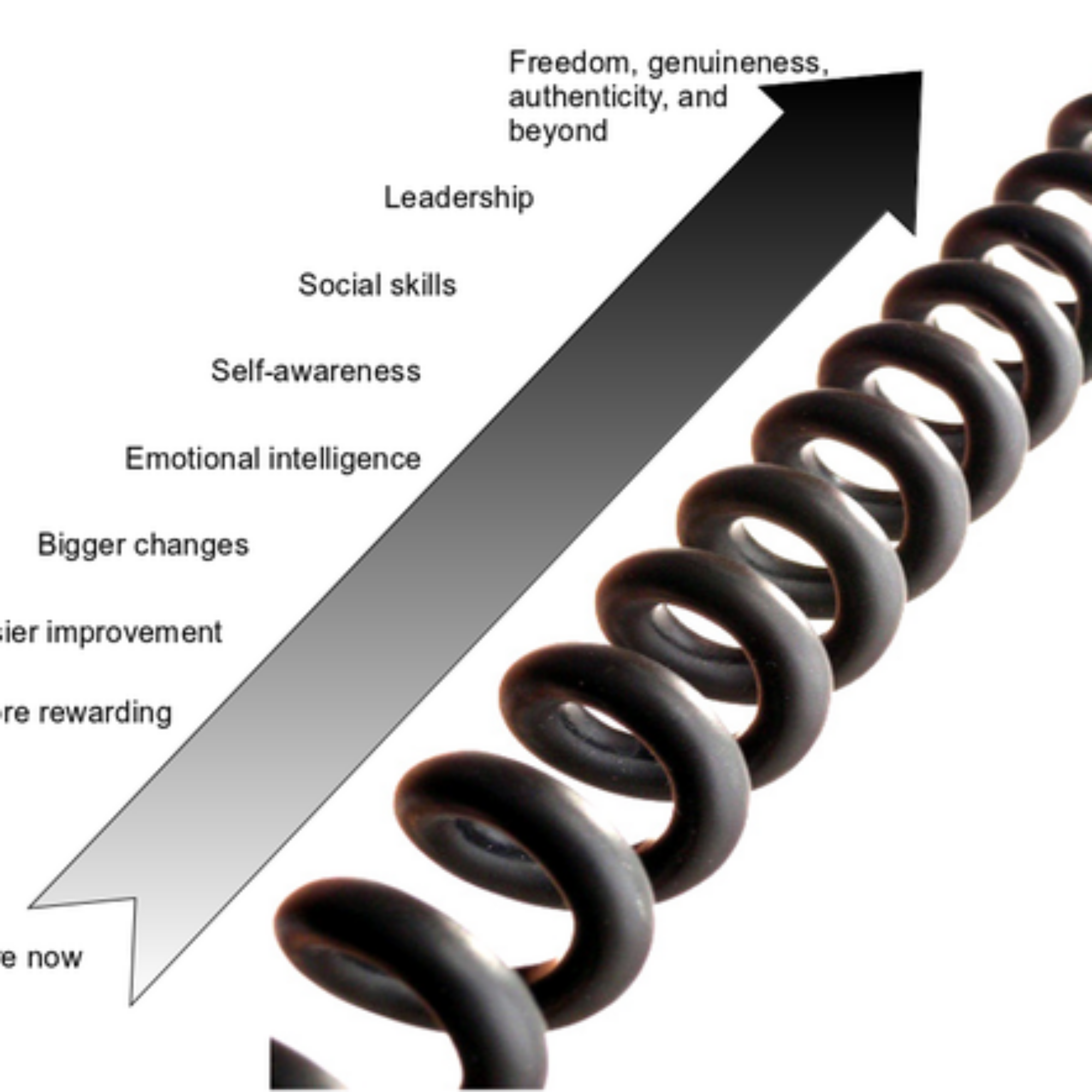
[This post is part of a series on The Method to use The Model -- my model for the human emotional system designed for use in leadership, self-awareness, and general purpose professional and personal development -- which I find the most effective and valuable foundation for understanding yourself and others and improving your life. If you don't see a Table of Contents to the left, click here to view the series, where you'll get more value than reading just this post.] As the Tao Te Ching says, A journey of a thousand miles begins with one step. Yesterday's post described and illustrated the long-term potential of improving your life through self-awareness -- freedom, genuineness, authenticity, and more. Remember, all this life improvement rests on one…
0 Comments

The Method: long-term growth from many transformations

[This post is part of a series on The Method to use The Model -- my model for the human emotional system designed for use in leadership, self-awareness, and general purpose professional and personal development -- which I find the most effective and valuable foundation for understanding yourself and others and improving your life. If you don't see a Table of Contents to the left, click here to view the series, where you'll get more value than reading just this post.] Yesterday's post showed how one transformation -- that is, one application of the Method -- not only cycles you back to start a new transformation, it also changes you, which you can see from another perspective. You can think of one transformation as one…

0 Comments

The Method: illustration of implementation stages

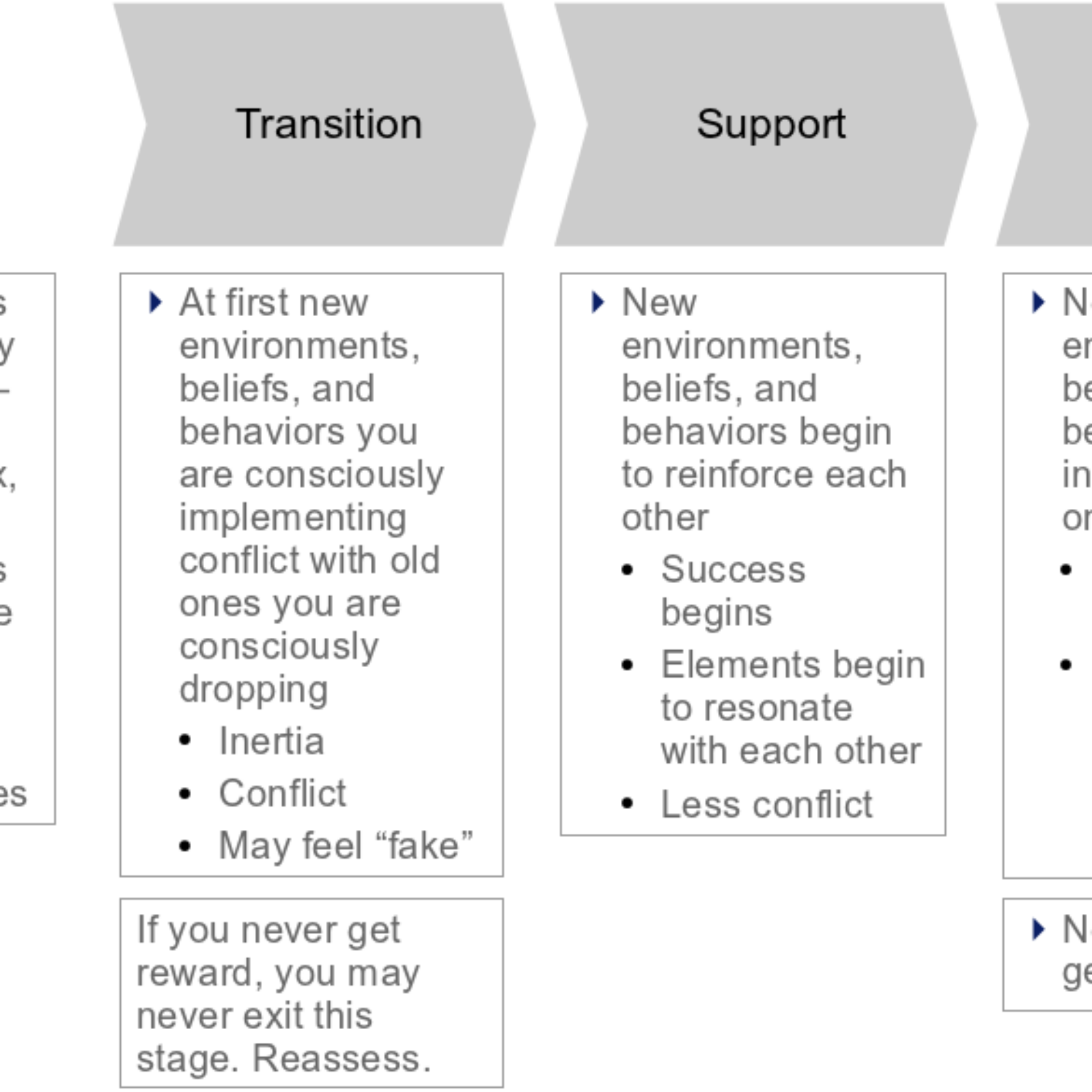
[This post is part of a series on The Method to use The Model -- my model for the human emotional system designed for use in leadership, self-awareness, and general purpose professional and personal development -- which I find the most effective and valuable foundation for understanding yourself and others and improving your life. If you don't see a Table of Contents to the left, click here to view the series, where you'll get more value than reading just this post.] Here is an illustration of the implementation stages of step 4 of the Method. Overview Transition (also a caveat) Support Regular life

0 Comments

The Method from another perspective

[This post is part of a series on The Method to use The Model -- my model for the human emotional system designed for use in leadership, self-awareness, and general purpose professional and personal development -- which I find the most effective and valuable foundation for understanding yourself and others and improving your life. If you don't see a Table of Contents to the left, click here to view the series, where you'll get more value than reading just this post.] Recalling the illustration of the Method from a couple posts ago, I present the Method as a four-step cycle (steps 1-4), grounded in knowing your emotional system (step 0). Know your emotional system Understand your relevant emotional cycles and constraints (plus an extra note…

0 Comments

The Method: implementation stage 1: a caveat

[This post is part of a series on The Method to use The Model -- my model for the human emotional system designed for use in leadership, self-awareness, and general purpose professional and personal development -- which I find the most effective and valuable foundation for understanding yourself and others and improving your life. If you don't see a Table of Contents to the left, click here to view the series, where you'll get more value than reading just this post.] I should note a caveat for the transition stage. Since this stage involves conflict, feeling fake, and overcoming inertia, you may use a lot of willpower. How do you know you're moving in a direction that improves your life? How do you know you…

0 Comments

The Method: implementation stage 3: regular life

Eventually a transformation's new environments, beliefs, and behaviors synchronize completely with each other. The cycle you changed brings the emotions you want and reward. At this stage this cycle becomes a part of your regular life, a life now more rewarding for the change. You haven't replaced the old you. In circumstances where the new you fits you crowd out the old part of you. In situations where the old you belongs, the old you comes out. In my life, for example, by the time I was a full-time CEO of the company I co-founded, I no longer identified primarily as a physicist. Still, when I met with my old classmates or professors, I could return to identifying myself as a physicist (though less able…

0 Comments

The Method: implementation stage 2: support

[This post is part of a series on The Method to use The Model -- my model for the human emotional system designed for use in leadership, self-awareness, and general purpose professional and personal development -- which I find the most effective and valuable foundation for understanding yourself and others and improving your life. If you don't see a Table of Contents to the left, click here to view the series, where you'll get more value than reading just this post.] Once the elements of a transformation start supporting each other the transformation starts to feel like it will take root. You may still feel some inertia, fakeness, and conflict between the old and new you, but decreasingly. Examples of elements supporting each other include…

0 Comments

The Method: implementation stage 1: transition

[This post is part of a series on The Method to use The Model -- my model for the human emotional system designed for use in leadership, self-awareness, and general purpose professional and personal development -- which I find the most effective and valuable foundation for understanding yourself and others and improving your life. If you don't see a Table of Contents to the left, click here to view the series, where you'll get more value than reading just this post.] You can usually do the preparation stages of transforming a part of your life easily since you can do them yourself, without someone else. Working with other people usually makes things more complex. Still, you generally do benefit from involving others. Because they have…

0 Comments

The Method: implementation overview

[This post is part of a series on The Method to use The Model -- my model for the human emotional system designed for use in leadership, self-awareness, and general purpose professional and personal development -- which I find the most effective and valuable foundation for understanding yourself and others and improving your life. If you don't see a Table of Contents to the left, click here to view the series, where you'll get more value than reading just this post.] We've covered the preparation stages of transforming a part of your life to bring more reward by choosing environments, beliefs, and behaviors based on your interests. Of course your life changes all the time whether you intentionally cause those changes or not. Using the…

0 Comments

The Method: summary of one cycle (with diagram)

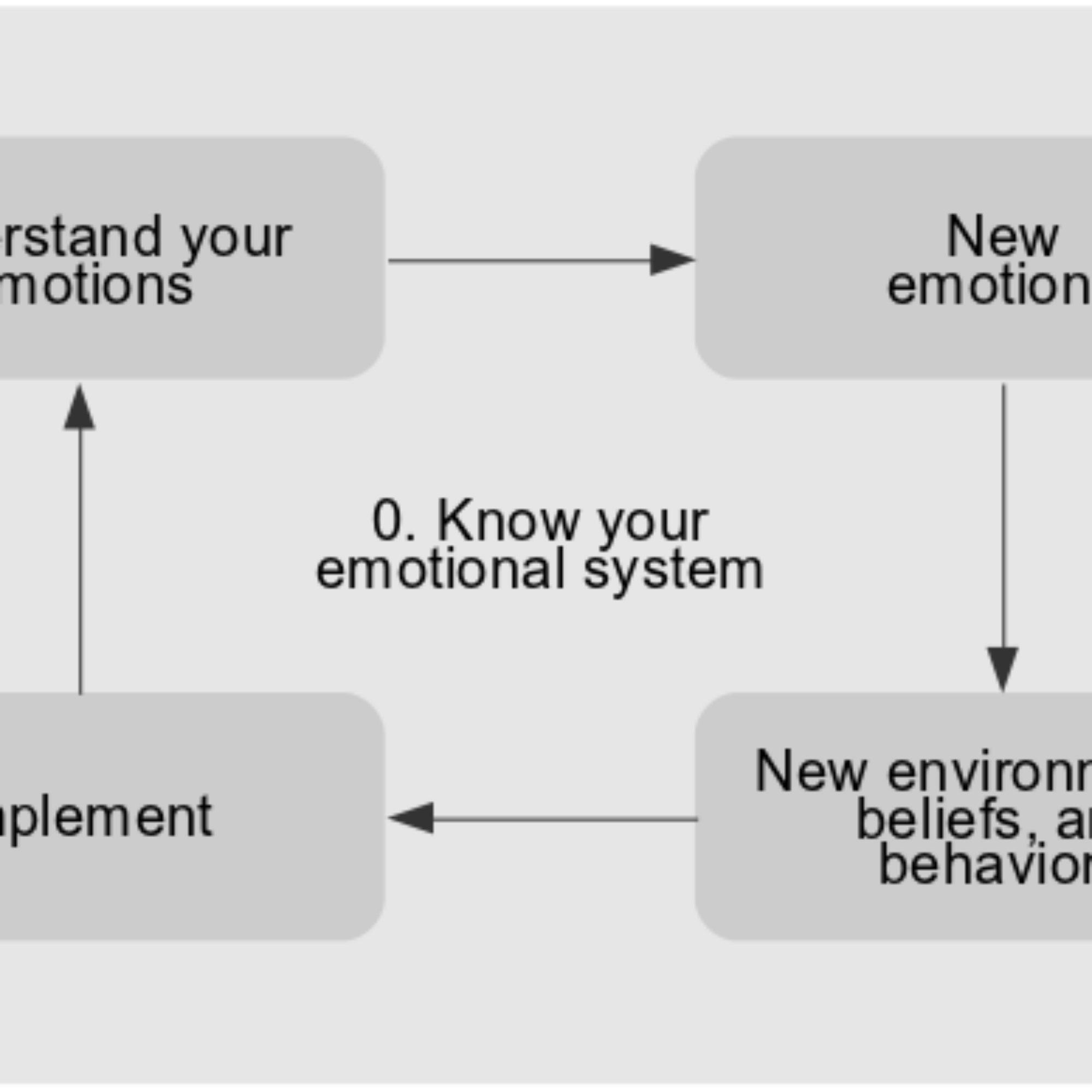
We've now covered the examples and preparation stages of how to implement the Method. Here is a diagram summarizing these steps Know your emotional system Understand your relevant emotional cycles and constraints Conceive of new emotions Conceive of new environments, beliefs, and behaviors Implement the environments, beliefs, and behaviors

0 Comments

The Method, step 4: Implement the environments, beliefs, and behaviors

[This post is part of a series on The Method to use The Model -- my model for the human emotional system designed for use in leadership, self-awareness, and general purpose professional and personal development -- which I find the most effective and valuable foundation for understanding yourself and others and improving your life. If you don't see a Table of Contents to the left, click here to view the series, where you'll get more value than reading just this post.] Now, with direction, boundaries, and goals set from steps 0, 1, 2, and 3 it's time to act. You can do the earlier steps quickly -- with practice maybe a few minutes. You may even come to do them automatically without conscious effort. Step…

0 Comments

The Method, step 3: conceive of new environments, beliefs, and behaviors

[This post is part of a series on The Method to use The Model -- my model for the human emotional system designed for use in leadership, self-awareness, and general purpose professional and personal development -- which I find the most effective and valuable foundation for understanding yourself and others and improving your life. If you don't see a Table of Contents to the left, click here to view the series, where you'll get more value than reading just this post.] Now, with direction and boundaries set from steps 0, 1, and 2, we plan what we will do. Step 3 is to think of new environments, beliefs, and behaviors that will create the emotions you thought of in the last step consistent with your…

0 Comments

The Method, step 2: conceive of new emotions

[This post is part of a series on The Method to use The Model -- my model for the human emotional system designed for use in leadership, self-awareness, and general purpose professional and personal development -- which I find the most effective and valuable foundation for understanding yourself and others and improving your life. If you don't see a Table of Contents to the left, click here to view the series, where you'll get more value than reading just this post.] Step 2, the Method's first active step, is to pick your direction, the key word being your. You will transform yourself based on your emotions, based on your wiring, meaning based on your values, meaning, and purpose. Not anyone else's. You already clarified your…

0 Comments

The Method: steps 0 and 1, awareness

[This post is part of a series on The Method to use The Model -- my model for the human emotional system designed for use in leadership, self-awareness, and general purpose professional and personal development -- which I find the most effective and valuable foundation for understanding yourself and others and improving your life. If you don't see a Table of Contents to the left, click here to view the series, where you'll get more value than reading just this post.] The Method's first two steps -- knowing your emotional system and understanding your current emotional cycles -- involve little action. They cover awareness. The appeal to act on a situation you want to change quickly and decisively can tempt you. I advise against it,…

0 Comments

The Method, step 1: understand your current emotional cycles

[This post is part of a series on The Method to use The Model -- my model for the human emotional system designed for use in leadership, self-awareness, and general purpose professional and personal development -- which I find the most effective and valuable foundation for understanding yourself and others and improving your life. If you don't see a Table of Contents to the left, click here to view the series, where you'll get more value than reading just this post.] The Method's zeroth step was a once-per-lifetime step. Once you understand your emotional cycle once, you can remember it all your life. Step 1 begins the preparation for each situation: to understand your current emotional cycle. That means understanding its elements -- the relevant…

0 Comments

The Method, step 0: know your emotional system

[This post is part of a series on The Method to use The Model -- my model for the human emotional system designed for use in leadership, self-awareness, and general purpose professional and personal development -- which I find the most effective and valuable foundation for understanding yourself and others and improving your life. If you don't see a Table of Contents to the left, click here to view the series, where you'll get more value than reading just this post.] Today's post will be brief. The Method's zeroth step is to know your emotional system. I call it step zero instead of step one because you only have to do it once in your life. All the other steps you do once per transformation,…

0 Comments

The Method, step by step

This post is better covered by the series on The Method, where you'll get more value than reading just this post. Please click there instead. (I'm keeping the rest of this post for posterity). This post begins describing the Method, which is how to use the Model to lead yourself and others and to improve your life, in particular, using the elements you have voluntary control over. The Method, step by step Before anything else, the Method begins with you knowing your emotional system -- the foundation of self-awareness and emotional intelligence. You only have to learn it once in your life. From then on you may refine it or refresh your memory, but you won't have to re-learn that you have a consistent, reliable,…

0 Comments

Models: an exercise in spotting the model

[This post is part of a series on The Model -- my model for the human emotional system designed for use in leadership, self-awareness, and general purpose professional and personal development -- which I find the most effective and valuable foundation for understanding yourself and others and improving your life. If you don't see a Table of Contents to the left, click here to view the series, where you'll get more value than reading just this post.] Let's do another exercise in beliefs and models. One of the challenges in models is that people act on them without realizing them. If someone else acts on one without realizing it, they will stick with it strongly and may influence you to seeing it from their perspective,…

0 Comments

Models: an exercise in evaluating models

[This post is part of a series on The Model -- my model for the human emotional system designed for use in leadership, self-awareness, and general purpose professional and personal development -- which I find the most effective and valuable foundation for understanding yourself and others and improving your life. If you don't see a Table of Contents to the left, click here to view the series, where you'll get more value than reading just this post.] I've harped on how the only meaningful value of a model or belief is in how well it helps achieve its goal, not accuracy or if you had it first or anything else. Today's question will illustrate the difference. I'll give you a situation to consider, then a…

0 Comments

Models: examples of the active view

[This post is part of a series on The Model -- my model for the human emotional system designed for use in leadership, self-awareness, and general purpose professional and personal development -- which I find the most effective and valuable foundation for understanding yourself and others and improving your life. If you don't see a Table of Contents to the left, click here to view the series, where you'll get more value than reading just this post.] Today let's look at some examples of applying the active view of models to models you may know or from life. That is, the following examples show how someone created a model specifically not what most people see when they look at the object of the modeling. Jack…

0 Comments

Models: the active view, part 2

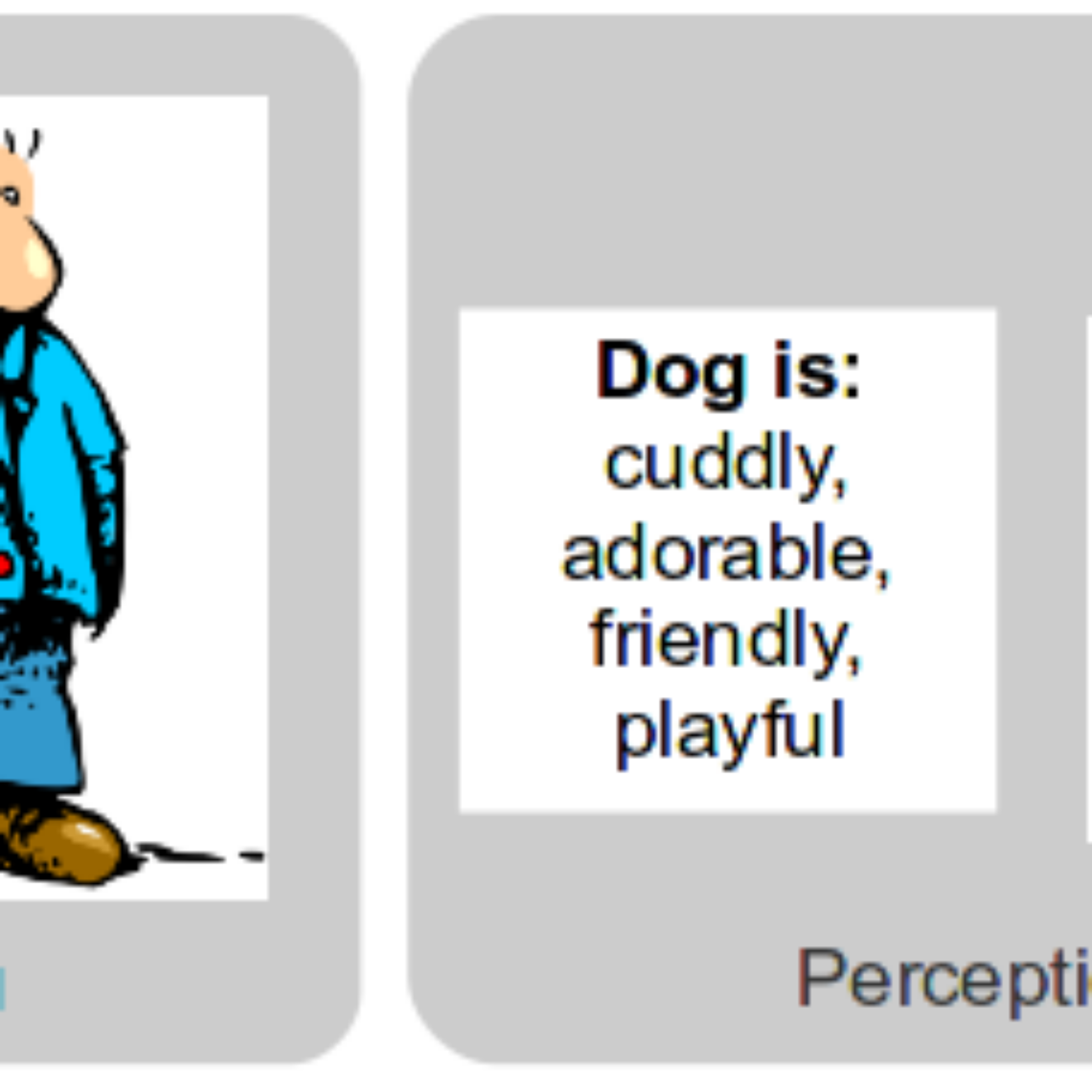
[This post is part of a series on The Model -- my model for the human emotional system designed for use in leadership, self-awareness, and general purpose professional and personal development -- which I find the most effective and valuable foundation for understanding yourself and others and improving your life. If you don't see a Table of Contents to the left, click here to view the series, where you'll get more value than reading just this post.] Having seen an overview of the active view, let's look at it in practice. Let's take a passive view from a post a few days ago -- how you perceive a dog based on your beliefs and expectations -- and make it active. Example 1 First let's look…

0 Comments

Models: the active view, part 1

[This post is part of a series on The Model -- my model for the human emotional system designed for use in leadership, self-awareness, and general purpose professional and personal development -- which I find the most effective and valuable foundation for understanding yourself and others and improving your life. If you don't see a Table of Contents to the left, click here to view the series, where you'll get more value than reading just this post.] Actively choosing and managing your models -- what I call the active view of models -- changes how you experience your world. Since you only know your world through your beliefs and models, changing your models effectively changes your world. You need to know about models -- the…

0 Comments

Models: flaws from experts

[This post is part of a series on The Model -- my model for the human emotional system designed for use in leadership, self-awareness, and general purpose professional and personal development -- which I find the most effective and valuable foundation for understanding yourself and others and improving your life. If you don't see a Table of Contents to the left, click here to view the series, where you'll get more value than reading just this post.] Do you think you have some great models and beliefs that no one can prove wrong? Let's look at some examples of experts declaring things most people at the time probably agreed with. I think you'll find many funny today. Imagine trying to argue with the authority who…

0 Comments

Models: why I stress that they all have flaws

[This post is part of a series on The Model -- my model for the human emotional system designed for use in leadership, self-awareness, and general purpose professional and personal development -- which I find the most effective and valuable foundation for understanding yourself and others and improving your life. If you don't see a Table of Contents to the left, click here to view the series, where you'll get more value than reading just this post.] If I stress one thing about models and beliefs, I stress that they all have flaws. None are internally consistent. All contradict something in the world. To recognize that you can't prove most of the basic ideas you hold as truths can be mind blowing. I'm not trying…

0 Comments

Models: the passive view

[This post is part of a series on The Model -- my model for the human emotional system designed for use in leadership, self-awareness, and general purpose professional and personal development -- which I find the most effective and valuable foundation for understanding yourself and others and improving your life. If you don't see a Table of Contents to the left, click here to view the series, where you'll get more value than reading just this post.] Today I'll review the main points arising from simply knowing about that we create models that mediate our interactions with our worlds -- what I call the passive view. Merely knowing about models passively, not what to do with them but just the following points, will help you…

0 Comments

End of content

No more pages to load