How do you lead when you can’t stand working with someone?

Yesterday I wrote on how to lead people (yourself or others) you disagree with without judging them. I skipped cases where you felt you could not work with the person under any circumstances. Let's look at such cases today. I'm going to treat these cases strategically. Most cases will be unique at the tactical level so you'll have to figure out how to apply the strategy. If you can't work with someone, YOU have a problem First things first. No matter how bad you think they are, no matter how much evidence you have pointing out their faults and shortcomings, no matter how many other people agree the other person has problems, you have a problem too. I'm not saying they don't have problems too.…

0 Comments

Deciding right and wrong for others and causing them guilt and blame doesn’t help anyone

Prelude: this is about leadership (of others and yourself) Yesterday I outlined an essay on the counterproductivity of deciding right and wrong for people who disagree with you. Today I'm fleshing out the essay. The point of this blog is to help people lead -- to influence others, to work with them in teams, to negotiate with them, and so on -- even when you disagree. So I'll leave deciding right and wrong for others, figuring that, since some issues haven't been resolved for thousands of years, you might not resolve them before you have to deliver on your project (or while you improve your life if we're talking about leading yourself). Successful leaders ship while attract people to work with them. Today's post covers…

0 Comments

On the counterproductivity of motivating people with guilt and blame — aka moralizing

I liked Michael Pollan's Omnivore's Dilemma, which people have suggested I read for years. I like his perspective on food and "food." I don't intend for the following to detract from his overall message, but his chapter 17, "The Ethics of Eating Animals," makes a great example for leadership. Leadership means motivating others, which means changing their emotions. Few of us like when others motivate us with guilt or blame, so I find using leading through those emotions counterproductive. Claiming to appeal to absolute measures of right, wrong, good, bad, or evil tend to polarize. Motivating through guilt or blame with appeal to absolutes has a name: moralizing. Morality, ethics, meddling, being holier-than-thou, self-righteousness, and so on work to some degree, but risking alienating, polarizing,…

0 Comments

The height of annoying

Is there anything as annoying as someone who exhibits traits you used to have, you've done your best to get rid of, but still have in you? It cuts to your core. I spent a week and a half with a guy who had traits the rest of the group all had gotten over a know-it-all couldn't help butting into conversations interrupting always had to point out what he knew that you didn't, no matter how irrelevant a show-off self-righteous, especially when confronted with how he annoyed everyone It's the list of most annoying traits! You know the type, right? We all know identify those traits within us, perhaps sadly. We were all annoyed by him, but his exhibiting those traits didn't cut to the…

4 Comments

Words of wisdom for crunch time

Crunch time means you don't have a lot of time, you have a lot to do, mistakes can cost a lot, people depend on you, and likely you depend on other people. People make mistakes. Also, sometimes you have to make decisions based on less information than you'd like. If people dwell on the mistakes or find out later that someone else could have made a better decision, they point fingers. Pointing fingers distracts from the task, takes time from productivity, and hurts morale. My general advice Don't look for blame, but take responsibility for making things better to the extent you can applies particularly well in crunch time. I'll add more specific words that seem to come up in many crunch times. I say…

0 Comments

Conquering anxiety (or any other emotion) and getting the job done

I remember learning a great life lesson in managing intense emotions from a time I felt some of the deepest anxiety of my life. I also finished the project on time and on budget in the process. Two weeks from the deadline on a two-year project, I was coming to realize I didn't see how I could complete it. People I told I could deliver had put themselves out for me. I feared making them look bad for having believed in me. When I told them I could do it, I believed I could, but with two weeks left out of two years, I couldn't solve a core problem. I was going to look bad and, worse, make people who believed in me look bad.…

0 Comments

Physical and emotional tension are similar and you can use either to help the other

We use the same word to describe emotional and physical tension for a reason. They go together. I tend to think of them almost as the same thing. I haven't done any scientific studies, but I've found any time someone has emotional tension, it will manifest itself physically. Any time you have physical tension, it will constrain you physically. When I see someone who walks and moves stiffly, I find them less free emotionally too, and vice versa. If something stresses you out, you hunch your shoulders, tighten your back, or however you manifest things. To me this seems obvious, but recently I found a few people who never noticed it. Then I realized I once noticed it for the first time too. Or maybe…

2 Comments

Is there no comprehensive list of emotions?

I searched on "list of emotions" and clicked on the first five links. One was dead. Two were Wikipedia articles, one of which was about categorizing emotions, which I don't think would work. The other one listed only a few dozen, which they also categorized. The next page also showed only a few dozen emotions, also categorizing them. The page after that entitled its table "List of Emotions and it's definition." I'm no stickler for grammar or spelling, but I didn't look much more at that page. I found a page on "Aristotle's list of emotions." While not comprehensive, it shows that people valued listing and understanding emotions for thousands of years at least. A few links down I found one just plain list of…

2 Comments

Creating miracles

I just finished an exercise on "How to Create Miracles in Your Life." I wrote up the following. It's out of context so it may not make sense to everyone, but you may get the gist of it. I found it important. I had my biggest problems with this exercise last time. In the end I figured out the exercise with my interpretation. At first my biggest problem was with the term miracle, which to me inextricably implied supernatural. I haven't found the supernatural helpful. More recently I realized a conflict with "Good thing bad thing." Nothing inherently wrong with conflict, but if the train coming just in time was so miraculous, did that imply something un-miraculous about the train not coming on time? If…

0 Comments

Hard work, money, and American values

A friend once put American values in perspective for me. He grew up in Romania. I met him in graduate school. He came to get a PhD in physics, became one of Columbia's top students during our time, and ended up working on Wall Street. I asked him if he originally came to the U.S. to study physics or if he always knew he would go to Wall Street. He said something interesting in his response about American values: America values hard work and money. He was saying that once here, he was doing what fit in with the local values. He was going to work hard and make money. He also implied what America doesn't value by leaving out the complements to those values.…

0 Comments

Working hard versus getting things done

Working hard does not mean you get things done. Getting things done doesn't necessarily require working hard. I waste time and I find myself often inefficient, but people say I've achieved a lot. Whether I've achieved a lot or not is opinion, but if they're right, it's because I know my priorities. I allow myself inefficiency on relatively unimportant things. The important things I don't slack on. The important things tend to be important, non-urgent things, so they don't require working hard or last-minute. I am confident I will never look back at any period of my life and ask what was it all for or feel the dread of wasting any part of my life. In strategy terms, if you know your strategy and…

0 Comments

What is power?

Nearly everybody considers power important in social contexts. Nearly everybody wants more. Even if they don't want to become the most powerful politicians, business leaders, or whatever, they still generally prefer having more power to less. People denigrate others for seeking too much, but I think that's sour grapes. Nobody wants to feel powerless. So what is power? I'm not sure people understand what they mean by "power" in social contexts. I find the more precisely you understand a concept, the better you can use it. I came across the following definition for power some time ago and found it worked perfectly ever since. Power: the ability to influence others I like this definition because it ties power to ability to manage the motivations of…

0 Comments

Depressions don’t make you depressed

A lot of people equate a depressed economy with emotional depression. The two uses of "depress" have nothing to do with each other. They can, if you connect them, but they don't have to. If feel connected to you, they do because you connected them. But you can just as well make yourself happy or unhappy when business is growing or shrinking. Economic depressions don't make you depressed. Nor do problems in business. They're just part of your environments. You make yourself depressed. Economic or business growth don't make you happy. They're just part of your environments too. You make yourself happy. Saying parts of your environment cause your emotions is blaming something else for your emotions. It may make you feel better for absolving…

0 Comments

Some consolation

A friend who is improving his life hit a change in a relationship that hurt emotionally. For better or worse, I've found such challenges and pain an inevitable part of growth and change. Knowing their inevitability helps, but they still hurt. In writing him back, I found myself voicing a belief that has helped me in such situations -- that an easy life of comfort wouldn't hold a candle to what you can get when you challenge yourself, despite the growing pains. I characterize the easy, comfortable life as sitting on the couch eating ice cream, even granting it never to cause physical or emotional pain. I would never choose it. Anyway, here are excerpts from my writing him back. Man do I know that…

0 Comments

Hard projects will be harder than you expect. How to prepare.

[This post is part of a series on empathy gaps. If you don't see a Table of Contents to the left, click here to view the series, where you'll get more value than reading just this post.] A second post from the book Willpower... Leading yourself and others requires foreseeing that doing something hard feels harder, longer, more frustrating, and so on than you expect. At the beginning you say, "I'm strong, diligent, and capable. I'll power through no matter what comes my way." Intellectually anticipating it will be hard doesn't and can't prepare you for the emotional motivation to stop you'll feel in the moment. One of my main reasons for running marathons (as if being cheered on by millions of fans isn't enough)…

0 Comments

E. O. Wilson and evolutionary psychology in the New Yorker

The New Yorker has a piece this week on E. O. Wilson and others on current debate in evolutionary psychology and altruism. Online only has the summary, so you'll have to buy a copy, but I expect quality from the magazine. E. O. Wilson published a fictional story on ants I found enjoyable and educational in the New Yorker himself a couple years ago. I saw Wilson speak and got to talk to him briefly at the New York Academy of Sciences. Things I learned from him have affected my views on motivations and emotions as much as from anyone else.

0 Comments

Getting through the challenges of personal development

I gave this advice to someone I coach going through a difficult period and got feedback it was "golden." So if you're someone endeavoring to develop personally or professionally and making progress but feeling despair, impatience, frustration, or something similar, I hope this advice helps you. I've come to believe all meaningful personal development has periods of self-doubt, wondering if it's worth it, and such. Anyone can sit on a couch and watch tv all day without feeling that way. They don't have to think for themselves. The media occupies their minds so they are pacified. These periods are what differentiate an easy meaningless life from a challenging one of purpose. They are part of what keep most people from realizing their potential. They are…

0 Comments

Willpower, part 9: an image of how to use willpower

[This post is part of a series on willpower and how to understand and use it. If you don't see a Table of Contents to the left, click here to view the series, where you'll get more value than reading just this post.] Yesterday's post showed some delightful images of children and marshmallows from a video of the marshmallow experiment. If you want to see cute images and hear cute music, the video is great. If you want to improve your willpower, the video doesn't help much. It shows people struggling to use willpower, so you can empathize with them, all the more since children haven't learned to hide their struggles as well, and they're on hidden camera. If that helps you, great. A major…

0 Comments

Willpower, part VIII: images of temptation

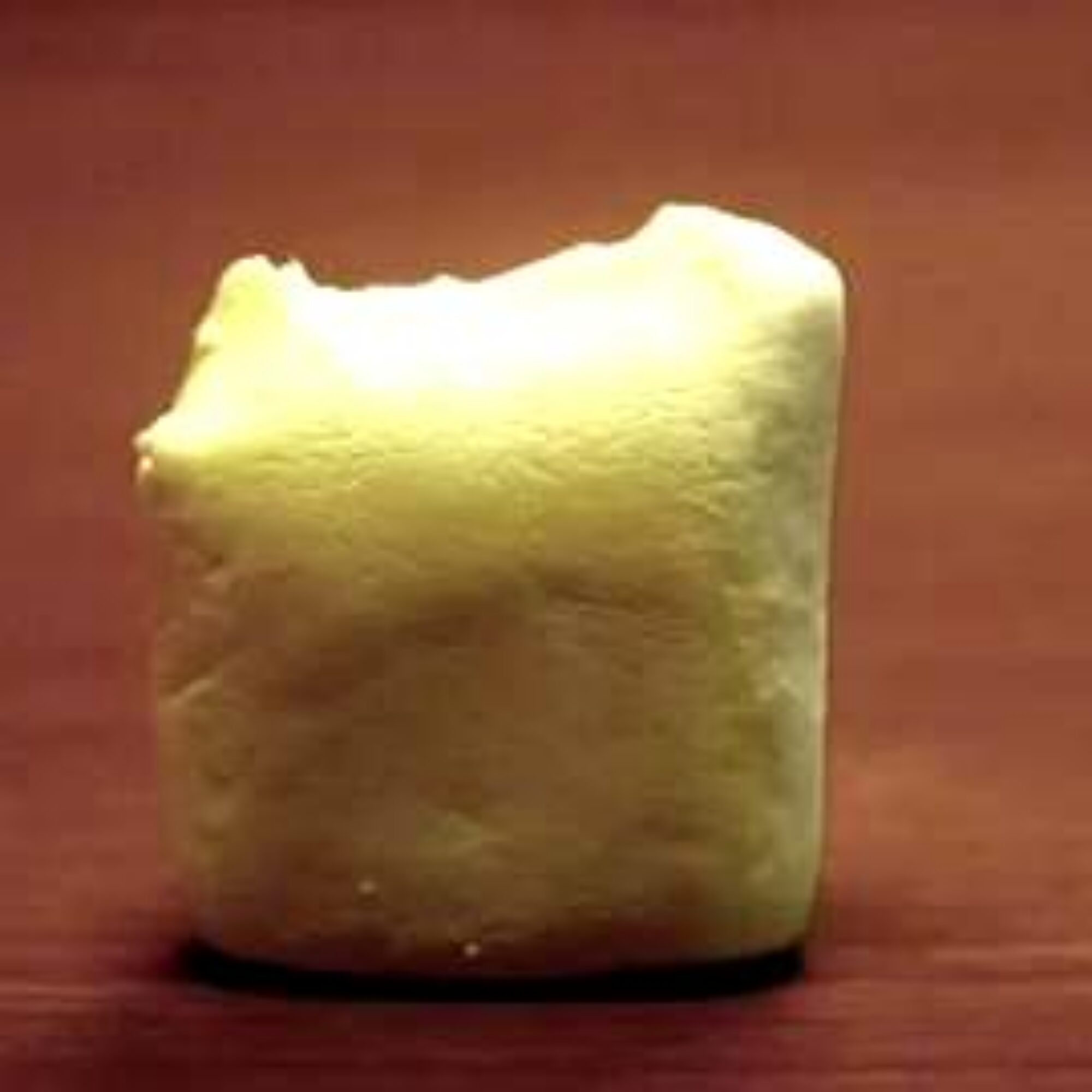
[This post is part of a series on willpower and how to understand and use it. If you don't see a Table of Contents to the left, click here to view the series, where you'll get more value than reading just this post.] Here is some footage of a remake of the marshmallow experiment I found online. I prefer the stills below to the video they came from. I find the video missed the point and unhelpful. It shows very cute images of very cute kids. Something didn't sit well with me. I think the music tipped me off that the point of the video wasn't to help people develop willpower. It's cutesy. Finally I realized what was missing. Look at the pictures and watch…

0 Comments

Willpower, part 0: The value of willpower

[This post is part of a series on willpower and how to understand and use it. If you don't see a Table of Contents to the left, click here to view the series, where you'll get more value than reading just this post.] The ability to use willpower helps you more than you think. Much more. Most of us think about willpower helping us to avoid eating too much chocolate cake, to go to the gym, to quit smoking, and the like. New Year's resolution type stuff. It helps with such things, but it helps a lot more than that. The problem is what we also associate willpower with -- giving in to the chocolate cake, sitting on the couch instead of going to the…

0 Comments

Willpower, part VII: what to do with your old motivations

[This post is part of a series on willpower and how to understand and use it. If you don't see a Table of Contents to the left, click here to view the series, where you'll get more value than reading just this post.] Say you're using willpower effectively -- you know what you want to achieve and you know once you will yourself get started, emotions will kick in and help you finish. What about the old emotions motivating you to sit on the couch instead of exercise, to eat the pie instead of the carrots, or to yell in anger instead of thoughtfully consider your next actions? If they linger, you may find yourself at the starting point again. Again there are effective and…

0 Comments

The Method: exercise to transform yourself

This exercise transforms your life. It has you do the first three steps of the Method, prepares you for the fourth, and sets up accountability with others for step 4. Accountability is how things get done, so it can help a lot. I do this exercise halfway through my seminar. People get deeply into it, even after sitting in a room for five or six hours. When we review the exercise people sometimes tell me it gave them their first experience ever sharing some problems, then finding themselves surprised to find simple solutions to them. Requirements (or good-to-haves) You can do the exercise alone, but I prefer to group people into three to five. Everyone should know the Model and the Method. Preferably you've prepared…

0 Comments

The Method: exercise in new beliefs

The Method's steps 2 and 3 have you conceive of new emotions, environments, beliefs, and behaviors for emotional cycles you want to change. The challenge How do you pick the new beliefs to crowd out the old ones? Choosing the opposite to existing beliefs rarely helps. You end up debating yourself in your head. Discussion I find complements to beliefs crowd out existing ones more effectively. For example, I found an effective alternative to rising anger is not to try to be calm, but to be curious about the situation causing the anger. The curiosity crowds out the anger and I get calm anyway. I've found effective complements to many emotions, though curiosity works well for many situations for me. When I feel frustrated, impatient,…

0 Comments

The Method: exercise in knowing yourself

Many people feel they can't change themselves or that doing so is fake. Here is a quick exercise to show you how easily you can change yourself because you do it already. Step 1 First answer the question "Who are you?" by describing yourself with three or four adjectives. I know you're just reading a web page, but if you have pen and paper or can open a window on your computer to write in, write a few adjectives that describe you before going to the next step. No one will hold you to them, so you don't have to pick the best ones. Just a few. Step 2 Now imagine yourself in a job interview and answer the same question. Write a few adjectives…

0 Comments

The Method: long term

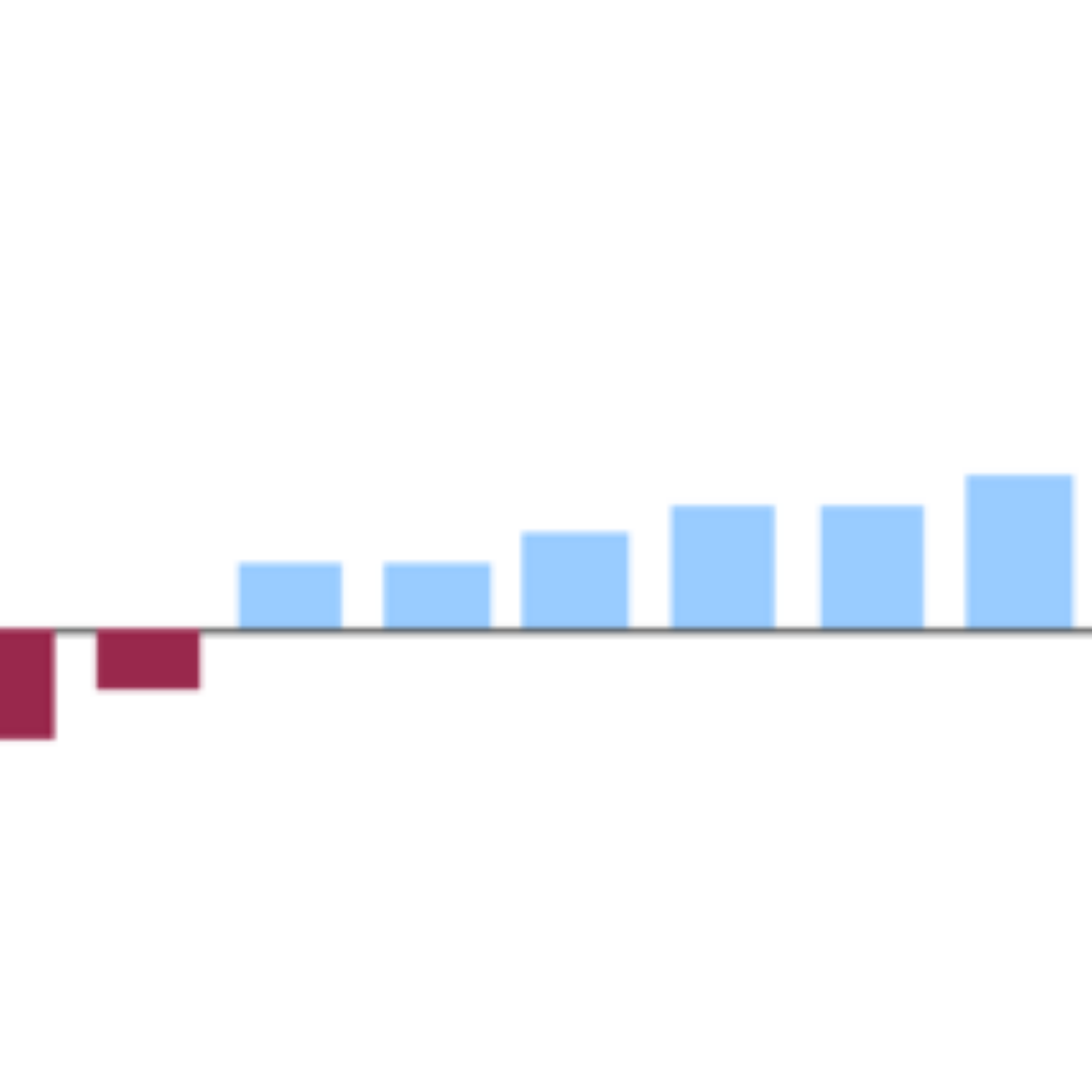
If you lined up all the cycles in your life by the amount of reward they brought you, you might represent them like this. The low bar on the left might represent something you can never get right -- like feeling helpless about your weight if you're overweight or about a big debt you have to repay. The high bar on the right might represent the joy you feel for your favorite hobby or spending time with your best friend. I'm only casually representing things. I don't know how objectively you can measure the amount of reward, but in general we know some parts of our lives bring us great joy, others misery, and others in between. I think the graph above illustrates that. According…

0 Comments

End of content

No more pages to load