A few models that don’t improve your life that effectively

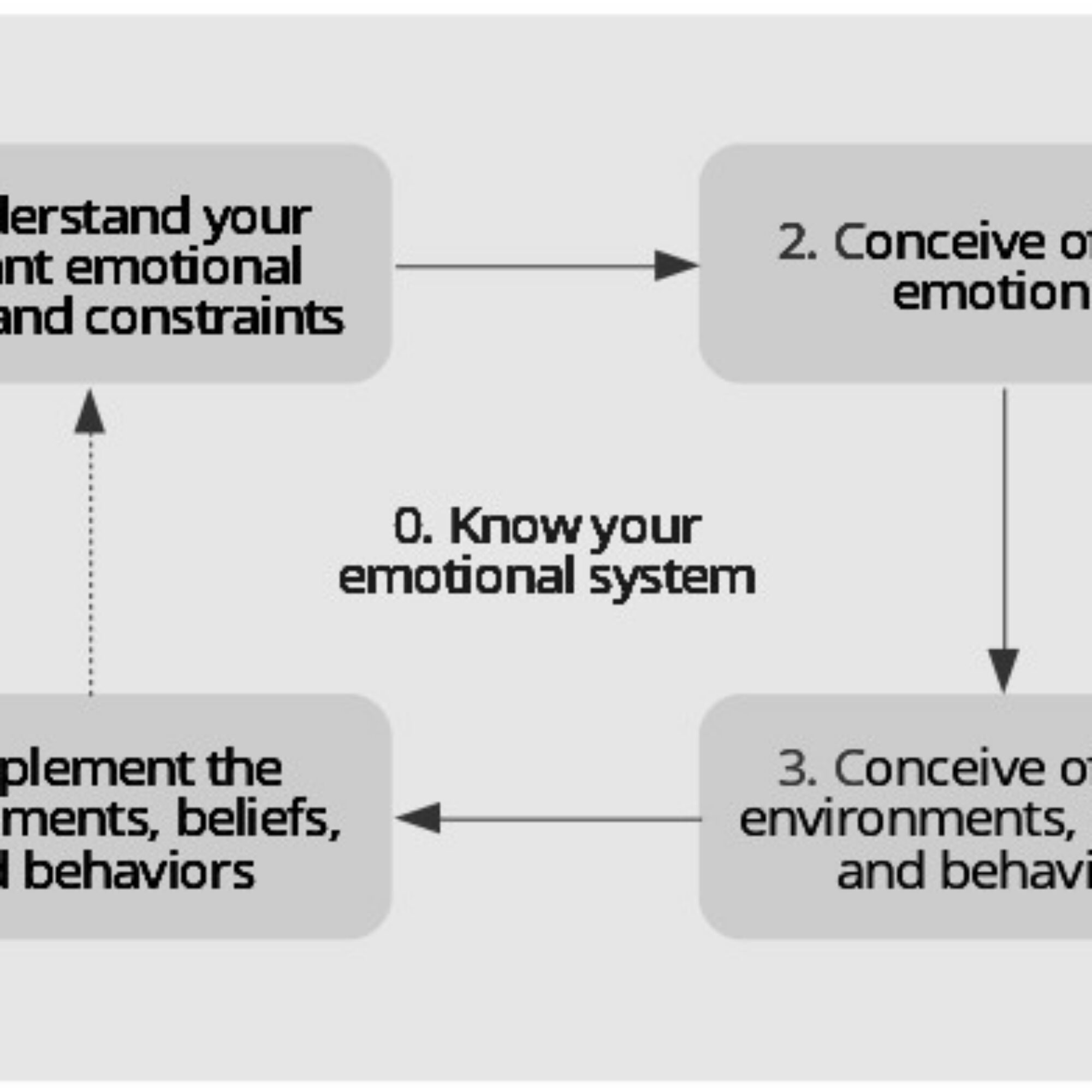
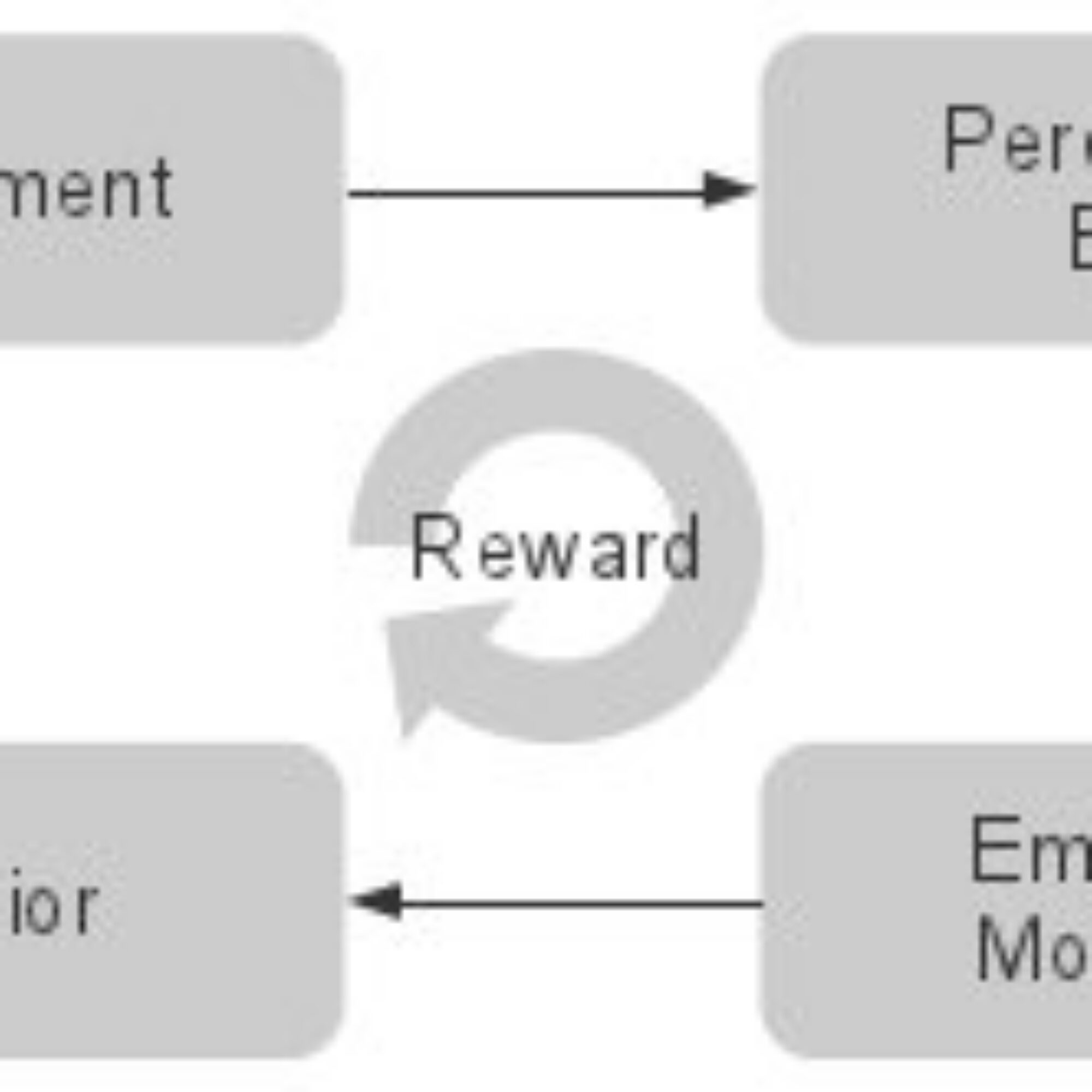
[This post is part of a series on “Mental models and beliefs: an exercise to identify yours.” If you don’t see a Table of Contents to the left, click here to view the series, where you’ll get more value than reading just this post.] I wrote about The Method being an effective way to improve your life and, when applied to a team, to improve your leadership style. Based on the Model, The Method says that if you align your environment, beliefs, and behavior with the emotions you want, you'll feel emotional reward. Feeling reward means you'll feel motivated to continue your change through to completion. Most people don't know the Model or follow the Method. They use techniques that can work, but generally not…

0 Comments

A model that will bring you happiness

[This post is part of a series on “Mental models and beliefs: an exercise to identify yours.” If you don’t see a Table of Contents to the left, click here to view the series, where you’ll get more value than reading just this post.] Wouldn't it be nice to have something that will make you happy, no matter what's going on? Today's belief came from observations. It almost always happens. I mean, sometimes I'm too unhappy or stressed for it to work, but almost always. A model that brings me happiness: If I'm enjoying good food at a table with good friends, I'm in a good mood. Today's post isn't deep. I just found that sitting around a table with friend enjoying a meal I…

0 Comments

A model to replace jerks with people who improve your life

[This post is part of a series on “Mental models and beliefs: an exercise to identify yours.” If you don’t see a Table of Contents to the left, click here to view the series, where you’ll get more value than reading just this post.] Who hasn't had to deal with an annoying coworker? Or boss? Or family member? ... someone you couldn't get away from and had to treat respectfully, no matter what you felt about them? I once worked on a consulting project for a company with a difficult-to-work-with (to put it mildly) CEO. He was friendly before the project started, and you could see how he brought in clients, but I found him overbearing with his team. Soon after the project started I…

0 Comments

A model for what makes a great story

[This post is part of a series on “Mental models and beliefs: an exercise to identify yours.” If you don’t see a Table of Contents to the left, click here to view the series, where you’ll get more value than reading just this post.] Storytelling seems so common to all cultures it's probably in our genes to like a good story. We love hearing messages in the format of a story. If any has given you advice on how to give a presentation, someone probably told you to make it like a story. Storytelling skills are a universally useful and attractive social skill. So what makes a great story? Why do we like to listen to some but not others? I don't claim to be…

0 Comments

A model that explains why your enthusiasm when planning disappears when doing

[This post is part of a series on “Mental models and beliefs: an exercise to identify yours.” If you don’t see a Table of Contents to the left, click here to view the series, where you’ll get more value than reading just this post.] Scene 1: You plan something big. You're excited. You know there will be challenges, but you also know you'll overcome them. You will do what it takes no matter what. Scene 2: You started the project but it petered out. You don't know what happened to that feeling of invincibility, but it's gone. What happened? How did you lose your motivation? Why didn't your willpower work? Today's model answers. A model that explains why your enthusiasm when planning disappears when doing :…

0 Comments

A model to think deeper

[This post is part of a series on “Mental models and beliefs: an exercise to identify yours.” If you don’t see a Table of Contents to the left, click here to view the series, where you’ll get more value than reading just this post.] Have you gotten to consider and tackle the important things in your life? Do some important issues still elude you? Do you still spend time in the unimportant parts of life? Or even when on the important parts, do the urgent fires take more of your time than you want? Urgency Importance Important, not urgent Important, urgent Unimportant, not urgent Unimportant, urgent Today's belief helps you get to those topics. A model to think more deeply: You think on the time…

0 Comments

A model to help you get more out of traveling and to save money traveling at the same time

[This post is part of a series on “Mental models and beliefs: an exercise to identify yours.” If you don’t see a Table of Contents to the left, click here to view the series, where you’ll get more value than reading just this post.] Most people I share today's belief with seem surprised or even shocked when I express it. Probably because the way I say it -- that I don't like traveling -- seems contrary to something nearly everyone values. Also, I travel a lot and talk about how much I get out of it. If I have to travel, I'll find ways to make it amazing, but if I don't travel I can make staying home just as amazing. The best way I…

0 Comments

A model to help get you in better shape

[This post is part of a series on “Mental models and beliefs: an exercise to identify yours.” If you don’t see a Table of Contents to the left, click here to view the series, where you’ll get more value than reading just this post.] Today's belief counteracts a common trend I see about exercise. I forget if I've written about my impressions of seeing five-kilometer walks in Central Park with water stations and ambulances. While I support being prepared, I can't help but wonder if the suggestion that a five-kilometer walk could be a health risk might stop more people from exercising than these walks promote. I'm sure there are people for whom walking five kilometers could be a risk, but I imagine they would…

0 Comments

A model to get in fewer arguments and influence more effectively

[This post is part of a series on “Mental models and beliefs: an exercise to identify yours.” If you don’t see a Table of Contents to the left, click here to view the series, where you’ll get more value than reading just this post.] Do you get in more arguments than you'd like? Do you feel like people don't understand you and you have to explain yourself a lot in these arguments? I can't stop all your arguments, but today's belief and strategy will cut down on them. It will also increase your ability to influence. A model to argue less and influence more: No two people completely agree on what's right, wrong, good, or bad and they resist when you try to get them…

0 Comments

A model to help accept things without judgment or feeling sorry for yourself

[This post is part of a series on “Mental models and beliefs: an exercise to identify yours.” If you don’t see a Table of Contents to the left, click here to view the series, where you’ll get more value than reading just this post.] Do you find yourself feeling sorry for yourself and not like feeling that way? Do you get depressed or feel helpless when things don't go your way? Do you wish you could take things in stride better so you could move on from or solve problems and get on to better times? A model to help accept things without judgment or feeling sorry for yourself: "Good thing bad thing, who knows?" Here’s an old story that comes in many versions (here…

0 Comments

A model to live like beautiful people do

[Today is the forty-second in a series on daily and weekly beliefs that improve my life and may improve yours, in no particular order. See the introduction to the series and the value of flexibility in beliefs for background.] People commonly believe that beautiful women have better lives than everybody else and that they have access to more valuable things. I came across that belief a lot when I used to go out dancing a lot. The evidence seemed overwhelming -- they automatically get invited to the best parties, they get past the doorpeople, men buy them drinks if the club doesn't already give them, and so on. In regular life, studies show attractive people get paid more, get promoted more, and so on. Sounds…

2 Comments

A model for consistency: If you miss one day you can miss two. If you miss two it’s over.

[This post is part of a series on “Mental models and beliefs: an exercise to identify yours.” If you don’t see a Table of Contents to the left, click here to view the series, where you’ll get more value than reading just this post.] Do you have trouble keeping a habit going? Today's model is my model for maintaining my daily habits. A model for consistency: If you miss one day you can miss two. If you miss two it's over. My friend who set this blog up for me told me this belief when I asked him how often he posted -- a few days a week, every weekday, or what. He said he posted every day and that if you miss one day,…

0 Comments

A model to keep from being scammed

[This post is part of a series on “Mental models and beliefs: an exercise to identify yours.” If you don’t see a Table of Contents to the left, click here to view the series, where you’ll get more value than reading just this post.] Have you ever been scammed into buying something that didn't work? Has anyone ever tried to sell you something too good to be true? Have you lost money gambling you wish you hadn't? Do you not like that happening? A model to keep from being scammed: The laws of physics, science, math, and logic. Some scams are cons based on abusing trust, but a lot of them are based on things that aren't possible -- perpetual motion devices, fake controversy about the…

0 Comments

A model to keep you from being manipulated by the media

[This post is part of a series on “Mental models and beliefs: an exercise to identify yours.” If you don’t see a Table of Contents to the left, click here to view the series, where you’ll get more value than reading just this post.] Does reading or watching the news enrage you? Does it depress you? Make you feel outraged or helpless or scared? As much as the news media presents itself as something you need to participate as a citizen in society, they always have at least this goal: to sell more ads. They can separate the news from the business section all they want, but everyone knows what sells. Walk into any newsroom and they'll tell you they have to make an emotional…

0 Comments

A model to handle pain

[This post is part of a series on “Mental models and beliefs: an exercise to identify yours.” If you don’t see a Table of Contents to the left, click here to view the series, where you’ll get more value than reading just this post.] Does pain make you miserable? I like the phrase "Pain is inevitable, suffering is optional." It says that pain doesn't have to make you feel bad emotionally. How you respond to pain is what makes you feel emotionally bad, and you can control that response. I prefer to say it more broadly. A model to handle pain: Pain isn't bad. Most people understand the value to their lives of physical pain. Our bodies can be damaged and pain motivates us to…

0 Comments

A model to help you stay calm and ward off anxiety

[This post is part of a series on “Mental models and beliefs: an exercise to identify yours.” If you don’t see a Table of Contents to the left, click here to view the series, where you’ll get more value than reading just this post.] Do you wish you were born in easier times, when life wasn't so competitive? When life was easier? The media always talks about today's razor-thin margins, terrorism, and so on. We have so many things to worry about today. Who can keep up with the pace of change? Who wouldn't feel anxious and wish for the good old days? Today's model undermines that disappointment in today, thinking the old days were less stressful. A model to help you stay calm and…

0 Comments

A belief to help you let go when you want to

[This post is part of a series on “Mental models and beliefs: an exercise to identify yours.” If you don’t see a Table of Contents to the left, click here to view the series, where you’ll get more value than reading just this post.] People say "You should just let it go" all the time. Are you able just to let go of important things? Personally, I never could. I don't think many people can. Yet I've been able to achieve the same effect. Today's model covers how I've achieved it for myself, at least. I don't claim to have made up this model -- only that it works. A model to help you let go: I can't let ideas go, but I can crowd…

0 Comments

What happens when you change beliefs

[This post is part of a series on “Mental models and beliefs: an exercise to identify yours.” If you don’t see a Table of Contents to the left, click here to view the series, where you’ll get more value than reading just this post.] The movie Moneyball and the book it's based on illustrate how new beliefs take root and can challenge and crowd out your old beliefs. Today's post is long, but the movie very well illustrates some stages and the emotional challenge of adopting a new belief, facing and overcoming resistance, and how it can lead to effective leadership and creating community. I'll quote enough of it here if you haven't seen the movie, but it was nominated for seven Oscars and stars…

0 Comments

A model to help create the life and relationships you want

[This post is part of a series on “Mental models and beliefs: an exercise to identify yours.” If you don’t see a Table of Contents to the left, click here to view the series, where you’ll get more value than reading just this post.] Do you want an awesome life filled with things you love or do you want a crappy life filled with things you dislike and hate? I'd consider today's belief too simple and obvious to post except that so few people seem to get it. At least they don't live consistently with the strategy it suggests. A model to help create the life and relationships you want: You get good at feeling and expressing the emotions you practice and express. Today's belief, that…

0 Comments

A model to remove limits from your life

[This post is part of a series on “Mental models and beliefs: an exercise to identify yours.” If you don’t see a Table of Contents to the left, click here to view the series, where you’ll get more value than reading just this post.] Do you want an okay life? Do you want limits on how much you can get out of life? Or do you prefer to have no limits on how much you can get out of life? Remember from two days ago that the value, meaning, importance, and purpose (MVIP) of a thing comes from the emotions it evokes. Remember from yesterday that you can create reward any time any place. It follows that you can create more reward all the time,…

0 Comments

A model to find reward anywhere, anytime

[This post is part of a series on “Mental models and beliefs: an exercise to identify yours.” If you don’t see a Table of Contents to the left, click here to view the series, where you’ll get more value than reading just this post.] Do you ever find yourself frustrated, impatient, disappointed, anxious, or feeling some similar emotion and wish you could not feel it? Do you wonder how some people can keep calm or at least not lose control in situations more difficult than you can and wish you could too? Do you want to know how to handle yourself in situations you don't like and can't control? Today's model derives from the Model. If you get the Model, it will be obvious. I'll…

0 Comments

A model of where value, meaning, importance, and purpose come from

[This post is part of a series on “Mental models and beliefs: an exercise to identify yours.” If you don’t see a Table of Contents to the left, click here to view the series, where you’ll get more value than reading just this post.] You hear about values-based leadership, living based in their values, giving meaning to their teams, having meaning in their lives, having purpose in their endeavors. If I asked you your values, you could probably mention your family, projects, friends, making the world a better place, security, and a few things like that. If I asked what gave you meaning or purpose or what was important, you'd probably give a similar list. You might not list money or television, but many people…

0 Comments

A model to implement the answers to all of life’s most important questions

[This post is part of a series on “Mental models and beliefs: an exercise to identify yours.” If you don’t see a Table of Contents to the left, click here to view the series, where you’ll get more value than reading just this post.] Putting into practice the answers to all of life's most important questions -- that is, the Model -- may seem like a tall order, but I've written up how to do it. I call the process the Method. If you worked with the Model long enough, you'd probably develop the Method yourself, but why not learn from my mistakes and get farther with less effort? A model to implement the answers to all of life's most important questions: The Method I've written…

0 Comments

A model that answers all of life’s most important questions

[This post is part of a series on “Mental models and beliefs: an exercise to identify yours.” If you don’t see a Table of Contents to the left, click here to view the series, where you’ll get more value than reading just this post.] Answering all of life's most important questions is a tall order, but if you've read this web page long, you know the value I put on the Model, my model for human motivations and emotions. The Model forms the foundation of what I consider the best way to view and live life. A model that answers all of life's most important questions: The Model If you haven't read my series on the Model, I wrote about it at length. I put a…

0 Comments

A model for direction in leadership and personal development

[This post is part of a series on “Mental models and beliefs: an exercise to identify yours.” If you don’t see a Table of Contents to the left, click here to view the series, where you’ll get more value than reading just this post.] We are a social species. Most of what we care about in our environments are other people. Maybe I'm different than most people because I spent so much of my life not working on or valuing social skills -- a PhD in physics doesn't force you to learn social skills. Learning them later in life, I think I value them a lot more than I would have if I had them earlier in life. The social and leadership skills I've mastered…

0 Comments

End of content

No more pages to load