A solution to all ethics problems

During orientation I learned one of business school's most valuable lessons. I learned the first step in resolving all ethics problems. Orientation included a case study on ethics. The case involved a guy who witnessed someone else breaking a rule at a company. If he told on the employee he would escalate the problem, possibly identifying himself as not a team player, no matter how justified his actions. Remaining silent would make him complicit, and who knew how many other rules the person he observed might be breaking? The details were relevant to the case, but keeping things at a high level reveals what I call the classic ethics problem: The Classic Ethics Problem: You have to choose between something you agree with that will hurt…
0 Comments

How to respond to insults

Nobody likes being insulted. We often feel compelled to respond in kind, all too often exacerbating problems. I haven't found advice to have a thick skin or not to let it affect you helpful, especially when angry or feeling attacked. It feels like letting the other person win. Understanding the situation from a different perspective makes responding easier. The main principle: When people insult, they say more about themselves than the person they insult. To clarify, everybody has values and standards. When they evaluate others they come up with their judgments. Insults express how their perception of someone measures up to their standards. In other words, when someone insults someone, they are telling you about their standards. Often they say nothing about the other person.…

0 Comments

Josh’s growing list of differences with mainstream American culture

I've noticed many of my values differ from what I see in mainstream American culture. See how yours differ too. What I call mainstream may differ from what you call mainstream and at times I deliberately overstate the mainstream American view to parody it. Category "Mainstream" American view (oversimplified) Josh's view (oversimplified) Jobs Horrible way to waste your time. A necessary evil we have to endure. A source of challenges to overcome and people to collaborate with. Exercise Torture. You inflict it on yourself for a few weeks after New Years, then forget about it. Fun way to pass times with friends. Rewarding source of discipline that gives to everything else in life. Maintains appetite, focus, sleep, mood. Science No idea what it is, but…

0 Comments

Models: an exercise in spotting the model

[This post is part of a series on The Model -- my model for the human emotional system designed for use in leadership, self-awareness, and general purpose professional and personal development -- which I find the most effective and valuable foundation for understanding yourself and others and improving your life. If you don't see a Table of Contents to the left, click here to view the series, where you'll get more value than reading just this post.] Let's do another exercise in beliefs and models. One of the challenges in models is that people act on them without realizing them. If someone else acts on one without realizing it, they will stick with it strongly and may influence you to seeing it from their perspective,…

0 Comments

This land was made for you and me

Like most American kids of my generation, I learned This Land Is Your Land as a children's song, never thinking much of its meaning. A decade or two later, I heard Bruce Springsteen's version of it on his Live 75-85 set. His introduction first got me thinking about its meaning, especially in contrast to God Bless America. I didn't know Woodie Guthrie wrote This Land Is Your Land as an angry song. Springsteen's version on the album sounds mournful but then rousing and inclusive. On the Live 75-85 album I have, he introduced it as follows. There's a book out right now. It's called Woodie Guthrie, A Life. It's by this fellow called Joe Klein. And it's really a great book. This song was originally…

0 Comments

Models: an exercise in evaluating models

[This post is part of a series on The Model -- my model for the human emotional system designed for use in leadership, self-awareness, and general purpose professional and personal development -- which I find the most effective and valuable foundation for understanding yourself and others and improving your life. If you don't see a Table of Contents to the left, click here to view the series, where you'll get more value than reading just this post.] I've harped on how the only meaningful value of a model or belief is in how well it helps achieve its goal, not accuracy or if you had it first or anything else. Today's question will illustrate the difference. I'll give you a situation to consider, then a…

0 Comments

Models: examples of the active view

[This post is part of a series on The Model -- my model for the human emotional system designed for use in leadership, self-awareness, and general purpose professional and personal development -- which I find the most effective and valuable foundation for understanding yourself and others and improving your life. If you don't see a Table of Contents to the left, click here to view the series, where you'll get more value than reading just this post.] Today let's look at some examples of applying the active view of models to models you may know or from life. That is, the following examples show how someone created a model specifically not what most people see when they look at the object of the modeling. Jack…

0 Comments

Models: the active view, part 2

[This post is part of a series on The Model -- my model for the human emotional system designed for use in leadership, self-awareness, and general purpose professional and personal development -- which I find the most effective and valuable foundation for understanding yourself and others and improving your life. If you don't see a Table of Contents to the left, click here to view the series, where you'll get more value than reading just this post.] Having seen an overview of the active view, let's look at it in practice. Let's take a passive view from a post a few days ago -- how you perceive a dog based on your beliefs and expectations -- and make it active. Example 1 First let's look…

0 Comments

Models: the active view, part 1

[This post is part of a series on The Model -- my model for the human emotional system designed for use in leadership, self-awareness, and general purpose professional and personal development -- which I find the most effective and valuable foundation for understanding yourself and others and improving your life. If you don't see a Table of Contents to the left, click here to view the series, where you'll get more value than reading just this post.] Actively choosing and managing your models -- what I call the active view of models -- changes how you experience your world. Since you only know your world through your beliefs and models, changing your models effectively changes your world. You need to know about models -- the…

0 Comments

Models: flaws from experts

[This post is part of a series on The Model -- my model for the human emotional system designed for use in leadership, self-awareness, and general purpose professional and personal development -- which I find the most effective and valuable foundation for understanding yourself and others and improving your life. If you don't see a Table of Contents to the left, click here to view the series, where you'll get more value than reading just this post.] Do you think you have some great models and beliefs that no one can prove wrong? Let's look at some examples of experts declaring things most people at the time probably agreed with. I think you'll find many funny today. Imagine trying to argue with the authority who…

0 Comments

Models: why I stress that they all have flaws

[This post is part of a series on The Model -- my model for the human emotional system designed for use in leadership, self-awareness, and general purpose professional and personal development -- which I find the most effective and valuable foundation for understanding yourself and others and improving your life. If you don't see a Table of Contents to the left, click here to view the series, where you'll get more value than reading just this post.] If I stress one thing about models and beliefs, I stress that they all have flaws. None are internally consistent. All contradict something in the world. To recognize that you can't prove most of the basic ideas you hold as truths can be mind blowing. I'm not trying…

0 Comments

Models: the passive view

[This post is part of a series on The Model -- my model for the human emotional system designed for use in leadership, self-awareness, and general purpose professional and personal development -- which I find the most effective and valuable foundation for understanding yourself and others and improving your life. If you don't see a Table of Contents to the left, click here to view the series, where you'll get more value than reading just this post.] Today I'll review the main points arising from simply knowing about that we create models that mediate our interactions with our worlds -- what I call the passive view. Merely knowing about models passively, not what to do with them but just the following points, will help you…

0 Comments

Examples of models: Mexico city, lack of awareness, and leadership

[This post is part of a series on The Model -- my model for the human emotional system designed for use in leadership, self-awareness, and general purpose professional and personal development -- which I find the most effective and valuable foundation for understanding yourself and others and improving your life. If you don't see a Table of Contents to the left, click here to view the series, where you'll get more value than reading just this post.] Leadership depends on understanding that other people have different models. A leader who doesn't recognize people can have different models will create discord and confusion, as today's example will illustrate. I draw this example from my life. After business school a friend told me her consulting job was…

0 Comments

Examples of models: “Everybody does their best according to their abilities and perception of their environment”

[This post is part of a series on The Model -- my model for the human emotional system designed for use in leadership, self-awareness, and general purpose professional and personal development -- which I find the most effective and valuable foundation for understanding yourself and others and improving your life. If you don't see a Table of Contents to the left, click here to view the series, where you'll get more value than reading just this post.] I tend to believe that everybody does their best according to their abilities and perception of their environment. Sure, I know counterexamples, but in general I believe that at every moment, everyone observes their surroundings and, based on their perception and abilities (more precisely, their beliefs about their…

0 Comments

Examples of models: “beliefs and expectations filter your perception”

[This post is part of a series on The Model -- my model for the human emotional system designed for use in leadership, self-awareness, and general purpose professional and personal development -- which I find the most effective and valuable foundation for understanding yourself and others and improving your life. If you don't see a Table of Contents to the left, click here to view the series, where you'll get more value than reading just this post.] Let's look at another example of how we use models in more depth. As with yesterday, after treating the example I'll describe the lessons it teaches. Imagine you grew up with a pet pit bull. You might see it as an adorable pet. Someone else who never grew…

0 Comments

Examples of models: why he or she didn’t call

[This post is part of a series on The Model -- my model for the human emotional system designed for use in leadership, self-awareness, and general purpose professional and personal development -- which I find the most effective and valuable foundation for understanding yourself and others and improving your life. If you don't see a Table of Contents to the left, click here to view the series, where you'll get more value than reading just this post.] For the next three or four posts, let's look at examples of how we use models in more depth. After each example I'll describe the lessons it teaches. We'll start with an example we're all familiar with: someone told you they'd call Monday. By Friday, no call. It's…

0 Comments

Examples of models: how a slight change in your model can create big changes in behavior

[This post is part of a series on The Model -- my model for the human emotional system designed for use in leadership, self-awareness, and general purpose professional and personal development -- which I find the most effective and valuable foundation for understanding yourself and others and improving your life. If you don't see a Table of Contents to the left, click here to view the series, where you'll get more value than reading just this post.] A famous parable in business literature describes how two competing shoe companies considering expanding into a new market each sent a salesperson to research the market to figure out if they should enter it and how. The first, upon arriving, found that in this market, nobody wore shoes.…

0 Comments

Examples of models: beliefs and mental models

[This post is part of a series on The Model -- my model for the human emotional system designed for use in leadership, self-awareness, and general purpose professional and personal development -- which I find the most effective and valuable foundation for understanding yourself and others and improving your life. If you don't see a Table of Contents to the left, click here to view the series, where you'll get more value than reading just this post.] My past two posts on examples of models showed visual models -- maps and representations of the Earth. Such examples illustrate how models work because they are easy to see, but don't capture the subtlety of distinguishing models from what they represent. Mental models tend to be more…

0 Comments

Examples of models: the Earth from several perspectives

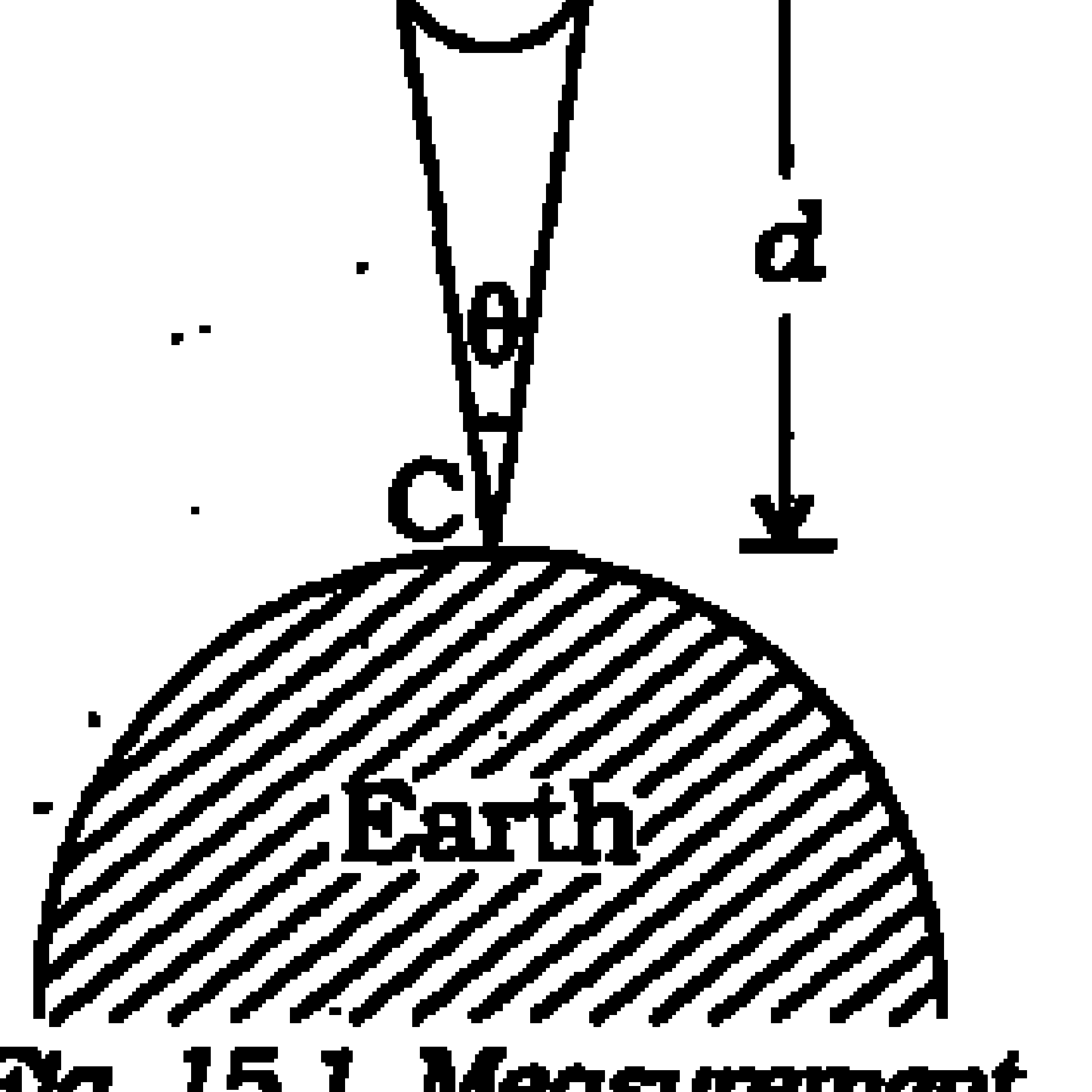
[This post is part of a series on The Model -- my model for the human emotional system designed for use in leadership, self-awareness, and general purpose professional and personal development -- which I find the most effective and valuable foundation for understanding yourself and others and improving your life. If you don't see a Table of Contents to the left, click here to view the series, where you'll get more value than reading just this post.] Yesterday I started with one of the simplest examples of models -- maps. Today we'll look at other models. The image below includes a model of the Earth. You might remember seeing models like this from school. It throws out a lot of information -- it's two-dimensional, showing…

0 Comments

Examples of models: maps

[This post is part of a series on The Model -- my model for the human emotional system designed for use in leadership, self-awareness, and general purpose professional and personal development -- which I find the most effective and valuable foundation for understanding yourself and others and improving your life. If you don't see a Table of Contents to the left, click here to view the series, where you'll get more value than reading just this post.] My series on the Model covered models in general but didn't give examples. My seminars cover examples, so the next few posts will cover some examples to illustrate some common models we all use. I have two goals: first to help expose how fundamental they are to our…

0 Comments

Wrapping up reasonable talk on eating

To wrap up this extended series on food, I'll summarize most of it in the form of advice: Eat what you feel is right for you. The more you learn and think about food the more you'll enjoy it. Anyone who tells you what you should or shouldn't eat is moralizing and meddling. Eating has no right or wrong. In the time I've written this series I've eaten more vegetables than ever. Now that I started using the Vitamixer my mom left me, when a friend who is a personal trainer came over and I told him I bought kale for the first time, we decided to buy and blend $50 worth of fruits and vegetables. We bought red kale, green kale, broccoli, apples, cilantro,…

0 Comments

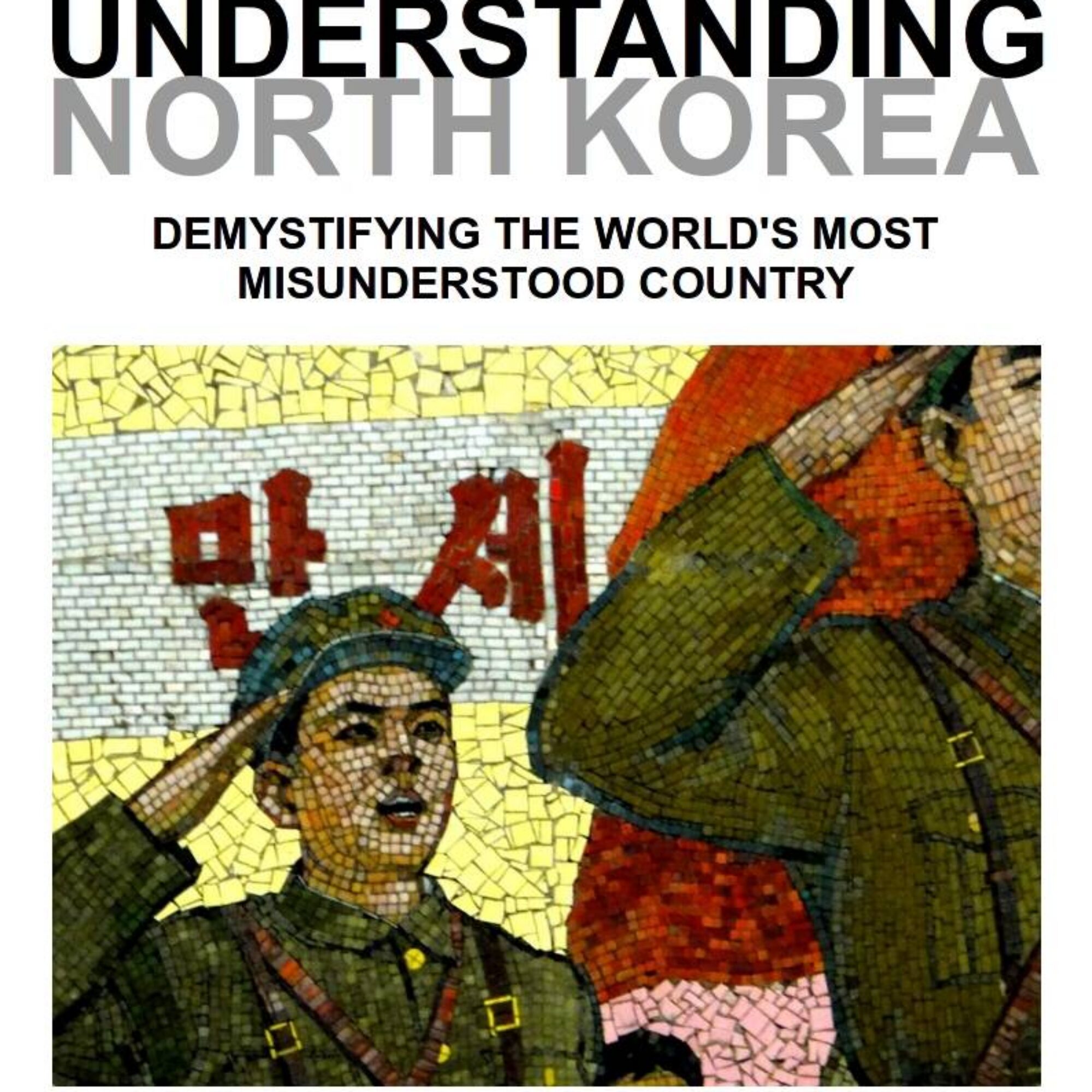
The Vice Guide to North Korea teaches little and perpetuates pre-conceived notions

I used to love Vice Magazine. I still like it a lot. Ten years ago or so I would scour the East Village for copies when it came out, back when no one knew to associate its back-cover American Apparel ads with harassment lawsuits. I saved copies for years to reread articles I enjoyed. I think I went to some of their parties, but I forget. I appreciate that it's gone more mainstream, though it doesn't seem to have the edge it once did. I just read a bunch of dos and don'ts, so, as I said, I still like it. People often comment about having seen its video guide to North Korea. 391,000 people watched the first part of the Vice Guide to North…

0 Comments

Why I don’t eat meat: non-issue7: anatomy

Following up my series on liberating ourselves from moralists, meddlers, and others who want to impose their subjective values on us in the name of objective truth in the realm of food, let's continue with anatomy, the next on my list of a few days ago. This reason makes little sense to me, but I hear it regularly. People who eat meat point out things like that most predators have eyes that face forward and so do we, so we should eat meat. Or that we have a long digestive tract or can't produce vitamin B12 so we should eat meat. People who don't eat meat point out some comparable physical characteristic that they use to say others should or shouldn't eat meat. I like…

0 Comments

Why I don’t eat meat: non-issue6: religion

Following up my series on liberating ourselves from moralists, meddlers, and others who want to impose their subjective values on us in the name of objective truth in the realm of food, let's continue with religion, the next on my list of a few days ago. I expect this would-be reason to be a non-issue for obvious reasons. Well, first, I don't belong to any religion that has any rules requiring or forbidding eating meat, so religion doesn't apply to me as a reason to eat meat or not. I think most people get that their belonging to a religion doesn't impose rules on other people. They mostly understand some semblance of tolerance for others following their religions, even if they feel compelled to impose…

0 Comments

Why I don’t eat meat: non-issue5: feeling closer to nature

Following up my series on liberating ourselves from moralists, meddlers, and others who want to impose their subjective values on us in the name of objective truth in the realm of food, let's continue with feeling closer to nature, the next on my list of a few days ago. I can keep this post as brief as yesterday. Both meat eaters and non-meat eaters claim their eating habits bring them closer to nature. Hunters claim hunting feels primal and puts them in tune with nature and the animals they hunt. Fishers claim similar feelings. Likewise, people who don't eat meat claim avoiding meat makes them feel bonded with all of nature and to feel more compassion for living creatures. If you've read my series on…

1 Comment

End of content

No more pages to load