What is purpose? How do I create more purpose in my life?

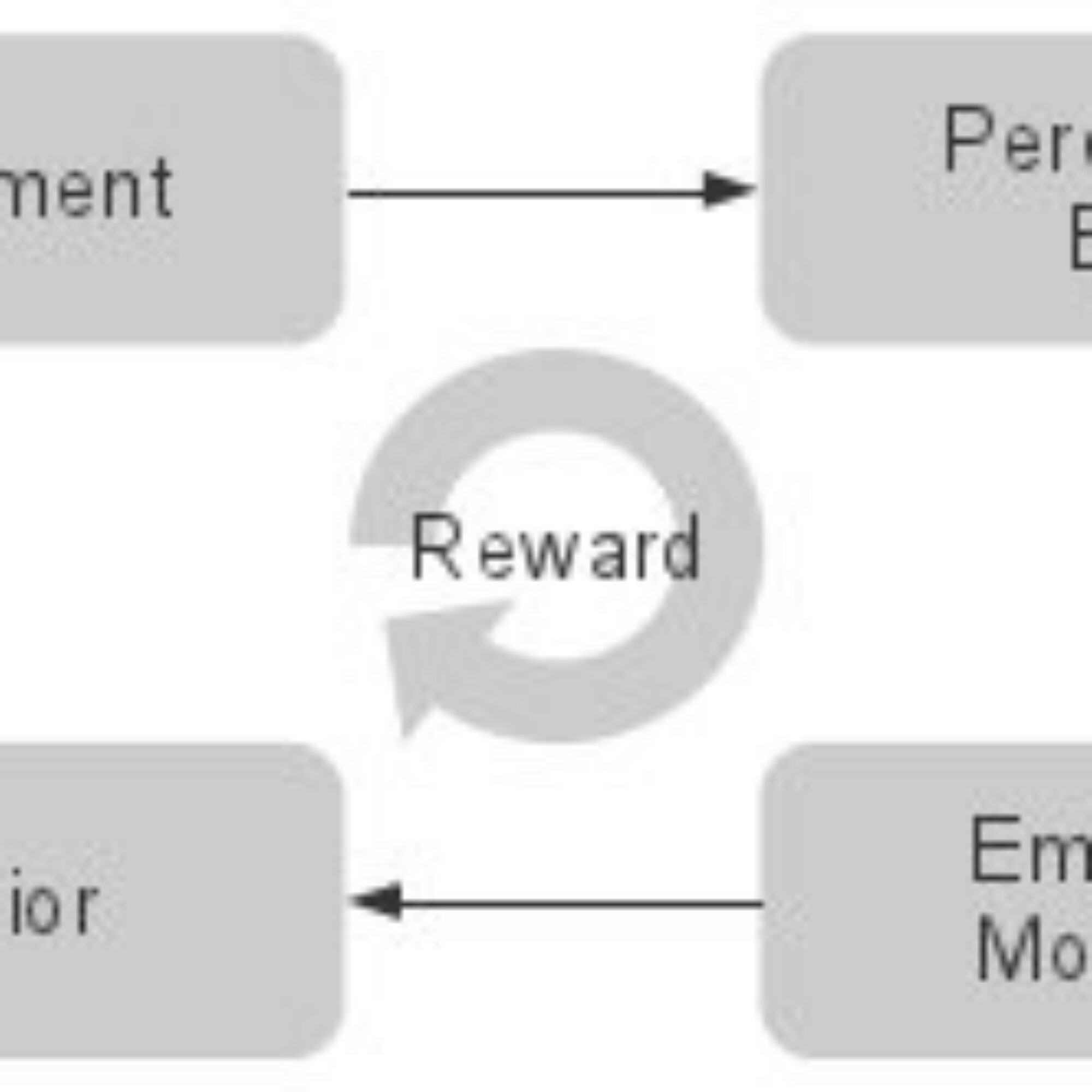
The past few posts have covered two concepts under my name at the top of this blog -- values and meaning. On to purpose. As with values and meaning I want to ground an important but nearly always vaguely used and defined concept in simple, understandable terms. As with values and meaning, purpose describes not things or actions, but something more about the feelings related to such things. For example, learning is an action. Learning with a purpose means learning in a different way. Describing doing anything as with a purpose or purposefully describes your mental state. You can observe the difference between how someone behaves when with a purpose versus when not. That's the effect of the cause -- your emotional state. Purpose means…

0 Comments

What is meaning? How do I create more meaning in my life?

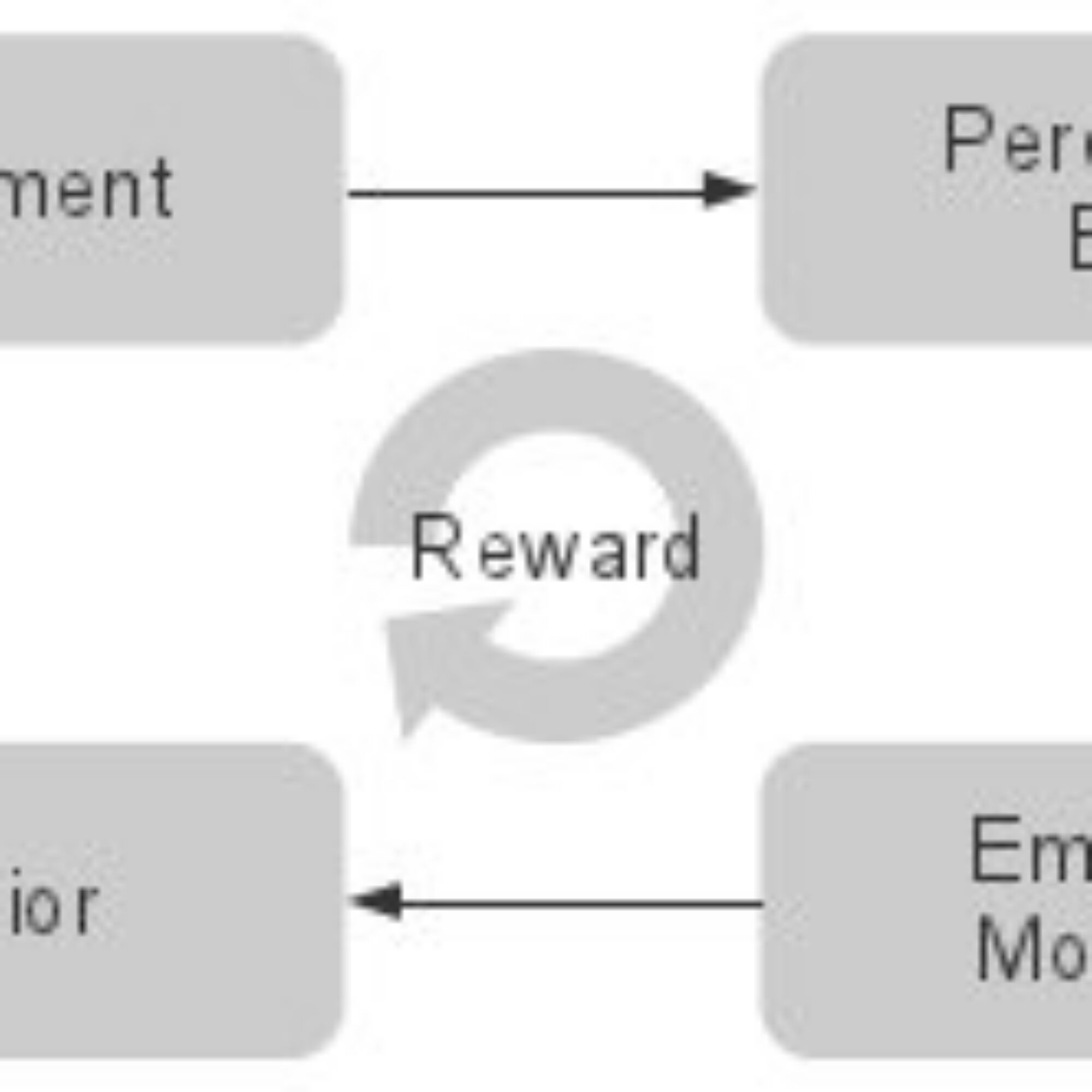
Three days ago I started my post with There it is at the top of every page, right under my name: “Values.” What does value mean? What are values? Right after "Values" up there under my name is "Meaning." Do I have to justify the importance of having meaning in your life and therefore of understanding the concept of meaning? The quintessential philosophical question is "what is the meaning of life?".  We all want meaning in our lives. Nobody wants their life to be meaningless. So what does meaning mean? What makes something meaningful? I won't even mention the dictionary and Wikipedia content on "meaning." Click the links if you want, or just take my word for it, if you want to understand what meaning…

0 Comments

Understanding others’ value and their values

Following up on the past two days' posts on values, let's look at understanding other people's values. I don't think I need to explain the value of understanding others' values in developing a relationship with them, especially if you want them to like you to for you to influence them. I need only point out at that since you almost certainly wish more people understood you better, they feel the same way -- be they coworkers, colleagues, friends, family, etc. When you identify values as based in emotion, you realize understanding other people's values means more or less empathizing with them. Most people wish others understood them better. I think a lot of people wish they understood others better. If you want to lead others,…

0 Comments

What is value? What are values? (short version)

I wanted to simplify yesterday's post. The following is just my perspective. I find it helpful, simplifying and clarifying an otherwise vague and complex topic, basing it in something everyone can understand -- how they feel. Understanding the concept of value helps you create value in your life, which everyone benefits from. In more basic terms, it helps you create more emotions you like. I consider talking about emotions more basic than talking about values because you know what you feel. What is value? The term value describes what emotions something evokes in you. You value things that evoke emotions you like. You devalue things that evoke emotions you don't like. If you like your family, you'll value them. If you don't you won't. Same…

0 Comments

What is value? What are values?

There it is at the top of every page, right under my name [Edit: I changed the page design since writing this post]: "Values." What does value mean? What are values? Everybody knows the value of values. You can find plenty of books on values-based leadership. Everybody knows you should stick to your values. Nobody suggests knowing you should know your values less. Few people can define the meaning of values precisely. Yet I suggest, in Socrates' spirit that the unexamined life is not worth living, that you'll never appreciate values any more than you understand what they are. In other words, the better you understand the concept of value, the more value your life will have. Or at least the more value you can…

0 Comments

Cognitive behavioral therapy and its problems, part 2

I wrote yesterday's post on Cognitive Behavioral Therapy after reading one of its main creators -- Aaron Beck's -- brief history from the Journal of Psychotherapy Practice and Research, "The Past and Future of Cognitive Therapy." The article begins with simple anecdotes observing patterns in people's beliefs, thoughts, and behaviors that anybody could notice that led him to create what we now call Cognitive Behavioral Therapy. But when he describes the theory and practice, as opposed to writing about it, he gets vague and jargon-y, and talking about problems instead of solutions. In particular, after general talk about patients he worked with, mainly things a layperson could have written, he starts a section "Defining the Cognitive Model." He starts with a colorful anecdote with a…

0 Comments

Cognitive behavioral therapy and its problems

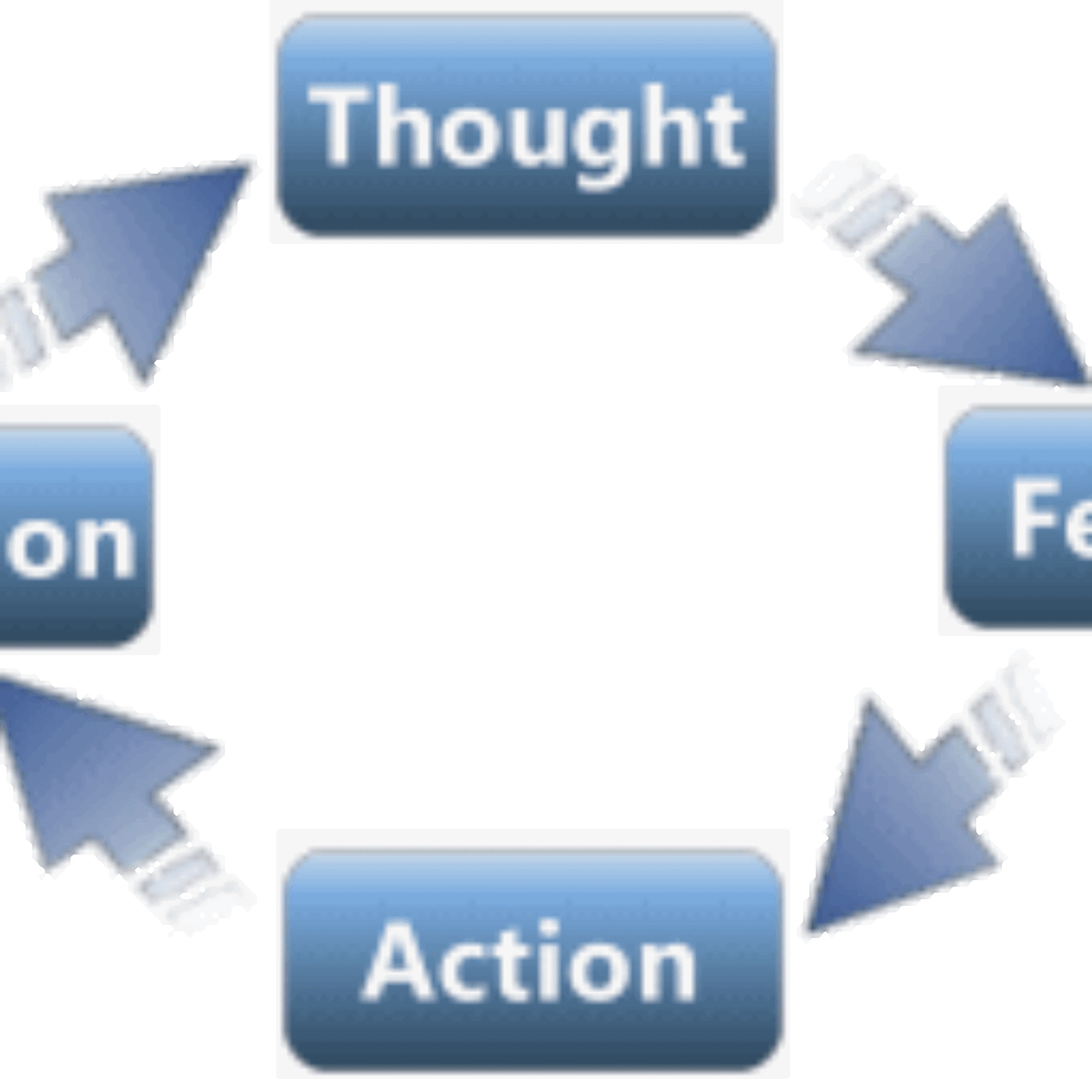
I've written before about Cognitive Behavioral Therapy and how I work. I consider CBT important and effective, as far as I know. I wrote about how similar the model at its foundation is to my Model. Specifically, compare this representation of the CBT model with this representation of mine Pretty similar: Situation -> thought -> feeling -> action Environment -> belief -> emotion -> behavior I've also written about shortcomings of CBT -- mainly that it doesn't say where its model comes from, at least not that I've found, and that it doesn't apply it to healthy people. A problem with not saying where the model comes from is that it makes it inaccessible to average people. When I thought about writing this post, I…

0 Comments

The irony of my last two posts

I didn't notice it until a few people wrote and called me about the awesome Vince Lombardi quote and I looked at the post on my front page followed by the previous day's post on karaoke. So I wanted people to know that the irony, if that's the right word, is not lost on me that I had back to back posts on one of the greatest coaches of all time talking about winning at the highest level versus me taking pride in singing karaoke. It sure looks like someone set his sites low, and I don't mean Vince. Still, I stand by my posts and feel no shame in taking pride in just singing karaoke when others feel horrible when coming in second in…

0 Comments

Vince Lombardi: What It Takes to be Number One

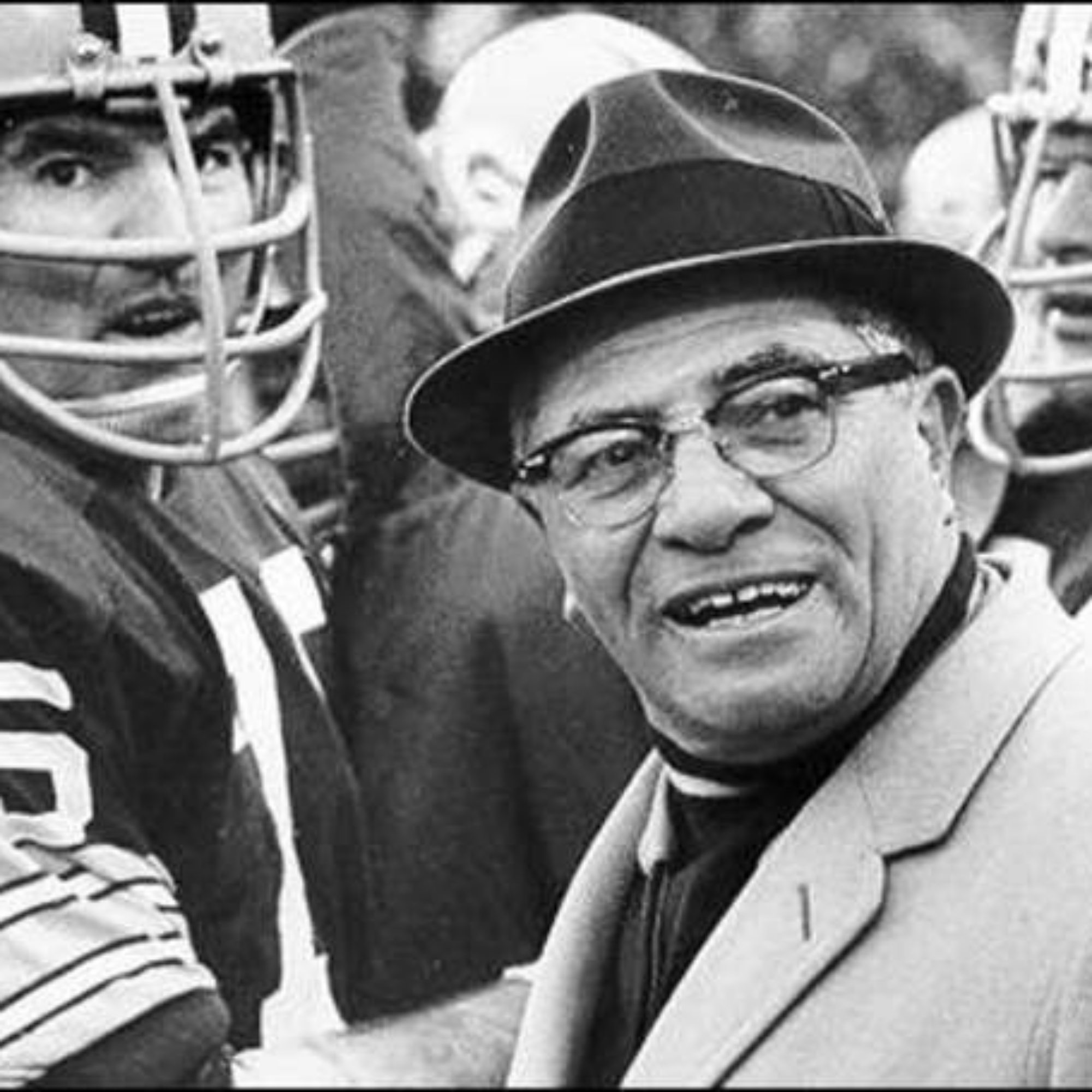
After a couple posts on sports, I'm putting up one of the great sports coaching quotes, by Vince Lombardi. According to Wikipedia Vincent Thomas "Vince" Lombardi (June 11, 1913 – September 3, 1970) was an American football coach. He is best known as the head coach of the Green Bay Packers during the 1960s, where he led the team to three straight league championships and five in seven years, including winning the first two Super Bowls following the 1966 and 1967 NFL seasons. The National Football League's Super Bowl trophy is named in his honor. He was enshrined in the NFL's Pro Football Hall of Fame in 1971. He never had a losing season as a head coach in the NFL, compiling an impressive regular season…

0 Comments

Public speaking and karaoke success

I don't know about you, but I grew up scared to speak in public. I was mortified to sing in public. Karaoke was one of the scariest things for me to do. I enjoyed it when I got drunk enough, but that meant I'd have to deal with horrible hangovers. As a result, I didn't sing much karaoke -- maybe a few times in my whole life. Of course, I could tell people enjoyed karaoke, even ones who didn't sing well. I wished I could sing as well as others who commanded the room with their singing ability, though I would have settled for just being able to sing without being mortified even if I couldn't sing that well. I should mention, growing up my…

0 Comments

Burpees — the one year review

[This post is part of a series on my daily exercise and starting and keeping challenging habits. If you don't see a Table of Contents to the left, click here to view the series, where you'll get more value than reading just this post.] Today, December 21, 2012, marks the 365th day of my exercise regiment of daily burpees. They began with me talking to a friend about exercise, then deciding to do ten a day for thirty days, then expanded to a consistent long-term daily routine. I now do two sets of twenty per day -- one just after getting up and one just before going to bed -- and four stretches before the morning set. Do I claim doing only burpees is the…

9 Comments

Nature versus Corporate (slideshow)

Here are the same pictures as from the previous post in a slide show, randomly ordered. Funny, I was thinking about the questions I asked. They feel like leading questions, but reading them, they seem open-ended. I guess you can tell my values. I could have asked questions about market share, returns on investment, competitive strategy, and so forth to get different pictures to rank higher. Things have different values in different contexts.

0 Comments

Nature versus Corporate

My post on Variety, choice, the manufactured illusion of it, and creating more yourself prompted more people emailing me about the images than most others. The way all the corporate stuff trying to catch your eye glosses over. I decided to contrast the corporate image with images from nature. I just did three images searches, on "fruit," "vegetable," and "forest," and posted a couple of the images from the first page that resulted. All the images show comparable ranges of colors, levels of detail, and so on. People design the box cereals to attract your eye. The plants evolved their colors, shapes, and such based on evolution. I'll leave it to you to conclude what you will from the different images, but I'll give you…

0 Comments

Petty pathetic censorship

For Want of a Nail For want of a nail the shoe was lost. For want of a shoe the horse was lost. For want of a horse the rider was lost. For want of a rider the message was lost. For want of a message the battle was lost. For want of a battle the kingdom was lost. And all for the want of a horseshoe nail. A nail While the Chinese government blocks many U.S.-based video sites, like YouTube, they not only have plenty of copy-cat sites but with a few clicks you can find many full feature-length movies to watch streaming. You can't get any movie you want so sometimes you end up watching whatever. The other day I happened to watch…

0 Comments

You know, ordinary life is pretty complex stuff

I came across a great quote in a Sundance Grand Jury Prize movie called American Splendor about  comic book writer Harvey Pekar. If you don't know about Harvey Pekar or his comic book series, American Splendor (they named the movie after it), he was a mostly regular guy with a regular job as a file clerk in a hospital in Cleveland. He saw comic books with super-heroes in tights as formulaic and divorced from regular life. He saw that a super-hero saving the planet with super-powers from aliens was less dramatic than an ordinary person having to solve ordinary problems in day-to-day life. The super-hero drama existed only in fiction. Since we don't have super-powers, what can we learn from them? They only entertain us.…

0 Comments

Thoughts on mourning

News from home comes slowly and filtered here in China. I know only the basic facts about the shooting in Connecticut. I saw Obama's first speech on it, but little more. I don't know much of what happened or how the nation is reacting to it, but I know people are dealing with death and grief. In all my communications on the subject, I've found the most helpful this passage from the ancient book called the Zuangzi (spelled Chuang Tzu in the translation below) on the death of a loved one. Chuang Tzu's wife died. When Hui Tzu went to convey his condolences, he found Chuang Tzu sitting with his legs sprawled out, pounding on a pot and singing. "You lived with her, she brought…

0 Comments

A poem: In the sea of Iwami by Kakinomoto Hitomaro

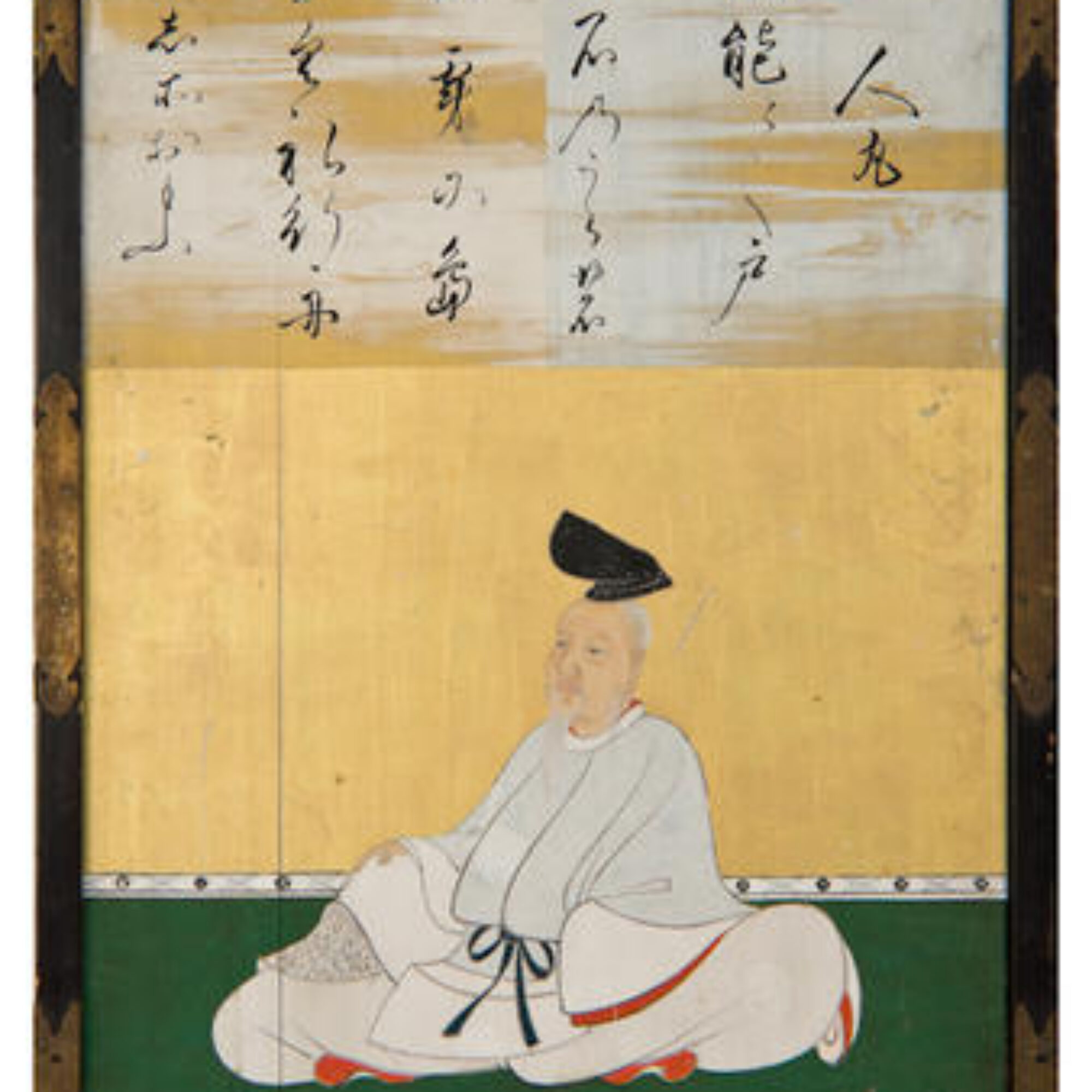
I recently came across a poem I remember reading in college and liking enough to copy into my computer. I've tried to find a way to connect it to this page's usual themes of leadership and personal development. I can't, but I like the poem enough to post it anyway. I hope you like it enough to indulge my digression / indulgence. It's by Kakinomoto Hitomaro (c. 662 – 710). According to Wikipedia he "was a Japanese poet and aristocrat of the late Asuka period. He was the most prominent of the poets included in the Man'yōshÅ«, and was particularly represented in volumes 1 and 2. In Japan, he is considered one of the Thirty-six Poetry Immortals." In the sea of Iwami By the cape…

0 Comments

One of the most insidious barriers to getting hard things done, part 5: examples

[This post is part of a series on empathy gaps. If you don't see a Table of Contents to the left, click here to view the series, where you'll get more value than reading just this post.] As a final note on empathy gaps, I wanted to note a few examples of empathy gaps -- using them, observing them in others, and observing them in yourself. Researchers normally present empathy gaps as problems. I like to think of them as a part of life like any other. We can use the effect to help us. Teenager egg-carrying exercise I remember a high school assignment for students to carry an egg with them everywhere for a week or a month. Eggs, of course, are fragile, so…

0 Comments

One of the most insidious barriers to getting hard things done, part 4: overcoming them

[This post is part of a series on empathy gaps. If you don't see a Table of Contents to the left, click here to view the series, where you'll get more value than reading just this post.] Now we are familiar with empathy gaps -- that when you feel one emotion you generally can’t conceive of your motivations when feeling a different emotion. We get how insidious they can be in keeping us from improving our lives. What do we do about them? How do we shield ourselves from them undermining our efforts? I haven't found research on effective techniques (please contact me if you know of any) in avoiding, overcoming, or developing resilience to empathy gaps. I only have my understanding of them and…

0 Comments

One of the most insidious barriers to getting hard things done, part 3: why empathy gaps make sense

[This post is part of a series on empathy gaps. If you don't see a Table of Contents to the left, click here to view the series, where you'll get more value than reading just this post.] As usual, understanding ourselves better helps us overcome the problems of empathy gaps -- that when you feel one emotion you generally can’t conceive of your motivations when feeling a different emotion. Yet as they fundamentally concern being unable to understand things about ourselves, you'd think they were difficult to understand. On the contrary, you can understand them if you understand your emotional system. Luckily we have an easy way to understand our emotional systems. Empathy gaps depend on your emotional system Also as usual, the Model explains…

0 Comments

One of the most insidious barriers to getting hard things done, part 2: research and experiments

[This post is part of a series on empathy gaps. If you don't see a Table of Contents to the left, click here to view the series, where you'll get more value than reading just this post.] Yesterday I talked about the effect that when you feel one emotion you generally can’t conceive of your motivations when feeling a different emotion, nor do you realize you can't, also known as empathy gaps. Today let's look at some research and experiments. Sexual arousal A comedian once remarked on the question people suggest you asking before considering unprotected sex, "would you die for it." He said sometimes when you're in the moment, you think you might. Dan Ariely, in his book Predictably Irrational (which I recommend), wrote…

0 Comments

One of the most insidious barriers to getting hard things done, part 1

[This post is part of a series on empathy gaps. If you don't see a Table of Contents to the left, click here to view the series, where you'll get more value than reading just this post.] Did you know you undermine some of your best efforts to do challenging things, especially involving personal change? You do. We all do, through an effect that makes sense when you get it, but most people don't realize undermines them. The effect is this When you feel one emotion you generally can't conceive of your motivations when feeling a different emotion. Or more to the point When you plan to do something you feel one set of emotions, often enthusiasm. When you act on them you feel different…

0 Comments
Moving doesn’t have to suck. It can be great.
Most of the material things I own are in the seven boxes inside that pile

Moving doesn’t have to suck. It can be great.

If you know me in person you probably know I've lived in the same apartment for thirteen years, longer than anyone I can think of has lived in one place except my father. I haven't moved partly because I love the West Village, partly because I couldn't stand the process of moving. Moving disrupts your life, takes a ton of work, and fills your place with dust. Meanwhile, over the past few years, a big goal of mine has been to get rid of things I don't like or need and to learn to love things in my life I can't get rid of. As a result, my life is filled with things I like or love and devoid of things I don't. I considered…

0 Comments

Talking about race is sure to lead to nonsense

I posted the following on a forum someone started on race, a concept I think everyone knows has no scientific foundation. I thought I'd share it here. I'm not trying to answer everything about race, just to give an alternative perspective. Talking about race is sure to lead to nonsense Some people call Judaism a race. When some people hear my father was born and raised Jewish and my mother was born and raised Lutheran they say I'm not Jewish because the rules of Judaism say it goes on the mother's side. If they hear my mother converted they then say I'm Jewish. Boom! They say my race changed based on a ceremony my mother performed years before I was born. Who knew you could…

0 Comments

Responsibility and consuming resources

I remember as a kid in the 70s being taught a policy to turn off lights when I was the last to leave a room. People put stickers on light switches with that message. I don't see that message that much any more. People seem to generally project that saving energy is better than not saving energy, but I see the idea more used to market selling products than changing personal behavior. I'll leave for another time the counterproductivity of selling more things to reduce consuming resources. Responsibility I'd rather talk about personal responsibility and consuming resources. I have found responsibility one of the most fundamental concepts in leadership, principally in my words to live by Don't look for blame but take responsibility for making…

0 Comments

End of content

No more pages to load