
Alternatives to counterproductive emotions and behavior

Who likes feeling bad, burdened with emotions we not only don't like, but that, if we act on them, make our lives worse? Yet sometimes countering them with their opposites makes things worse still. For example, trying to calm down when you're angry, especially if someone else tells you to do it, often makes one angrier. Many emotions have complements that are more effective than opposites in dispelling them. I just wrote a series on taking responsibility as an alternative to guilt and blame. Curiosity dispels anger and brings about calmness more effectively than trying to be calm directly. Here are a series of complements to emotions and behavior that I find effective. Responsibility > guilt and blame Curiosity > anger Usefulness > accuracy (in…
0 Comments

Goodbye guilt and blame, VII

[This post is part of a series on overcoming guilt and blame for good. If you don't see a Table of Contents to the left, click here to view the series, where you'll get more value than reading just this post.] One last tip for the guilt and blame series, perhaps the most empowering. What do you do when others attempt to blame you or make you feel guilty? Most of us argue back, apologize, or attempt to explain our innocence. Often explaining works if the other person isn't too angry. Apologizing can work, but what if you didn't intend to hurt them? Then they may feel erroneously justified in blaming you. Arguing back rarely works and may reinforce their beliefs that you are to…

0 Comments

Goodbye guilt and blame, VI

[This post is part of a series on overcoming guilt and blame for good. If you don't see a Table of Contents to the left, click here to view the series, where you'll get more value than reading just this post.] This post summarizes and completes my thread on guilt and blame (edit: I added another post on the topic). The first few posts covered where guilt and blame come from. In my experience, the more we understand the emotions' origins, the more resilient we are to experiencing them at all or managing them if we do feel them. Basically, I proposed the model that everybody does their best all the time; nobody intends to hurt you. If things seem otherwise, it's only because you…

0 Comments

Are you being judgmental without realizing?, part III

The past two days covered the how we can be judgmental without meaning it -- first with clearly judgmental language, then with implicitly judgmental words. Today let's look at exercises to change. My normal first step for change is to start by building awareness. In this case, changing builds awareness so much and the exercises are so easy (they don't involve anyone else), I recommend just starting with the change. There are two exercises that you can do separately or together. They sound trivial, but if you're diligent, you'll find yourself catching subtle behavior all the time. You'll be amazed at the little things you say and how you start thinking differently. Exercise 1 The first exercise is to replace judgmental language. With what? Usually…

0 Comments
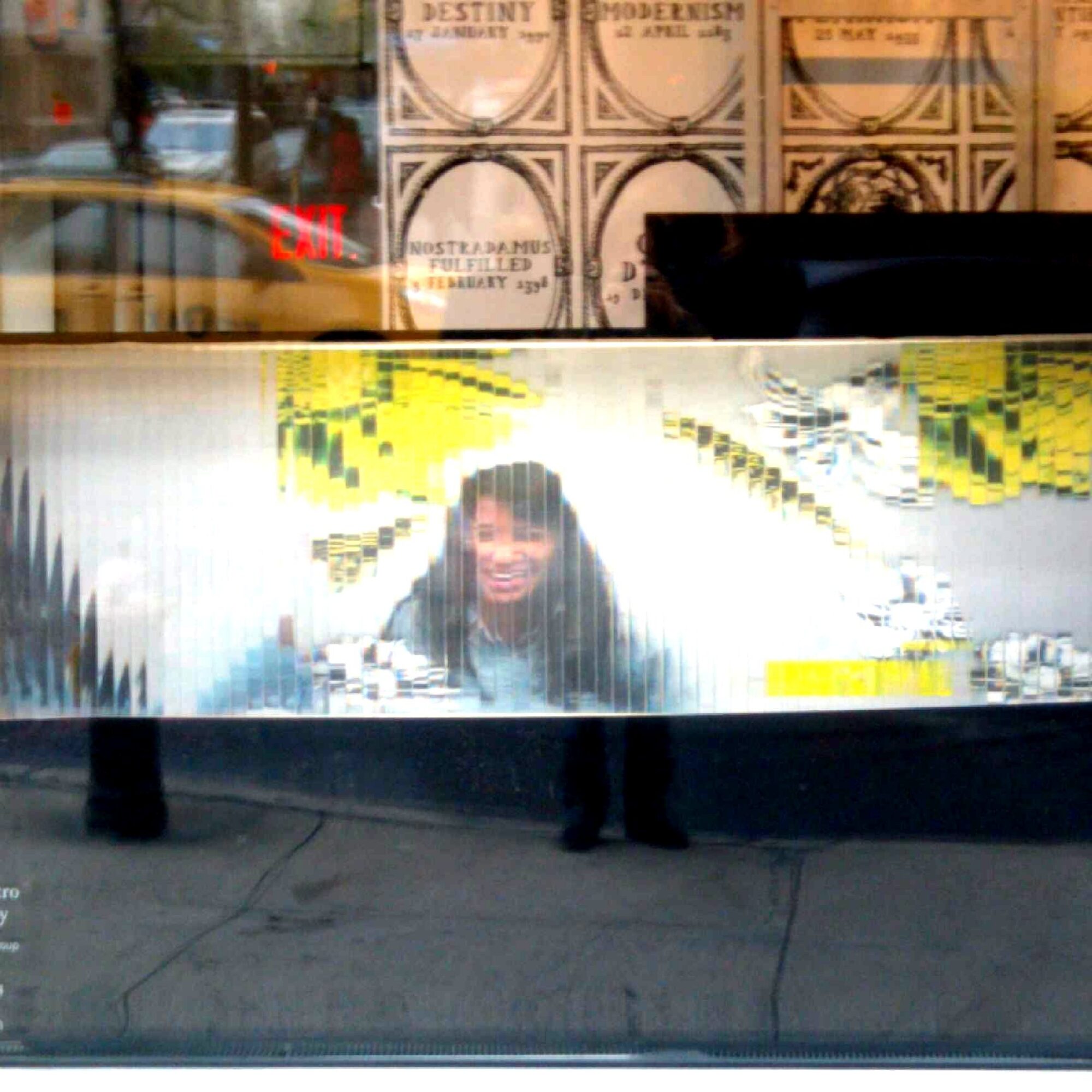
New images and videos of the Parsons Displays
Final Fifth Avenue and 13th Street Parsons Student Linear Zoetropes

New images and videos of the Parsons Displays

Here are some videos and images of the displays the Parsons students put up in the corner of 5th Avenue and 13th Street. As usual, my camera is not great and my recording ability is worse. Cameras don't capture the medium. The final product also doesn't capture the challenge and work that went into creating the displays. Also, please see the course blog for lots of other images and videos of projects they did along the way.

0 Comments

Are you being judgmental without realizing?, part II

Yesterday I wrote about how we often judge people implicitly without realizing -- often a repellent behavior -- and one class of implicitly judgmental language. The second class of implicitly judgmental language is when you make value judgments without realizing it. Here are a few examples: "People on the left say X. People on the right say Y. I'm not political about it, I'm practical and I look for a practical solution." "John is extreme. I prefer the middle path." "Sally works too hard. She needs to balance work and life." "If Jane were a real manager, she'd ..." "I know you like to do X, but in the real world we have problems that require ..." "The reality of the situation is that..." "The…

0 Comments

Are you being judgmental without realizing?, part I

Do you like being judged? Nobody likes when someone else is self-righteous, holier-than-thou, or high-and-mighty to them. Would you be shocked to find you're judging people -- thereby repelling them -- without realizing it? Would you want to do something about it? You probably avoid judgmental people. I'd bet it's one of the major reasons you avoid the people you do. (Clients often mention their parents here. Even recognizing their parents' best intents, their being judgmental is repellant.) You're probably comfortable with nonjudgmental people, or who actively practice nonjudgmental acceptance. Yet you probably communicate judgment to people without realizing it, mainly in words you choose without realizing it, as I'll describe below. The good news is you can do something about it, and what you…

0 Comments

What do I do?

Do you want to live a life of the emotions you want -- happiness, joy, whatever -- freedom, and achievement? Then do what you love. If you believe you have to sacrifice what you love "to be practical" or "pragmatic," you are your own biggest obstacle. My life is a testament to the contrary. If you don't know what you love, find out. If you don't know how to find out, invite me to coach or lead a seminar for you. At least you should read my blog. I no longer value achievement like I once did, so I achieve more than ever, as side effects of doing what I love. If that seems paradoxical, read my blog for a more productive perspective. It's simple.…

0 Comments

On vengeance

A few thoughts from when I heard last night that U.S. soldiers killed Osama bin Laden. This passage of the Tao Te Ching resonated most with me: Weapons are the tools of violence; all decent men detest them. Weapons are the tools of fear; a decent man will avoid them except in the direst necessity and, if compelled, will use them only with the utmost restraint. Peace is his highest value. If the peace has been shattered, how can he be content? His enemies are not demons, but human beings like himself. He doesn't wish them personal harm. Nor does he rejoice in victory. How could he rejoice in victory and delight in the slaughter of men? He enters a battle gravely, with sorrow and…

0 Comments

Successful, field-tested mental models likely to improve your life

Here's some great news: you never observe or sense your world directly. Besides having limited and imperfect senses and a fading memory, your expectations influence all your observations. These limitations are not problems. On the contrary, you can use them to improve your life. After all, a good life (whatever that means to you) doesn't come from more information or accuracy. There is infinite information and your brain is finite, so no matter how much you have, there's always infinite more. A good life comes from rewarding emotions, like happiness and joy, or whatever emotion you want for your situation. We form mental models for parts of our environments and tend to funnel new information into them. They also lead to strategies. By strategies, I…

0 Comments

End of content

No more pages to load