My first Hillsdale College online certificate and why I took the course
2 Comments
June 14, 2025


Am I going to get in trouble for a puerile post? Will it distract from my sustainability leadership focus? I hope not. I had a blast making the poem. Regular readers know my sidchas and standard operating procedures mean that I meditate as one of my first morning activities. Before meditating I go to the bathroom. Between my routine being so consistent and my diet containing so much fiber, I poop every morning around the same time. This morning I woke up about fifteen minutes before the alarm. As I sat on the toilet, my digestive tract wasn't ready to send the poop out, being fifteen minutes ahead of time. The situation brought to my mind the classic poem that people used to write on…
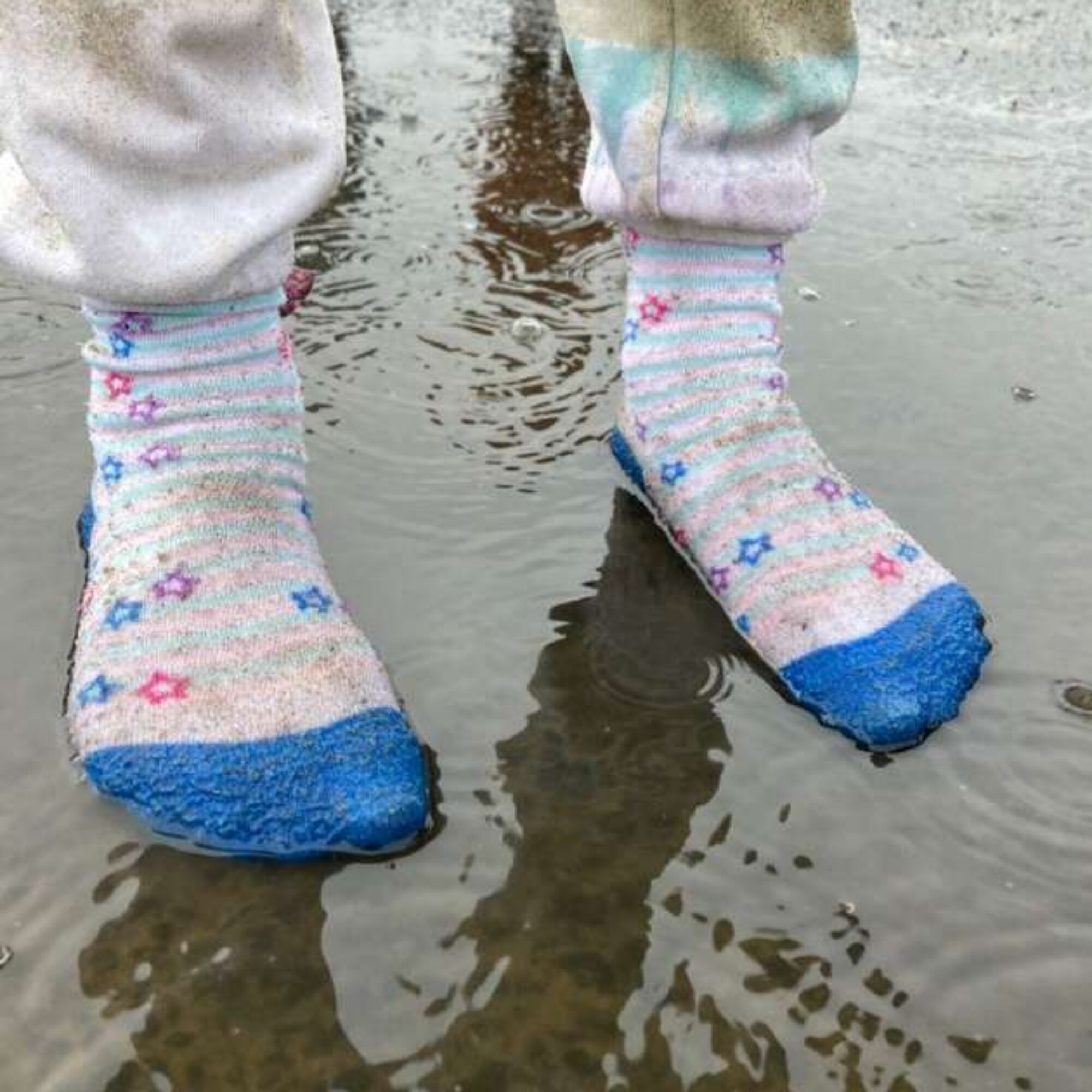
I have to add to what I wrote last month on How the liberation of living more sustainably feels. In that post, I wrote To describe what living more sustainably feels like, imagine one morning you walk out from your home and step into a puddle, drenching your feet. Imagine further that you’re in such a hurry that you don’t have time to change so you end up wearing wet socks the entire day. Living more sustainably is like taking off wet socks that have been making you miserable all day, the awareness of which you tried to repress but you never did. It’s like that but many times stronger. It feels like freedom and liberation. I left out scope and scale I left out…
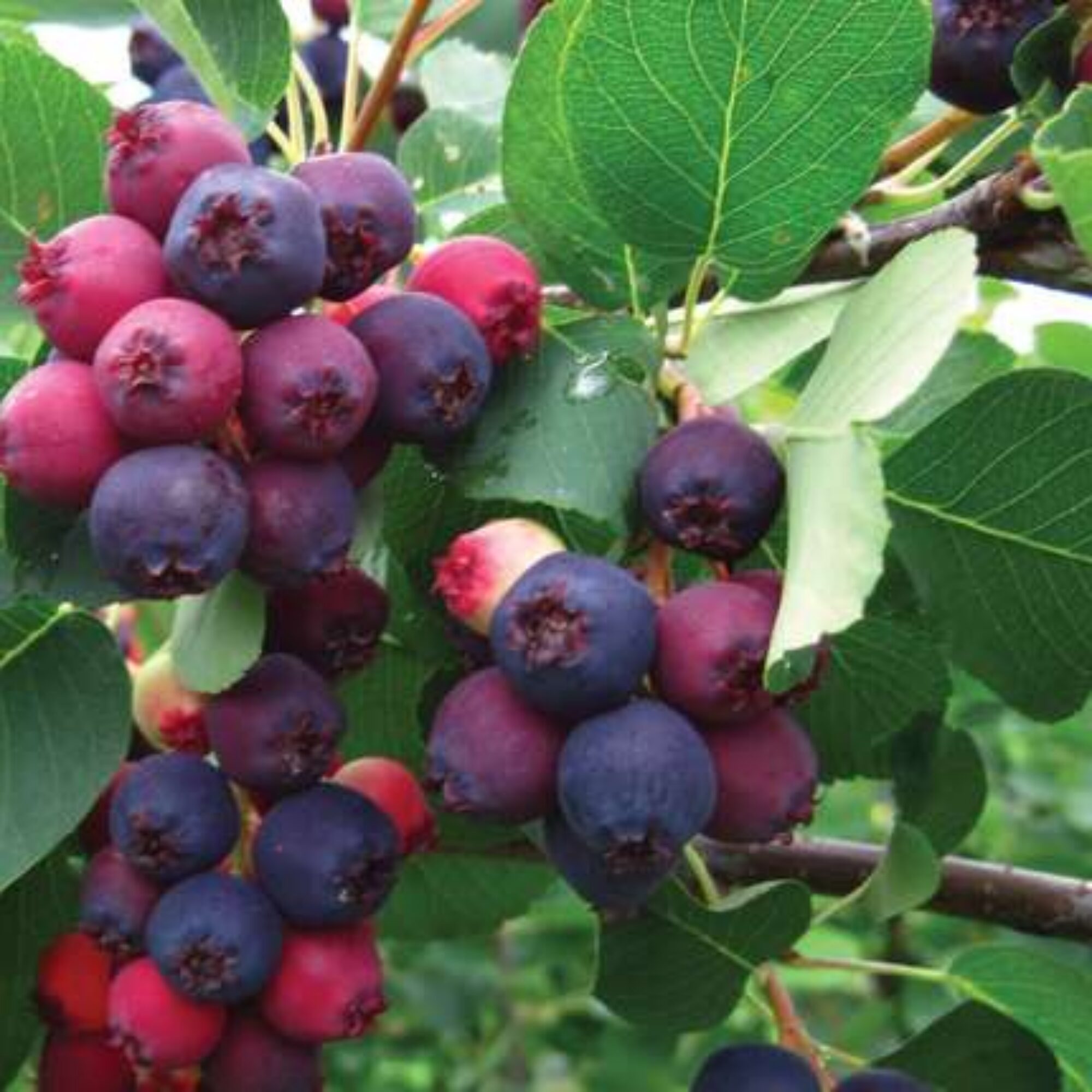
I was out in the park along the Hudson River picking juneberries. Not only was the food not packaged, I picked them myself. They're incredibly delicious. The tree evolved to provide fruit to be eaten. I saw a lot of people picnicking on the grass, eating at the outdoor bar in the park, and eating while they walked. Every piece of food or beverage I saw them eating was bought pre-prepared, pre-packaged with disposable garbage that hurts people, with the exception of a few reusable bottles. I didn't see even one apple or other piece of fruit or non-disposable food container, like Tupperware containing something homemade. I saw pizza, Gatorade, bags of chips, plastic platters of crudités, takeout containers, and mostly doof. It got me…
This recording went far beyond my usual preference for recording with guests in person when I can. We met in Prospect Park on one of the peak birding days of the year. Tons of people were out with powerful binoculars and cameras. You'll hear lots of birds chirping in th background and even people who knew Ryan coming up to talk to him. Nature is everywhere. We can enjoy it where we are when we want. You'll pick up how much fun we were having, wonder we were experiencing, and community we were connecting with. Nature makes such experiences happen. Have fun listening to us in nature watching and listening to birds and birders. Keep in mind: the point is only superficially birds and birders,…
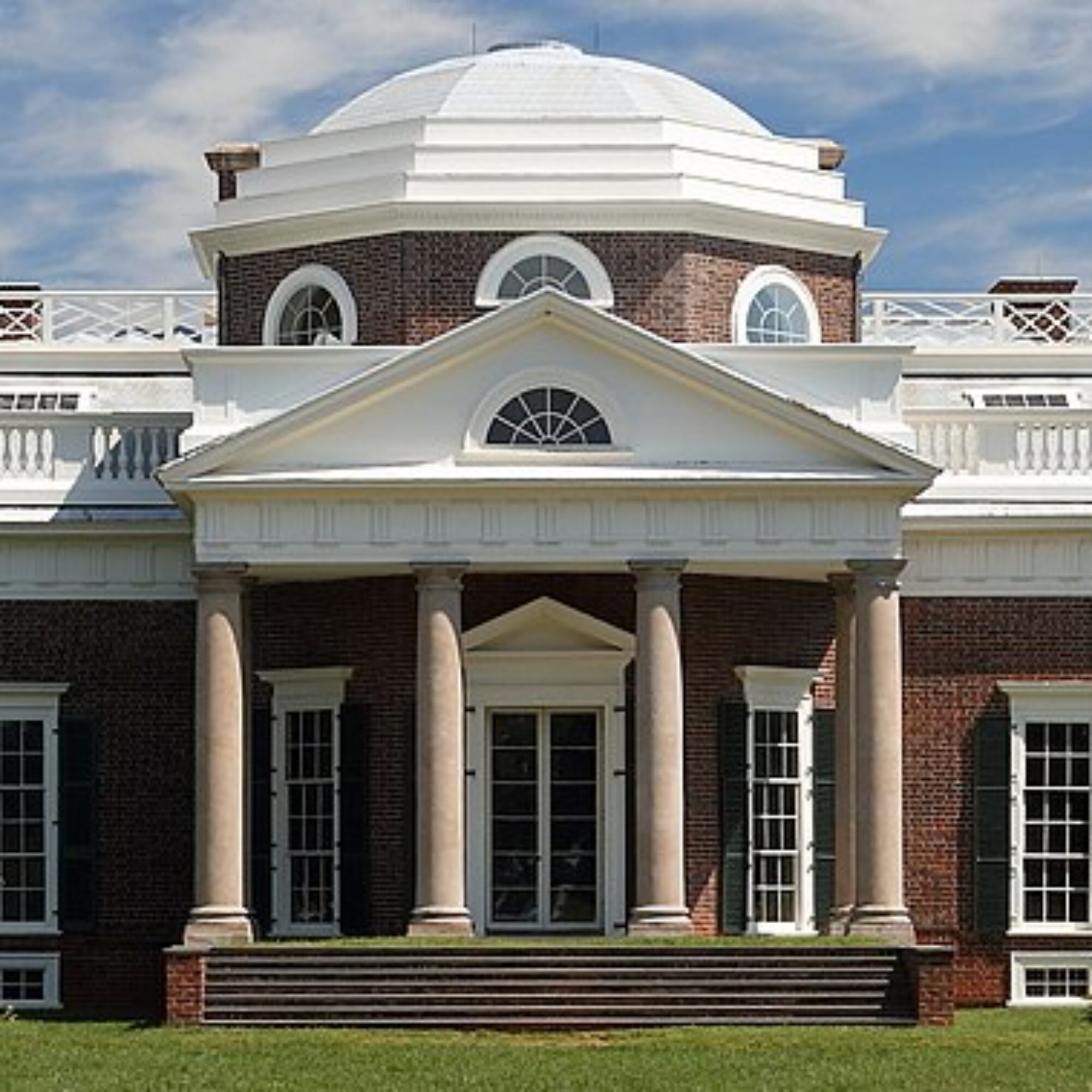
I feel increasingly like an abolitionist or anti-slavery politician around 1800 living in Monticello. Mainstream culture looks and sounds like Thomas Jefferson: He said some of the most important words in history on liberty and freedom. He knew how wrong slavery was. He knew owning people corrupted him. He knew he was violating his own values. Likewise, we all say we don't want to drive a system that hurts and kills people (in orders-of-magnitude greater numbers than slavery did in the US). We know we're violating our values. We know paying for gas, plastic, and services based on them cause death and suffering, which corrupts us. We know we're violating our values. Yet, like Jefferson not freeing his slaves, we don't stop driving today's system…
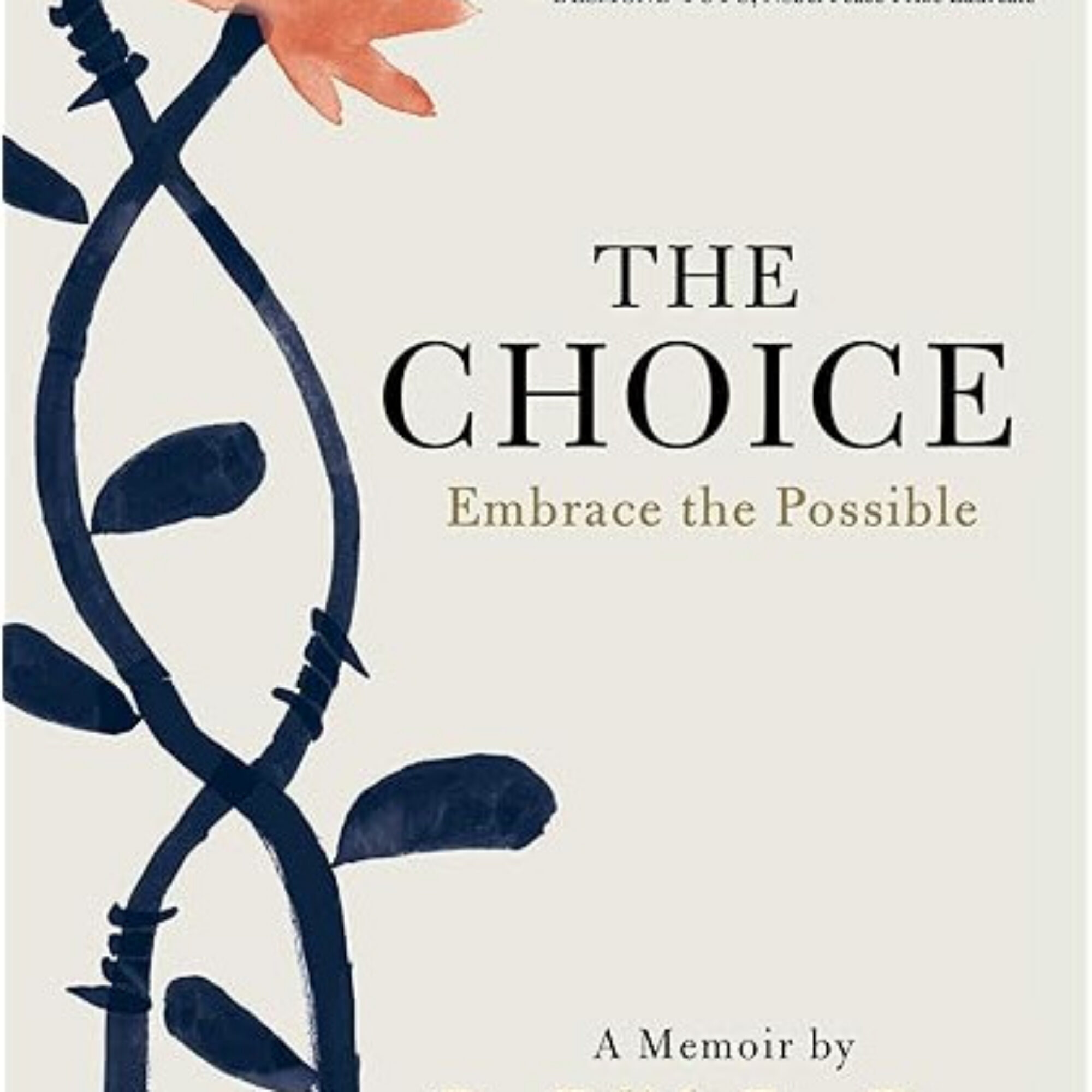
This week I finished: The Choice: Embrace the Possible, by Dr. Edith Eger: At one point listening to this book, I started feeling choked up. Tears started welling up in my eyes. I asked myself, "When has a book made me cry?" "Has a book ever led me to cry?" I continued to ask myself. As the book continued, I started full-on bawling at the experience of the author, how she made her greatest struggles useful for herself, and how she is sharing them to help all of us use our struggles to reach the greatest pinnacles, to reach our potentials. Note: this is not a self-help book, though you can use it that way. When I talk about her struggles, they include being imprisoned…
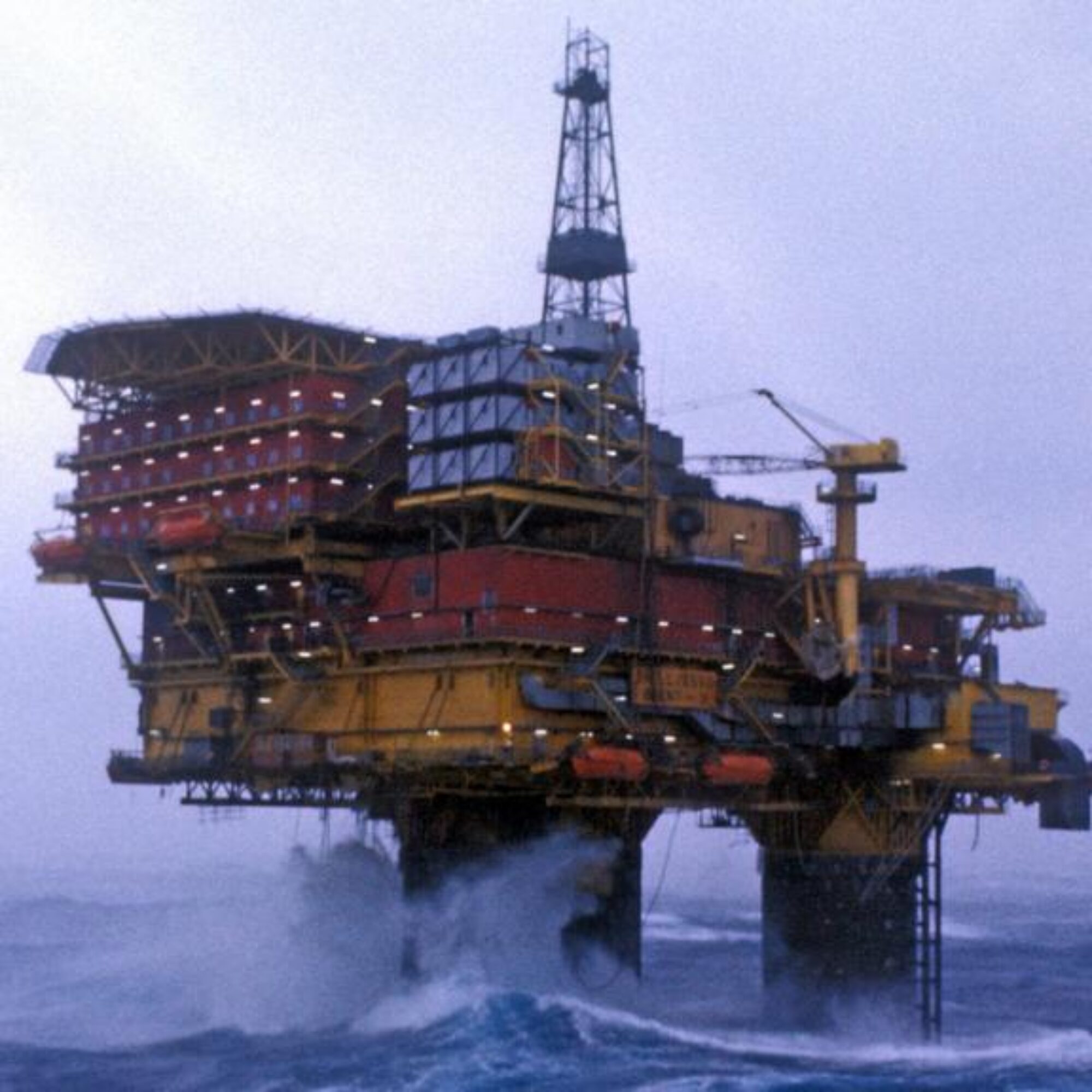
If "transition" means we stop using the old fuel then there has never been an energy transition. You can hear more details when I post my next episode with Mark Mills, but it deserves more publicity. I recorded with him again after reading his recent piece We’ll Never Have an Energy Transition, in City Journal from the Manhattan Institute. I find his results compelling, as always. Every fuel we've ever used, we still use, and more than ever. If you think that by ramping up solar and wind that in any way that new energy availability will decrease our use of old energy, you're dreaming. More likely you're lying to yourself. By contrast, I believe we can choose to use an energy source less deliberately…
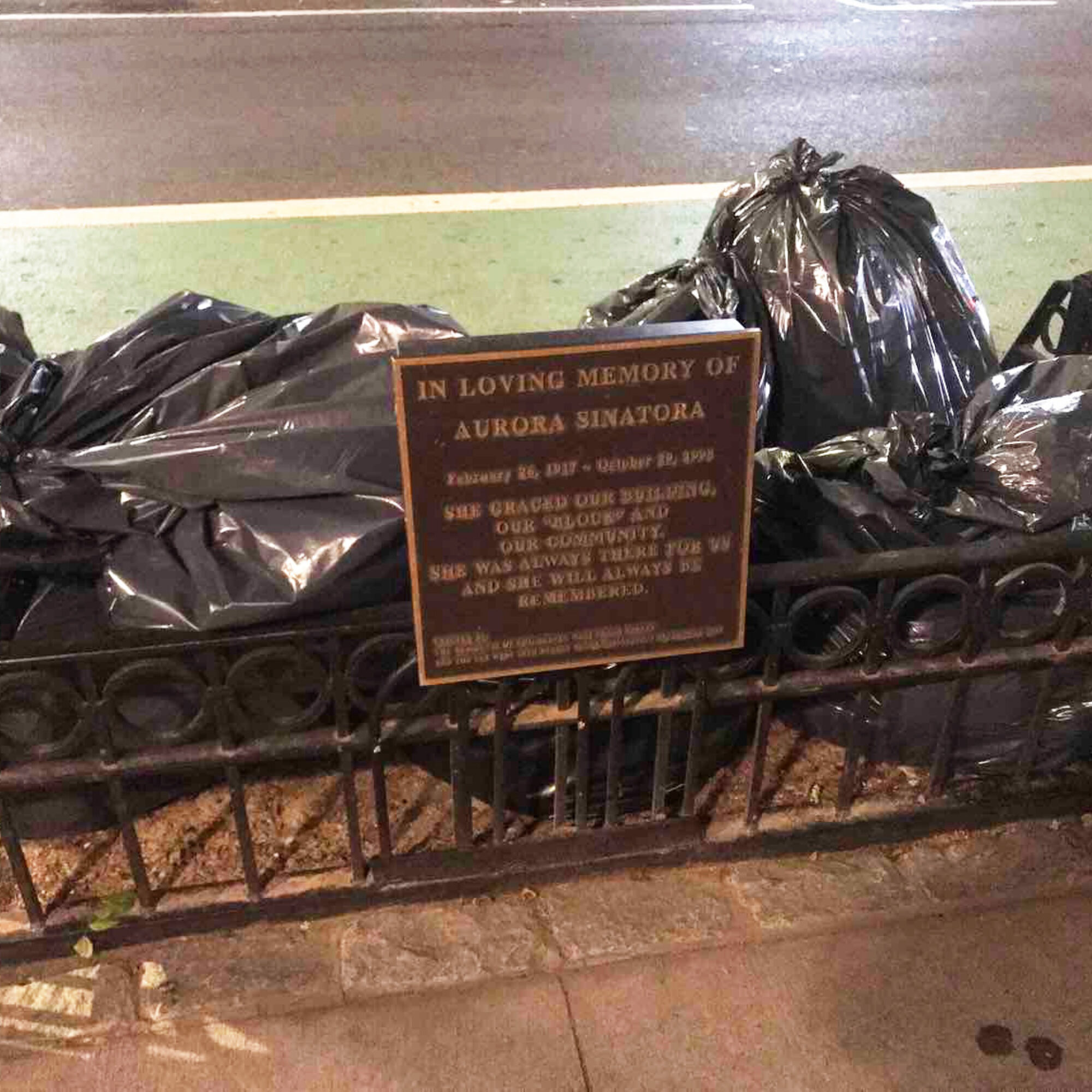
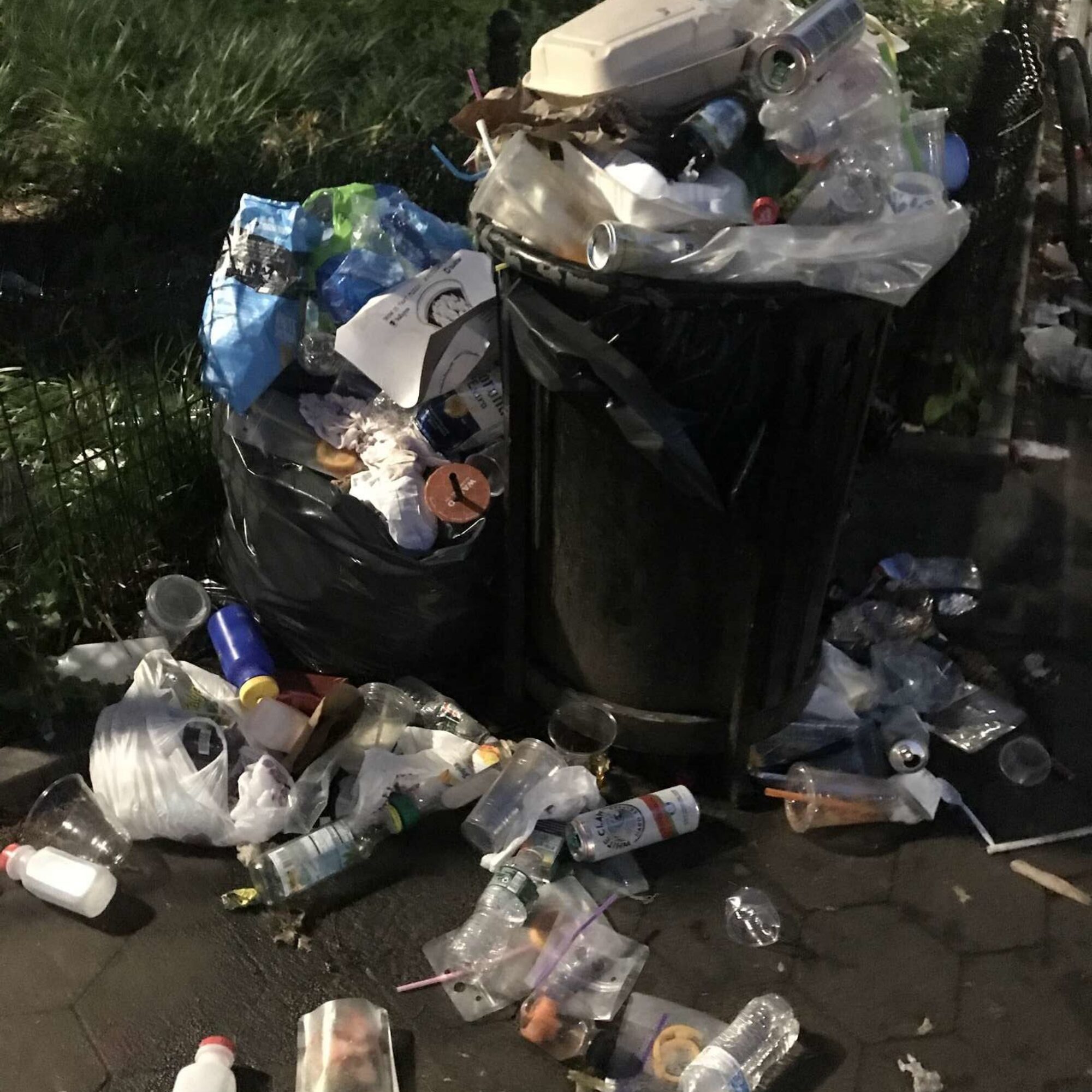
I walked past what was once likely a planter bed filled with lovely flowers or maybe a tree. I presume it was something nice because someone installed a plaque that began "In loving memory of." Instead of flowers, a tree, or anything lovely or nice, the bed was filled with garbage. I've passed it before and seen it filled with garbage. It's nice to think that environmental problems haven't hit us yet, since then we'll act. What more sign do you need than that were desecrating our ancestors? Can you imagine what our ancestors from before plastic would have thought of how we honor our loved ones? I can't imagine them finding filling a space dedicated to love and memory of loved ones with garbage.…
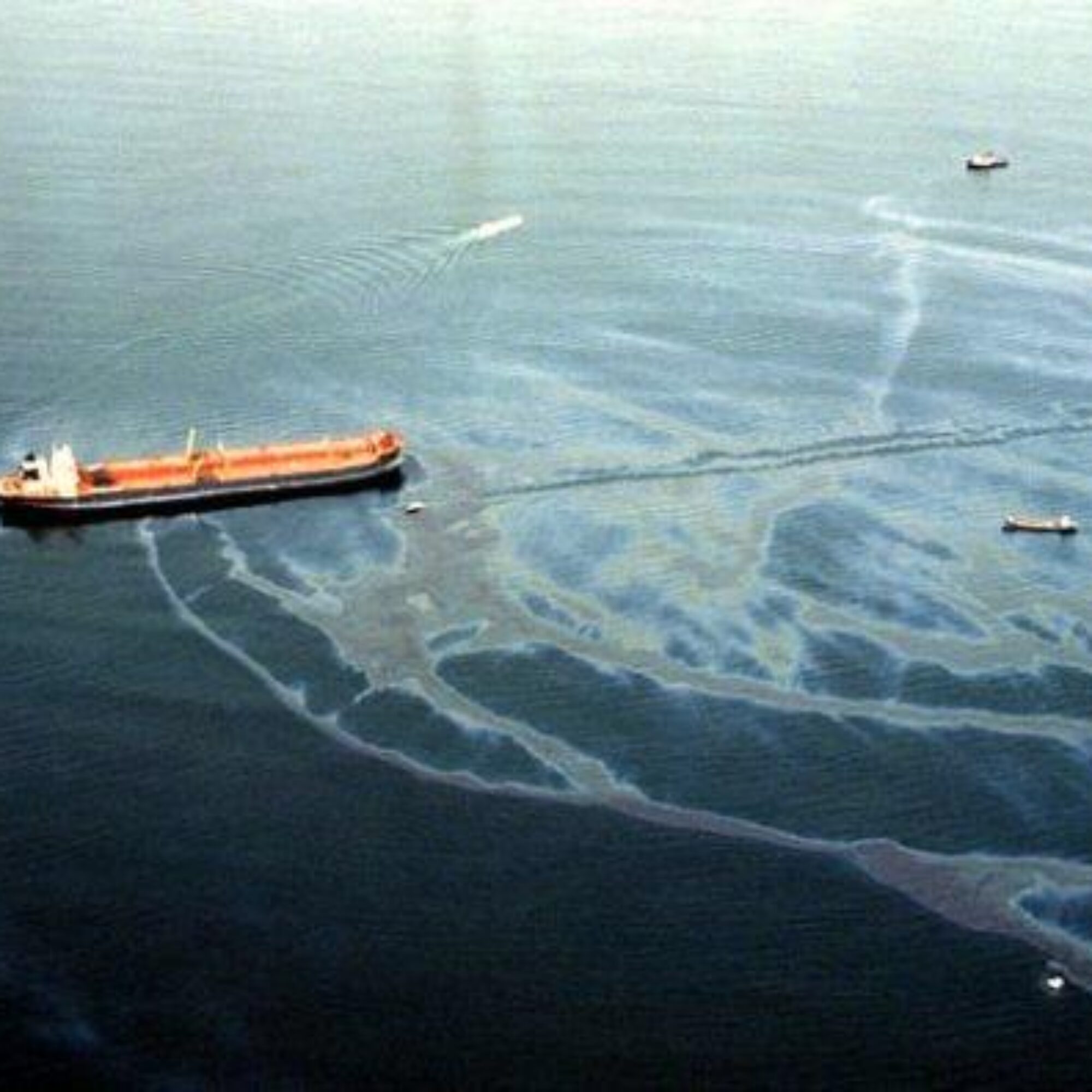
We have never decreased using any fuels. When we find new energy sources, we use the old one and the new one. Our plans to increase solar and wind have nothing to do with lowering fossil fuel use. This ordering doesn't work: First: Figure out how to create energy without fossil fuels or destroying life, liberty, and property Then: Stop using fossil fuels, nuclear, and destroying life, liberty and property The only ordering which can work: First: Stop using fossil fuels, nuclear, and destroying life, liberty and property Then: Figure out how to create energy without fossil fuels or destroying life, liberty, and property (Though, according to Adam Smith and the US founders, we don't need to create new energy sources to create the most…
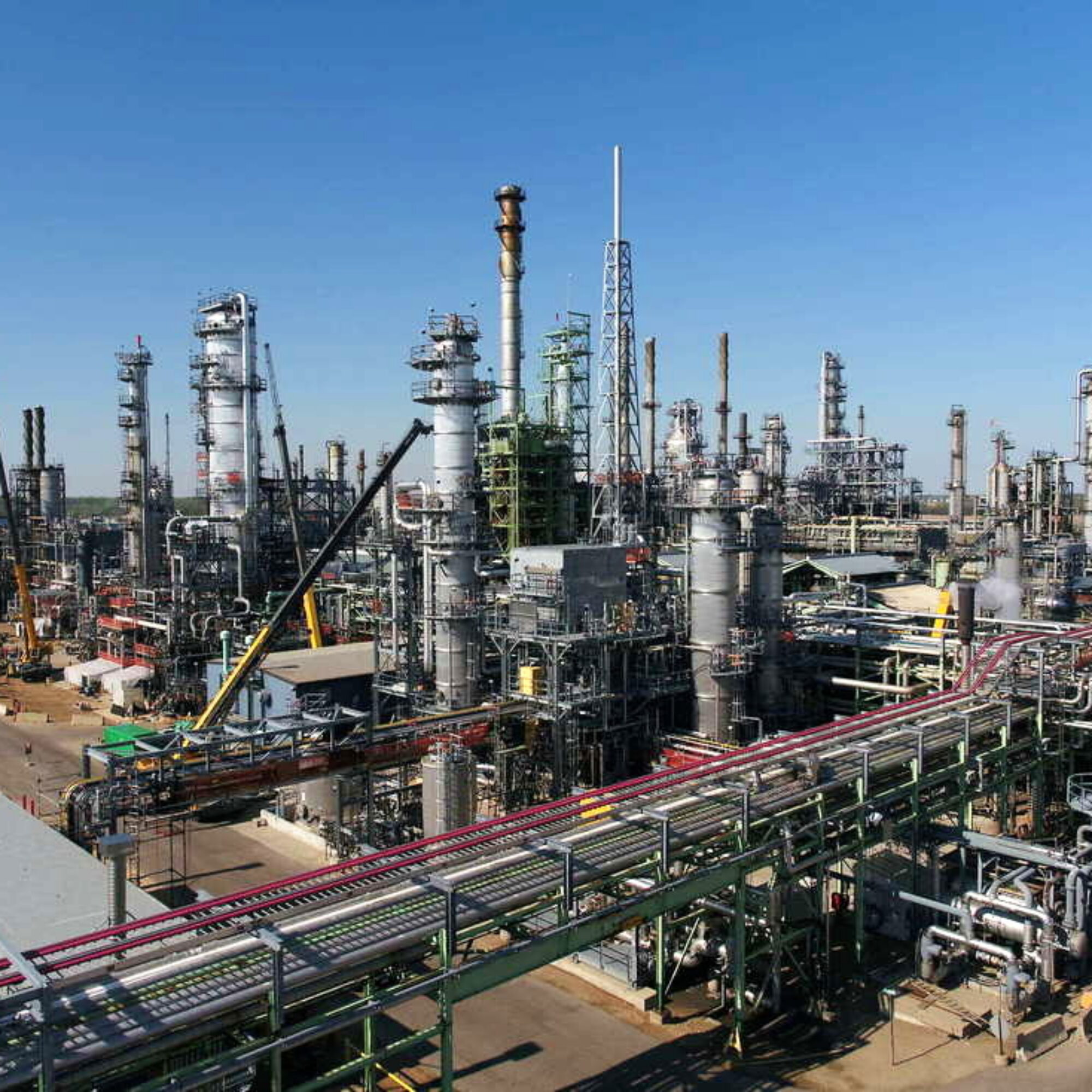
You probably know about the effect called the tragedy of the commons. The classic case is shepherds and a common grassy area. If each lets their sheep graze so they consume grass as fast as it grows, then each has the incentive to graze more, privatizing the extra profit while everyone else loses a smaller amount, but if all do it, everyone loses. Here is Wikipedia's definition: The tragedy of the commons is the concept that, if many people enjoy unfettered access to a finite, valuable resource, such as a pasture, they will tend to overuse it and may end up destroying its value altogether. Even if some users exercised voluntary restraint, the other users would merely replace them, the predictable result being a "tragedy"…
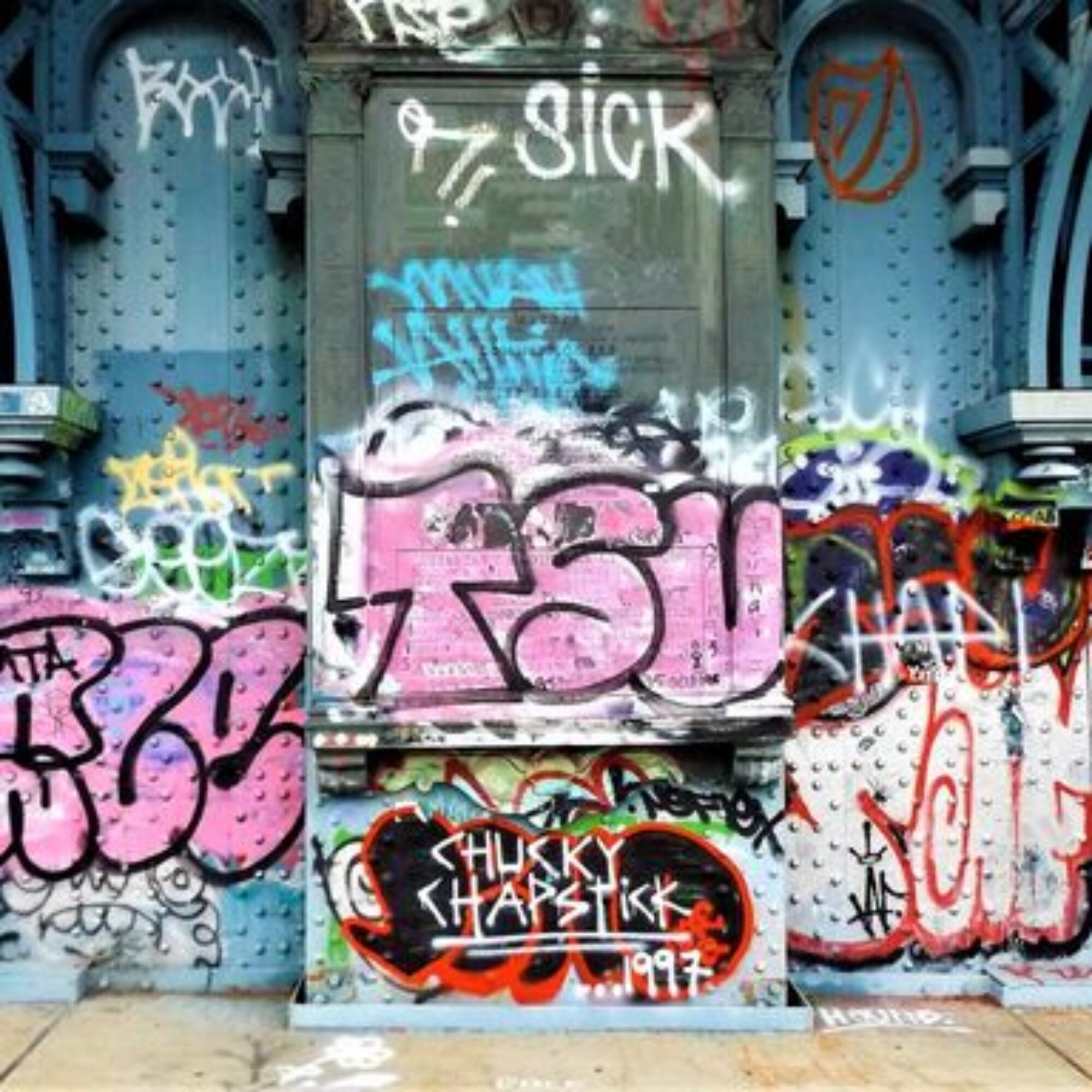
Walking across the Manhattan Bridge, I saw a lot of graffiti. It looked to me like it was painted by boys or young men, likely making a statement vaguely like lashing out. I'm not sure, but it didn't look like it was designed to make the place feel safer or more secure. I thought about how many boys and young men feel motivated to show their independence and probably have since before our ancestors became human hundreds of thousands of years ago. Back then they couldn't spray toxic chemicals. They probably would have done things to show their independence without some equivalent of defacing public property. It got me thinking how we've created a world where behaviors resulting from our natural motivations become antisocial despite…
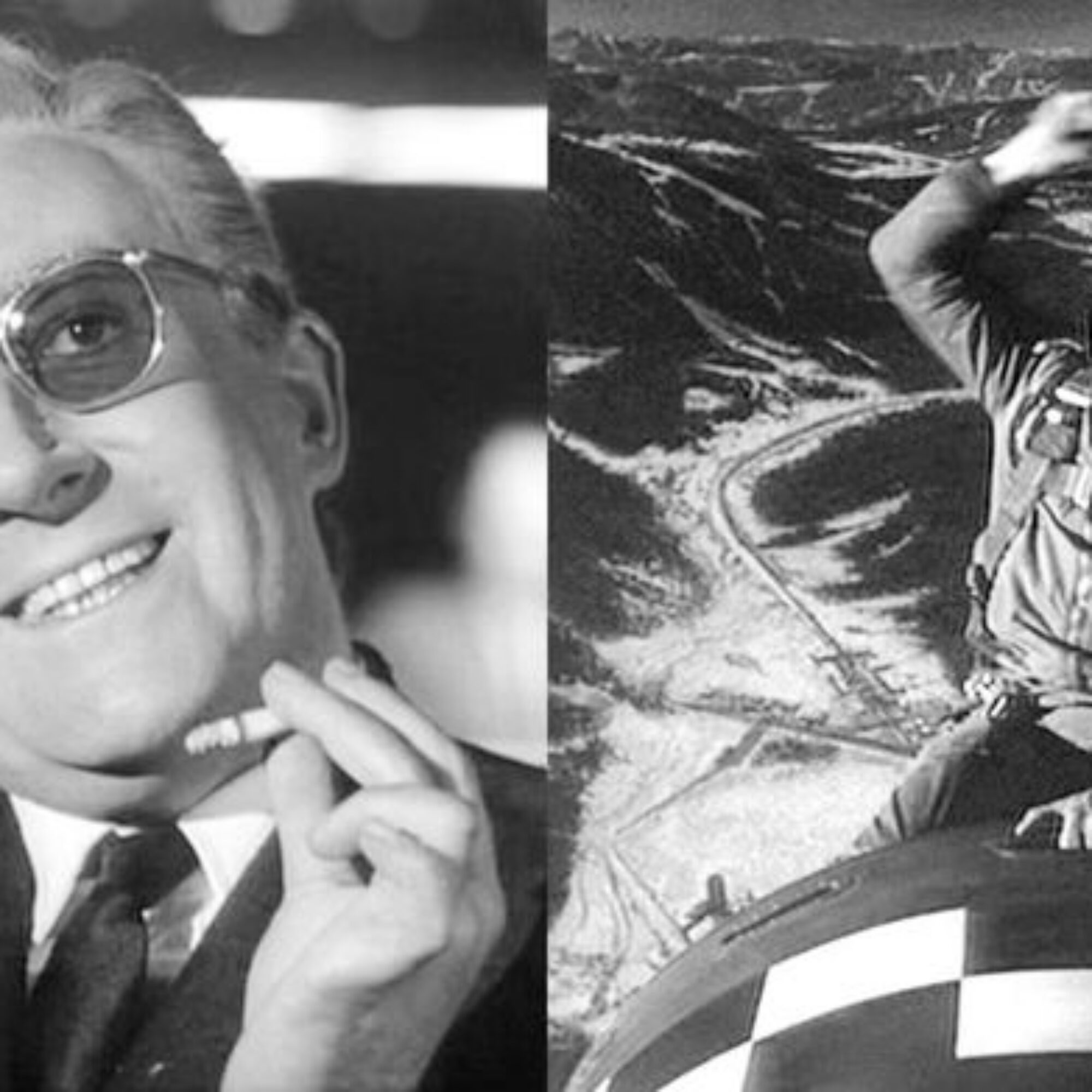
There's a pattern in systems called an arms race, where two or more parties get stuck, each compelled to advance its military. When one does, all the others have to follow or risk being attacked or taken over. The pattern happens in other areas, but arms and the military is the prototypical example. We're all familiar with how this systemic pattern played out in the cold war, for example contributing to enough nuclear weapons to destroy all human life many times over, in the process diverting great amounts of wealth from helping people. One can argue if that wealth hadn't been diverted and war began because one nation knew it could defeat the one arming itself less, but that argument doesn't change that humans chose…
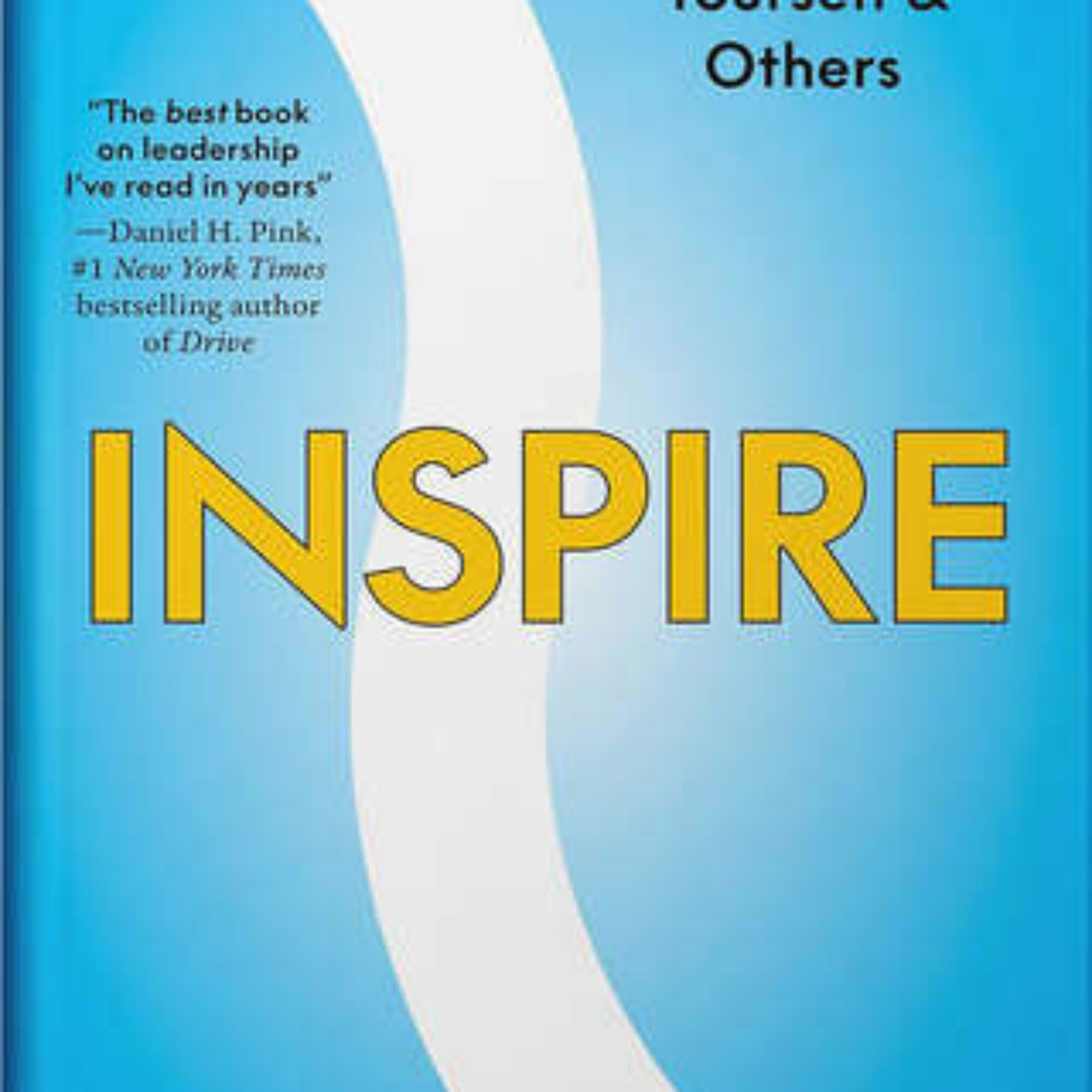
This week I finished: Inspire: The Universal Path for Leading Yourself and Others, by Adam Galinsky: Adam teaches leadership at Columbia Business School, where I learned there were classes in leadership and took them. In them, I learned that I could learn social and emotional skills. I eventually wrote a book on leadership, Leadership Step by Step, with a chapter called Inspire. I also recently met Adam in person at an event with a bunch of people from his department. How could I not read this book? Adam is a social psychologist. This book is engaging and compelling because it has a lot of stories, including many from his personal life, despite being mostly about research and how to act on it. He did a…
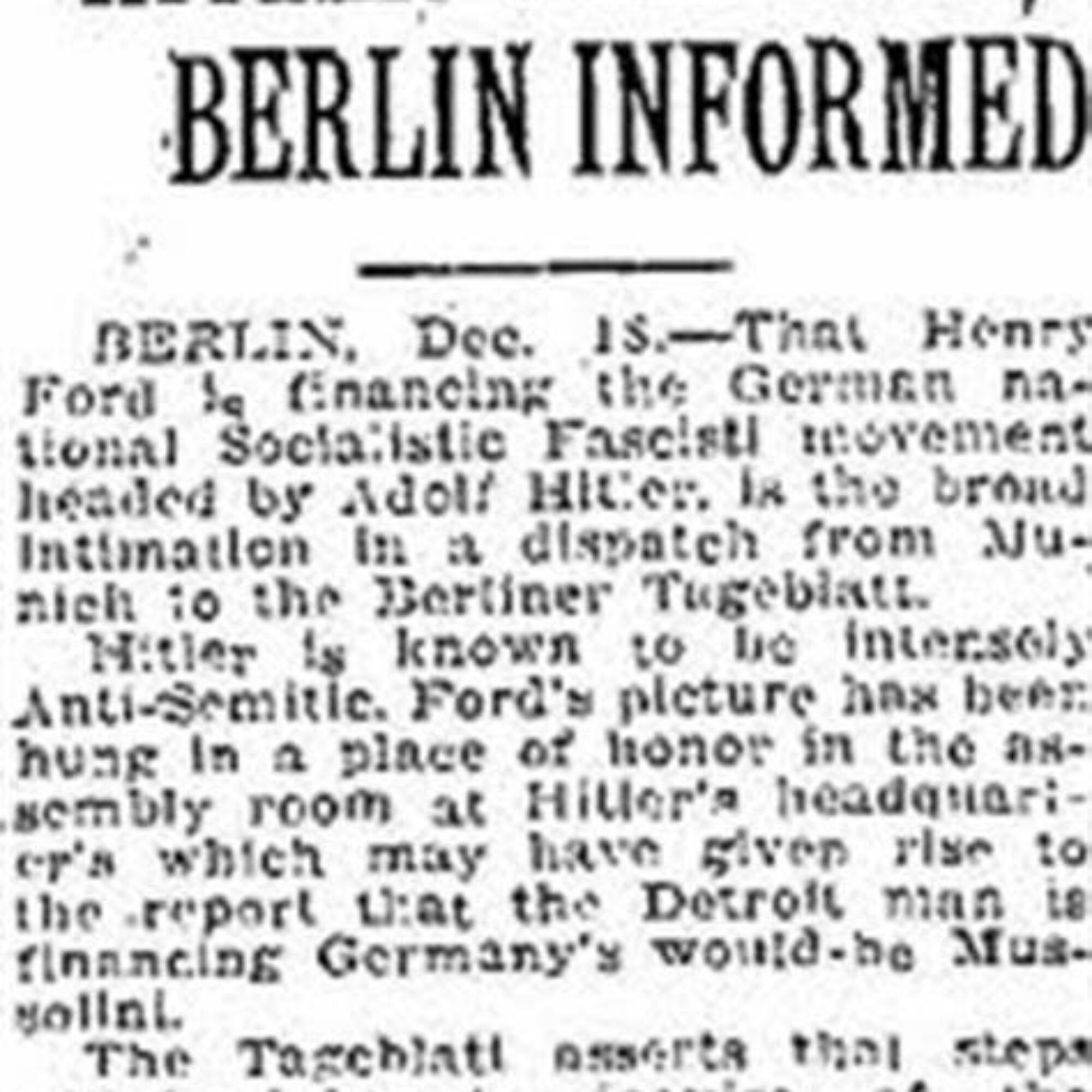
I've read several books on racism lately. One of them, I think The Myth of Race, remarked how American soldiers after D-Day found Nazi vehicles had GM and Ford engines in them. I found it hard to believe, but possible. I looked it up and found this 1998 Washington Post article, Ford and GM Scrutinized for Alleged Nazi Collaboration: When American GIs invaded Europe in June 1944, they did so in jeeps, trucks and tanks manufactured by the Big Three motor companies in one of the largest crash militarization programs ever undertaken. It came as an unpleasant surprise to discover that the enemy was also driving trucks manufactured by Ford and Opel---a 100 percent GM-owned subsidiary---and flying Opel-built warplanes. This part of the article was…
I've written before that if you do something that kills people and you don't want to kill people, you have to stop doing that thing, even if you like it. That sentence seems about as matter of fact as you can get. It's not designed to make anyone feel guilty. That polluting and depleting kill people isn't an open question. We all pollute and deplete. Come to think of it, wouldn't not feeling guilty be a problem? But I didn't start this post to talk about an old one. I started there to point out I'm not starting today to use the direct language of what polluting and depleting does (kill people) instead of the abstract talk I used before, since everyone else did, like:…
The other day someone pushed back, as usual, about flying. For most people who fly, flying hurts people more than anything else they do through polluting, depleting, funding lobbyists, funding advertising, displacing people from their homes, etc. He started responding by saying, "The problem is that everyone has to see family ..." After he finished his whole answer, I pointed out not "everyone" flies to see family. Most Americans live within driving distance of their families. In the rest of the world, nearly no one lives flying-distance from families. We're so spoiled and entitled from the perks of being at the top of a dominance hierarchy we don't know how spoiled and entitled we are. The guy I was talking to was an environmentalist, and…
Rob is one of my coaching clients. I asked him to be a guest here since many people perceive leadership and learning it as different than I mean. His work in medicine may not be at the center of sustainability, but I work in leadership, which I apply to sustainability. Listen to this episode to learn what changes to your life you can expect when you take my workshops. Listen to him for the full picture, but I think you'll hear profound and enduring personal growth, professional growth, improved relationships with spouse, children, and coworkers, promotion, security, connecting with your passions and realizing them, and more. It seems an overwhelming majority of people I talk to who haven't explicitly learned leadership associate leadership with the…
I don't know what it's like where you are, but in New York, people talk about psychedelic drugs a lot. Everyone is talking about microdosing (probably not as much as in California), going to shamans in Peru for ayahuasca, and so on. People describe the value of the experiences as life changing. I'm prompted by a recent New Yorker piece This Is Your Priest on Drugs: Dozens of religious leaders experienced magic mushrooms in a university study. Many are now evangelists for psychedelics, by Michael Pollan. He cites that "Ninety-six per cent rated their first encounters with psilocybin as being among the top five most spiritually significant experiences of their lives." I think we're supposed to think, "Wow, if I take some mushrooms I can…
Want to know what living more sustainably feels like? Our culture is so dependent and addicted to things like takeout, cars, and flying that pollution and depletion enable, we forget that using them destroys life, liberty, and property. We don't notice that our government benefits and grows in money and power from licensing and promoting one of its few core responsibilities nearly everyone agrees on. We don't notice that they have corrupted us from our deepest values, such as the Golden Rule, as far as I know found in every culture we've looked at. Living more sustainably brings mental freedom from the internal contradictions of living contrary to our values. Corruption doesn't feel good. I know from experience. I lived in accordance with mainstream culture…
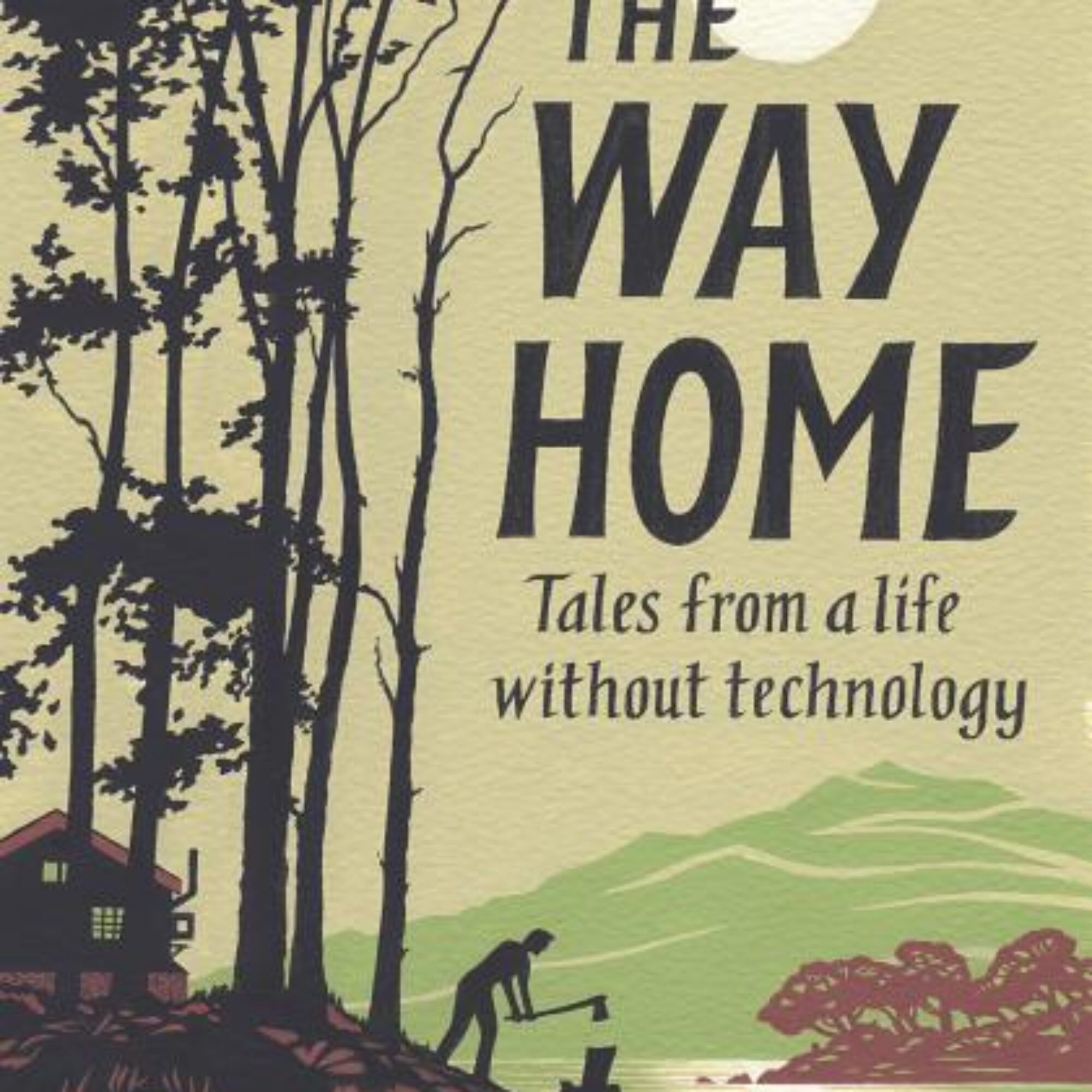
This week I finished: The Way Home: Tales From a Life Without Technology, by Mark Boyle: I learned of Mark Boyle probably years ago and I think watched his TEDx talk. Recently a guest suggested I connect with an Australian woman, Jo Nemeth, who is living with no money. I connected with Jo, which led to engaging conversations. Jo describes Mark as a hero, which prompted me to read this book. I also want to read his first book The Moneyless Man, but the library had this one first. I found this book engaging, enlightening, fun, and sometimes playful. It's been too long since I read Walden and Civil Disobedience, which rank among the most influential books I've read. This one is in their league.…
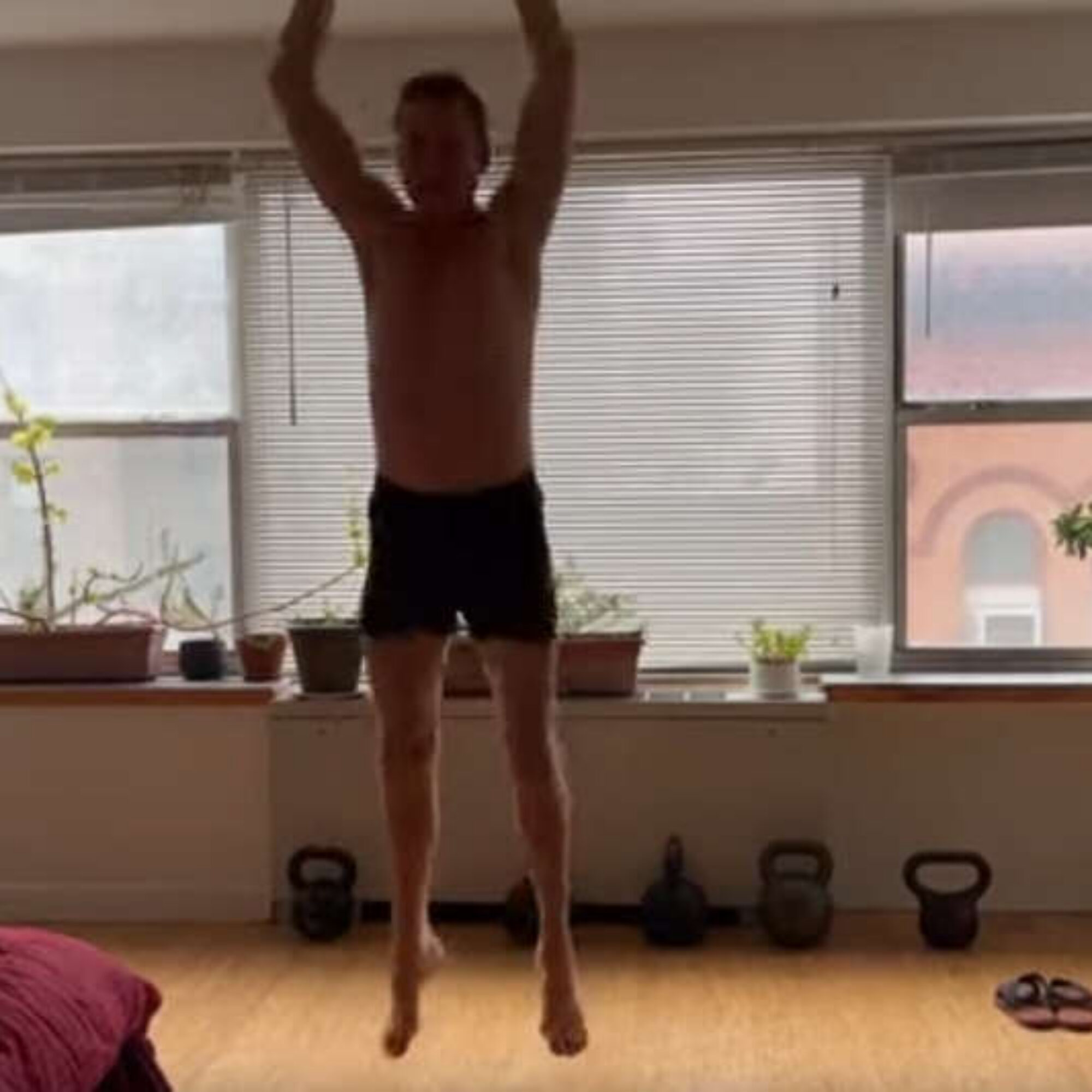
Regular readers know what a sidcha is and that my second daily habit that both became a sidcha and helped me conceive of the concept began with doing ten burpees a day. I think I started my burpee habit in early 2012. In time, that habit evolved into a twice-daily set of calisthenics. I agree that discipline equals freedom, so more than the sizeable gains of saving money, saving time, strength, balance, flexibility, mental acuity, cardiovascular health, self-awareness, humility, and all the other usual benefits of physical fitness, I've gained freedom, mainly mental. I haven't missed a day since I started. Since I do a fixed number, I don't have to keep track daily. I update a spreadsheet I created and it tells me how…
I only wish I'd disconnected sooner. Not needing something means more freedom, especially not needing something that hurts people. People often ask if everyone could live like me. If every American lived like me, we could reduce our electric grid to a tiny fraction of its present incarnation. Our national security would increase, as would our health, community, and safety. Wealth disparities would decrease among many other friendly social outcomes. We could run mainly on solar and wind but wouldn't need much storage. When everyone around me lived that way, I could probably use even less battery storage and could share my solar panels with others. Polluting and depleting hurt innocent people and wildlife. I don't want to hurt innocent people and wildlife. I don't…
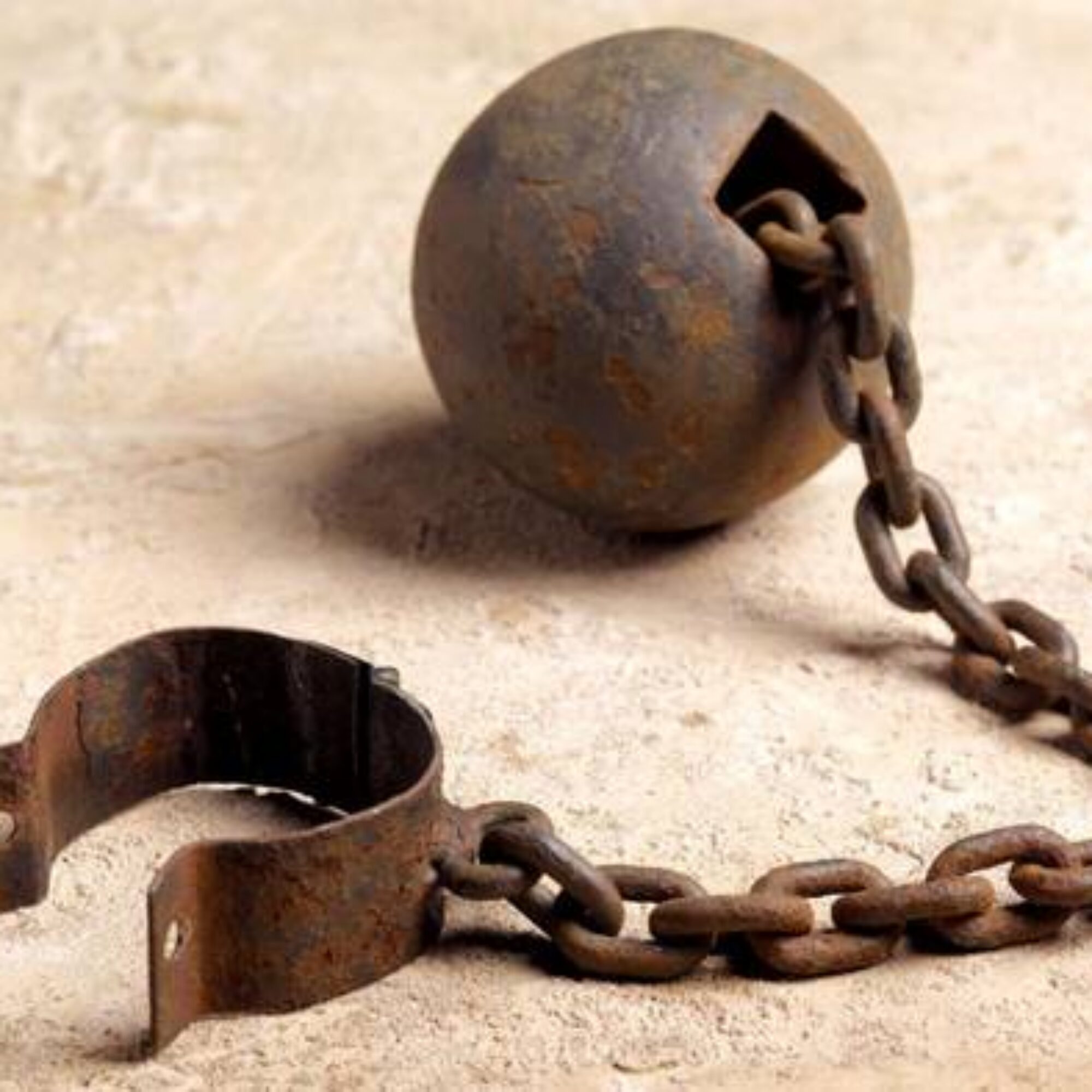
Everybody acts like sustainability is someone else's job. Sure, they'll avoid straws or get triple pane windows on their third home, the one in Tuscany that they fly to a couple times a year (I sat next to someone at a dinner recently who was doing so), but actually changing culture? That's too much to ask of anyone. Everyone acts like it's not their job. Whatever their job is, they act like doing that work is all they can do. To do more outside what they get paid for would distract from them doing their job. And what job today doesn't rely on extraction, pollution, and devices made by coerced labor if not outright slavery? It was nobody's job to end slavery either Say you…
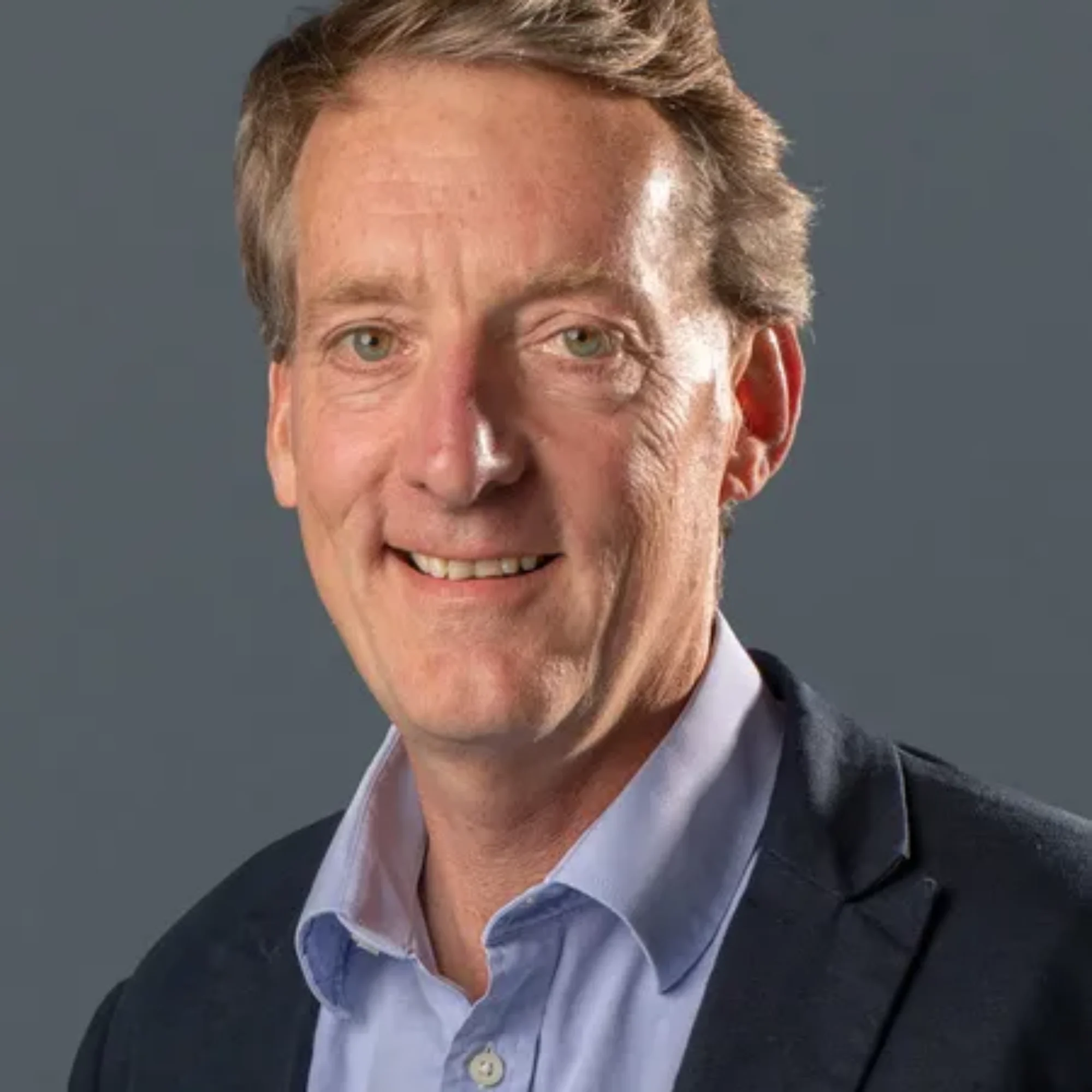
Are you thinking about acting more but concerned about feeling guilty or judged that you aren't doing enough? If so, you'll love this conversation. I feel honored to work with people with Andy's background and community, which you'll hear about in our conversation. Despite his working with prime ministers and across Europe and the world, and acting in many ways already in his life, he was also worried about feeling judged or guilty. As he learned more about the Workshop, especially listening to Lorna's episodes before and after she took the workshop, he went for it. The nerves he started with faded before the first session ended, as you'll hear. You'll also hear that instead, he ended up fun. Try to count how many times he…