762: Chef Andrew Bennett: Changing the Culture of Hospital Food

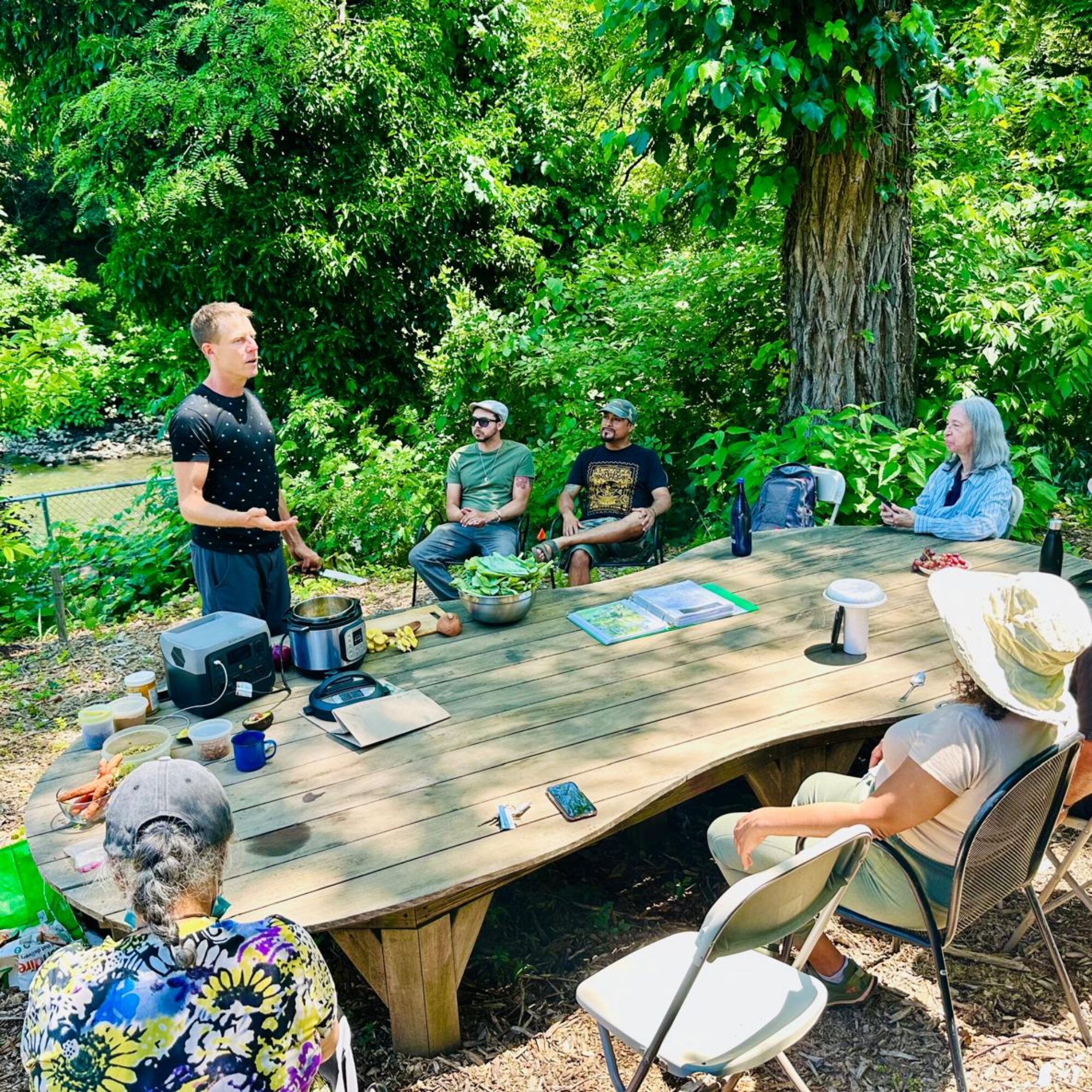
I start my conversation with Andy with what brought me to him: the meal after recording with the guy who hired him, podcast guest Sven Gierlinger, and the Washington Post article that read like a paid ad for their food, Hospital food is a punchline. These chefs are redefining it. I didn't record in my conversation with Sven how off-the-charts the food was because I at it after recording. Andy was the Executive Chef at the hospital where we met who prepared that food. It was amazing. It would have been amazing in any restaurant, let alone a hospital. We talk about two main things. One was the art of food preparation. Andy shared his path there from washing dishes through working with chef Raymond…

0 Comments

Another way we let technology make us dependent and unhealthy: Jellies, jams, and preserves

All humans until about a century ago lived without a fridge, as do many today. Coming up on three years with my fridge unplugged, I ferment a lot, and learn other ways to keep foods from going bad. Jams, jellies, and preserves were ways to keep fruits from going bad. Now that everyone has fridges and we ship produce around the world, we can get fresh fruit all the time. Jellies, jams, and preserves add a bunch of straight sugar to fruit and make them less fresh. Buying jams, jellies, and preserves is less healthy than fresh fruit. I see people storing them in their fridges for years. To recap: people today buy a less healthy product designed to preserve something that we now can…

0 Comments

Simple Pleasures

I keep thinking of little things that bring me joy and want to collect them in a post. I never start the post because I can only think of a few every time I post. I'm going to start the post with only a few and add to it. Finding a spot on my apartment floor, counter, etc I haven't cleaned, then cleaning it for the first time. It tends to be corners Chopping with a freshly sharpened knife Eating fruit just picked from a tree Sorry if you're reading this when I just posted and have only three items, but I hope you enjoy cleaning your floors as much as I do. If you think of simple pleasures that belong on the list, let…

0 Comments

761: Dave Kerpen, part 2: Joyfully Skipping Donuts

This conversation was brief, but covered the important points, particularly the challenges of changing habits. Dave didn't do everything he intended, though I thought he succeeded more than he did. The goal of the Spodek Method isn't to make big changes, though some do, but to share and act on intrinsic motivation relevant to nature and the environment. Just accessing intrinsic motivation at all can be a challenge in a world where most messages on the environment are based in lecture and telling people what to do. Yet we care about the environment. If we expect to be told what to or lectured at, we hold back from sharing. Dave seemed partly to hold back, but he also works in leadership so overcame the inhibition…

0 Comments

Are liberals trying to prove conservatives right?

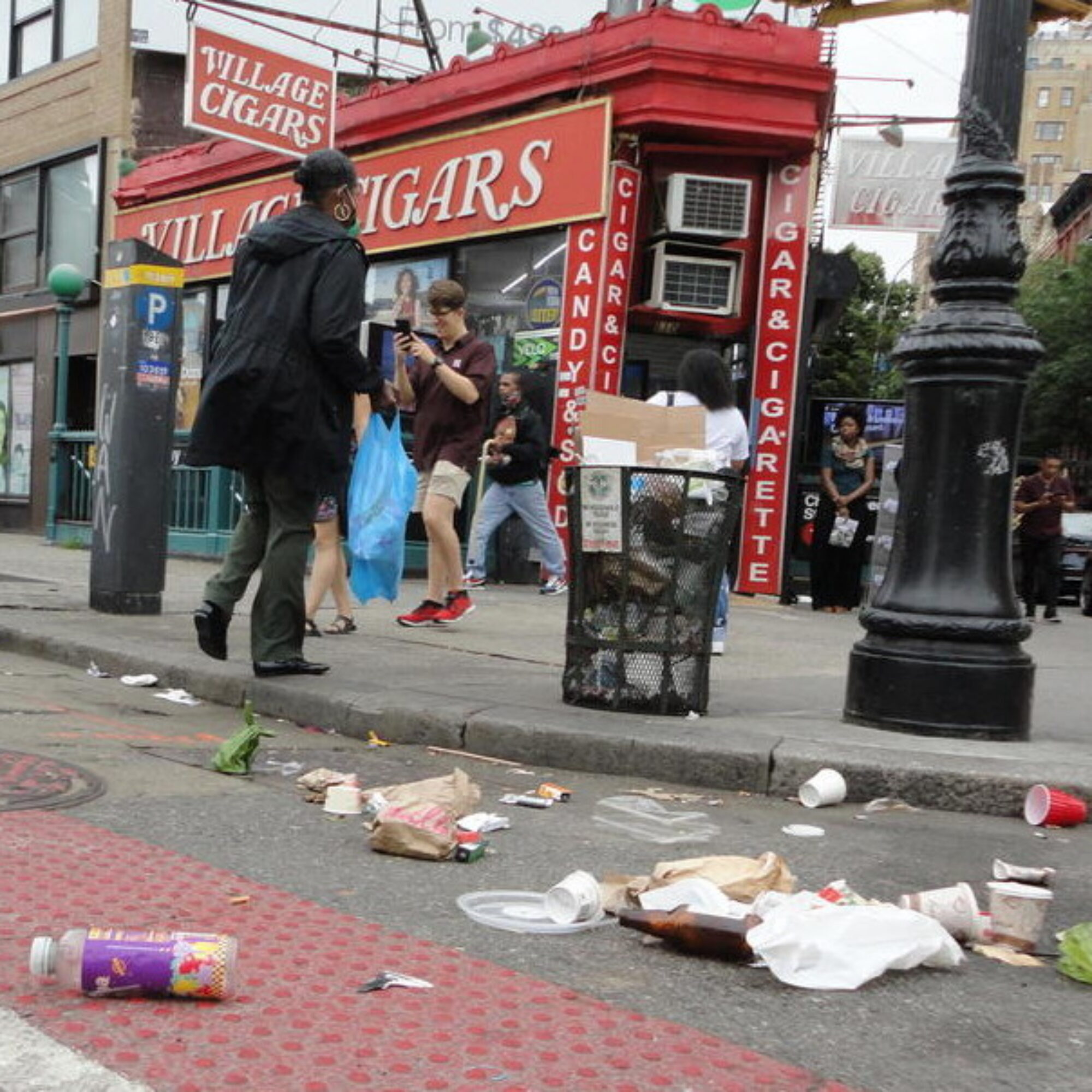
Last week I posted about Why many litterers are entitled and one way the most entitled justify littering. People, including poor and homeless people, justify littering and try to stop me from cleaning up litter. They say other people are paid to do it, so it's okay and right to leave plastic cups and food containers on the ground, then walk way. The result: on pleasant days, my neighborhood looks like this: This pattern fuels arguments to limit government, a generally conservative view. My neighborhood votes heavily democratic. Here Is the 2020 presidential vote: Give people something free and they'll take it for granted and feel entitled I'm not trying to criticize. I want to motivate people to change culture. The predominant culture where I…

0 Comments

This week’s selected media, June 16, 2024: In My Time of Dying and The Law

This week I finished: In my time of dying: How I Came Face to Face with the Idea of an Afterlife, by podcast guest Sebastian Junger: Sebastian and I have met a few times in Manhattan and become friends. His book Tribe influenced my book tremendously, in fact I read it the morning I unplugged everything in my apartment, beginning living off the grid in Manhattan. I was predisposed to like the book. It begins gripping. After some background on his family's history, including with some of the great twentieth-century physicists, he dives in, sharing his experience nearly dying from an aneurysm. While that story is engaging, he isn't the first person to confront death. We all do, or can. I wondered if he was…

0 Comments

Magnitude of suffering and death then and now

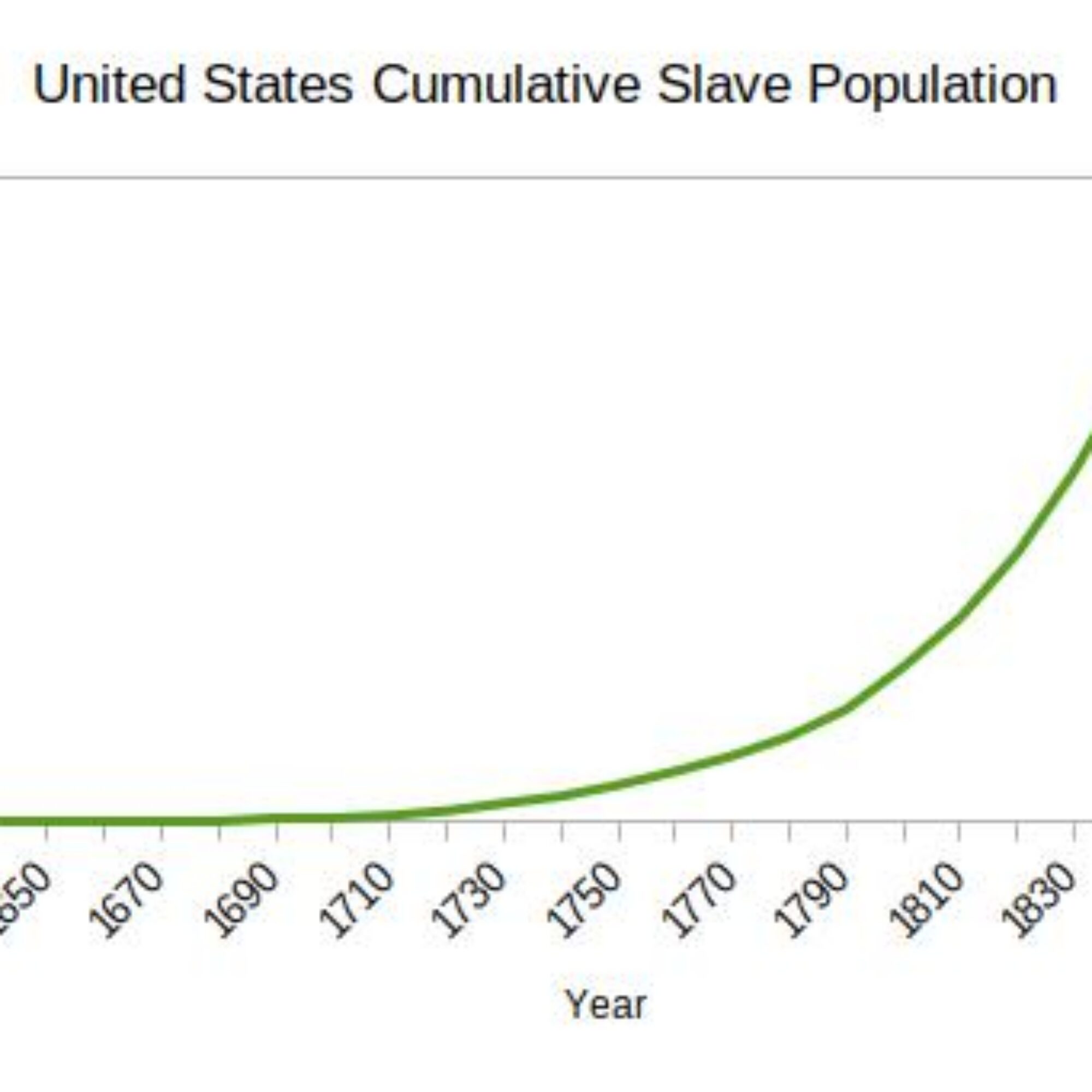
I wrote recently in When changing fast is easier than slow about the growth in number of slaves in the United States based on a peer-reviewed paper From ‘20 and odd’ to 10 million: The growth of the slave population in the United States, by J. David Hacker in the journal Slavery & Abolition. That paper also reported the cumulative number of slaves in the United States. Before looking at the graph, consider that The Lancet, one of the most respected medical journals, reports that nine million people have died per year from breathing polluted air since 2015. That's nine millions per year every year since 2015 at least. National Geographic reports. Air pollution kills millions every year, like a 'pandemic in slow motion': Globally,…

0 Comments

Why many litterers are entitled and one way the most entitled justify littering

The other day I was picking up litter in Washington Square Park, not making a big deal about it. I just do it as a matter of course. Something happened that often does: people got annoyed at me. The details aren't important, but they rudely approached and got angry at me. The interaction with me isn't the point. Something they said, that many people say, is. They said, "there are people whose job it is to do that," implying I shouldn't pick up the litter and that littering isn't a problem because someone else gets paid to do it. People feel entitled to throw trash on the ground. They don't realize they're causing taxes to go up, or fees to business improvement districts. The policy…

0 Comments

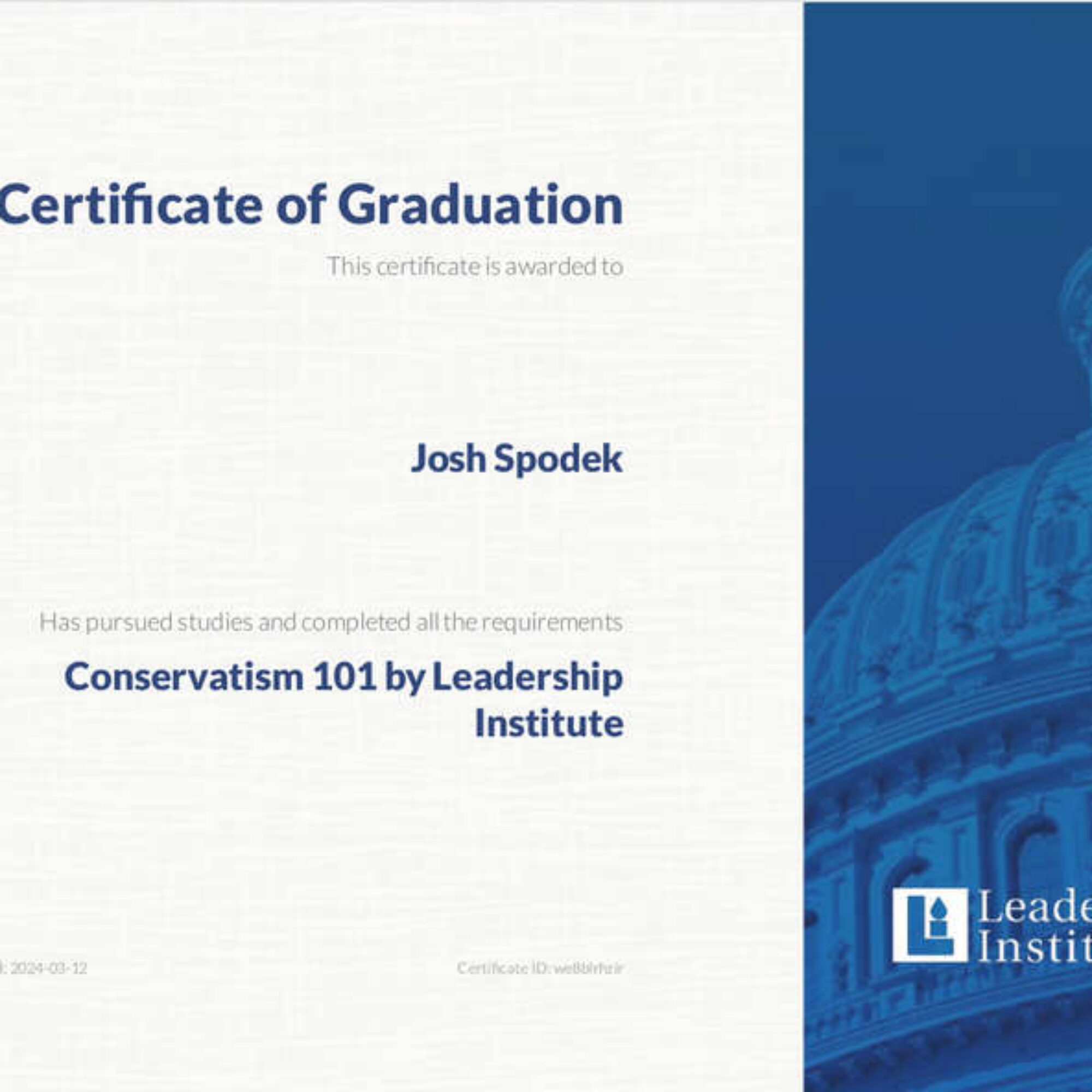
Followed up: watched recommended historical videos from the Leadership Institute’s course “Conservatism 101”

I've written about taking several courses at the Leadership Institute. Conservatism 101 recommended a lot of historical videos to augment their lectures. Though I finished the course a while ago, I took a while to finish the videos. If interested, here they are. I didn't grow up learning these views. Adults around me during my childhood seemed to view, say, Phyllis Schlafly, as weird and devious: why would a woman oppose an equal rights amendment. I didn't remember knowing anyone who admired her, Ronald Reagan, or Jesse Helms. Since reading The Righteous Mind by podcast guest Jonathan Haidt, when I find people I disagree with, I'm more interested in learning from them than proving them wrong, as I spent most of my life. I found…

0 Comments

Climate Reality Leadership Training garbage

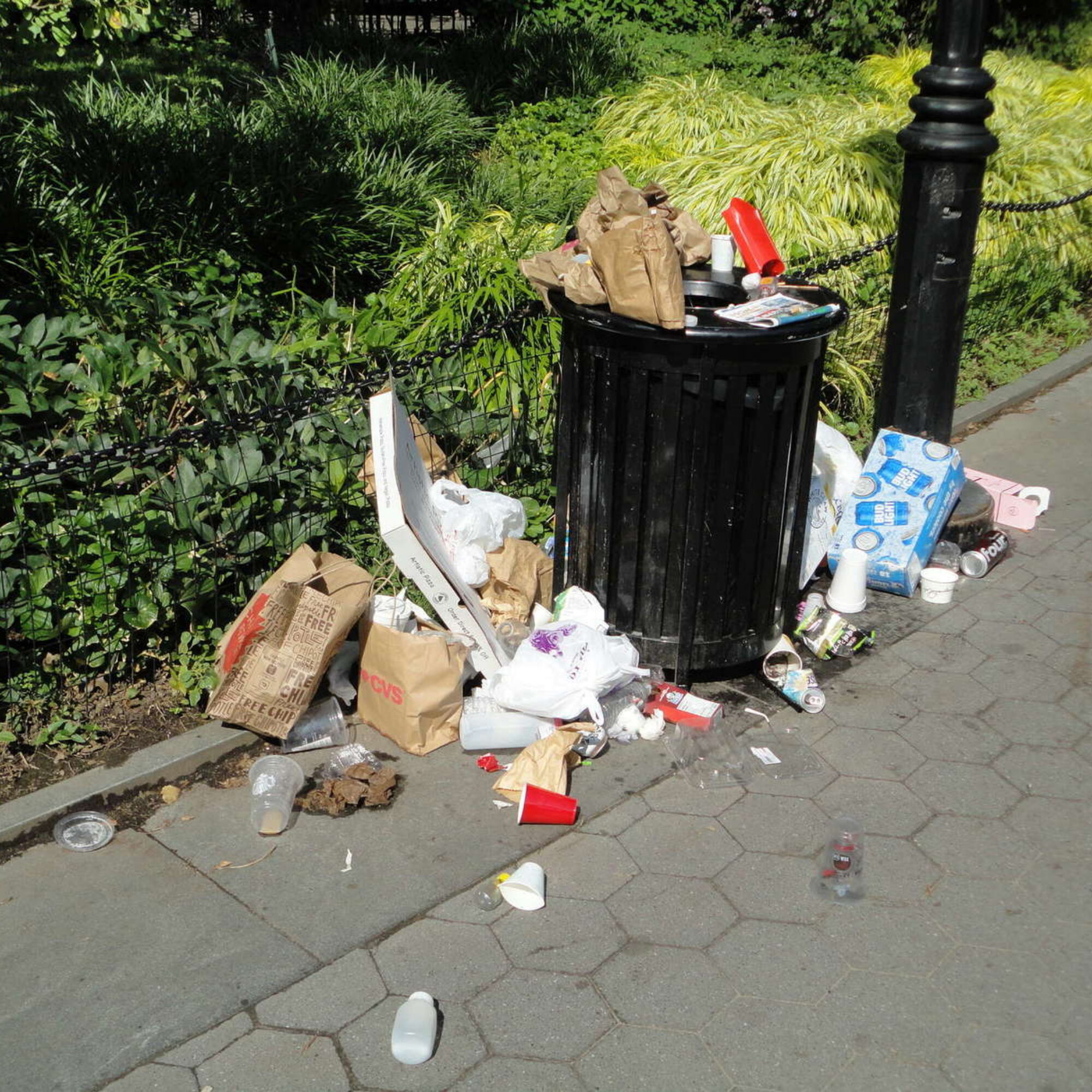
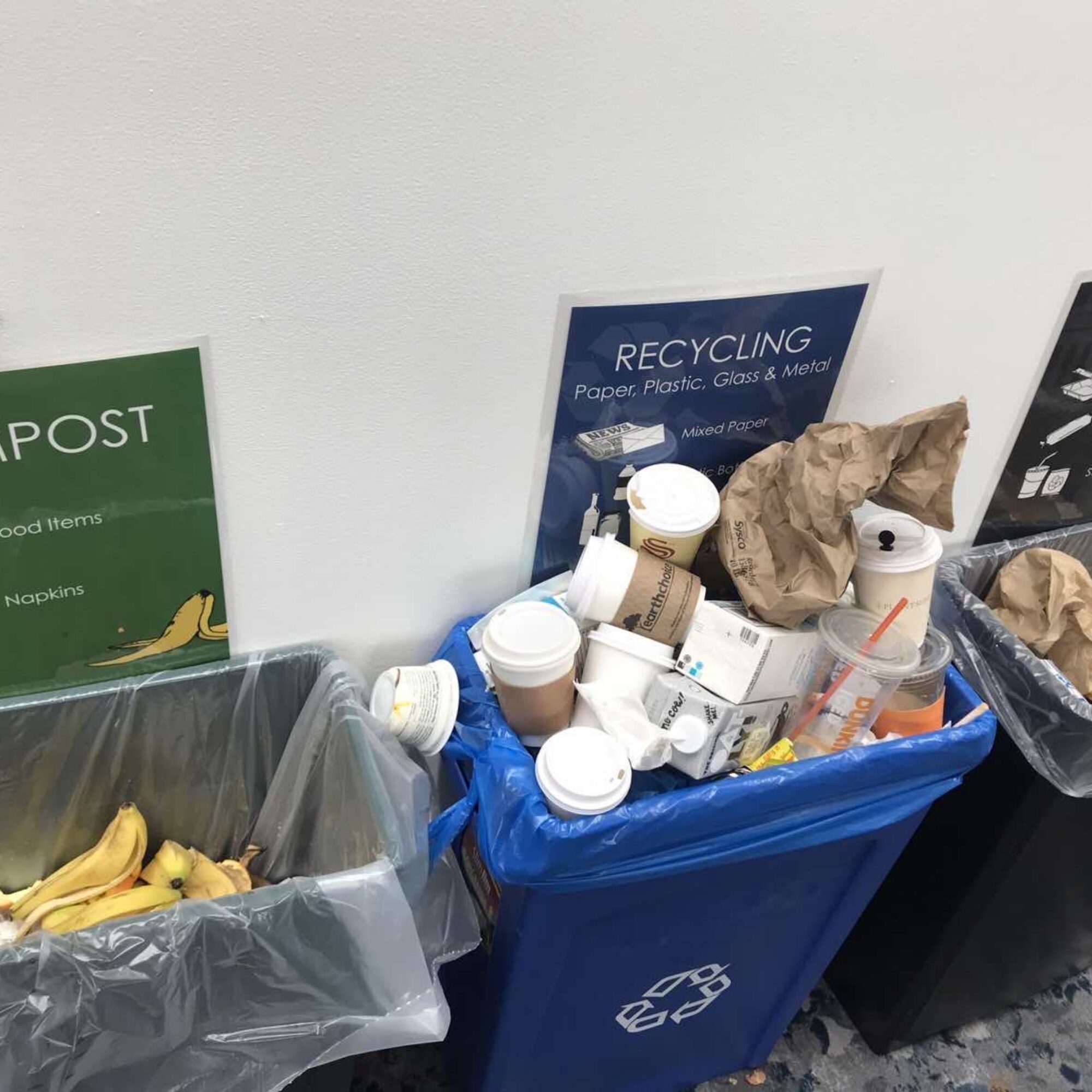
You can't stop the global heroin trade if you're worried about your own supply. This post is about people who are addicted, perhaps without realizing it or in denial, to behavior causing others to suffer and die finding themselves impotent to change others. They haven't tried to change themselves so they don't know what change takes. Would you take piano lessons from someone who read a lot of books on music theory but never played a scale, let alone music? I wrote before about attending Al Gore's Climate Reality Leadership Training. I took these pictures to illustrate how (as best I can tell) most attendees weren't trying to live sustainably. Maybe it wasn't most people, but plenty of attendees flew in, including from other continents.…

0 Comments

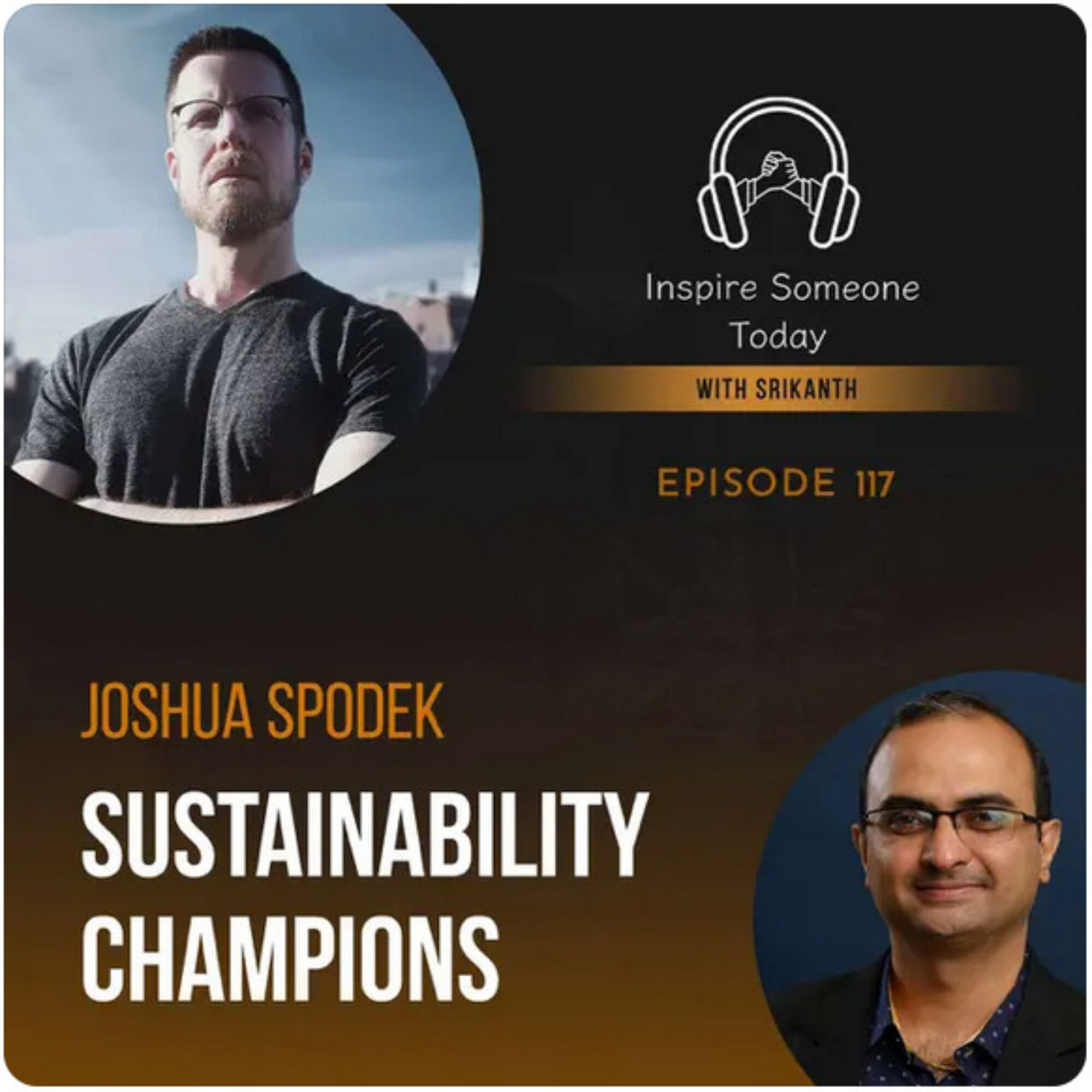
Hear me on the Inspire Someone Today podcast

I recommend this podcast if you like my work and learning more of where my passion comes from. Srikanth, the host, prompted me to share my origin story and describe the Spodek Method. I haven't appeared on another podcast for a while, so I share things I've been developing how to communicate but haven't. Available on all podcast platforms: Amazon Music - https://tinyurl.com/2z9renes Spotify - https://tinyurl.com/yyuvc8o6 Apple Podcasts - https://tinyurl.com/y26mqkkg YouTube - https://lnkd.in/gv3fD2C Audible - https://tinyurl.com/y4wbywpf https://youtu.be/0COPrMng-Ck From the show notes: Joshua Spodek is a sustainability advocate whose transition from physics to eco-consciousness has been nothing short of inspirational. Together, we recount the small steps and giant leaps we've taken to live in harmony with our planet, from savoring the pure taste of nature's bounty…

0 Comments

760: Adam Alter, part 1: Irresistible: The Rise of Addictive Technology and the Business of Keeping Us Hooked

Adam treats dependence and addiction in some ways different and unique than past guests who have covered addiction. One way is the business side. For example, early in this conversation, he talks about how people at companies that create products designed to addict, like cell phones, tablets, and the apps and games on them, don't allow their children to use them. Yet they gleefully reach trillion-dollar valuations based on making it difficult for children or anyone to stop using their products. Is this pattern not outrageous? Adam reinforces about how widespread the patterns are. The result is growth in addiction beyond anything before and people keep finding more ways to addict. People often feel isolated and helpless. Addiction wrecks your self-esteem. We miss that our…

0 Comments

This Week’s Selected Media, Jun 9, 2024: When Breath Becomes Air and Scientific Advertising

This week I finished: When Breath Becomes Air, by Paul Kalanithi: This book sold huge and I've seen it for years. I kept comparing it to Ikiru the movie by Kurasawa and Death of Ivan Illyich the novella by Tolstoy. They're all works on evaluating and reevaluating life, how to live it, and what we value when confronted with mortality. Man's Search for Meaning by Frankl too. People may look down on me for it, but I felt spoiled by those other three works. When Breath Becomes Air was compelling to read and I'm glad I finished it, but I didn't feel it delivered more than what they did, combined with my own seeing mortality ever closer in my 50s, working in an area that…

0 Comments

First sail of 2024

My friend who teaches kids sustainability, among other things, invited me to join her with some of her students and their parents sailing in New York Harbor. She had me speak to them about things like taking five years (and counting) to fill a load of garbage, not fly, and so on. They loved it. I loved it too. I enjoy being on the water, when the wind, currents, and tides dictate my pace. Daily worries disappear when sailing. I'm also scheduled to talk to them about astrophysics later. Coincidentally, they're reading Astrophysics for People in a Hurry, though the version for kids. They're around 10 to 15 years old. We couldn't go out most of the day since the winds were too high for…

0 Comments

759: Bruce Alexander, part 1: Rat Park, Addiction, and Sustainability

I start by describing how podcast guest Carl Erik Fisher, author of bestseller The Urge, reviewed my upcoming book Sustainability Simplified as a subject matter expert on addiction. Carl mentioned how my book suffered from what Bruce describes as the demon drug myth. He pointed to Bruce's work as seminal, so I started reading it. I'd heard of Rat Park and later remembered Johan Hari mentioning Bruce in his TED talk where he said "the opposite of addiction is community". I couldn't wait to talk to Bruce. Carl introduced us. We spoke. Bruce clarified the demon drug myth. I described how addiction and doof figure in my sustainability leadership work. In our conversation, Bruce described how working with self-described junkies in the early 1950s led him…

0 Comments

Another lie we tell ourselves: “Human life requires polluting and depleting”

Rationalizations and justifications no matter how specious and self-serving sound legitimate and true to the person using them. I hear a lot of rationalizations and justifications on why people pollute and deplete. To the person saying them, they sound legitimate and true. Rarely are they. The other day someone repeated one I've heard before but didn't realize how insidious and powerful it is. The person saying it stuck with it with all he had. When I asked to justify it or say where he learned it, he couldn't answer. A big part of a culture is beliefs people in it don't question. This one was that life requires polluting and depleting. Many people say it. It serves people who pollute and deplete well because it…

0 Comments

758: Peter Singer, part 2: A philosopher approaches sustainability

I started by sharing my experience giving after reading Peter's book The Life You Can Save. I confess I only read it after our first conversation, but loved it. I feared reading a book by an academic philosopher arguing a point would be dry and boring. Instead it led me to donate to causes. Then, even though I didn't donate for recognition or personal benefit, the organizations I donated to contacted me with gratitude, connected to me, and one even invited me to its annual dinner. Then we talk more about flying, following up our last conversation. From Peter's perspective, I view flying too black-and-white, not considering someone's reason for flying or what benefit it might provide. I don't challenge that perspective. I'm just looking…

0 Comments

A Triply Awesome Weekend

I don't usually just talk about what I did, but sometimes things work out enough and I feel great about how major life choices I've made work out. Last Saturday, Sunday, and Monday were great times. I'll share Monday first since it's not visual so might get lost following the other two. Monday: Einstein and Nobel Prize winners Monday I met with a physics professor who mentored me in college and graduate school. We've stayed in touch since then, which was the early to mid-1990s. I told him I remember knowing professors who had met Einstein and Feynman, but couldn't remember which. He had met Einstein. I asked if he saw him speak at a talk, colloquium, or event like that. He told me the…

0 Comments

The ongoing challenges of sustainability in a culture that talks sustainability but opposes it in practice.

For those readers who haven't signed up to my mailing list, every Monday I send a newsletter of the past week's posts. For the newsletter's introduction, I write what amounts to another post, usually a summary, reflection, or noting the highlights. I felt last week's introduction merited being a post of its own. Here it is: I almost forgot to post that I started my third year off the grid last week: Year 2, day 365 of my apartment disconnected from the electric grid. I hit challenge after challenge. It's never easy. Still, the most common responses tend to include questions that experience has shown leads to conclude "Oh, that's why it's easy for you but not for me." It's hard to live with internal…

0 Comments

This Week’s Selected Media, June 2, 2024: Astrophysics for People in a Hurry, History of the Constitution

This week I finished: Astrophysics for People in a Hurry, by Neil deGrasse Tyson: I didn't know how popular this book was when I read it. Now I see it was on the New York Times bestseller list over a year and has over 30,000 reviews on Amazon. I think of science as something you do involving nature. You can experiment, work with equations, or other active things, but I don't think of reading about it as science. Reading about music, for example, may help you appreciate it,, but isn't playing, listening to, or creating music. I'm not saying appreciating science is good or bad. As I see it, people in indigenous cultures do science all the time---many of them more than people who call…

0 Comments

When changing fast is easier than slow

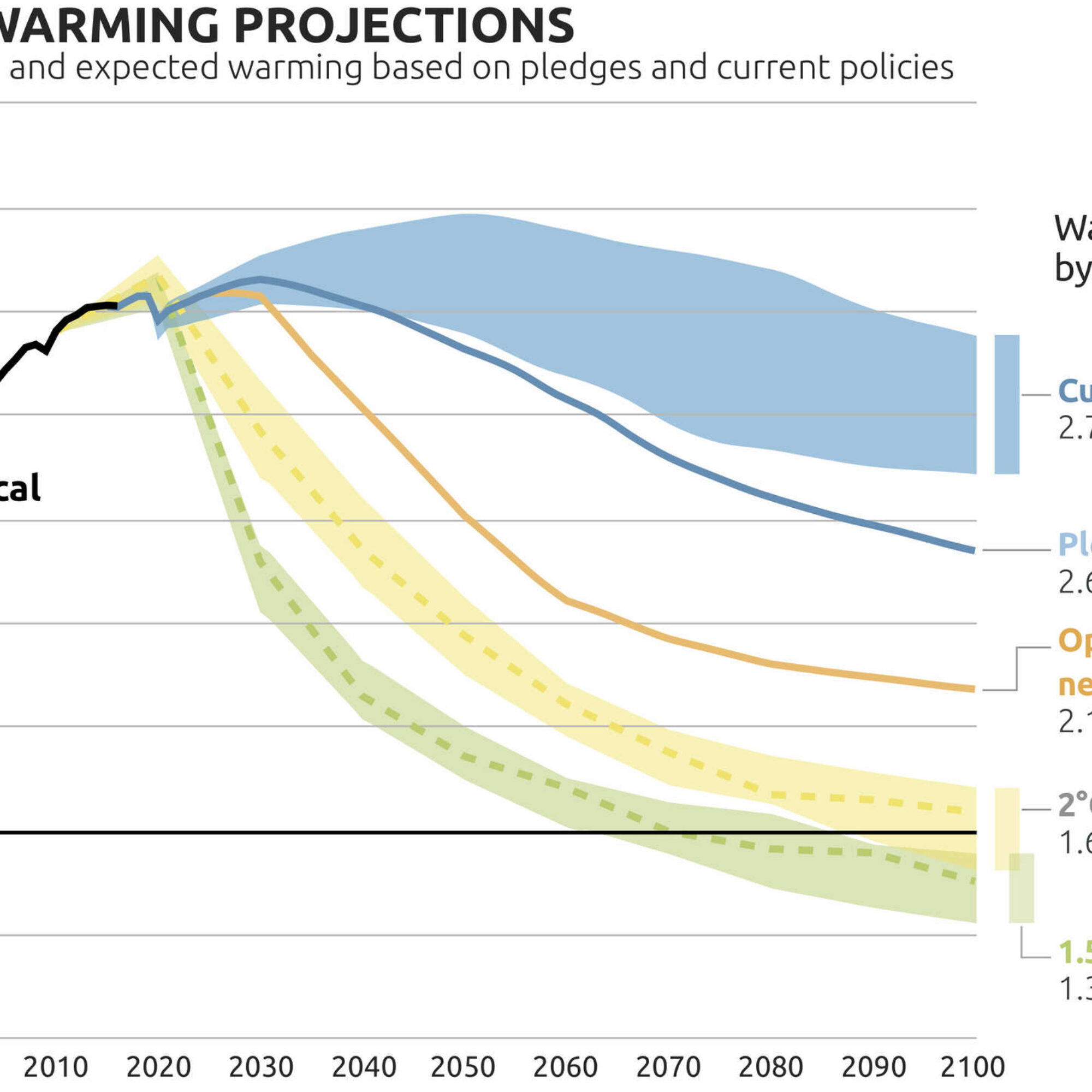
Here are some projections for global warming based on various assumptions. Note the slow changes, which presumes people not changing our behaviors. The great historical example of changing global culture is abolitionism. It took off first in places without slavery in the territory, like Europe. One of the most challenging places to end the institution was the United States, which profited from it so much, though Europe was happy to buy the cotton. When the Thirteenth Amendment, which made slavery illegal except after convictions, was first being considered, people considered allowing slaveholders until 1900 to free all slaves. It's tempting to think for such a big change, allowing time for a transition makes sense, but not from the slave's perspective. Would you say to them,…

0 Comments

The challenges of trying to act sustainably in a culture that doesn’t value sustainability never end

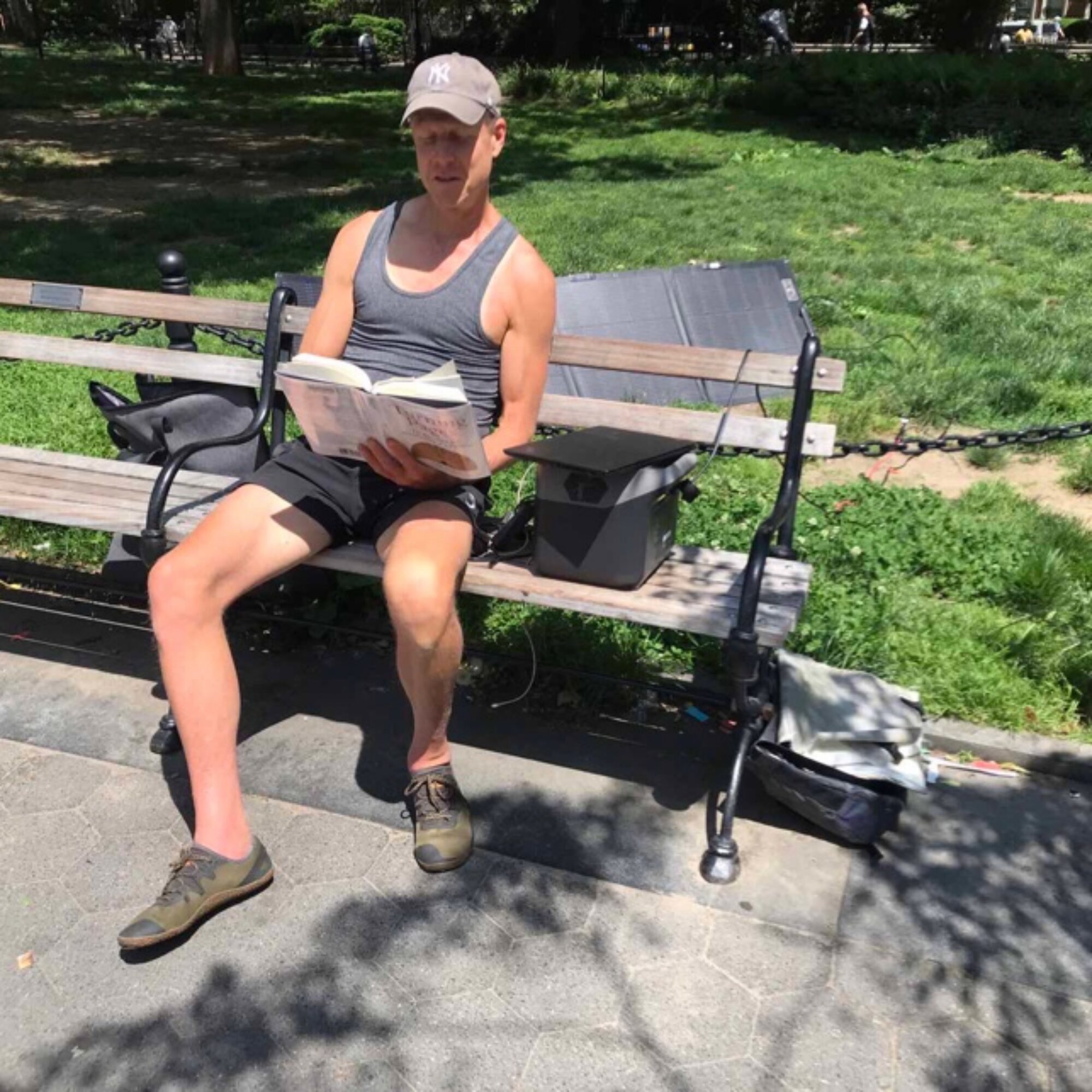
I've written about how the construction my building is doing means no roof access for likely over six months: More solar challenges. Not giving up. Not giving up, day 2 without roof access. Others can give up; not yet me. More fun overcoming solar challenges, this time in Washington Square Park First media coverage of me charging in Washington Square Park (that I know of) I've been trying to find other rooftops I can use so I don't have to carry the equipment so far, risking bumps or drops. I can't leave the panels unwatched to go to the bathroom or work elsewhere when it gets hot. So far I've asked the following, politely, offering to share favorable publicity. The restaurant across the street, which…

0 Comments

We’re going to need truth and reconciliation committees when we acknowledge the consequences of our actions

Most Americans and residents of industrialized countries do many things daily that hurt other people through the environment. They act and talk as if they don't know their Starbucks cup has anything to do with ocean plastic, but they know it. How do I know they know? Because they get defensive (or offensive) when someone brings it up. If I tell people I like oatmeal for breakfast, no one gets defensive. If I tell them I don't fly or take years to fill a load of trash, they respond defensively immediately. They knew what they were doing. What knowing means Knowing they're violating their values means inner conflict. They can suppress and deny it, but the only way to make it go away is to…

1 Comment

Notes for future essay ideas

I'm compiling some essays I plan to write, maybe for op-ed pieces, maybe for a next book. I wanted to post them publicly to hold myself accountable, but not give away what they're about before writing them. The result: I'm writing notes to remind me that may not make sense to others. Sorry today's post may not make sense, but it's part of a writing process. Maybe months from now when I've finished some of the essays and published them, you'll get to look back at this page and know where they came from. Carbon taxes and the EPA are a category error The actual challenges of sustainability What corruption looks like The problem isn't the risk of a future collapse or others far away.…

0 Comments
Why fossil fuel companies love that we chase efficiency, “renewables,” and “clean,” “green,” energy sources (and what to do instead)
Oil refinery

Why fossil fuel companies love that we chase efficiency, “renewables,” and “clean,” “green,” energy sources (and what to do instead)

The biggest pushes I see among environmentalists and everyone trying to solve environmental problems are to promote Efficiency "Renewables" "Clean" and "green" energy sources Their hope in these efforts is to lower fossil fuel uses. I support their intent, though not their unintended consequences. Does anyone else see the problems? None of these tactics stop using or extracting fossil fuels. Making anything that uses fossil fuels more efficient doesn't stop using them. It may use them less per use, but doesn't stop them. As long as any part of the economy requires fossil fuels, we'll keep buying them. Moreover, as long as anyone can find new uses for them, we'll use more of them. You know what requires fossil fuels? Creating solar panels, batteries, windmills,…

0 Comments

End of content

No more pages to load