Why fossil fuel companies love that we chase efficiency, “renewables,” and “clean,” “green,” energy sources (and what to do instead)
Oil refinery

Why fossil fuel companies love that we chase efficiency, “renewables,” and “clean,” “green,” energy sources (and what to do instead)

The biggest pushes I see among environmentalists and everyone trying to solve environmental problems are to promote Efficiency "Renewables" "Clean" and "green" energy sources Their hope in these efforts is to lower fossil fuel uses. I support their intent, though not their unintended consequences. Does anyone else see the problems? None of these tactics stop using or extracting fossil fuels. Making anything that uses fossil fuels more efficient doesn't stop using them. It may use them less per use, but doesn't stop them. As long as any part of the economy requires fossil fuels, we'll keep buying them. Moreover, as long as anyone can find new uses for them, we'll use more of them. You know what requires fossil fuels? Creating solar panels, batteries, windmills,…
0 Comments

How Profit First is helping my friend run his business

A friend who runs a business found the book Profit First by the guest of my podcast Mike Michalowicz. He shared in a private forum how much it helped him. Mike and I email, so I shared with him my friend's post on how much his book was helping him, taking out the personal details. Mike loved learning he helped an entrepreneur, so I'm glad I emailed him. Recently I thought, "Why only share it with Mike? Everyone can benefit from learning how Profit First can help people." Here's what I emailed Mike. If you're an entrepreneur or run a business, the book can help you. Plus it's engaging to read. In the text below, I took out identifying details and boring parts. The horizontal…

0 Comments

This Week’s Selected Media, May 26, 2024: Animal Liberation Now and Turning Pages

This week I finished: Animal Liberation Now!, by Peter Singer: Since I last ate meat in 1990 and any dairy or other animal products about ten years ago (I don't remember when), I can't remember first reading this book, but this new version is well updated. Now I've met Peter, spoken a few times, and read The Life You Can Save. I love how readable his writing is (also his speaking, as I saw him speak at his farewell conference at Princeton last week among other philosophers and they overwhelmingly spoke in academic-ese, which was hard to understand). The reasons not to eat factory farmed meat are more than abundant. I can see people eating meat as hunter-gatherers, but we don't live that way. Unless…

2 Comments

Milton Friedman: Free Markets Don’t Have to Mean Growth and Governments Ought to Regulate Pollution

Researching more for my upcoming book and planning to write opinion pieces, I'm learning more limited government, free market thought and practice relevant to sustainability and the environment. It's relevant beyond anything I expected. If only people asked questions of people they disagreed with and listened to their answers in 2024 as much as they tried to convince and defeat, we'd have solved a lot of problems where we mutually benefit from the solutions. I guess it will have to fall on me to help everyone see that mutual benefit and collaborate for it. Here is Milton Friedman on the case for government regulating behavior that affects a third party without consent, including pollution: Question to Milton Friedman: You're not going to condemn regulations regarding…

0 Comments

757: Dr. Anna Lembke, part 1: Dopamine Nation

Regular listeners know I see our relationships with many activities that are enabled by pollution as behavioral addictions like gambling or playing video games. Thus, I bring experts in addiction. Anna's book Dopamine Nation is one of the most accessible I've read. She covers the scale of addiction, how much it's increasing, how it works, her personal history with her own addiction, and the stories of several of her patients. After she describes her background, we start by talking about the shame that accompanies addiction and makes it hard to share about, including our personal experiences of it. We cover how much our culture and economy have embraced addiction. It's profitable, after all. She describes in lay terms how addiction works, how it disrupts homeostasis…

0 Comments

Year 2, day 365 of my apartment disconnected from the electric grid

On May 24, 2022, I opened the main circuit to the electric grid, disconnecting my apartment from it. Two days before I had unplugged my appliances but noticed the outlets next to sinks have LEDs to show they're safe. Despite what part-time vegetarians say, I don't believe that not zero is zero, so to consume zero power, including those LEDs, I disconnected the whole apartment. My goal was not using grid power for thirty days. I had disconnected the apartment for twenty-four hours once before with no adverse consequences, but I didn't know how I'd make it past thirty hours. Now, today is day 365 of year 2. Tomorrow begins year 3. For the first year or so, I plugged my computer and phone in…

0 Comments

756: Kimberly Nicholas: How to Fly Less? Fly less.

Kimberly has, by dramatically reducing her flying, improved her life, living more deliberately and consistent with her values. I met her when she was a panelist at an event on promoting hurting people less by flying less. I invited her as someone to explore her journey of reducing her flying. In our conversation, the shared how she went from learning the possibility to promoting staying grounded. Many stages overlapped with mine, from the analysis paralysis of not starting to finding more travel experience despite less flying, or rather because of it. She shared how you need to act to see what we have to do, not just to change ourselves but to change culture. After being in room where Paris Agreement was signed, she realized,…

0 Comments

He who lives by pollution dies by pollution.

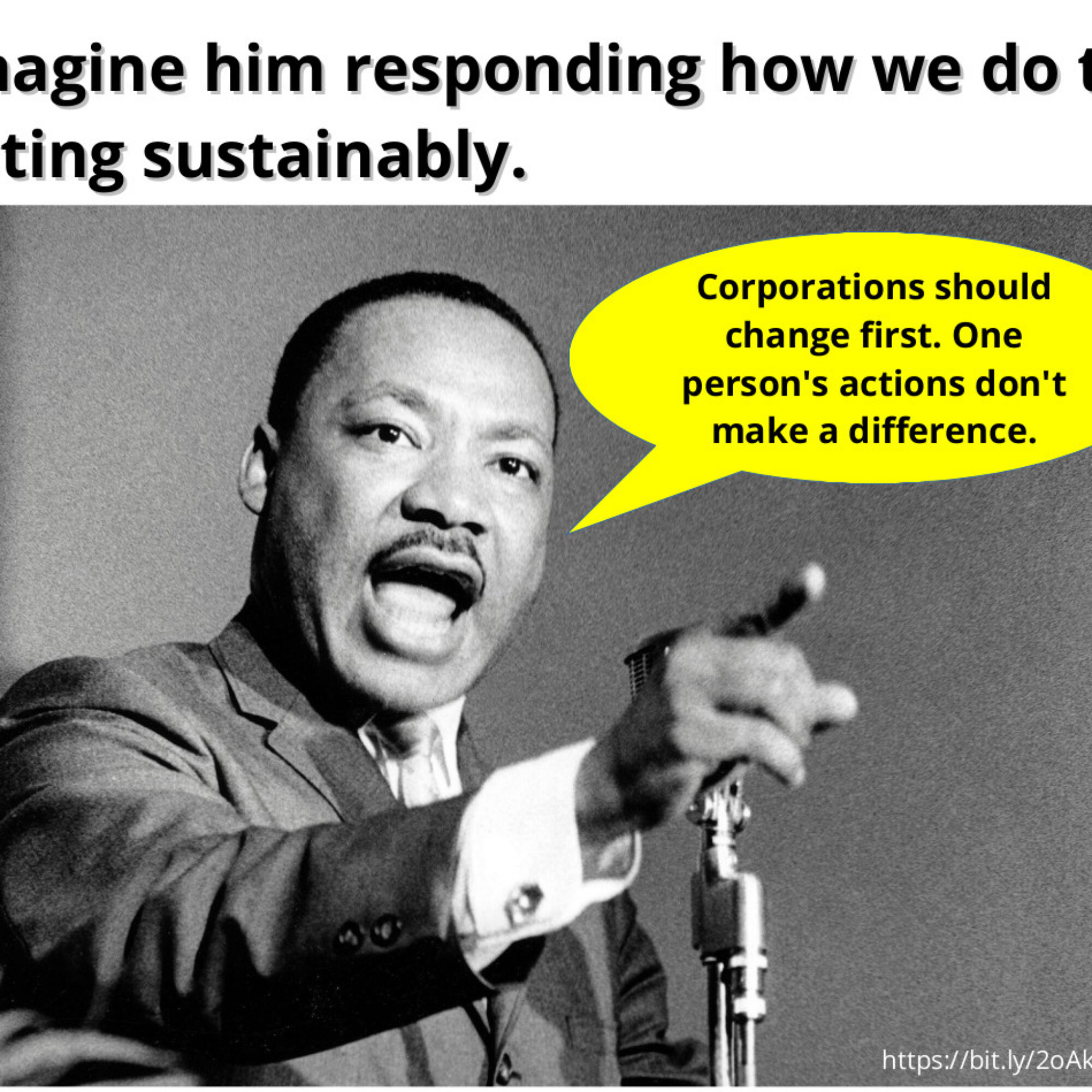
I was reading an account of Martin Luther King during the Montgomery Bus Boycott and noticed how a few things he said, often quoting or paraphrasing Jesus, applied to today. The big one was "He who lives by the sword dies by the sword," which doesn't seem a stretch to say those who live by pollution die by pollution. Despite everyone saying their flying does so much good it's worth the harms, more polluting doesn't reduce polluting. That rationalization applies to all flying by everyone, since no one flies to make the world worse. "Love thy neighbor as thyself" applies too, maybe adding, "even if the neighbor lives far away or in Cancer Alley or a Sacrifice Zone." "Love thine enemy" would serve us well…

0 Comments

My new book title and subtitle

I'm done editing anything more than grammar or factual errors, and while some slip through on many books, they're all fixed. I've gone through many titles, each working at its stage of development, but this one seems right for launch: Sustainability Simplified The Definitive Guide to Understanding and Solving All (Yes, All) Our Environmental Problems I welcome your thoughts. What do you think?

0 Comments

This week’s selected media, May 19, 2024: The Power of Habit, Conservatism

This week I finished: The Power of Habit: Why We Do What We Do in Life and Business, by Charles Duhigg: Approaching a quarter-million burpees without missing a day in over a decade, among other habits, I always enjoy reading about habits. This book is engaging. Duhigg tells stories, presents science, and builds engagement over the course of the book well. I still haven't found someone who treats how not to stop habits as well as my technique in starting sidchas in my video in Life Changing Habits. Also, that starting habits that stick is a skill that the more you do the better you get at it. I see changing habits, breaking old ones, and recognizing you don't have to keep at old ones…

0 Comments

A question for those who believe “more people solve more problems”

Several bestselling authors on the environment suggest that people solve problems, so more people solve more problems. They conclude that we should keep growing the population. A century and a half ago people believed "rain follows the plow." They created what looked like science proving that settlers moving west across North America creating farms would cause rain to fall more. To me, "more people solve more problems" looks like a similar belief. We should be careful if they are similar because "rain follows the plow" led to the Midwest becoming a dust bowl and many parts of Midwestern agriculture becoming, according to Cadillac Desert, "the country’s foremost examples of socialism for the rich." Regarding infinite population growth, in the words of the economist Julian Simon:…

0 Comments

755: Stefan Gössling: Busting self-serving myths about flying

People who fly think most people fly, but it's more like a few percent. A small fraction of people fly, let alone across oceans or multiple times per year. If you fly, it's probably your action that hurts people most through its environmental impact, but you probably rationalize and justify it. Unlike many other polluting activities, most of the money you spend on flying goes to polluting, displacing people and wildlife from their land to extract fuel and minerals, and lobbying governments to pollute and extract more. Stefan has been reporting and publishing on flying for decades longer than I've worked on it. I met him following a panel he participated in hosted by Stay Grounded on the impacts of flying on people and wildlife.…

0 Comments

Another reason we’re failing at sustainability: relying on the wrong people

When I started graduate school in physics at the University of Pennsylvania, one of the faculty members in the department confused the students. He didn't confuse us with complex science. He was a world leader in his subject, but the subject was tennis---the physics of tennis. I studied there in 1993-94. When the professor, Howard Brody, died, the New York Times published his obituary, Howard Brody, an Expert in the Physics of Tennis, Dies at 83, rare for physicists. He created the field and knew more about it than anyone. The last sentences of the obituary revealed why humanity is failing at sustainability, if you know what to look for. It ends: Over the years, Professor Brody was asked whether his tennis research had improved…

0 Comments
Likely Myth: Food Was Scarce for Our Ancestors Before Agriculture
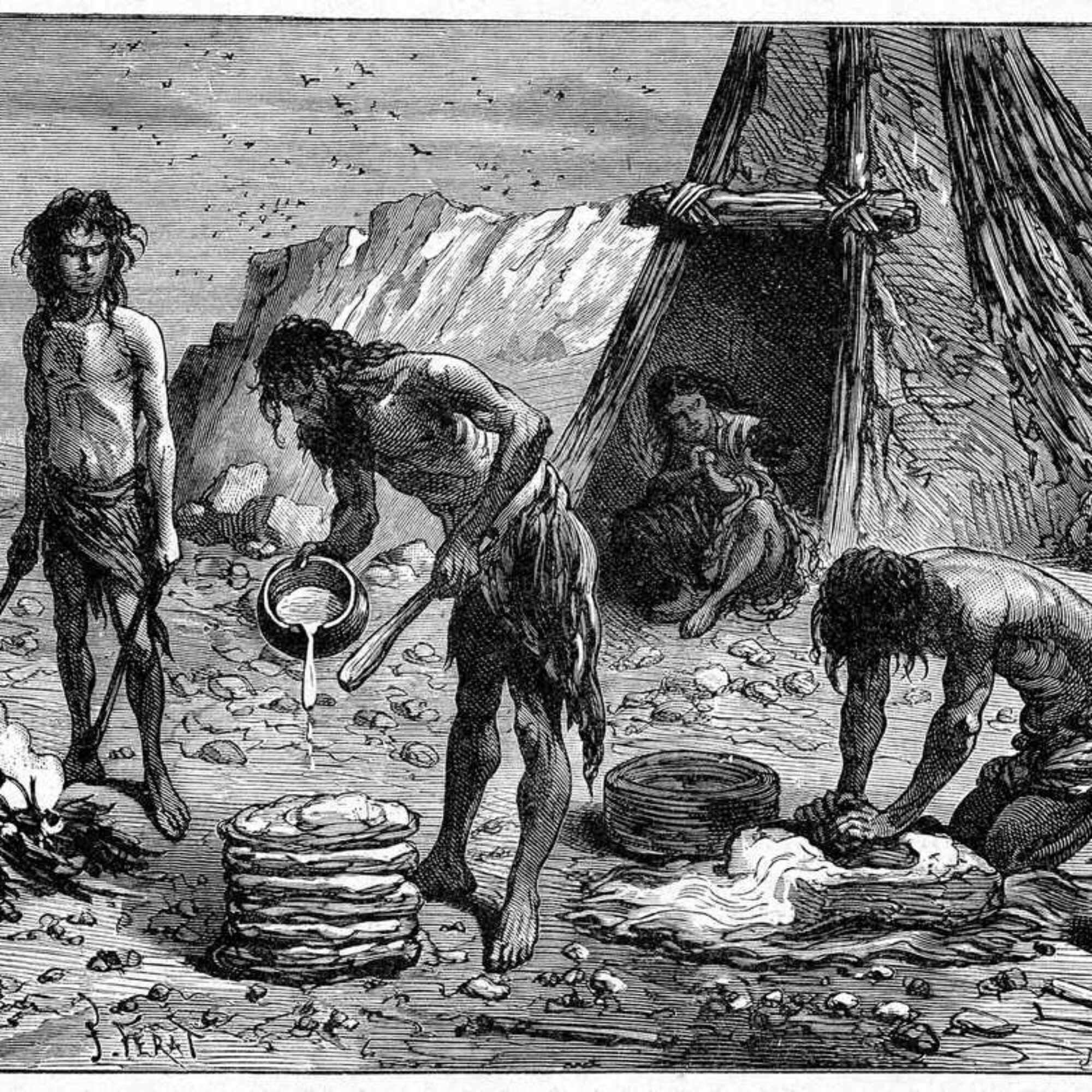
Early humans preparing food -- depicted in an engraving from "Grands Hommes et Grands Faits de l'Industrie" circa 1880.

Likely Myth: Food Was Scarce for Our Ancestors Before Agriculture

Everyone talks about our ancestors like they struggled for food. Many people believe we store fat well because our ancestors didn't know when they'd next eat. Maybe they look at surviving hunting and gathering cultures and see less food than in their local supermarket. Look at nature, though. Animals and plants aren't starving all the time. On the contrary, places that aren't frozen, desert, or that we've paved over abound with life. Why would we think our ancestors would struggle when animals today don't? Animals don't reach old age more because predators eat them, but we're apex predators. Wouldn't it make more evolutionary sense for our ancestors to evolve where food was abundant than scarce? Our ancestors found so much food that they expanded to…

0 Comments

The problem is closer than a future collapse or distant pollution. It’s us, here, now.

Environmentalists talk about the possibility of a future collapse. They talk about the harm happening far away. I don't want to take away from those problems and risks, but they are missing what's happening here and now with all of us. We can't look our children in the eye and tell them they'll live in a safer, healthier, more secure world. Since we can't, we tell them what we do doesn't matter, that only governments and corporations can make a difference on the scale we need, and dozens of other rationalizations and justifications. Since enough of us say it enough times, we act as if we've convinced ourselves of them. Once we believe them, or act as if we do, we keep doing what makes…

0 Comments

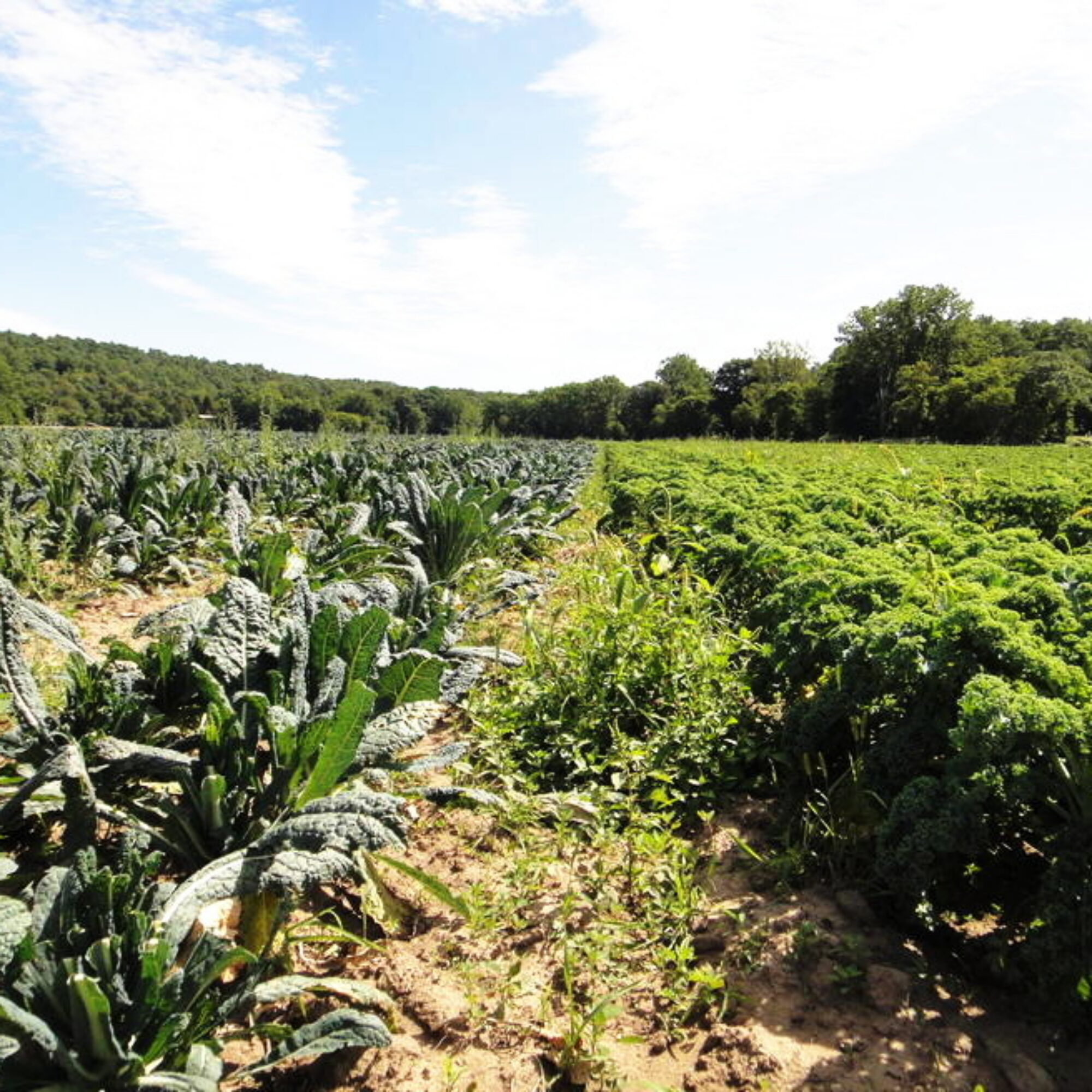
Restaurants and caterers hate vegetables

Since I've learned to love fresh vegetables and fruit, I've come to learn the restaurants hate them. Caterers do too. An ex-girlfriend once commented that she couldn't go to restaurants with me because I complained too much that they covered everything in salt, sugar, and fat (more on that complaint below). I attended an event today that was catered. Everything was vegan, which a lot of people interpret to mean healthy and honoring vegetables. But as usual, everything was either sweetened or covered with salt and fat, or some combination. I'll leave aside that all the utensils were disposable, but people acted like since they were made of bamboo or stamped compostable that they were good for the environment. Restaurants and caterers without excepting in…

0 Comments

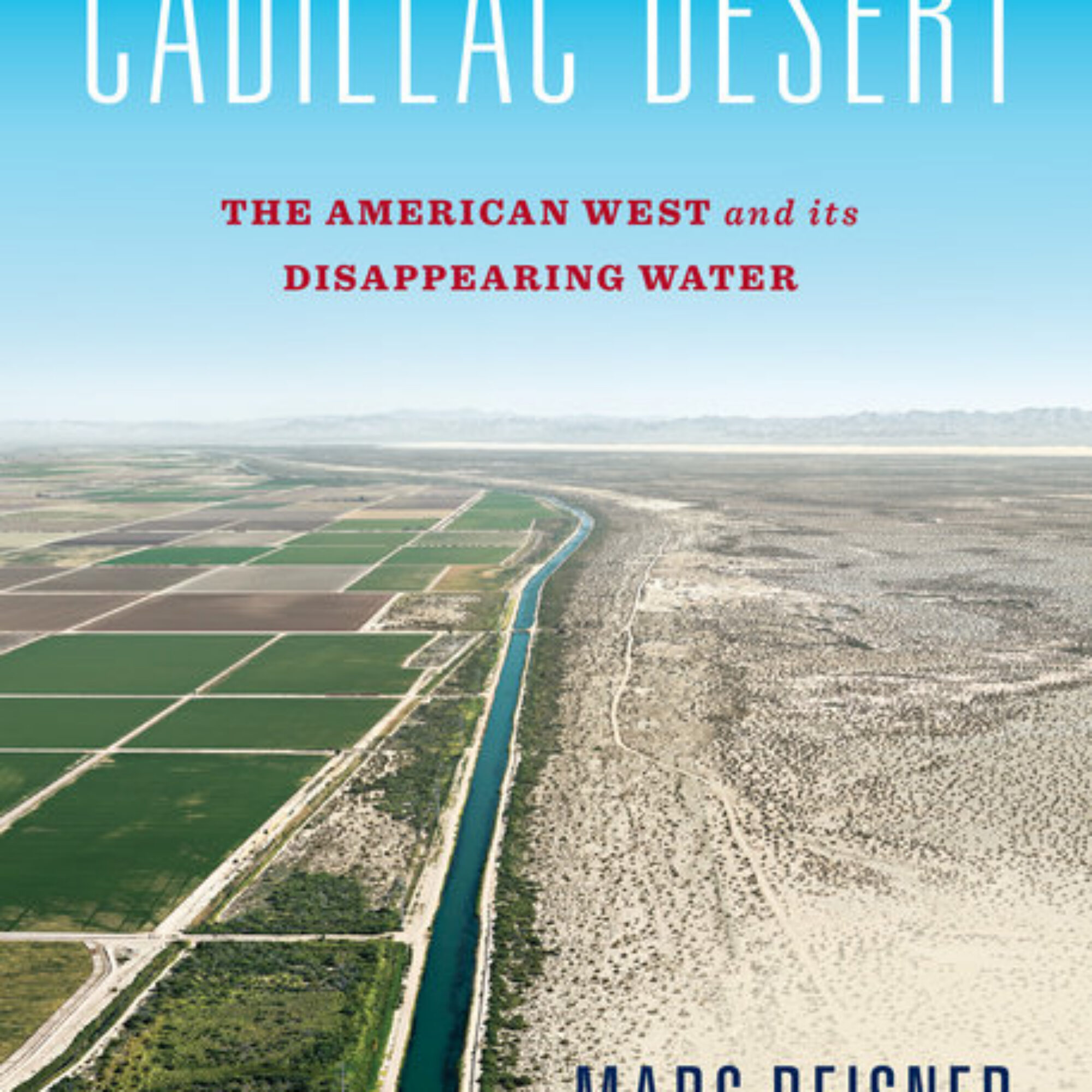
This Week’s Selected Media, May 12, 2024: Cadillac Desert: The American West And Its Disappearing Water, Building a Storybrand

This week I finished: Cadillac Desert: The American West And Its Disappearing Water, by Marc Reisner: A powerful book about how Manifest Destiny manifested in the American west. Diverting rivers and depleting aquifers created some of the biggest bureaucracies and, as the book puts it, the biggest socialist projects for people claiming to loathe socialism. From this 2011 review from the Environmental Law Institute: "The year before Reisner’s untimely death at age 51, Cadillac Desert was 61st on a list of the 100 best nonfiction books in English in the 20th century, as compiled by a panel from the Modern Library, a division of Random House. It was a finalist for a National Book Critics’ Circle Award and inspired an award-winning documentary by the same…

0 Comments

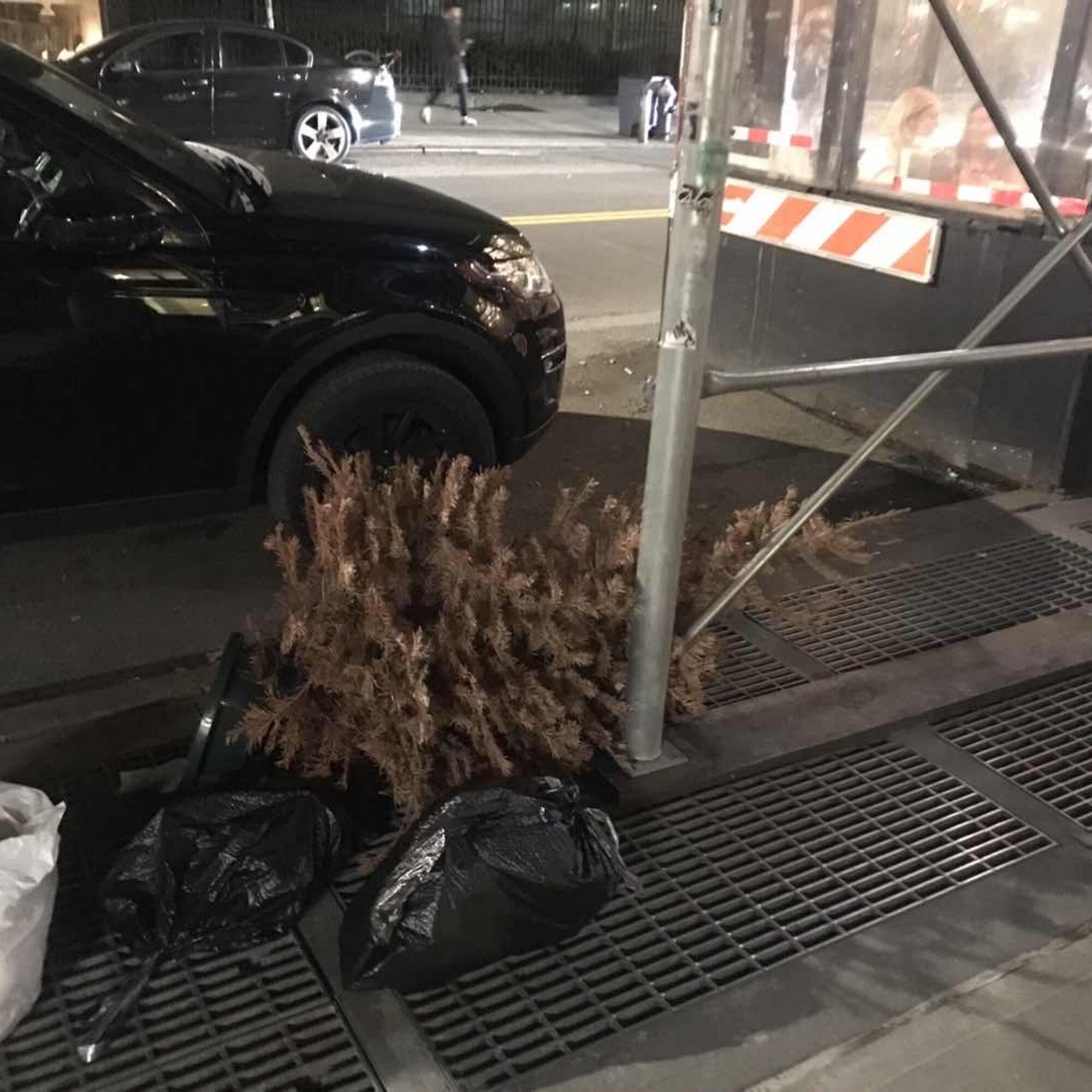
Another Disposed of Christmas Pagan Tree… in May!

Regular readers know what most people call "Christmas trees" I call by the more accurate name "Christmas pagan trees" because they come from pagan tradition. I document how many people pay for chopping down trees to use for a few days or weeks, then throw away just before or after Christmas. Today, May 11, I saw another on the curb for trash collection---a testament to how many trees we kill as a bastardization of a holiday that has nothing to do with fir trees. Stay classy, Christians. Or should I say pagans. What do you call someone who celebrates pagan holidays? I'm not saying one is better or worse, only I'm confused when Christians celebrate pagan holidays.

0 Comments

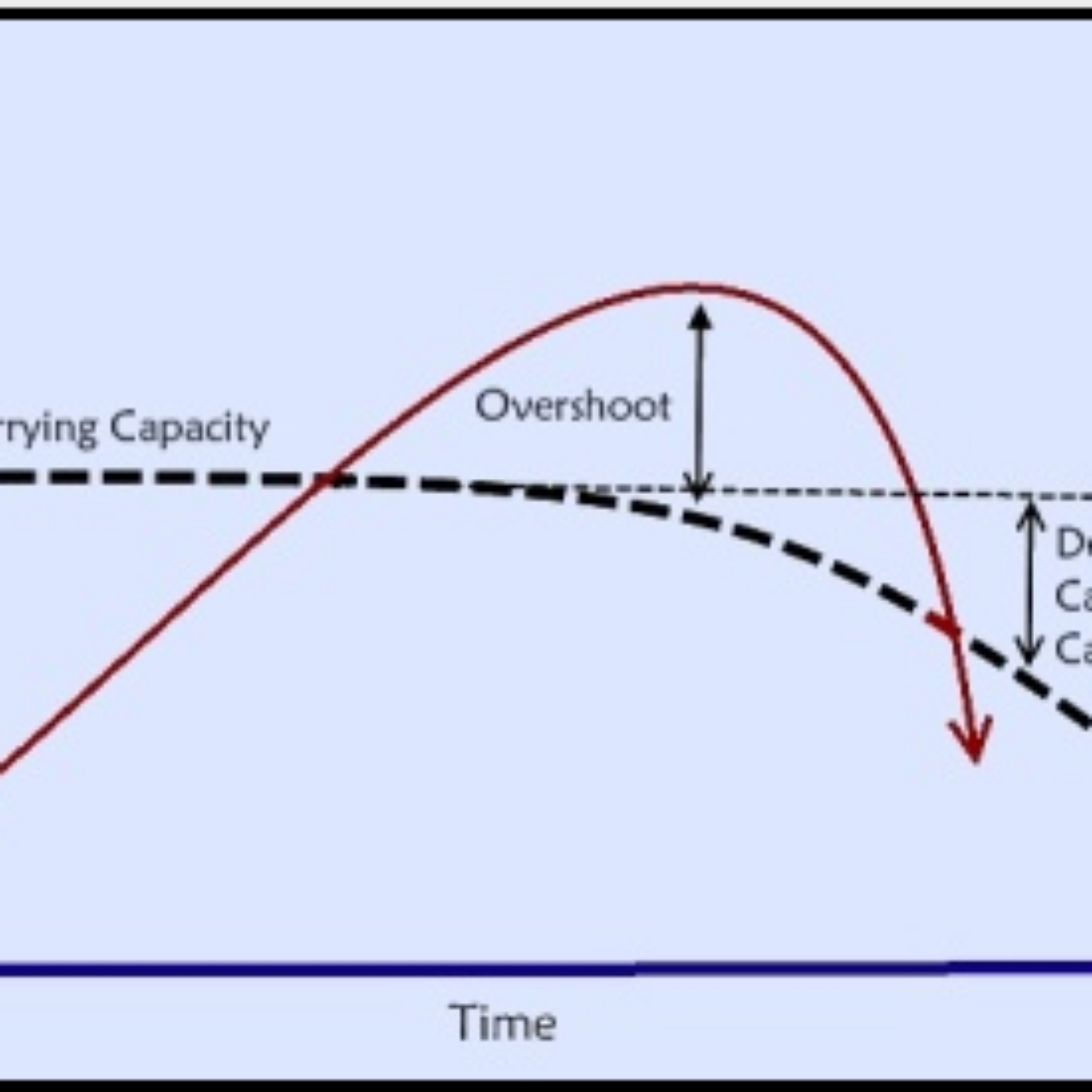
More isn’t less, but people keep making more, trying to make less.

I spoke today to someone who co-founded a business making fashionable clothes from fabric that would otherwise have been disposed of. Even in sustainability, nearly everyone wants to make more. I'm not going to stop her. I support her salvaging stuff that would have become pollution, but more isn't less. More than more "sustainable" clothing brands, we need fewer H&Ms and clothing overall, but more people are making "sustainable" clothing brands than trying to stop excess clothing manufacture. More than more electric vehicles, we need fewer roads, but more people are making the former than trying to rewild the latter. More than more housing and food, we need fewer people (no, I didn't say eugenics, euthanasia, or any of the knee-jerk unthinking responses; as you…

0 Comments

What made sustainability politically polarized: my hypothesis

Our environmental problems have become a politically polarized issue. Why? I don't know values of any political tradition that oppose clean air, land, water, and food, while all seem consistent with stewardship. Meanwhile, the main political tribes seem to see their opponents as obvious enemies, blatantly exacerbating the problems. Liberals say conservatives and libertarians don't care and are greedy. They say they prefer profit over helping other people or wildlife. Conservatives and libertarians say liberals are virtue signalling, behaving hypocritically, trying to seize power by fear mongering, and too stupid to realize that even if they genuinely care that they're waltzing into growing government into what will evolve into a totalitarian Stalinist regime, whether they intend it or not. How did this situation arise? I'm…

0 Comments

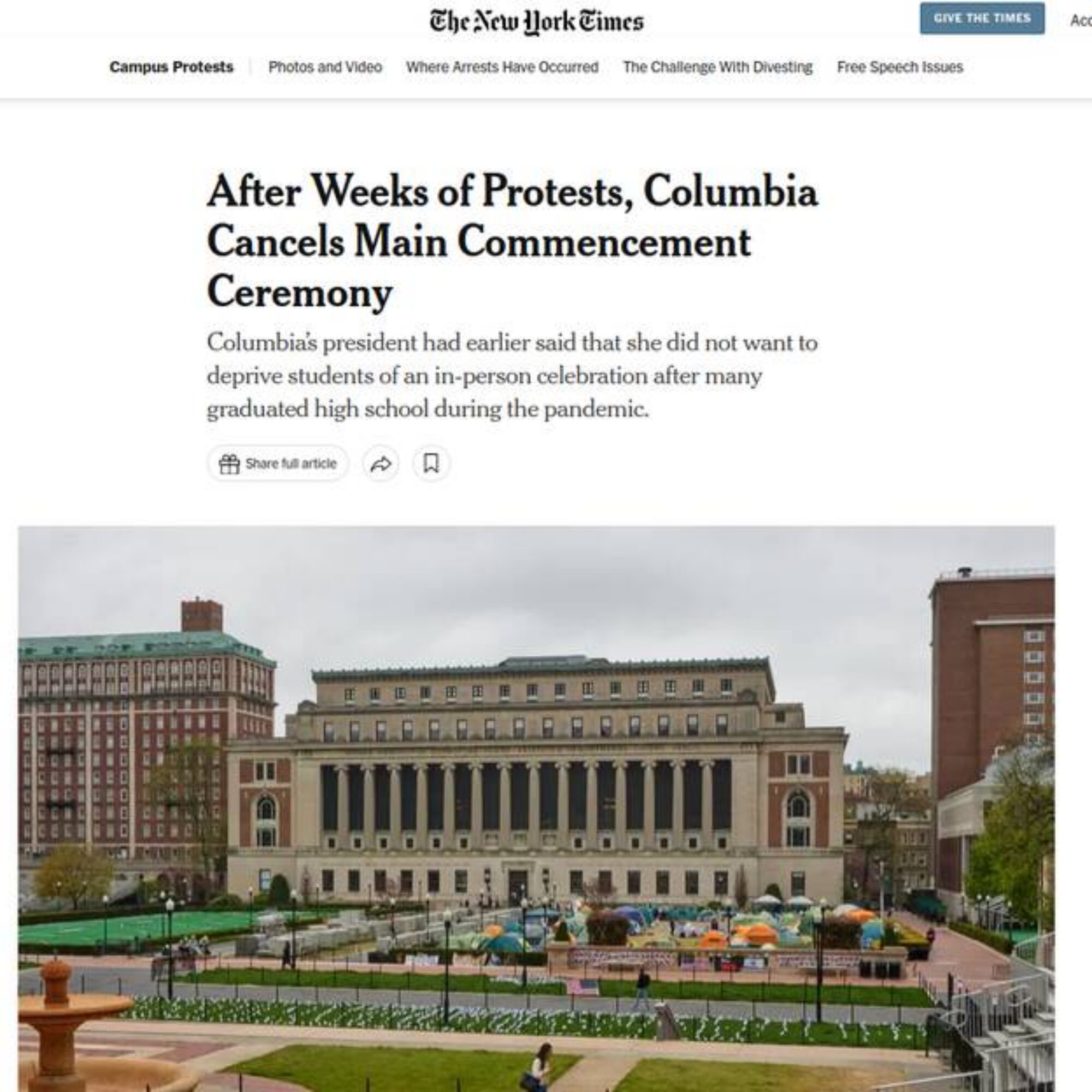
Columbia canceling its commencement reminds me of when I protested Apartheid at commencement

I don't have to tell you that front page headlines are reporting how students across the country are protesting. Universities are struggling with how to respond. The university I got my (five) diplomas from, Columbia University, seems to be making some of the biggest headlines. A few days ago it decided to cancel its commencement. I started college in 1988. Many students then opposed Apartheid. I boycotted businesses that did business with South Africa. Students protested to motivate universities to divest from companies that did business with South Africa. I participated in some of those protests, among other things (including America fomenting wars in Central and South America). At a commencement, I believe my sophomore year, a few students and I attended and protested. We…

0 Comments

Saying you care versus acting.

Over and over I meet people who say they care about the environment and people affected by human impact on the environment . . . yet they refuse to acknowledge their impact. Still they complain how somehow others don't care, even as their own impact is as great. What does it mean to care if your actions achieve the opposite of caring. What does you saying you care matter to the people and wildlife you harm while polluting and depleting and therefore promoting and funding the people and industries you claim don't care? How to think about your caring Imagine two people in 1855 in the American south One doesn't care about slavery or slaves, but doesn't buy any slave-produced goods. The other claims to…

0 Comments

Legumes that don’t need cooking

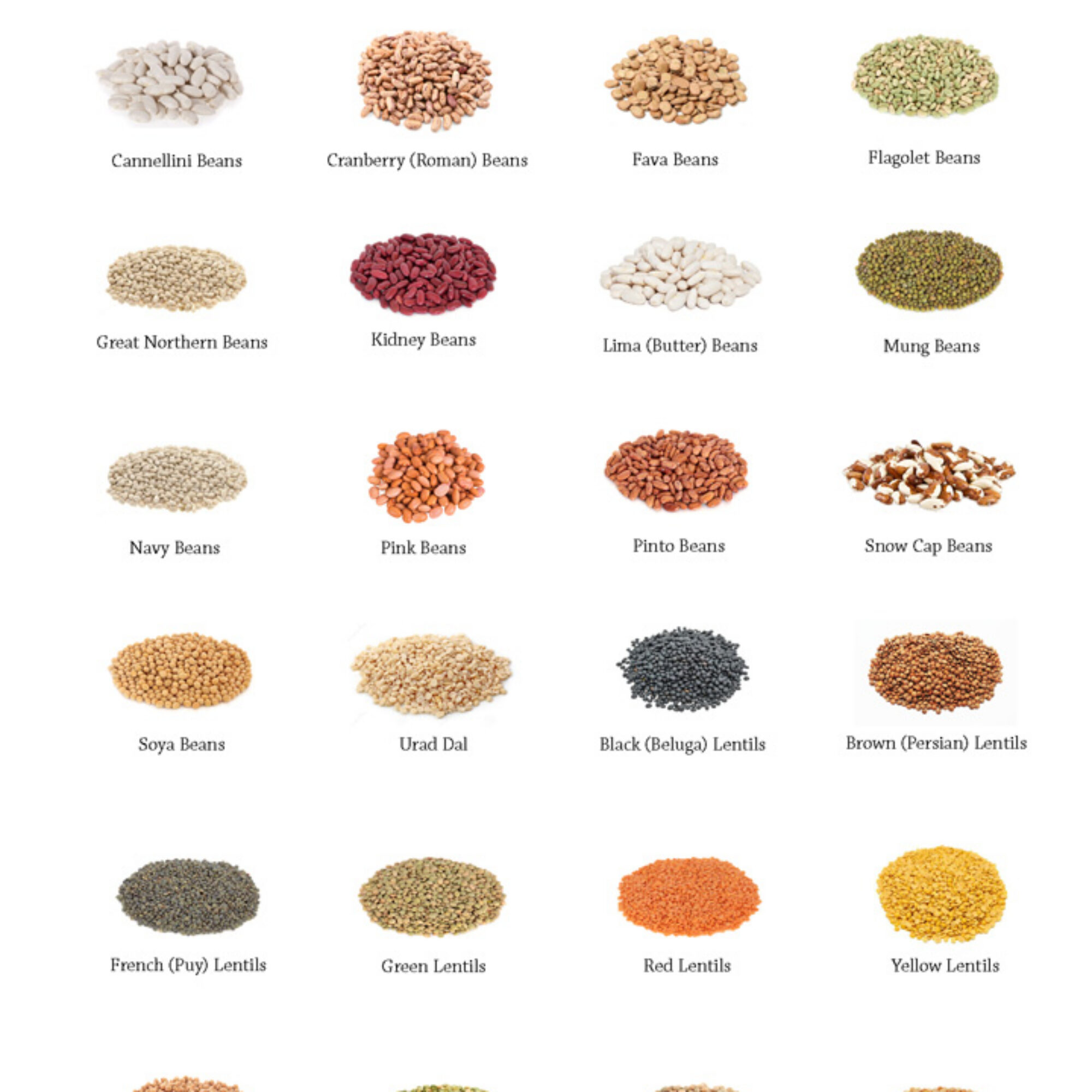
You know several legumes that don't need cooking, like string beans, garden peas, snap peas, peanuts, and snow peas. The bulk section of my coop also sells chickpea flour, which I believe is just ground uncooked chickpeas. At least I've put raw chick peas in a blender and gotten chickpea flour out of it, though not as fine as the store sells, and blending them is loud. I tried blending other beans that way---I think navy beans---and it wrecked my gastrointestinal track for a day or two. I don't recommend trying it. I think some beans uncooked are poisonous. Yet some don't need cooking. I searched "legumes that don't need cooking" and found nothing that shared what legumes don't need cooking. The links I found…

0 Comments

754: (Aunt) Trish Ellis and (Niece) Evelyn Wallace, part 1: Not Even Cancer Holds Her Back

"What I do doesn't matter" may be the most poignant sentiment of our time. A similar rationalization not to act: "I have faith that younger people will solve our environmental problems. After all they will be affected more." People say these things to avoid acting, avoiding personal responsibility. Well, if anyone can say she deserves to relax and not have to work on problems, nobody would tell someone with incurable cancer she can't spend her time how she wants. Trish has incurable cancer. She worked her whole life to enjoy her retirement. She didn't grow up planning to act on sustainability. She didn't plan to take my sustainability leadership workshops, but her niece, Evelyn, and sister, Beth, told her about taking the workshop so she…

0 Comments

This Week’s Selected Media: May 5, 2024: Man’s Search for Meaning

This week I finished: Man's Search for Meaning, by Viktor Frankl: one of my favorite books since I first read it, probably in the early 2000s. I hadn't read it in maybe ten years, which means since starting working on sustainability leadership. I find it more valuable than ever. It's perfectly relevant to our situation today. The book led me to develop the approach to difficult times: "However difficult my current situation, it's not as bad as Auschwitz and Frankl, in Auschwitz, wrote about bliss and love. He was no more or less human than I am. If he could find bliss and love there, I can find meaning and reward here." While I lose sight of this view at times, for the most part,…

0 Comments

End of content

No more pages to load