This week’s selected media: November 5, 2023: “Frederick Douglass: Prophet of Freedom” and “Climate Change and the Course of Global History”

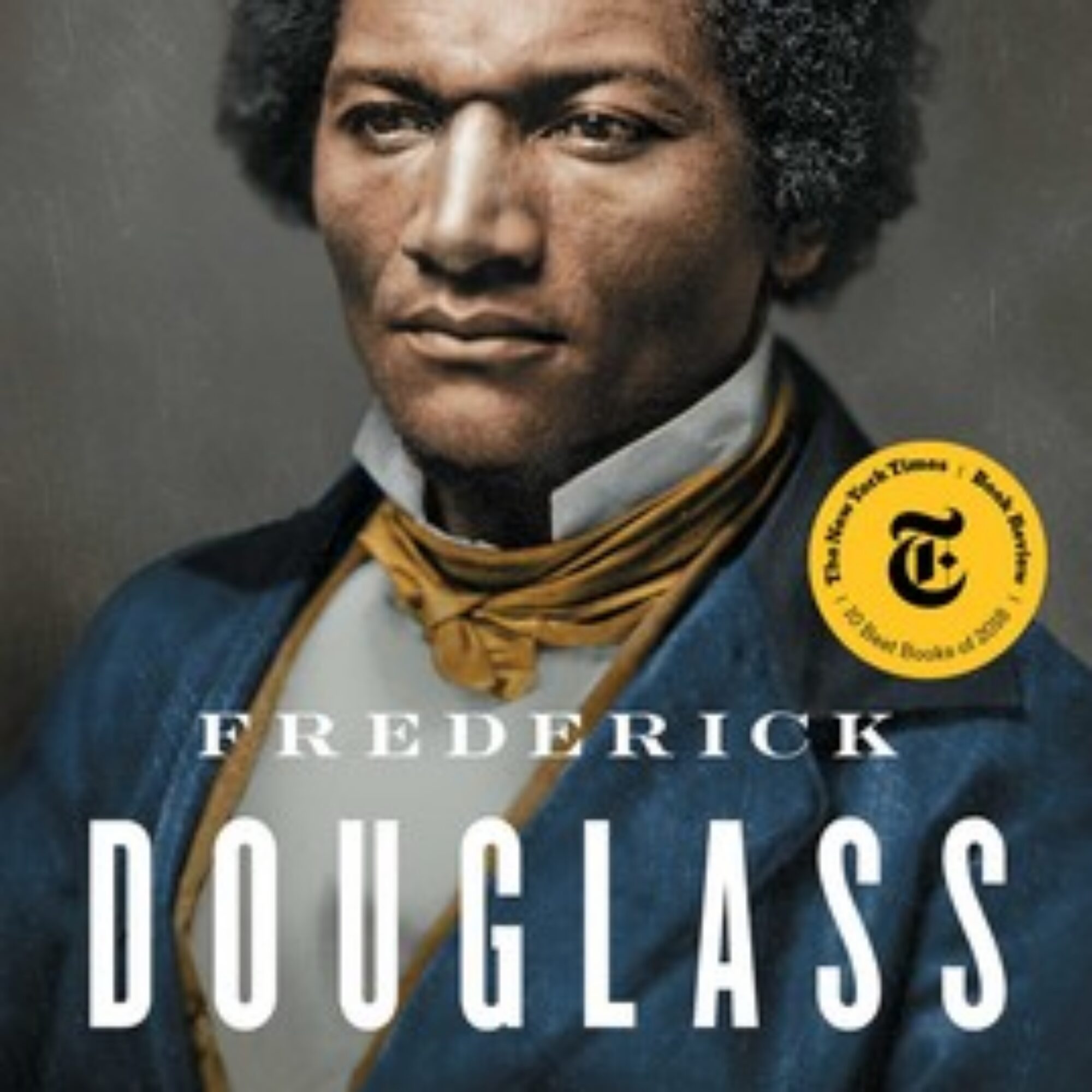
Why have I not posted about finishing any readings for three weeks? Because the book on Frederick Douglass is 800 pages, or 36 hours by audio. It's worth it. It's a masterpiece about a person who would inspire at any time in history, and now more than ever. This week I finished: Frederick Douglass: Prophet of Freedom, by David W. Blight: Podcast guest David Blight won the Pulitzer prize for this book. From the Pulitzer Prize page: "The definitive, dramatic biography of the most important African American of the nineteenth century: Frederick Douglass, the escaped slave who became the greatest orator of his day and one of the leading abolitionists and writers of the era." The book covers his life comprehensively from his being enslaved,…

0 Comments

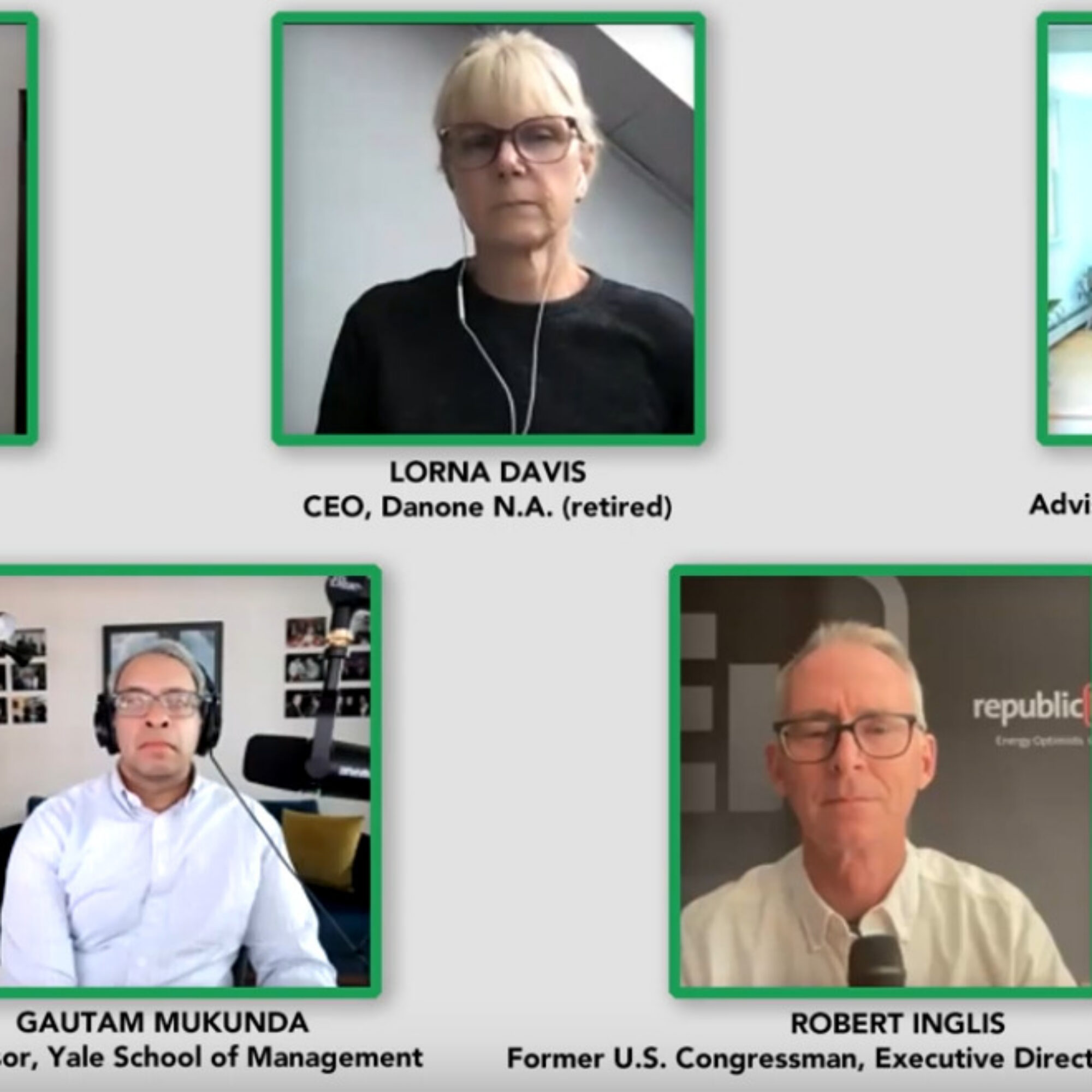
729: How to Develop a Sustainability Leadership Culture in Your Organization: a Panel I moderated

If no one is changing culture in your world, it's your opportunity to fill the leadership vacuum, no matter where you are in your organization or communities. Many companies are making strides toward goals for greening their businesses but need to find ways to maintain the momentum now that they have tackled the easiest challenges. Others are about to embark on their sustainability journeys and seek a roadmap and best practices. Increasing regulations, particularly in Europe and the U.S., and demands from investors are pressing businesses to define, monitor and publish their net zero targets and green their practices and products. The IPCC reports that there is a closing window in which global citizens can mobilize to reduce carbon emissions and hope to achieve the…

0 Comments

Why are we so myopic about politics?

We've been human for maybe 300,000 years. For most of that time our ancestors hunted and gathered in small groups. You might think that means they didn't practice politics since they didn't have governments with three branches and giant domed buildings on hills with highly-paid lobbyists trying to influence them. If you understand politics to mean group decision-making in general, they were likely more political in that in hunter-gatherers today, most people are involved in most group decisions. Since they have less hierarchy, people with higher status can't simply order people with lower status around. If I want to influence you, I have to listen, understand, and practice social and emotional skills people in nations don't. In the past 10,000 years, we have formed larger…

0 Comments

Inspirational environmental F-bomb

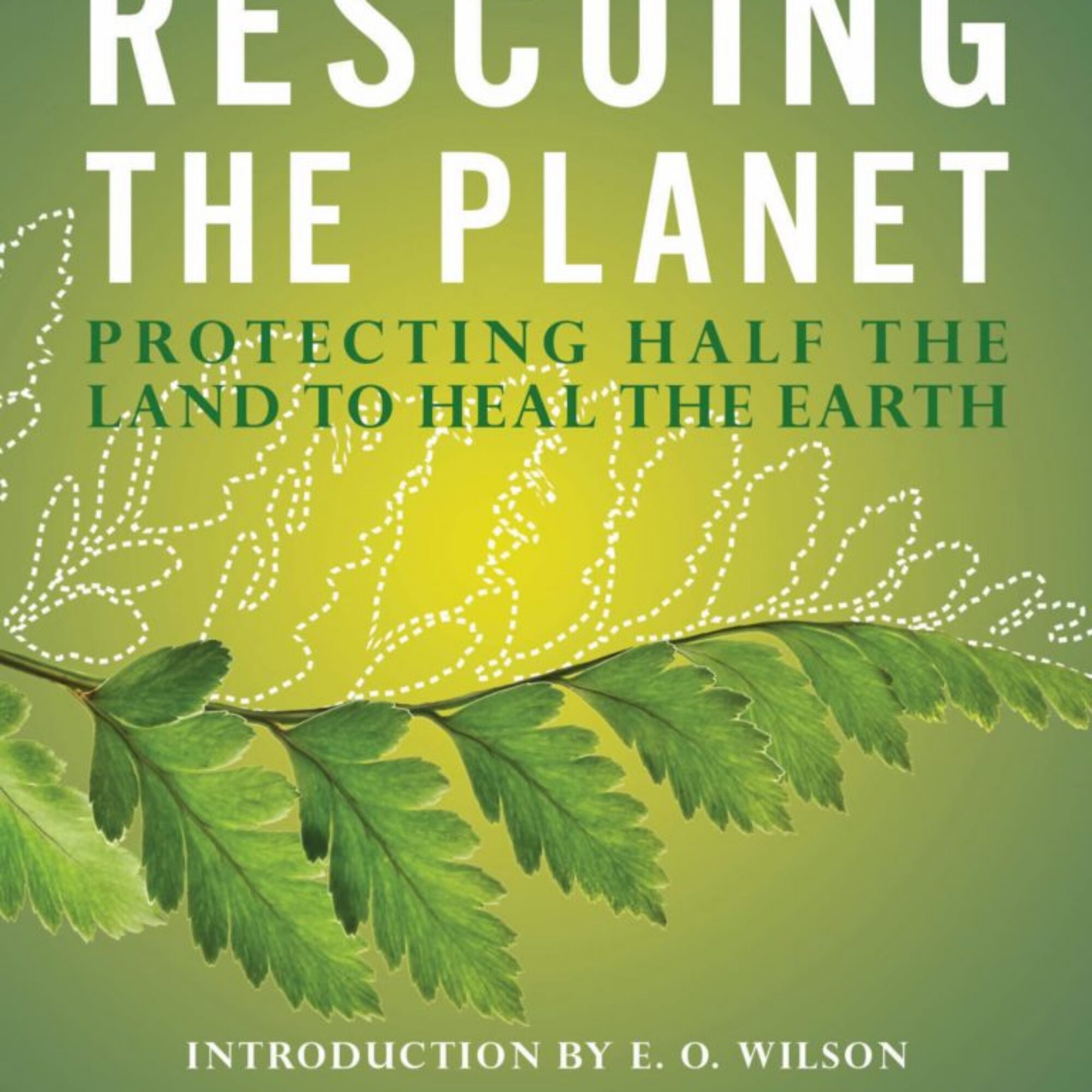
You might remember from my conversation with podcast guest Tony Hiss a passage from his book, Rescuing the Planet: Protecting Half the Land to Heal the Earth, that inspired me for the bold story it told. I'm finally copying that passage here. I'll put in bold the bold part that psyched me up, to ask for what we fucking need: Back in 1997, [Steve] Kallick was with the Pew Charitable Trusts, in Philadelphia, beneficiary of much of the fortune of Joseph N. Pew, founder of the Sun Oil Company, when he and his colleagues began thinking about the Boreal. They were also working on the roadless rule, in what Kallick's boss at the time, Joshua Reichert, who has a Princeton doctorate in social anthropology, called…

0 Comments

How Environmentalists Fail (Where We Could Use Innovation)

Tell most Americans that an airline is investing in "sustainable airplane fuel" and their ability to think critically flies out the window. They'll believe anything you say that will let them tell themselves they can fly sustainably. Likewise with offsets, anything labeled recyclable, recycled, or compostable: people will presume anything is possible if it lets them avoid stopping polluting and depleting. Yet a few things they consider impossible. However much they say value sustainability and denigrate others who don't act as not caring or deniers, the following issues lead them to stop thinking and shut down any more consideration of acting more sustainability. Environmentalists, in particular, don't challenge them, so don't act sustainably. Their resulting lack of integrity, credibility, or knowing what they're talking about…

0 Comments

728: Chefs Irene and Margaret Li, part1: Winning Awards Saving Perfectly Good Food

I first read about Margaret and Irene and their book Perfectly Good Food: A Totally Achievable Zero Waste Approach to Home Cooking in an article on doof in the New Yorker. Then the next week the magazine devoted an article just on them and their approach to avoiding wasting food by eating it all. You might say to me---someone who avoids packaged food, in his fifth year on one load of trash, who eats citrus peels, who almost never throws away something edible---their perfect for you. But avoiding waste alone wasn't what made me invite them here. What made me invite them here was their attitude: They're fun! They make enjoying every last bit of food fun. I invited them here because I'm working on changing culture…

0 Comments

The Marlboro Man versus Kool and Newport Menthol and Virginia Slims

News pieces about Kool and Newport cigarette brands targeting blacks tend to portray the brands and their advertising as nefarious and racist. A quick search found stories like How the tobacco industry targeted Black Americans with menthol smokes, Why Big Tobacco Targeted Blacks With Ads for Menthol Cigarettes, Study: Newport Marketed Cigarettes Directly to Black Kids, and Newport, the top cigarette brand for black Americans, is aggressively targeting youths. Maybe I'm misreading those implications, but they seem there. A person in this video calls it exploitation and this video calls it predatory. Likewise, Philip Morris: How Virginia Slims Targeted Women to Sell Cigarettes describes marketing targeting women as sexist. I don't see the implications of nefariousness, racism, or sexism in Marlboro marketing to young white…

0 Comments

Ecomodernists, techno-optimists, and closed-loop advocates: why don’t you believe your own hype?

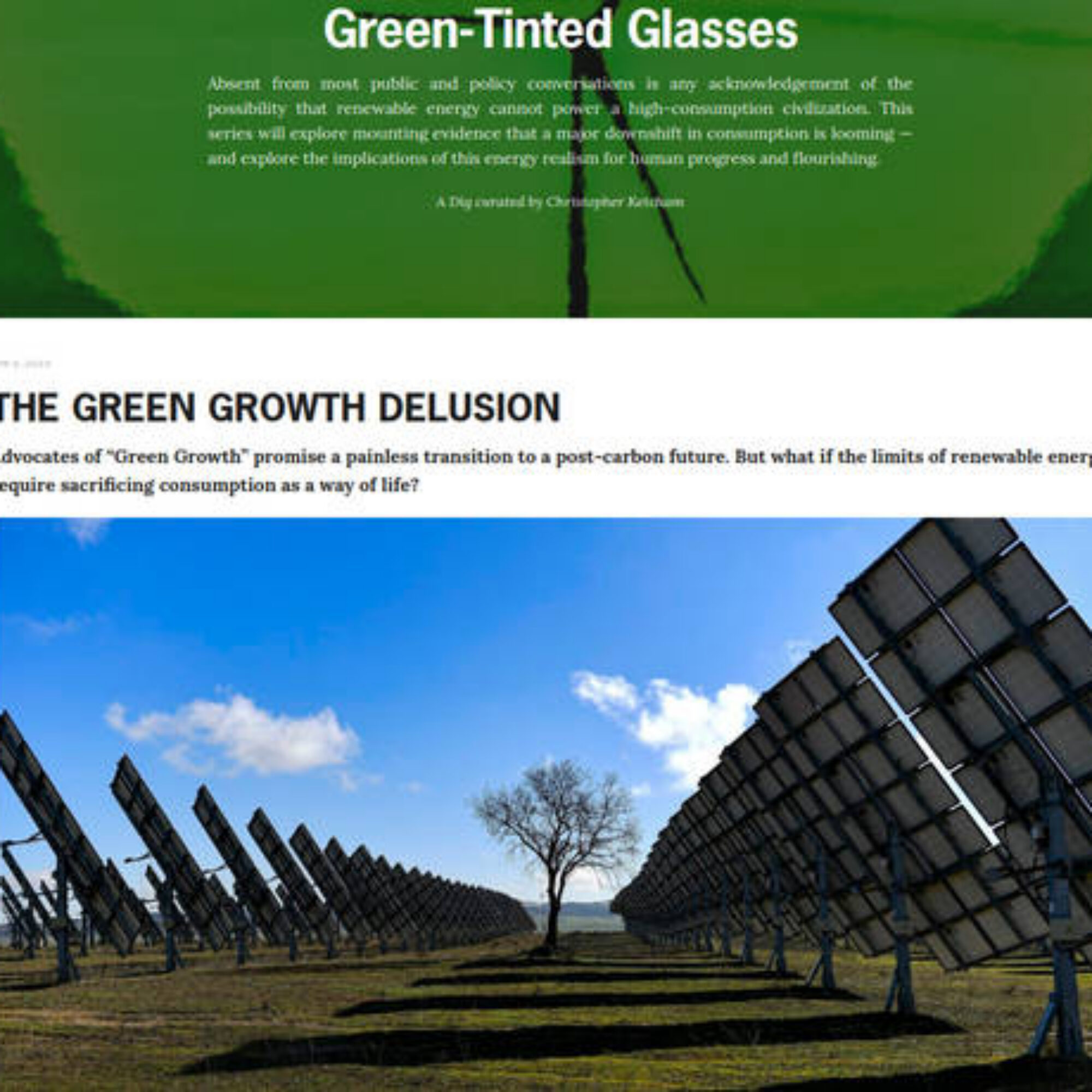
The Ecomodernist Manifesto talks about "decoupling," meaning growing the economy and population without growing environmental impact. Techno-optimists talk about "green growth" and "closed loops." Just giving an idea a name doesn't make it possible. These concepts have been debunked like cold fusion and perpetual motion machines, yet people like to use them to rationalize and justify business as usual. But the people promoting decoupling, green growth, and closed loops don't believe themselves. If you believe you can grow the economy, population, or both without increasing environmental degradation, it follows that you believe we can decrease extraction without lowering GDP. So you shouldn't mind not extracting fossil fuels or uranium. After all, if they're decoupled or the loop is closed, the economy doesn't need them. Or…

0 Comments

Why do people apologize to me when they mention their polluting?

It happens all the time. Someone is talking to me and happens to mention they flew somewhere, used disposable plastic, or the like. Then they apologize to me. For example, they might be talking about upcoming plans and say something like, ". . . and then I'll go to Europe . . .", pause, look at me, and say, " . . . sorry, Josh, I'll be flying there." I can understand why they would consider an apology appropriate if they feel they know they're hurting someone, but they aren't hurting me. Why apologize to me? If they don't feel they're doing something wrong, why apologize at all? If they do feel they're doing something wrong, why do it?

0 Comments

Some People Value the Invisible Hand and Devalue a Helping Hand

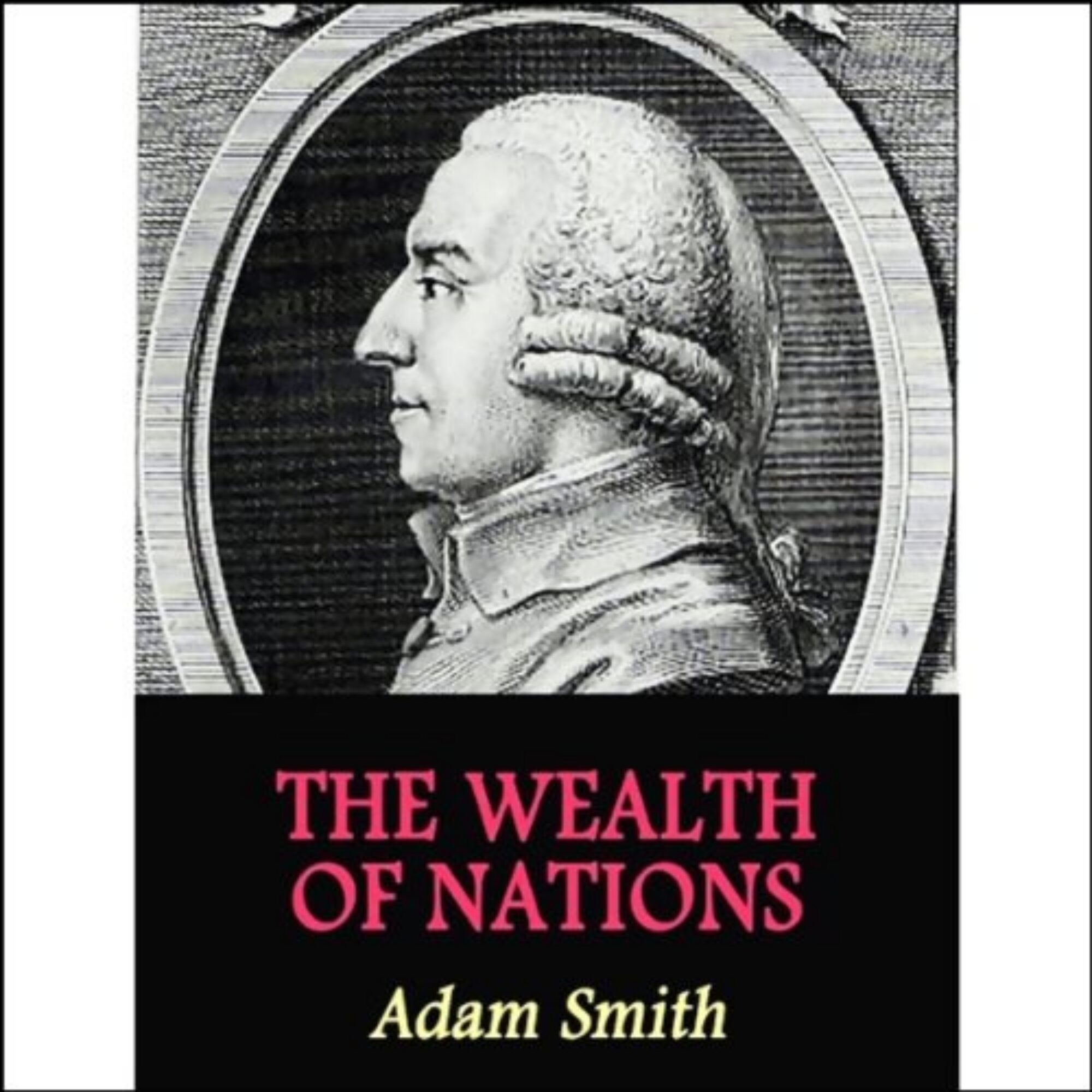
I think there are a lot of people who consider it virtuous to help people through Adam Smith's invisible hand but crippling to give them a helping hand. That is, I think they consider it magnanimous to act selfishly and mean or debilitating to help people directly. I can see how they get there. I think in their minds they think they're concluding what they should do from first principles, but I suspect they're actually rationalizing and justifying what they wanted to do in the first place. I'm not them, so I could be wrong. I'll have to ask one of them about it.

0 Comments

727: Fun, liberation, freedom: How people talk after seriously acting on sustainability

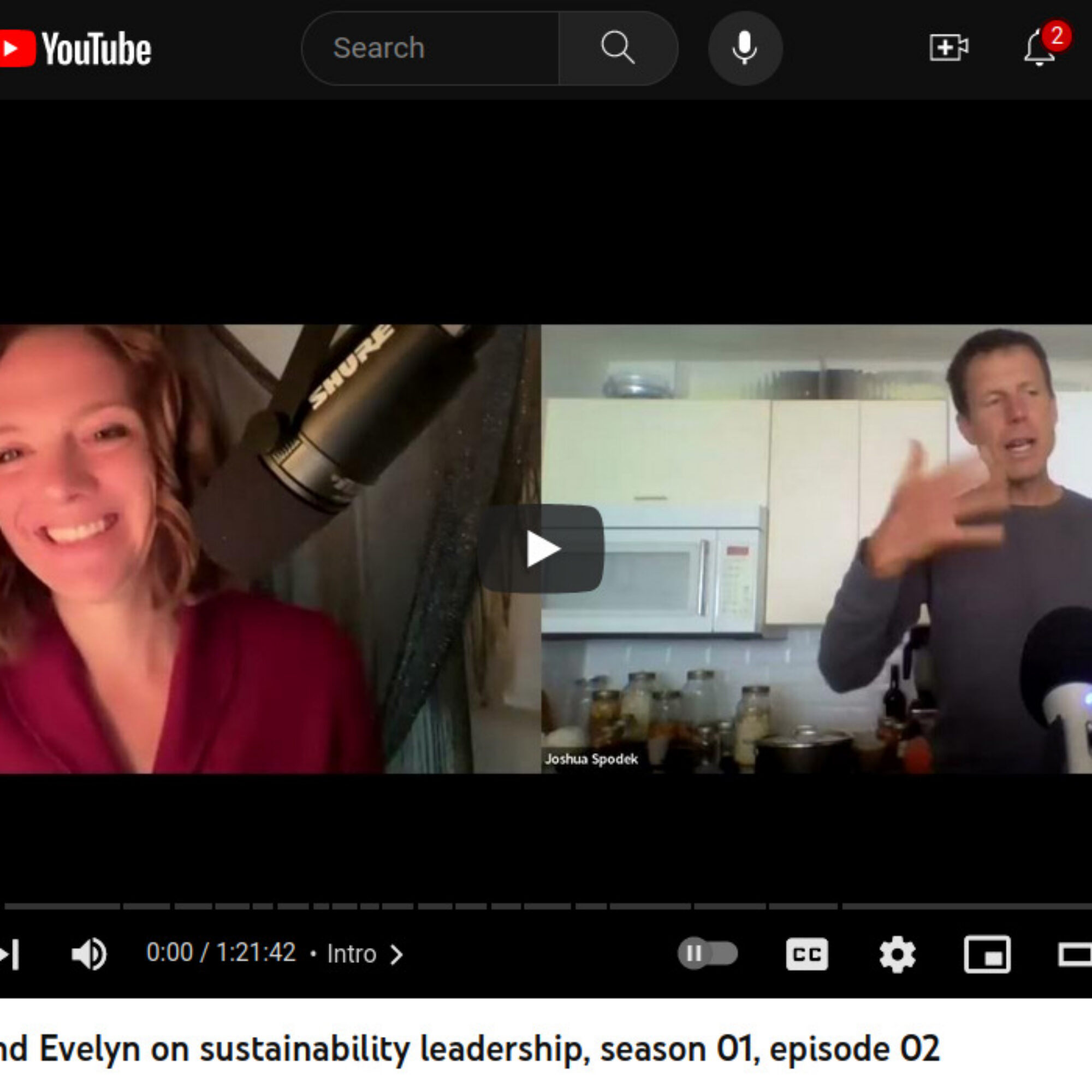
Evelyn joined the first workshop I led in the Spodek Method: practicing it, leading others through it, and how to create a movement. She then became the teaching assistant for the next two workshops. The liberation, fun, and intimacy of sharing one's fears, anxieties, and other vulnerabilities from acting more sustainably in a corrupt culture that makes it hard, all the more so in teaching others to reveal these things and still to act, led us to get to know each other. We decided the world could benefit from hearing how people who have acted to live significantly more sustainably sound: fun, playful, but still challenging. We decided to livestream our conversations for people to join and ask questions. Setting up the technology is taking…

0 Comments

More of: I eat food homeless people throw away

I wrote a couple years ago about how I end up eating food that homeless and poor people throw away when given lunches. Like if you give them a bag containing a sandwich, bag of chips, and a piece of fruit or bag of baby carrots, you're going to find a lot of uneaten fruit and carrots discarded on the street. Picking up litter daily, I can't miss it. Today, I'll give another example. Regular readers know I volunteer, bringing food stores would throw away to a community center where people can get it for free. Many others volunteer this way too, so every day the center sees lots of food. Yesterday, when I dropped off, I noticed a few cabbage leaves in a pile…

2 Comments

The coaching side-effect that may be my favorite part of coaching

It happens with nearly every client, usually around the second or third month, but then throughout the process. I was speaking the other day with a client in the c-suite of a major health care chain. Part of what we've worked on are personal social and emotional skills. At that level of an organization of that size with a mission that includes saving lives, your co-workers are passionate and dedicated. Deep, internal motivations drive them. To work effectively, it helps to share mutually who you are, which means sharing vulnerabilities. That's how you have each other's back. How you can take risks, knowing your team will support you. How you can trust when someone does something you don't expect or understand in the moment, they're…

0 Comments

726: Amy Westervelt, part 1: Showing What’s Actually Happening Behind the Scenes

Amy hosts and produces a lot of podcasts, but Drilled is the big one I've listened to a lot. I listen partly to learn what happens behind the scenes and in the past in the fossil fuel industry. She's also covered how these companies influence the public in what until about World War II was called propaganda but the advertising industry changed to public relations. As a podcaster myself, I wanted to know how she came to win all those awards, start all those podcasts, and found the company that produces them. If you think you've struggled and failed, you'll love her story since she struggled and failed on the way to success. I recommend listening to her podcasts. First listen to our conversation to…

0 Comments

Do you feel enraged at people flying private jets to climate conferences?

Flying a private jet to a climate conference seems the height of being out of touch and acting counterproductively. If you feel that way, have you considered how much of your expenditures pays for extracting, polluting, and depleting? What fraction of your spending goes to filling your gas tank, flying, air conditioning, heating, industrial agriculture, buying things that require pollution to make like packaged food, takeout, houses, cars, nearly all meat, computer chips, and so on? Since plastic, flying, air conditioning, cars, and artificial fertilizers didn't exist more than about a century ago, human life requires none of those things. Since people in cultures without those things see those things and choose to resist imperialism, colonialism, and assimilation, humans can thrive without them. Yet most…

0 Comments

Why do people say history books are filled with people like me when they aren’t?

I don't learn of anyone like me in history books, but I'm told that's all who is in them. I'll link to a bunch of articles that history books are filled with dead white men. I'm told the best I can do is "shut up and listen." Why do people who don't know me tell me who I am? Should I think I'm represented because Hitler, Stalin, and Columbus were straight white men? I don't find people like me in history books. I see people today who aren't white men who seem more like white men in history books than I do. Why should people having the same skin color and sex mean that they represent me? Society hasn't treated me like them. We don't…

0 Comments

If something is labeled “Compostable” it means it’s not compostable. If something is labeled “recyclable” or “recycled” it means it’s polluting garbage.

Things that are compostable aren't labeled. They're plants and fungi. Corn cobs and peach pits don't say compostable. Things that are labeled "compostable" are manufactured and generally need special composting facilities. Even if where you live has them, they required manufacturing. It's likely doof. People lived for 300,000 years with only things that biodegraded. Whatever convenience you think some salad bowl labeled "compostable" brings, it isn't clean, green, or renewable and your life will be better without it, even if you don't see how at first. Sometimes it takes changing your culture to one of stewardship. Likewise with recycling. Things labeled "recyclable", "recycled", "made from recycled material", or in bright cheery letters "recycle me!" are with rare exception garbage, pollution, unnecessary, and keeping you addicted…

0 Comments

725: Gautam Mukunda, part 3: The Spodek Method Doesn’t Always Create a Huge Mindset Shift

Gautam and I had a lovely conversation about environmental things. He's become a good friend (we talk outside our recordings). Still, listen to determine for yourself, but I'd say this conversation exhibited a minor mindset shift if any. After we talked about Gautam's experience, we spoke mostly about abstract environmental issues, not personal ones. He spoke about some difference in his views and feelings brought on by his commitment, but mostly he talked about the beauty of nature flying-distance away. I want to help people find the beauty or any value they like of nature where they are, or realize that it's possible, or worth fighting to restore if we've paved too much of it over. So it's a different conversation than usual---both friendlier between…

0 Comments

Overpopulation in Israel and Gaza

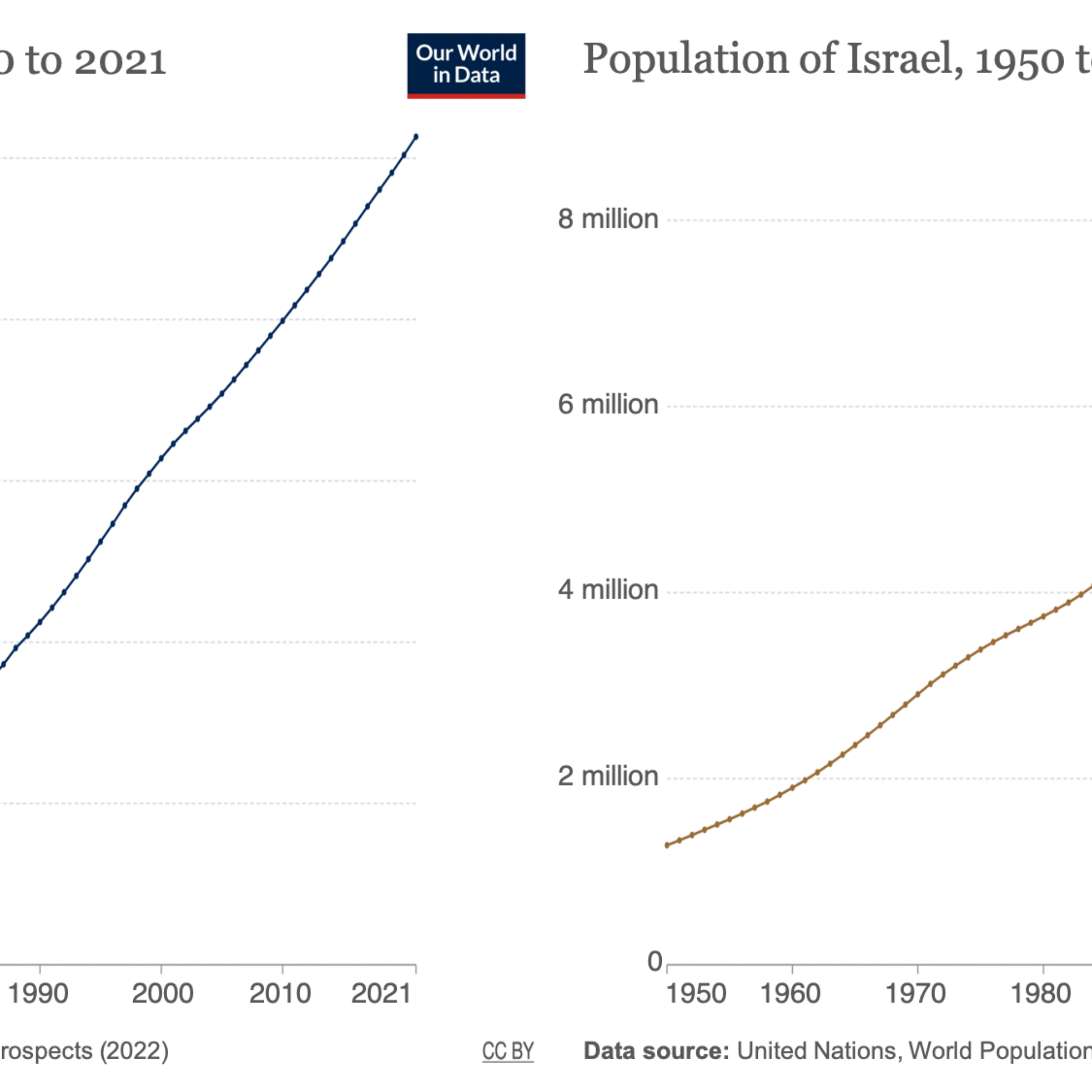
Imagine you're sitting in your home, comfortably with your family, say a spouse and a kid. Then five other families move into your home with you. You can imagine conflict would arise more when you more than quintuple the number and density of people in your home. I found the following graphs in a piece a podcast guest, Jane O'Sullivan, wrote, The Catalyst of Overpopulation in the Gaza Conflict. I consider her research and voice among the most important on population and overpopulation. The piece begins "Mountains of work have analysed the roots of the conflict in Gaza, but all have missed the catalyst of increasing population." It continues From its very beginning, peace has eluded Israel, due to the difficulties of accommodating the nationalist…

0 Comments

Are you a colonialist?

I've been learning more about colonialism lately, as regular readers could probably tell from my recently reading Heart of Darkness, King Leopold's Ghost, and Cobalt Red, among others. I used to think colonialism was something from the past, that we outgrew. Do you consider imposing on other people's life, liberty, and property wrong? Do you find past colonialist behavior wrong and believe colonialism is mostly in the past? Do you consider yourself not a colonialist? If so, do you buy fossil fuels extracted not from your own property? Do you buy products built with minerals not from your own property? So far you may say, "sure, but there's a division of labor. I contribute my part to global trade, others contribute theirs, I get things…

0 Comments

Focusing only on climate change or carbon today is like Kodak only focusing on film when digital started. Let’s not be Kodak.

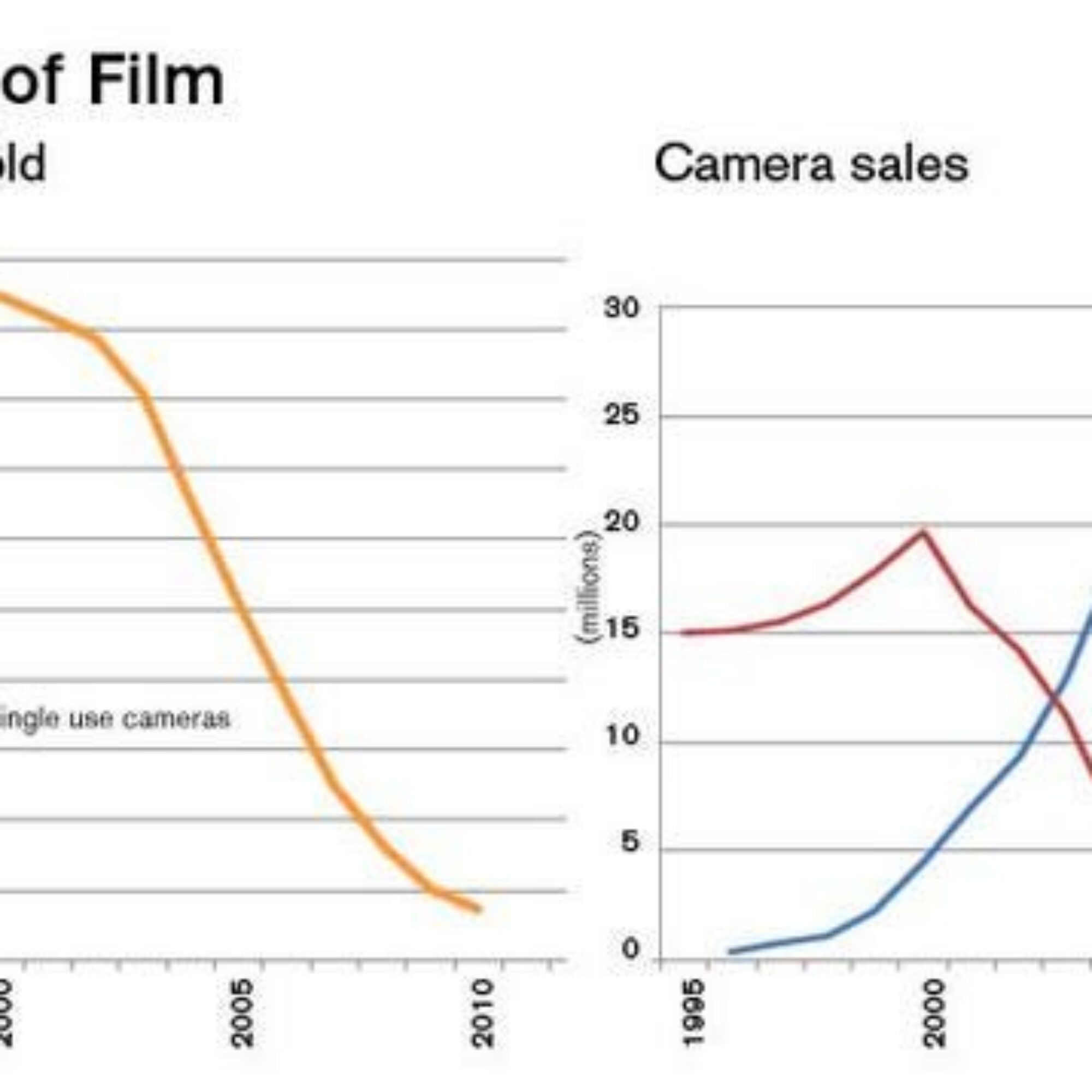
I've written that Only specify fixing climate and carbon if you want to wreck everything else (forests, biodiversity, rivers, etc) because that happens when you do. Our environmental problems transcend "just" climate change. I thought of a useful comparison: Kodak only focusing on film in the 1990s. Kodak dominated its market. Then than market collapsed. Kodak understood about digital and could have moved there. It didn't. It looked elsewhere. You could see climate change as a big problem, but it's a symptom. The problem causing that symptom among many others is our behavior, based in our culture. Kodak had a culture of dominance, not curiosity or change. It could have changed its culture. We can change ours in principle to restore stewardship and get out…

0 Comments

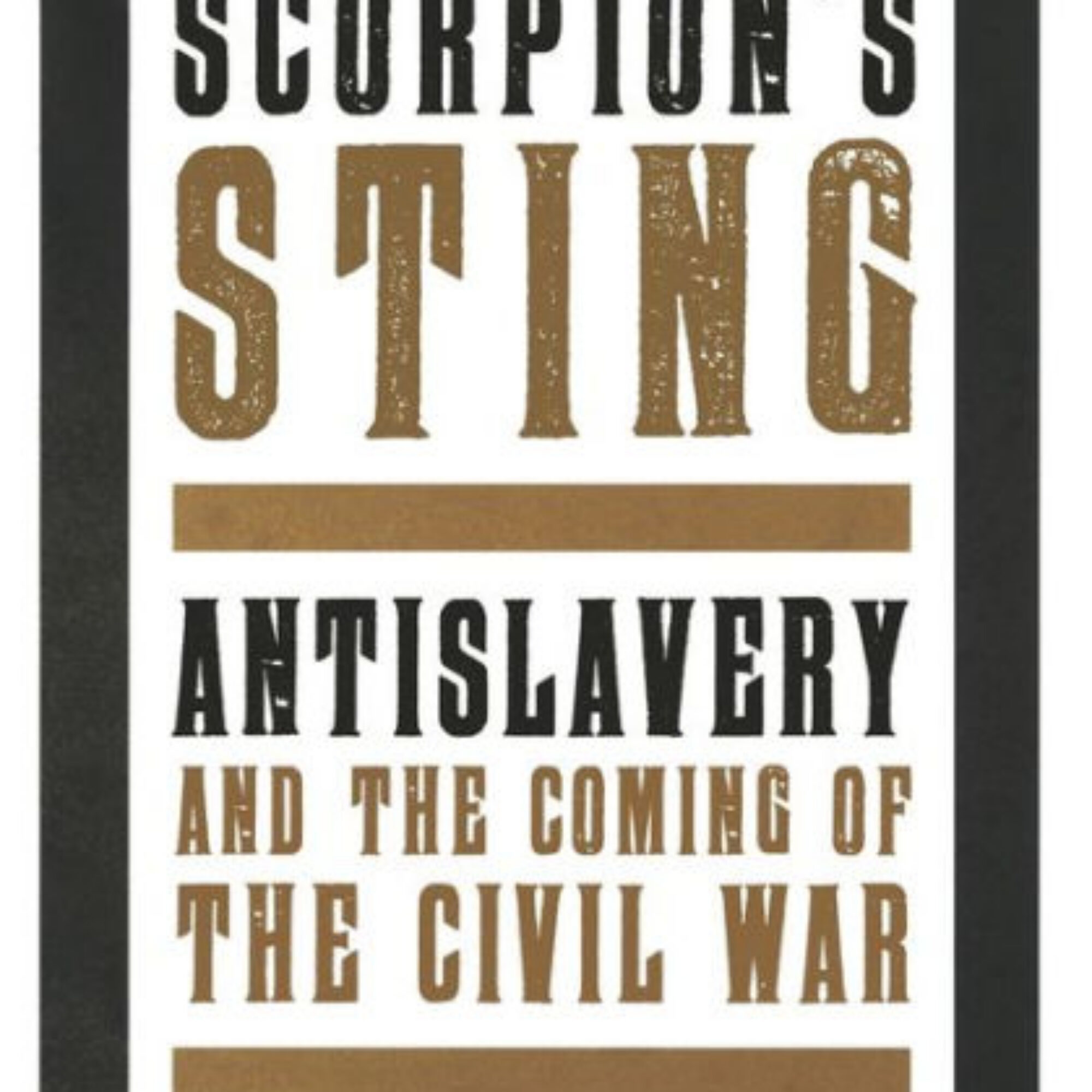
This week’s selected media: October 15, 2023: The Scorpion’s Sting by James Oakes

I read and wrote this week: The Scorpion's Sting by James Oakes: I visited Jim in his office to share my developing thoughts on a constitutional amendment on sustainability and he gave me a copy of this book, as I've loved the four or so I've already read. I suspect after my book comes out, I'll share how much southern slaveholders and their culture foreshadow people who pollute and deplete today, along with that part of our culture. We benefit from reading his works and learning the challenges of making slavery illegal. I didn't realize what a challenge the Emancipation Proclamation was. Despite being an executive order, the U.S. had precedent of three wars in which one side freed slaves of the other, then had…

0 Comments

Abraham Lincoln, trash-talking wrestler

My book talks about Abraham Lincoln a lot. I'm not sure how I'll use the following information about his wrestling career when younger, but everyone should know he said "“I’m the big buck of this lick. If any of you want to try it, come on and whet your horns!” on the way to passing the Thirteenth Amendment. From Inside Abraham Lincoln’s Surprising Career As A National Wrestling Champ and Abraham Lincoln Excelled in Wrestling—What Other Sports Did He Play?. Before fighting Armstrong, Lincoln had reportedly already wrestled around 300 people. The young 185-pounder eventually won Sangamon County’s wrestling championship. One bout saw Lincoln so embroiled that, after he defeated his opponent, he screamed at the crowd: “I’m the big buck of this lick. If…

0 Comments

I support population and technology, if they support human flourishing, which is why I use less than ever

I love people and I love technology. Nobody wants ten billion people enjoying all the technology they want as comfortably and conveniently as they want more than I do. If we do it, we must do it sustainably if we want to avoid collapse, and unfortunately, we are not on that path to do it. If such a future is possible, it’s tempting to keep living as we do and hope someone will make each unsustainable part sustainable. Many of us hope we’ll replace fossil fuels with solar and wind, plastic with something biodegradable, deforestation with vertical farms, and so on. Yet each of these substitutions instead leads to greater consumption—solar panels require more batteries; wind turbines require additional development; and on and on. What…

0 Comments

More on integrity and sustainability leadership versus management

Yet again I heard someone saying individual action won't solve our environmental problems so we shouldn't even look at it, and this was a major public speaker. He repeated the idiocy that, as he saw it, BP creating the personal carbon footprint was a coup for distracting us from them. I'd love to see all these people who oppose individual action in 1850, saying, "you can't end slavery so don't free any slaves." No, I'm not equating pollution and slavery. I'm pointing out that living by your values is always a good choice, even if you can't fix all the world's problems yourself. Polluting kills people. If you do something that kills people and you don't want to kill people, you have to stop doing…

0 Comments

End of content

No more pages to load