Category Archives: Choosing/Decision-Making
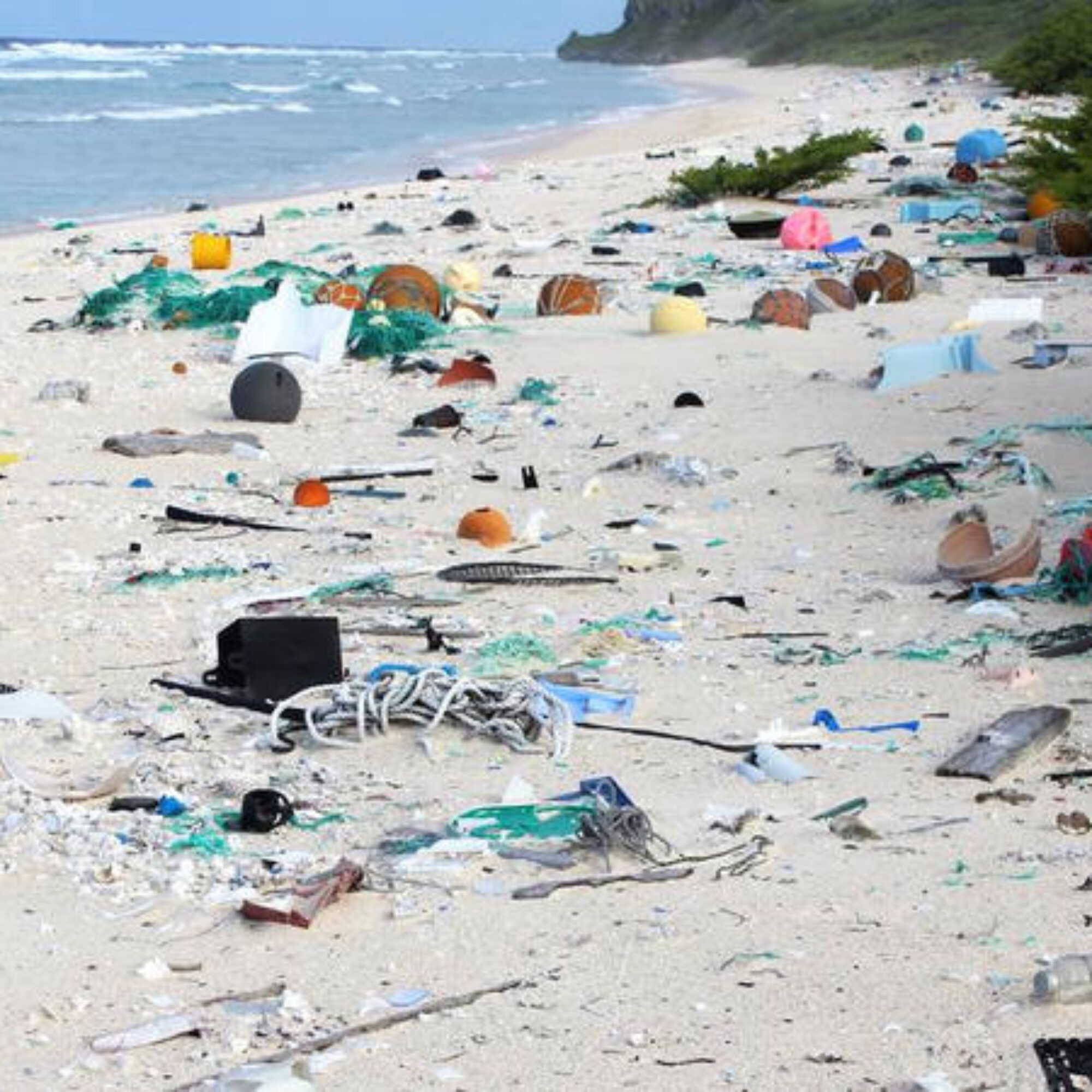
My mind does it too. When I have something to throw away in my hand, I look for a trash can. I think my mind thinks not specifically, “where is a trash can?”, but “where can I put this thing I don’t want?”. The distinction? From the amount of litter I see placed in corners, wedged between fence posts, in planters, on signal boxes, and in whatever place looks like[…] Keep reading →
I just finished my second set today of twice-daily burpee-based calisthenics. Normally, I do my second set in the evening, but since I started the habit on December 22, 2011 and today is December 21, 2021, today completes my first decade. I already finished my first decade of publishing blog posts, nearing 5,000. Here are all of them. 20 percent of the time has been on a single load of[…] Keep reading →
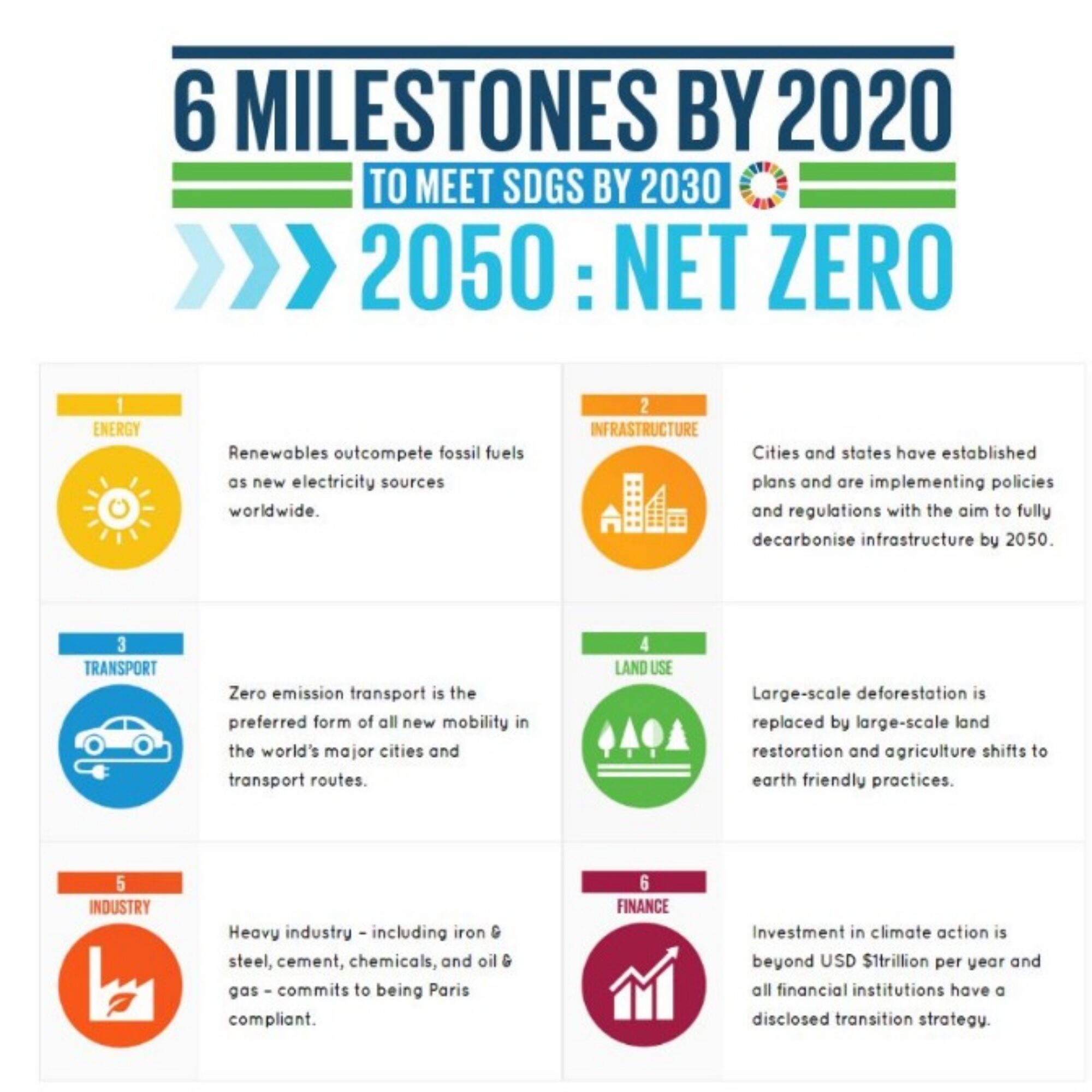
How do we lower pollution? Building solar, wind, nuclear, or even fusion doesn’t necessarily lower pollution. Humans faced with new energy sources tend to use the old ones and the new ones. We aren’t slowing burning fossil fuels anywhere near the pace what we could. I don’t pretend the following solution works politically, but I present it as a start, since it reveals what would work and might generate ideas.[…] Keep reading →
Michael Jackson’s song, Man in the Mirror, got stuck in my head: I’m starting with the man in the mirrorI’m asking him to change his waysAnd no message could have been any clearerIf you wanna make the world a better placeTake a look at yourself and then make a change It’s clear: If you want to make the world a better place, take a look at yourself and then make[…] Keep reading →
Following up my podcast episode 516: Geoengineering: Prologue or Epilogue for Humanity?, I rewatched the documentary The Fog of War: Eleven Lessons from the Life of Robert S. McNamara. The movie is fascinating, relevant, and poignant to our geoengineering question, particularly Robert McNamara’s approach to major decisions he played major roles in. The big ones were firebombing Japanese cities in World War II, the Cuban Missile Crisis, and escalating the[…] Keep reading →
If you’re considering changing practices to live more sustainably, how can you tell among different practices suggested by different groups, often self-serving, which are more effective or even effective at all? Does recycling work for paper, metal, glass or plastic? Does changing your diet help? How about carbon offsets for flying? One measure matters more than almost any other, I contend: How much fossil fuel does the change keep underground?[…] Keep reading →
There’s litter everywhere. I pass maybe thousands of pieces daily. You may live in a place with a lower population density, but probably as much litter per person. I pick up a dozen or so pieces each day, leaving most of it. That means I pass most without picking it up. I’m not doing it for my health or to solve the problem. I do it because it feels right.[…] Keep reading →
People who don’t want to act on the environment will create and believe any rationalization to justify not acting. A common one is to say what they do doesn’t matter. Or that their results wouldn’t make a difference. I kept myself from acting for years for “reasons” like these. Nobody said to act once and stop. Any one individual action divided by the results of billions of others rounds to[…] Keep reading →
Many of you know about the famous Marshmallow Experiment. I wrote an extended series on it and willpower. I think it’s worth revisiting. I’m concluding different results on further reflection. Here’s a cute video on it: First, let’s review it. According to Wikipedia: The Stanford marshmallow experiment was a study on deferred gratification conducted in 1972 by psychologist Walter Mischel of Stanford University. A marshmallow was offered to each child.[…] Keep reading →