Leadership


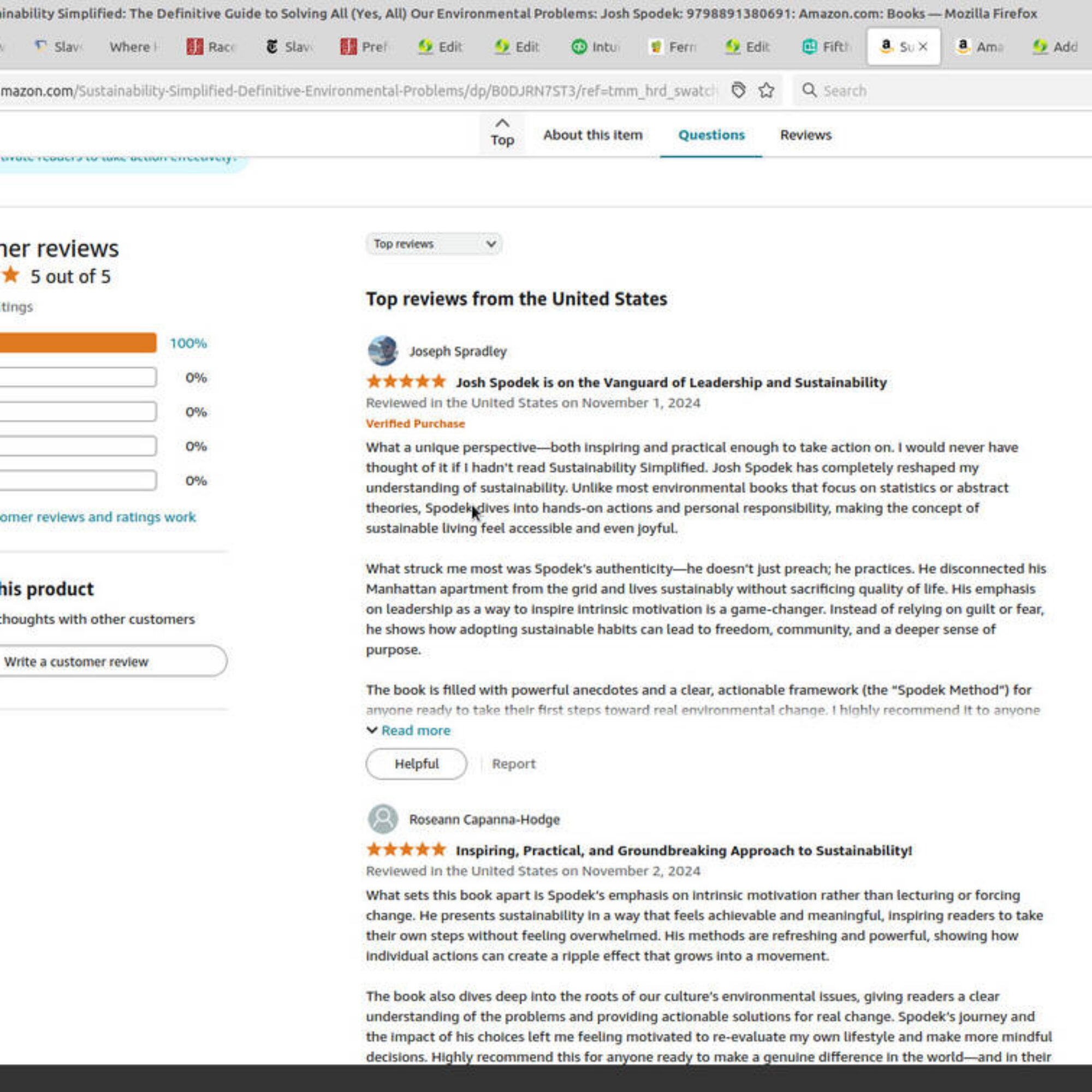
The reviews for Sustainability Simplified are coming in and look great.

The paperback has been up about a day, and the reviews are coming in. It's not Malcolm Gladwell level numbers yet, but a couple dozen reviews and all 5 stars so far. Making the book available feels great, as do the reviews so far. I wrote this book to help my mission, which is big, so putting the book up for sale is just the start. As much time and attention as the book took to write, it's the foundation. It's essential and I recommend it to anyone with working lungs, along with the workshop, but much more will follow. My mission is to help change American (and global) culture on sustainability and stewardship from expecting deprivation, sacrifice, burden, and chore to expecting rewarding emotions…

0 Comments

Sustainability Simplified became available in paperback this morning!

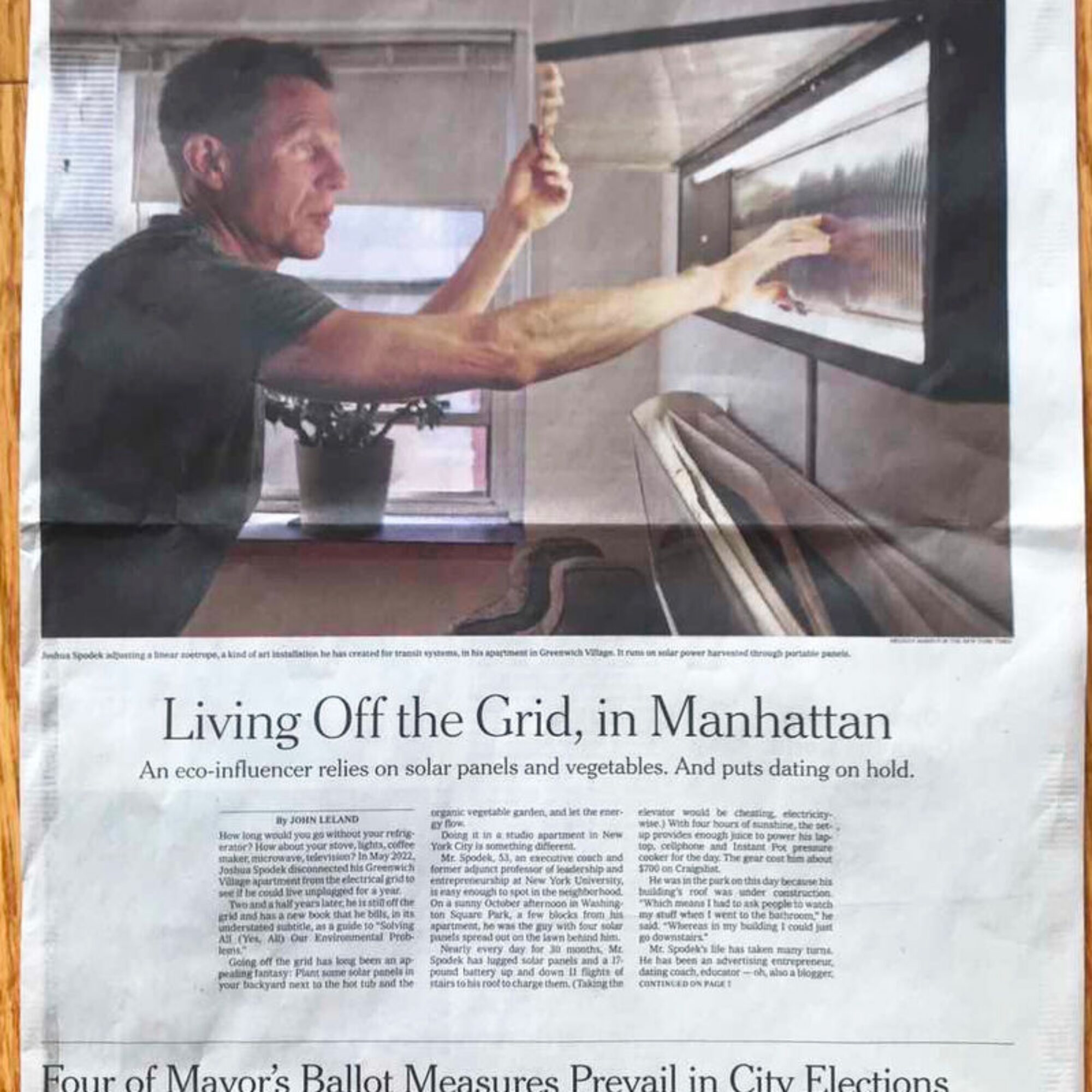
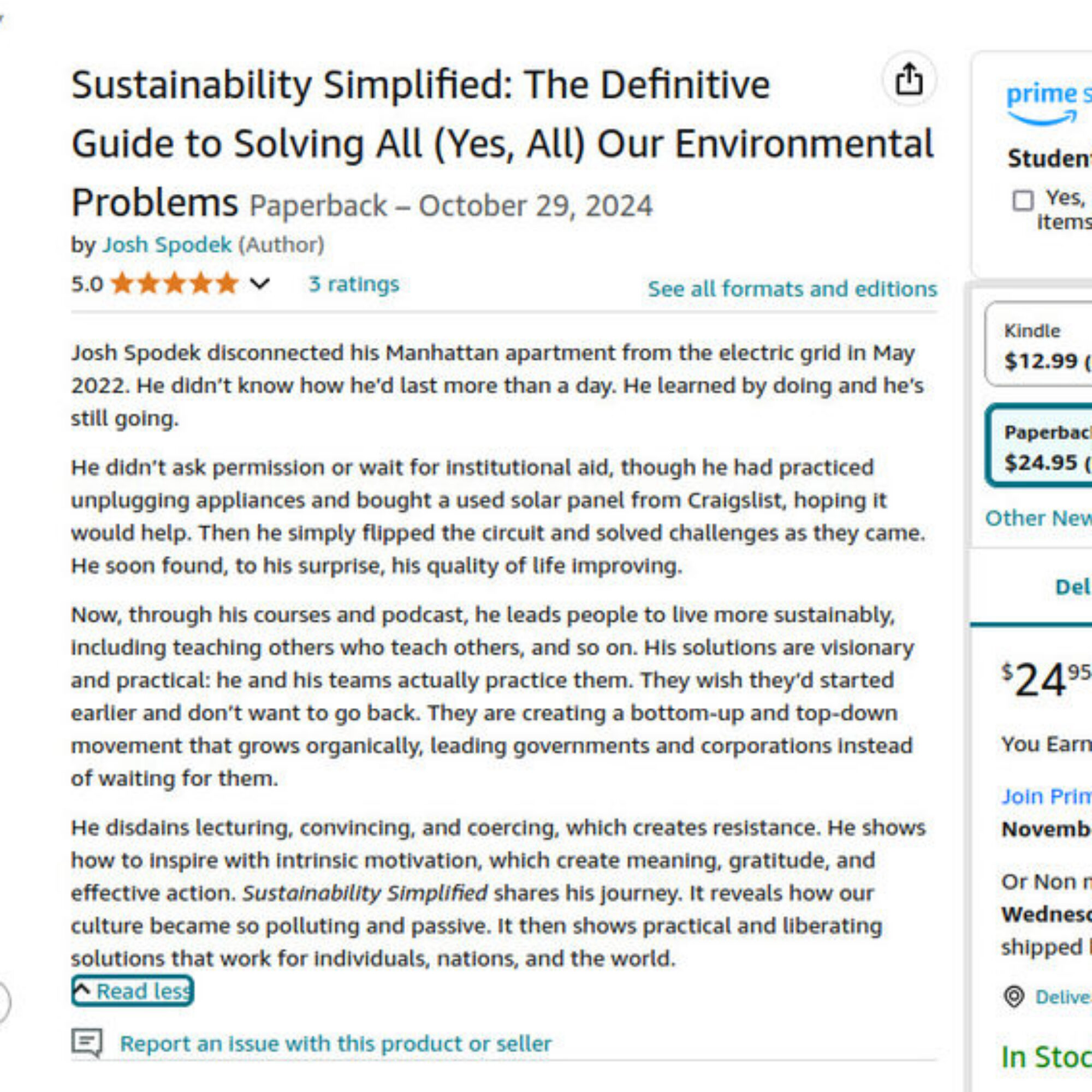
Word got out about ahead of time about my new book, Sustainability Simplified: The Definitive Guide to Understanding and Solving All (Yes, All) Our Environmental Problems. It would normally have come out in paperback later, but media attention has prompted us to make it available earlier. In particular, I've been interviewed lately for prominent media and expect people will want to read it sooner. My publisher moved mountains to make it available as soon as possible in advance of media attention, and it went up today on Amazon.com. I recommend buying the book. I believe it will be the most valuable thing you read on the most important subject for humanity. Don't take my word for it. Here are some of the book's endorsements: Endorsements…

0 Comments

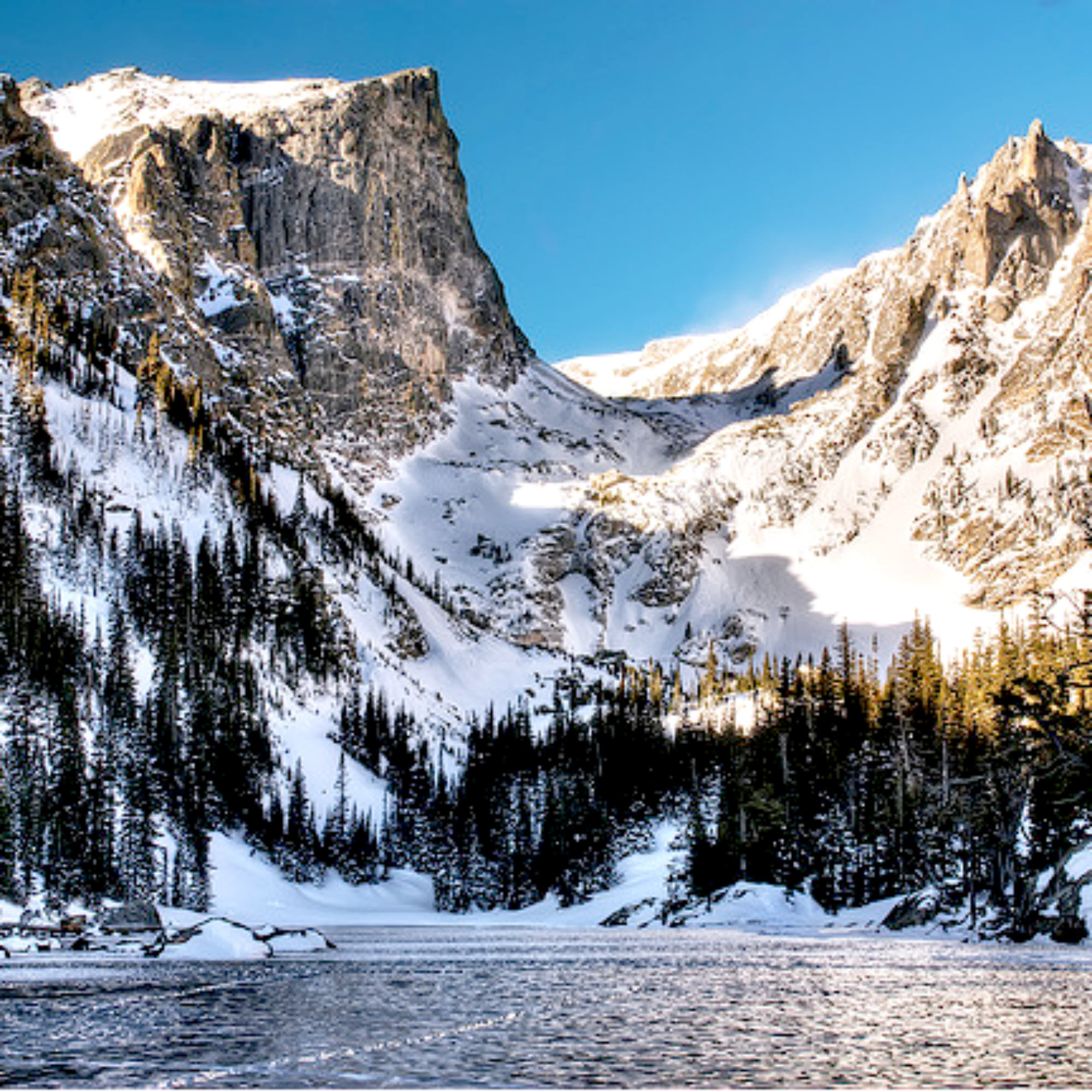
I have been to the mountaintop and I have seen the promised land.

I experiment on how more effectively to describe changing culture from mainstream American to more sustainably. I'm not talking about some abstract "environment." I'm talking about restoring living by doing unto others as I would have them do unto me and of loving my neighbor as myself, the opposite of polluting. I found a better way of describing the shift than just saying I've changed culture, I've passed a cusp, or I've overcome a threshold or reaction potential, like in a chemical reaction. I'm not saying the new way is original, but it communicates the change. Classics stand the test of time. I have been to the mountaintop and I have seen the promised land, and it is a land of freedom and abundance. That…

0 Comments

Serving in Uniform Podcasts and Pictures

I was at first nervous about sharing about my new major life volunteering community project, hence made the podcast announcing it, number 781, longer than most solo episodes I put the important information at the end. Still, if covers comprehensively my process in starting volunteering as an auxiliary police officer. Partly I wanted to make it hard to learn, so only genuinely interested would listen. Instead, everyone reacted positively. I've overcome some of my hesitancy to share about it. Below the podcasts are pictures of my, some classmates, and one of our instructors after graduation. Participating the the September 11, 2024 memorial service in one of the precincts closes to ground zero led to some deep thoughts on responsibility, civic duty, and more, so another…

0 Comments

Environmentalism, Coercion, and Authoritarianism

Interviewers often ask "If you were a benevolent dictator, what would you do to solve our environmental problems?" They all frame sustainability as something you have to convince people to do or use coercive, authoritarian tools like passing laws that don't yet have popular support. I identified a big fork in the path of people promoting sustainability. It comes if you've found, as I have, that the more you live sustainably, the more you improve your life, family, community, nation, etc, versus if you believe acting more sustainably means burden and worsening your life, family, community, nation, etc. If you think living more sustainably makes people's lives worse, you have to become a better dictator. If you think living more sustainably improves people's lives, you…

0 Comments

“We’re Running Out of Time—Can Sustainability Save Us? with Joshua Spodek” Hear me on the Compassiviste Dialogues

Ali Horriyat and I have become friends since we started recording together. He hosts the Compassiviste Dialogues podcast. Friendship doesn't mean always agreeing. On the contrary, I consider one of the roles of friendship---true friendship---is to disagree when appropriate and to confront a friend when you think they're wrong, deserve criticism, or the like. People who aren't friends may hold back from confrontation. That holding back may be polite, but it may hold the person back from the opportunity to grow. We allude in the recorded conversation to our previous conversation where we---to put it politely---disagreed with each other and let each other have a piece of our mind. I think that friendly confrontation led to this conversation being more meaningful. Ali brought out of…

0 Comments

Dietrich Bonhoeffer, Sustainability, Difficult Choices, and Right Choices

I've written about Dietrich Bonhoeffer and you can learn more about him from my podcast conversation with Martin Doblmeier, who directed a documentary about him, which I learned a lot from. I included Bonhoeffer in my upcoming book as a historic role model. He could have passed through WWII unscathed. Instead he chose to engage. In particular, he participated in an attempt to assassinate Hitler. On the face of it, of course. Hitler was destroying the world. But Bonhoeffer followed Christ, especially the Sermon on the Mount. How could he justify killing someone, no matter how bad or evil he considered that person? People often ask hypothetical questions today of what you might do if some quandary involved Hitler. These questions for us are just…

0 Comments

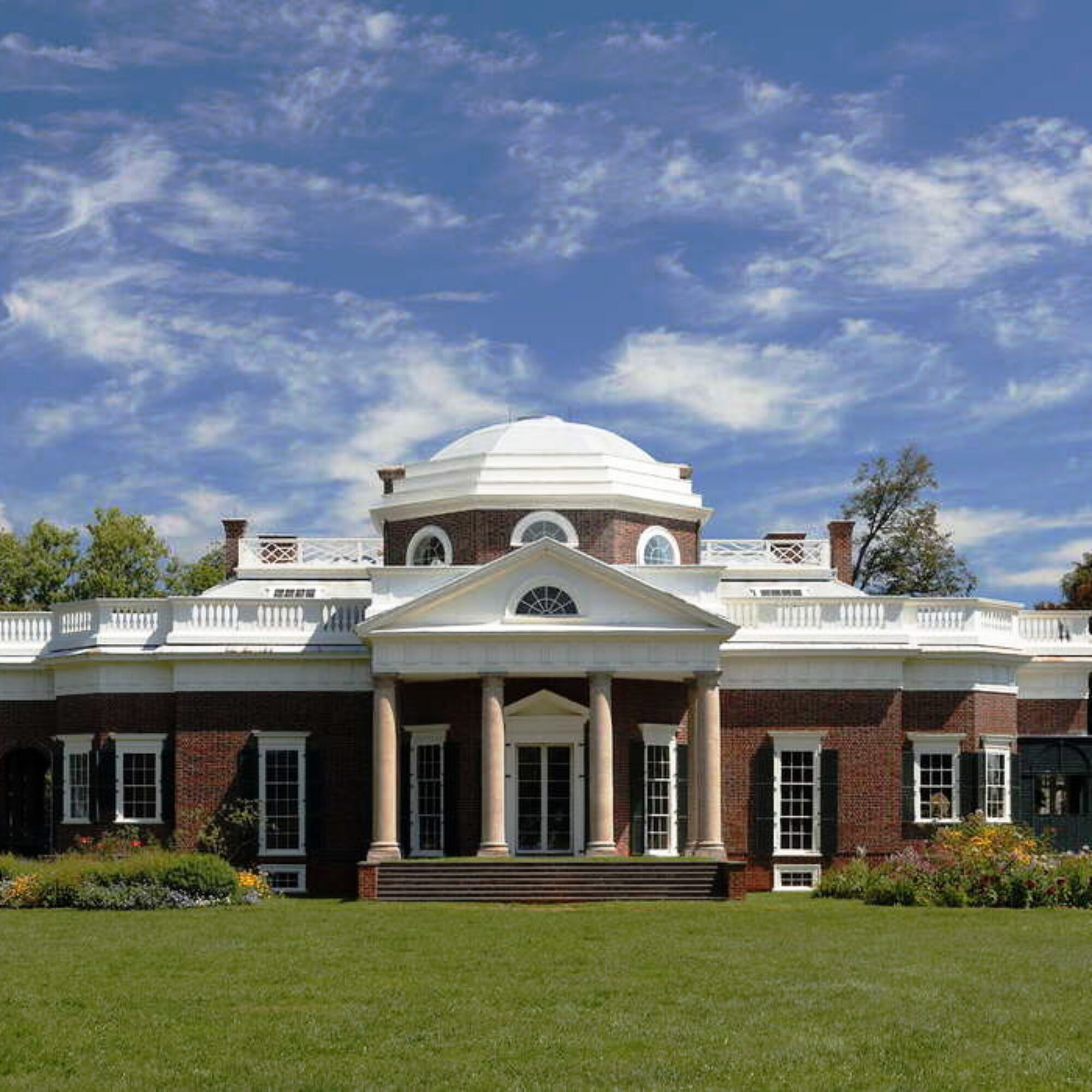
Climate Week 2024 Was Monticello 1776

I recovered from a week of events known as Climate Week 2024. It felt like 1776 Monticello, Thomas Jefferson's plantation home. Before reading why, I should tell you that I shared the views below with several attendees of several events and they all agreed. Thomas Jefferson's Monticello Climate Week brought bold pronouncements from CEOs, government representatives of cities, states, and nations, and cultural leaders. They said we could solve our environmental problems if other people implemented changes they themselves weren't. Nearly all I spoke to flew to New York, then arrived at the events by Navigator. Jefferson wrote some of history's most powerful words on freedom. Washington backed up those words with force and Madison and peers with a Constitution. They said what others should…

0 Comments

Mark 12:31: “The second command is equally important: ‘Love your neighbor as yourself.’ No other commandment is greater than these.”

Would you drive a car that sent its exhaust into where you sit? Would you fly in a plane that sent its exhaust into the cabin? Would you dispose of all your garbage by digging a hole in your yard and keeping it there forever? If you send the exhaust and garbage into the rest of the world, it doesn't go away. You've made your problem your neighbors' problem. If you were in a situation, like camping or hiking, where you only had enough water to last you the trip, would you squander and waste it? Polluting and depleting favor yourself over your neighbors. Since I define leadership as helping people do what they already wanted to but haven't figured out how, in my sustainability…

0 Comments

Advanced discoveries in sustainability

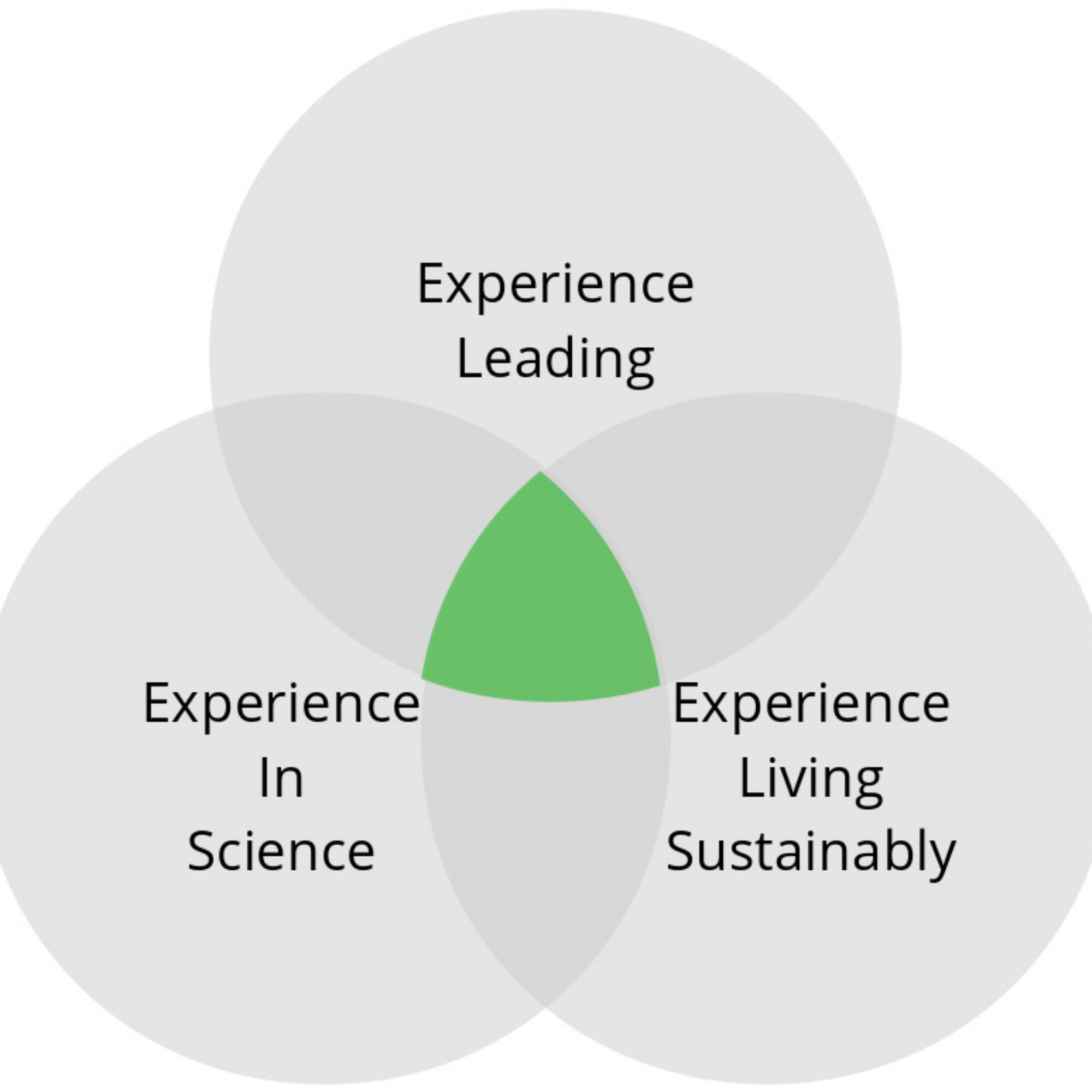
I recently hit on the following observations. I shared them with a few people with experience in the overlap of experience in leading, science, and living more sustainably. They understood the concepts after some explanation, but suggested they wouldn't be accessible to many people outside that zone. I'm not sure how many people they'll make sense to, but I consider them big discoveries. Some day I'll write essays on each. I hope they make sense and explain why our culture is having the effect on the world and our qualities of life that it is. I mean, I think these points explain a lot. Efficiency displaces Love Growth displaces Nature Pollution displaces Life Depletion displaces Hope Money displaces Trust Finance displaces Community Competing displaces Nurturing…

0 Comments

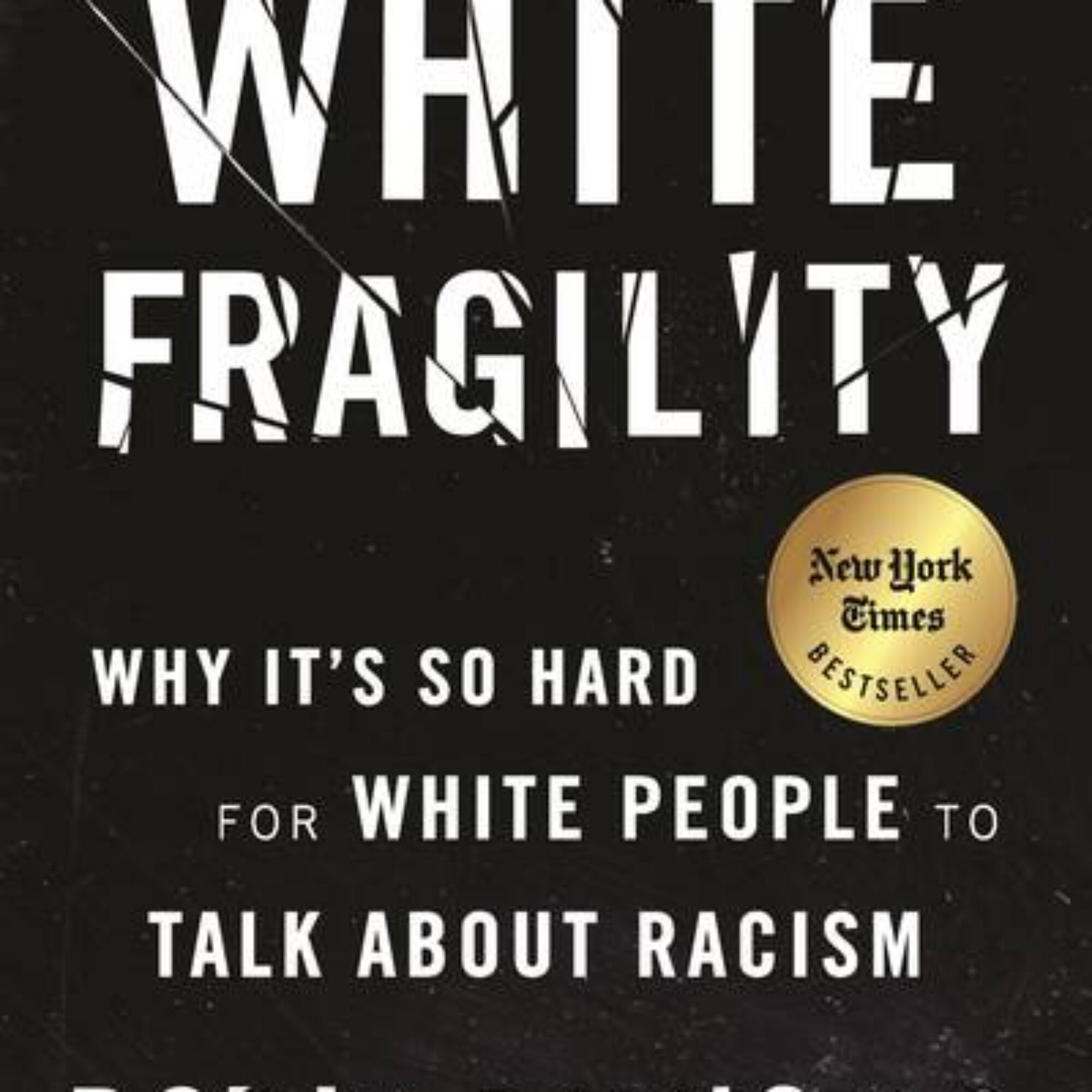
Robin DiAngelo: Not Even Wrong

Few things have made me so grateful to live in a time when the phrase "not even wrong" exists. I've read parts of White Fragility and skimmed more. I didn't realize how impactful she had become. I'm commenting today on this video of her I just watched: https://www.youtube.com/watch?v=45ey4jgoxeU "One plus one equals three" is, in mathematics, wrong. It might be nice in poetry and you can find ways to make it true in some artistic or other senses, but you don't want someone building a bridge believing it right. On the other hand "one plus one equals frog" isn't even wrong. You can create all sorts of ways to interpret it to give it truth in some sense, but not really a mathematical proof. It's…

0 Comments

It’s not climate anxiety. *People* are causing that anxiety, destroying life, liberty, and property with impunity.

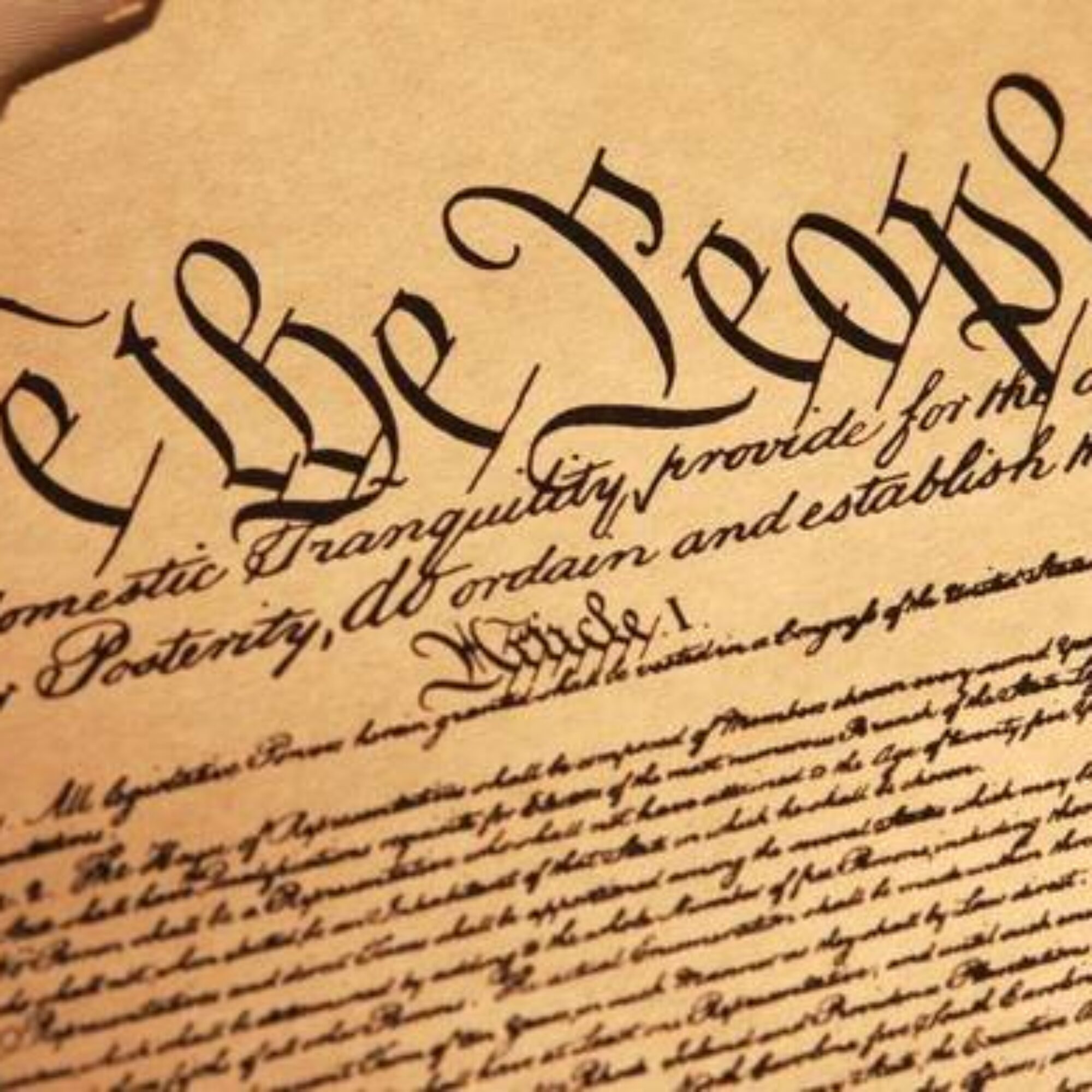
It's natural to think of our environmental problems as issues of science, technology, or markets. We learned of them from scientists. Technologists and business people said they could solve them, but they're social. The environment isn't changing on its own. We're changing it. Pollution destroys life, liberty, and property, mentioned throughout the US Constitution. We feel anxiety not from an effectively abstract "climate," but because people can unilaterally destroy our life, liberty, and property with impunity. Isn't there an entity that is supposed to protect life, liberty, and property? According to even ardent supporters of limited government, it's government. As Milton Friedman put it, “I'm not in favor of no government. You do need a government . . . There's no other institution in my…

0 Comments

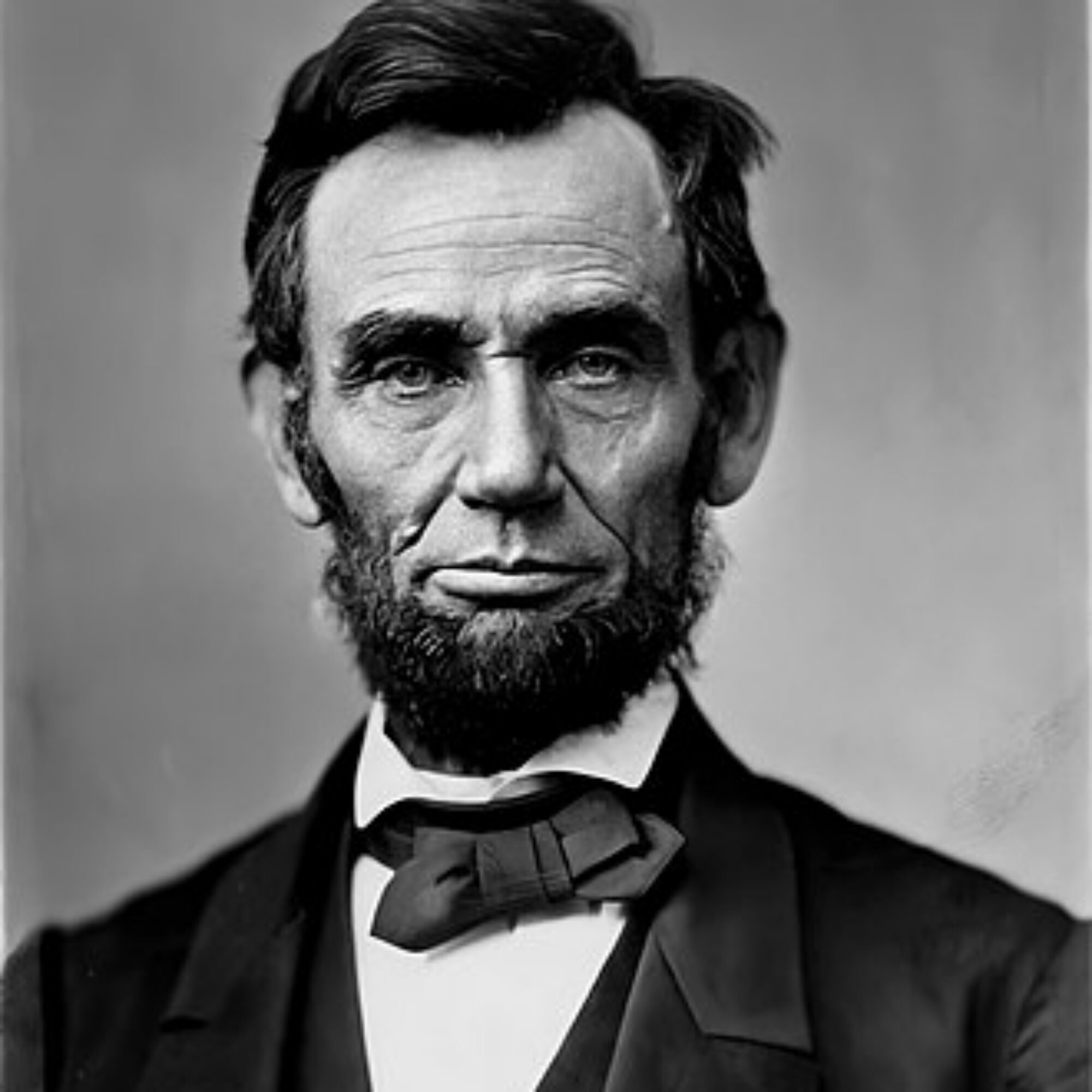
We study Lincoln to see who we could be, but should also study Calhoun to see who we are

I've been reading podcast guest Manisha Sinha's book The Counterrevolution of Slavery, which recounts how slaveholders spoke and acted to justify and advance their institution of slavery. I know to expect it from having seen it before in podcast guest James Oakes's The Ruling Race and Jenkins' Proslavery Thought in the Old South, but I'm still shocked at how relevant their thinking is today. They treat a different institution, but the thought processes leading to their conclusions comes from the same place: resolving internal conflict, knowing they are doing something against their values that is clear to anyone outside that system. We study Abraham Lincoln and abolitionists so we can learn what we could do and how we could think and act in difficult situations.…

0 Comments

Michael Lombardi on Bill Walsh on Tom Peters on living In Search of Excellence; on mastery and freedom

A vignette from Michael Lombardi, podcast guest and football great General Manager about his mentor Bill Walsh, appears in his book Gridiron Genius, sticks with me. In particular, the part at the end of this passage about the picture frame. To me, one way mastery differs from just doing enough is that when we master an art or craft, we love the details. Before mastery, they may seem drudge work. A novice painter may not focus on each stroke of the brush. A master sees that the art is in those details. Here's the passage in Lombardi's book: In short, Walsh took over a team with no high draft picks, no quarterback, and no hope. Three years later, that team won the Super Bowl. It…

0 Comments

Examples of sustainability tactics based on extrinsic motivation that fail sustainability and drive unsustainability

Strategies and tactics based in convincing, cajoling, coercing, and seeking compliance that may sound nice, but step on the gas, thinking it's the brake, wanting congratulations. That is, they exacerbate the problem. Compare this list with tomorrow's list of emotions that emerge from the Spodek Method about nature that, when acted on, lead to people doing more than they said they would, expressing gratitude, and being happy to share. Meatless Mondays “10 little things you can do for the environment” “Think of the children” Carbon taxes Calling things “clean,” “green,” or “renewable” that aren't Government subsidies for “clean,” “green,” or “renewable” energies Waiting to lower fossil fuel until after Increasing “clean,” “green,” or “renewable” energies Suggesting buying more “clean,” “green,” or “renewable” things instead of…

2 Comments

A neighbor’s thank-you letter from Donald Trump (sadly disrespecting the office of the presidency)

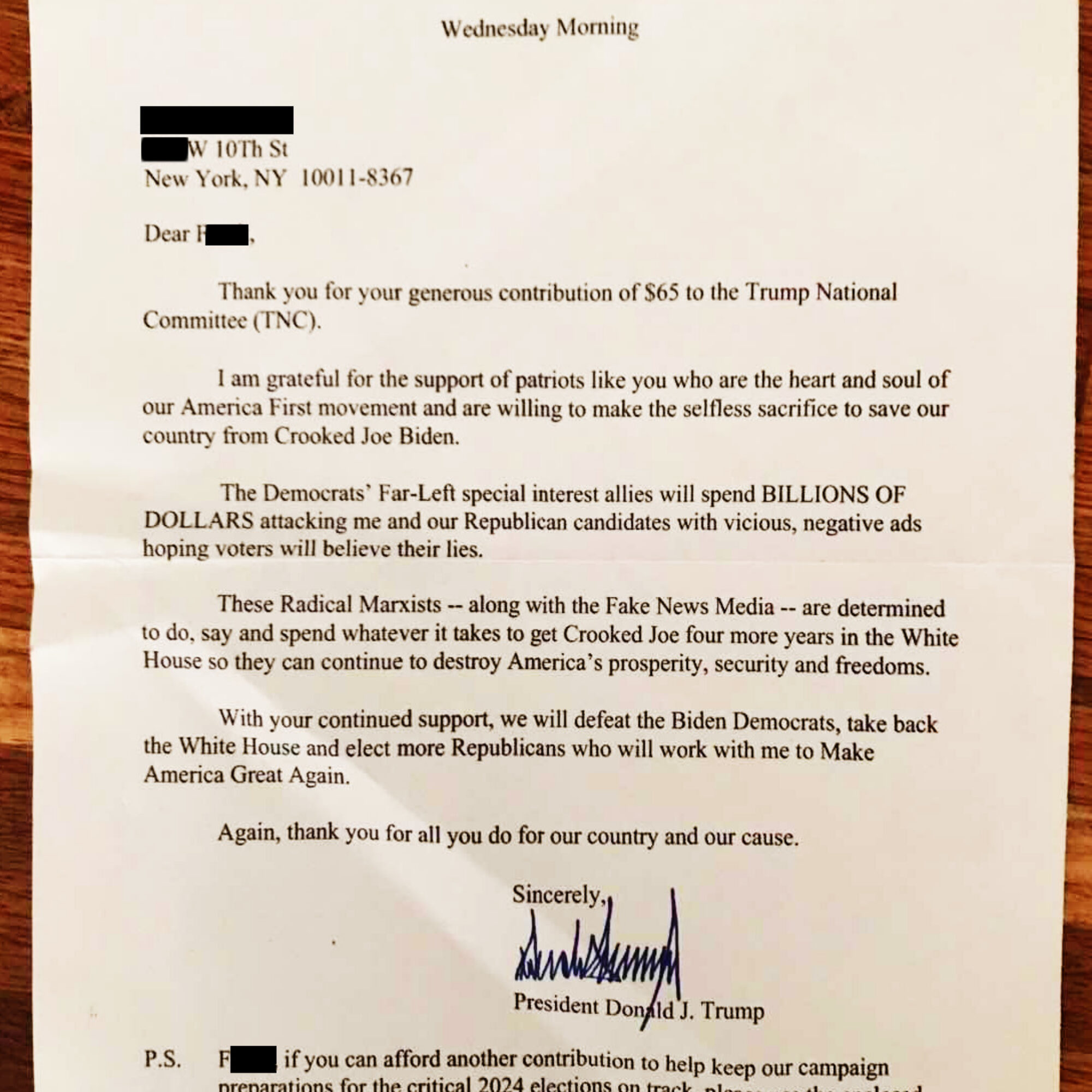
Regular readers know I pick up litter every day. The other day I found this garbage wedged in the scaffolding of a building under construction. (Come to think of it, a topic I should write more about is this bizarre practice of litter being wedged and stuffed into places and why people do it. I'm not sure, but I have some ideas. In any case, all this littering is socializing costs, spreading disease, ruining communities, raising taxes, and that's the tip of the iceberg.) It's a letter from Donald Trump thanking someone who lives within a block of me for donating to his campaign. I had to comment on a few observations. First, I shouldn't have to note it, but I know Donald Trump didn't…

0 Comments

Misunderstanding Hate and Humanity

I wrote last year about how We can’t turn off our emotional systems and we all share the same emotions, regarding NYU's likely well-intentioned but misguided posters decrying saying "hate has no place at NYU." I wrote then: To say “Hate has no place at NYU” seems like saying “Thumbs have no place at NYU” or “Spleens have no place at NYU.” We all have the wiring to hate. To say it has no place at NYU means no human has a place at NYU. To clarify: I understand they don’t mean it literally. I’m not trying to single out NYU. I hear these phrases everywhere. Overall, I’m confident I agree with their intended message, though I can’t be sure, since whatever they mean to…

2 Comments

If you build or buy a home in Phoenix, AZ, your claims that you “need air conditioning” lose credibility, as do your claims to others’ resources.

The title says it all, but for clarity, I'll generalize: if you choose to do something that requires polluting, depleting, or plundering, you don't get to claim your life requires living unsustainably. You don't get to then make claims on others' resources. A life requiring hurting others is not liberty. Its' the opposite: it's destroying other people's liberty. Why don't I spend all my money and then claim you have to support me? If you do something today that you know tomorrow will force you to hurt others, that consequence isn't a part of life. It's the result of your choice. On a global scale, our sleepwalking into living unsustainably doesn't mean we have to keep living unsustainably or that life requires polluting, depleting, or…

4 Comments

Are environmentalists nearly all science deniers?

Environmentalists call people who disagree with them "science deniers" and "climate deniers." They get annoyed when people presented with the science don't change their behavior when science shows it's creating undesired outcomes. Meanwhile, I see environmentalists use ineffective techniques to try to change others' behavior. When their techniques don't work, they don't change their behavior to ways that work. The science is clear that their techniques don't work, yet they stick with them. Influence and leadership aren't the hard sciences of physics and chemistry, but there are repeatable results and we know some things that work and others that don't. Lecturing doesn't work, nor do many techniques they use. They want others to observe science and change their behavior but they don't themselves. In my…

0 Comments

A Visual Representation of the Spodek Method in Venn Diagrams

I can't think of a message I received from environmentalists that suggested I would enjoy the experience of trying to live more sustainably. Every message from every source, including the most ardent environmentalists, told me living more sustainably meant giving something up. We had to worsen our lives to possibly help someone far away or in the future. A definite loss here and now for a possible gain sometime somewhere for someone else is a bad trade. In Venn diagrams, I was taught that activities people enjoyed and improved their lives did not overlap with activities that improved the environment: My experience avoiding packaged food for a week a decade ago surprised me. I expected a worse week since I had learned to expect that…

0 Comments

How I don’t need willpower by learning to feel disgust for what once tempted me. You can too.

Maybe you've heard me share how from when I had my own kitchen, I always had ice cream in my freezer and pretzels and Doritos in my cupboard. I struggled to pace my consuming them, but nearly always ate more than I meant to, but kept buying more. Now I say there isn't enough money in the world for me to eat that stuff. I also talk about my relationship with doof as an addiction. Many people who kick addictions describe themselves as "in recovery" for the rest of their lives. What changed? Why is it beyond easy for me not to consume Ben and Jerry's, bordering on inconceivable? The transformation began with hydrogenated oil, now also known as trans fat. The roots of my…

0 Comments

What I think of when I think of Taylor Swift and her jet

Is someone criticizing Taylor Swift's flying lately? People talk to me about it all the time. In the past few days, a few people told me she was in the news for flying a few miles on her jet. Today, I turned the corner from Sixth Avenue onto Waverly and saw the scene below. I didn't want to include identifying pictures so didn't take it from their front, but what you see is an encampment of five or six people on the street. If you saw their faces, you'd see they're zoned out on whatever they're addicted to. They seem a tight community, but unhealthy, surrounded by waste, wrecking the environment for everyone around them. This image is what I associate with private jets (also…

0 Comments

Are liberals trying to prove conservatives right?

Last week I posted about Why many litterers are entitled and one way the most entitled justify littering. People, including poor and homeless people, justify littering and try to stop me from cleaning up litter. They say other people are paid to do it, so it's okay and right to leave plastic cups and food containers on the ground, then walk way. The result: on pleasant days, my neighborhood looks like this: This pattern fuels arguments to limit government, a generally conservative view. My neighborhood votes heavily democratic. Here Is the 2020 presidential vote: Give people something free and they'll take it for granted and feel entitled I'm not trying to criticize. I want to motivate people to change culture. The predominant culture where I…

0 Comments

Magnitude of suffering and death then and now

I wrote recently in When changing fast is easier than slow about the growth in number of slaves in the United States based on a peer-reviewed paper From ‘20 and odd’ to 10 million: The growth of the slave population in the United States, by J. David Hacker in the journal Slavery & Abolition. That paper also reported the cumulative number of slaves in the United States. Before looking at the graph, consider that The Lancet, one of the most respected medical journals, reports that nine million people have died per year from breathing polluted air since 2015. That's nine millions per year every year since 2015 at least. National Geographic reports. Air pollution kills millions every year, like a 'pandemic in slow motion': Globally,…

0 Comments

Followed up: watched recommended historical videos from the Leadership Institute’s course “Conservatism 101”

I've written about taking several courses at the Leadership Institute. Conservatism 101 recommended a lot of historical videos to augment their lectures. Though I finished the course a while ago, I took a while to finish the videos. If interested, here they are. I didn't grow up learning these views. Adults around me during my childhood seemed to view, say, Phyllis Schlafly, as weird and devious: why would a woman oppose an equal rights amendment. I didn't remember knowing anyone who admired her, Ronald Reagan, or Jesse Helms. Since reading The Righteous Mind by podcast guest Jonathan Haidt, when I find people I disagree with, I'm more interested in learning from them than proving them wrong, as I spent most of my life. I found…

0 Comments

End of content

No more pages to load