Leadership


Hear me on the Inspire Someone Today podcast

I recommend this podcast if you like my work and learning more of where my passion comes from. Srikanth, the host, prompted me to share my origin story and describe the Spodek Method. I haven't appeared on another podcast for a while, so I share things I've been developing how to communicate but haven't. Available on all podcast platforms: Amazon Music - https://tinyurl.com/2z9renes Spotify - https://tinyurl.com/yyuvc8o6 Apple Podcasts - https://tinyurl.com/y26mqkkg YouTube - https://lnkd.in/gv3fD2C Audible - https://tinyurl.com/y4wbywpf https://youtu.be/0COPrMng-Ck From the show notes: Joshua Spodek is a sustainability advocate whose transition from physics to eco-consciousness has been nothing short of inspirational. Together, we recount the small steps and giant leaps we've taken to live in harmony with our planet, from savoring the pure taste of nature's bounty…

0 Comments

The ongoing challenges of sustainability in a culture that talks sustainability but opposes it in practice.

For those readers who haven't signed up to my mailing list, every Monday I send a newsletter of the past week's posts. For the newsletter's introduction, I write what amounts to another post, usually a summary, reflection, or noting the highlights. I felt last week's introduction merited being a post of its own. Here it is: I almost forgot to post that I started my third year off the grid last week: Year 2, day 365 of my apartment disconnected from the electric grid. I hit challenge after challenge. It's never easy. Still, the most common responses tend to include questions that experience has shown leads to conclude "Oh, that's why it's easy for you but not for me." It's hard to live with internal…

0 Comments

When changing fast is easier than slow

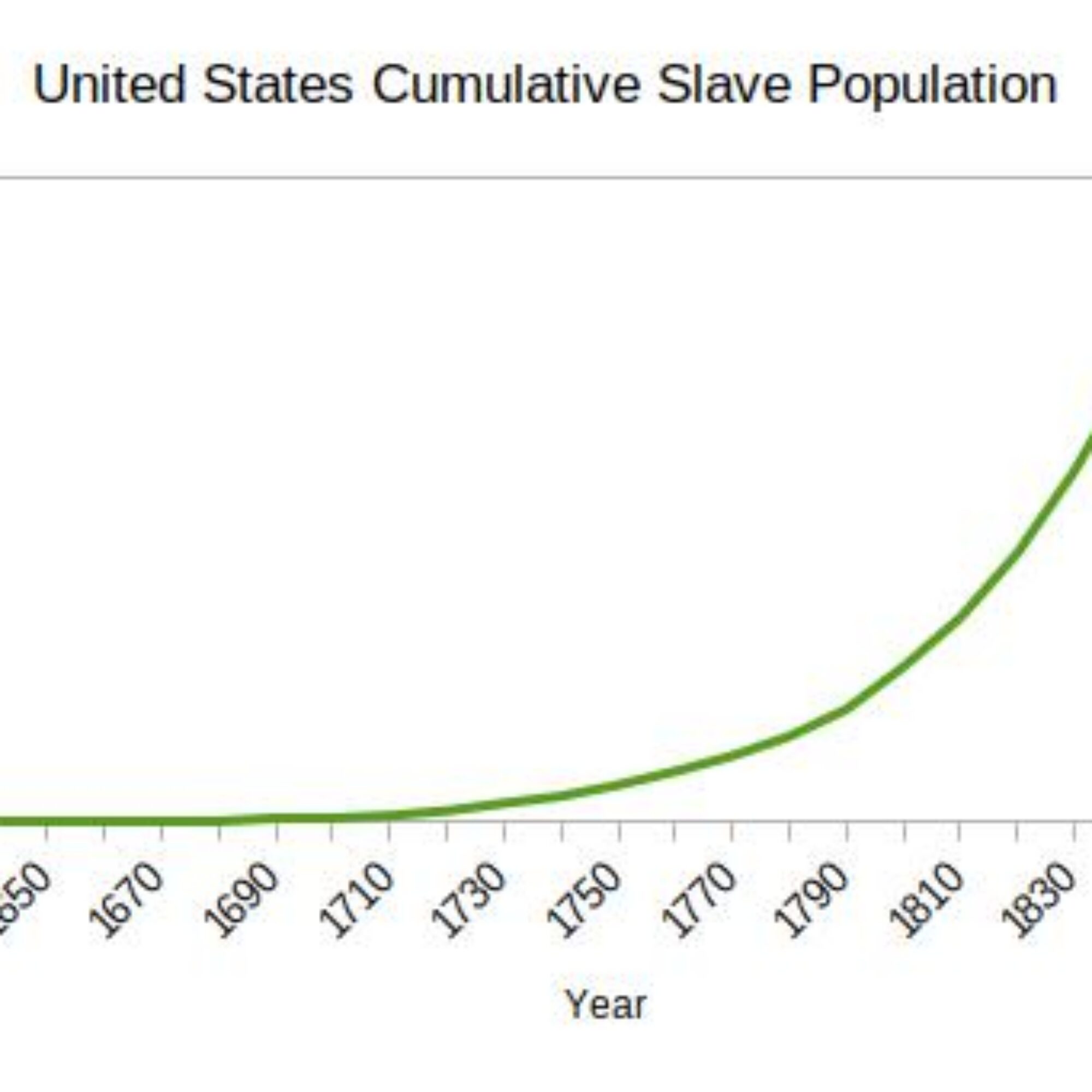
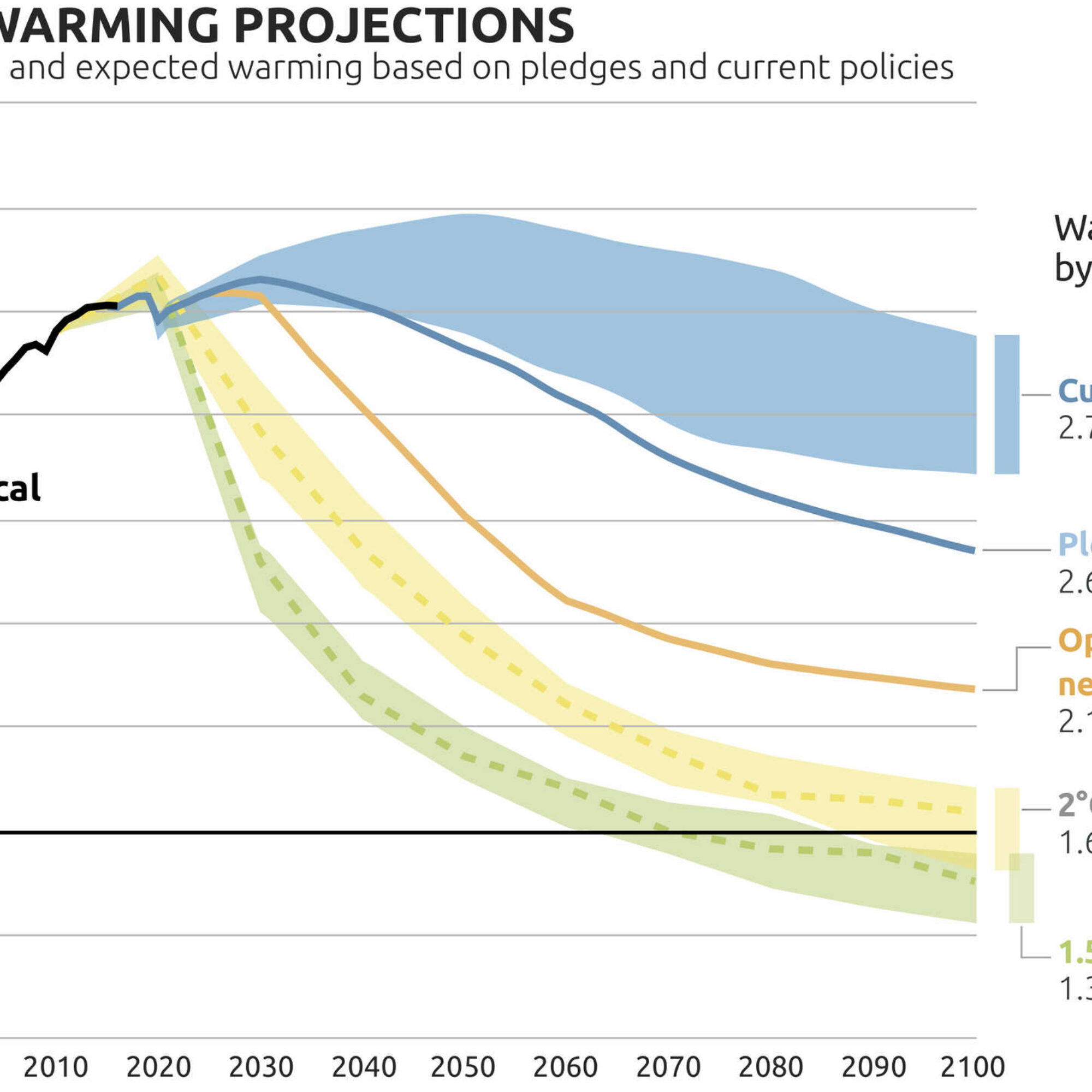
Here are some projections for global warming based on various assumptions. Note the slow changes, which presumes people not changing our behaviors. The great historical example of changing global culture is abolitionism. It took off first in places without slavery in the territory, like Europe. One of the most challenging places to end the institution was the United States, which profited from it so much, though Europe was happy to buy the cotton. When the Thirteenth Amendment, which made slavery illegal except after convictions, was first being considered, people considered allowing slaveholders until 1900 to free all slaves. It's tempting to think for such a big change, allowing time for a transition makes sense, but not from the slave's perspective. Would you say to them,…

0 Comments

The challenges of trying to act sustainably in a culture that doesn’t value sustainability never end

I've written about how the construction my building is doing means no roof access for likely over six months: More solar challenges. Not giving up. Not giving up, day 2 without roof access. Others can give up; not yet me. More fun overcoming solar challenges, this time in Washington Square Park First media coverage of me charging in Washington Square Park (that I know of) I've been trying to find other rooftops I can use so I don't have to carry the equipment so far, risking bumps or drops. I can't leave the panels unwatched to go to the bathroom or work elsewhere when it gets hot. So far I've asked the following, politely, offering to share favorable publicity. The restaurant across the street, which…

0 Comments
Why fossil fuel companies love that we chase efficiency, “renewables,” and “clean,” “green,” energy sources (and what to do instead)
Oil refinery

Why fossil fuel companies love that we chase efficiency, “renewables,” and “clean,” “green,” energy sources (and what to do instead)

The biggest pushes I see among environmentalists and everyone trying to solve environmental problems are to promote Efficiency "Renewables" "Clean" and "green" energy sources Their hope in these efforts is to lower fossil fuel uses. I support their intent, though not their unintended consequences. Does anyone else see the problems? None of these tactics stop using or extracting fossil fuels. Making anything that uses fossil fuels more efficient doesn't stop using them. It may use them less per use, but doesn't stop them. As long as any part of the economy requires fossil fuels, we'll keep buying them. Moreover, as long as anyone can find new uses for them, we'll use more of them. You know what requires fossil fuels? Creating solar panels, batteries, windmills,…

0 Comments

Year 2, day 365 of my apartment disconnected from the electric grid

On May 24, 2022, I opened the main circuit to the electric grid, disconnecting my apartment from it. Two days before I had unplugged my appliances but noticed the outlets next to sinks have LEDs to show they're safe. Despite what part-time vegetarians say, I don't believe that not zero is zero, so to consume zero power, including those LEDs, I disconnected the whole apartment. My goal was not using grid power for thirty days. I had disconnected the apartment for twenty-four hours once before with no adverse consequences, but I didn't know how I'd make it past thirty hours. Now, today is day 365 of year 2. Tomorrow begins year 3. For the first year or so, I plugged my computer and phone in…

0 Comments

He who lives by pollution dies by pollution.

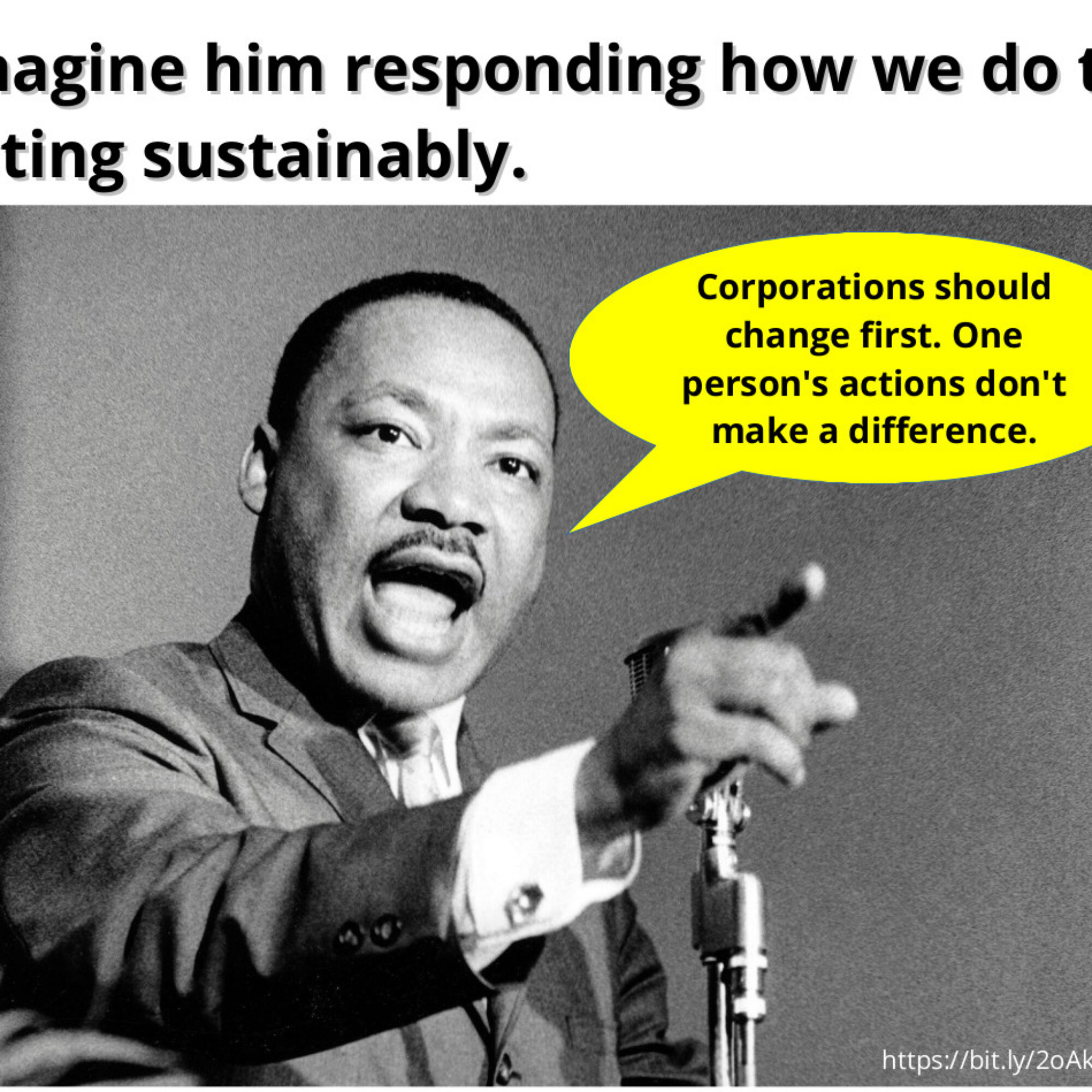
I was reading an account of Martin Luther King during the Montgomery Bus Boycott and noticed how a few things he said, often quoting or paraphrasing Jesus, applied to today. The big one was "He who lives by the sword dies by the sword," which doesn't seem a stretch to say those who live by pollution die by pollution. Despite everyone saying their flying does so much good it's worth the harms, more polluting doesn't reduce polluting. That rationalization applies to all flying by everyone, since no one flies to make the world worse. "Love thy neighbor as thyself" applies too, maybe adding, "even if the neighbor lives far away or in Cancer Alley or a Sacrifice Zone." "Love thine enemy" would serve us well…

0 Comments

Another reason we’re failing at sustainability: relying on the wrong people

When I started graduate school in physics at the University of Pennsylvania, one of the faculty members in the department confused the students. He didn't confuse us with complex science. He was a world leader in his subject, but the subject was tennis---the physics of tennis. I studied there in 1993-94. When the professor, Howard Brody, died, the New York Times published his obituary, Howard Brody, an Expert in the Physics of Tennis, Dies at 83, rare for physicists. He created the field and knew more about it than anyone. The last sentences of the obituary revealed why humanity is failing at sustainability, if you know what to look for. It ends: Over the years, Professor Brody was asked whether his tennis research had improved…

0 Comments

Saying you care versus acting.

Over and over I meet people who say they care about the environment and people affected by human impact on the environment . . . yet they refuse to acknowledge their impact. Still they complain how somehow others don't care, even as their own impact is as great. What does it mean to care if your actions achieve the opposite of caring. What does you saying you care matter to the people and wildlife you harm while polluting and depleting and therefore promoting and funding the people and industries you claim don't care? How to think about your caring Imagine two people in 1855 in the American south One doesn't care about slavery or slaves, but doesn't buy any slave-produced goods. The other claims to…

0 Comments

If you don’t like measuring your carbon footprint, report how much you fund extraction and lobbying

The first result on a search on bp carbon footprint was a Guardian opinion piece Big oil coined ‘carbon footprints’ to blame us for their greed. Keep them on the hook which linked to a piece in Mashsable The carbon footprint sham: A 'successful, deceptive' PR campaign. That piece begins: In a dark TV ad aired in 1971, a jerk tosses a bag of trash from a moving car. The garbage spills onto the moccasins of a buckskin-clad Native American, played by Italian American actor Espera Oscar de Corti. He sheds a tear on camera(opens in a new tab), because his world has been defiled, uglied, and corrupted by trash. The poignant ad, which won awards for excellence in advertising(opens in a new tab), promotes…

0 Comments
A year only plugging in once at NYU
Ars Technica Josh Spodek Disconnected In Manhattan

A year only plugging in once at NYU

Many TVs use more than 100 watt-hours in an hour or two when turned off. I used that much last year from grid power, from plugging in at NYU, which I allowed myself while I unplugged my apartment. My use at home was zero, of course. Last year, I published an article in Ars Technica, I disconnected from the electric grid for 8 months—in Manhattan. Eight months off the grid seems so simple now that I've learned how many more ways to improve life without drawing grid power, though I had only one battery and panel then. Ars Technica Josh Spodek Disconnected In Manhattan I started my experiment living off the grid not knowing how I'd make it past a few days, let alone nearly…

0 Comments

Another reader inspired to commit to acting on his own, inspiring me back (and I hope you too).

A reader emailed me: I really enjoy your podcast and greatly appreciate your work. It was very exciting to someone else thinking about personal choices the same way I do and effectively influencing others to do the same. I want to commit to a new personal challenge of only buying food without packaging -- I'm almost there now but I want to publicly commit and go all the way ... I'd love to join the community with my own public commitment. I wrote back: "Emails like yours are one of the things that inspire me. If you keep at it, I predict you'll get an email like it from someone hearing about you and you'll feel inspired too" and offered "if you write something up,…

0 Comments

Environmental problems and solutions

The Problem Do any of these situations resonate? Have you said or thought anything like them? “Other people don't know or care about our environmental problems. When I try to convince them, they push back to where sometimes we can't talk any more.” “I want to act, but nothing will make enough difference, no matter how much I sacrifice.” “I don't want to alienate myself from society. I don't want to be lonely, acting alone.” “Governments and corporations have to act, not individuals. Why bother trying if institutions aren't acting?” “Humanity depends on innovation and progress, otherwise we'll return to the Stone Age.” “There are so many solutions by people so much smarter than me. Something will work.” Solutions I'm not saying the following are…

0 Comments

Have You Hit Rock Bottom on the Environment?

Have you hit rock bottom on the environment? The question isn't if the problems are grave enough or you know about them. You've seen enough problems from litter on your street to a region called Cancer Alley in the most technologically advanced nation in history and front-page news nearly daily. The question of you hitting rock bottom is if you choose no longer to accept your rationalizations and justifications of your contributing to the problem. Are you through saying it's outside your hands, you have faith others will solve it, we're too far gone, and all the other excuses, denial, suppression, and mental gymnastics that avoid facing your personal responsibility? Maybe you've heard of the Spodek Method or the movement it's launching of discovering sustainability…

0 Comments

First media coverage of me charging in Washington Square Park (that I know of)

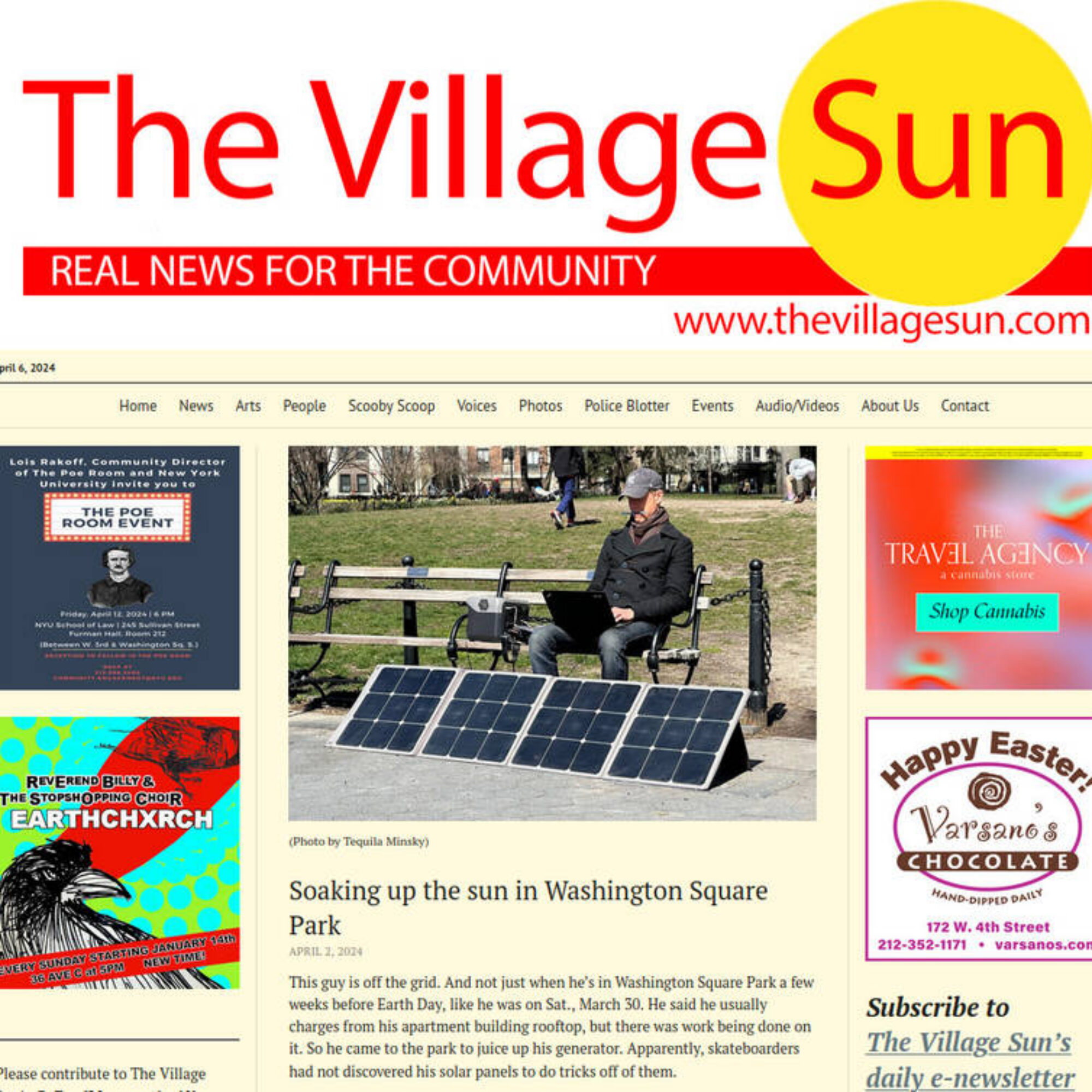
Longtime readers may remember my op-ed piece in the Village Sun: It’s Time to Ban Single-Use Packaging: The Village Sun published my op-ed piece. The Sun is one of my local papers and I find it covers local news that matter but the big papers miss. All communities would benefit from local journalism like it. I mentioned in past posts how people approach and ask what I'm up to, which I enjoy (despite almost always the same questions). Well, the Sun published about me charging my battery from the sun in the Sun: Soaking up the sun in Washington Square Park: If I can be a role model, maybe I should have charged here earlier. Still, the logistics are more complicated here, like I can't…

0 Comments
Perpetual Motion Machines, Patents, and Leading Polluting, Depleting Industries
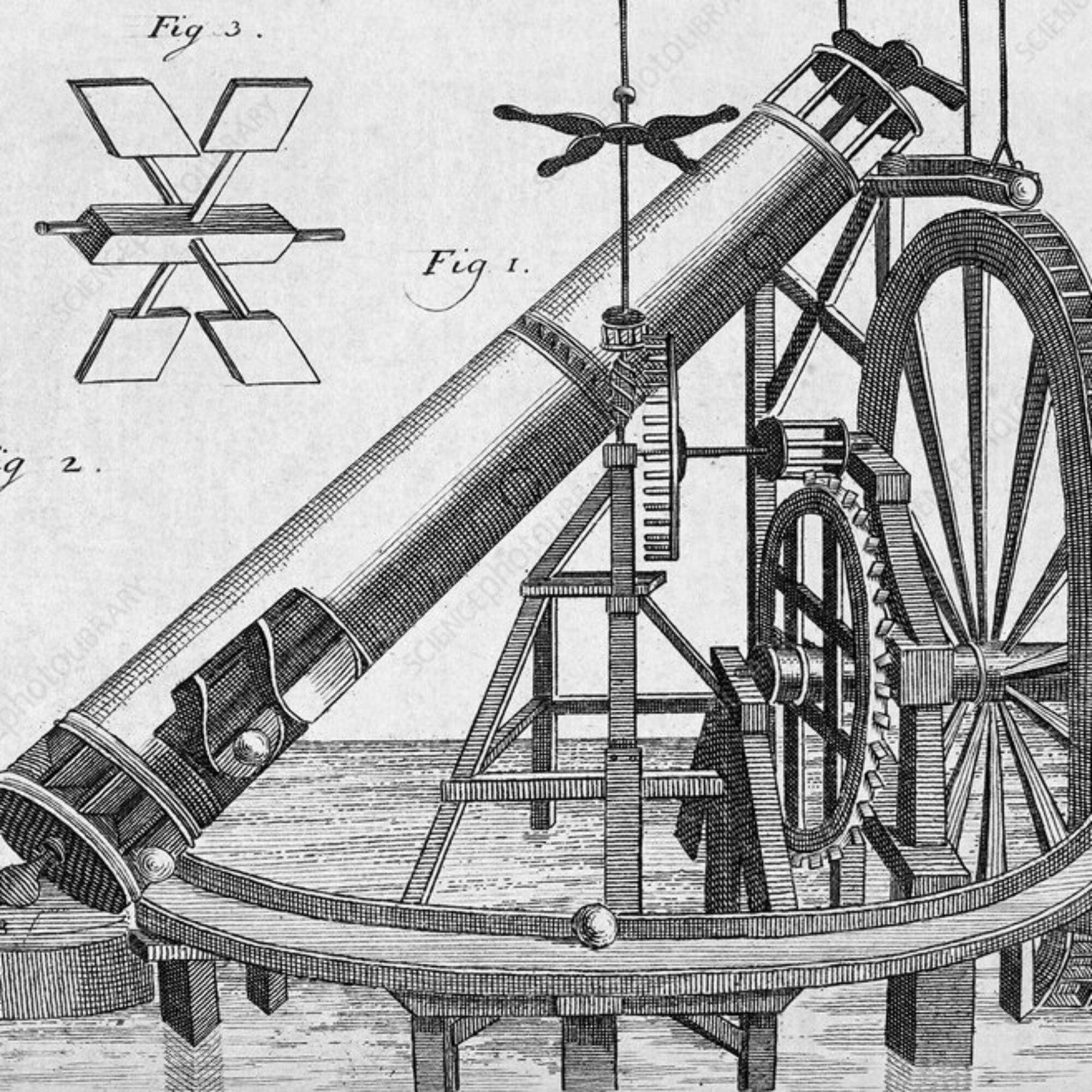
Perpetual motion machine. Engraving showing a design for a perpetual motion machine designed by Ulrich von Kranach in 1664. The device is driven by the cannonballs falling in the large wheel at right. These drop into a sloping curved track which feeds them into an archimedes screw. This screw, powered by the wheel, lifts the balls to the starting place. This is a variation of Fludd's water wheel of 1618. The problem with such designs is that they violate the first law of thermodynamics. To overcome friction in the system would require energy to be created out of nowhere. This illustration first appeared in the Gentleman's Magazine in 1747.

Perpetual Motion Machines, Patents, and Leading Polluting, Depleting Industries

I spoke with the CEO of a major polluting, depleting company yesterday, among the biggest in the world. You know the company. It fundamentally depends on burning fossil fuels. It's not a car company, but I'll use cars as a concrete example for clarity. Someone there asked him about sustainability. He acknowledged it as existential---I think implying for his company, his industry, and humanity. He talked about many innovations being developed in the field. His industry is pursuing the equivalents of what in the car industry would be efficient motors, electric engines, more aerodynamic shapes, computers optimizing routes, and so on. He didn't acknowledge that if you make something more efficient but it still pollutes and depletes, then if you use the efficiency gain to…

0 Comments

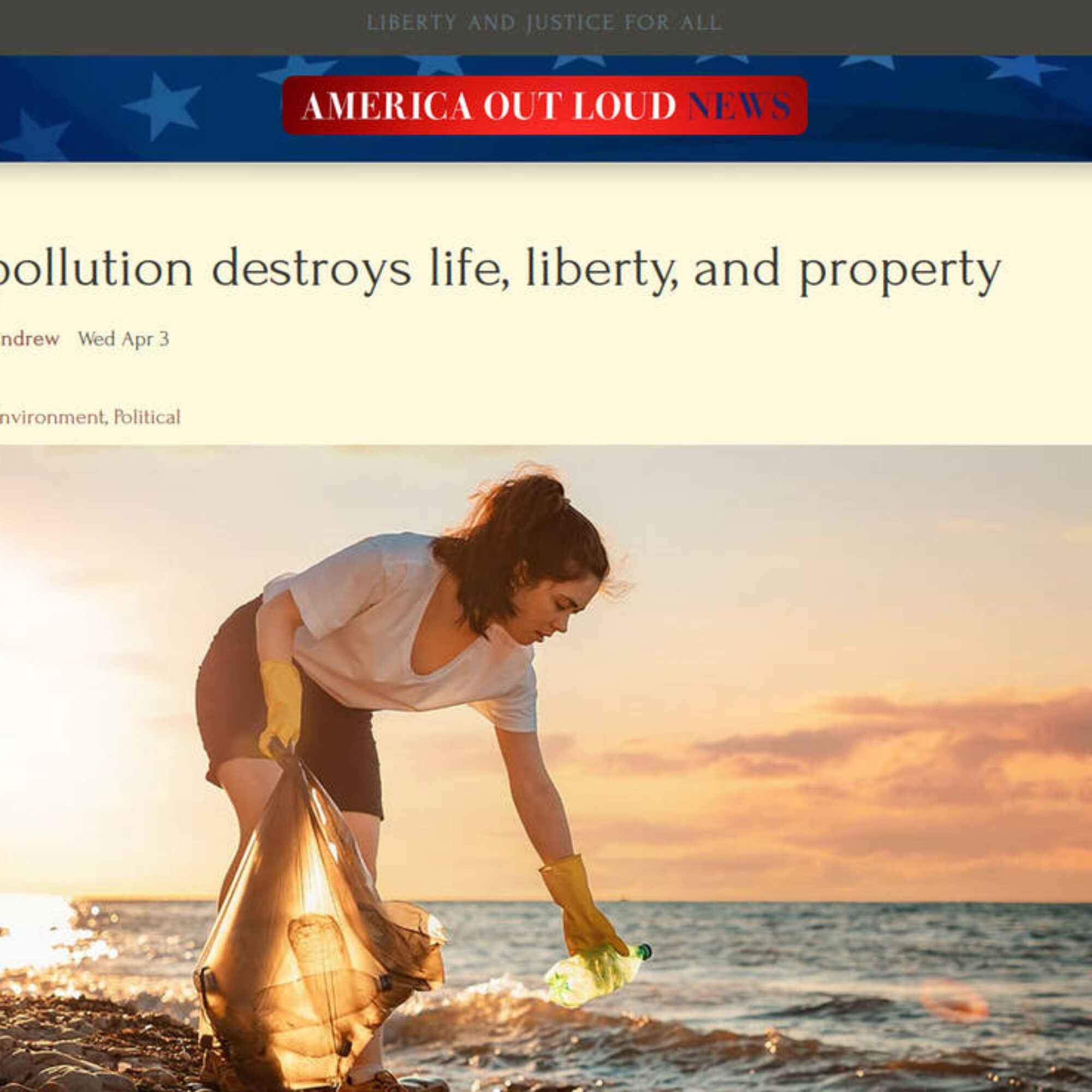
Hear me on America Out Loud’s After Dark: How Pollution Destroys Life, Liberty, and Property

On my seventh appearance on After Dark with Rob and Andrew, I share how I've been diving into conservative history, thought, philosophy, and community. Both hosts have been on my podcast and I meet Rob periodically in person in Manhattan, where he lives too. About the hosts: Rob is the founder of The Multicultural Conservative Foundation, whose mission is to promote the political diversity of conservatism through social media. He has been interviewed by many independent news organizations regarding his views on black conservatism. In addition to writing and blogging, he is the author of a self-help book, “That Job Just Isn’t Into You: Starting Over When It’s Over.” Andrew is a social media pundit, writer, and podcast host. He believes in traditional Conservative values,…

0 Comments

A billion-dollar idea: Moonshot solar: modest solar for a larger market

A lot of solar companies are competing for the home solar market. I once read an estimate of fifty million homes for $30,000 per home on average, meaning a $1.5 trillion market. Since most people can't spare $30,000 for an investment that could take decades to pay itself back, if ever, these companies are marketing higher end homeowners. They are positioning themselves like BMW or Lexus. My only source of electrical power at home is solar too, but I spent less than $1,000 on my equipment. I'm positioned more like a bicycle. My goal is to help people need less---that is, to be less needy---and be more resilient and healthy. Since solar requires equipment that isn't clean, green, or renewable, I'm not promoting more solar…

4 Comments

Why I suspect non-European cultures influenced the U.S. Constitution more than most people think

Writing my book has led me to learn more about how the U.S. Constitution was written. I started learning about influence from other cultures than European. For example, this peer-reviewed article, American Indian Constitutions and Their Influence on the United States Constitution. It said “Benjamin Franklin, Thomas Jefferson, James Madison, James Wilson, John Adams, Thomas Paine, and other Founding Fathers were acquainted with Indian peoples, tribal governments, and indigenous theories of governance." Indigenous wisdom contributed to the Enlightenment and American democracy. It continued, “Indian nations and peoples impacted the formation of the current U.S. government, the Constitution that created it, and several specific provisions in that document ... The hundreds of years of interactions between native nations and English and American colonies, states, leaders, and…

0 Comments

See my solar panels from space

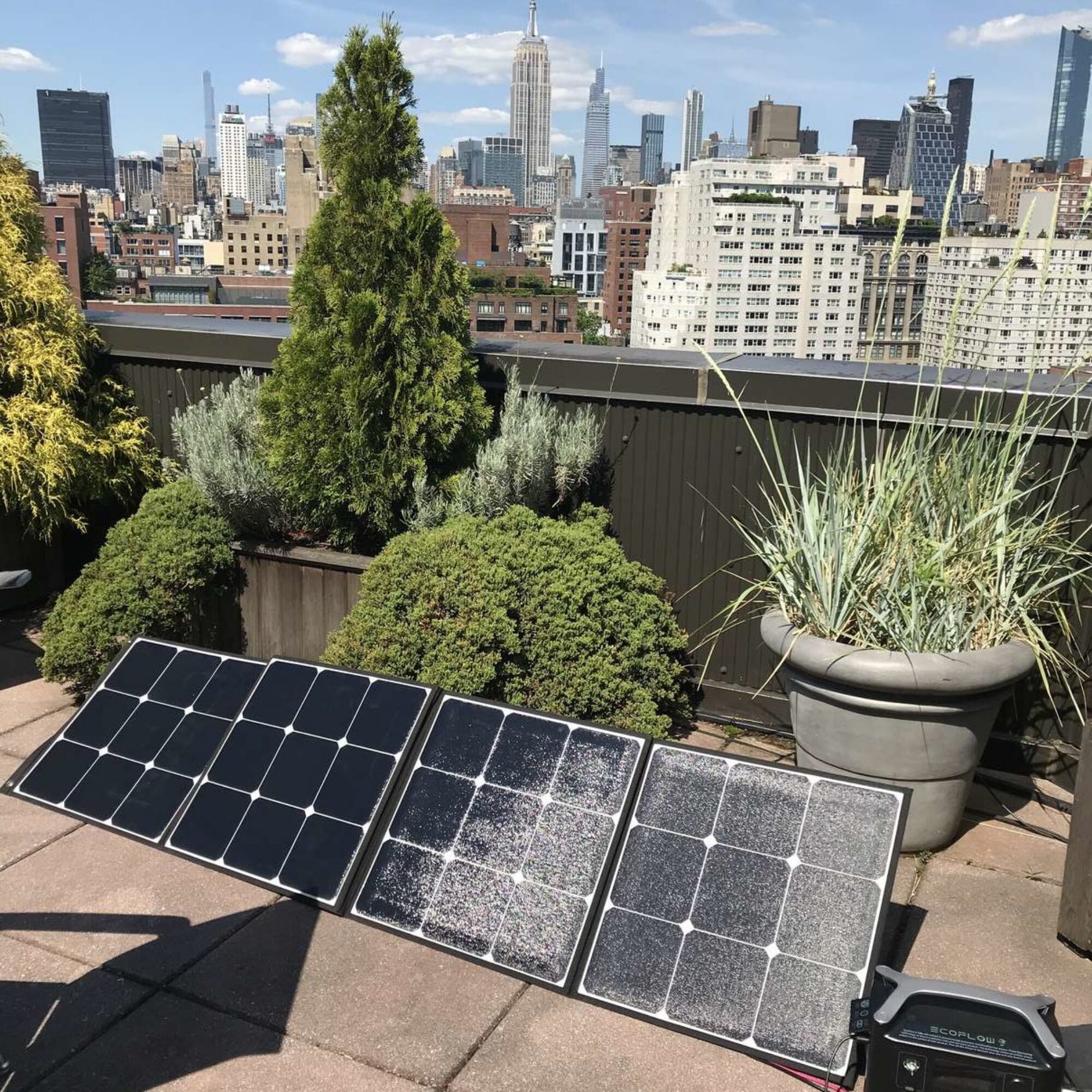
I was talking to a solar expert on installing solar panels to my roof, now that my coop board has approved my looking into a pilot program. He brought up a satellite view of my roof. Check out this image from satellite view: If you didn't know what to look for, you wouldn't see it, but you can see my solar panels! All those black squares are tiling to walk on, but the thing I circled below is my solar panels. In other words, you can see my solar panels from space when they're there. Most of the time, they aren't there, because they're portable. Here's a recent view of them near that spot for a closer view. In the image below, I have them…

0 Comments

More fun overcoming solar challenges, this time in Washington Square Park

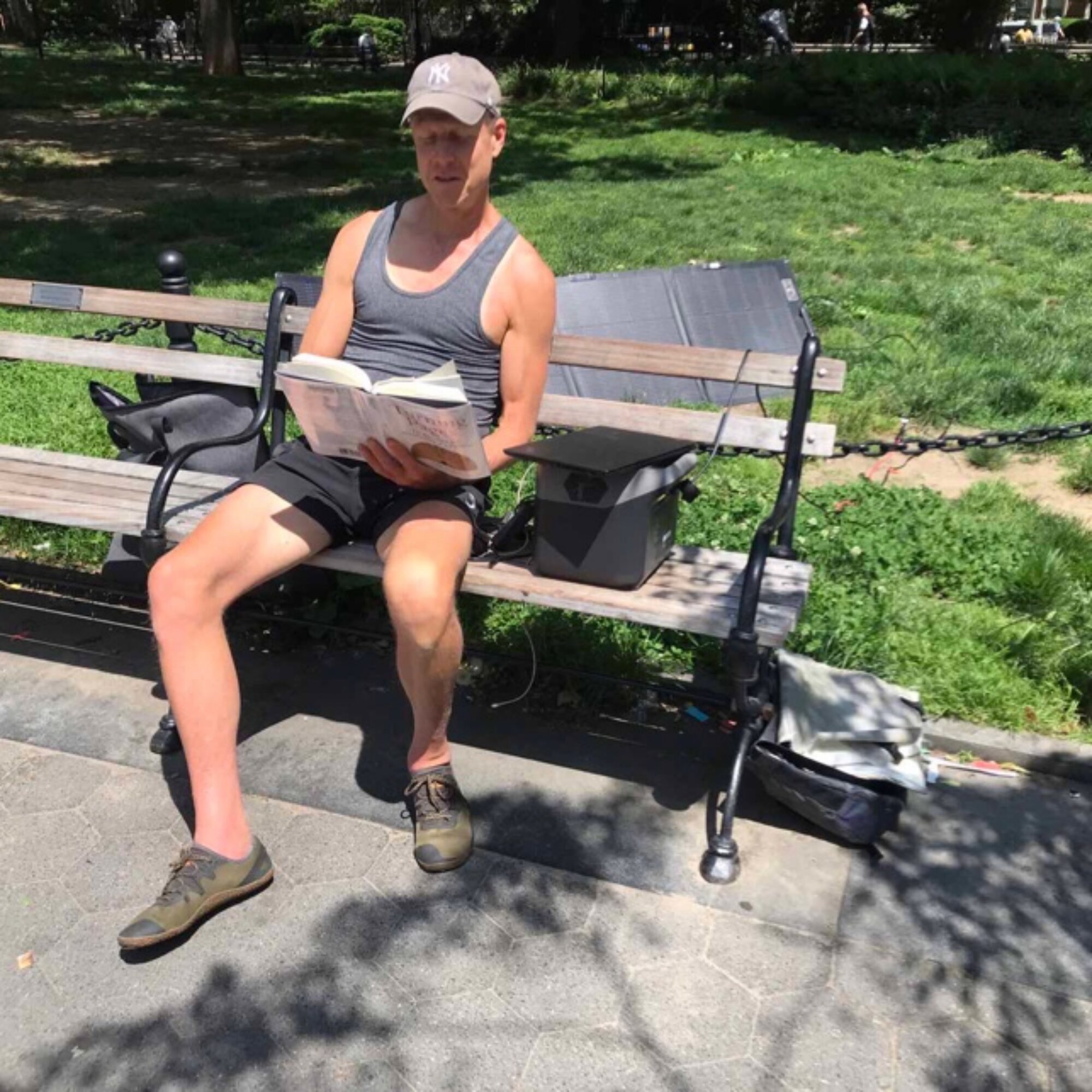
Yesterday was sunny. I went to Washington Square Park. I had been scheduled to meet a friend in the park before the problem with my roof arose so combined activities. We spoke about an hour. I think he enjoyed seeing everyone approach and hearing their questions and my answers. Right off the bat several people asked me about it. Some were interested, some just curious, some weird. So far only men. [EDIT: minutes after typing those words, a day later and on Sixth Avenue, the first woman approached and asked. Did my typing send vibes to the universe to make it happen?] Here's a shot of me in the morning, before many people arrived. By midday it was full. I thought "maybe I should have…

0 Comments

Year 9, day 1 not flying

I last flew March 23, 2016. If I calculated right, today begins Year 9 of not flying. I expected that first year to be the worst of my life. Now I see flying as tearing families, communities, and nations apart. Everyone thinks of flying as bringing them to distant family members. What scattered the family in the first place? You didn't bike away from your family. Likewise with feeling nature or business requires traveling flying distance for it. That it pollutes so much and displaces people from their land to take the minerals and fuel underneath has become secondary to it acting more like a drug: meth gives you a jolt of energy, but overall lowers your energy in life. Scenes like the one below…

0 Comments

Not giving up, day 2 without roof access. Others can give up; not yet me.

On my second day suddenly without roof access, I went out in the morning to the bench, came back in to go to the bathroom and eat lunch, then changed strategies from before. First, I ran into my building's handyman, who mentioned he knew a few superintendents on the block, so he may be able to put me in touch with people who can give me access to nearby roofs. I suspect something will work out in that directions because of the pattern: on the other side of challenges in living more sustainably is community. It keeps happening that whatever the challenge, solving it keeps involving people who enjoy helping. Tomorrow is forecast for rain all day, so it was safest to go out today.…

0 Comments

More solar challenges. Not giving up.

My building is doing construction so I don't have roof access. Do I give up? Hell no! That's what everyone else is doing and it's making them miserable. And killing people (and wildlife). I have to figure out something longer term, maybe getting certified to go into a construction site (I've been trained and certified for things like it before, when my first company, Submedia, constructed our displays in subway systems around the world) or working with a neighbor to access their roof. In the meantime, I'm charging down the block and, when the sun allows, in a nearby park. It's not optimal, though I enjoy when neighbors and people passing by ask me about it. They're getting a kick out of it. On the…

0 Comments

The Sustainable Speakers Club hosted me. Here’s the video of my talk.

I spoke at the Sustainable Speakers Club, a Toastmaster event in the UK, on how to lead on sustainability and how not to. The theme was Transformational Projects the Motivate. It's tempting to think giving people facts and numbers will motivate them, but it rarely does. Learning their intrinsic motivation and helping them achieve what they already wanted to helps more. I share a story illustrating how action leads to theory more than theory leads to action. In the second half of this video, I take questions from the audience, especially giving a concrete example of someone I led. https://youtu.be/AhKDrWBGI5U

0 Comments

End of content

No more pages to load