Relationships


People thinking sustainability is easier if single are insensitive, lacking empathy and compassion

I've been holding back on posting this post's idea for months, maybe years. It's a simple concept, though bold. More importantly, some may find it offensive, but, if so, no more offensive than people are with me. Over and over people tell me it's easier to practice sustainability for someone who is single. They suggest I can decide things unilaterally. Lacking hands-on practical experience, they think the hard part of living sustainably is the physical part. They're wrong. In a culture that, despite the lip service it pays to sustainability, promotes and rewards unsustainability, the hard part is other people. When you live in one culture but practice the behaviors and values of another, countless interactions create friction, every day, often every hour, sometimes every…

0 Comments

Corollaries to my recent post: Replacing “sustainability” with “not hurting people” and “polluting” with “hurting people”

I want to clarify some consequences of realizing that polluting means hurting people, as I wrote in my post Replacing “sustainability” with “not hurting people” and “polluting” with “hurting people”. People often say that some people can't worry about sustainability because they're working three jobs to take care of three kids and having to worry about the next meal means they don't have the luxury of worrying about the environment. They don't know what they're talking about. I suspect they lack hands-on practical experience. I recognize they aren't speaking out of logic or effective leadership, but the emotions that their own internal conflict creates. We live in a culture where it's difficult to avoid doing things that hurt innocent people. It's uncomfortable to face the…

0 Comments

Why do people like hearing me share my vulnerabilities?

People like hearing me share my vulnerabilities. I'm not special. People like hearing anyone share their vulnerabilities too, but I noticed it this week about myself. At the beginning of this week, I thought about blind spots. We all have things we do or don't do, or know or don't know, and we aren't aware of the consequences differing from what we expect. Learning about them can help us improve our lives and relationship. This topic came up in conversation with a group of friends who help each other to grow personally and professionally. Could I find any of mine? Almost by definition, we can't see them, so maybe trying to find one's own blind spots wouldn't work. Others see them, though, so I thought…

0 Comments

What people mean when they say “We have to have a conversation about…” (hint: it’s not about having a conversation)

I hear people say "we have to have a conversation about..." some controversial topic like racism, abortion, and the usual topics. Yet the controversy shows we're talking about them. So what do they mean if the conversation is already happening? What they don't mean While I can't read anyone's mind, I know they aren't saying they want to learn new views. They can learn by reading and watching. If they want to learn from people they disagree with, they can just ask, but they don't. Judge for yourself, but when people say it, I hear them coming from a place of self-righteousness, not humility or desire to learn. People who feel self-righteous don't feel they're lecturing or self-righteous. They feel they're helping people out of…

0 Comments

The value of family support when living by your values when society opposes them: Janae Marie Kroczaleski, part 2

Living true to our deepest values is its own reward. Fewer rewards are greater, all the more so when it requires struggle. All the more so when it deepens our closest relationships. Living by the values of sustainability---community, health, reciprocity, liberty, freedom, and stewardship, for example---is challenging today. No matter what I do in trying to live more sustainably and leading systemic change toward sustainability, people say others can't do it. If it's easy, they say, "it's easy for you, but others can't do it. You're privileged" or something like that. If it's hard, they say, "it's too hard for people to do. It's not practical." Whatever helps them sleep at night knowing they're violating their values, especially their deepest ones. They wield their excuses…

0 Comments

The emotional struggles of living by your values when society opposes them: Janae Marie Kroczaleski, part 1

Almost ten years ago in this blog I wrote about an experience of art expressing something I didn't know could be expressed. Ingmar Bergman's Fanny and Alexander captured an emotion I felt with my father and no one else. That emotion hit me hard. It was powerful. It influenced big decisions in my life, especially to learn and teach the social and emotional skills of leadership. I just experienced a similar effect, this time with my relationship with my mom in the movie Transformer, which I wrote about last week. Whereas Fanny and Alexander evoked my childhood relationship with my dad, Transformer evoked my present relationship with my mother. I show the clip below of the scene with the main character and the mother. First…

0 Comments

We all descend from indigenous people and we’ve all been assimilated

In Sustainability Simplified, I clarify that a culture being indigenous doesn't mean it's sustainable. An indigenous Indian group that puts up a casino is pushing addiction. An African politician who finds oil and gets cozy with the global oil industry is too. Any culture that doesn't live sustainably will find itself running out of something, leading it to conflict with others or collapse. But indigenous cultures that endure tend to be sustainable. People praise indigenous cultures with land acknowledgments and such. Well, we all descend from indigenous cultures. Yes, even former colonists and slaveholders can trace their roots to someone indigenous. For that matter, we can probably all trace our roots to someone enslaved. Likewise, everyone who isn't living sustainably has been assimilated, so even…

0 Comments

Hear my presentations to grade school kids on Albert Einstein, Stephen Hawking, Nelson Mandela, and spacetime.

I recently was invited to speak to grade school children about great physicists. The teacher asked me to speak about Newton, Einstein, and Hawking. Since I didn't have any personal connections to Isaac Newton, I focused on Einstein and Hawking, since I knew people who knew them. I love knowing that I know someone who knew some of the most influential, famous people who lived, whose work was mind-blowing. Though he wasn't a physicist, since I also knew someone who knew Nelson Mandela, I included in the talk my one-degree-of-separation connection to Nelson Mandela. I took questions from the audience (they weren't mic'ed so you couldn't hear them; I marked the silences I edited out with a whoosh noise), which led to me talking about…

0 Comments

Friends tell friends they’re full of s#!t. Who else will?

A longtime friend and I disagreed during a phone call yesterday. We raised our voices at each other and interrupted each other. After the altercation, we resumed regular conversation, but at the end of the call I apologized. Then he apologized back, but I said he didn't need to apologize. A consider it an act of friendship to argue with someone when you feel they deserve it. Someone who isn't a friend may not feel comfortable enough to oppose you. They might not want to risk a relationship that a friend feels is more secure. Without great friends, you may be unable to tell which ideas of yours need refinement. I even noticed as I said to him, "Friends tell friends they're full of shit.…

0 Comments

Your spouse and kids can be your greatest excuses for giving up or your greatest support and motivation.

People tell me over and over, "You're a single man. You can make unilateral decisions so it's easier for you to live more sustainably. If you had a wife or kids, you'd see you couldn't do what you do." Yet people in marriages, with kids, or both who succeed at their dreams often tell me their spouses were their greatest sources of support and their kids motivated them. Most recently, Chuck Marohn gushed about how his wife was what enabled him to risk doing what he felt was right, take his career in a new direction away from a known high income (but that would hurt people) to an unknown one. Bea Johnson shared how her husband, initially skeptical of her reducing waste, came to…

0 Comments

Scum of the Earth

My father died last year. I got this scam email from people trying to scam someone grieving a loss. I'm posting it so if people get a similar email and aren't sure, they know someone is trying to scam them. Is "scum of the earth" is to harsh a term for such behavior? I don't think so. Dear Joshua Spodek,I trust this message finds you well amidst the challenges you are facing. I offer my deepest sympathies to you and your family on the passing of your dear family member. Please be assured that my thoughts are with you as you navigate through this difficult time. I am reaching out to inform you about the administration of the inheritance left by [your father]. As the…

2 Comments
I started in sustainability trying to restore nature. Now I see we have to restore humanity.
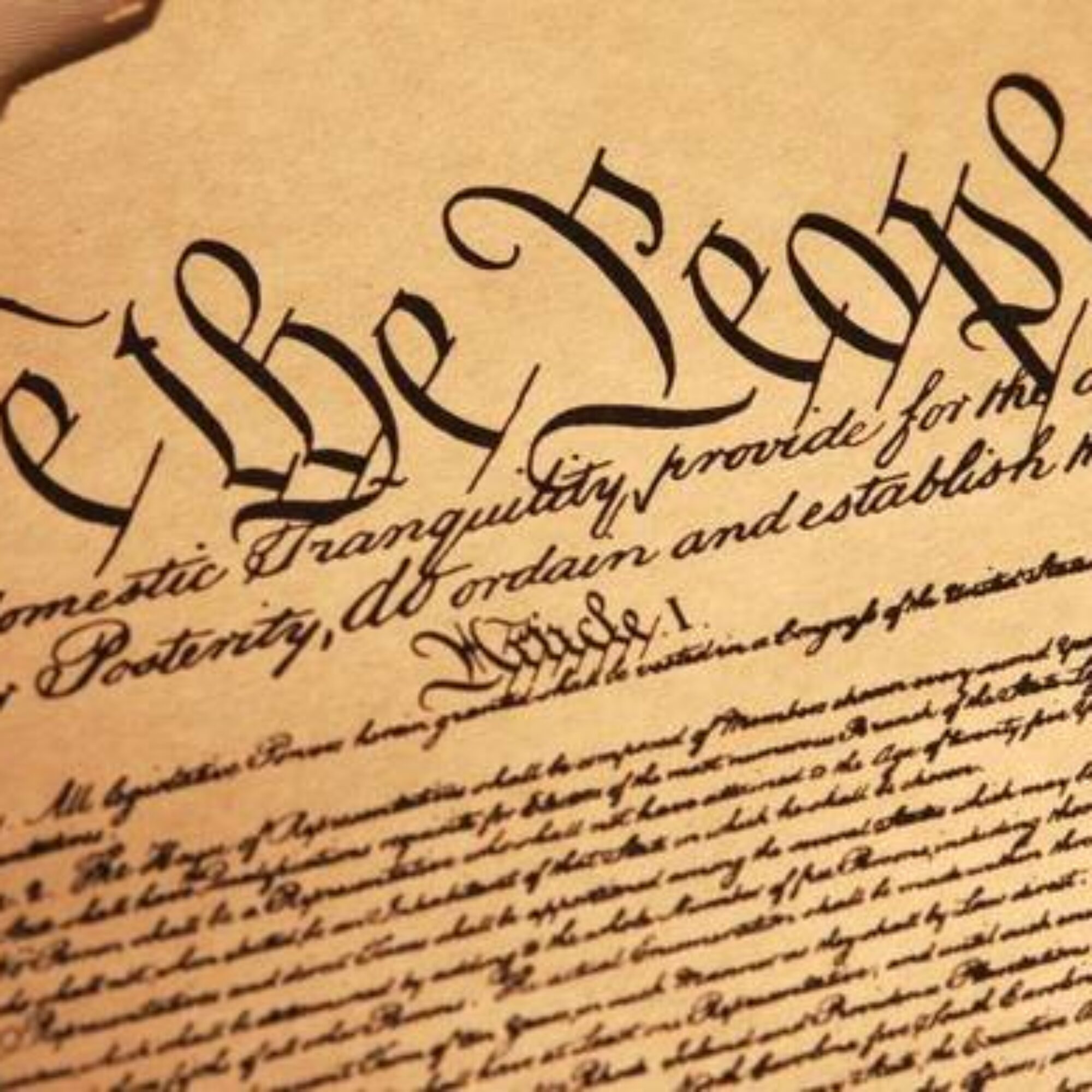
The United States Constitution

I started in sustainability trying to restore nature. Now I see we have to restore humanity.

When I started working on sustainability instead of hoping someone else would fix our problem, I saw my goal as restoring nature, also conserving and protecting it. Learning that our environmental problems result from our behavior, which results from our culture, has taught me that we have to work on ourselves. I see how much our culture promotes addiction, pollution, depletion, and plunder. I see that we are abandoning or have abandoned values and practices of stewardship, doing unto others as we would have them do unto us, leaving it better than we found it. Since pollution, depletion, and plunder destroy life, liberty, and property, I see we no longer promote a government protecting life, liberty, and property. My goals have shifted from restoring nature…

0 Comments

A neighbor’s thank-you letter from Donald Trump (sadly disrespecting the office of the presidency)

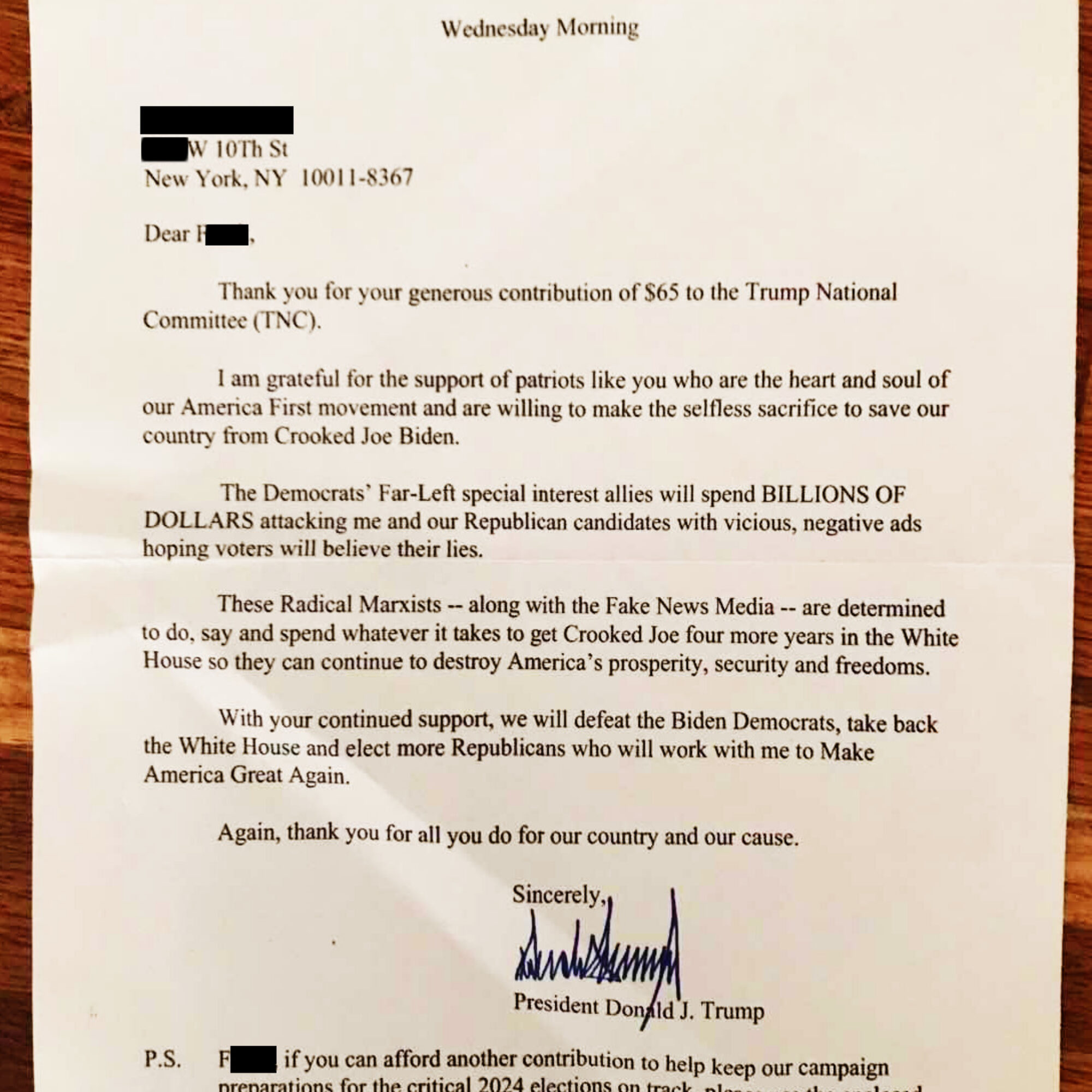
Regular readers know I pick up litter every day. The other day I found this garbage wedged in the scaffolding of a building under construction. (Come to think of it, a topic I should write more about is this bizarre practice of litter being wedged and stuffed into places and why people do it. I'm not sure, but I have some ideas. In any case, all this littering is socializing costs, spreading disease, ruining communities, raising taxes, and that's the tip of the iceberg.) It's a letter from Donald Trump thanking someone who lives within a block of me for donating to his campaign. I had to comment on a few observations. First, I shouldn't have to note it, but I know Donald Trump didn't…

0 Comments

A Triply Awesome Weekend

I don't usually just talk about what I did, but sometimes things work out enough and I feel great about how major life choices I've made work out. Last Saturday, Sunday, and Monday were great times. I'll share Monday first since it's not visual so might get lost following the other two. Monday: Einstein and Nobel Prize winners Monday I met with a physics professor who mentored me in college and graduate school. We've stayed in touch since then, which was the early to mid-1990s. I told him I remember knowing professors who had met Einstein and Feynman, but couldn't remember which. He had met Einstein. I asked if he saw him speak at a talk, colloquium, or event like that. He told me the…

0 Comments

What made sustainability politically polarized: my hypothesis

Our environmental problems have become a politically polarized issue. Why? I don't know values of any political tradition that oppose clean air, land, water, and food, while all seem consistent with stewardship. Meanwhile, the main political tribes seem to see their opponents as obvious enemies, blatantly exacerbating the problems. Liberals say conservatives and libertarians don't care and are greedy. They say they prefer profit over helping other people or wildlife. Conservatives and libertarians say liberals are virtue signalling, behaving hypocritically, trying to seize power by fear mongering, and too stupid to realize that even if they genuinely care that they're waltzing into growing government into what will evolve into a totalitarian Stalinist regime, whether they intend it or not. How did this situation arise? I'm…

0 Comments

More Life-Changing, Inner-You-Revealing, Passion-Unleashing Magic of Initiative

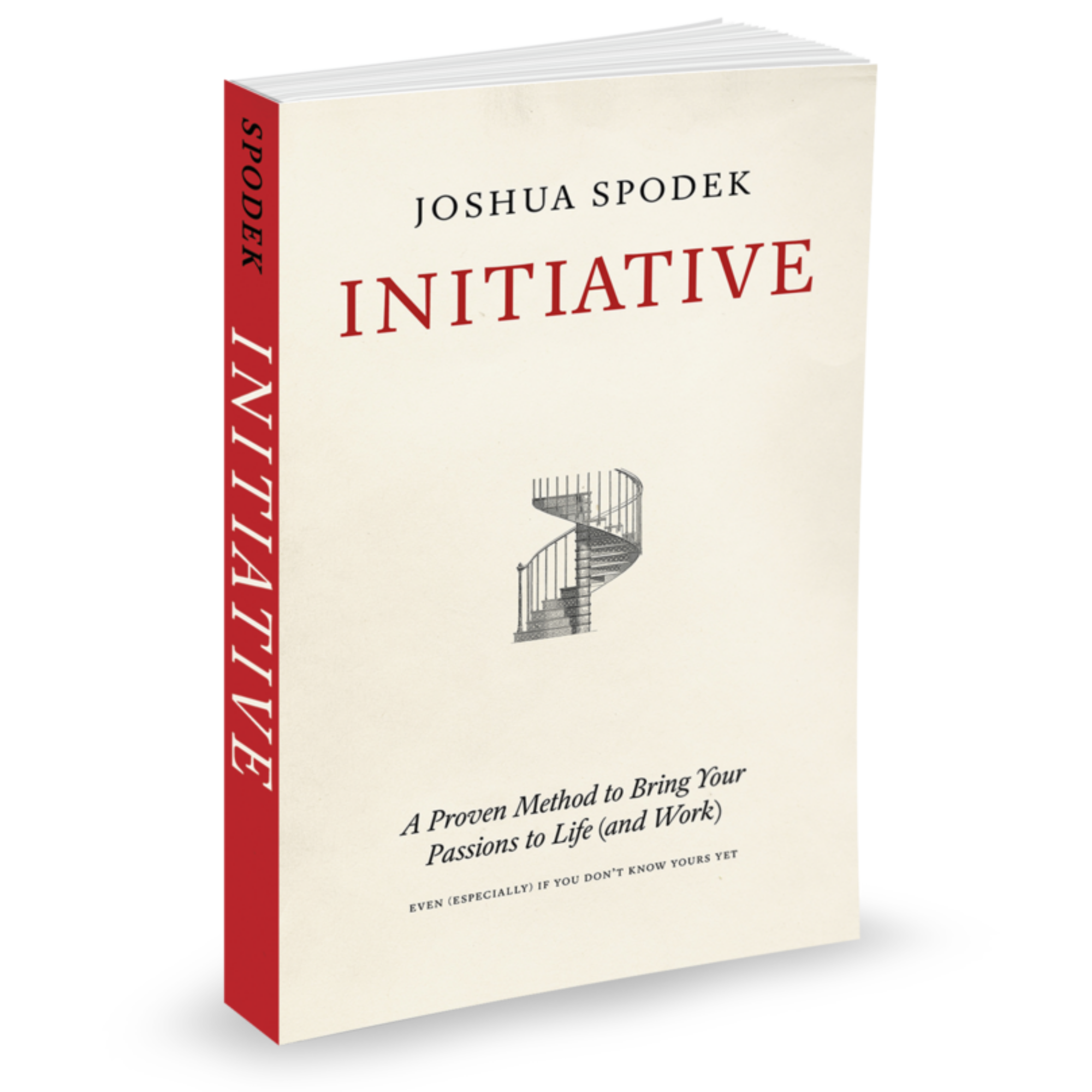
A month and a half ago I wrote about Eugene's reflections on finishing the ninth of the ten exercises in my book Initiative in my post The Life-Changing, Inner-You-Revealing, Passion-Unleashing Magic of Initiative. He finished and posted about the tenth exercise at his blog: Method Initiative (Round 4) – Exercise 10: 10 Valuable People (And final Initiative methodology thoughts), and it's as inspiring. Read the whole post for all he shares. As a teaser, what got me most: The 7 Principles If you recall from my Exercise 6 reflection, the 7 key principles to the Initiative methodology are as follows, and this time I decided to include my thoughts regarding each one: Personality matters less than skills you can learn. – Absolutely! I don’t think…

0 Comments

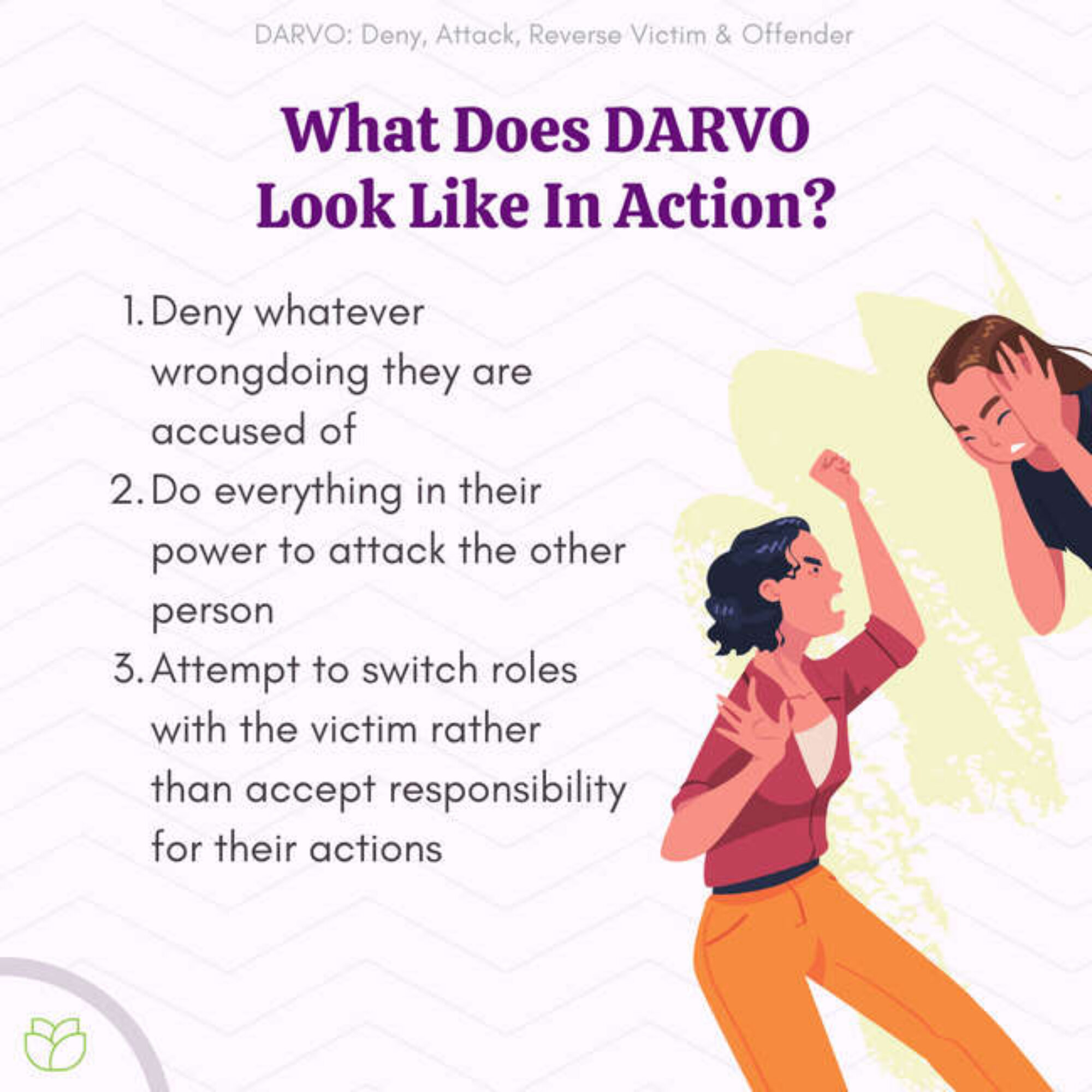
DARVO: how many people feeling guilt and shame protect themselves (including polluters/depleters)

I forget what led me to learn the acronym DARVO (see below for definition and more), but it sounded like how people respond to sustainability talk. I read a few articles and watched a few videos on it (also below). They mostly talk about it as something narcissists do, though Wikipedia says "perpetrators of wrongdoing" do it, so not surprising that I see it in polluters. Identifying the pattern and seeing that it comes from perpetrators of wrongdoing may help handle when people attack, deny, and blame the messenger for their behavior they feel guilty and shameful about. Wikipedia's description: DARVO (an acronym for "deny, attack, and reverse victim & offender") is a reaction that perpetrators of wrongdoing, such as sexual offenders, may display in…

0 Comments

Tough January: About three weeks with almost no sun. Learning in uncharted territory.

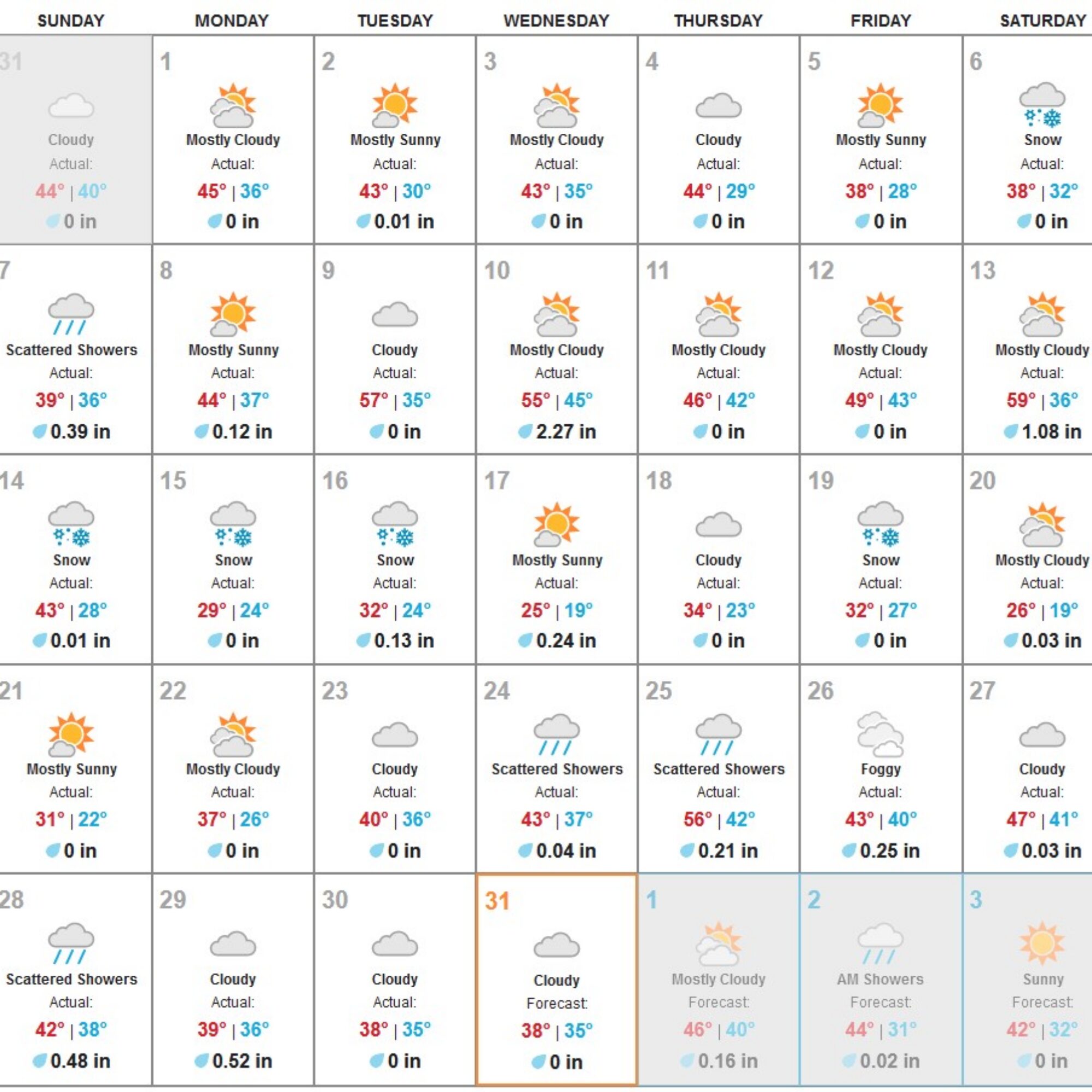
Check the calendar below. I count three days mostly sunny in the past 23 days. Everything else has been mostly cloudy to full on rain or snow. I'm still going up every day that isn't raining. Many days not getting any power. I missed my first meeting today for not being able to plug in, but it worked out okay, I think for my explaining my situation. It was a first meeting, so I hope I didn't make a bad first impression, but the other person values sustainability, leadership, and sustainability leadership. I keep finding how on the other side of each attempt to live more sustainably I find community. After I realized I missed our appointment, I wrote I appreciate the note [where he…

0 Comments

Americans are so addicted, they can’t see our unbalanced their “balance” is

Every time someone tells me they balance their behavior regarding the environment, guaranteed the next thing they say will concern only themselves. They want to help the environment but they want to live their life too. They want not to pollute but they can't afford not to fly. They want to eat less meat but they want to stay healthy. For one thing, most of what they say doesn't make sense, like that avoiding meat would be unhealthy. The bigger thing is that the huge issue with pollution is that it affects other other people (and wildlife) without their consent. People talking about balancing their environmental balance never include other people in their considerations. They think balancing their conscience with the bank account while paying…

0 Comments

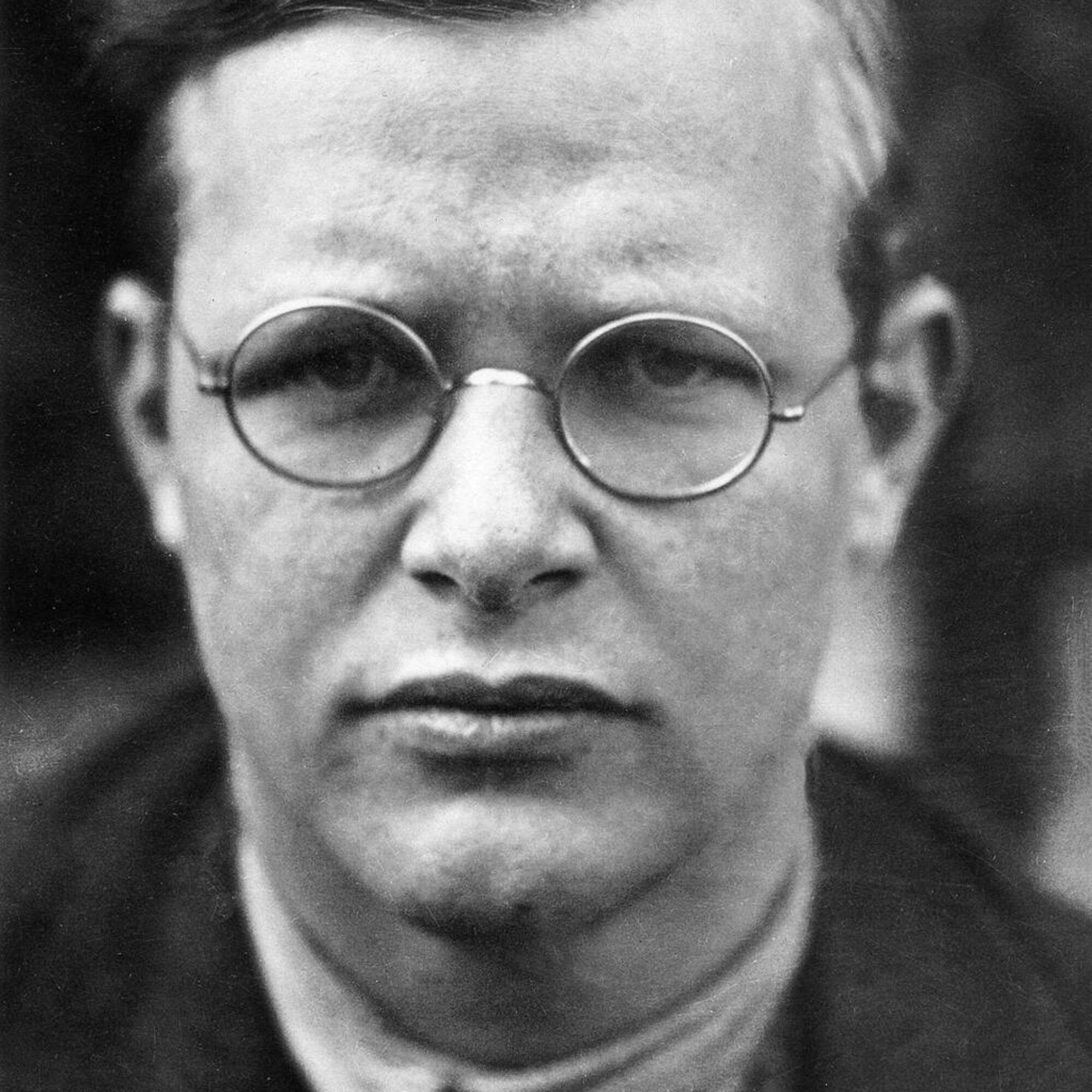
Bonhoeffer’s last Christmas Letter

We live in a culture that hurts innocent people by the tens of millions every year, a number that's growing, and we claim we can't do anything about it. We want to see our families flying-distance away. The only way to love and be with someone is not to fly when we know it displaces people from their homes, making them refugees, and poisoning their air, land, and water. Struggling together with our loved ones to live by our values makes us yet closer to them than violating those values together. Don't believe me? If you pollute and deplete unsustainably, try instead living by your values, assuming they include Do Unto Others As You Would Have Them Do Unto You is one, Live and Let…

0 Comments

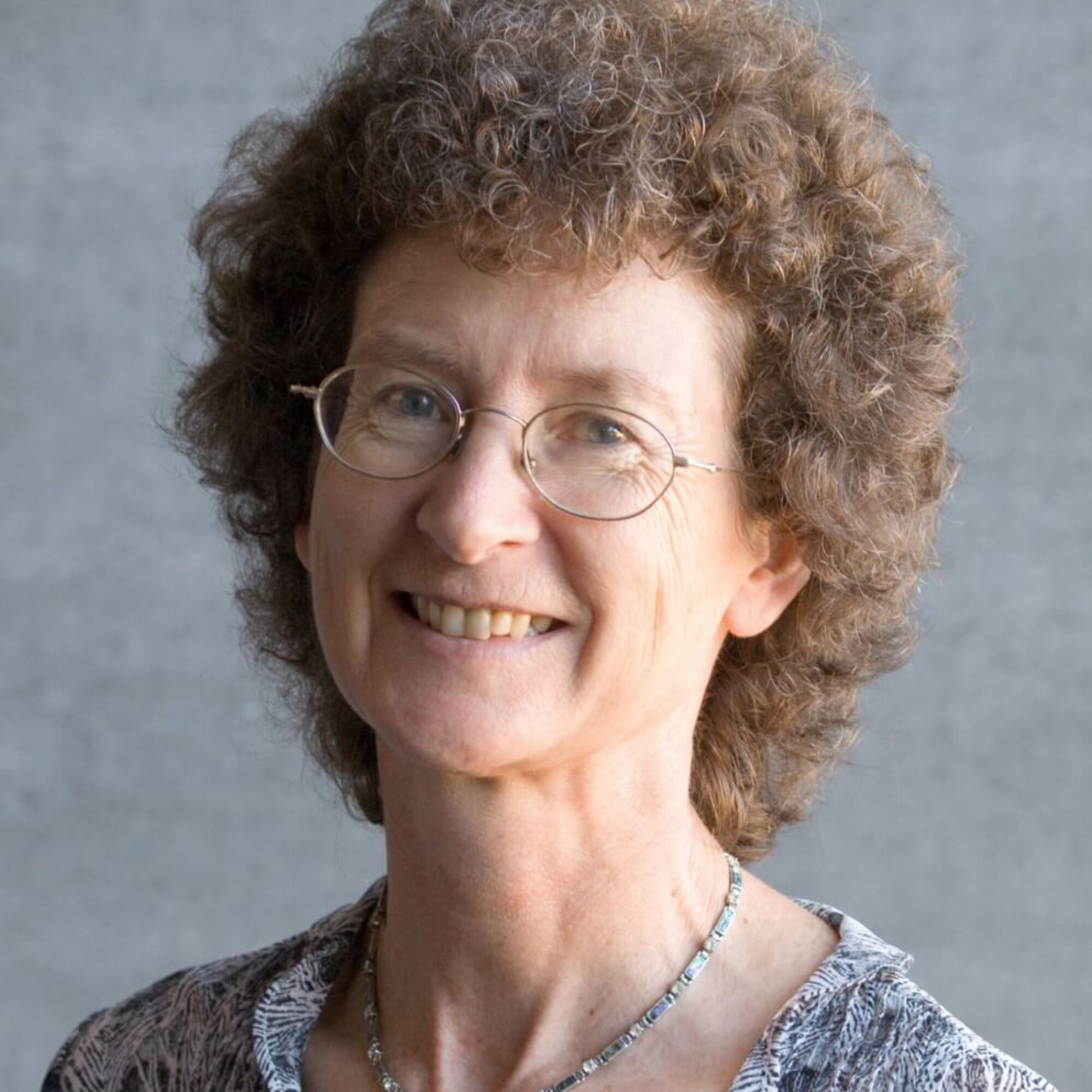
Jane O’Sullivan videos on population and overpopulation

Jane has been a guest on the podcast. I've been catching up on research on population and overpopulation and wanted to compile her videos for future reference. EDIT: She wrote a wonderful overview peer-reviewed paper that covers a lot of her results, with references to more literature: The social and environmental influences of population growth rate and demographic pressure deserve greater attention in ecological economics, in Ecological Economics. Here's the abstract (it looks jargon-y, but I found the full article readable): Ecological economists accept that the global population cannot grow forever. But papers discussing the relevance of population growth and the prospects for minimising it are rare in the literature on ecological economics. Even these papers treat population almost exclusively as an issue relating to…

0 Comments

Speed reading bedtime stories to your kids: Some things don’t benefit from making more efficient

We thoughtlessly value efficiency and chase it places it doesn't make sense. I call it Speed reading bedtime stories to your kids. It makes sense: if you read your kids bedtime stories faster, you can move on to other things. Or rather, it obviously doesn't. Yet we do it with takeout food, doof, packaging, social media instead of spending time with people in person, flying around the world when there's infinite wonder, beauty, and diversity under our noses. Speed reading bedtime stories to your kids achieves the opposite goal we want. So do all the other things. The Opposite: Spending the Time the Relationship Takes With Those We Love If you think it's privileged to spend time with people you love, you don't understand how…

0 Comments

I want to give up every day. That’s the value of acting in service of innocent people suffering. What motivates more?

A colleague wrote about how she used to act more but now feels like giving up. I responded What you wrote reminds me of how I feel nearly every day. I can't say I feel the same as you, but I know the numbers and projections. I see the overwhelming majority of humans not acting -- an even greater majority of Americans. Many revel in not trying. Many of those who try give up. Many of those who try adopt counterproductive strategies from innocent misunderstanding to outright greenwashing. Handling the feelings and responses from seeing these problems is why I stress the value of personal experience. Trying to live more sustainably in a culture that at best gives lip service to it but largely ignores…

0 Comments

Love and marriage don’t cause pollution. Stop using them as excuses.

How many times have I heard about polluting and depleting less, "You can do those things because you're single."? I know when people rationalize and justify their inaction, say by saying it's easier for me or particularly harder for them, they aren't speaking rationally. They're protecting their vulnerabilities, suppressing and denying that they are hurting others, acting against their deepest values. Still, it seems worth it to list a few challenges of acting alone. Acting alone means No economies of scale No division of labor No person to support you I have to do everything: all the shopping, cleaning, and cooking I can't leave food out when it's hot and things go bad quickly, so am limited in what I can cook Have to work…

0 Comments

Imperialism and Us

What is imperialism? Imagine two cultures. One lives within the means of its environment---that is, sustainably. The other lives beyond its means---that is, unsustainably. The sustainable culture will live in abundance. Being sustainable means it isn't living in scarcity. Everyone must have enough---actually, more than enough, as evidenced through sustaining through periods of drought. Eventually the unsustainable culture will run out of resources. If it keeps to itself, it can die out, or to continue, change to become sustainable. If it doesn't keep to itself, it may see the sustainable culture's abundance and covet it. If the unsustainable culture is stronger, say by having a larger population or superior weapons, it may take the materials it covets from the sustainable culture. This pattern is imperialism.…

0 Comments

End of content

No more pages to load