How many Mozarts, Galileos, or Aristotles are there today?

Pick any great historical figure. We often regard them as unparalleled geniuses the likes of which we may never see again. On the other hand, they were human beings like us. They performed in some areas well beyond average. What if their abilities or traits weren't once ever but once in a generation? It's interesting to see what you conclude, as I'll show. Then we'd expect to see others of comparable abilities or skills. We could pick any figure, but let's talk about Mozart for concreteness. In his time the earth's population was about 700 million or so, roughly a tenth of today. Could that mean we should expect ten people of Mozart's ability today? In Mozart's times a smaller fraction of the population had…

0 Comments

Method acting, leadership, and improving your life, from James Lipton

I've written before about the television show Inside the Actors Studio and how much the young field of leadership training could stand to learn from the longstanding field of acting training. Below is an interview of the host of Inside the Actors Studio, James Lipton, describing the transformation acting training went through with Constantine Stanislavsky. Leadership training stands to benefit from similar changes, and that field inspires me to help those changes. As he described it, about a century ago acting replaced impressing others with expressing yourself, the goal of perfection with authenticity, self-reference and self-reverence with a system of exercises, focus on the external with focus on the internal, making yourself up with seeking truth, well-rehearsed lines with believing what you're saying. Everybody on…

0 Comments

Some things come naturally, some don’t.

My mom grew up on a farm in South Dakota -- the kind where she and her siblings had to walk through snow up to here miles to a one-room schoolhouse. I can't imagine growing up on a farm like that. Her little sister, my Aunt Ellen, visited recently. I don't remember the details of Ellen's learning music growing up, but here's my understanding. She got a hold of a cheap guitar from somewhere, got a record player, and figured out how to play the guitar playing along with records until her fingers bled. I'm pretty sure my grandmother made them all learn music since my mom plays the piano, but I'm pretty sure Aunt Ellen taught herself guitar alone. I don't remember the details…

0 Comments

Another awesome success — Museum Hack and Nick Gray

An awesome side benefit of writing daily is that awesome people find you. Recently a guy wrote to tell me he liked my writing and invited me to participate in what seemed like a crazy project, but turned out to be one of the most awesome things I've done in New York City in a long time. And I've done a lot of awesome things in New York City. It's an amazing entrepreneurial story too -- the kind we love, which is why I, who endorse entrepreneurship and believe opportunities are everywhere, am sharing it with you. He started doing something that he enjoyed, for fun and personal challenge, and shared what he loved and got good at (another example of how "Sharing what you…

0 Comments

“That’s not art. I could do it.” — A new interpretation that activates art and yourself

We've all heard someone say "That's not art. I could do it." Maybe you said it yourself. The comment can lead to interesting discussion on what makes art, but rarely. It can lead you to realizing that the value of art doesn't depend on how hard it was to create. The usual response is "Well, you didn't. And they did it first." I suggest a new response. If the person who says it, perhaps yourself, sees beauty or truth in the work of art, suggest that they re-create it. Seriously suggest they do what they say they can do. They could have a museum-quality work of art on their wall if they do, for only the cost of materials. When you look at art with…

0 Comments

A model for what makes a great story

[This post is part of a series on “Mental models and beliefs: an exercise to identify yours.” If you don’t see a Table of Contents to the left, click here to view the series, where you’ll get more value than reading just this post.] Storytelling seems so common to all cultures it's probably in our genes to like a good story. We love hearing messages in the format of a story. If any has given you advice on how to give a presentation, someone probably told you to make it like a story. Storytelling skills are a universally useful and attractive social skill. So what makes a great story? Why do we like to listen to some but not others? I don't claim to be…

0 Comments

A model to find the best in someone, including yourself

[This post is part of a series on “Mental models and beliefs: an exercise to identify yours.” If you don’t see a Table of Contents to the left, click here to view the series, where you’ll get more value than reading just this post.] Today's belief helps overcome a challenge in helping someone's growth. It also helps you shine as a leader or mentor. When you lead or mentor someone or work to improve yourself, it helps to track progress, but you often can't. You can for external things, like how fast they run 100 meters, how they scored on a test, how much they increased revenues, etc. When you develop someone as a person, you can't always see the development externally. Especially with important…

0 Comments

A model on the foundation of personal freedom

[This post is part of a series on “Mental models and beliefs: an exercise to identify yours.” If you don’t see a Table of Contents to the left, click here to view the series, where you’ll get more value than reading just this post.] Today I'm just copying what someone else said about mastering a complex skill or mode of creative expression, connecting Freedom Spontaneity Simplicity with, perhaps ironically to some, but without question to those who get it Conformity Discipline from within Dedication As odd as it may seem for conformity and discipline to lead to personal freedom, I agree with the quotes below from Martha Graham, the best description on the foundation of personal freedom I know. By personal freedom, I mean being…

0 Comments

More about becoming more creative

Flavorpill -- the social discovery engine and curated event marketplace that keeps you tapped into the cultural happenings around you and lets you find and follow things you like, see what your friends are into, and, if so inspired, get off the computer and go out -- posted my creativity seminar next Wednesday, April 24, 6pm-9pm. Very prestigious. Check it out. Then sign up! I look forward to seeing you there.

0 Comments

How to become more creative — proven! … Wednesday April 24, 6pm-9pm, Manhattan

Next Wednesday, 6pm-9pm I'm giving my first seminar through Skillshare, a company that organizes classes. If you're near Manhattan and you want to become more creative, you should come. The class is called Systematic Creativity. When I say it teaches proven ways to increase your creativity, I mean it. It comes from one of the best courses I took at Columbia Business School by one of the top creativity researchers, who also started a successful consulting company on becoming more creative that works with many Fortune 500 companies. Several classmates called it the best class they took there. Wednesday will cover the highlights of the class -- especially exercises to become more creative demolishing creativity myths that hold people back It will be very interactive…

0 Comments

A model on achieving goals: The Samurai Walk

[This post is part of a series on “Mental models and beliefs: an exercise to identify yours.” If you don’t see a Table of Contents to the left, click here to view the series, where you’ll get more value than reading just this post.] You want to do something meaningful. You know it will take resources -- time, energy, attention, etc. You have your goals. You have a general plan. So far so good. Most people get this far. How do you finish your project? How do you stick with it despite inevitable distractions? Would you be amazed to find you can use those distractions in your favor? Today's model gives an effective way to work on something, keeping your goals in mind, avoiding getting…

0 Comments

The Barnes Foundation!

If you haven't heard of the Barnes Foundation and you like art, find out about it. If you're anywhere near Philadelphia, go there. Albert Barnes was a successful entrepreneur who lived in and near Philadelphia (and went to my High School) from 1842 to 1951. According to Wikipedia, "in his 30s Barnes began to study and collect art. He acquired his first 20 pieces by commissioning his friend, the artist William Glackens, to buy modern work for him in Paris. After selling his business, he devoted himself to the study and collecting of art." His collection is now worth about $25 billion and a few months ago they opened a new building in Center City, Philadelphia to show it. I visited the other day and…

0 Comments

North Korean tour guide singing

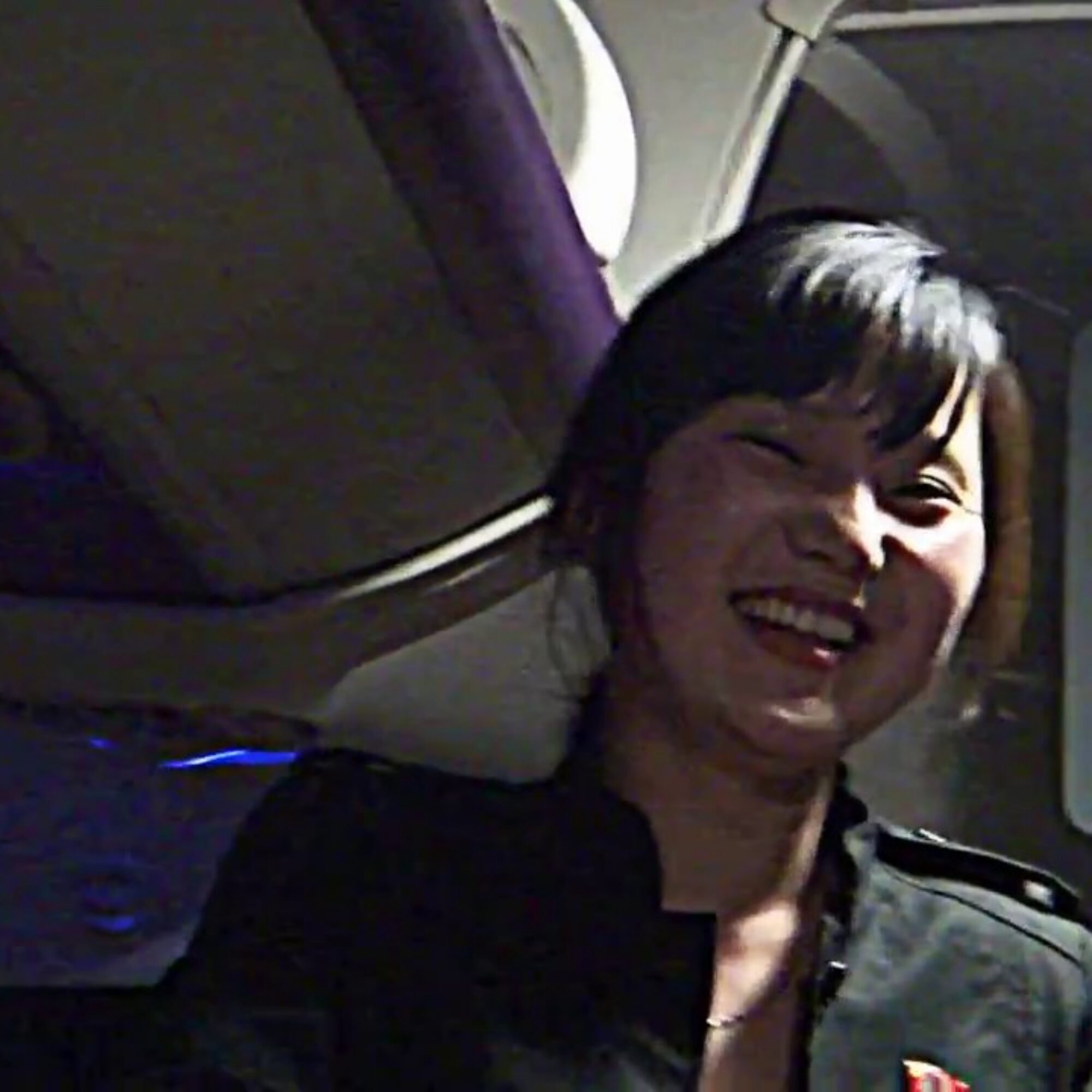
One of the more touching moments of our trip was our guide, Ms Han, singing Arirang for us on our last night after nearly two weeks. According to Wikipedia, the song "is sometimes considered the unofficial national anthem of Korea." Since the government requires tourists be accompanied by two guides plus a driver at all times and the guides communicate only the party line about North Korea's history, politics, etc, people who haven't visited tend to presume the guides are drone-like agents of the state or overseers. On the contrary, they're regular people with lives, stories, family, etc. We created great relationships with ours. I'm sure all of us would keep in touch but for the North Korean government controlling communication. I defy you not…

0 Comments

Video: North Korea’s incredibly talented and rehearsed children performers — and comparison with some Americans

Our guides took us to see the children's performance palace (I forget its official title), where they put on display groups of children whose performances were incredible. I wrote and posted images of them before. Who knows what training they've had or what motivates them to get to this level. I think the usual first guess of people who are critical of North Korea is that the government coerces them -- that if they don't perform well someone will harm their parents or something like that. Someone also told me that these children hold very high status, so maybe they have internal motivation. I'll never know if they are pushed, pulled, motivated on their own, something else, some combination, or what. All I can say…

0 Comments

George Clooney on being yourself in the face of adversity

For my third post on George Clooney's Inside the Actors Studio interview, here he speaks on being yourself in challenging situations. I've written on the overlap I see between the art and craft of leadership and acting, how both deeply involve being aware of knowing and managing your emotions so you can know and evoke emotions in others. I think the training of leaders can benefit from the more mature field of training actors, and I'll write more on that later. What Clooney says about actors I believe applies to leaders as well, since leaders necessarily work where others can judge them. Leaders can't hide. Leaders have to be present and themselves, so criticism and judgment of their work and their team's work always has…

0 Comments

Observations on leadership and success from Inside the Actors Studio

I've watched a lot of episodes of Inside the Actors Studio. I've referred to it before and I'll keep referring to it as a resource for leadership because actors and leaders share this common element to their craft: part of our jobs is to recognize and manage emotions in ourselves to communicate them and create and inspire emotions in others. Actors tend to inspire laughter, tears, and catharsis whereas leaders tend to inspire motivation, dedication, and action, but those are just different ranges of emotions. Both crafts inspire emotions in others through identifying and creating emotions in ourselves. That common part of our crafts means the training of both crafts requires developing emotional intelligence and self-awareness. The field of acting makes that requirement obvious to…

0 Comments

Rules are other people telling you what to do; Breaking rules lets you excel

Learning Chinese as I am, I'm learning a lot of rules of that language. If you've spoken to me in person over the past few years, you've probably heard my fun-with-language game to purposefully conjugate the verbs to be and to have wrong. I often say "How is you?" or "I has to go to the store." I'll be the first to admit the mis-conjugation is affected, but it's also fun. Some friends have adopted it too and we make a game of it. I mention the game now in the context of learning language to return to a concept I've written about before -- what rules are, how to play by your own, and how fun making your own can be (illustrated with Calvin…

2 Comments

What color is a mirror?

I don't know if this will sound deep or what, but this question hit me the other day and I found it making me think enough about perception to share it here. Perception being one of the main components of my Model, I like thinking about and understanding more about perception, whether literal, physical perception, or conceptual. Maybe it will read like a koan. Everything has a color. My computer is black. My shirt is gray. That lamp over there is red. Even glass is clear, which I'll call a color. What color is a mirror? For the purposes of discussion, I imagine a perfectly reflecting mirror. If it always reflects whatever you see it reflecting, does that mean its color keeps changing? Does that…

0 Comments

You know, ordinary life is pretty complex stuff

I came across a great quote in a Sundance Grand Jury Prize movie called American Splendor about  comic book writer Harvey Pekar. If you don't know about Harvey Pekar or his comic book series, American Splendor (they named the movie after it), he was a mostly regular guy with a regular job as a file clerk in a hospital in Cleveland. He saw comic books with super-heroes in tights as formulaic and divorced from regular life. He saw that a super-hero saving the planet with super-powers from aliens was less dramatic than an ordinary person having to solve ordinary problems in day-to-day life. The super-hero drama existed only in fiction. Since we don't have super-powers, what can we learn from them? They only entertain us.…

0 Comments

A poem: In the sea of Iwami by Kakinomoto Hitomaro

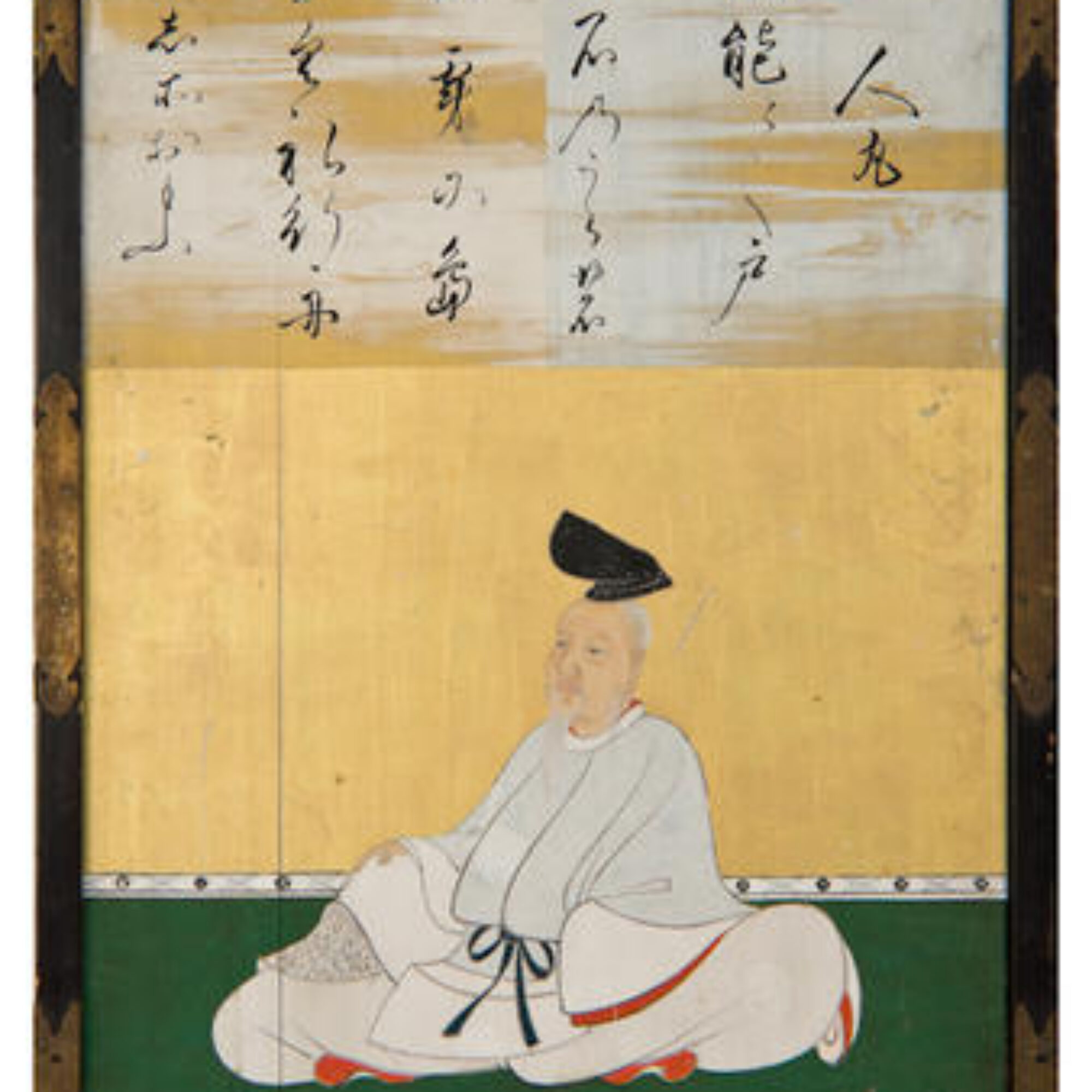
I recently came across a poem I remember reading in college and liking enough to copy into my computer. I've tried to find a way to connect it to this page's usual themes of leadership and personal development. I can't, but I like the poem enough to post it anyway. I hope you like it enough to indulge my digression / indulgence. It's by Kakinomoto Hitomaro (c. 662 – 710). According to Wikipedia he "was a Japanese poet and aristocrat of the late Asuka period. He was the most prominent of the poets included in the Man'yōshÅ«, and was particularly represented in volumes 1 and 2. In Japan, he is considered one of the Thirty-six Poetry Immortals." In the sea of Iwami By the cape…

0 Comments

Scandal about that refreshing voice on copyright from a hard-core conservative

Do you like music, art, literature, innovation, invention, creativity, entrepreneurship, and things like that? Then you probably liked the document I mentioned a few weeks ago about problems with copyright and how to fix them. I considered it well thought-out and felt it proposed ideas that would improve the country. I was surprised to see it coming from the type of hard-core conservative that supports corporate welfare. Until the group that originally distributed the document disowned it and took it down from their site. (here's the original document) I don't know if you follow copyright or patent policy, but as a writer, inventor, writer and holder of a half-dozen patents, and one who enjoys culture, I find the topic incredibly important. I find the direction…

0 Comments

See Rufus Seder’s talk on “Magic, Art, and Motion Pictures” featuring my work in Boston November 29

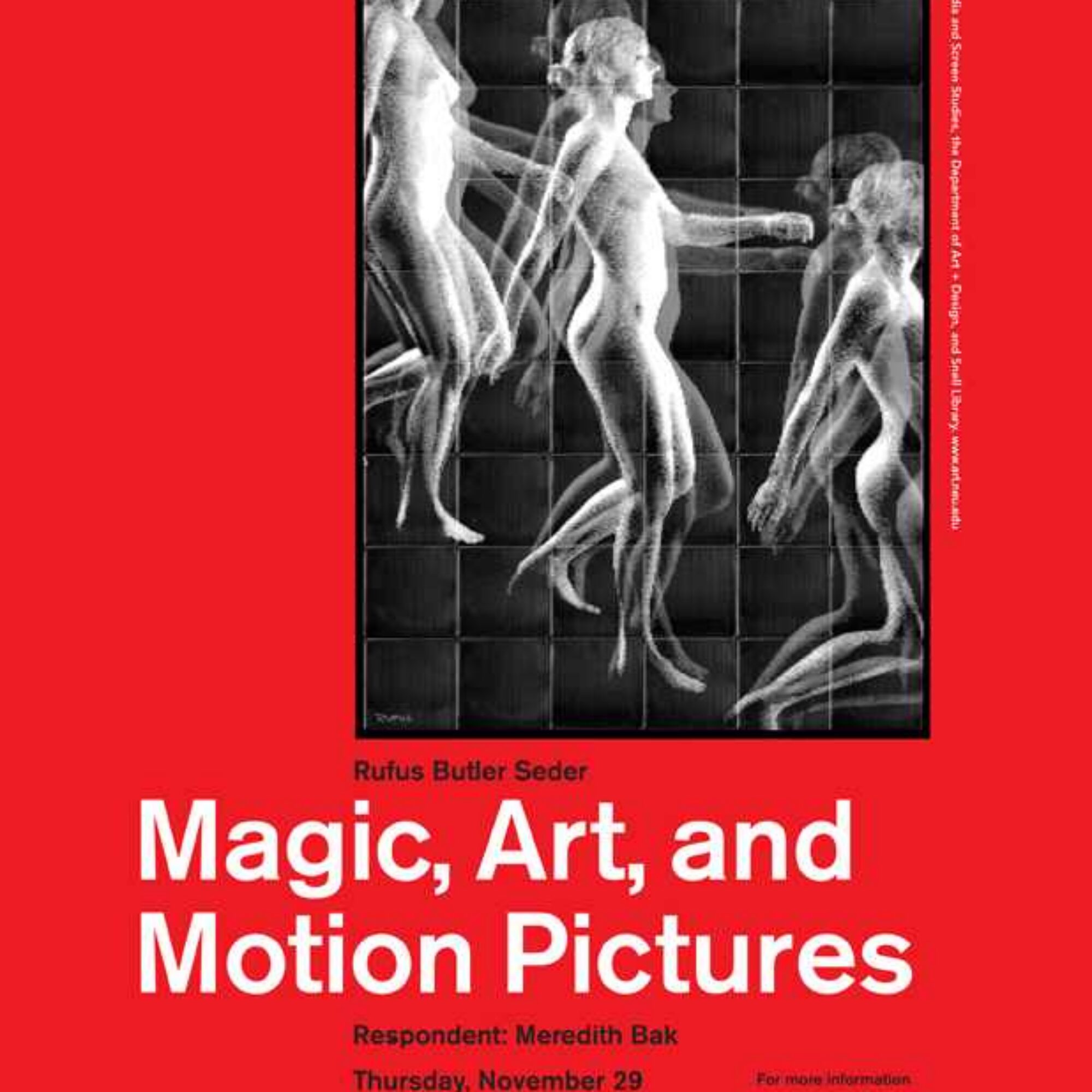
If you like art like mine -- motion pictures created by your motion, without computers or motion picture projectors -- you know Rufus Seder. He has created, among other things, series of books, cards, and other hands-on physical animation devices. Friends and family constantly bring me his fascinating work, books, toys, and such. On Thursday, November 29, Rufus will speak at Northeastern University in Boston on our type of art; more specifically how and why he does what he does, touching on the history of motion picture devices and toys, his own award-winning independent films, the optically animated art of others, and his ongoing exploration into new ways of making pictures move. He told me he'll feature a piece or two of my work in…

1 Comment

A refreshing voice on copyright from a hard-core conservative

EDIT: Maybe I should have expected this. The Executive Director of the Committee pulled the document from their site, stating We at the RSC take pride in providing informative analysis of major policy issues and pending legislation that accounts for the range of perspectives held by RSC Members and within the conservative community. Yesterday you received a policy brief on copyright law that was published without adequate review within the RSC and failed to meet that standard. Copyright reform would have far-reaching impacts, so it is incredibly important that it be approached with all facts and viewpoint in hand. As the RSC's Executive Director, I apologize and take full responsibility for this oversight. Enjoy the rest of your weekend and a meaningful Thanksgiving holiday ...…

0 Comments

Amazing essays by amazing writers and thinkers

I stumbled on this more-than-a-decade-old amazing trove of essays. Just reading the authors' names is impressive. They are essays written by great thinkers, writers, etc on "best" things of the past thousand years. I'll cut and paste most of the essay titles and links here. I've only read a few so far, but I've loved each. Sorry I haven't reformatted much, but you can always go to the original site for the full treatment. Eyes Wide Open By Richard Powers Every Dictator's Nightmare By Wole Soyinka When Tristram Met Isolde By Joyce Carol Oates Best Magic Trick By Teller Video Best Feat of Engineering By David Macaulay Best Nuisance By Penelope Fitzgerald Best Innovation in Painting By Michael Kimmelman Slide Show Best Vision By James…

0 Comments

My beautiful eight-minute Shanghai commute

Speaking about commuting, as I did yesterday, I decided to record my Shanghai morning commute. It's normally about eight minutes. I could probably do it in six-and-a-half without running if I had to. So I brought my camera and took pictures every dozen yards or so sometimes looking forward, other times to the side. What can I say? I consider community more important all the time. I live in a beautiful part of the French Concession. I started with the interior of the old three-story building I live in. People call the building old Chinese style in that people use its common spaces for storage, drying racks, cooking spaces, and so on... a different view of privacy than the U.S. I say a few words…

0 Comments

End of content

No more pages to load