The basic Passion-Attraction Model in one relationship

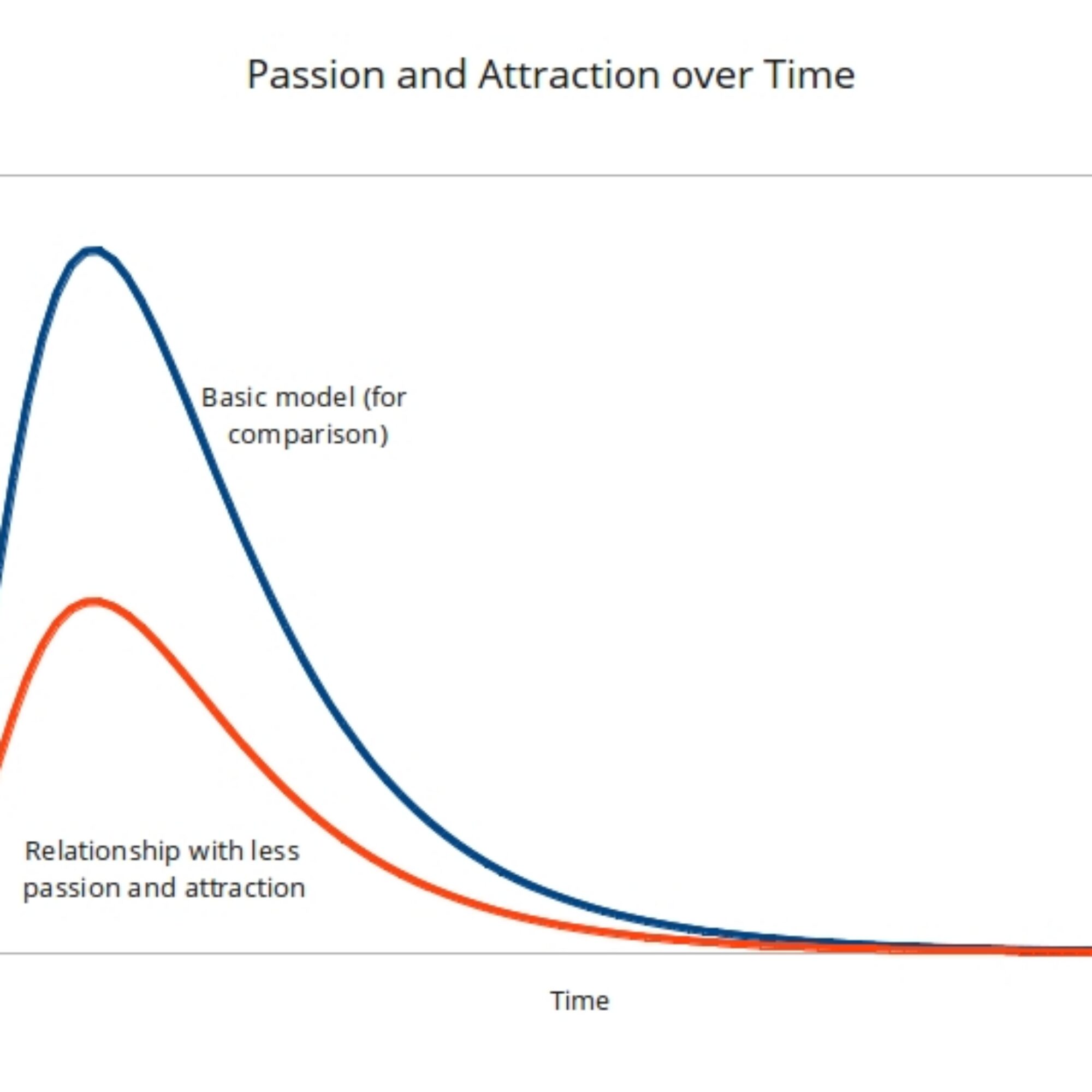
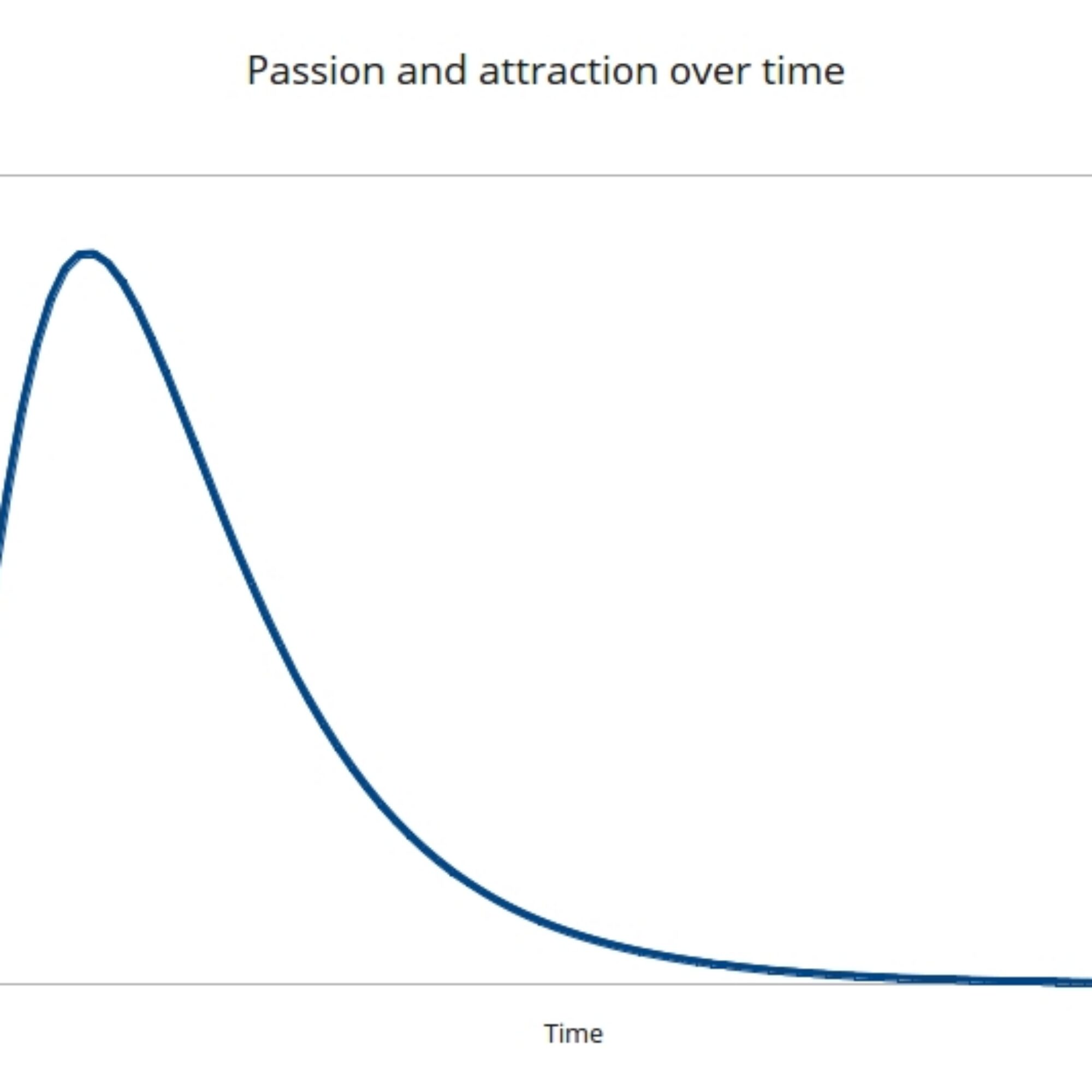
Yesterday covered the basic Passion-Attraction Model and some caveats. Today let's look at how the P-AM models passion and attraction in a single relationship. (Tomorrow we'll look at it multiple relationships). I find that the better I can visualize many ideas, the more clearly I can think about them, so this model's illustrations help me understand my feelings in a relationship. Then I can plan and act to improve myself and understand others in relationships. The Passion-Attraction Model in one relationship As we'll see, the P-AM can explain a lot of about one's feelings of passion and attraction in relationships. Less passion and attraction Some people evoke less passion and attraction in us. The P-AM represents less emotion with a lower peak, as illustrated by…
0 Comments

Introducing a new model: Passion and Attraction

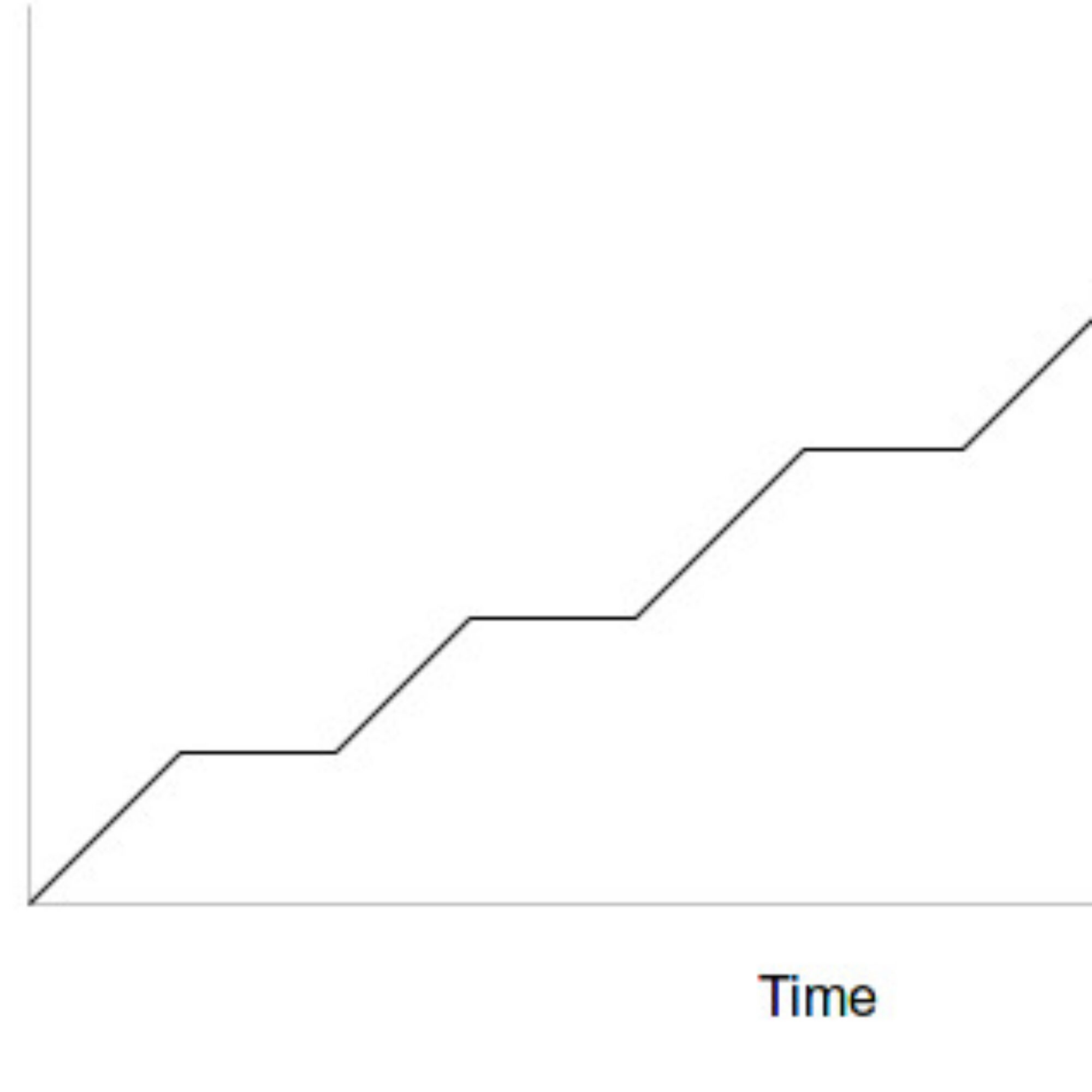
I'm starting a new series today on a new model, this time on passion and attraction. Everyone I showed it to told me it gave them useful insights, so I expect you'll find value in it too. I'll apply the model mainly to intimate relationships, but you can also apply it to anything that evokes passion, attraction, or both, like hobbies, jobs, sports, and so on. So what does a science-trained, leadership-minded, self-awareness and emotional-intelligence focused guy have to say about passion and attraction? I'll start by showing this picture of my Passion-Attraction Model as a taste of things to come, for now without explanation, except that I expect you'll find life-improving insight from a fresh and simple perspective. I find visualizing things makes understanding…

0 Comments

Do you decide rationally or emotionally?

One of this blog's central focuses is self-awareness because I think to improve your life and relationships the best starting point is to know where you are. Know thyself, in other words. Today I want to give you a way to learn deeply about how your mind works. I didn't come up with the idea, but it intrigues me and I'd love to learn other people's thoughts. I think people generally believe they have a voluntary, rational part of their brain that, among its roles, makes decisions. If you're choosing what to order off a restaurant menu, for example, you probably do something like this: You read your options, eliminate those you don't want, consider the ones you do, work through some core decision-making process,…

0 Comments

“Sin” is a made-up concept.

I grew up in an environment that took the concept of sins for granted. People called certain behaviors wrong by labeling them as "sins." As a kid I never considered the sources of the classification or even if they corresponded to anything other than opinion. As a result, accepting someone calling a behavior as a sin seemed as natural as them saying something was green or wet or upside-down. As an adult I came to question the concept. It hit me that the concept of sin was just something that people made up. No objective way to determine something's sinfulness exists. As best I can tell, people created the concept to control other people with fear and shame, and possibly to make themselves feel better.…

2 Comments

More ways to annoy someone you’re talking to

The other day I wrote about how annoying someone saying "Why are you getting hung up on just one word?" sounded. Then I noticed a friend using some other annoying words and phrases in conversation that sounded annoying and decided to share them here. I don't think she realized how annoying she was. So I put a few more annoying things, not as a how-to, but for people who might not realize they are provoking others and so if someone says them to you, you can avoid being annoyed as much. Provocative things to say that belittle the other person's values Why are you offended? Why are you so hung up on such a little thing? I didn't realize you were so sensitive. You're hung…

0 Comments

Hidden assumptions in “Jobs Americans won’t do” and systems thinking

I keep reading the phrase "jobs Americans wont' do," as in "illegal immigrants do work in jobs Americans won't do." Search on the phrases in quotes and you'll find plenty of articles on the topic. Economists, politicians, and pundits use the tools they use to analyze jobs -- labor supply and demand, wages, competition, and so on -- to understand the situation. These articles never seem to question the existence of some jobs. They seem to take for granted that some work just has to be done and that it has to be done in just that way. Of course we need people to gut pigs and work in the sun all day in huge agricultural fields, they suggest...  of course we need people to…

0 Comments

Napoleon, Pasteur, and luck

I read that when considering officers for promotion, Napoleon would ask if the man was lucky. Napoleon responded "Give me lucky generals," aware that "luck" comes to leaders who recognize opportunity and seize it. Consider all the words he could have used instead of luck. Louis Pasteur, pioneer of the Germ Theory of Disease, said "In the fields of observation chance favors only the prepared mind." How do you reconcile two of history's most successful and famous people valuing luck and chance so highly? Needless to say they are just two examples of many more. What are luck and chance from their perspective? I think it's clear they aren't talking about gambling. They're talking about skills you can develop that look like luck and chance…

0 Comments

A model to help stop acquiring stuff

Do you have more stuff than you want? Do you have trouble keeping yourself from acquiring it? Do you wish you could get less stuff? I've been working on getting less stuff for a long time. I find the most important part to not having too much stuff is not acquiring stuff in the first place. Often when I'm with people and they can see I want something but hesitate to buy it, they think I'm trying to decide if I can afford it. Usually I'm figuring out how hard it will be to get rid of it when I'm done with it. I don't like filling landfills. I don't mind taking things to thrift shops, but I also prefer not creating demand for things…

0 Comments

Things aren’t as bad as they seem when they seem worst

How do you feel right now? I suspect you read this page when you're calm, maybe even relaxed. Now think about a few times you've been stressed. Think of how much you worried about the consequences of some worst-case scenario -- how it could ruin your life, destroy some relationship, undermine something important to you. Did you yell at anyone? Lose your temper? Lose control in some other way? Everybody has been there. We all know the feeling. However bad you've felt, somebody else has felt worse yet still survived and later flourished. No matter how bad you thought things would work out, you eventually end up back to a calm state where you have time and resources to catch up, plan, and improve things.

0 Comments

Communications skills exercise 12: Avoiding starting responses with “No,” “But,” or “However”

[This post is part of a series on Communication Skills Exercises for Business and Life. If you don't see a Table of Contents to the left, click here to view the series, where you'll get more value than reading just this post.] I've written a bunch of times on the exercise I made up to avoid using judgmental words, particularly good, bad, right, wrong, and evil, but also balanced, better, worse, improve, acceptable, and a bunch of others. I'm not sure if I wrote where I got the idea from. I got the idea from another exercise as simple and surprisingly effective that I learned from Marshall Goldsmith. Reading it will seem trivial. Doing it is nothing like you expect. The exercise The exercise is…

0 Comments

Men, women, attraction, and power

Here's a conversation I had with a friend. It shows the way my physics training gets me to think that I expect others will find interesting. Remember, physics to me means respecting and appreciating nature -- not just something that happens in a laboratory, but how rainbows work, why the sky is blue, and why people are the way we are. My friend also said she found the result enlightening. Normally I don't write about men-women issues, but the way of thinking can apply elsewhere too. You'll see I had to refine my first question and then re-ask it to give clear and unambiguous answers -- like creating an experiment. Physicists like answers that you can measure. Josh: Do you think overall men find women…

0 Comments

How failure creates success

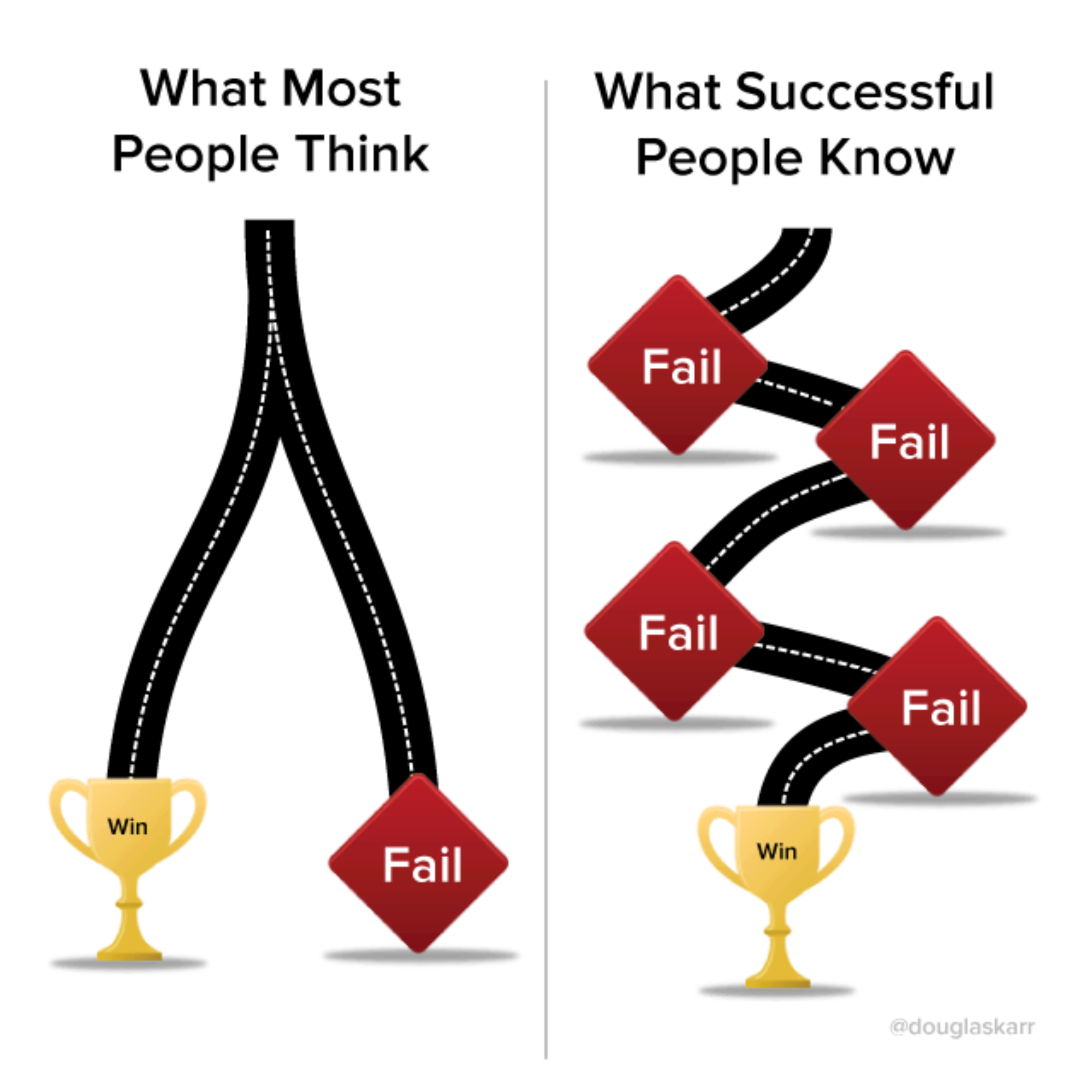
Normally I don't like just posting someone else's work, but I saw this image the other day and found the model it suggests so simple and useful I couldn't help posting it. I've found and often say the people who succeed use the word "failure" like other people do, but it doesn't mean the same thing to them. It means something positive. Not even a necessary evil, but part of a learning process... a desirable outcome.

0 Comments

A beautiful spring day

New York City is enjoying some beautiful weather today. My building has a nice rooftop and had some friends over to enjoy the weather and view yesterday. I think people come here for the leadership thoughts... sometimes you just have to stop and enjoy the day. A few related thoughts I've posted before I clicked on to look at myself. A Beautiful Spring Day in My Neighborhood (with slide show!) A Model that Will Bring You Happiness Three Little Birds Is it not important to enjoy and explore the world around you? Now I'm off for a run along the river.

0 Comments

What is morality?

The concept of morality is for many people a complex topic. I like to simplify complex things, as long as the simplification works. If the simplification doesn't work I drop it, but sometimes the simplification works well. Longtime readers of this blog know I avoid using terms like right, wrong, good, bad, and evil and have an exercise to avoid them that taught me a lot, decreased how many arguments I got into, and benefited me in other ways. So the less I communicated judgment, the more I questioned the value of anyone communicating judgment and the more I started paying attention to how people used the word and concept of morality. I came to substitute the model that morality just meant someone telling someone…

0 Comments

Communications skills exercises, part 10b: another example of voicing your self-talk

Following up on this post on voicing your self-talk, a follow-up to what I consider the most effective exercise in improving your self-awareness, here is another example of someone speaking extemporaneously for a long time. He's not exactly voicing his self-talk, but he is, at least somewhat. I presume he knew his topic well before this recording, but knowing a topic well doesn't make speaking for over five minutes on it easy. He has to be able to let the words come out of his mouth with minimal filtering. I find being able to speak extemporaneously displays high status. http://www.youtube.com/watch?v=5BBhNkywMJY It's also funny and shows talent. I expect he worked hard to be able to speak like that. Could you do it, in front of…

0 Comments

A model for intuition, especially in complicated times

[This post is part of a series on "Mental models and beliefs: an exercise to identify yours." If you don't see a Table of Contents to the left, click here to view the series, where you'll get more value than reading just this post.] Leading in complicated times can be challenging. Many people prefer not to lead because of the risk of visible failure. Others thrive under pressure. They don't have better odds of success than others. If you can become like that, people will want you around. Even if all you can do is stay calm beyond where others lose their cool, people will want you on their team or leading it. How do you learn to stay calm and perform effectively under pressure…

0 Comments

A model for balancing pushing myself with enjoying life

[This post is part of a series on "Mental models and beliefs: an exercise to identify yours." If you don't see a Table of Contents to the left, click here to view the series, where you'll get more value than reading just this post.] Do you work hard to improve your life -- studying hard, working long hours, being patient with a significant other, etc? If you're always pushing, when do you get to enjoy life? But if you're always enjoying, do you ever improve? Do you wonder if you're slacking too much or working too hard? Do you wonder how to balance both aspects of your life? Today's model shows how I think about how I balance pushing, trying, and improving with enjoying, relaxing…

0 Comments

A model for what improves life the most

[This post is part of a series on "Mental models and beliefs: an exercise to identify yours." If you don't see a Table of Contents to the left, click here to view the series, where you'll get more value than reading just this post.] What can you do to improve your life the most? Exercise more? Eat more healthily? Save or earn more money? Improve your social skills? Buy a house? I've found success in many areas of life. I think I could safely say I've performed in the top few percent of performers (to the extent you can quantify these things) in fitness, earning, academic success, business success, relationship success, and various other important things. Today's belief is about what, of all things I've…

0 Comments

A model for a great lifestyle

[This post is part of a series on "Mental models and beliefs: an exercise to identify yours." If you don't see a Table of Contents to the left, click here to view the series, where you'll get more value than reading just this post.] You want to do well in life. What areas are most important for you? Do you want fame? Fortune? Power? Family? My explorations into meaning, value, importance, and purpose (MVIP) led me to consider what I wanted. Since I've found MVIP are grounded in emotions, I found I could refine my understanding of what brought me MVIP by refining my understanding of my emotional system and my emotions. I found that emotions stood at the foundation of all of MVIP. Not…

0 Comments

Four models on entrepreneurship that counter discouraging myths

[This post is part of a series on "Mental models and beliefs: an exercise to identify yours." If you don't see a Table of Contents to the left, click here to view the series, where you'll get more value than reading just this post.] Do you think about starting a company? Or something else entrepreneurial, like starting and leading a project where you work, a community-based project, or the like? Do you also hold yourself back? Do you fear it might not go well? Or worry you're not doing it right? Or feel like you should prepare more for it? Today I'll cover four discouraging myths about entrepreneurship and four encouraging beliefs that counter them. Having started a business out of school, presenting on entrepreneurship…

0 Comments

A model to make sense of complexity

[This post is part of a series on "Mental models and beliefs: an exercise to identify yours." If you don't see a Table of Contents to the left, click here to view the series, where you'll get more value than reading just this post.] If you believe everything that happens has a cause, when something happens you want to change you look for the cause and change it. You might have to dig deep for the "root" cause, but once you find the cause of something you can influence the thing by influencing the cause. For example, if your project is late because your boss isn't giving you the resources you need, you can try to get your boss to give you more of the…

0 Comments

A model to tolerate when people pre-judge me

[This post is part of a series on "Mental models and beliefs: an exercise to identify yours." If you don't see a Table of Contents to the left, click here to view the series, where you'll get more value than reading just this post.] Doesn't it bother you when someone treats you like a preconceived notion instead of the person you are? Doesn't it feel dehumanizing? Today's belief came from an experience I had riding a bike as a kid and helps me visualize what happens and resolve the problem. I was riding near some trolley tracks. When I crossed them at a slight angle my front wheel fell into the track, making it impossible to steer. The bike and I fell down. If I…

0 Comments

A model of emotional intelligence and self-awareness

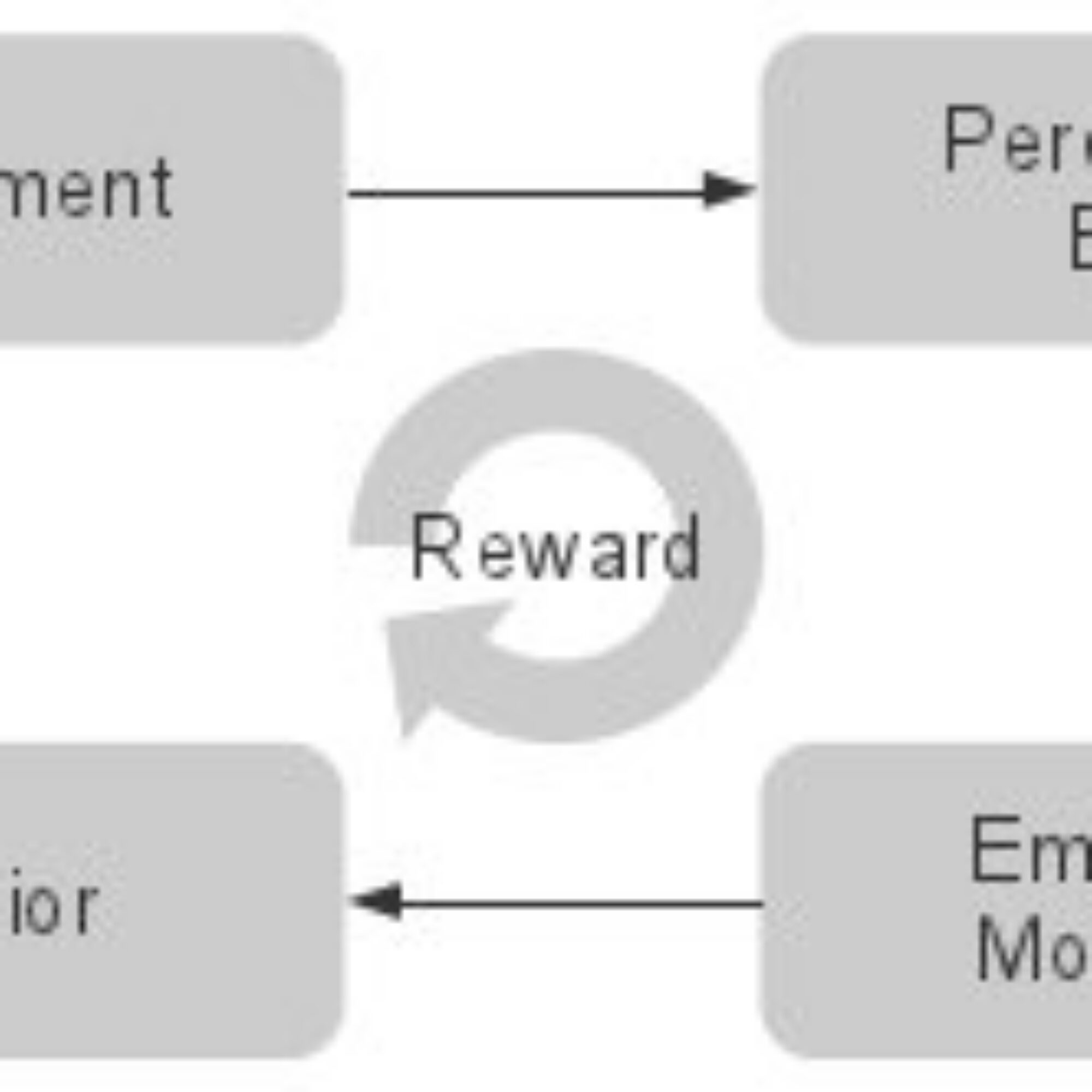
[This post is part of a series on "Mental models and beliefs: an exercise to identify yours." If you don't see a Table of Contents to the left, click here to view the series, where you'll get more value than reading just this post.] What is self-awareness? What is emotional intelligence? Everybody I know agrees that improving them improves your life and ability to lead yourself and others. "Know thyself," a basic instruction for improving yourself that has stood the test of thousands of years, means improving self-awareness. Yet few people can define either of these terms effectively. Today's model explains them both. A model for emotional intelligence and self-awareness First, some basics I'll take for granted. You have a head and body. You breathe.…

0 Comments

A model to cover life’s basics

[This post is part of a series on "Mental models and beliefs: an exercise to identify yours." If you don't see a Table of Contents to the left, click here to view the series, where you'll get more value than reading just this post.] Do you ever feel overwhelmed with obligations? So much that you find yourself losing sense of your priorities? Today's simple model reminds me of my basics. If you're reading this at some regular, calm time, it may seem too basic to think about. Its value comes when you're stressed or overwhelmed. Then it can shift your perspective and simplify things. A model to cover the basics: You can't improve anything until you've covered sleep, food, and exercise. However you want to…

0 Comments

A few models that don’t improve your life that effectively

[This post is part of a series on "Mental models and beliefs: an exercise to identify yours." If you don't see a Table of Contents to the left, click here to view the series, where you'll get more value than reading just this post.] I wrote about The Method being an effective way to improve your life and, when applied to a team, to improve your leadership style. Based on the Model, The Method says that if you align your environment, beliefs, and behavior with the emotions you want, you'll feel emotional reward. Feeling reward means you'll feel motivated to continue your change through to completion. Most people don't know the Model or follow the Method. They use techniques that can work, but generally not…

0 Comments

End of content

No more pages to load