Don’t let a sour grapes attitude ruin your life

A friend asked why guys who have trouble meeting women insult them. With the worst insults you can think of, no less. As we'll see, not only men in that context do it. In other contexts women do it. And not just about other people. I do it. You do it. Everybody does it. What's going on? Let's look at the pattern. It keeps you from improving your life, so it's important. When people can't attain something they want, they put it down -- a more general effect than in dating. They're resolving a conflict in their mind (aka a cognitive dissonance): "If I can't have it it must be worthless. Or worse!" Like Aesop's fox who can't reach the grapes, they say they must…

0 Comments

Some reasonable talk on the China Study

I wanted to love the China Study, a bestselling book by a scientist and doctor on nutrition. It's gotten a lot of media attention (from the NY Times, Huffington Post, Bill Clinton, and Oprah, for example). It's based in science, promotes healthy eating, and does two main things -- one well, one not so well. Overall, I like the book and recommend it. At the end of this post I wrap it up. The not-so-well part The not-so-well part started off looking great. The authors researched nutrition, found evidence for the healthiness of eating plants, unhealthiness of eating meat, and major problems with food in the U.S. I expected to learn important new things. I thought it might make my resource list. I was hoping…

0 Comments

More labels not helping: a man’s autism vanishes

If you look for problems you'll find them. And you'll fill your life with problems. But if you look for solutions you'll find them too, and you'll fill your life with solutions. You'll find your problems go away or don't show up at all. A day after posting on labels not helping with introversion and extraversion came this op-ed piece on a guy whom doctors diagnosed with autism, supposedly “a continuous and lifelong disorder,” but his symptoms vanished. I exhibited a “qualified impairment in social interaction,” specifically “failure to develop peer relationships appropriate to developmental level” (I had few friends) and a “lack of spontaneous seeking to share enjoyment, interests, or achievements with other people” (I spent a lot of time by myself in my…

0 Comments

“Introverted” / “Extroverted”: labels hold you back from improving your life

On a discussion online about introversion and extraversion, I responded to someone pointing out that the labels of introversion and extraversion hurt more than they helped. Labels add no value and hold people back from improving their lives. Dealing with groups requires one set of skills. Dealing with solitude requires another (with much overlap). If you don't have skills for one situation you will avoid it. Once you acquire the skills to handle it, you'll be able to handle either. If you can only handle one now that doesn't mean you can't handle the other, it just means you haven't yet. When you have the skills and experience to handle one situation you will enjoy it and look forward to it, either one. When you…

1 Comment

Is New York City’s warm February weather scaring you?

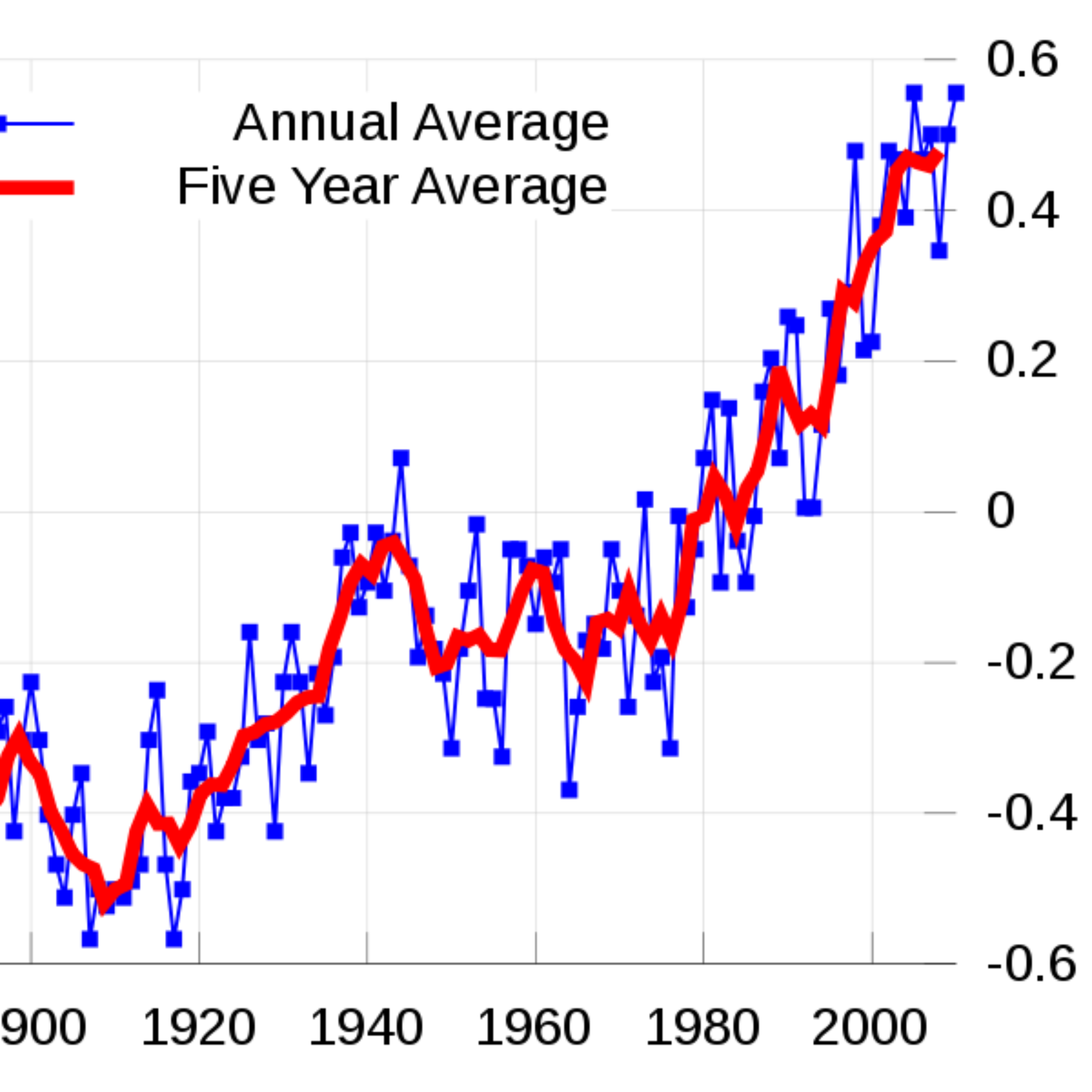
I don't see many people celebrating New York City's incredibly comfortably warm January and February weather. I think it's scaring people. When I was a kid people would have celebrated 62 degree weather in February. Now, with each of the past eleven years registering in the hottest twelve years on record, the chance we may see that the worst fears of global warming not only in our lifetimes, but in the next few years, seems scarily likely. When charts like this feel more relevant, who wants to celebrate balmy weather when next year may feature global scale crop failures, islands submerging, and worse?

0 Comments

Models: an exercise in spotting the model

[This post is part of a series on The Model -- my model for the human emotional system designed for use in leadership, self-awareness, and general purpose professional and personal development -- which I find the most effective and valuable foundation for understanding yourself and others and improving your life. If you don't see a Table of Contents to the left, click here to view the series, where you'll get more value than reading just this post.] Let's do another exercise in beliefs and models. One of the challenges in models is that people act on them without realizing them. If someone else acts on one without realizing it, they will stick with it strongly and may influence you to seeing it from their perspective,…

0 Comments

Models: an exercise in evaluating models

[This post is part of a series on The Model -- my model for the human emotional system designed for use in leadership, self-awareness, and general purpose professional and personal development -- which I find the most effective and valuable foundation for understanding yourself and others and improving your life. If you don't see a Table of Contents to the left, click here to view the series, where you'll get more value than reading just this post.] I've harped on how the only meaningful value of a model or belief is in how well it helps achieve its goal, not accuracy or if you had it first or anything else. Today's question will illustrate the difference. I'll give you a situation to consider, then a…

0 Comments

Models: examples of the active view

[This post is part of a series on The Model -- my model for the human emotional system designed for use in leadership, self-awareness, and general purpose professional and personal development -- which I find the most effective and valuable foundation for understanding yourself and others and improving your life. If you don't see a Table of Contents to the left, click here to view the series, where you'll get more value than reading just this post.] Today let's look at some examples of applying the active view of models to models you may know or from life. That is, the following examples show how someone created a model specifically not what most people see when they look at the object of the modeling. Jack…

0 Comments

Models: the active view, part 2

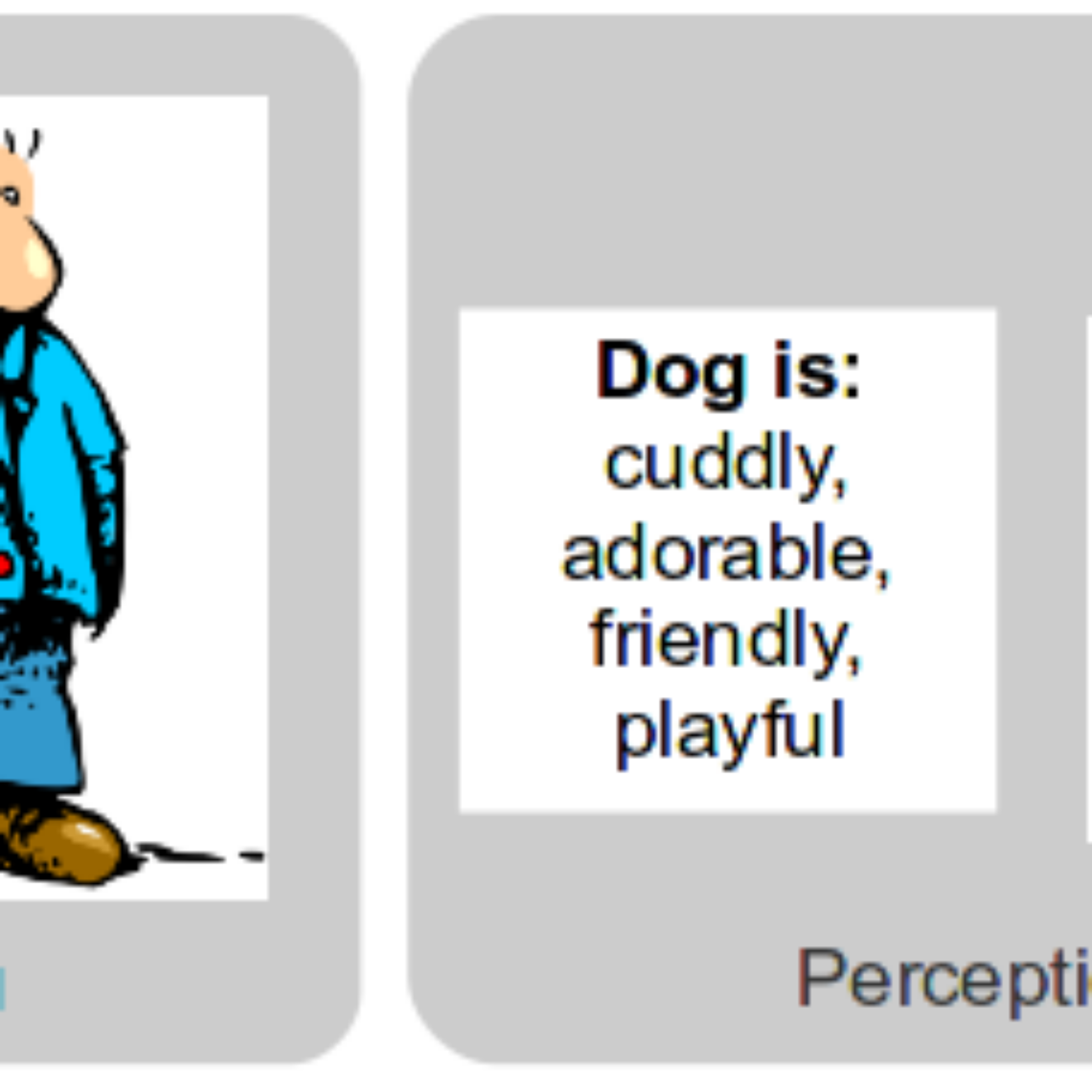
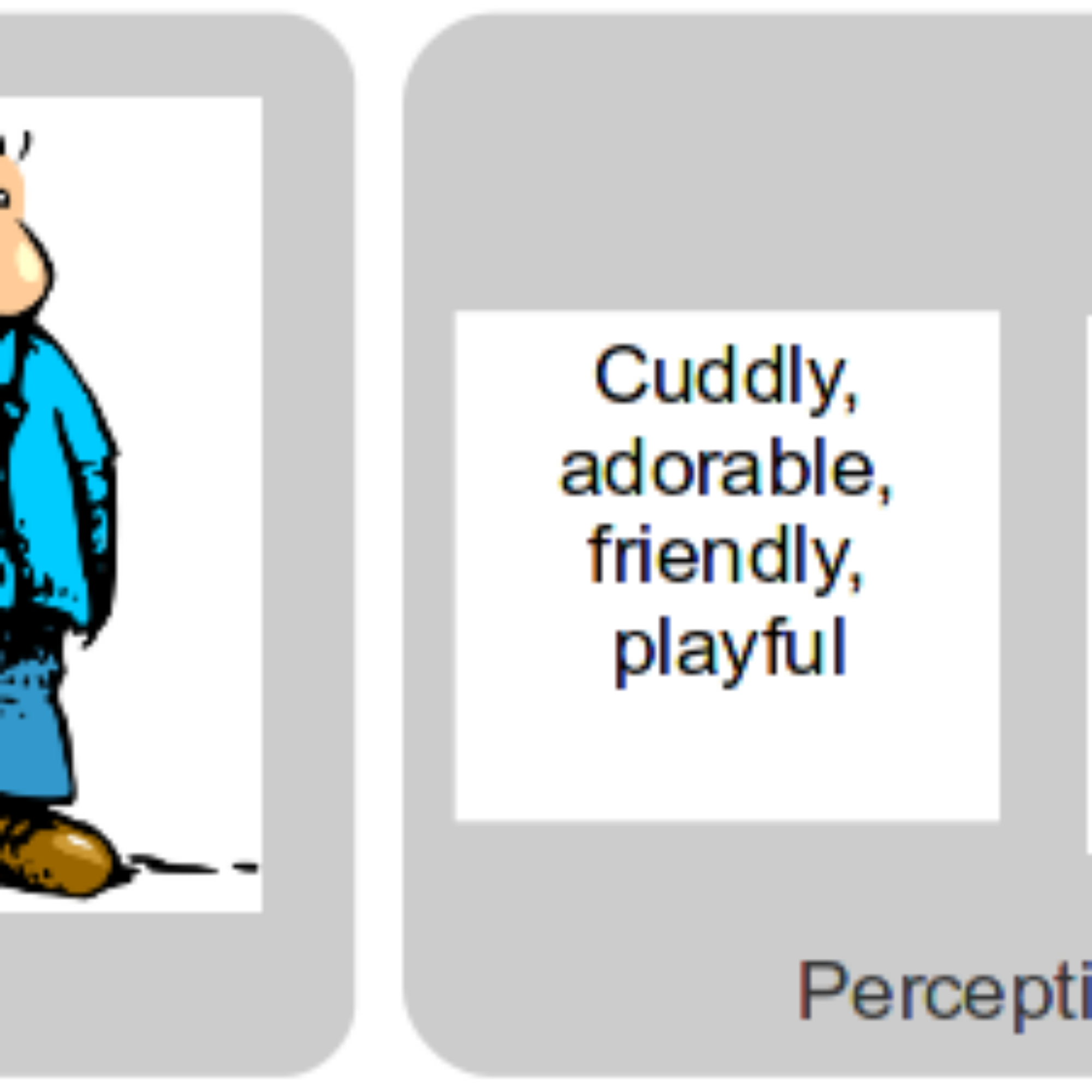
[This post is part of a series on The Model -- my model for the human emotional system designed for use in leadership, self-awareness, and general purpose professional and personal development -- which I find the most effective and valuable foundation for understanding yourself and others and improving your life. If you don't see a Table of Contents to the left, click here to view the series, where you'll get more value than reading just this post.] Having seen an overview of the active view, let's look at it in practice. Let's take a passive view from a post a few days ago -- how you perceive a dog based on your beliefs and expectations -- and make it active. Example 1 First let's look…

0 Comments

Models: the active view, part 1

[This post is part of a series on The Model -- my model for the human emotional system designed for use in leadership, self-awareness, and general purpose professional and personal development -- which I find the most effective and valuable foundation for understanding yourself and others and improving your life. If you don't see a Table of Contents to the left, click here to view the series, where you'll get more value than reading just this post.] Actively choosing and managing your models -- what I call the active view of models -- changes how you experience your world. Since you only know your world through your beliefs and models, changing your models effectively changes your world. You need to know about models -- the…

0 Comments

Models: flaws from experts

[This post is part of a series on The Model -- my model for the human emotional system designed for use in leadership, self-awareness, and general purpose professional and personal development -- which I find the most effective and valuable foundation for understanding yourself and others and improving your life. If you don't see a Table of Contents to the left, click here to view the series, where you'll get more value than reading just this post.] Do you think you have some great models and beliefs that no one can prove wrong? Let's look at some examples of experts declaring things most people at the time probably agreed with. I think you'll find many funny today. Imagine trying to argue with the authority who…

0 Comments

Models: why I stress that they all have flaws

[This post is part of a series on The Model -- my model for the human emotional system designed for use in leadership, self-awareness, and general purpose professional and personal development -- which I find the most effective and valuable foundation for understanding yourself and others and improving your life. If you don't see a Table of Contents to the left, click here to view the series, where you'll get more value than reading just this post.] If I stress one thing about models and beliefs, I stress that they all have flaws. None are internally consistent. All contradict something in the world. To recognize that you can't prove most of the basic ideas you hold as truths can be mind blowing. I'm not trying…

0 Comments

Models: the passive view

[This post is part of a series on The Model -- my model for the human emotional system designed for use in leadership, self-awareness, and general purpose professional and personal development -- which I find the most effective and valuable foundation for understanding yourself and others and improving your life. If you don't see a Table of Contents to the left, click here to view the series, where you'll get more value than reading just this post.] Today I'll review the main points arising from simply knowing about that we create models that mediate our interactions with our worlds -- what I call the passive view. Merely knowing about models passively, not what to do with them but just the following points, will help you…

0 Comments

Examples of models: Mexico city, lack of awareness, and leadership

[This post is part of a series on The Model -- my model for the human emotional system designed for use in leadership, self-awareness, and general purpose professional and personal development -- which I find the most effective and valuable foundation for understanding yourself and others and improving your life. If you don't see a Table of Contents to the left, click here to view the series, where you'll get more value than reading just this post.] Leadership depends on understanding that other people have different models. A leader who doesn't recognize people can have different models will create discord and confusion, as today's example will illustrate. I draw this example from my life. After business school a friend told me her consulting job was…

0 Comments

Examples of models: “Everybody does their best according to their abilities and perception of their environment”

[This post is part of a series on The Model -- my model for the human emotional system designed for use in leadership, self-awareness, and general purpose professional and personal development -- which I find the most effective and valuable foundation for understanding yourself and others and improving your life. If you don't see a Table of Contents to the left, click here to view the series, where you'll get more value than reading just this post.] I tend to believe that everybody does their best according to their abilities and perception of their environment. Sure, I know counterexamples, but in general I believe that at every moment, everyone observes their surroundings and, based on their perception and abilities (more precisely, their beliefs about their…

0 Comments

Examples of models: “beliefs and expectations filter your perception”

[This post is part of a series on The Model -- my model for the human emotional system designed for use in leadership, self-awareness, and general purpose professional and personal development -- which I find the most effective and valuable foundation for understanding yourself and others and improving your life. If you don't see a Table of Contents to the left, click here to view the series, where you'll get more value than reading just this post.] Let’s look at another example of how we use models in more depth. As with yesterday, after treating the example I’ll describe the lessons it teaches. Imagine you grew up with a pet pit bull. You might see it as an adorable pet. Someone else who never grew…

0 Comments

Examples of models: why he or she didn’t call

[This post is part of a series on The Model -- my model for the human emotional system designed for use in leadership, self-awareness, and general purpose professional and personal development -- which I find the most effective and valuable foundation for understanding yourself and others and improving your life. If you don't see a Table of Contents to the left, click here to view the series, where you'll get more value than reading just this post.] For the next three or four posts, let's look at examples of how we use models in more depth. After each example I'll describe the lessons it teaches. We'll start with an example we're all familiar with: someone told you they'd call Monday. By Friday, no call. It's…

0 Comments

Examples of models: how a slight change in your model can create big changes in behavior

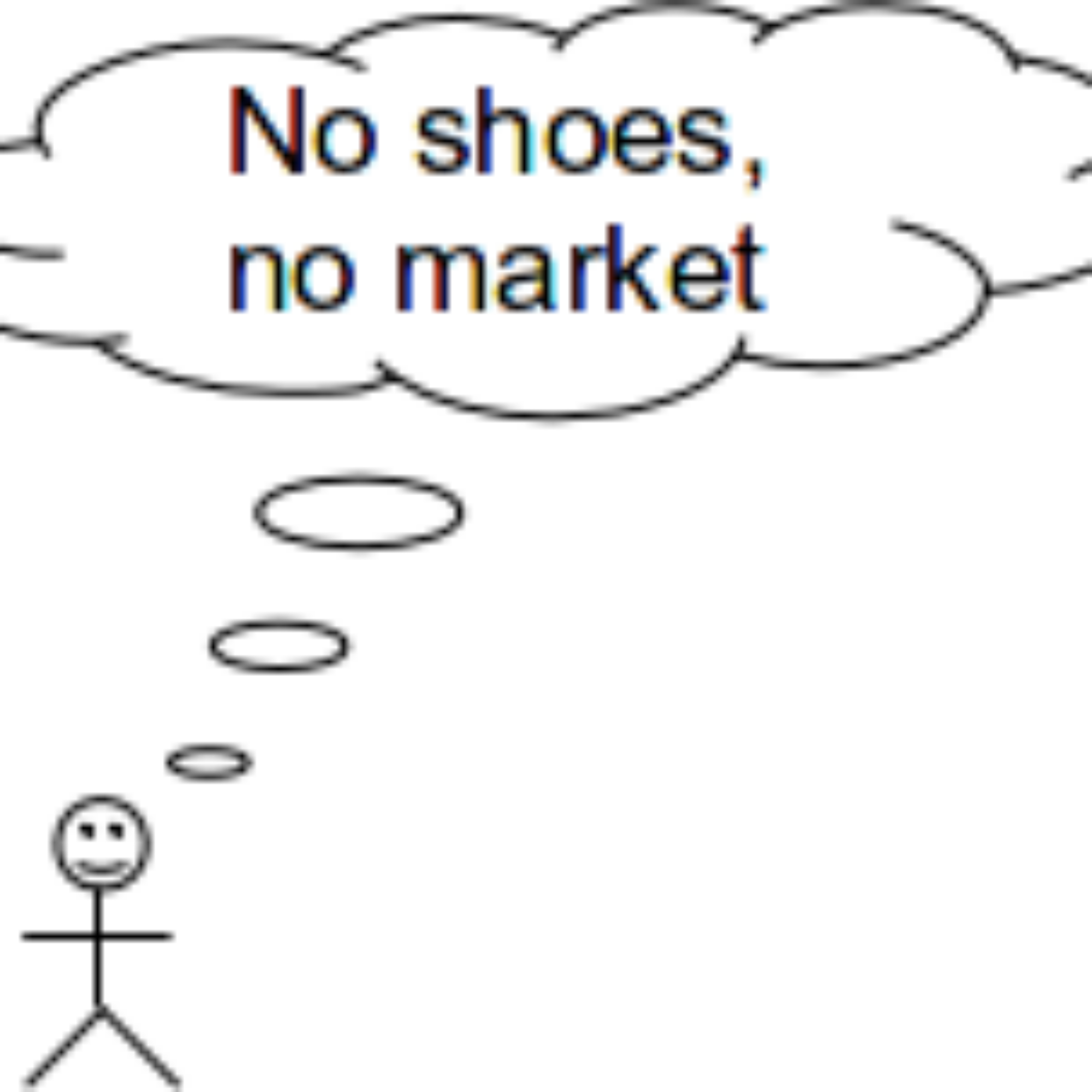
[This post is part of a series on The Model -- my model for the human emotional system designed for use in leadership, self-awareness, and general purpose professional and personal development -- which I find the most effective and valuable foundation for understanding yourself and others and improving your life. If you don't see a Table of Contents to the left, click here to view the series, where you'll get more value than reading just this post.] A famous parable in business literature describes how two competing shoe companies considering expanding into a new market each sent a salesperson to research the market to figure out if they should enter it and how. The first, upon arriving, found that in this market, nobody wore shoes.…

0 Comments

Examples of models: beliefs and mental models

[This post is part of a series on The Model -- my model for the human emotional system designed for use in leadership, self-awareness, and general purpose professional and personal development -- which I find the most effective and valuable foundation for understanding yourself and others and improving your life. If you don't see a Table of Contents to the left, click here to view the series, where you'll get more value than reading just this post.] My past two posts on examples of models showed visual models -- maps and representations of the Earth. Such examples illustrate how models work because they are easy to see, but don't capture the subtlety of distinguishing models from what they represent. Mental models tend to be more…

0 Comments

Examples of models: the Earth from several perspectives

[This post is part of a series on The Model -- my model for the human emotional system designed for use in leadership, self-awareness, and general purpose professional and personal development -- which I find the most effective and valuable foundation for understanding yourself and others and improving your life. If you don't see a Table of Contents to the left, click here to view the series, where you'll get more value than reading just this post.] Yesterday I started with one of the simplest examples of models -- maps. Today we'll look at other models. The image below includes a model of the Earth. You might remember seeing models like this from school. It throws out a lot of information -- it's two-dimensional, showing…

0 Comments

Examples of models: maps

[This post is part of a series on The Model -- my model for the human emotional system designed for use in leadership, self-awareness, and general purpose professional and personal development -- which I find the most effective and valuable foundation for understanding yourself and others and improving your life. If you don't see a Table of Contents to the left, click here to view the series, where you'll get more value than reading just this post.] My series on the Model covered models in general but didn't give examples. My seminars cover examples, so the next few posts will cover some examples to illustrate some common models we all use. I have two goals: first to help expose how fundamental they are to our…

0 Comments
More on kids’ understanding about eating meat
Calvin and Hobbes

More on kids’ understanding about eating meat

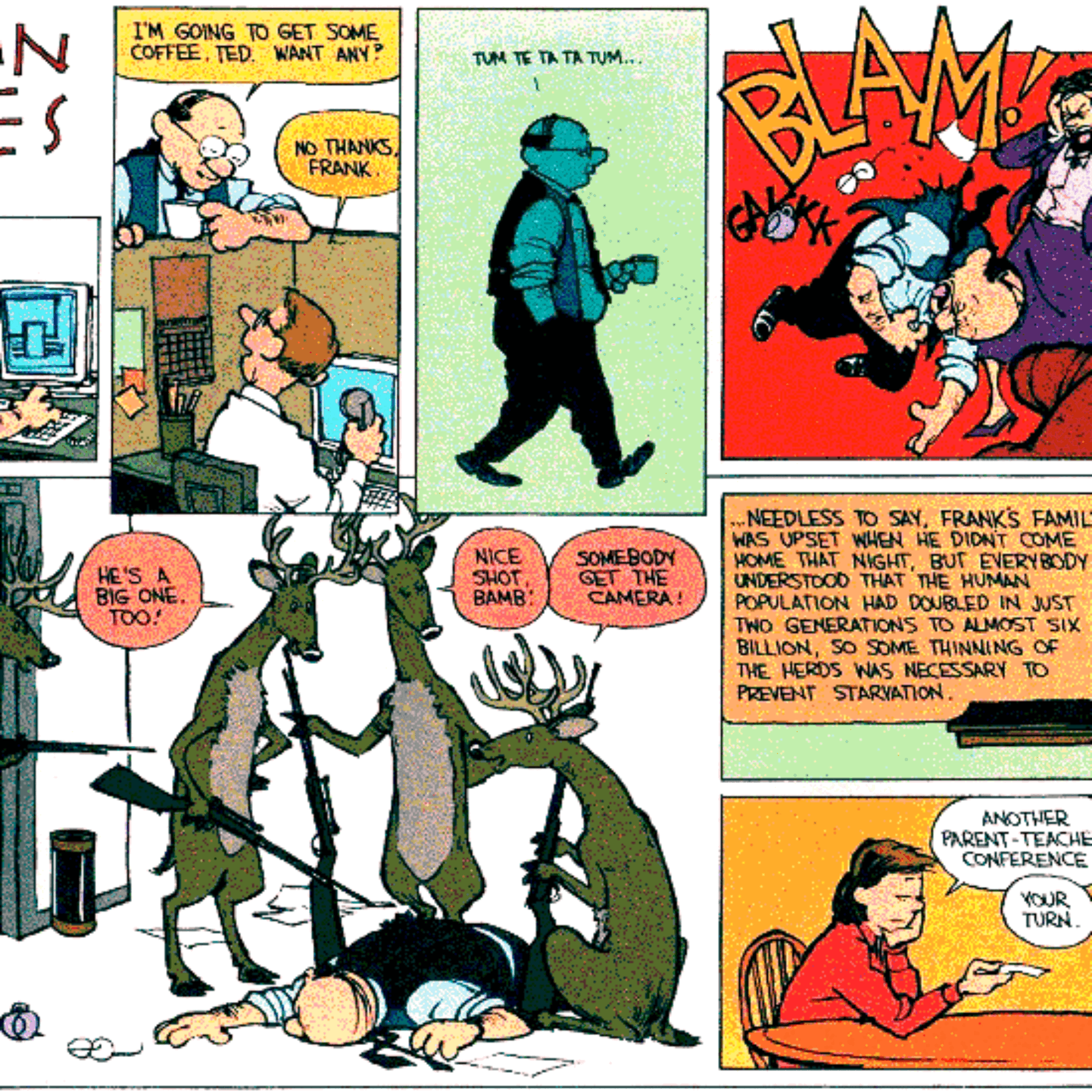
Two weeks ago I wrote about how I felt all kids grow up liking animals and adults have to harden them to killing and eating them. I came across this Calvin and Hobbes cartoon today that, I think, illustrates my point. I can't imagine anyone not getting the sarcasm. If someone doesn't, I guess that would explain my not getting their enjoying eating meat. Clicking should enlarge the picture. Boy do I miss Calvin and Hobbes.

0 Comments

Wrapping up reasonable talk on eating

To wrap up this extended series on food, I'll summarize most of it in the form of advice: Eat what you feel is right for you. The more you learn and think about food the more you'll enjoy it. Anyone who tells you what you should or shouldn't eat is moralizing and meddling. Eating has no right or wrong. In the time I've written this series I've eaten more vegetables than ever. Now that I started using the Vitamixer my mom left me, when a friend who is a personal trainer came over and I told him I bought kale for the first time, we decided to buy and blend $50 worth of fruits and vegetables. We bought red kale, green kale, broccoli, apples, cilantro,…

0 Comments

Why I don’t eat meat: non-issue7: anatomy

Following up my series on liberating ourselves from moralists, meddlers, and others who want to impose their subjective values on us in the name of objective truth in the realm of food, let’s continue with anatomy, the next on my list of a few days ago. This reason makes little sense to me, but I hear it regularly. People who eat meat point out things like that most predators have eyes that face forward and so do we, so we should eat meat. Or that we have a long digestive tract or can't produce vitamin B12 so we should eat meat. People who don't eat meat point out some comparable physical characteristic that they use to say others should or shouldn't eat meat. I like…

0 Comments

Why I don’t eat meat: non-issue6: religion

Following up my series on liberating ourselves from moralists, meddlers, and others who want to impose their subjective values on us in the name of objective truth in the realm of food, let’s continue with religion, the next on my list of a few days ago. I expect this would-be reason to be a non-issue for obvious reasons. Well, first, I don't belong to any religion that has any rules requiring or forbidding eating meat, so religion doesn't apply to me as a reason to eat meat or not. I think most people get that their belonging to a religion doesn't impose rules on other people. They mostly understand some semblance of tolerance for others following their religions, even if they feel compelled to impose…

0 Comments

End of content

No more pages to load