The problem determines the solution, not what you’re good at, not what you want to do, not what you can do.

I wanted to follow up on a recent post, "You tell me what you do best. I’ll tell you what you do worst." When you have a problem to solve, only one thing determines the solution: the problem itself. If you're good at doing one thing, but another thing solves the problem, it doesn't matter how well you do the other thing. Your skill may help solve the problem, but if it needs something else, you'll need to do the other thing too. Same with what you like. If you like doing something but the problem requires something else, it doesn't matter how much you want to do what you want to do if you want to solve the problem. If you want to get…

0 Comments

Redefining failure

Life has only one finishing line, which is when you die (I hope I didn't break that news to you). Everything else is a part of life -- no more an end to one thing before than a beginning to something else. That view seems inarguable. Whatever happens to you, no matter how much you like it or not, if you haven't died you'll continue past it. So how can anything be a failure? Sure, you can call any result a failure, but you never have to. If it didn't go your way, you still haven't finished yet, so you can still make something of it. Everyone has had things go the opposite of how they wanted from the most successful person to the least.…

0 Comments

Start with emotions if you want to motivate yourself … or anyone else

I find Americans try to get precise and scientific about food and exercise, in contrast to how incredibly unfit the country is. I write "try to" because I don't think they succeed in being precise or scientific. The term carbohydrate, for example, used to have a specific scientific meaning. I think it still does, but I think in standard American usage it means "bad" or "evil," like the term fat used to. But I don't think people know what carbohydrate means, but it sounds technical. Same with Omega whatever fatty acids, free radicals, and so on. Same with exercise. People throw around terms like anaerobic, cardiovascular, and VO2 max like candy, rarely knowing what they mean. Jargon devoid of meaning. More than devoid of meaning,…

0 Comments

How do you decide when your decision affects other people? Involve them in the process.

People struggle over decisions they know will affect others. Their concern for other people sounds important for building and maintaining relationships. Their anxiety, on the other hand, suggests they're missing its source. If they don't know what causes their anxiety, they'll miss the otherwise obvious solution. For some reason, people in challenging situations often withdraw from others. Typical such situations include Figuring out how to tell a client news they don't want to hear You're going to finish late and someone depends on you You broke or lost something someone else values and needs You don't know how to solve a problem Figuring out what restaurant or movie to go to with someone You can come up with plenty of situations They're anxious because they'll…

0 Comments

Handling life’s biggest challenges

In this blog I try to cover what I consider one of the main skills of leading others and yourself -- the ability to manage your emotions no matter what comes your way. It shows up in many ways. One of the simplest is the phrase I use a lot: Pain is inevitable. Suffering is optional. ... as I wrote about in my posts "A model to handle pain" and the risky "How do you respond to others’ suffering?". Another way I often write about it is the three books of people who lived rich, fulfilling lives following material devastation -- imprisonment at Auschwitz or paralysis -- such as Frankl's Man's Search For Meaning, Bauby's The Diving Bell and the Butterfly, and Zupan's Gimp. There…

0 Comments

People who succeeded despite adversity, part 2

[This post is part of a series on people who succeed despite adversity. If you don't see a Table of Contents to the left, click here to view the series, where you'll get more value than reading just this post.] Ask yourself which helps more — having advantages or learning to overcome adversity? I base this series on noticing how many extremely successful people had problems that mediocre people claim hold them back. Sure, many successful people emerged from privileged backgrounds and sure, some social problems keep many people from any chance at success, but if you’re reading this blog you probably have reasonable access to success. I decided to create a list of people who succeeded and some problems they overcame. I plan to…

0 Comments

Once you start composting, you can’t go back

Once you start putting your food scraps in a separate container from your trash, you can't go back to filling landfills with what could create topsoil and healthier food. Once you start composting, the amount you throw away decreases yet more -- after you presumably started recycling, after you presumably reduced your consumption. You become more aware of food packaging you can't compost. I've noticed that the less healthy a "food product" is the more packaging it seems to have. What is composting? Composting is using old scraps like banana peels and corn cobs for fertilizer by letting them decompose. Since plants tend to be made of materials good for other plants to make themselves out of, compost is useful for growing healthier plants. It…

0 Comments

People who succeeded despite adversity

[This post is part of a series on people who succeed despite adversity. If you don't see a Table of Contents to the left, click here to view the series, where you'll get more value than reading just this post.] Do you ever feel like things are stacked against you? Consider how many people succeeded despite the odds. Ask yourself which helps more -- having advantages or learning to overcome adversity? I've noticed how many extremely successful people had problems that mediocre people claim hold them back. I started noticing it with actors on Inside the Actor's Studio, but then started noticing it elsewhere. Sure, many successful people emerged from privileged backgrounds and sure, some social problems keep many people from any chance at success,…

0 Comments

Communication skills exercises, part 11: Quick and dirty escapes from conversation lulls

[This post is part of a series on Communication Skills Exercises for Business and Life. If you don't see a Table of Contents to the left, click here to view the series, where you'll get more value than reading just this post.] Don't you hate getting stuck in a conversation lull? Neither person knows what to say. The conversation loses momentum. If you just met the person, you start to wonder if the relationship will never get off the ground -- a serious problem if you're working on a sale, trying to get hired, trying to attract someone. Compounding the problem, not knowing what to say tends to happen more when you consider the other person more important than you. People often feel that way…

1 Comment

A question to ask all the time: “Is this making my life better”

I watch my share of television. I eat my share of unhealthy food. I find plenty of ways to waste my time. But I'm decreasing those things all the time. I think a lot of people decide what to do or not based on the thing or activity in question. Will that chocolate cake taste good? Will I enjoy watching that show? Do I want to go to that party? The problem with that approach is that it leads you to do things based on the qualities of that thing. Most things come your way because someone thought you'd enjoy them. They probably also benefit from your participation, so they show you it most attractively. Then you get caught following your nose, doing whatever comes…

0 Comments

Edward Snowden — Whistleblower

[My previous post is my second-to-the-last on my series on daily and weekly beliefs that improve my life and may improve yours, in no particular order. See the introduction to the series and the value of flexibility in beliefs for background. The last one will be an introduction to the whole series, to come soon.] I haven't written about freedom and the Freedombox project in a while. If you've followed the leak about the information about how much the U.S. Government is spying on seemingly everyone it can, you can imagine I feel strongly about it. Readers here know the value I hold for accountability in leadership. Secrecy seems antithetical to accountability so the news seems to reveal something counter to what I consider effective…

4 Comments

A few models that don’t improve your life that effectively

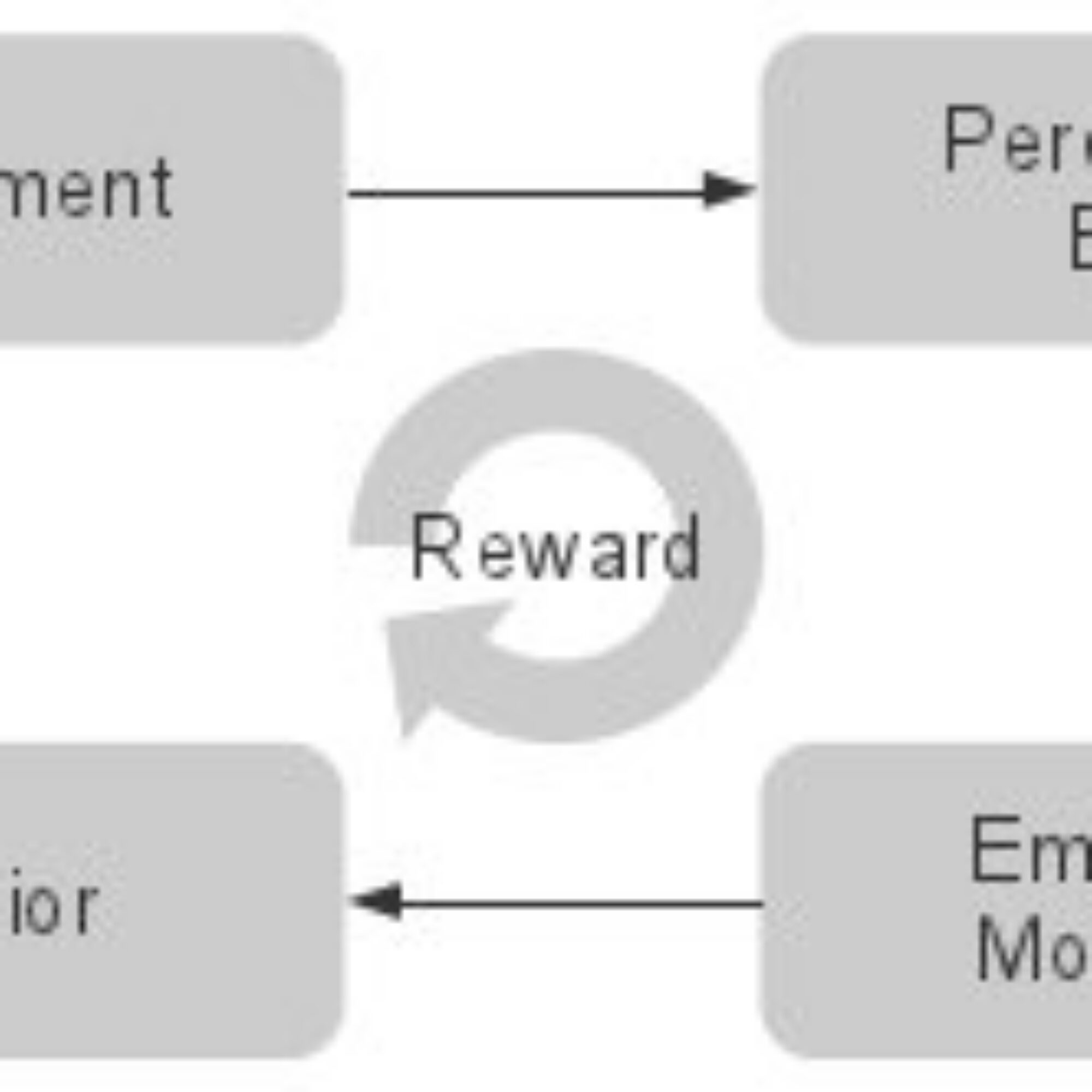
[This post is part of a series on “Mental models and beliefs: an exercise to identify yours.” If you don’t see a Table of Contents to the left, click here to view the series, where you’ll get more value than reading just this post.] I wrote about The Method being an effective way to improve your life and, when applied to a team, to improve your leadership style. Based on the Model, The Method says that if you align your environment, beliefs, and behavior with the emotions you want, you'll feel emotional reward. Feeling reward means you'll feel motivated to continue your change through to completion. Most people don't know the Model or follow the Method. They use techniques that can work, but generally not…

0 Comments

A model to replace jerks with people who improve your life

[This post is part of a series on “Mental models and beliefs: an exercise to identify yours.” If you don’t see a Table of Contents to the left, click here to view the series, where you’ll get more value than reading just this post.] Who hasn't had to deal with an annoying coworker? Or boss? Or family member? ... someone you couldn't get away from and had to treat respectfully, no matter what you felt about them? I once worked on a consulting project for a company with a difficult-to-work-with (to put it mildly) CEO. He was friendly before the project started, and you could see how he brought in clients, but I found him overbearing with his team. Soon after the project started I…

0 Comments

A model to promote responsibility

[This post is part of a series on “Mental models and beliefs: an exercise to identify yours.” If you don’t see a Table of Contents to the left, click here to view the series, where you’ll get more value than reading just this post.] Today's model polarizes. That is, it doesn't build consensus or bring people together. While building consensus and bringing people together may sometimes help in politics, if you want to stick to your values, you won't improve your life by living partly by your values while mixing in some other peoples' values you disagree with. So today's model will create a model that, for me at least, separates an embodiment of my values from its antithesis which, for me, helps me live…

0 Comments

A model to make problems go away

[This post is part of a series on “Mental models and beliefs: an exercise to identify yours.” If you don’t see a Table of Contents to the left, click here to view the series, where you’ll get more value than reading just this post.] Have you notices some people never seem to have problems? And others seem to complain all the time about their misery? Today's model will help you become part of the group that doesn't have problems. I've come to believe that some people look for problems in life. Others look for solutions. I consider it tragic that both types of people get good at what they do. Practice makes perfect. A model to make problems go away: Some people look for problems.…

0 Comments

A model to allow yourself to fail, which gives you freedom to succeed

[Today is the fifth in a series on my daily and weekly beliefs, in no particular order. See the introduction to the series and the value of flexibility in beliefs for background.] Do you ever not do something for fear you'll fail at it? You've probably heard the phrase that the perfect is the enemy of the good. You may also have noticed that people who achieve greatness don't do things perfectly. How do you become great if you don't do everything perfectly? Here's a model I use to allow yourself to do something without worrying too much about failing -- ironically, the best way to succeed. It's one of my most important ones I think about almost daily. It fits with my practice of having…

0 Comments

How not to overspend on things you don’t want

I can't resist reposting a comment I posted on the forum of one of my favorite other blogs, Mr. Money Mustache. I'm reposting it because two other readers rated my response highly, one giving my response this animated image, making me proud. The post I responded to Alright mustachians [the term for people in the Mr. Money Mustache community who practice his principles of not spending money on stuff that doesn't improve your life] I need your sage advice. In the last three months I have really cut down on my bad habits. I pack my own lunch to work every day. I broke up with cable. I stopped ordering books from amazon on a regular basis. I changed my eating habits from quick and…

0 Comments

We proved each other wrong… and right.

Sometimes being proved wrong improves your life. This story is one of them. Actually, my friend and I both proved each other wrong and it worked out well. If you've been reading this page, you know how much I value self-awareness and emotional intelligence. I've worked hard to develop resilience to feeling bad when things don't go my way. I like being able to stay calm under pressure. I have a great friend -- a borderline celebrity whose identity is important enough I can't mention it in this context -- but we've been friends for years. Why can't I mention her name? Because, and I don't think she'd disagree with me for saying this, she's crazy. When I met her she had been diagnosed with…

0 Comments

How to avoid temptation

Today's post will sound like it's about food, but it's about a lot more. The other day I was at a party with a great spread -- rich, delicious food and a lot of it: cheese, crackers, chips, cake, ice cream, and so on. I liked eating some, but realized I didn't want to eat too much. But everyone was talking around the food table and I find it hard not to eat delicious food right in front of you that everyone else is eating too. So I used my favorite strategy anyone can use to avoid eating too much of what they don't want. I didn't try not to eat the rich foods. I didn't try to eat less at all. I found the…

0 Comments

I felt miserable this morning. Then I got out of it.

[This post is part of a series on my daily exercise and starting and keeping challenging habits. If you don't see a Table of Contents to the left, click here to view the series, where you'll get more value than reading just this post.] How do you handle miserable days? I think today started like many people's does. I don't know how most people handle down days, but I'll share a typical case that I think could apply universally. People sometimes tell me I always seem in a good mood. I have to point to Marshall Goldsmith, his trademark phrase "Be happy now," and his practices that back it up as having inspired me to realize how much you can take control of your emotions.…

0 Comments

Choosing your beliefs; a life and death example

How would you like for your body to weaken for no reason and become unable to do simple things you once could; where you stumble and fall just jogging; to have your weakness on display to the world so everyone sees you deteriorate; then to find out your body will continue weakening until you can't use your arms and legs or any other muscles, and that you'll die in a few years? Would you feel lucky? Do you think you could if you wanted to? Lou Gehrig did. If you've never read or heard the speech he gave on retiring from baseball on July 4, 1939, you'll see his ability to create his beliefs at work. Some might say of course he feels lucky as…

0 Comments

George Clooney on accountability

Following up yesterday's post on George Clooney on living well, I sampled another clip from the same interview in which he talked about accountability. The context is his winning an award for his work on Darfur. I think the clip illustrates how to keep focused on results, not accolades. And even to remember that the results you can achieve don't necessarily mean results that you want to achieve in the long run. Reporting on hidden problems helps -- how else can you try to solve them -- but it doesn't solve them. http://www.youtube.com/watch?v=xyl5vQCiOrk Accountability: without it things don't get done. Leaders almost necessarily have it because their team depends on them. Even if they don't have accountability, effective people ask for it.

0 Comments

How to take risks

I've written about my models for how to motivate doing things you aren't good at. Such skills are important in many fields, but especially so in leadership. More than having to motivate yourself to do things for the first time, you often have to motivate many others to do things they haven't done. One is my practice of having low standards the first time I do something, which motivates doing things the first time at all. I can always improve later. But I have to try once to get to later tries. Another is Martha Graham's statement: Nobody cares if you can’t dance well. Just get up and dance. Great dancers are not great because of their technique, they are great because of their passion.…

0 Comments

Leadership in garbage we can learn from

I just read that Sweden is separating their trash so effectively, they're buying garbage from other countries. That is, their reducing-reusing-and-recycling programs work so well, their waste-incineration program is running low. Needless to say, reducing waste reduces pollution more than incinerating garbage, so one program starving the other helps the environment. According to Phys.org, Europe's average amount of trash ending up as waste if 38 percent. Sweden's is 1 percent. I shudder at what the United States' is. My home country doesn't lead in this area. It follows. Probably embarrassingly, at least for people who don't like to pollute the air and water their children breathe and drink. Since I started composting, my garbage amount decreased a lot. Cutting back on processed food reduces my…

0 Comments

An entrepreneurial example of leading by example

In September, 2001, the company I co-founded, Submedia, was installing its first display in Atlanta for our first big launch. We anticipated a lot of press. Giving away part of how the story ends, we did get a lot of media attention. The night before launch was crazy -- we had a few hours to finish installing the display, we had to prepare for the Fire Marshall's inspection the morning before the launch, and we had national, Atlanta-based, and possibly some New York-based press scheduled to attend the launch. At the pace we had worked before, we'd need more than a few hours to finish. Needless to say, we, nor anyone else, had ever installed or launched a commercial display like ours. We had no…

0 Comments

End of content

No more pages to load