Yesterday I posted a passage from Steven Pressfield’s new book The Arcadian about how being induced to act against our values—being corrupted from our values—affects us, in Wounded Warriors, by Steven Pressfield, and Ourselves.
Yesterday I quoted a scene from Steven’s book where three warriors share the effects on their minds of their heroism. It began with what happened to their bodies, which seems the visible counterpart of what happens to their minds, not counting those who were killed and aren’t there to be seen or heard.
The passage built up to the last paragraph, which described pissing, pickling, and kicking corpses to try to diminish what they’d done. The actions show what people do when we are corrupted from our values. Steven describes warriors doing things after the one-on-one intensity of killing another man when you can smell his breath, wanting him to die so he doesn’t kill you, doing it over and over, then living with it for the rest of your life.
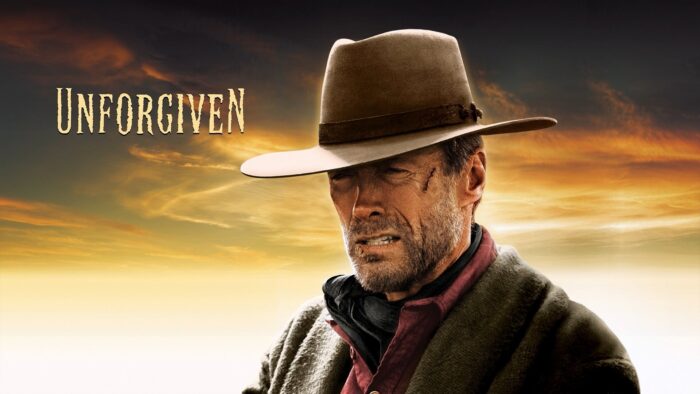
It reminded me of what I consider a great scene of all cinema, from Unforgiven, which presents something similar. It shows the pain and attempt to escape it, more visibly through alcohol but internally through trying to diminish it.
We didn’t ask to be born into a culture that makes it impossible to get past eating breakfast without hurting people—for example through plastic packaging and transporting food across continents when our ancestors just walked to it—and causing more of it—for example, by funding future extraction and lobbying for more—but we were.
The result: we tell ourselves multiple times per day every day for decades whatever it takes to feel good: “legitimizing myths.” Here’s a page of dozens, including many you tell yourself: TYMCALM: Common and Advanced Legitimizing Myths around polluting and depleting.
People are quick to talk about how cars “solved” the problem of horse manure flooding cities. I treated a few cases in But Aren’t We Solving Things? How can efficiency increase pollution?. Cars increased the amount of pollution in the world, but they dispersed it so we didn’t see it. Our culture, which we fund, collectively kills more people every year than Hitler did in years or US slavery did over centuries.
Do you believe that we aren’t affected by the results of our behavior? We experience the results of our actions differently than the warriors in the passage below, but you better believe we are affected by what we help cause. When you read what these warriors do, you’ll see the pattern in ourselves. Just as our culture’s need to kill others to maintain itself is more diffuse than theirs, so are our ways of responding to the horror we cause.
As usual, I point out these wounds and horror not to make people feel bad, which would be the result if there were no solution. My upcoming book presents a solution that is practical and desirable. It’s not my idea, it’s the practice democracy is founded on, in this nation embodied in the Declaration and Constitution. I point out these wounds to motivate acting on this solution. Sorry to leave you hanging on the content of the book, but if I could write it shorter than the book itself, I wouldn’t be working so hard to write it. Stay tuned.